The Man in the Tree
- 256 pages
- 9 hours of reading
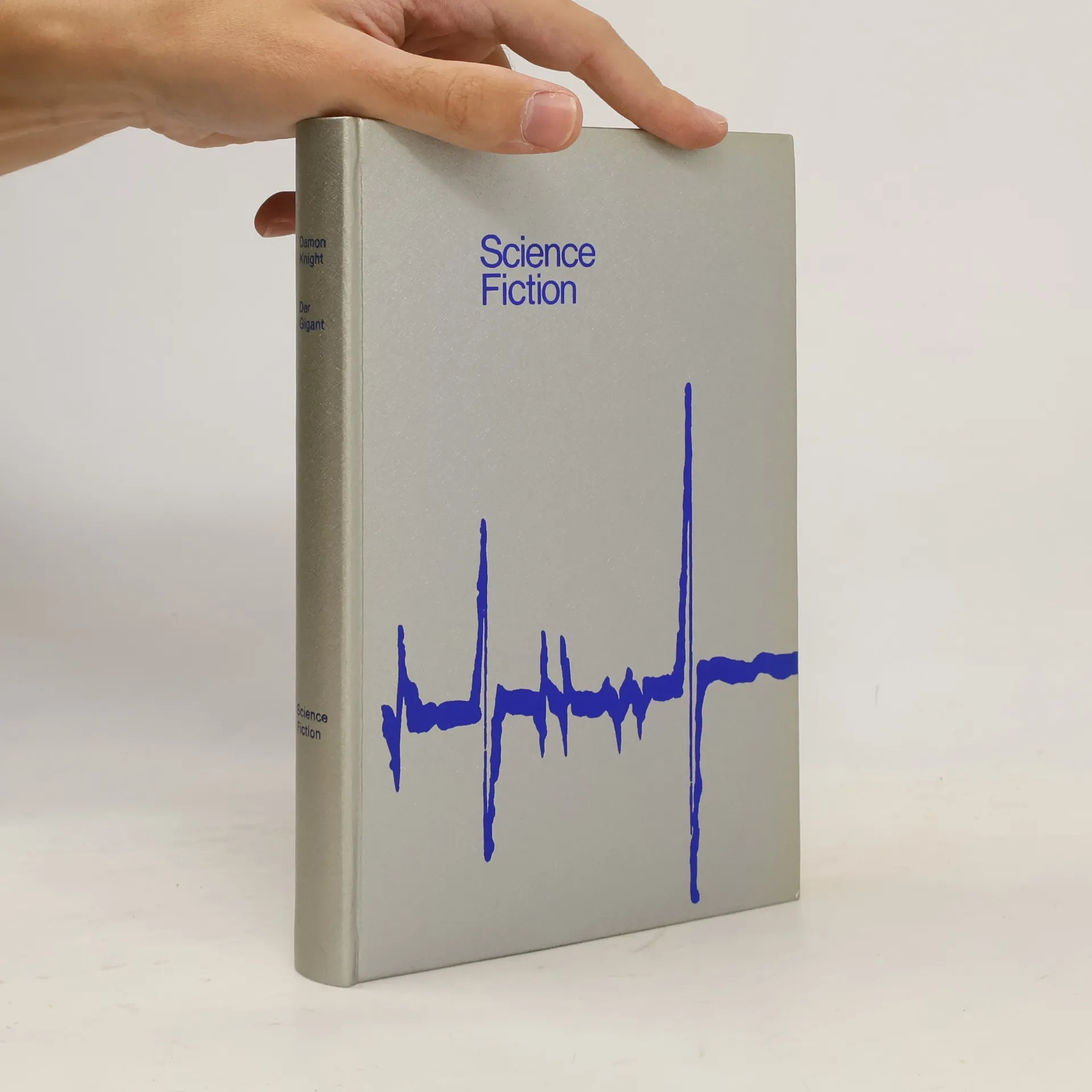
Gene Anderson, an eight-foot-tall giant, uses his ability to reach into other dimensions first to become rich and then to reform the world


Damon Knight was an American author of science fiction, recognized for his insightful explorations of the human psyche and society within futuristic landscapes. His works frequently delved into the ethical quandaries and existential questions arising from technological advancements. Through his critical perspective and innovative storytelling, he significantly influenced the genre's trajectory and inspired subsequent generations of writers.



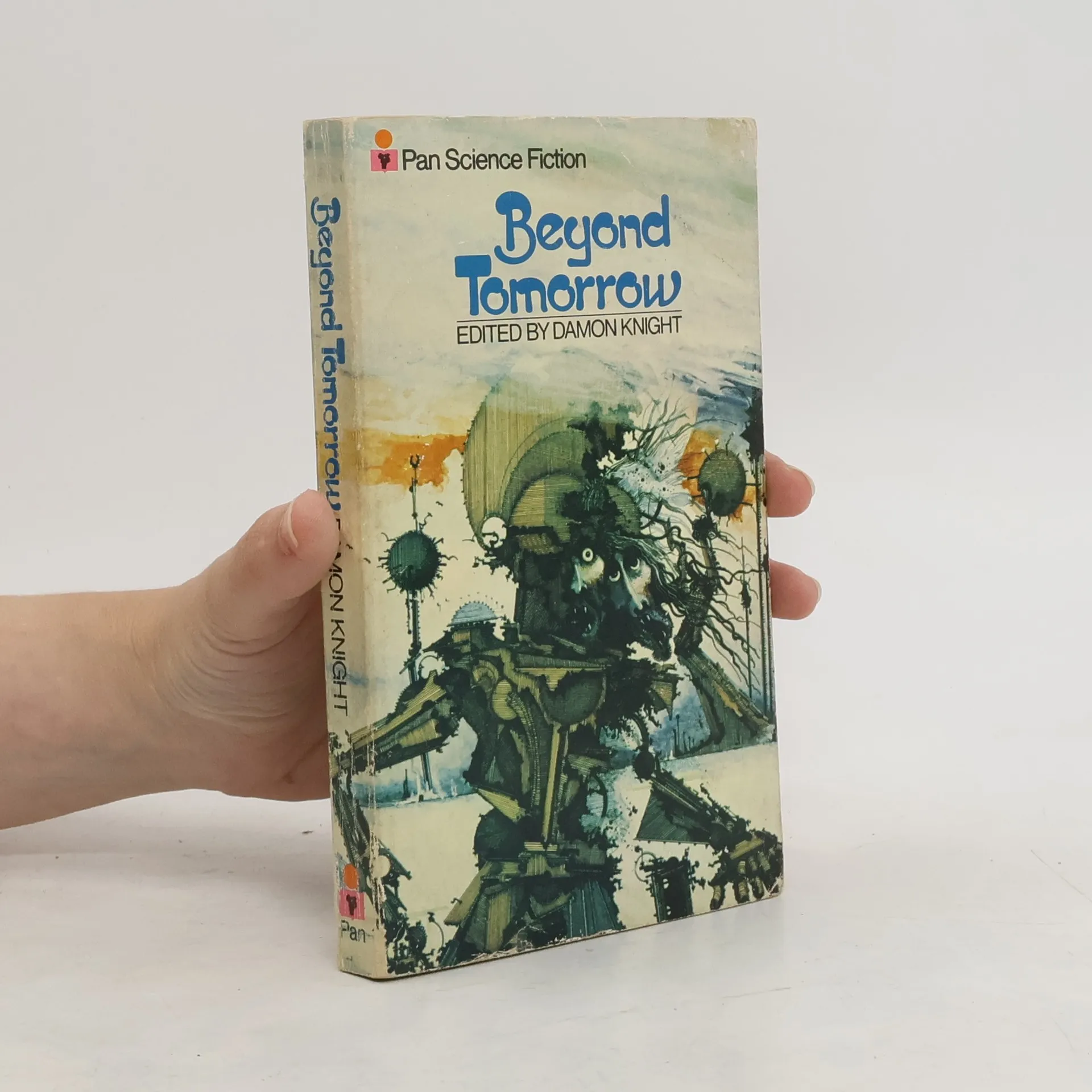
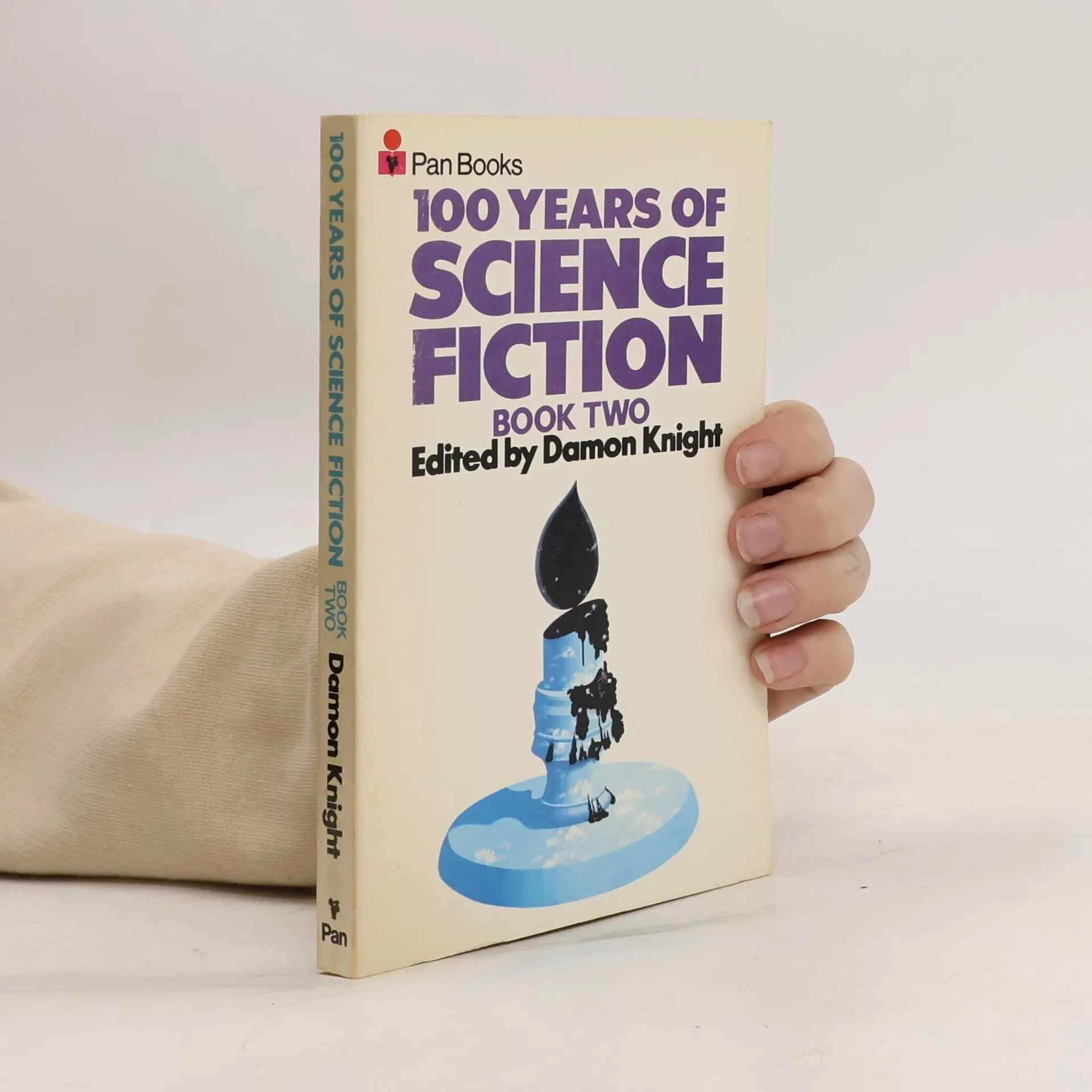

Gene Anderson, an eight-foot-tall giant, uses his ability to reach into other dimensions first to become rich and then to reform the world
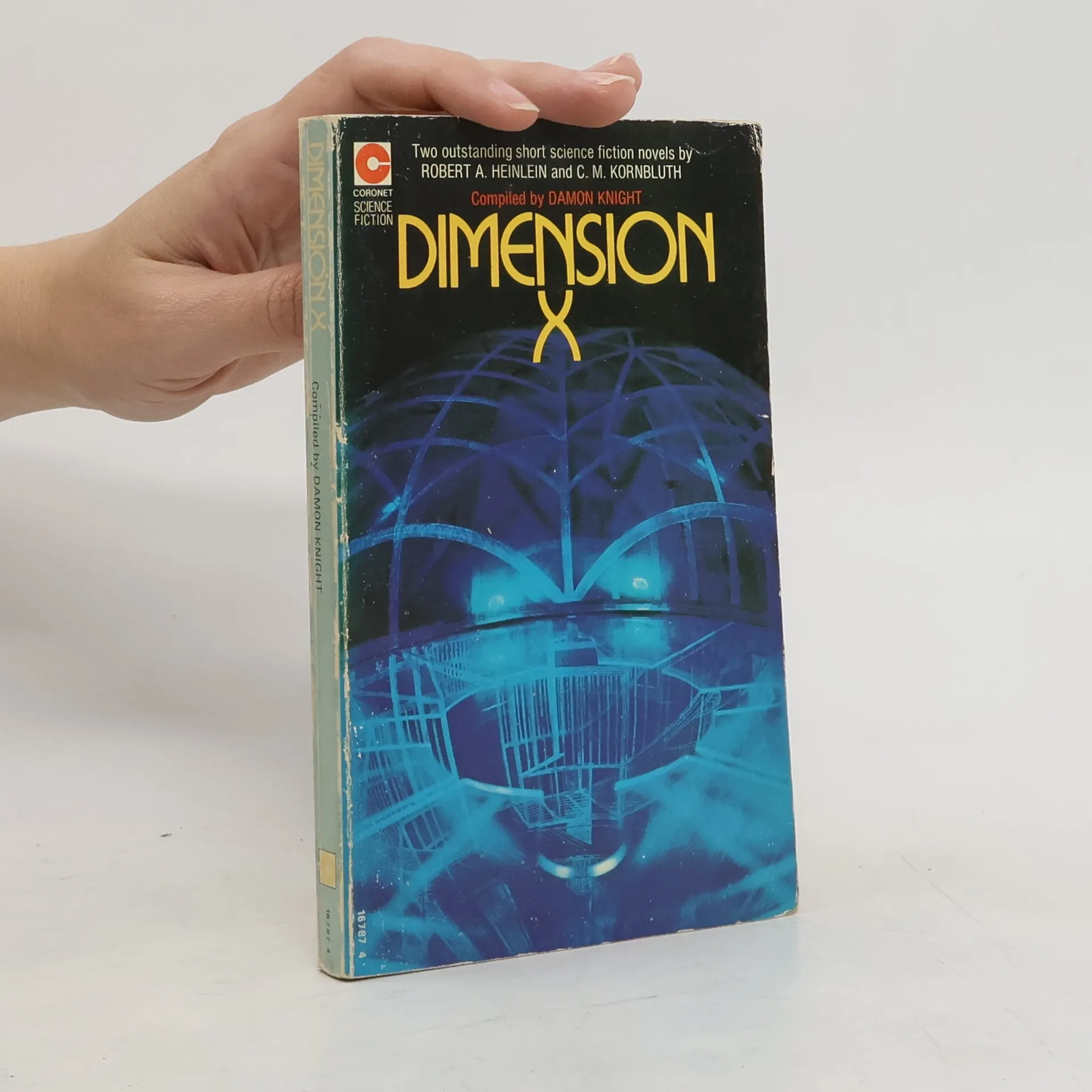
Anthology of short stories by Gerald Kersh, C.M. Kornbluth, Algis Budrys, Ambrose Bierce, Norman Spinrad, Sonya Dorman, Ralph Williams, Anthony Boucher, Arthur C. Clarke, J.G. Ballard.
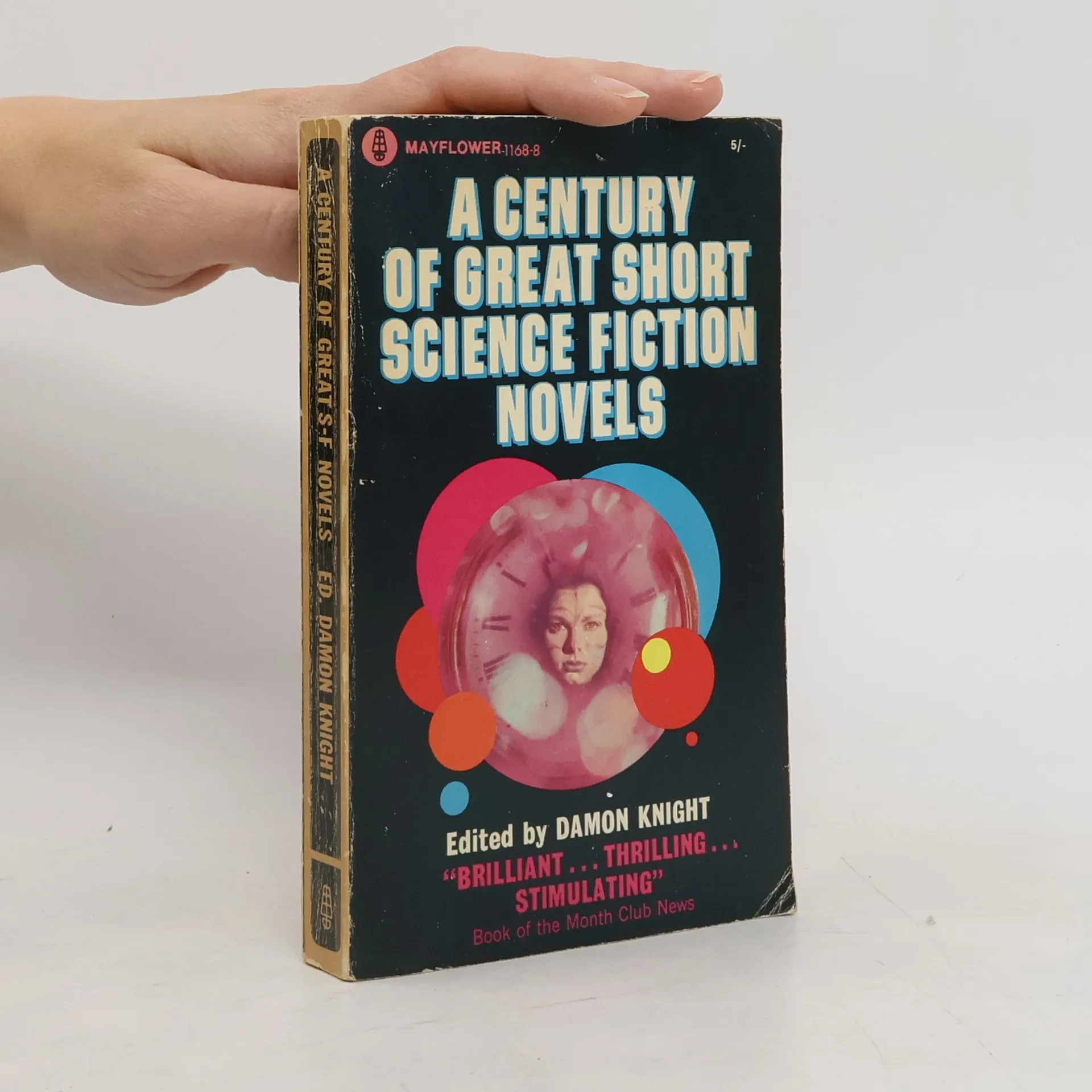
The leading writers in SF create a galaxy of entertainment in these startling, often nightmarish stories set in deep space, beneath the sea, on Mars, Mercury and Jupiter, and at varying times on planet Earth. Memorable adventures with a satisfying touch of wonder and always plausible. Contents Brightside Crossing • by Alan E. Nourse Coventry (Future History) • by Robert A. Heinlein Desertion (City) • by Clifford D. Simak Happy Ending • by Henry Kuttner and C.L. Moore (as Henry Kuttner) Nightfall • by Isaac Asimov The Deep Range • by Arthur C. Clarke The Mile-Long Spaceship • by Kate Wilhelm The Seesaw (Weapon Shops of Isher) • by A. E. van Vogt Twilight (Twilight #1) • by John W. Campbell Jr. (as Don A. Stuart) The Million-Year Picnic (The Martian Chronicles) • by Ray Bradbury
First Voyages is an anthology of science fiction short stories edited by Damon Knight, Martin H. Greenberg and Joseph D. Olander, first published in paperback by Avon Books in May 1981. It is a compilation of the first published stories of twenty prominent authors in the genre, and an expansion of Knight's earlier First Maiden Voyages in Space and Time (Lancer Books, 1963), which covered ten of the same stories and authors.
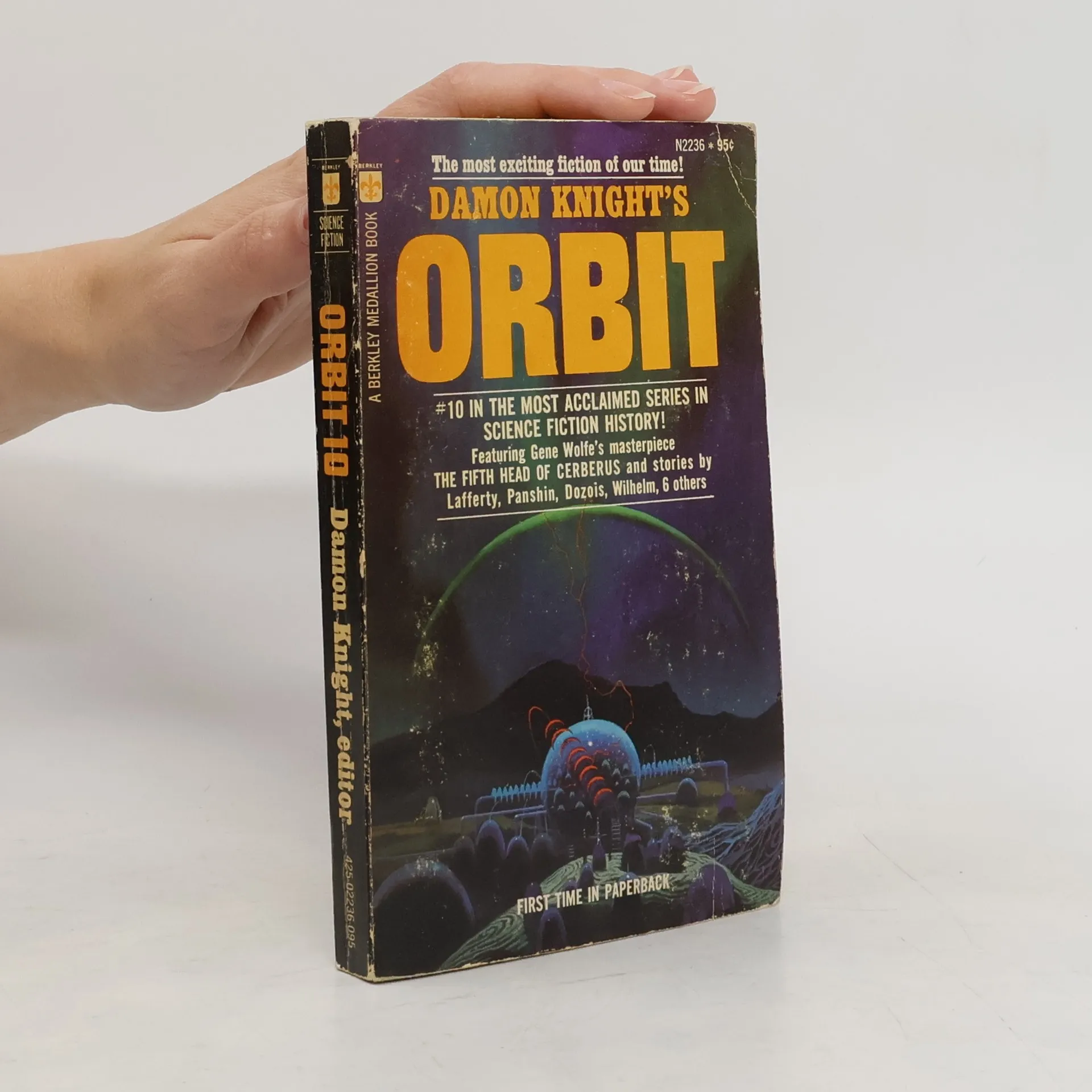
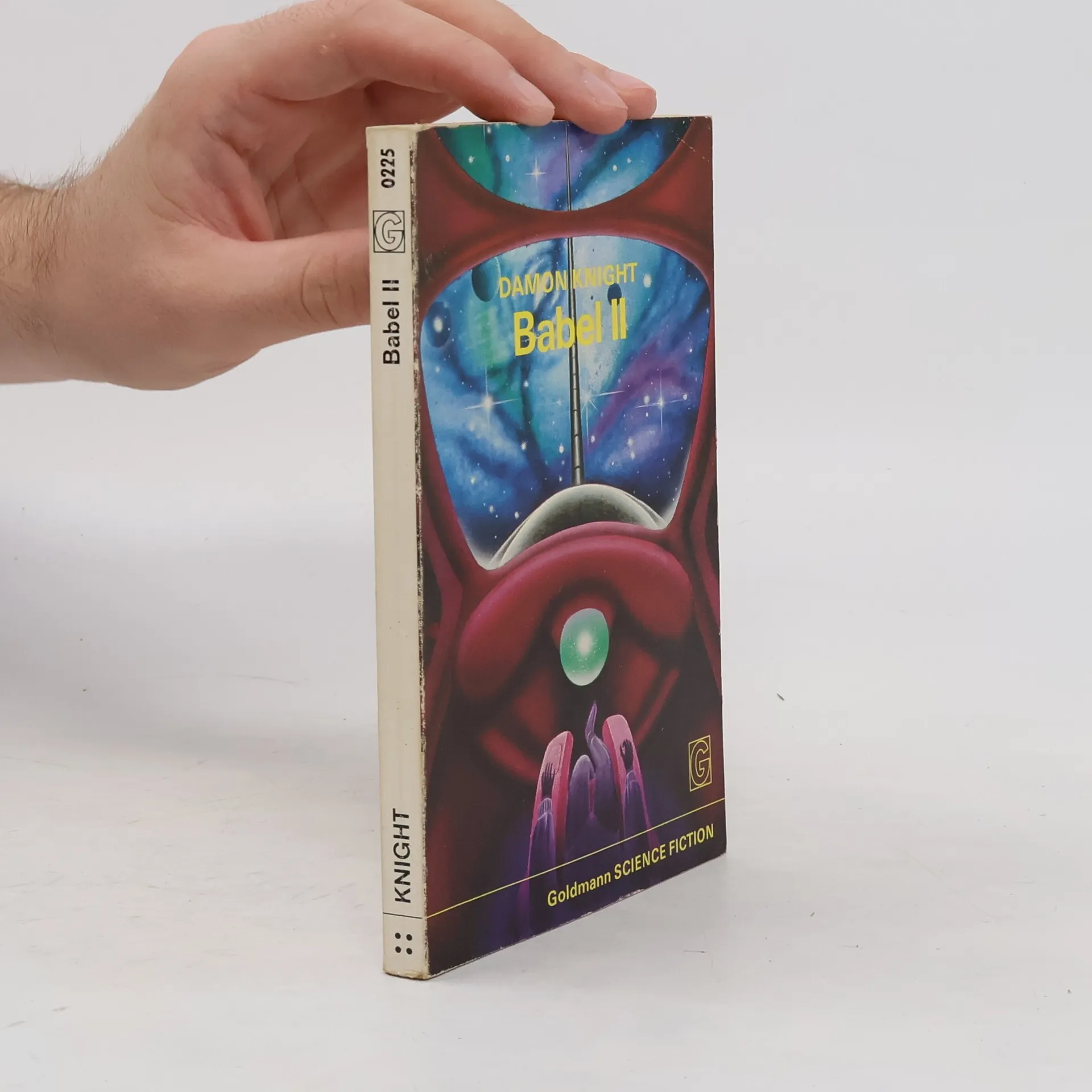
Dark of the Knight • (1976) • essay by Barry N. Malzberg Not with a Bang • (1950) To Serve Man • (1950) Cabin Boy • (1951) The Analogues • (1952) Babel II • (1953) Special Delivery • (1954) Thing of Beauty • (1958) Anachron • (1954) Extempore • (1956) Backward, O Time • (1956) The Last Word • (1957) Man in the Jar • (1957) The Enemy • (1958) Eripmav • (1958) A Likely Story • (1956) Time Enough • (1960) Mary • (1964) The Handler • (1960) The Big Pat Boom • (1963) Semper Fi • (1964) Masks • (1968) Down There • (1973)
Many Mansions story by Gene Wolfe To the Dark Tower Came story by Gene Wolfe Lollipop & the Tar Baby/8 Worlds novelette by John Varley State of Grace story by Kate Wilhelm The Disguise novella by Kim Stanley Robinson Tomus story by Stephen Robinett Night Shift story by Kevin O'Donnell Jr Fall of Pebble-Stones story by R.A. Lafferty Going Down story by Eleanor Arnason Beings of Game P-U story by Phillip Teich Vamp novelette by Mike Conner Under Jupiter novelette by Michael W. McClintock The Veil Over the River novelette by Felix C. Gotschalk Arcs & Secants essay by Damon Knight The Memory Machine essay by Damon Knight They Say essay by Damon Knight
The Ugly Little Boy, 1958 novelette-Isaac Asimov (aka Lastborn) The Man Who Sold the Moon, 1950 novella-Robert A. Heinlein The Saliva Tree, 1965 novella-Brian W. Aldiss The Marching Morons, 1951 novelette-C.M. Kornbluth Fiddler's Green, 1967 novella-Richard McKenna
What would happen if someone invented a machine that could create an exact duplicate of anything? That is the simple but remarkable premise of Damon Knight's classic 1959 novel, A for Anything. "The Gismo," as the machine is known, seems like it will end poverty and need forever. But of course, things are not that simple. Like any truly great work of science fiction, Knight's novel boldly pursues the ramifications of his premise. What will people do if there is no longer any need to work for anything? What happens if this device is spread carelessly throughout the world (it can even duplicate itself!). Finally, there is the supreme and most chilling of questions: what happens if you try to duplicate a human being? A for Anything is a classic work of science fiction, but it considers questions that are as relevant and compelling today as they were fifty years ago, perhaps more so. Like most of us, Knight watches the mind-boggling technological advancements of our time with a mixture of awe and alarm, and wonders whether we are really in control of the things we are creating. Knight has put his finger on the pulse of our modern sensibility and, mixed with his truly remarkable imagination, created a novel that is gripping, thought-provoking and impossible to put down.
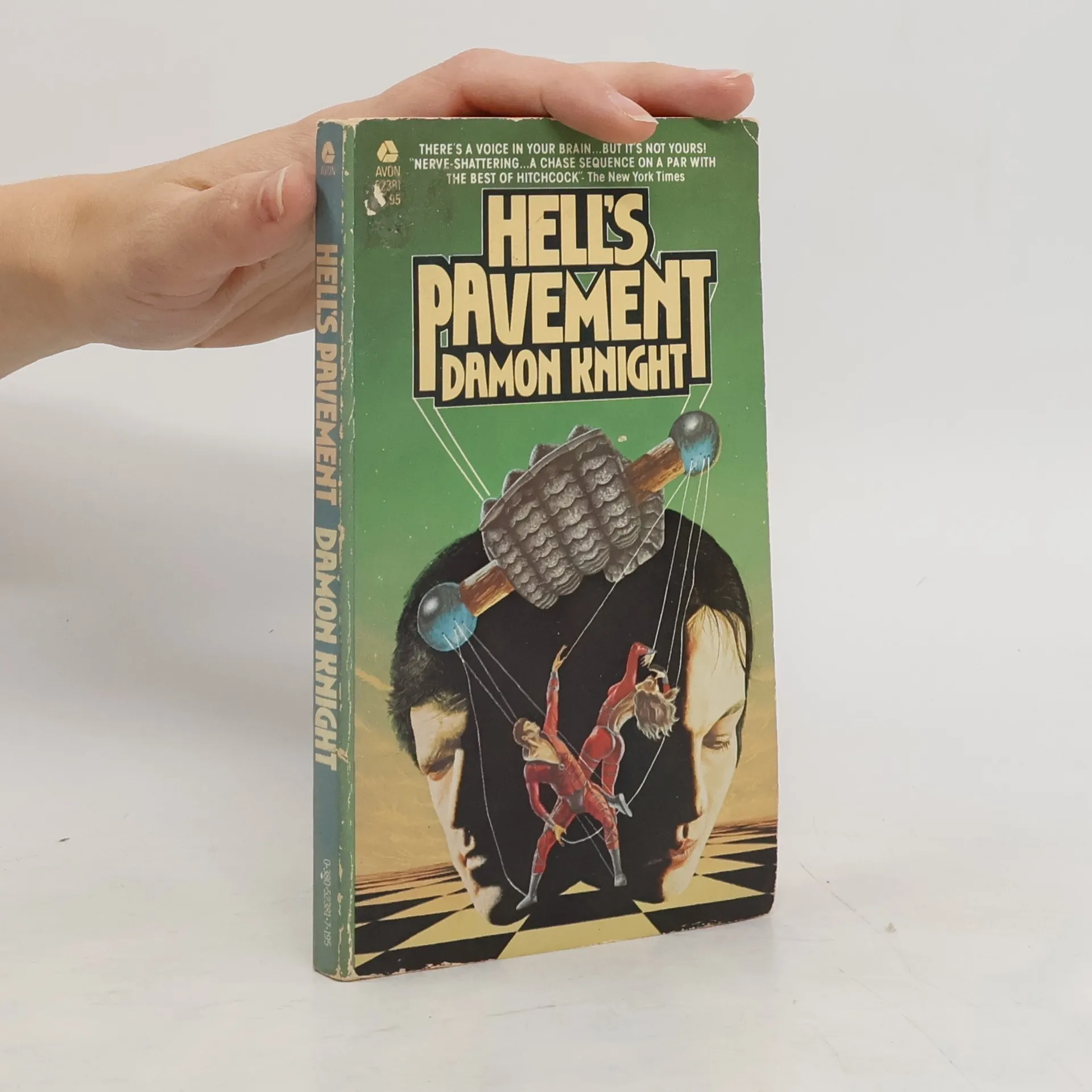
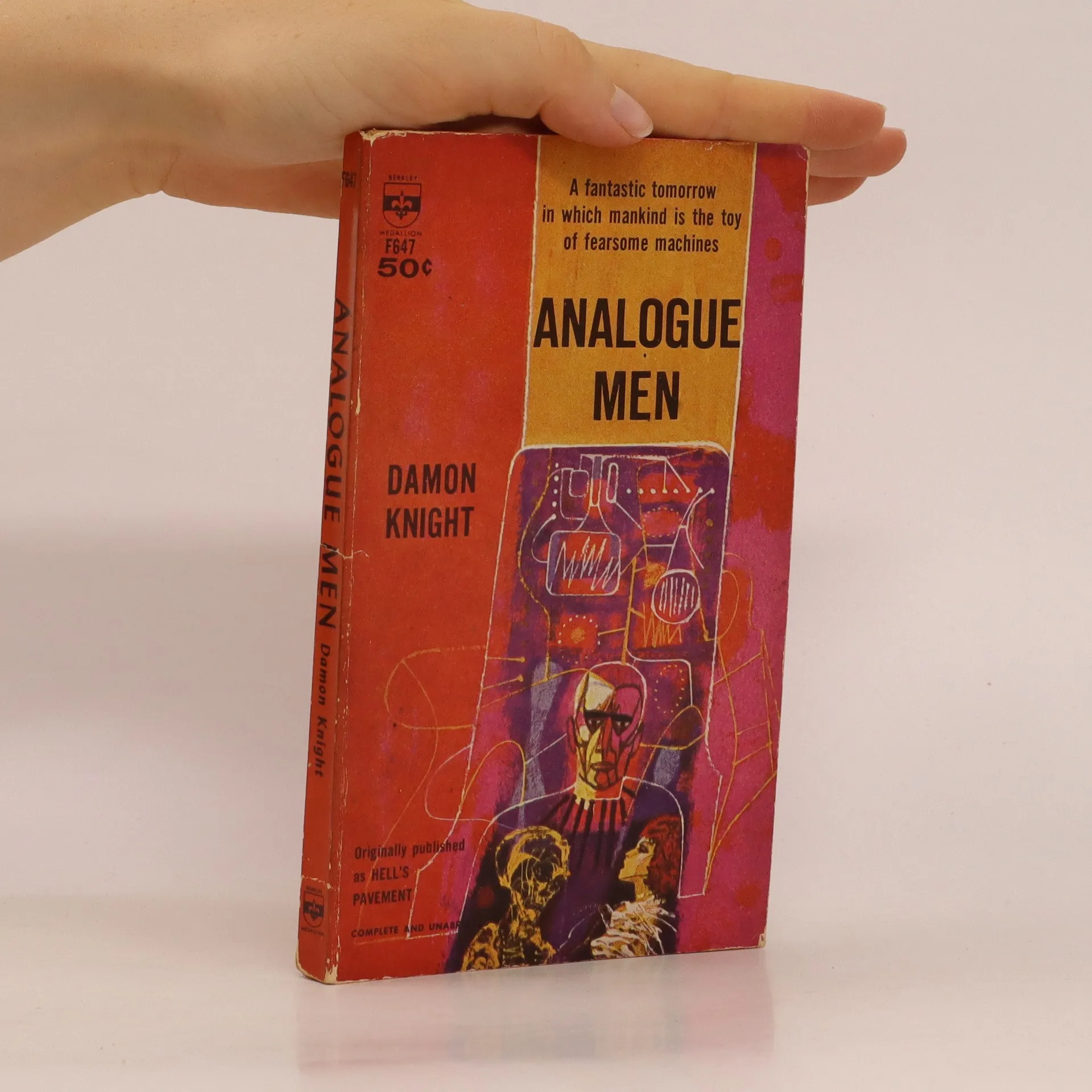
The Millennium is here. No more wars, no more gang killings, no more drunken accidents. Because you have to be good, when there's an Analogue in your brain! You're a sheep, in a world of sheep...yes, the world is perfect, until a wolf comes along - the man without an Analogue, the enemy, the man outside the law. then what are you going to do, sheep - run, or turn wolf?
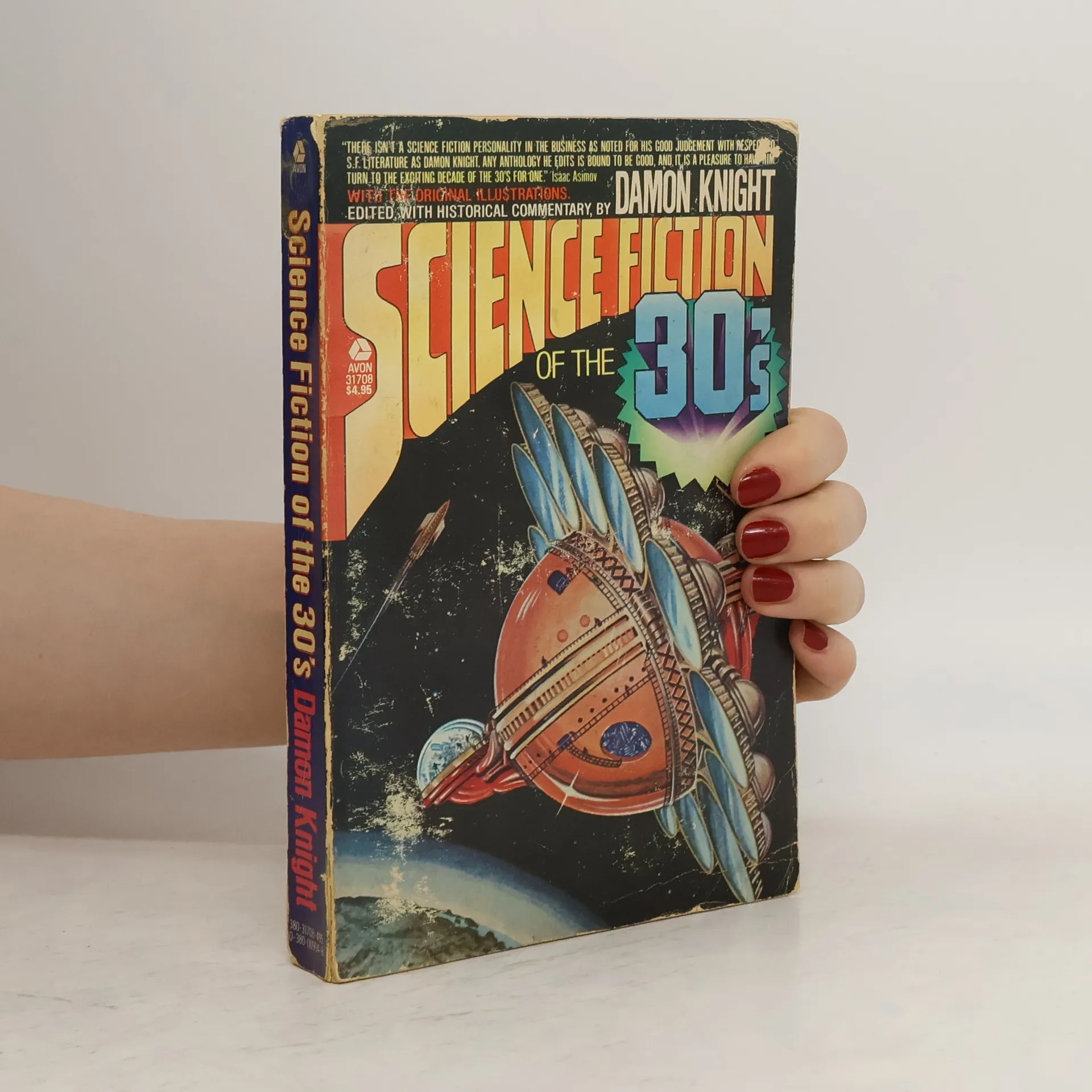
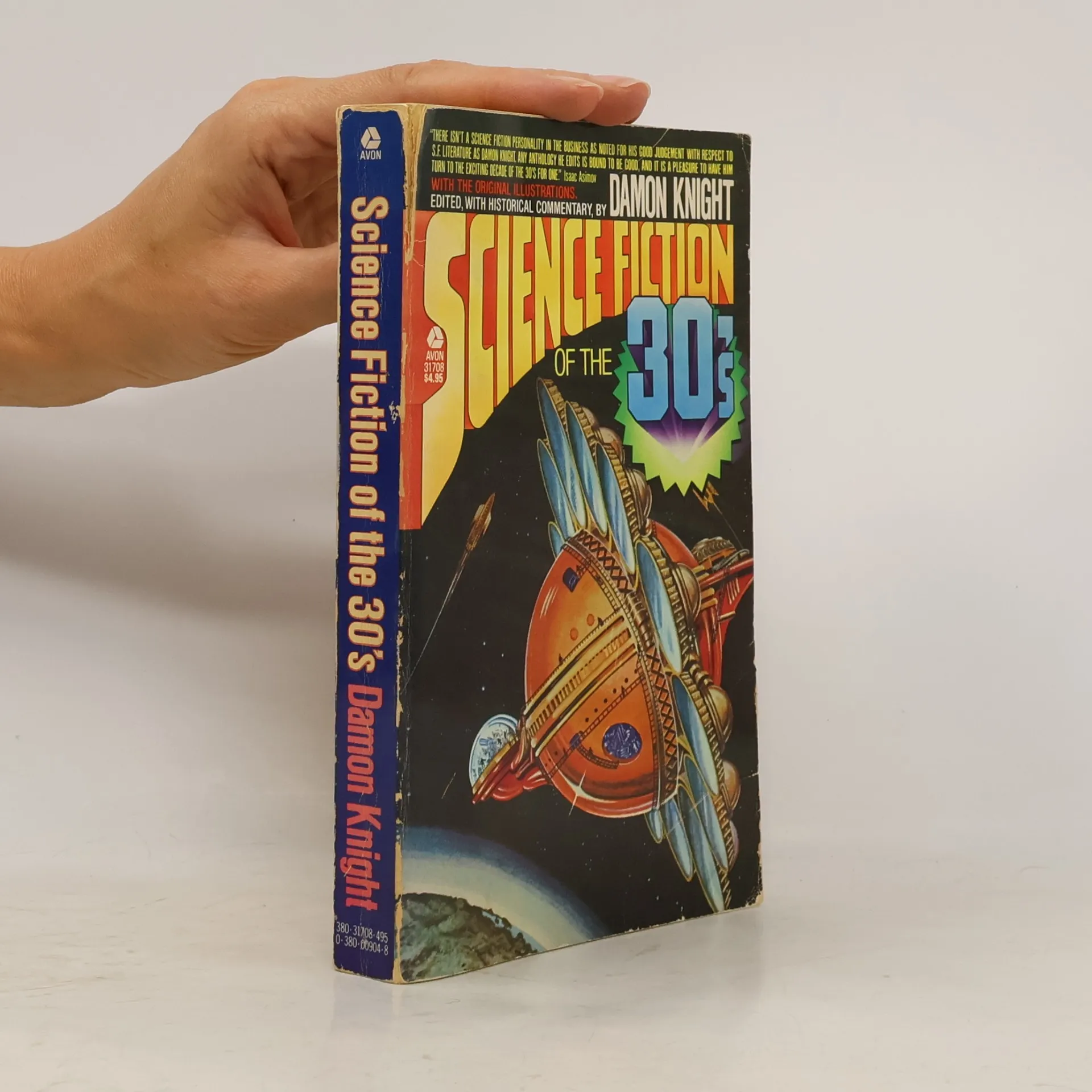
This volume is an anthology of science fiction short stories. It collects eighteen tales by various authors originally published in the 1930s, exemplifying American magazine science fiction of that decade, together with a foreword and three essays on the period by the editor, and a bibliography. The stories were originally published in premier science fiction magazines of the time and this work reproduces period illustrations that originally accompanied the stories.
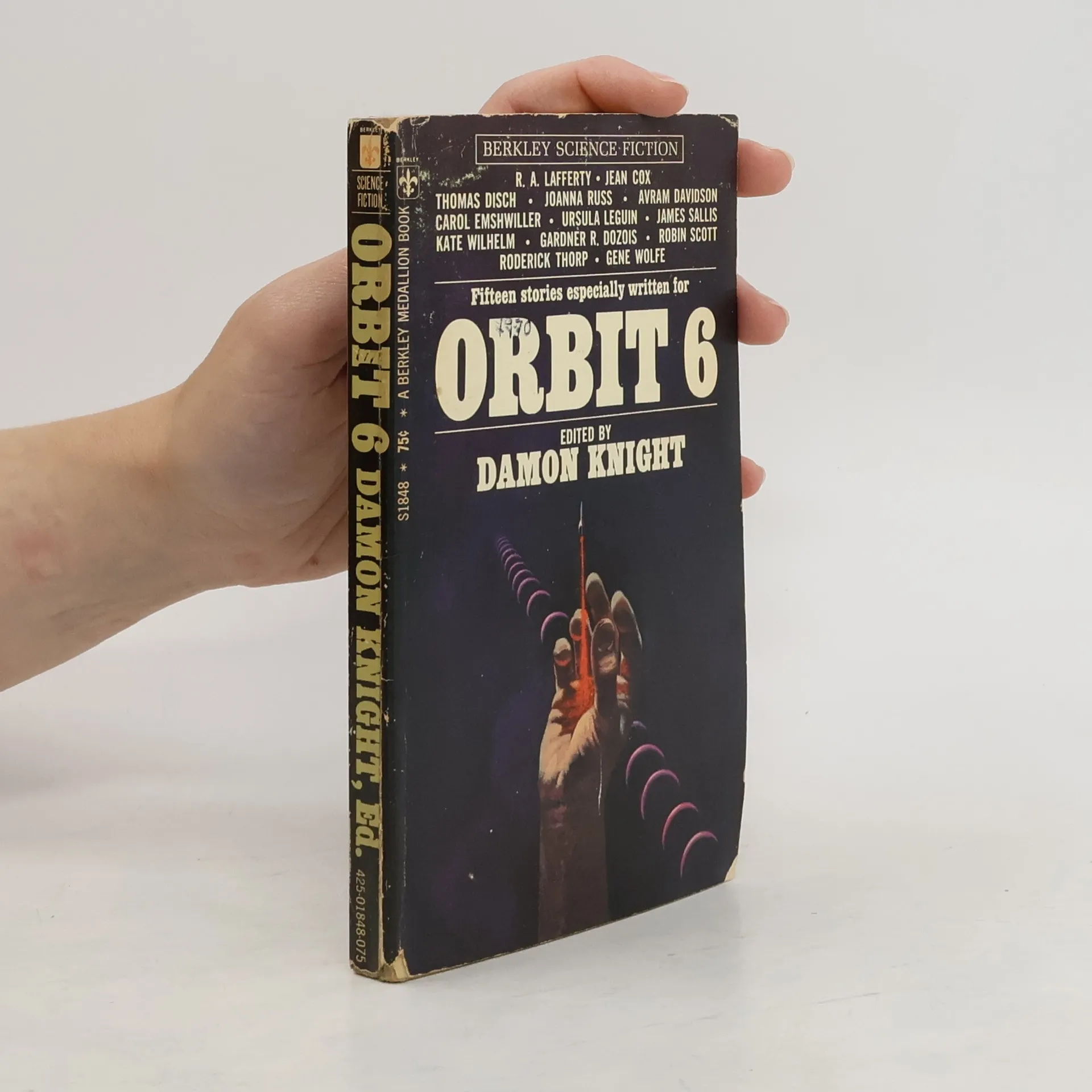
Fourth in the celebrated series includes stories by Kate Wilhelm, Charles L. Harness, James Sallis, Jacob Transue, Carol Emshwiller, R. A. Lafferty, Robert Silverberg, Vernor Vinge, Harlan Ellison, more.
Set in the ancient city of Kal-Jmar, the story follows Syme Rector, who obtains a key linked to immense wealth and advanced robotic technology that fulfills desires instantly. As he navigates this intriguing world, the implications of power and the consequences of desire unfold, revealing the complexities of human ambition in a technologically advanced society.
This collection features a range of influential science fiction works, showcasing the genre's evolution and creativity. It begins with essays by Kingsley Amis, setting the stage for the Golden Age of Science Fiction. The anthology includes notable stories such as Anthony Boucher's "The Quest for Saint Aquin," R. S. Richardson's "The Xi Effect," and Frederik Pohl's "The Tunnel Under the World." Additionally, readers will find Brian W. Aldiss's "Old Hundredth," James Blish's "A Work of Art," and Kurt Vonnegut Jr.'s iconic "Harrison Bergeron." J. G. Ballard's "The Voices of Time" and Robert Sheckley's "Specialist" further explore imaginative themes. The collection also features H. Beam Piper's "He Walked Around the Horses," Cordwainer Smith's "The Game of Rat and Dragon," and Arthur C. Clarke's thought-provoking "The Nine Billion Names of God." Other highlights include Harry Harrison's "The Streets of Askelon," Damon Knight's "The Country of the Kind," and Isaac Asimov's "The Machine That Won the War." The anthology concludes with F. L. Wallace's "Student Body" and Jerome Bixby's "It's a Good Life," along with Poul Anderson's novella "Sister Planet," offering a rich tapestry of speculative fiction.
Elf sf-verhalen, verzameld en geredigeerd door Robert Silverberg
Elf krankzinnige sf-verhalen over tijd en ruimte, bijeengebracht door Robert Silverberg. Verhalen over sterren en wezens, over leven en doodgaan, over aanpassen of ondergaan; soms mild, dan weer hard, maar altijd met een scheve humor. Dit is SF met een knipoog, de kosmos door een joker bezien.
Contents: · Foreword · Damon Knight · fw · The Early Years · Damon Knight · si · Out Around Rigel · Robert H. Wilson · ss Astounding Dec ’31 · The Fifth-Dimension Catapult [Tommy Reames] · Murray Leinster · na Astounding Jan ’31 · Into the Meteorite Orbit · Frank K. Kelly · nv Amazing Dec ’33 · The Battery of Hate · John W. Campbell, Jr. · nv Amazing Nov ’33 · The Middle Period · Damon Knight · si · The Wall · Howard W. Graham · ss Astounding May ’34 · The Lost Language · David H. Keller, M.D. · ss Amazing Jan ’34 · The Last Men · Frank Belknap Long · ss Astounding Aug ’34 · The Other · Howard W. Graham · ss Astounding Dec ’34 · The Mad Moon · Stanley G. Weinbaum · nv Astounding Dec ’35 · Davey Jones’ Ambassador · Raymond Z. Gallun · nv Astounding Dec ’35 · Alas, All Thinking! · Harry Bates · nv Astounding Jun ’35 · The Time Decelerator · A. MacFadyen, Jr. · ss Astounding Jul ’36 · The Council of Drones · W. K. Sonnemann · nv Amazing Oct ’36 · The End · Damon Knight · si · Seeker of Tomorrow · Eric Frank Russell & Leslie J. Johnson · na Astounding Jul ’37; Johnson given as Leslie T. · Hyperpilosity · L. Sprague de Camp · ss Astounding Apr ’38 · Pithecanthropus Rejectus · Manly Wade Wellman · ss Astounding Jan ’38 · The Merman · L. Sprague de Camp · ss Astounding Dec ’38 · The Day Is Done · Lester del Rey · ss Astounding May ’39 · Bibliography · Misc. · bi
Introduction by Damon KnightThe Isolinguals by L. Sprague de CampThe Faithful by Lester del ReyBlack Destroyer by A. E. van VogtLife-Line by Robert A. HeinleinEther Breather by Theodore SturgeonLoophole by Arthur C. ClarkeTomorrow's Children by Poul AndersonThat Only a Mother by Judith MerrilWalk to the World by Algis BudrysT by Brian W. Aldiss
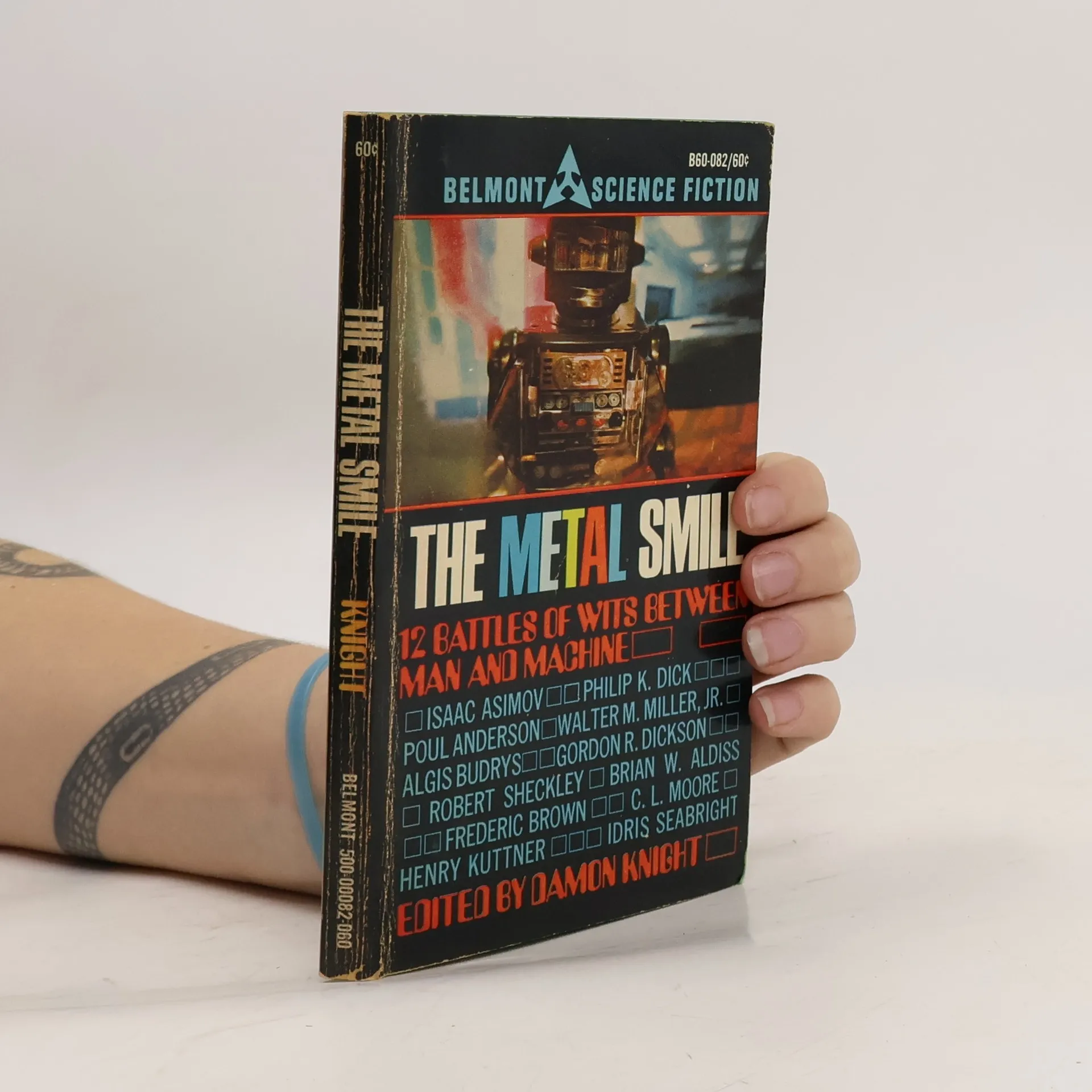
12 Battle of Wits Between Man and Machine
Thorinn Goryatson ist kräftig und flink und kann trotz eines verdorrten Beines höher springen, als sein Kopf reicht. Daher auch sein Name: Thorinn bedeutet Floh. Der Junge lebt mit Vater und Brüdern in dem Land Hovenskar bei der Nabe der Welt. Doch mit seiner vermeintlichen Familie - der alte Goryat ist in Wirklichkeit gar nicht sein Vater - hat Thorinn Pech. Als der Dämon Snorri zu grollen beginnt und alles in Hovenskar durcheinander gerät, beschließen die Stiefbrüder, den Außenseiter Thorinn zu opfern. Sie locken ihn in einen Brunnen und versperren ihm den Rückweg zur Oberfläche. Für den Floh gibt es nur einen Ausweg: Er muß tiefer hinab, hinunter in ein Höhlensystem, das sich unter dem Brunnen auftut- und damit beginnt eine abenteuerliche Entdeckungsreise in die Unterwelt: Thorinn wird mit Wesen konfrontiert, wie er sie selbst in seinen wildesten Träumen nie gesehen hat, und es öffnen sich ihm schließlich Erkenntnisse, die sein Leben von Grund auf verändern...
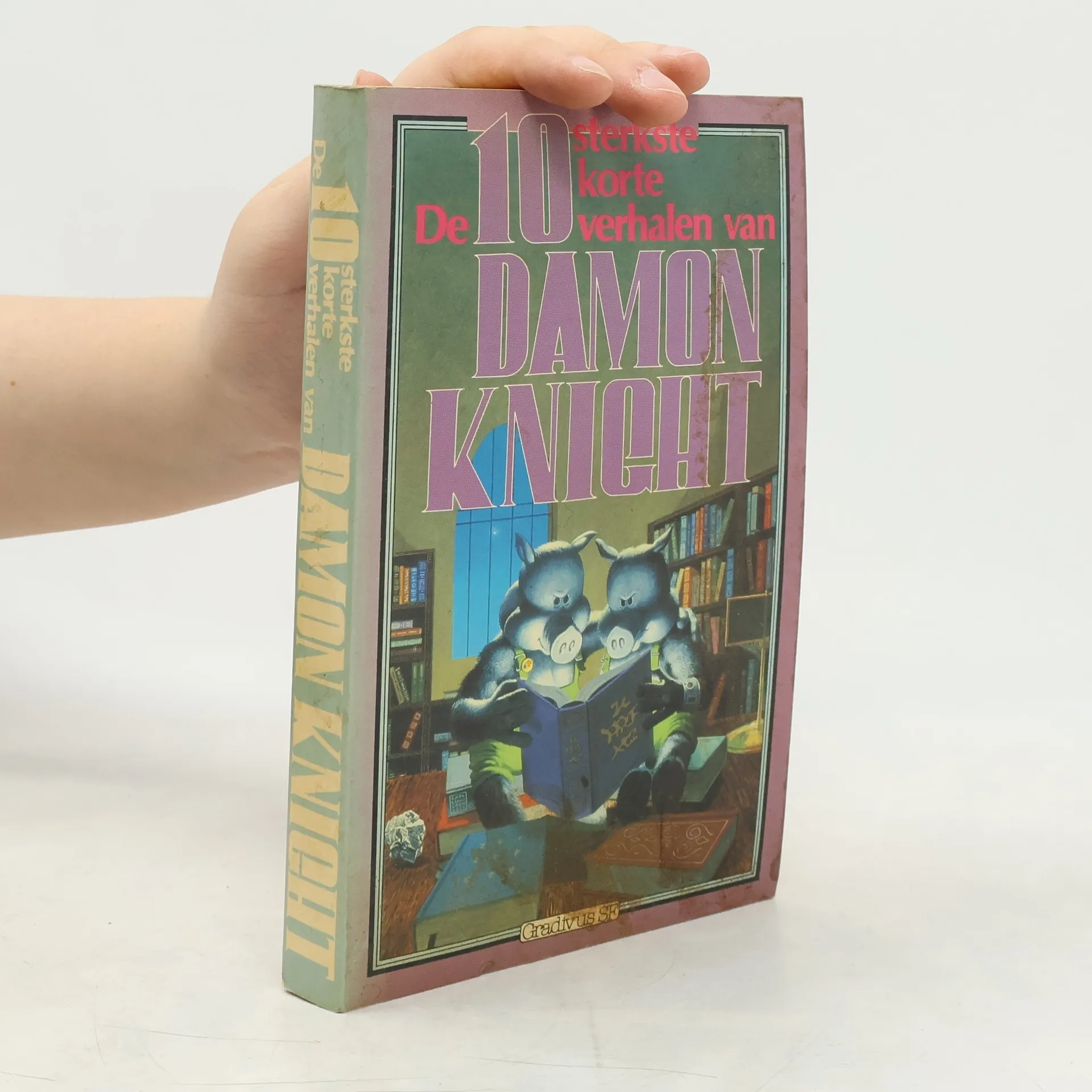
1. ENKELE REIS NERGENSHUIZEN (Ticket to Anywhere, 1952)2. GEVOLG EN OORZAAK (Extempore, 1956)3. STOK VOOR DEMONEN (Idiot Stick, 1958)4. TERUG NAAR DE TOEKOMST (Backward, O Time (This Way to the Regress), 1956)5. TIJD ZAT (Time Enough, 1960)6. VIER IN EEN (Four in One, 1953)7. VRAAG MAAR RAAK (Ask Me Anything, 1951)8. WORDT VERVOLGD (To Be Continued, 1959)9. ZO'N LOMPE VLEGEL (What Rough Beast, 1959)10. ZUSTER MARY (Mary (An Ancient Madness), 1964)
Das Schicksal des Erd-Imperiums hing am seidenen Faden – und Sicherheitskommissar Spangler wusste, dass es an ihm lag, das Monster, den Rithianischen Terror, wie es einige nannten, zu finden. Sieben Rithianer waren auf der Erde gelandet. Sechs waren beseitigt worden. Einer war auf freiem Fuß. Spangler war sich sicher, dass das stereoptische Fluoroskop es aufspüren würde. 'Das ist ein Test, den der Rithian nicht bestehen kann, egal wie gut sein menschliches Verkleidung ist.' Spangler erklärte dies Pembun, dem seltsamen, kleinen Kolonialen, der geschickt worden war, um bei der Suche nach dem Monster zu helfen. Aber Pembun war anderer Meinung. 'Das Problem,' sagte er, 'ist, dass die Rithi keine Knochen haben. Was unter einem Fluoroskop genug Indiz wäre, wenn es nicht die Tatsache gäbe, dass es leicht ein Skelett verschlucken kann.' Spangler schauderte.
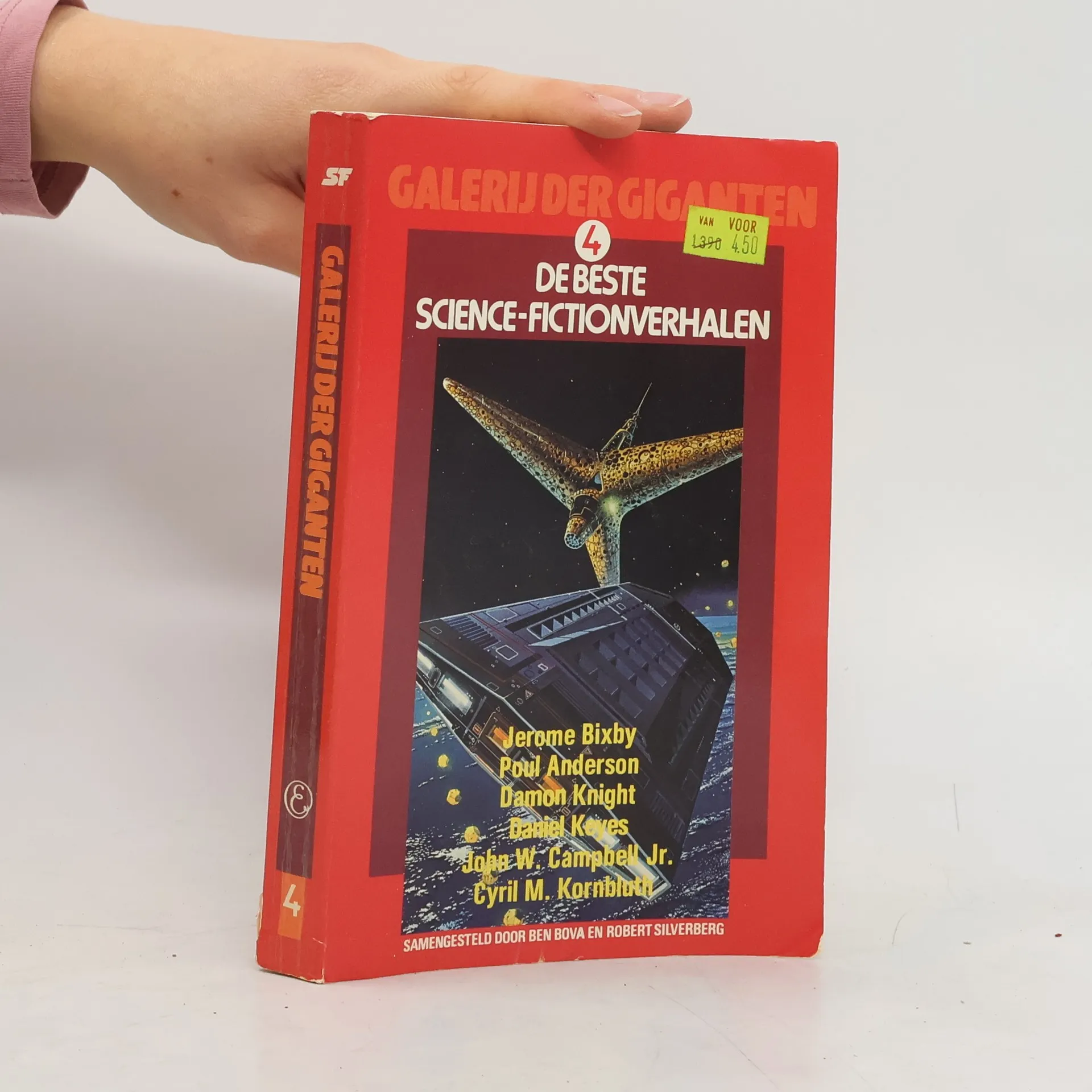
6 verhalen van beroemde SF/Fantasy-schrijvers:Jerome Bixby: Het leven is goed (It's a good life, 1953)Poul Anderson: Zeg maar Joe (Call me Joe, 1957)Damon Knight: In het land der milden (The country of the kind, 1955)Daniel Keyes: Bloemen voor Algernon (Flowers for Algernon, 1959)Don A. Stuart: Wie is dat? (Who goes there?, 1938)Cyril M. Kornbluth: De zwakzinnigen trekken voorbij (The marching morons, 1951)
Eines Tages besuchte Martin Naumchik, Reporter für das Paris Soir , den Berliner Zoo. Er stand vor dem geräumigen Käfig des neu erworbenen Brecht-Bipeds, Fritz, als die Welt zu schwanken schien... Dann war er nicht mehr draußen vor dem Käfig und schaute hinein, sondern drinnen und schaute hinaus. Er war nicht mehr Martin Naumchik. Er war Fritz, das Biped, dieses seltsame himmlische Tier aus einer Welt, die achtzehn Lichtjahre entfernt ist... Zur gleichen Zeit fühlte auch Fritz, der fast sein ganzes Leben im Hamburger Zoo verbracht hatte, die schwankende Bewegung. Und fand sich außerhalb seines Käfigs im Körper von Martin Naumchik stehend, und schaute auf das verzweifelte Biped drinnen, das mit beiden Händen gegen das Glas schlug...
Gordon Naismiths geheugen reikt slechts vier jaar terug, daarvóór is alles in ondoordringbare duisternis gehuld, 's Nachts wordt hij gekweld door gruwelijke visioenen van een stad duizenden jaren in de toekomst, en een onuitsprekelijke verschrikking, die in de verlaten gangen en zalen rondwaart. Overdag wordt hij gemanipuleerd door vreemde krachten. Zijn reputatie wordt grondig vernietigd; twee schokkende moorden worden hem iri de schoenen geschoven. Maar waarom? Met welk doel? Naismith vlucht en een meedogenloze jacht wordt op hem ingezet. Zijn enige hoop is het duistere geheim van zijn verleden te ontsluieren, maar snel, want het net wordt steeds strakker aangehaald...
1. ZELAZNY, Roger - DE POORTEN VAN ZIJN AANSCHIJN, DE TOORTSEN VAN ZIJN MUIL (The Doors of His Face, the Lamps of His Mouth, 1965)2. SCHMITZ, James H. - ECOLOGISCH EVENWICHT (Balanced Ecology, 1965)3. ELLISON, Harlan - "BOET, HARLEIJK", ZEI DE TIKTAKMAN ("Repent, Harlequin", Said the Ticktackman, 1965)4. ZELAZNY, Roger - DE VORMER (He Who Shapes, 1965)5. DICKSON, Gordon R. - MET COMPUTERS VALT NIET TE PRATEN (Computers Don't Argue, 1965)6. NIVEN, Larry - DOBBEREN IN DE HEL (Becalmed in Hell, 1965)7. ALDISS, Brian W. - DE SPEEKSELBOOM (The Saliva Tree, 1965)8. BALLARD, J.G. - DE VERDRONKEN REUS (The Drowned Giant, 1965)
Liebe in der Zukunft - Zukunft der LiebeDer Phantasie sind keine Grenzen gesetzt, wenn die großen, international bekannten Science Fiction-Autoren von Sex im unendlichen Universum erzählen . . .