



COVID-19 is real. Twenty is an imagined outbreak that could be unleashed on the Earth's population. We could even be at threat from otherworldly contamination. Labs exist for research everywhere, mostly driven by greed, which is a basal instinct of human nature. There are some who believe the COVID-19 epidemic was wrought on civilization either by intentional or accidental release from a laboratory funded in most part by the United States in Wuhan, China. The ensuing ineptitude of all parties involved should convince someone their safety is most definitely at risk from future disease mutations and creation in the incubator the global population provides. Trust in governments, drug companies, and major corporations to ensure your ultimate protection is doubtful at the very best. This novel portrays one of the possible scenarios that could happen. All you need is to turn the first and the journey thereafter will hook and lead you to the explosive finish.
David Osborne Book order


- 2022
- 1998
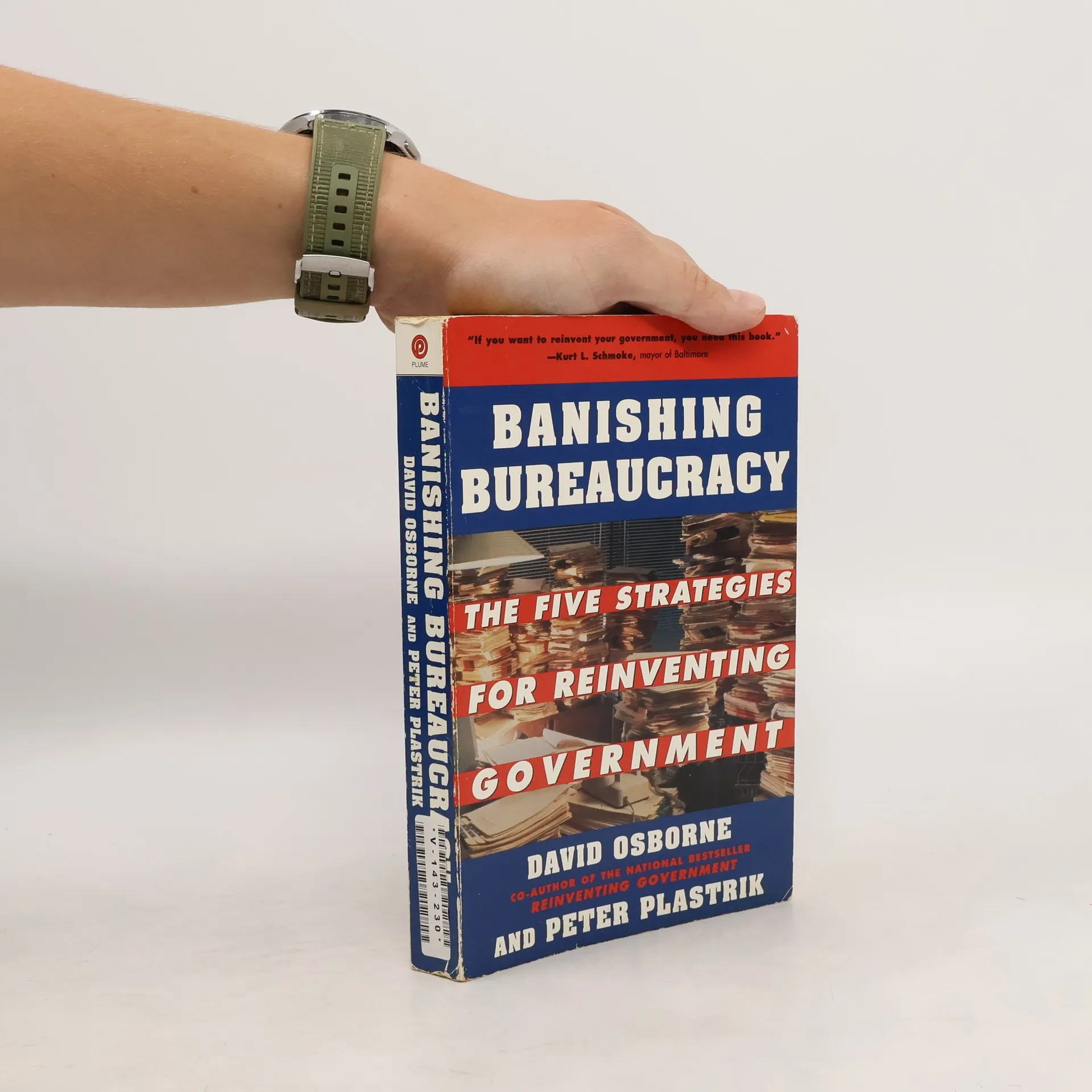
The author of the 1992 bestseller Reinventing Government goes a step further, focusing on strategic levers for changing public systems and organizations on a permanent basis to achieve dynamic increases in effectiveness, efficiency, adaptability, and capacity to innovate.
- 1992
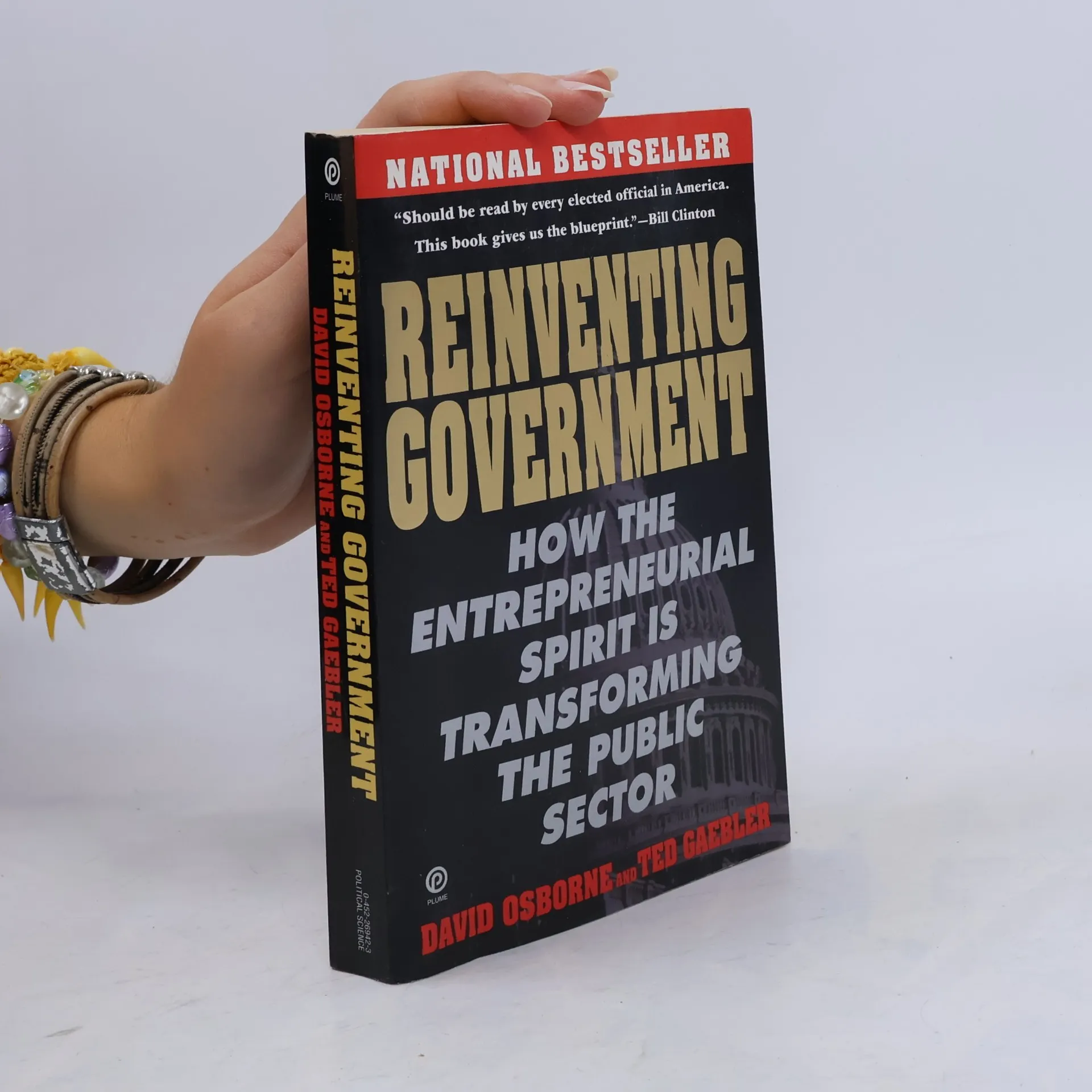
Reinventing Government
How The Entrepreneurial Spirit Is Transforming The Public Sector
- 405 pages
- 15 hours of reading
A revolution is stirring in America as citizens express anger towards governments that spend excessively yet deliver insufficient results, and frustration with bureaucracies that limit control. This work serves as both a rallying cry against bureaucratic inefficiency and a guide for those seeking improvement. It presents a third way, suggesting that governance can be fundamentally reframed beyond the traditional liberal or conservative dichotomy. Authors Osborne and Gaebler highlight examples of successful reform, such as school districts that have enhanced student performance through choice and competition, sanitation departments that have halved costs while outperforming the private sector, and military commands that have streamlined operations and increased troop effectiveness. Across the nation, entrepreneurial public managers are discarding outdated budget systems and civil service structures, replacing them with decentralized, responsive organizations suited for a rapidly evolving, information-rich environment. The authors identify ten principles that underpin these entrepreneurial public organizations, including steering rather than rowing, empowering communities, fostering competition, focusing on mission over rules, and prioritizing outcomes over inputs. This work transcends partisanship, emphasizing how government should operate rather than what it should do, earning support from both sides of the political spectru