

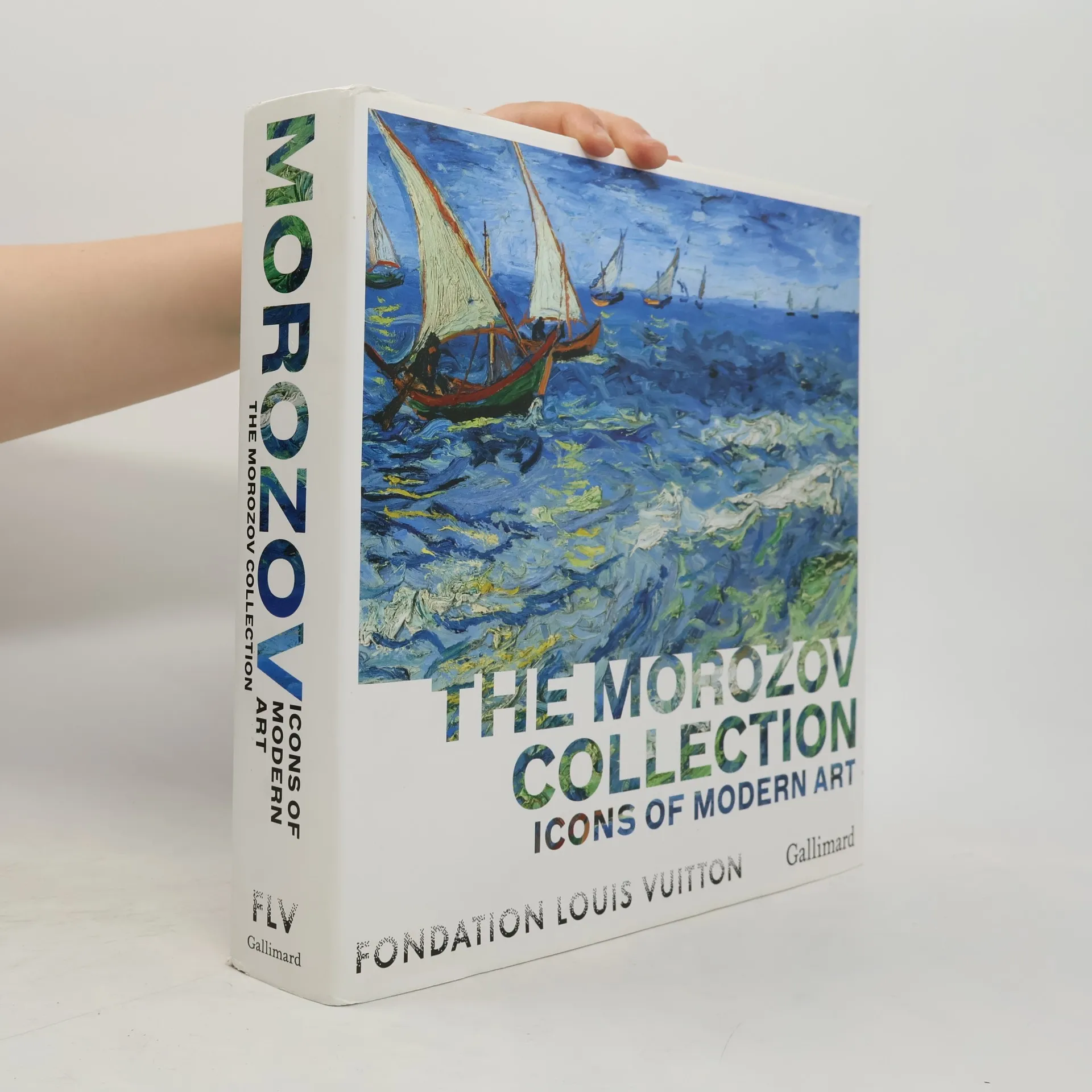
The Morozov brothers were instrumental in introducing Impressionist and Post-Impressionist art to Russia in the early 20th century. Between 1903 and 1914, Ivan Morozov curated an impressive collection featuring renowned artists such as Matisse, Monet, Picasso, and Cezanne. This catalog showcases 100 highlights from the Morozov Collection, coinciding with a special exhibition at the Louis Vuitton Foundation in Paris, running from February 24th to July 25th, 2021.
Anne Baldassari Books
January 14, 1955
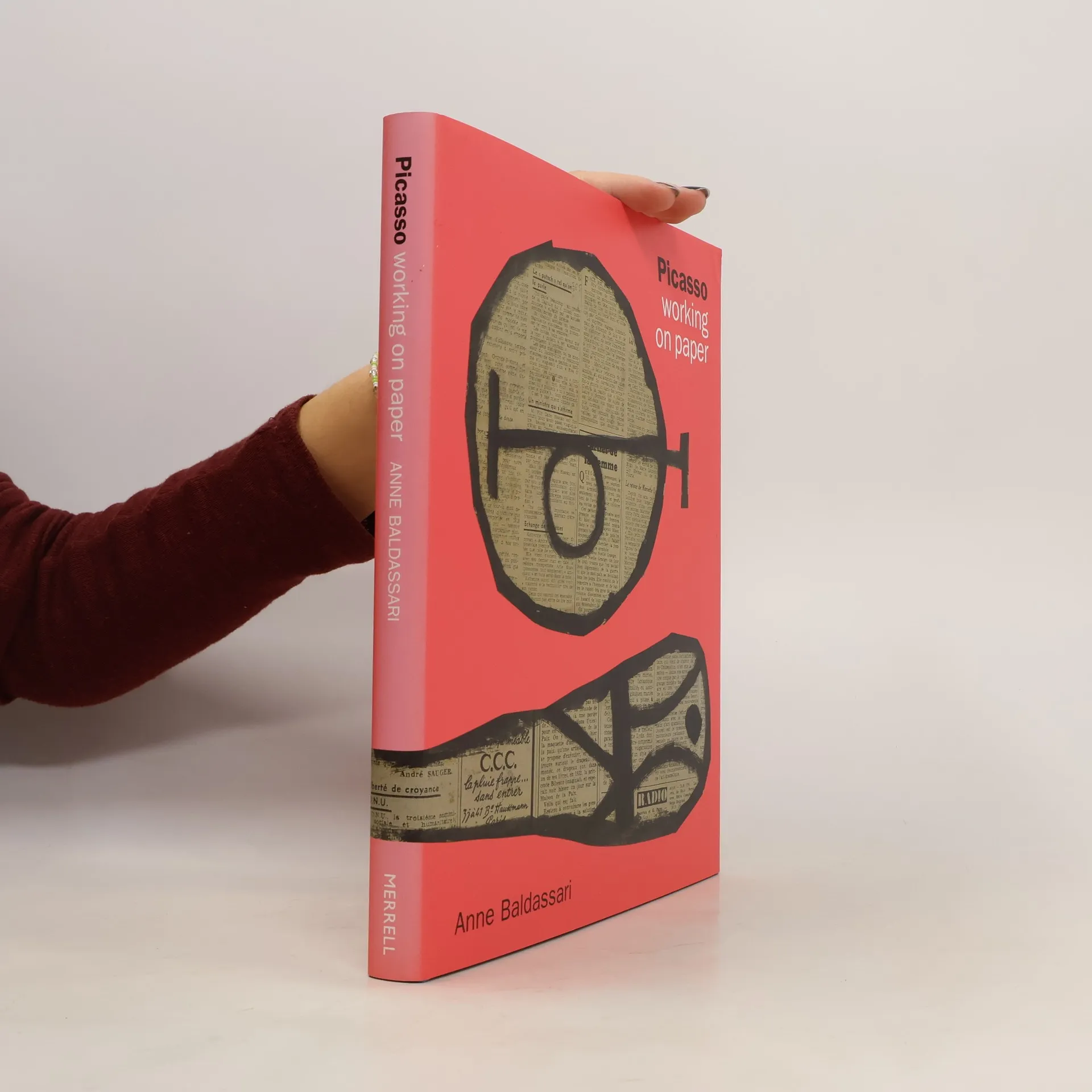
Picasso Working on Paper
- 192 pages
- 7 hours of reading
These remarkable pieces on or with newsprint reveal an integral aspect of Picasso's creative genius.
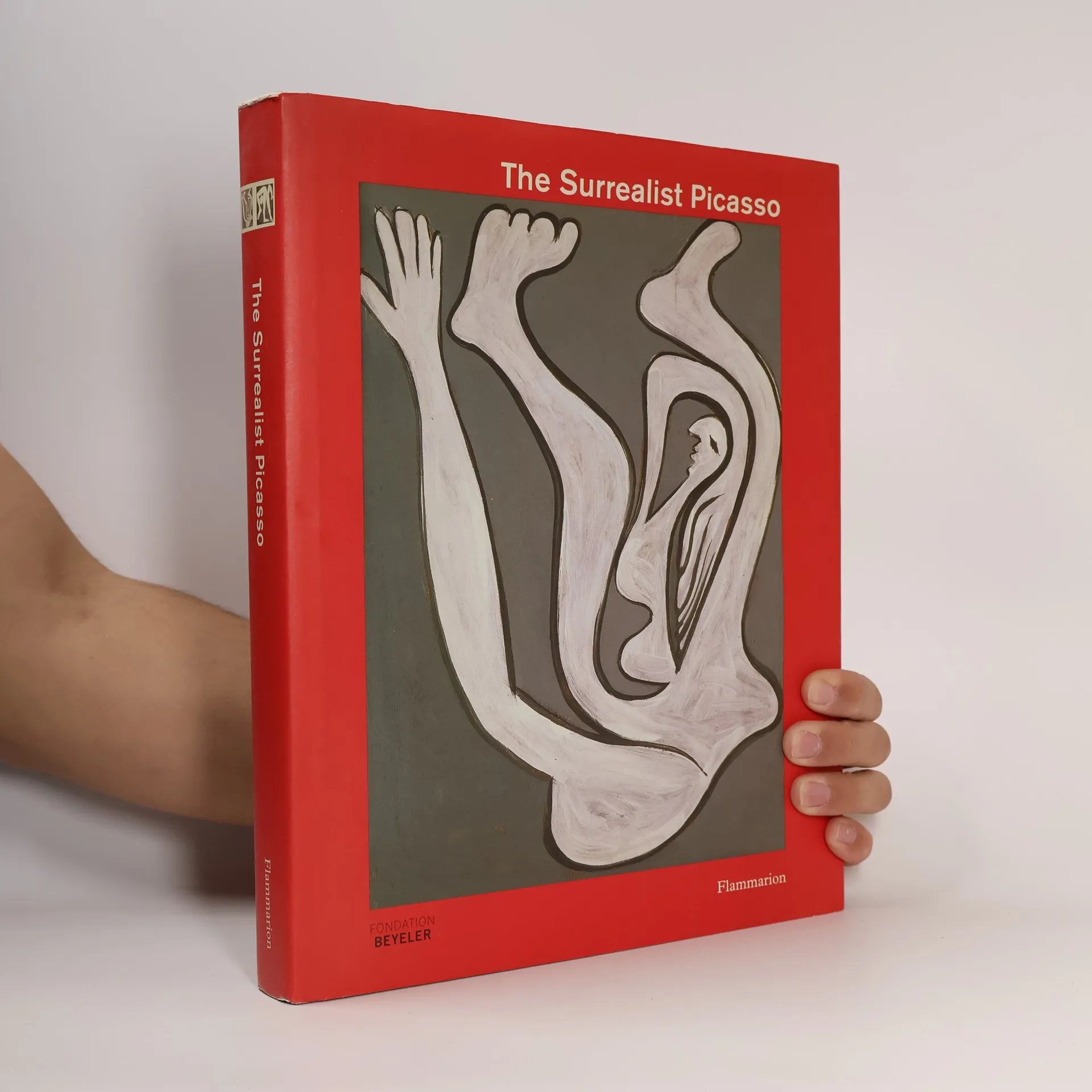
The Surrealist Picasso
- 256 pages
- 9 hours of reading
Between 1924 and 1934, Picasso's oeuvre developed dramatically. During this decade, the artist maintained a complex relationship with the burgeoning and hugely influential Surrealist movement. Eventually, he diverted from Surrealism to form a variant known as Supra-realism. This volume presents an integrated analysis of the whole of Picasso's artistic creation during the Surrealist period. Thematic texts reveal the extraordinary wealth of Picasso's work during this time. It begins with a study of his research on theater and ballet from 1914-23 and subsequently examines Picasso's work in painting, sculpture, and works on paper. This comprehensive account concludes with a study of the body of Picasso's work from 1935-40. These formative years, during which civil war raged in Picasso's native Spain, laid the groundwork for the increasingly political content of his later works. A detailed, fully illustrated chronology at the end of the book places this crucial period in its full intellectual and historical context.
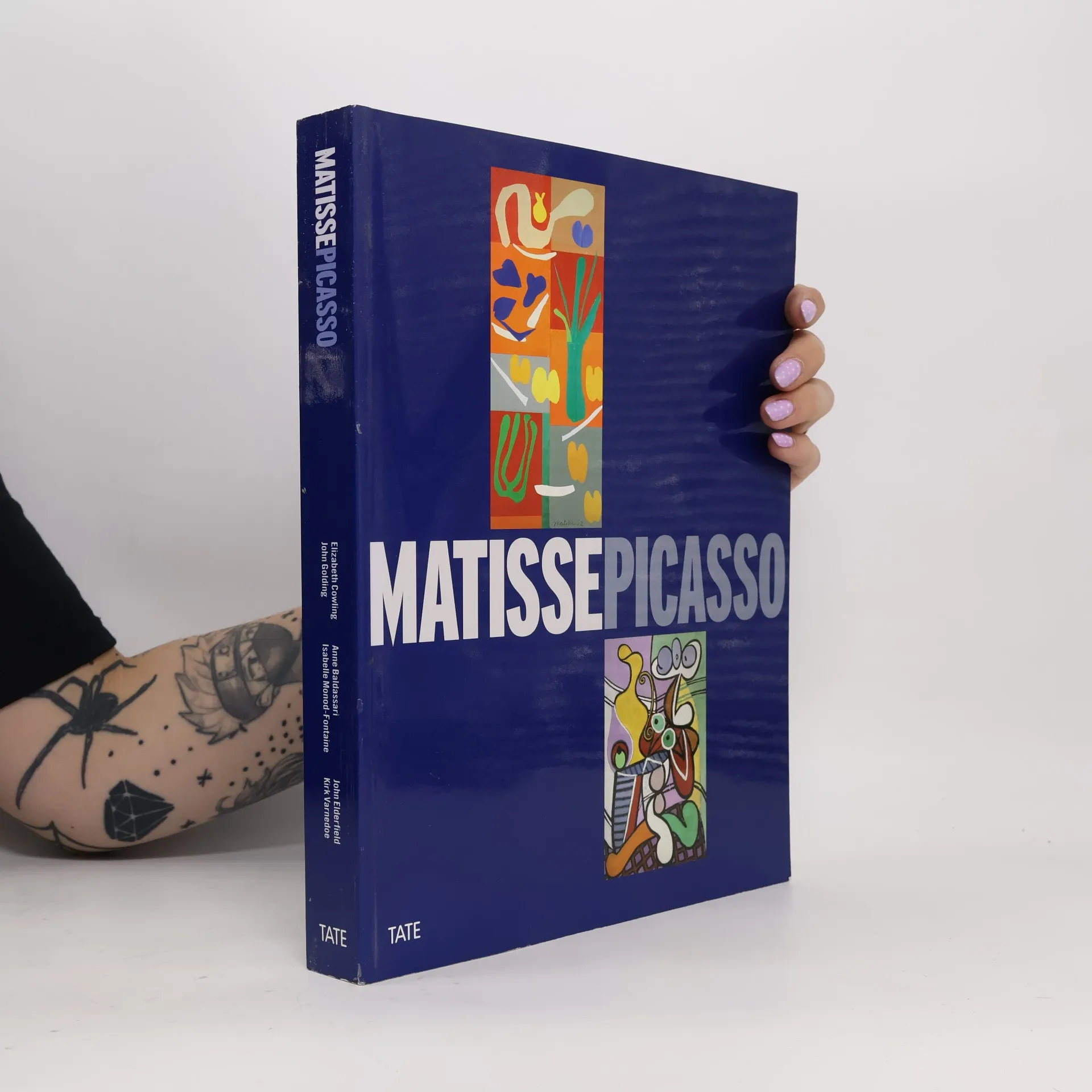
Matisse Picasso
- 368 pages
- 13 hours of reading
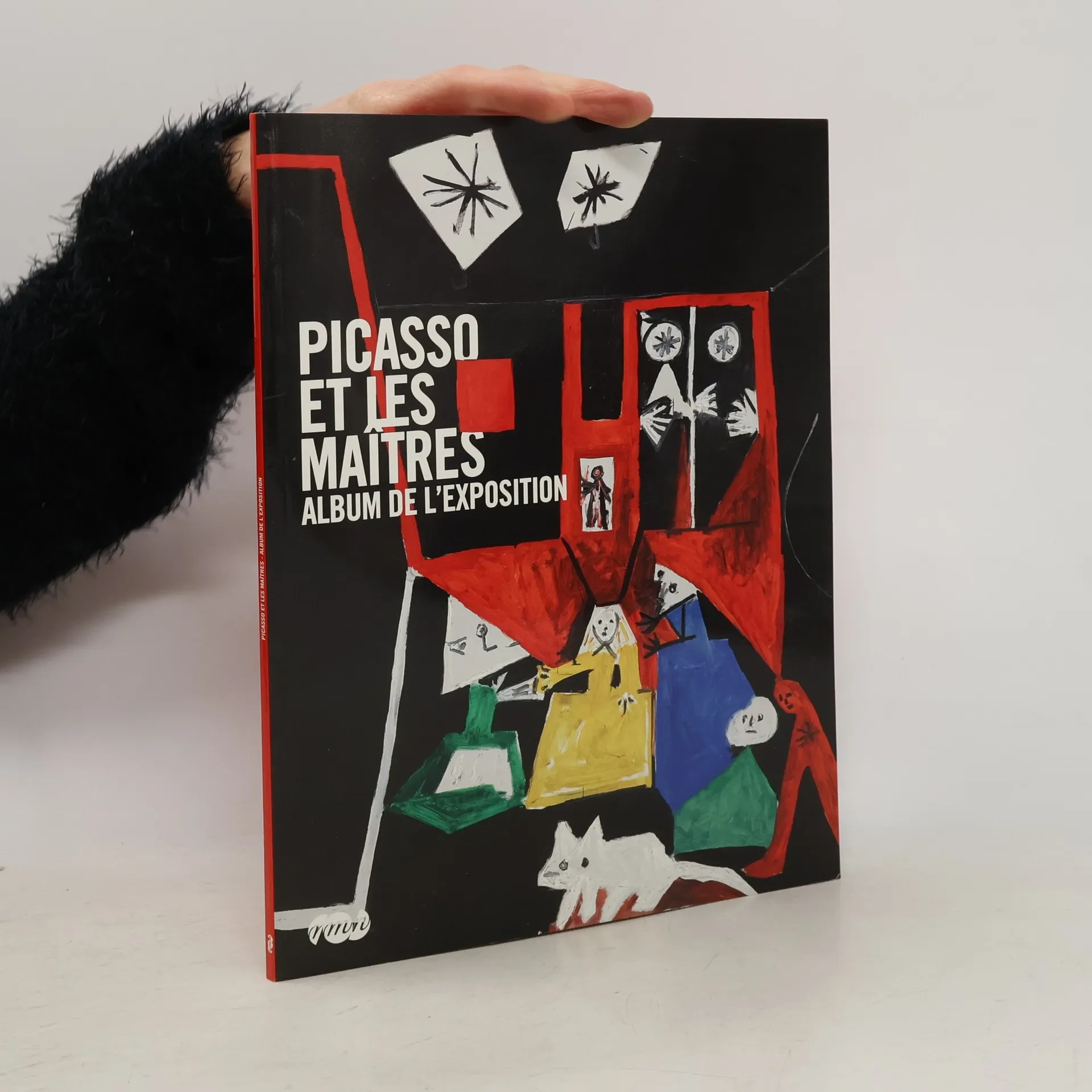
Picasso et les maîtres
- 48 pages
- 2 hours of reading
RO80146292. Picasso et les Maîtres. Album de l'exposition.. Sept. 2008. In-4. Broché. Très bon état, Couv. fraîche, Dos satisfaisant, Intérieur frais. 47 pages. Nombreuses illustrations en couleurs, dans le texte.. . . . Classification Dewey : 708-Galeries, musées, collections d'art
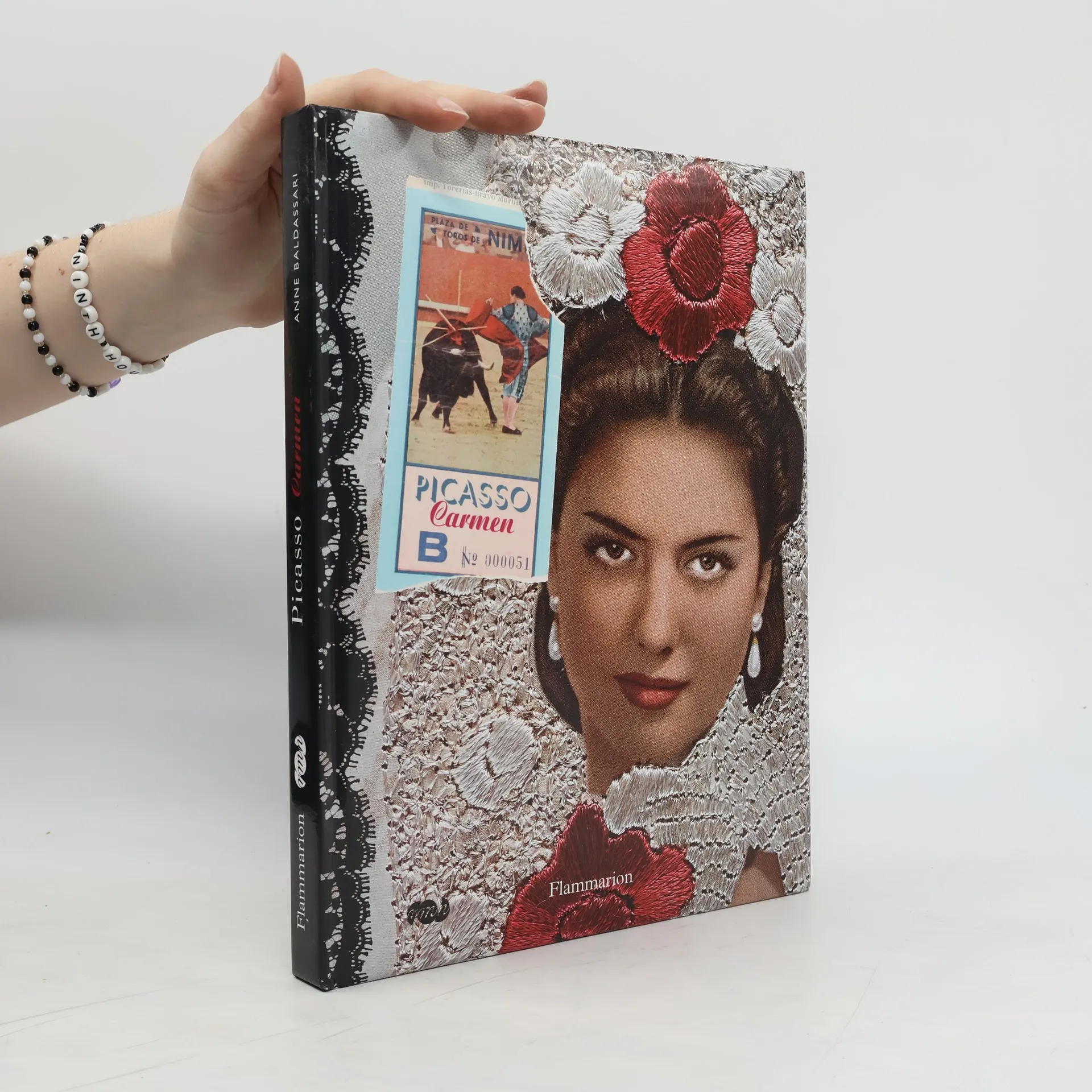
This is the French edition of the exhibition catalogue relating about Picasso / Carmen shown to Picasso Museum, Paris in 2007.Carmen assiège Picasso depuis son œuvre de jeunesse où prostituées et gitanes confondent leur aura sulfureuse pour remettre en cause la morale de l'ordre bourgeois. Elle traverse ainsi tous son art depuis ce premier croquis arménien datant de 1898, les scènes de bordel des années 1900-1903, les grands portraits en espagnoles de 1905-1908, les toreras mises à mort des années 30, jusqu'aux illustrations du Carmen de Mérimée en 1949 et du Carmen des Carmen en 1957. Inspirée par une Espagne de fantaisie ou puisant à la source de la mythographie grecque, la fatale héroïne se révèle le foyer d'une ardente et foisonnante symbolisation. Mais c'est aussi la figure du double qui s'esquisse derrière la Carmen picassienne : Carmen est l'autre, le peintre lui-même se reflétant au miroir de la femme.
