

Julian Huxley was a prominent British biologist and thinker, whose work delved deeply into evolution and secular humanism. With a background in academia and as the first Director-General of UNESCO, Huxley championed the popularization of science across platforms, from books and articles to radio and television. His wide-ranging interests encompassed topics such as genetics, zoology, and the future of humanity, making him an influential figure in the scientific and intellectual landscape of his time. Huxley's legacy endures through his efforts to bridge scientific understanding with human progress and comprehension.
A delightful treasury of observations and insights into the lives of all sorts of creatures, from jackdaws and water-shrews to dogs, cats and even wolves. It is a wonderfully written introduction to the world of our furred and feathered friends!

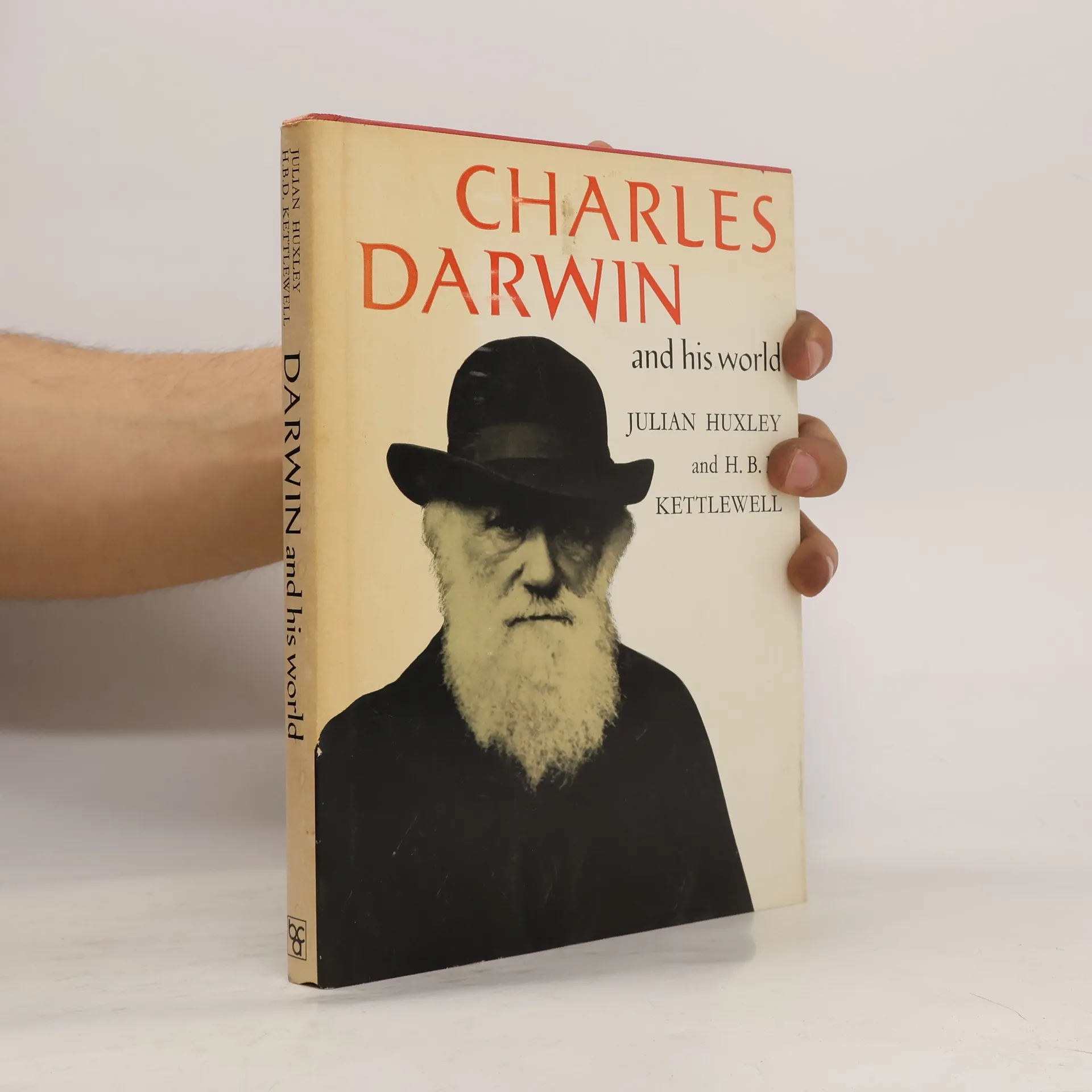
Focusing on the foundational concepts of evolutionary biology, this definitive edition presents a critical exploration of the scientific principles that shaped the field in the twentieth century. It delves into the theoretical frameworks that support evolutionary theory, making it an essential read for those interested in the intersection of science and philosophy.
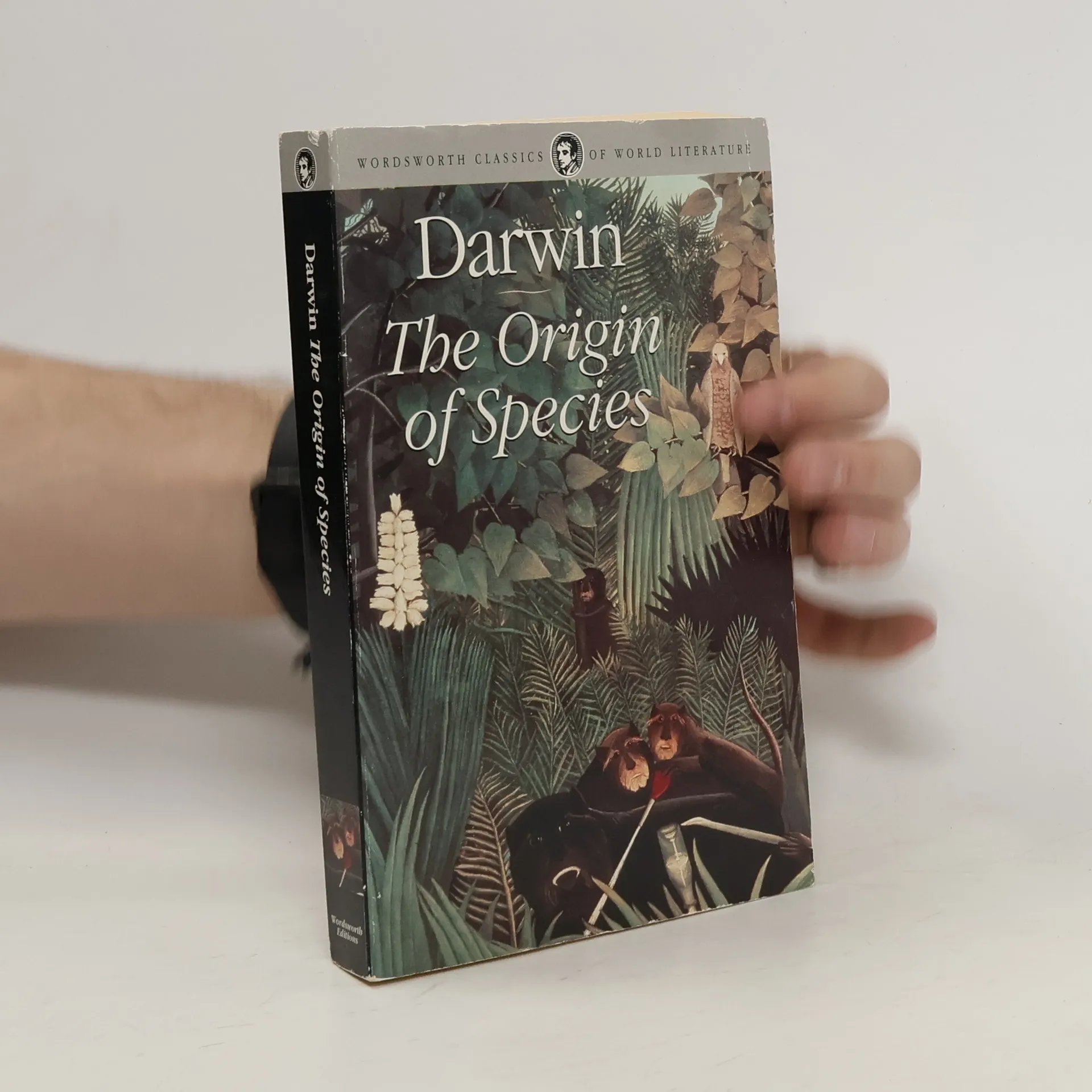
The Origin of Species, by Charles Darwin, is part of the Barnes & Noble Classics series, which provides quality editions at affordable prices for students and general readers. This series includes new introductions from contemporary writers and scholars, author biographies, chronologies of historical events, footnotes, endnotes, and discussions of various adaptations inspired by the work. Each edition is beautifully designed and printed to high specifications, some featuring historical illustrations.
On December 27, 1831, Darwin embarked on a five-year journey aboard the HMS Beagle, conducting research on global flora and fauna. His findings led to one of humanity's greatest discoveries: the theory of evolution. In this landmark work, Darwin presents compelling evidence that all living organisms have evolved from common ancestors, explaining the mechanism of natural selection that enables such transformations.
This revolutionary text not only established modern biology but also profoundly impacted literary, philosophical, and religious thought. George Levine, Kenneth Burke Professor of English Literature at Rutgers University, has extensively studied Darwin's influence on literature, authoring several related works, including Darwin and the Novelists and Lifebirds.