
Explore the latest books of this year!
Bookbot

Marsha Meskimmon

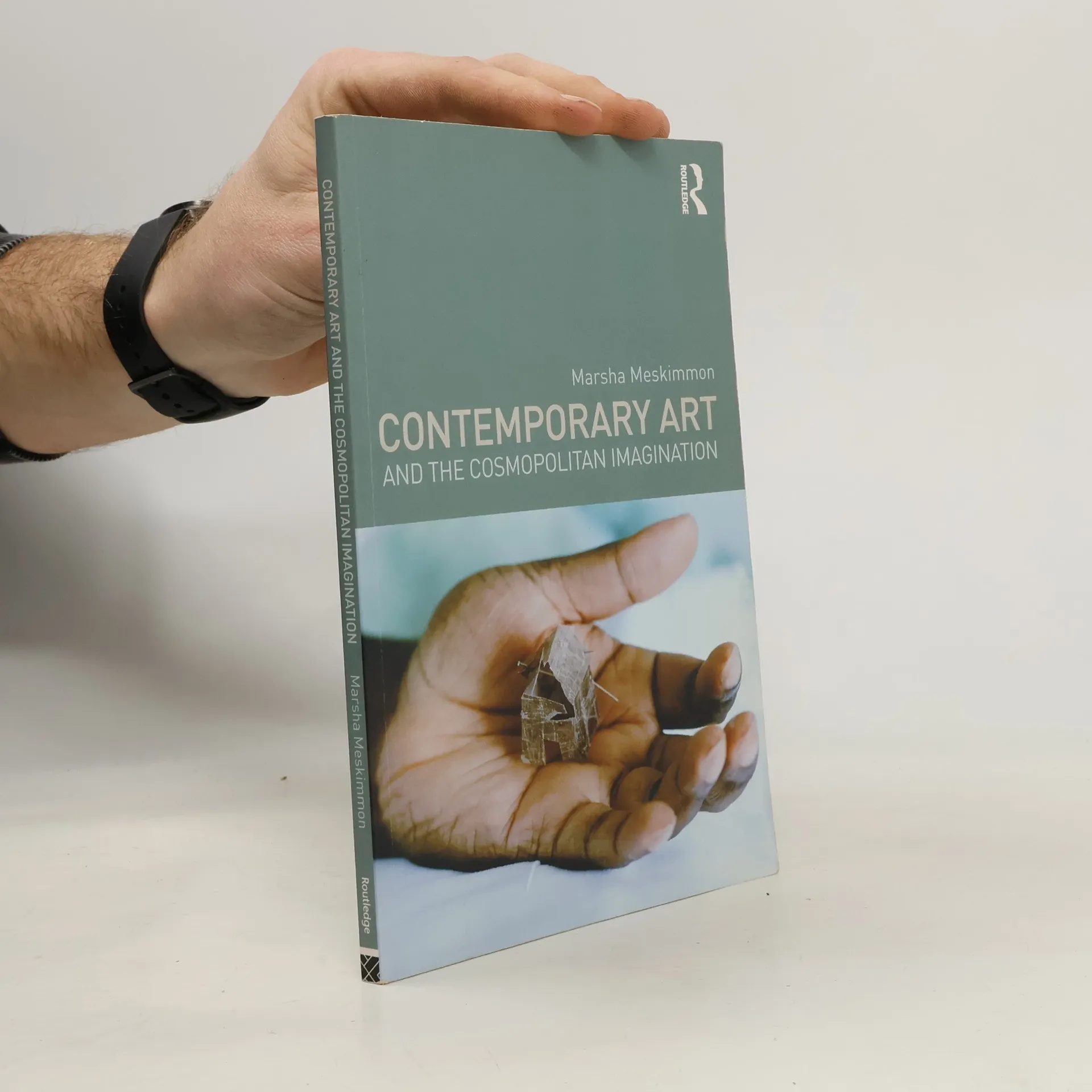
    Contemporary Art and the Cosmopolitan Imagination
    Transnational Feminisms and Art's Transhemispheric Histories
    Transnational Feminisms, Transversal Politics and Art
    • Transnational Feminisms and Art's Transhemispheric Histories

      Ecologies and Genealogies

      • 176 pages
      • 7 hours of reading

      The second installment of the trilogy explores the intersection of decolonization, ecocriticism, and feminist art histories. It argues that these perspectives can challenge and dismantle the anthropocentric legacies rooted in Eurocentric universalism. By doing so, the book aims to foster transformative dialogues that encompass both human and non-human experiences, encouraging a deeper understanding of interconnected worlds.

      Transnational Feminisms and Art's Transhemispheric Histories2022
    • Transnational Feminisms, Transversal Politics and Art

      Entanglements and Intersections

      • 200 pages
      • 7 hours of reading

      Focusing on the intersection of visual arts and transnational feminist thought, this book delves into how art serves as a powerful tool for activism and social change. It examines the role of visual culture in shaping feminist perspectives across borders, highlighting the importance of artistic expression in advocating for gender equality and social justice. Through various case studies, the text reveals the transformative potential of art in fostering global feminist movements.

      Transnational Feminisms, Transversal Politics and Art2020
    • <em>Contemporary Art and the Cosmopolitan Imagination</em> explores the role of art in conceiving and reconfiguring the political, ethical and social landscape of our time. Understanding art as a vital form of articulation, Meskimmon argues that artworks do more than simply reflect and represent the processes of transnational and transcultural exchange typical of the global economy. Rather, art can change the way we imagine, understand and engage with the world and with others very different than ourselves. In this sense, art participates in a critical dialogue between cosmopolitan imagination, embodied ethics and locational identity. The development of a cosmopolitan imagination is crucial to engendering a global sense of ethical and political responsibility. By materialising concepts and meanings beyond the limits of a narrow individualism, art plays an important role in this development, enabling us to encounter difference, imagine change and make possible the new. This book asks what it means to inhabit a globalized world - how we might literally and figuratively make ourselves cosmopolitans, 'at home' everywhere. Contemporary art provides a space for this enquiry. <em>Contemporary Art and the Cosmopolitan Imagination</em> is structured and written through four 'architectonic figurations' - foundation, threshold, passage and landing - which simultaneously reference the built environment and the transformative structure of knowledge-systems. It offers a challenging new direction in the current literature on cosmopolitanism, globalisation and art.

      Contemporary Art and the Cosmopolitan Imagination2010