
Explore the latest books of this year!
Bookbot

Wilhelm Worringer

    January 13, 1881 – March 29, 1965
    Wilhelm Worringer
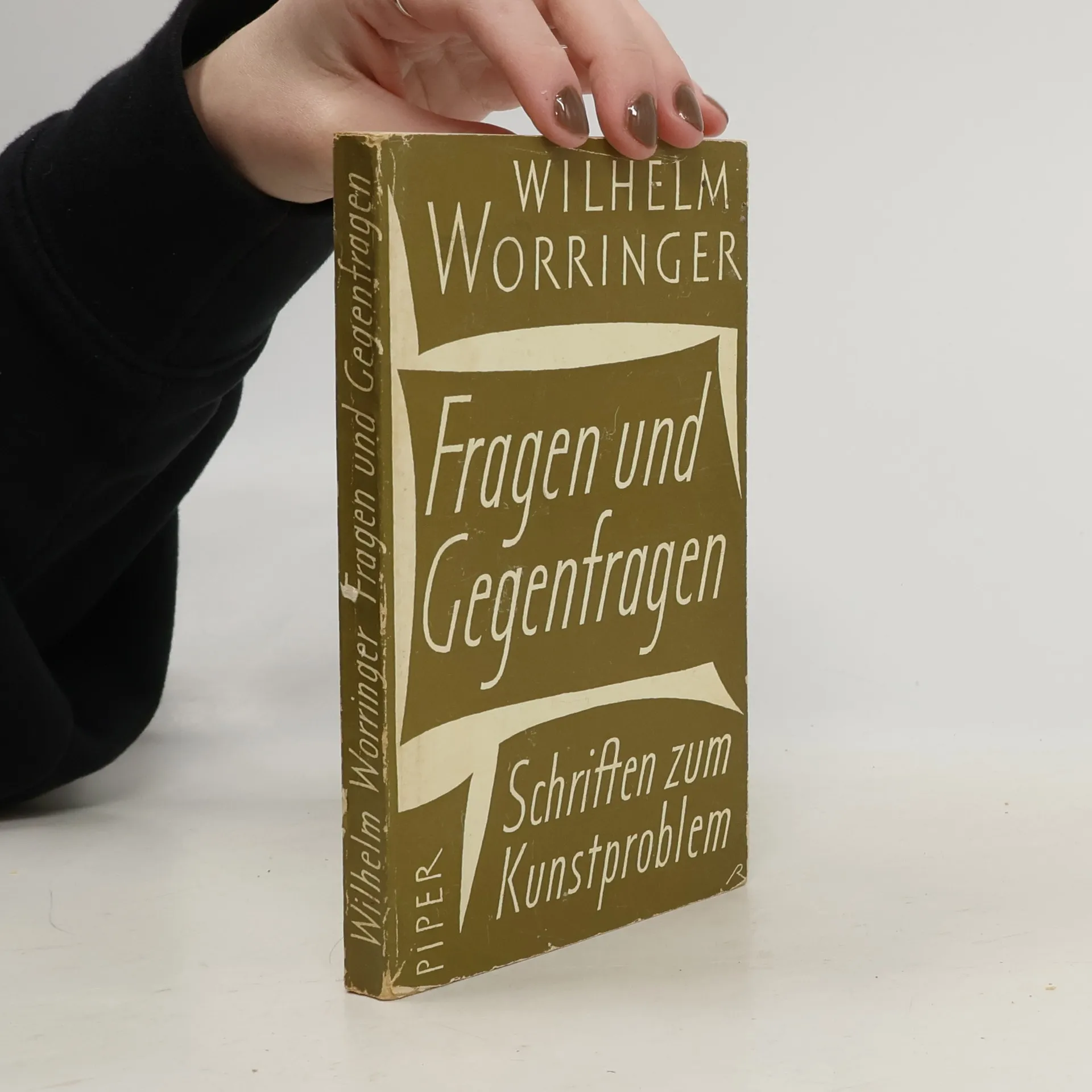
    Fragen und Gegenfragen
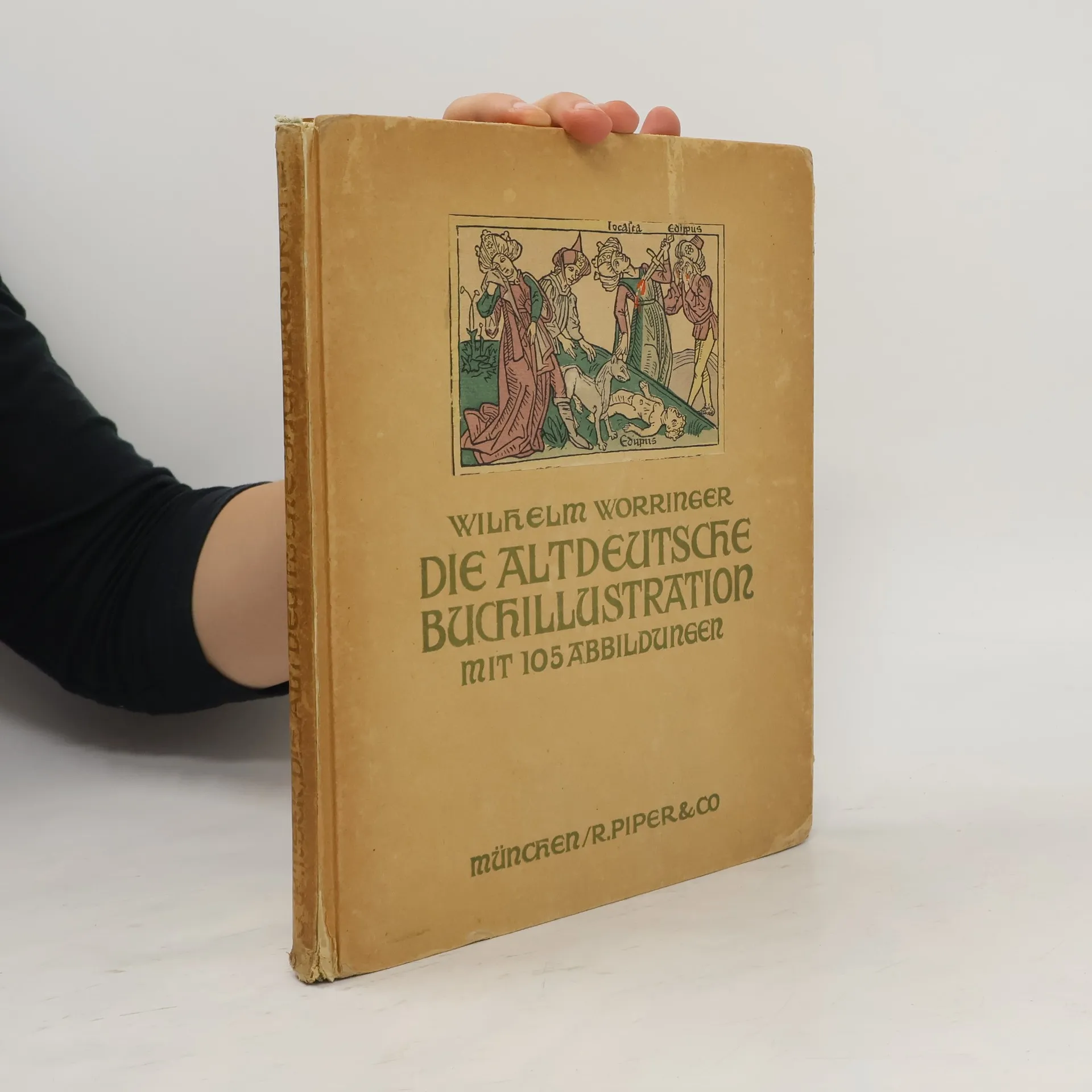
    Die altdeutsche Buchillustration mit 105 Abbildungen
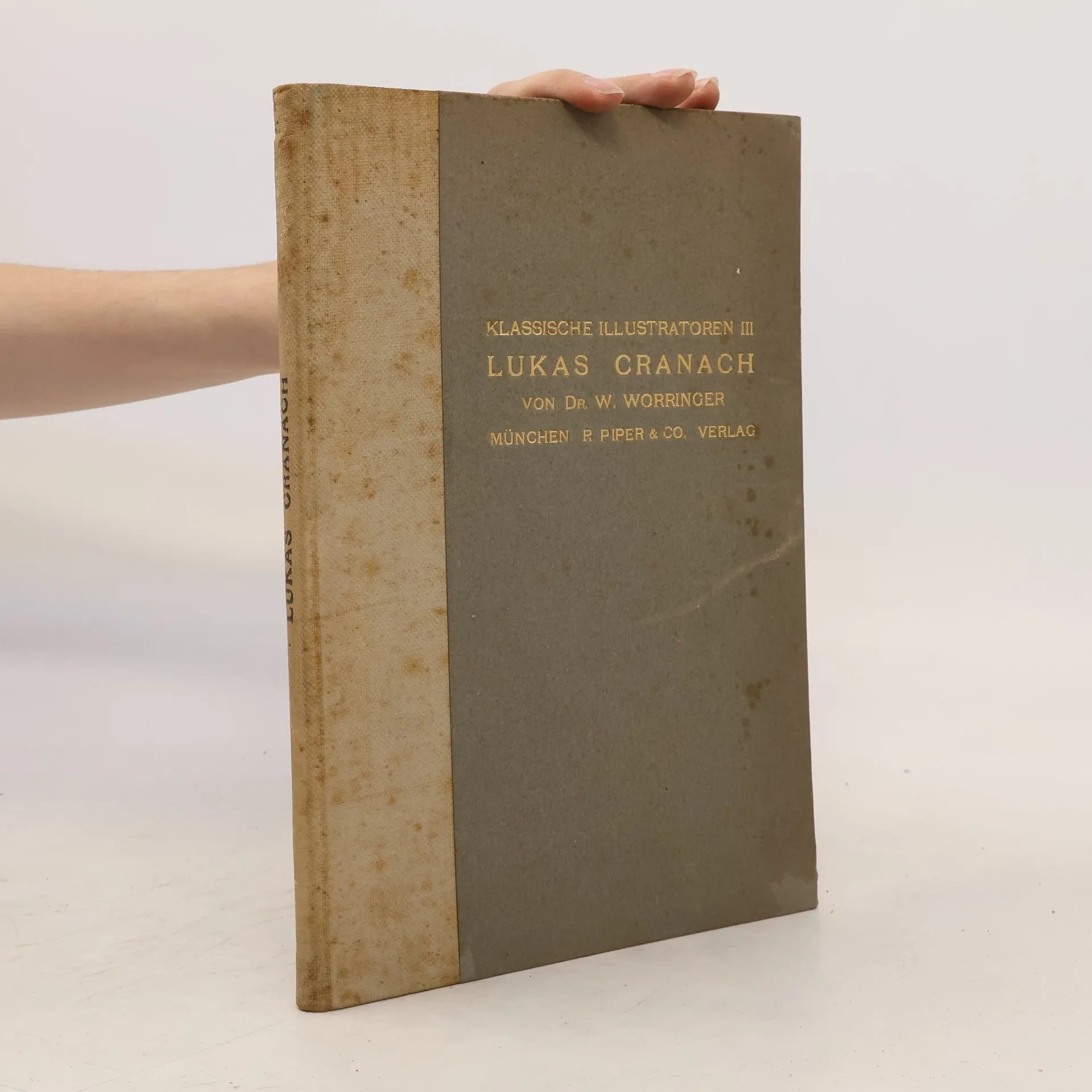
    Klassische Illustratoren III. Lukas Cranach
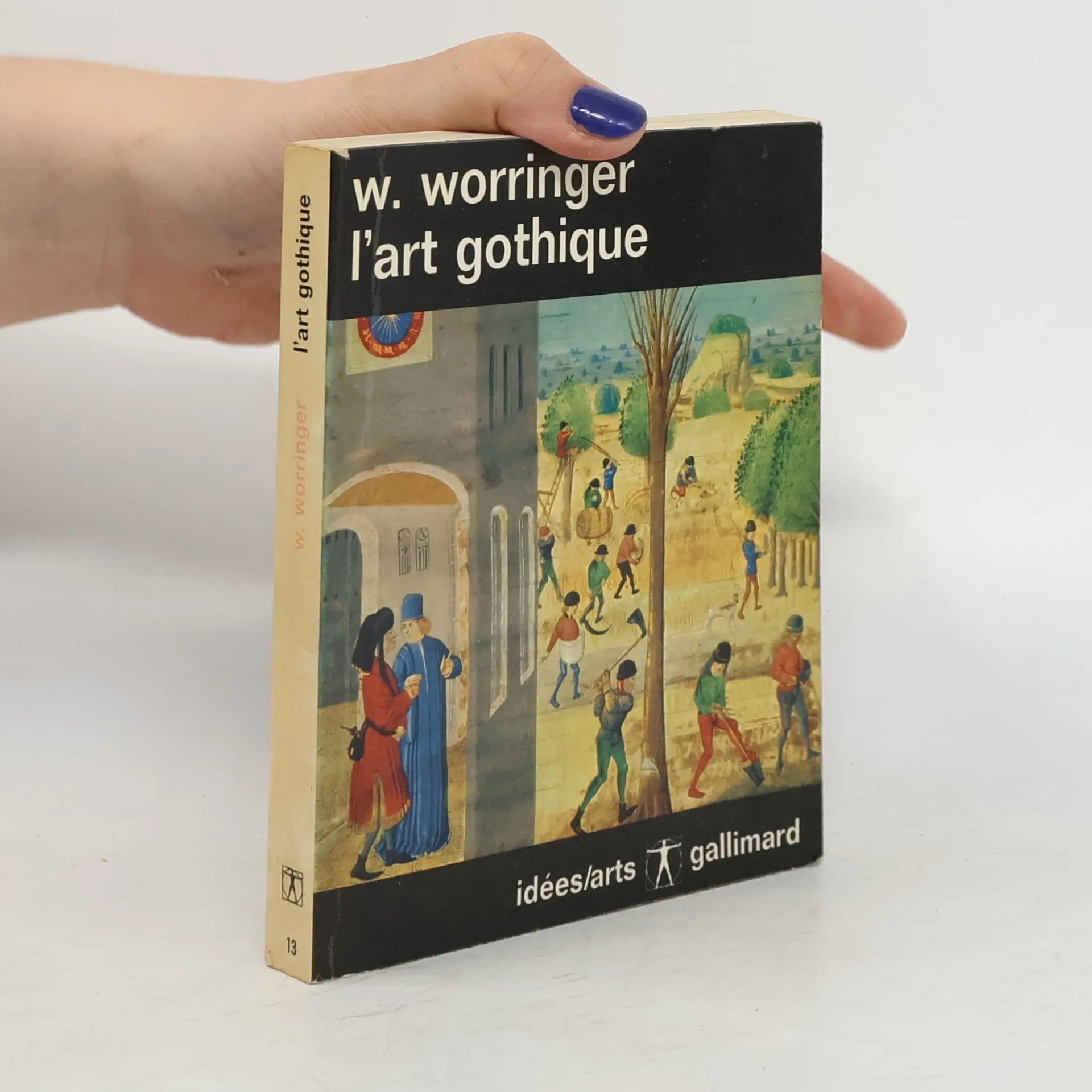
    L'Art gothique
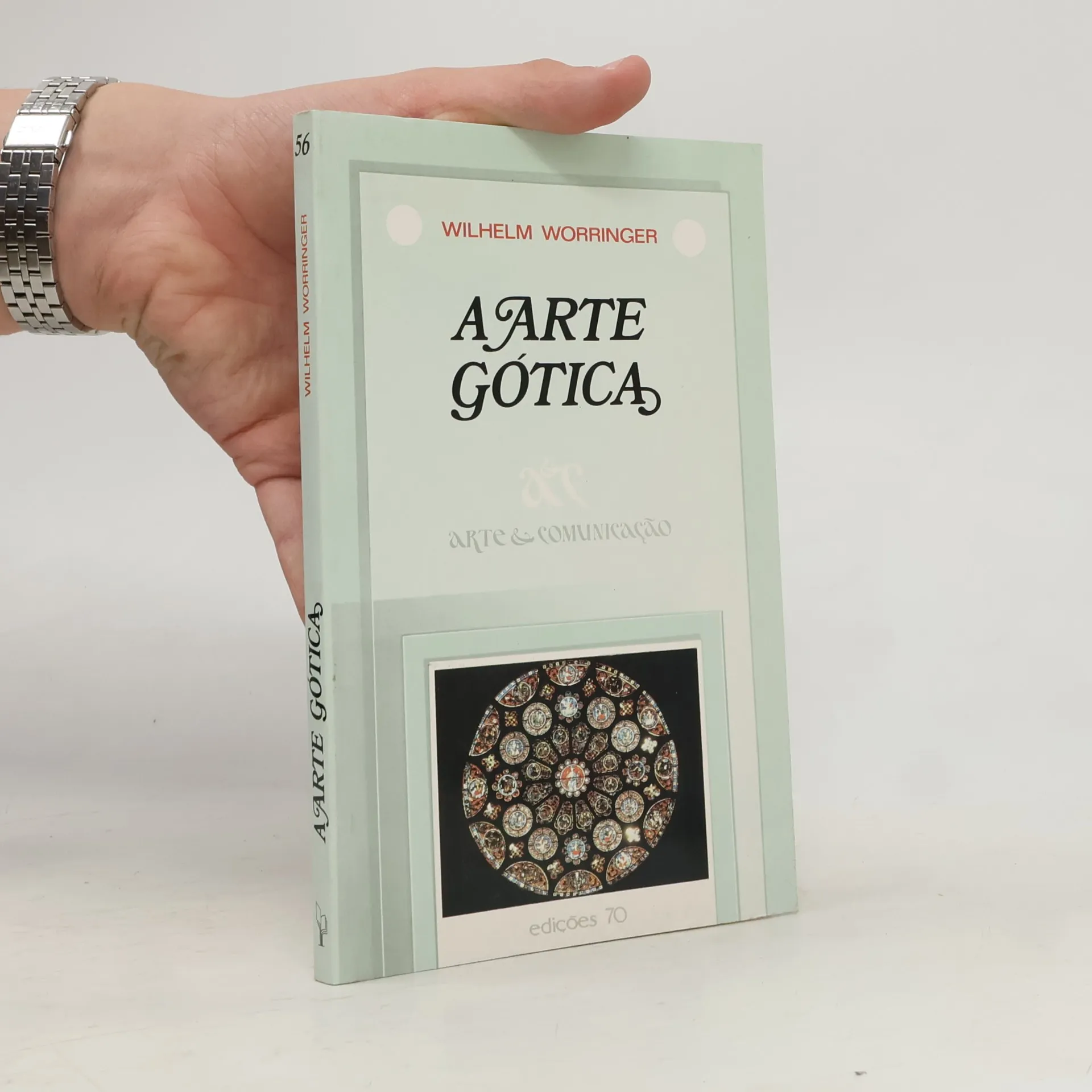
    A arte gótica
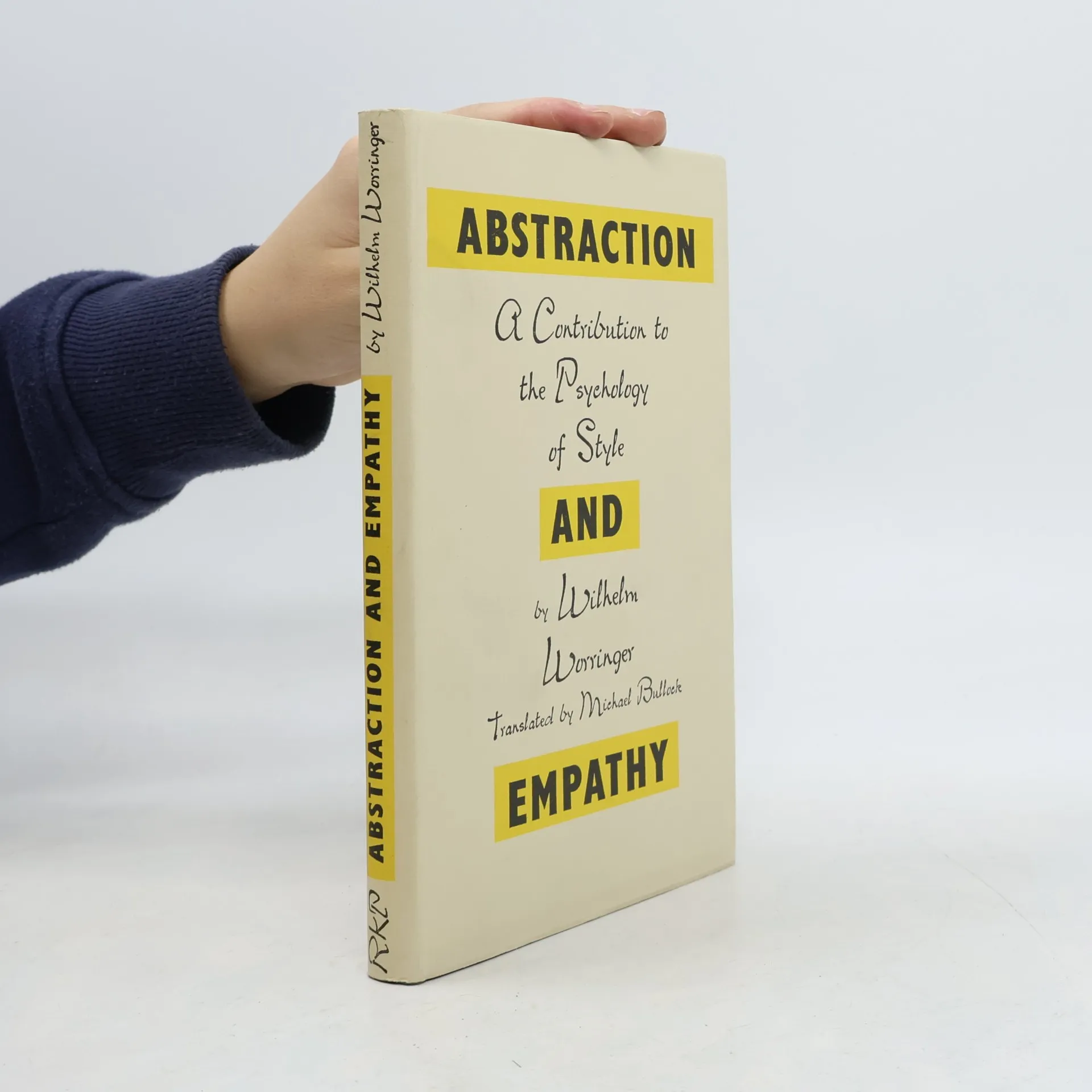
    Abstraction and empathy
    • Abstraction and empathy

      • 168 pages
      • 6 hours of reading
      4.0(122)Add rating

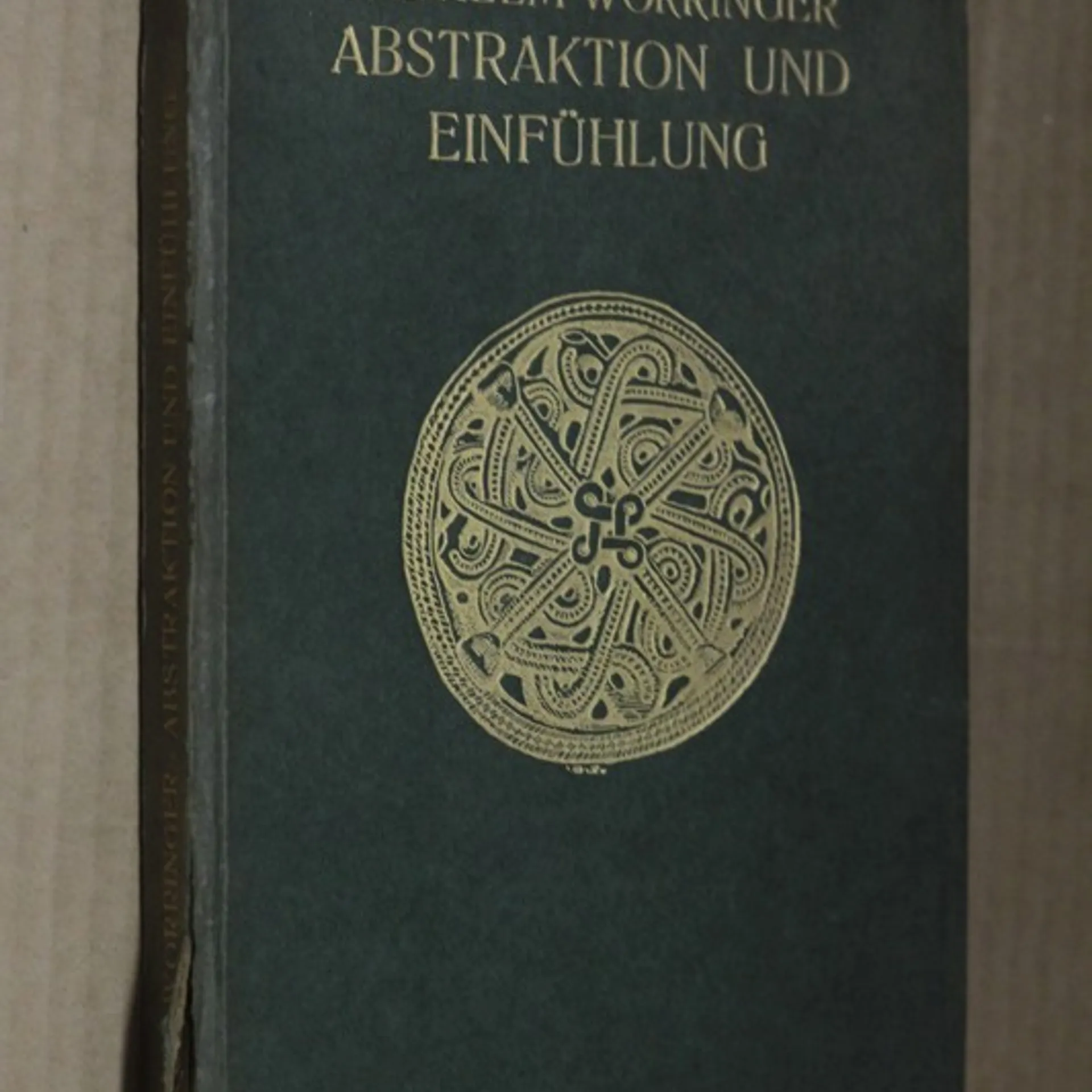
      Wilhelm Worringer s landmark study in the interpretation of modern art, first published in 1908, has seldom been out of print. Its profound impact not only on art historians and theorists but also for generations of creative writers and intellectuals is almost unprecedented. Starting from the notion that beauty derives from our sense of being able to identify with an object, Worringer argues that representational art produces satisfaction from our objectified delight in the self, reflecting a confidence in the world as it is as in Renaissance art. By contrast, the urge to abstraction, as exemplified by Egyptian, Byzantine, primitive, or modern expressionist art, articulates a totally different response to the world: it expresses man s insecurity. Thus in historical periods of anxiety and uncertainty, man seeks to abstract objects from their unpredictable state and transform them into absolute, transcendental forms. Abstraction and Empathy also has a sociological dimension, in that the urge to create fixed, abstract, and geometric forms is a response to the modern experience of industrialization and the sense that individual identity is threatened by a hostile mass society. Hilton Kramer s introduction considers the influence of Worringer s thesis and places his book in historical context."
      Abstraction and empathy
    • Neste ensaio de psicologia arquitectónica o autor procede a uma apreciação do estilo gótico no seu cenário próprio, onde adquiriu a forma que lhe é característica, em contraponto com outros estilos, que noutros lugares e noutros contextos criaram raízes. Dado que a estética anterior apenas fazia justiça à arte clássica, tem agora cabimento a criação de uma estética da arte gótica a qual, não se rege pelos cânones estéticos de beleza e harmonia de formas, apanágio do classicismo, mas não deixa de ter a sua estética própria. A obra é pois, uma síntese de uma das épocas mais importantes da arte ocidental, que não se limita a abordar a arquitectura das catedrais ou a pintura, mas apresenta uma visão de conjunto da civilização da Idade Média, da sua filosofia e concepção do Homem e do Universo.

      A arte gótica
    • Po více než dvaceti letech vychází nový překlad klasického teoretického spisu o umění z roku 1908, který výrazně ovlivnil například českou předválečnou, zejména kubistickou avantgardu. Autor v něm aplikoval psychologický pojem vcítění na dějiny slohů.

      Abstrakce a vcítění: Příspěvek k psychologii stylu
