The Philosophers Collection
- 1028 pages
- 36 hours of reading


This Italian Renaissance thinker is celebrated for his realist treatises on political theory, which stand in contrast to his works on republicanism. His influential writings delve into the nature of power and governance, often with timeless acuity. The philosophical and literary output of this multifaceted artist continues to provoke debate on the nature of politics and leadership. His legacy lies in his unflinching examination of the political world.

Callimaco ist besessen von Lucrezia und plant, ihren Ehemann zu verdrängen. Lucrezia, die an ihren moralischen Werten festhält, sieht sich jedoch mit einem vermeintlichen Heilmittel für die Kinderlosigkeit konfrontiert, das einen Ehebruch erfordert. Diese Wendung bringt Callimaco in eine entscheidende Rolle, während er versucht, Lucrezia für sich zu gewinnen. Die Geschichte thematisiert die Konflikte zwischen Verlangen, Moral und den Konsequenzen von Entscheidungen in Beziehungen.
Diese Sammlung umfasst eine Vielzahl von Geschichten und Novellen italienischer Autoren wie Agnolo Firenzuola, Antonio Francesco Grazzini und Gabriele D'Annunzio. Die Werke thematisieren Liebe, Eifersucht und menschliche Schwächen, bieten humorvolle sowie tiefgründige Einblicke in das Leben und die Gesellschaft der Renaissance.
A collection of speeches given by Machiavelli on the topic of government and leadership, including his famous commentary on Livy. The work provides a unique insight into the political theories of the Italian Renaissance and remains a classic of political philosophy.
The Original Texts from Machiavelli, Hobbes, Locke, Rousseau and The Founding Fathers of the United State
Exploring foundational political theories, this collection features seminal texts from influential thinkers such as Machiavelli, Hobbes, Locke, and Rousseau, alongside the Constitution of Pennsylvania. Each work delves into themes of power, governance, and social contract theory, offering insights into the evolution of political thought from the Renaissance to the Enlightenment. Readers will encounter diverse perspectives on authority, individual rights, and the role of government, reflecting the complex interplay between philosophy and the formation of modern democratic principles.
Niccolò Machiavelli (1469-1527) war ein bedeutender Florentiner Denker. In "Der Fürst" und "Die Discorsi" untersucht er die Prinzipien der Staatsräson und die Notwendigkeit, traditionelle Moral für das Wohl des Staates zu verletzen. Sein Werk beleuchtet seine republikanischen Ideen und Ansichten über Politik und Führung.
Niccolò Machiavellis »Kunst des Krieges« entstand ca. 1519/20 und ist eine militärisch-taktische sowie politische Abhandlung. Machiavelli selbst hielt sie für seine wichtigste Arbeit. Er beschreibt Taktiken und Strategien des Militärwesens während Friedens- und Kriegszeiten und seine Aussagen stützen sich dabei auf zahlreiche Philosophen und Strategen der Antike. Seine politischen Thesen in diesem Werk entsprechen im Wesentlichen denen seiner anderen Hauptwerke »Discorsi« und »Der Fürst«.
Die Analyse von Machiavelli bietet eine universelle Führungstheorie, die über monarchische Strukturen hinausgeht und sich an alle Herrscher und Anführer richtet, unabhängig von Staatsform oder politischer Ausrichtung. Diese weitreichende Perspektive hat das Werk zu einem Klassiker gemacht, der nicht nur in der Politik, sondern auch in der Wirtschaft und anderen Machtbereichen von Bedeutung ist. Die aktualisierte Neuauflage 2021 bringt frische Rechtschreibung und einen zeitgemäßen Zugang zu den zeitlosen Strategien und Einsichten des Autors.
Décryptez la pensée de Machiavel avec l'analyse de Paideia éducation ! Que faut-il retenir de l'oeuvre du philosophe ? Retrouvez tout ce que vous devez savoir de Machiavel dans une analyse de référence pour comprendre rapidement le sens de sa pensée. Rédigée de manière claire et accessible par un enseignant, cette analyse propose notamment une biographie du philosophe, une étude de sa pensée et une bibliographie de ses principaux ouvrages. Une analyse philosophique complète et détaillée pour mieux comprendre le philosophe ! Paideia éducation en deux mots: Plébiscité aussi bien par les passionnés de philosophie que par les lycéens, Paideia éducation est considéré comme une référence en matière d'analyses d'oeuvres littéraires et philosophiques. Celles-ci ont été conçues pour guider les lecteurs et rendre accessible des ouvrages et philosophes de premier plan. Nos auteurs appartiennent aux milieux universitaire et de l'éducation, gage de sérieux pour vous faire découvrir les plus grands auteurs de la philosophie mondiale.
Niccolò Machiavelli gehört zu den bedeutendsten Universaldenkern der Renaissance. Als Philosoph und Staatstheoretiker erkannte er grundlegende Strukturen des politischen Denkens und Handelns, als Diplomat und Berater vermochte er das theoretisch Erkannte in die konkrete politische Praxis umzusetzen. Anhand der hier veröffentlichen Hauptwerke Machiavellis wird deutlich, wie tiefgreifend unser heutiges Politik-Verständnis von seinen Überlegungen und Auffassungen beeinflusst ist.
Machiavellis Il Principe stellt die Frage, ob ein Regent moralische Grenzen überschreiten darf, um den Staat zu erhalten. Verfasst um 1513, wird das Werk sowohl zur Rechtfertigung von Staatsraison als auch von Tyrannei genutzt. Während einige es als grundlegendes Lehrbuch für Fürsten schätzen, plädieren andere für ein Verbot, um die Jugend zu schützen. Die Vielzahl an widersprüchlichen Interpretationen fordert die Leser dazu auf, sich selbst eine Meinung zu bilden und die komplexen moralischen und politischen Fragen zu erkunden.
Der Furst (italienisch Il Principe) wurde um 1513 von Niccolo Machiavelli verfasst. Die papstliche Druckgenehmigung erschien am 4. Januar 1532 postum. Vorher kursierten Abschriften des Werkes. Es gilt neben den Discorsi, das Machiavelli parallel zum Furstenbuch schrieb, als sein Hauptwerk. Das Furstenbuch lobt den neuen Fursten, die Discorsi pladieren fur eine Republik. Obwohl die beiden Werke eine unterschiedliche Ausrichtung haben, geht es beiden politischen Werken Machiavellis um dieselbe Grundfrage: Wie kann man in einer feindlichen politischen Umwelt erfolgreich sein, namentlich die Macht erwerben, sie erhalten und zu Groe steigern?
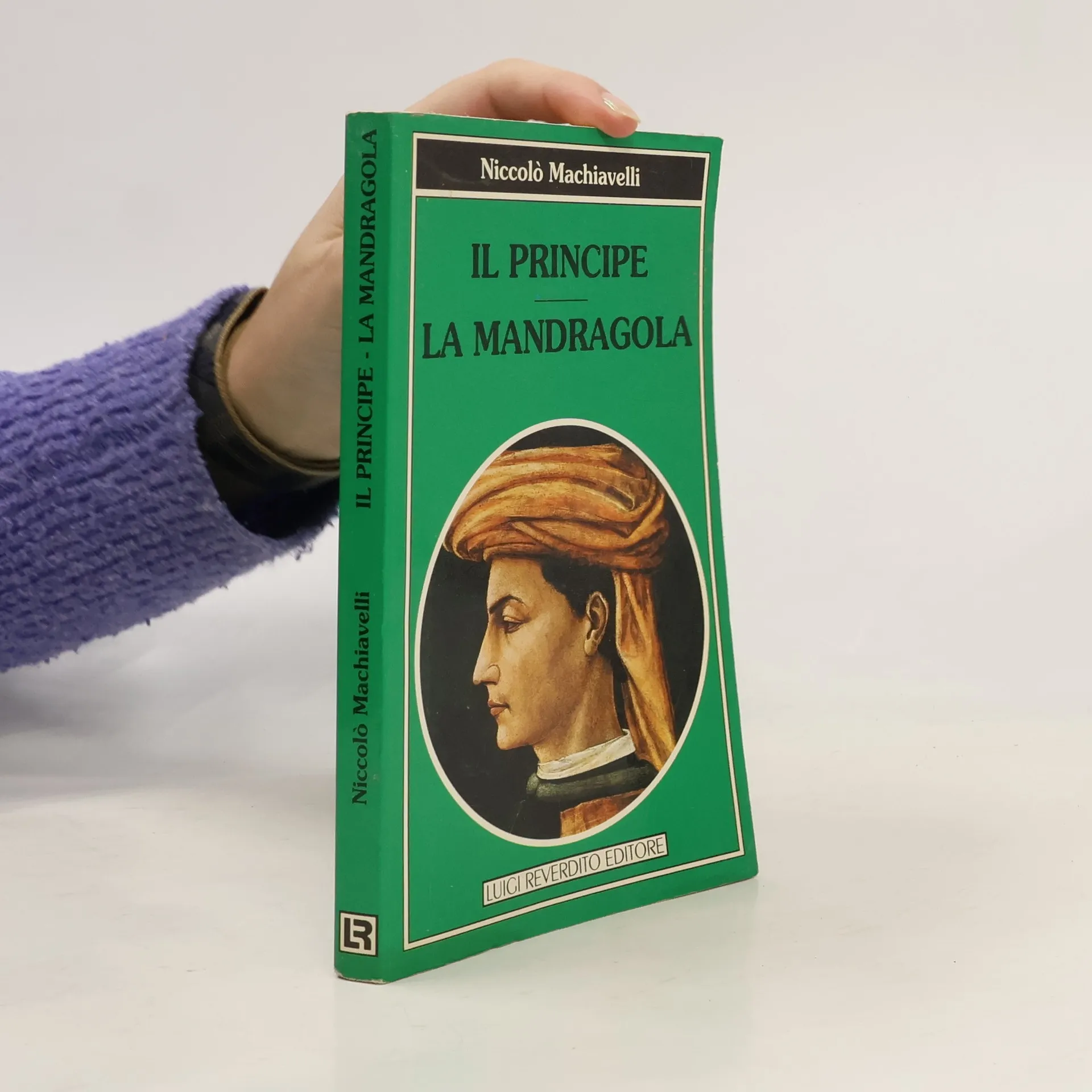
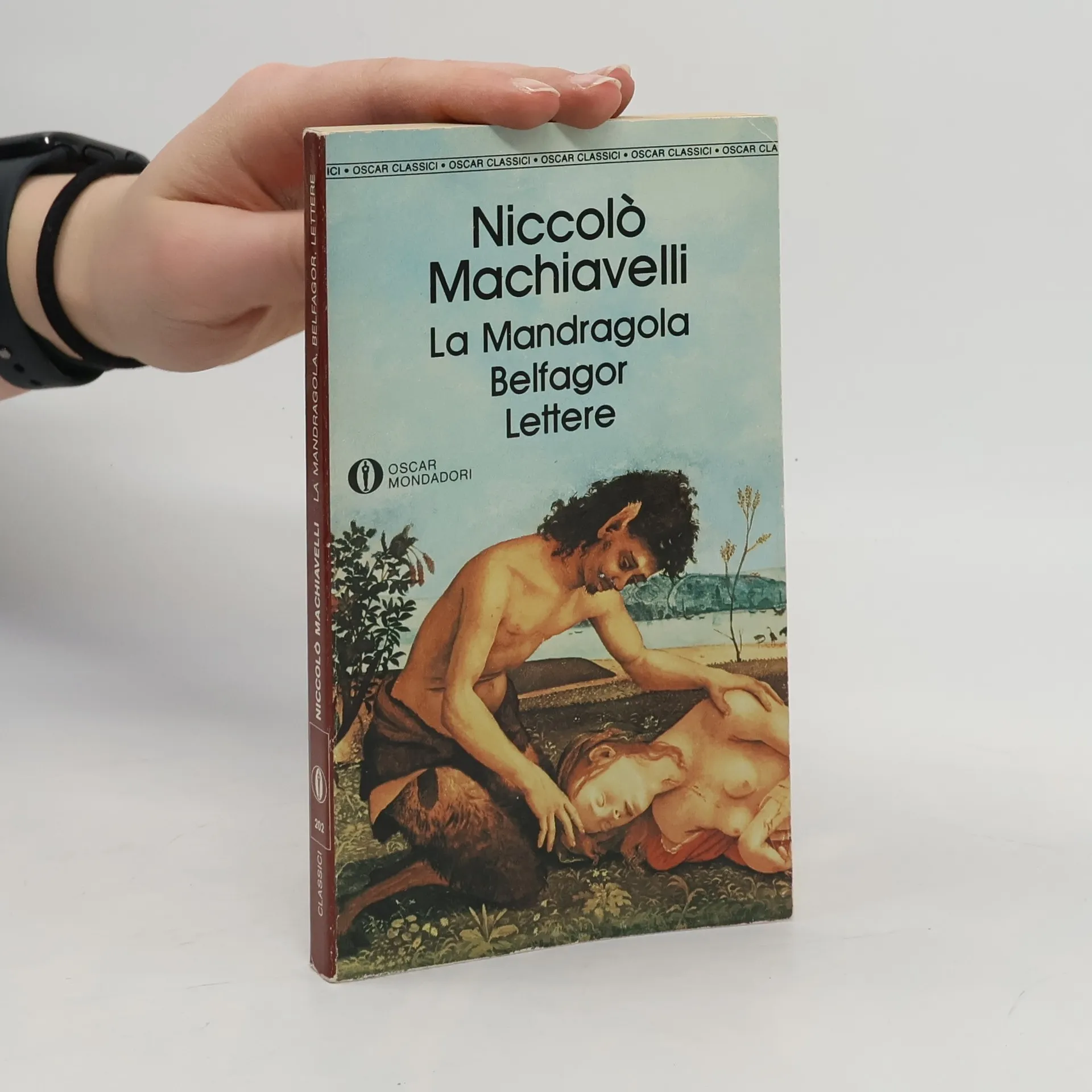
Una divertentissima storia d’amore e una critica spietata all’ipocrisia. Un marito sciocco, una moglie bellissima e fedele, un giovane innamorato e… una pianta magica ma mortale: la mandragola! Con questi elementi, Machiavelli costruisce una storia divertentissima, dove ognuno cerca la propria felicita… a danno di qualcun altro! Una commedia comica, capolavoro della letteratura italiana del Cinquecento, da sempre rappresentata in tutto il mondo.
W 1512 roku Lorenzo de Medici, odzyskując władzę w Republice Florenckiej, przeprowadził czystkę, w wyniku której Niccolo Machiavelli stracił posadę po czternastu latach służby. Po utracie pracy Machiavelli, podobnie jak wielu współczesnych emerytowanych polityków, stał się komentatorem politycznym i napisał książkę, która stała się kontrowersyjna z powodu maksymy, że "cel uświęca środki". Dzieło to, rewolucyjne w epoce renesansu, głosi, że w polityce nie ma miejsca na moralne imperatywy. Machiavelli stwierdza, że książę nie musi posiadać wszystkich cnot, ale powinien sprawiać wrażenie, że je ma. Niezbędna jest umiejętność działania wbrew zasadom, gdy zajdzie taka potrzeba. Współczesne paralele między makiawelicznym księciem a politykami są oczywiste. Machiavelli w swoim dziele podkreśla, że ofiarowuje swoją wiedzę jako cenny dar, mając nadzieję, że pomoże zrozumieć złożoność rządzenia. Jego pragnieniem jest, aby władca osiągnął wielkość, a jednocześnie dostrzegł, jak niesprawiedliwie znosi on ciężary losu. Autor unika ozdobnych słów, stawiając na prawdziwość treści, co czyni jego przesłanie jeszcze bardziej wymownym.
Die hier versammelten Werke von Sunzi, Arthur Schopenhauer und Niccolò Machiavelli gelten auch heute noch als Leitfäden für Personalführung, Strategie und Menschenkenntnis.
"Государь" - самая значительная и неоднозначная работа флорентийского государственного деятеля эпохи Возрождения Никколо Макиавелли. Долгие годы эта книга ассоциировалась с политикой яда и кинжала. После выхода в свет "Государя" появился термин "макиавеллизм", обозначающий цинизм, вседозволенность, двуличие в политике. Однако сегодня многие положения автора воспринимаются не столь однозначно, найдя свое воплощение в истории ХХ века. Помимо "Государя" в данном издании публикуется другая знаменитая работа Макиавелли "Рассуждения о первой декаде Тита Ливия", дополняющая и проясняющая многие моменты основного труда автора. Оба текста представлены в наиболее современном на сегодняшний день переводе и снабжены примечаниями.
1513-2013 Edizione del Cinquecentenario - Introduzione di Nino Borsellino - A cura di Alessandro Capata
El Príncipe, de Nicolás de Maquiavelo (Florencia, 1469-1527) es, sin duda, un clásico en el sentido más literal del término, pero también uno de los libros peor entendidos de la historia de la literatura mundial. Baste pensar en el sentido negativo que en todas las lenguas se da a los términos maquiavelismo y maquiavélico. Con ellos usualmente se designa un uso del poder político carente de prejuicios, en el que el fin justifica cualquier medio. No ha existido hombre poderoso en la tierra, desde Carlos V a Catalina de Médicis, de Luis XIV a Napoleón, hasta los dictadores de la época contemporánea, que no hayan sido acusados de leer secretamente El Príncipe para obtener consejo e inspiración. Sin embargo, puede decirse que Maquiavelo y el método de investigación que desarrolla significan para el origen del pensamiento político moderno lo que Leonardo da Vinci y el suyo significaron, en la misma época, para la ciencia. A partir de un vasto inventario de la historia de las épocas pasadas y de la contemporánea, Maquiavelo se esfuerza por extraer las relaciones, las constantes, aquellas leyes, en definitiva, que permiten los a los Estados, sean Repúblicas o Principados, durar o prosperar. Ofrecemos aquí una edición especialmente cuidada de esta peculiar obra, acompañada de los comentarios de Napoleón Bonaparte y precedida de una introducción del reconocido especialista Giuliano Procacci.
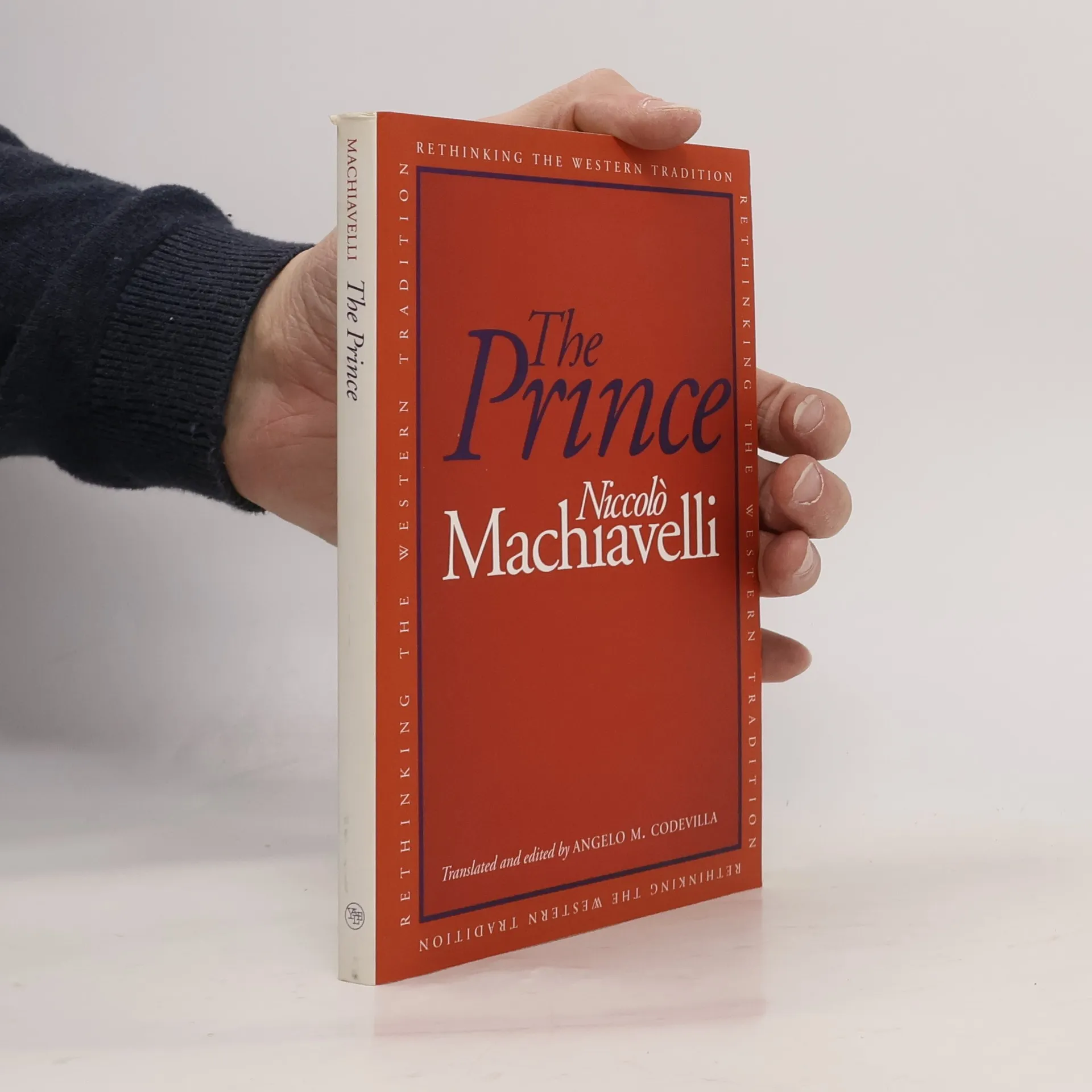
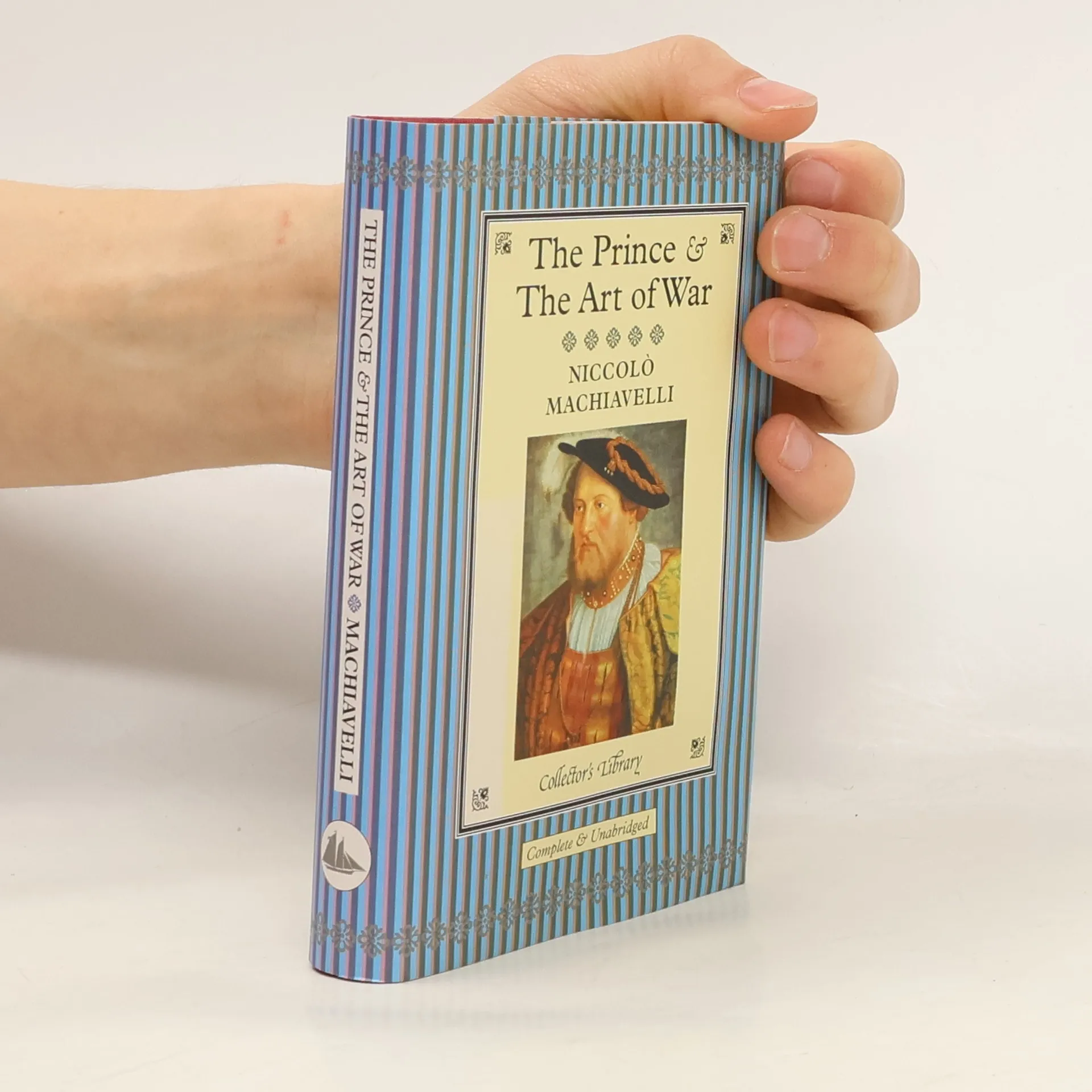
Written in the sixteenth century and almost immediately a subject of controversy, The Prince presents Machiavelli's advice to a ruler who would seek to maintain his power most effectively. Pragmatism and expediency are seen to be more important considerations than ethical ones, and a ruler must be prepared to take actions in the interest of public order that might conflict with purely private ethical concerns. A good ruler must avoid being hated by his subjects however. In The Art of War Machiavelli examines ancient military practices for their relevance to modern political issues, and asserts that military power is at the base of all civil order.With an Afterword by Oliver Francis.
Der große Renaissance-Denker Niccolò Machiavelli legt in diesem Text das Kalkül politischer Macht offen und entlarvt die verlogene Moral des christlichen Zeitalters. An der Frage, ob seine Thesen für eine effektive Politik unerlässlich oder Grundlage einer unmoralischen Machtpolitik sind, scheiden sich bis heute die Geister. Mit dem Werkbeitrag aus dem Neuen Kindlers Literatur Lexikon. Mit Daten zu Leben und Werk, exklusiv verfasst von der Redaktion der Zeitschrift für Literatur TEXT + KRITIK.
A collection that discusses the dangers of conspiracies and the component parts of an army. It also gives advice on tactics and discipline, and explains why promises made under force ought not to be kept.
Niccolò Machiavelli gehört zu den bedeutendsten Universaldenkern der Renaissance. Als Philosoph und Staatstheoretiker erkannte er grundlegende Strukturen des politischen Denkens und Handelns, als Diplomat und Berater vermochte er das theoretisch Erkannte in die konkrete politische Praxis umzusetzen. Anhand der hier veröffentlichen Hauptwerke Machiavellis wird deutlich, wie tiefgreifend unser heutiges Politik-Verständnis von seinen Überlegungen und Auffassungen beeinflusst ist.
Dielo Niccola Machiavelliho sa zaoberá rôznymi formami vlády a fenoménom moci, ktorý ovplyvňuje existenciu a fungovanie štátov. Autor skúma, ako získať a udržať mocenské postavenie, význam vojenských síl a vlastnosti ľudí, ktoré by mal vládca posudzovať. Machiavelli sa pýta, ako využiť moc a chrániť sa pred nepriateľmi, pričom jeho teória moci sa stala základom politickej vedy a jedným z najčítanejších diel v histórii. Publikácia obsahuje Politické diela, ktoré predstavujú Machiavelliho kratšie práce a poskytujú cenné informácie o jeho dobe. Tieto dielo, spolu so Súkromnou korešpondenciou, ponúkajú pohľad na život florentského kancelára, jeho politické myslenie a osudy, ktoré formovali jeho tvorbu. Kniha obsahuje aj dve odborné štúdie Pavla Koprdu. Prvá sa zaoberá Machiavelliho prameňmi a analyzuje vývoj jeho politického myslenia a dielo. Druhá štúdia sa sústreďuje na Machiavelliho život a literárnu činnosť, pričom prehľadne uvádza všetky podstatné udalosti a dielo tohto významného mysliteľa.
Niccolò Machiavelli Der Fürst Das italienische Original wurde um 1513 verfasst. Die päpstliche Druckgenehmigung stammt vom 4. Januar 1532, im Jahr 1557 ließ die Kirche dieses Buch auf den Index der verbotenen Bücher setzen. Taschenbuch-Neuausgabe, in gut lesbarer Schriftgröße, frisch aufgelegt. Durchgesehener Neusatz, der Text dieser Ausgabe folgt: Macchiavelli's Buch vom Fürsten. Nach A. W. Rehberg's Übersetzung mit Einleitung und Erläuterung neu herausgegeben von Dr. Max Oberbreyer, Reclam, Leipzig. Vollständige Neuausgabe, LIWI Verlag, Göttingen 2022. LIWI Literatur- und Wissenschaftsverlag
On the Art of Power - The New Illustrated Edition of the Renaissance Masterpiece on Leadership
Combining fine photographic illustrations with a translation of one of the great literary works of history, this book examines the relationship between moral goodness and legitimate authority, setting out timeless principles for pursuing power and fortune and using them to best effect in securing order and peace.
"Avevano ancora, per magnificenza delle loro imprese, una campana detta Martinella, la quale uno mese continuamente, prima che traessero fuora della città gli eserciti, sonava, acciò che il nimico avesse tempo alle difese: tanta virtù era allora in quegli uomini, e con tanta generosità d'animo si governavano, che dove oggi lo assaltare il nimico imprevisto si reputa generoso atto e prudente, allora vituperoso e fallace si reputava."
Kein politischer Denker ist so umstritten wie der Florentiner Niccolò Machiavelli: Während die einen in ihm den fortschrittlichen Denker und vorbildlichen Republikaner sehen, der Politik losgelöst von der doppelten Vormundschaft von Religion und Moral zu denken wagte und damit das Profil eines neu entstehenden Politikertyps umriss und die Trennung von Kirche und Staat vorwegnahm, wollen andere in ihm den Meisterdenker der Skrupellosigkeit erkennen, einen zynischen Machttechniker, dem der Zweck die Mittel heilige. Doch nur wenige sind tatsächlich mit dem Denken des humanistischen Gelehrten vertraut, der in einer Epoche der Erschütterungen und Umwälzungen die Moderne heraufziehen sah und nach Wegen suchte, wie den Herausforderungen der neuen Zeit zu begegnen sei. In diesem Band ist mit den Schriften „Vom Fürsten“, „Vom Staate“, „Von der Kriegskunst“ und der „Geschichte von Florenz“ Machiavellis politisches Vermächtnis zu entdecken. Dass der Florentiner aber nicht nur ein brillanter politischer Denker sondern auch ein talentierter satirischer Schriftsteller und Erzähler war, wird bei Lektüre seiner literarischen Werke deutlich, die zusammen mit kleineren Schriften und Abhandlungen die vorliegende Auswahl ergänzen, darunter die meisterhafte Novelle „Das Leben des Castruccio Castracani“, das literarische Seitenstück zum „Fürsten“, in dem Machiavelli den neuen Herrschertyp wie in einer Fallstudie porträtiert.
Machiavelli hat als einer der Ersten eine höchst aktuelle Problematik thematisiert: die Frage nach dem Selbstverständnis des Menschen. Wie soll man mit sich und seinesgleichen umgehen? Antworten zu dieser und anderen Fragen des Philosophen finden sich auch bei Denkern in seiner Nachfolge wie Guicciardini und Montaigne, die in diesem Band ebenfalls zu Wort kommen.
A box of four books that make accessible the ideas of four of the greatest thinkers the world has known. Love by Vatsyayana, Hindu sage and author of the Kama Sutra. Power, by Niccolo Machiavelli, master of realpolitik. Happiness by Marcus Aurelius, author of Meditations. Faith by St. Paul, founding father of the Church.
Tells how to obtain and hold on to power unencumbered by ethical considerations, and includes modern commentary
Posielam Vám darček. Toto je najlepšie, čo Vám môže poslať Niccolo Machiavelli. Vyjadrujem v ňom všetko, čo viem a čo som si osvojil dlhoročnými skúsenosťami a neprestajným čítaním o udalostiach vo svete.
Profielschets van een vorst, een heerser, zoals hij zal moeten staan aan het hoofd van een ideale staat door de Italiaanse geschiedschrijver (1469-1527).
The Famed Renaissance Treatise on the Politics of Power
When Machiavelli's brief treatise on Renaissance statecraft and princely power was posthumously published in 1532, it generated a debate that has raged unabated until the present day. Based upon Machiavelli's first-hand experience as an emissary of the Florentine Republic to the courts of Europe, The Prince analyses the usually violent means by which men seize, retain, and lose political power. Machiavelli added a dimension of incisive realism to one of the major philosophical and political issues of his time, especially the relationship between public deeds and private morality. His book provides a remarkably uncompromising picture of the true nature of power, no matter in what era or by whom it is exercised.This fluent new translation is accompanied by an introduction that considers the true purpose of The Prince and dispels some of the myths associated with it. It has the most comprehensive explanatory and critical notes found in any currently available English translation and the most comprehensive bibliography in any edition of the work. It also contains a helpful Glossary of Proper Names, an Index and a map.
Written in Machiavelli's characteristically lucid and terse style, Life of Castruccio Castracani is a revealing account of the political ferment and fractious factionalism of fourteenth-century Italy.
Una selezione di lettere sorprendente e originale; scritte fra il 1509 e il 1525 e rivolte a diversi interlocutori, esse mostrano l’aspetto più privato e umano di Machiavelli, facendo spesso sorridere, ma soprattutto coinvolgendo il lettore e facendogli scoprire nuove sfaccettature di un personaggio storico già approfonditamente studiato e analizzato.
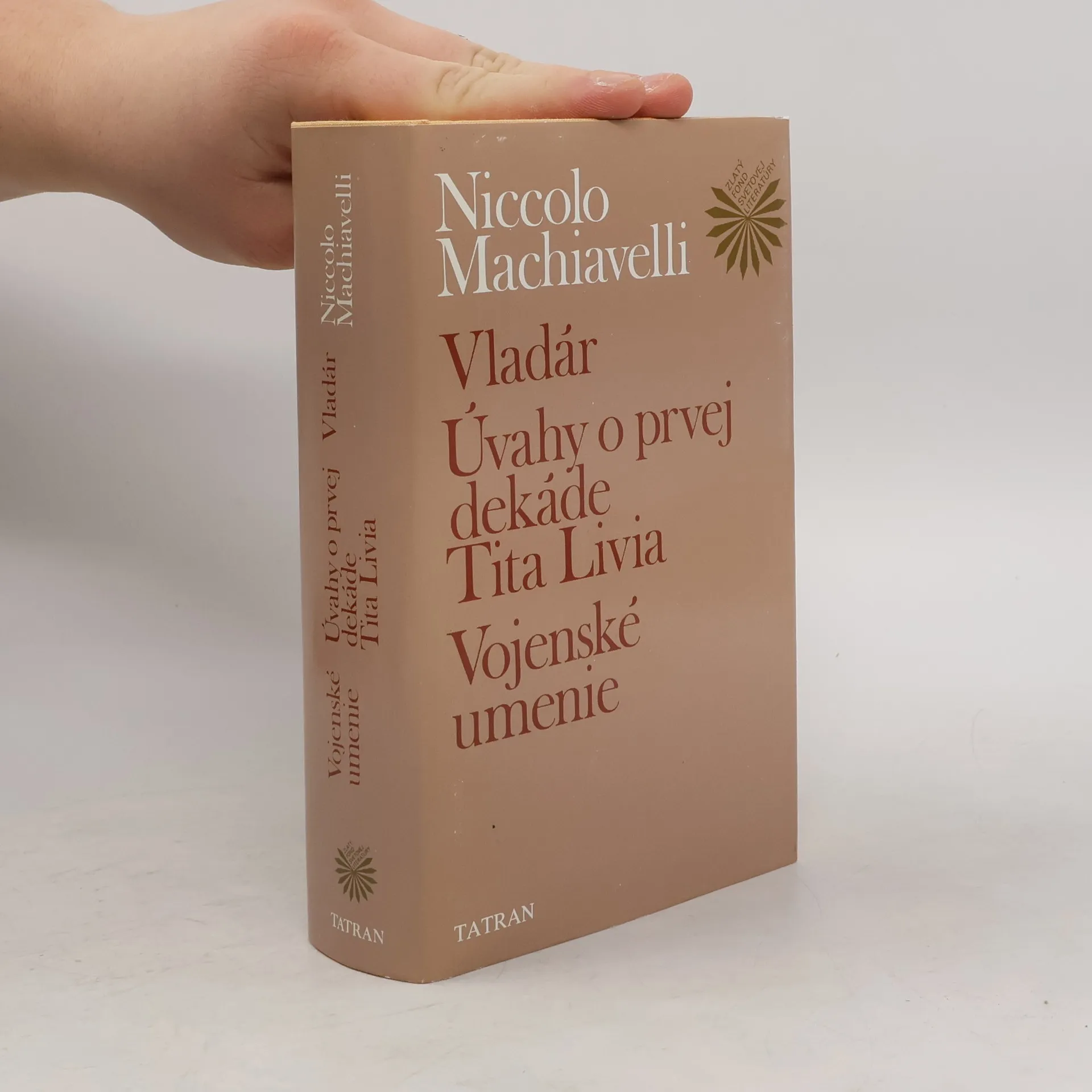
Na prelome šestnásteho storočia vrcholí renesancia v Taliansku, kde sa vedľa seba stretáva množstvo vynikajúcich osobností. Intrigy, vášne a nenávisti tvoria zložitú sieť, v ktorej mocnárstva zanikajú a umelci sú zabudnutí. V tejto dobe sa narodil Niccolo Machiavelli, ambiciózny mladý muž túžiaci po kariére diplomata. Paradoxne, teoretik štátu a geniálny mysliteľ musel čeliť finančným problémom, aby mohol reprezentovať svoju vlasť. Napriek dôležitým misiám nikdy nebol oficiálne vymenovaný za vyslanca. Pri jednej z politických misií sa stretáva s Cesarem Borgiom, ktorý zásadne ovplyvní jeho život a stane sa predobrazom vladára v Machiavelliho slávnom diele. Autor v ňom predstavuje ideálny štát pod vládou ideálneho vládcu, pričom zdôrazňuje nezávislosť politiky od morálky a náboženstva. Toto presvedčenie viedlo k nepravdivej legendárnej predstave o Machiavelliho amorálnosti. Termín machiavellizmus sa stal synonymom pre ľstivosť a zradnosť. V tomto výbere, ktorý ponúka komplexný pohľad na Machiavelliho, sú zahrnuté aj jeho ďalšie dôležité diela, ako Úvahy o prvej dekáde Tita Livia, Vojenské umenie, Mandragora a výber z jeho súkromnej korešpondencie.
Massima espressione della commedia italiana del Rinascimento e composta da Machiavelli nel periodo del forzato esilio da Firenze, La Mandragola ruota attorno al tema della beffa. Tema essenzialmente rinascimentale, che qui si fa spietata condanna dell'ipocrisia e della corruzione di una società in cui sembra non esservi spazio per l'innocenza. Costruita come una perfetta macchina teatrale, come un impeccabile congegno di comicità libertina, la commedia si muove in realtà in una luce di livida amarezza in cui la comicità si fa sarcasmo, aspra accusa, spietata irrisione. Di ciò è mirabile espressione Lucrezia, personaggio femminile di singolare modernità, la donna innocente corrotta dalla sensualità di Callimaco, dallo sciocco e spietato egoismo del marito, dall'ipocrisia del confessore, e che finirà per assumere, come una rivendicazione di indipendenza, la colpa a cui è stata costretta.
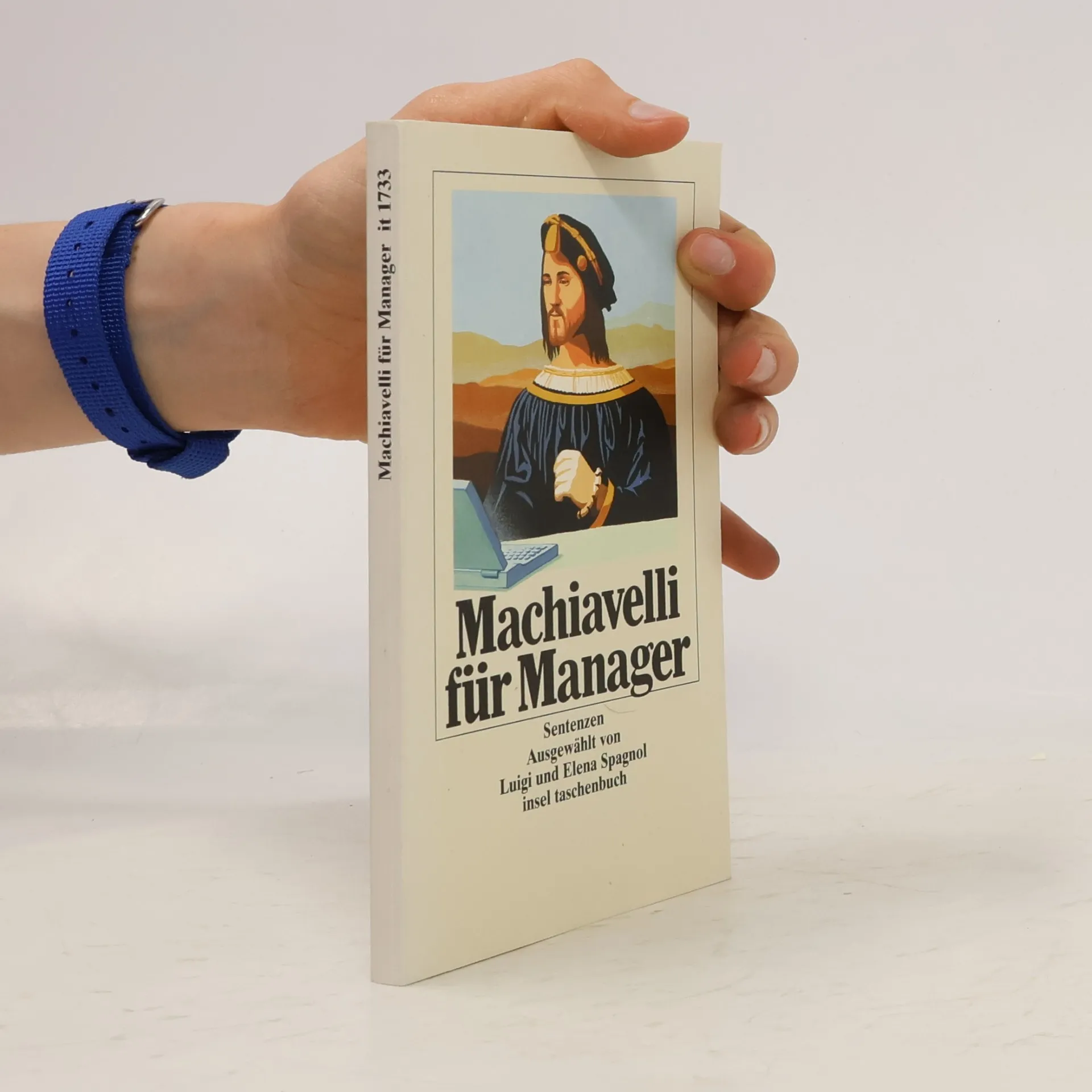
Wer heute in der freien Wirtschaft, in Industrie und Politik Verantwortung übernimmt und Entscheidungen fallen muß, dem bleibt es nicht erspart, sich die ausgeklügelten Machtspiel-Gesetze anzueignen.
Nella storia del teatro rinascimentale e nella storia del teatro di tutti i tempi il teatro di Machiavelli riveste certamente un posto primario: per la lucida e beffarda caratterizzazione di vicende e personaggi, per la sapienza con cui è condotta la "macchina" scenica dell'intreccio e dei dialogati, per lo spaccato spietato su un mondo che, anche nei suoi risvolti "privati", sembra mostrare dimensioni inquietanti che il riso "comico" non basta a occultare. Sicché il Machiavelli "a teatro" può davvero leggersi con il controcanto delle sue famose pagine politiche: senza che però questo possa togliere nulla alla grande originalità e specificità dell'invenzione teatrale in quanto tale.
Die gängigen Urteile über die politischen Theorien Machiavellis sind - vor allem in Deutschland - so einseitig geprägt von seinem bekanntesten Werk Der Fürst, daß eine breitere Rezeption auch der übrigen Schriften endlich geboten scheint. Es gab nicht nur den zynischen Technokraten der Macht, sondern auch den Verfechter der republikanischen Staatsform. Und es gab den scharfsinnigen, unvoreingenommenen Beobachter der Mächtigen und ihres Publikums. Die vorliegende Studienausgabe enthält - neben dem Fürst - die zentralen Kapitel der Discorsi und der Geschichte von Florenz. Darüber hinaus wird eine Fülle von politischen Denkschriften, Berichten und Kurzbiographien erstmals seit Jahrzehnten wieder in deutscher Übertragung vorgelegt, ergänzt durch einige wichtige Briefe. Die Einleitung des Herausgebers skizziert den politischen und biographischen Hintergrund von Machiavellis Werk. Hinweise zur Entstehungsgeschichte der Schriften sowie zum heutigen Forschungsstand sind in gesonderten Anmerkungen verzeichnet.
Approaching a liberal arts tradition in the classroom, across the curriculum, and beyond, The McGraw-Hill Reader offers rich and diverse readings in education, the social sciences, business and economics, the humanities, and the sciences. This new eleventh edition offers a new focus on reading and composing across various media; it includes over 100 selections from prominent thinkers and writers; each essay was chosen to provoke critical thought and encourage effective writing.
Vojensko-politické úvahy duchovního otce "machiavelismu", tj. politiky prováděné bez ohledu na použité prostředky v zájmu vyššího cíle. Svazek obsahuje tři knihy - Vladař. Úvahy o vladnutí a vojenství a Rozpravy o prvních deseti knihách Tita Livia.
A New Translation, with an Introduction, by Harvey C. Mansfield, Jr.
'The Prince' is a work on what it takes to be a prince, a king, a president. When, in 1512, Machiavelli was removed from his post in his beloved Florence, he resolved to set down a treatise on leadership that was practical, not idealistic. In 'The Prince' he envisioned would be unencumbered by ordinary ethical and moral values; his prince would be man and beast, fox and lion.
Capolavoro comico del Rinascimento, la "Mandragola" si incentra su una beffa erotica spinta oltre i limiti del divertimento boccaccesco, fin verso la profanazione del sacro e dell'istituto familiare. I personaggi di questa commedia - gli astuti come gli stolti - sono mossi dal principio dell'utile e istruiti alla scuola della dissimulazione, e finiscono per diventare la trasposizione, in chiave allegorica, dei cortigiani che Machiavelli ha raffigurato nelle pagine dei suoi scritti politici.
Život Castruccia Castracaniho z Lukky
Známé pojednání o podstatě moci, panovníkovi, jeho vlastnostech a úspěšné politické aktivitě. Vladař: Klasický renesanční spis, jenž je považován za jedno z prvních a zároveň jedno z nejvýznamnějších politologických pojednání o moderním způsobu vládnutí. Čtivé dílo vzniklo vobdobí restaurace vlády Medicejských na florentském dvoře r. 1513. Autorem, bývalým sekretářem ministerstva zahraničních věcí, je adresováno však již zesnulému Lorenzu Medicejskému. Hlavní osou dvaceti šesti kapitol jsou příklady z antických a římských dějin, pomocí nichž je postupně eklekticky obhajován osvícený vladař, řídící se zásadami logiky a zdravého rozumu. Spiskem rovněž prosvítají zárodky nacionalistických tendencí.
Machiavelli sa stal známym vďaka svojim filozofickým a historickým dielam, v ktorých sa zaoberá najmä štátno-politickými záležitosťami. No priťahovala ho aj iná literárna tvorba, kde mohol prejaviť i inú stránku svojej osobnosti a rozptýliť ňou ťarchu svojho nepriaznivého osudu po návrate Medicejovcov k moci vo Florencii. V tom mu priestor poskytla komédia, ktorá mu dovoľovala rozvíjať jeho myšlienky jednoduchým, zrozumiteľným a hlavne veselým spôsobom. Vo svojich komédiách dáva voľnosť svojmu rozletu, predstavám smerujúcim k pobaveniu mysle a odpútaniu sa od obvyklého života, zvieraného zaužívanými mravmi a dogmami. Nebojí sa zahrýzať v citlivých spoločenských témach do vecí, ktoré na povrchu všedného života nevidno, no kde pohľady ľudí nesiahajú, sa možno i dejú. Ústrednou postavou jeho komédií býva vznešená žena so zmyslom pre počestnosť, no i krásna, ktorá sa v súlade so spoločenskými konvenciami nemôže nechať unášať svojimi citmi a láskou a ktorá nemá núdzu o priazeň mužov. Tri Machiavelliho komédie sú doplnené štúdiou Pavla Koprdu Začiatky renesančných komédií a Machiavelliho divadelná tvorba a úvody ku komédiám, podávajúce obraz o vývoji komédie v období renesancie i hlavné črty drám.
Machiavelli's commentary on Livy's history of Rome sets out his fundamental preference for a republican state. This translation is richly annotated, providing the contemporary reader with sufficient historical, linguistic, and political information to understand and interpret the revolutionary affirmations Machiavelli made, based on the historical evidence he found in Livy.
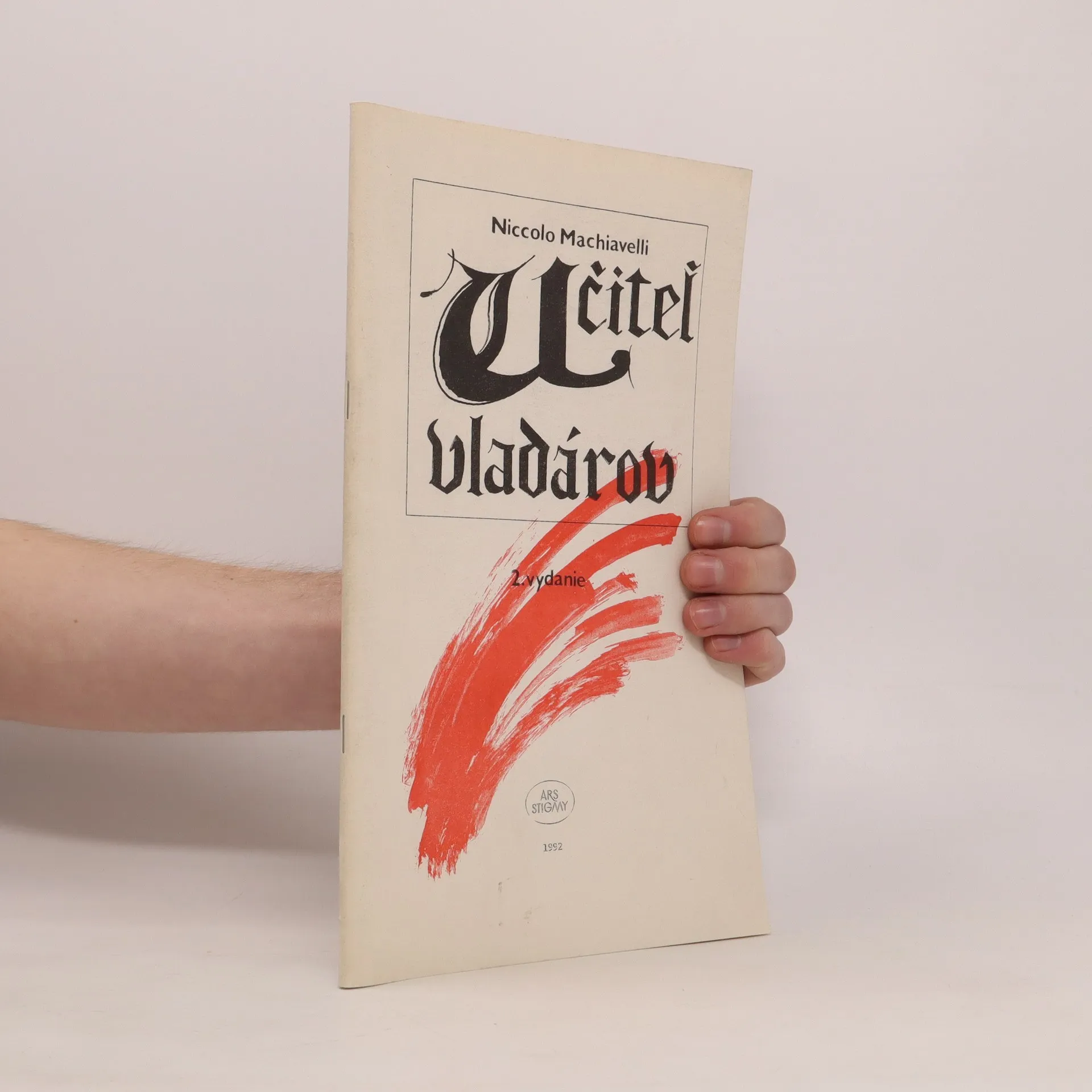
V Mandragoře se Machiavelli s renesanční otevřeností vysmál lidské hlouposti a podal v páteru Timotejovi nezapomenutelný obraz prohnaného svatouška. Patřívalo k dobrému tónu pohoršovat se nad ožehavým námětem této komedie. Pohádkový námět Belfagora připomíná naší pohádku o čertu a Káče. I tento malý příběh je svědectvím toho, že Machiavelli byl nejen velkým mistrem slova, ale i vtipným pozorovatelem a bystrým znalcem lidského srdce. 2. vydání
Niccolo Machiavelli considered this book his greatest achievement. Here you will learn how to recruit, train, motivate, and discipline an army. You will learn the difference between strategy and tactics. Machiavelli does a masterful job of breaking down and analyzing historic battles. This book of military knowledge belongs alongside Sun-Tzu on every book shelf.