Lawrence Sondhaus is a historian whose work centers on military history. His research delves into the intricacies of warfare, examining its strategic, political, and social dimensions across various periods. Sondhaus offers a deeply analytical perspective on conflict, exploring the forces that shape military operations and their societal impact. His scholarship provides valuable insights into the evolution of warfare and its lasting consequences.
This revised and updated interpretation of World War I highlights the
revolutionary nature and legacy of the conflict of 1914-1919. It examines the
political, economic, social and cultural history of the war at home as well as
the war's origins, ending and subsequent legacy.
The transition from wooden sailing fleets to modern steel navies is explored through significant technological advancements such as steam power, armor, artillery, and torpedoes. The book examines how these innovations reshaped naval strategy and tactics, marking a pivotal shift in maritime warfare.
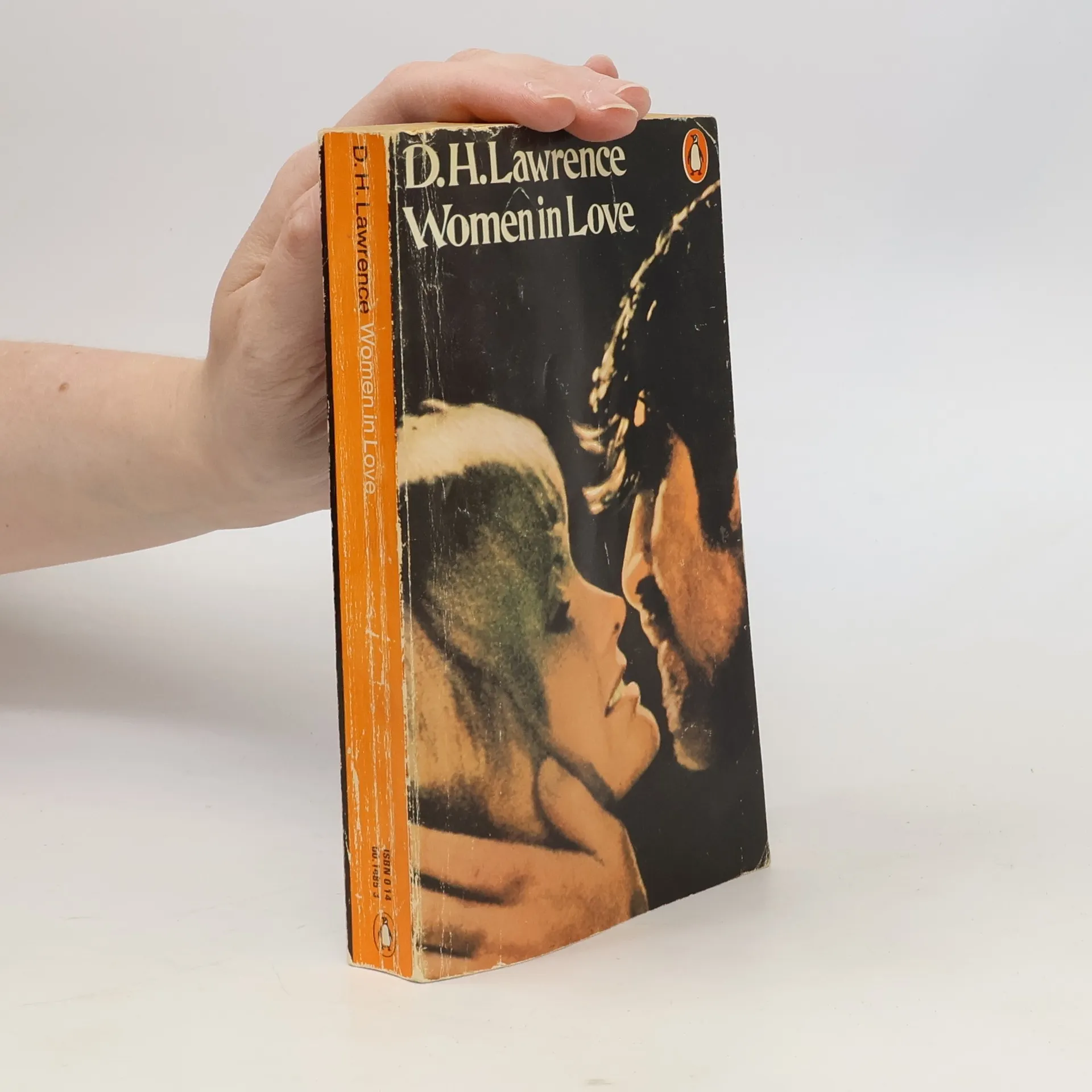
"Seen by Lawrence as his most accomplished book, but subject to the initial prudery and incomprehension that met most of his fiction, Women in Love examines the regenerative and destructive aspects of human passion, as illustrated by its depiction of Ursula and Gudrun Brangwen - who first appeared in The Rainbow - and their relationships with Gerald Crich and Rupert Birkin. Set against the backdrop of a world consuming itself in war, the novel creates an instructive vision of humanity's dance with life and death." "This text is the famous "first" Women in Love, the unexpurgated version preferred by Lawrence himself, which was rejected by every publisher because of the banning of The Rainbow in 1915. More positive in tone than the revised version published in his lifetime, with different central relationships and a radically different ending, it is now viewed by many as Lawrence's masterpiece."--BOOK JACKET.
Es gibt nicht viele Persönlichkeiten in der Geschichte Österreich-Ungarns, die in der Beurteilung ihres Wirkens gegensätzlichere Meinungen hervorriefen, wie Franz Conrad von Hötzendorf (1852–1925). Von den einen als brillanter Taktiker und Stratege geschätzt, von den anderen als einer der Hauptverantwortlichen für den Ausbruch des Ersten Weltkrieges verachtet. Einer kleinadeligen Familie deutsch-mährischer Herkunft entstammend, glänzte er schon als junger Offizier und Absolvent der Kriegsschule, der Ausbildungsstätte für die Generalstabsoffiziere der Monarchie, durch sein Wissen, seine Selbstdisziplin und seine Begabung. Sein Aufstieg gipfelte in der Position des Generalstabschefs in den Jahren 1906–11 und 1912–17. „Unter all den Männern, die für die Ausarbeitung der Taktik, der Strategien und Kriegspläne verantwortlich waren, die letztendlich in einem noch nie da gewesenen Aderlass zur Zerstörung des alten Europa führten, findet man niemand seinesgleichen“, urteilt der US-amerikanische Historiker Lawrence Sondhaus in der nunmehr in deutscher Übersetzung vorliegenden Biographie über Franz Conrad von Hötzendorf. Dem Autor ist mit seinem Werk eine brillante Analyse des Werdens und Wirkens des Feldmarschalls, seiner Handlungen und der ihnen zugrundeliegenden Motivation, gelungen. Die erste objektive und wissenschaftlich fundierte Biographie über Franz Conrad von Hötzendorf!