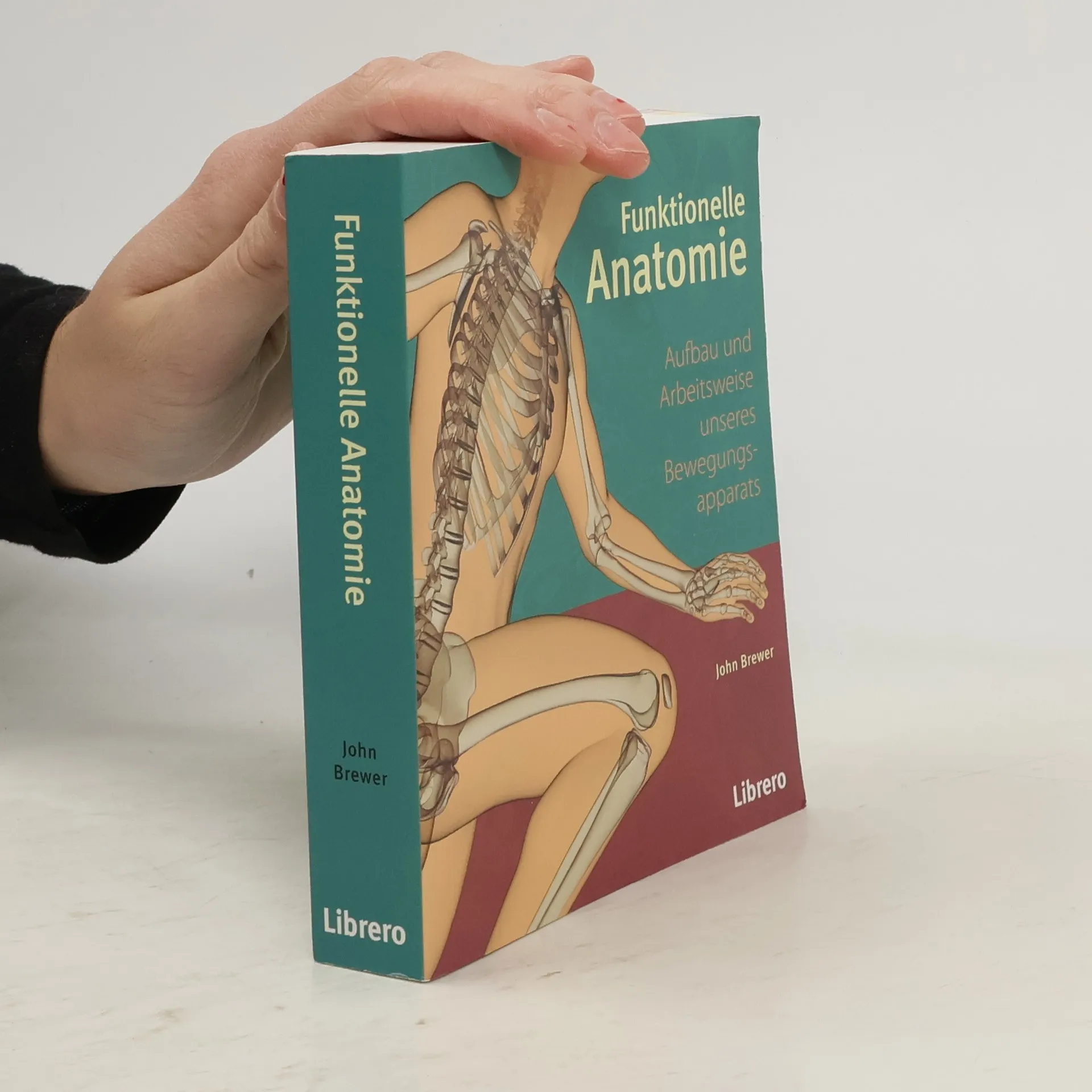
Funktionelle Anatomie
- 432 pages
- 16 hours of reading


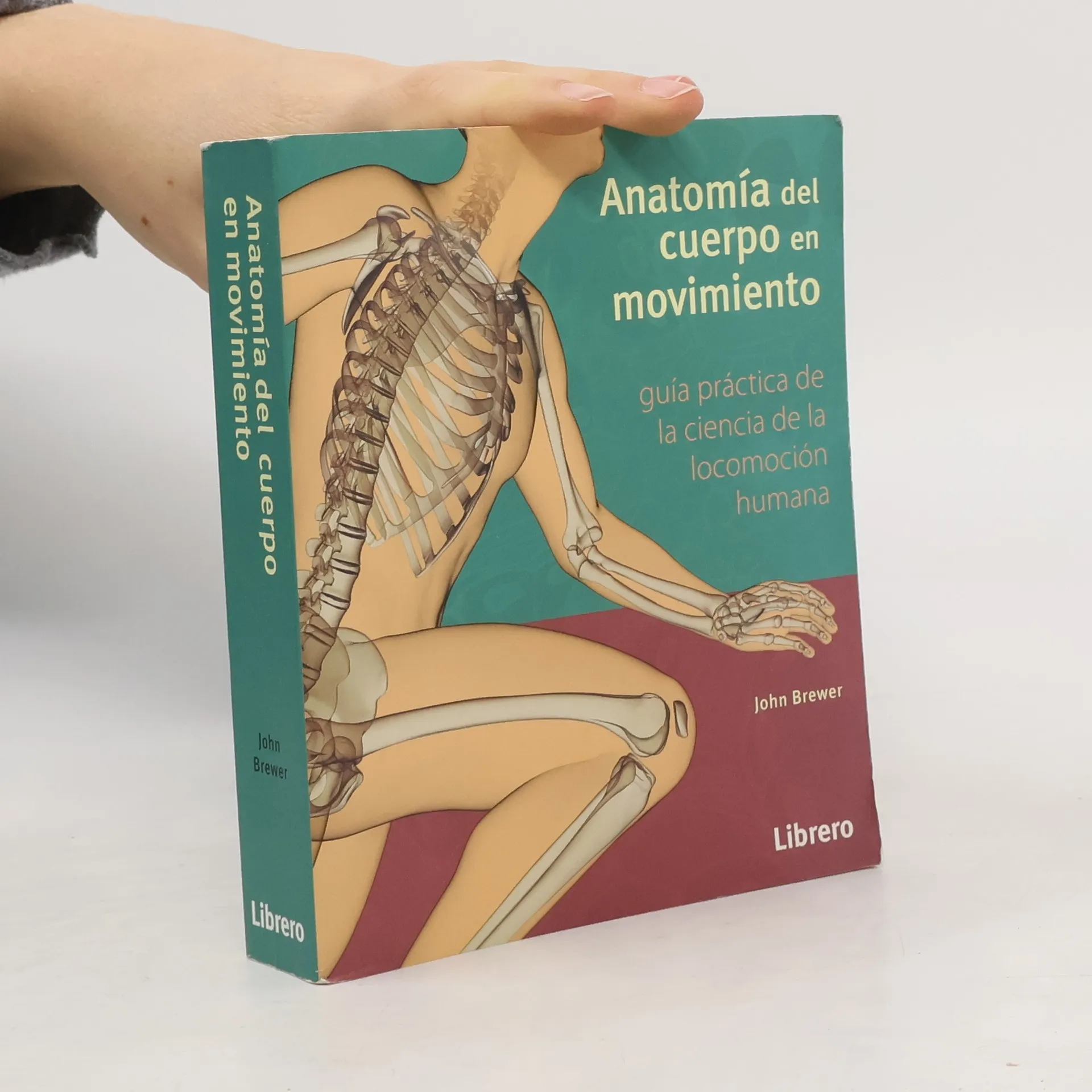
Guia práctica de la ciencia de la locomoción humana
Guía compacta de la ciencia del movimiento humano. Esta obra compacta combina con acierto textos breves y concisos e ilustraciones en color de las estructuras del cuerpo, para que el lector se haga una imagen clara de la ciencia que se esconde detrás del movimiento humano. Presentación detallada del funcionamiento anatómico en distintos movimientos corporales, articulación por articulación, ilustrando las estructuras anatómicas y explicando como interactúan para general los diferentes movimientos.
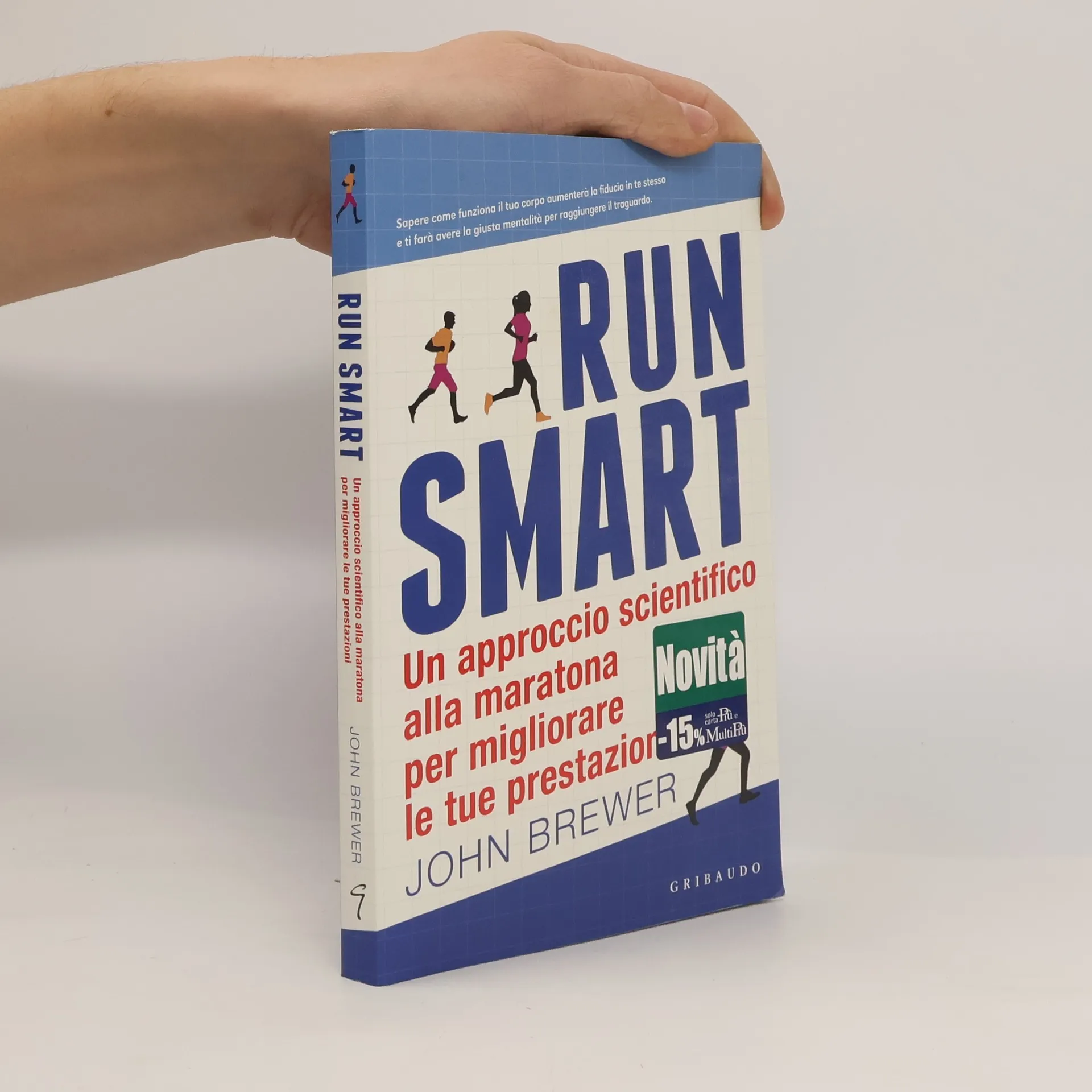
Un approcio scientifico maratona per migliorare le tue prestazioni
Il rinomato esperto di maratona e principale scienziato dello sport Professor John Brewer rivela perché molti dei concetti riguardanti l'allenamento per la maratona e la corsa sono errati e suggerisce come le ultime ricerche scientifiche nello sport trasformino il modo in cui le maratone dovrebbero essere affrontate. Run Smart utilizza le più recenti ricerche scientifiche per mostrare come prepararsi e correre le maratone possa essere reso più facile, sfidando così molti dei miti che circondano la corsa di maratona. Il libro attingerà all'esperienza dell'autore come uno dei principali scienziati dello sport del Regno Unito, al suo ampio background di ricerca nella corsa di maratona e alla sua esperienza come maratoneta, per fornire consigli credibili ai corridori a supporto della loro preparazione per una maratona. Il libro metterà in discussione molti concetti, miti e idee attuali, fornendo alternative basate sulla scienza in aree come l'allenamento e la nutrizione che ottimizzeranno e faciliteranno la preparazione e il completamento della distanza di 26,2 miglia. Questo libro altamente accessibile utilizzerà le ultime scoperte scientifiche per supportare i nuovi corridori che si allenano per la loro prima maratona e aiutare atleti più esperti a migliorare e ad allenarsi in modo più intelligente.