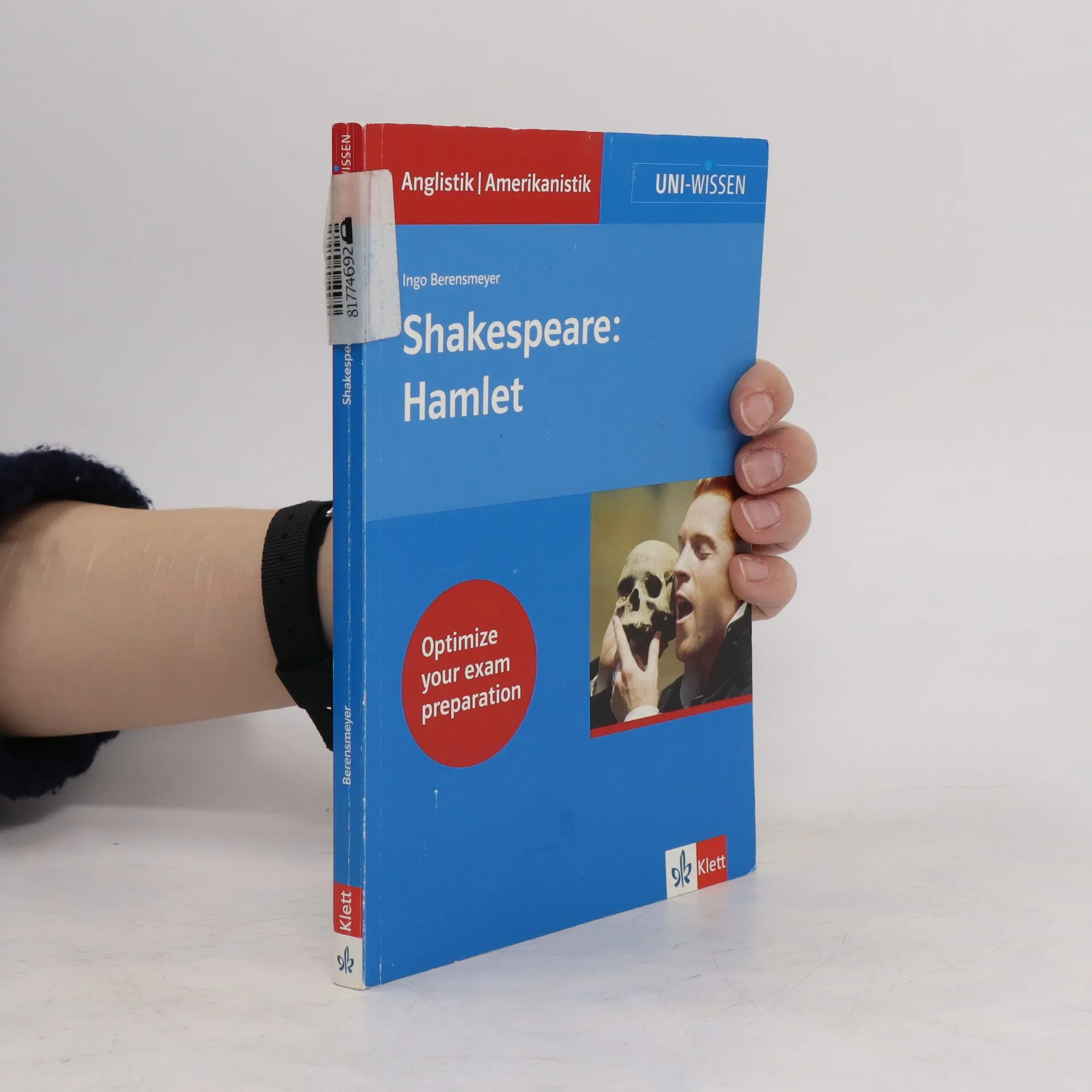
Ingo Berensmeyer This book offers not only an introduction to a wide range of different approaches to the play but also an exemplary interpretation that combines the aesthetics of theatrical performance with aspects of literary and cultural history. The book includes recommendations for further reading, study questions and a chapter on exam preparation.
The exploration of literature's evolution highlights its transformation alongside various media and communication methods, from manuscripts to digital platforms. It emphasizes how literary experiences are intertwined with material forms, suggesting that literature adapts and evolves in response to these changing formats. By examining the interplay between tangible and intangible elements, the book provides a nuanced understanding of how literature engages the senses and reflects broader shifts in communication.
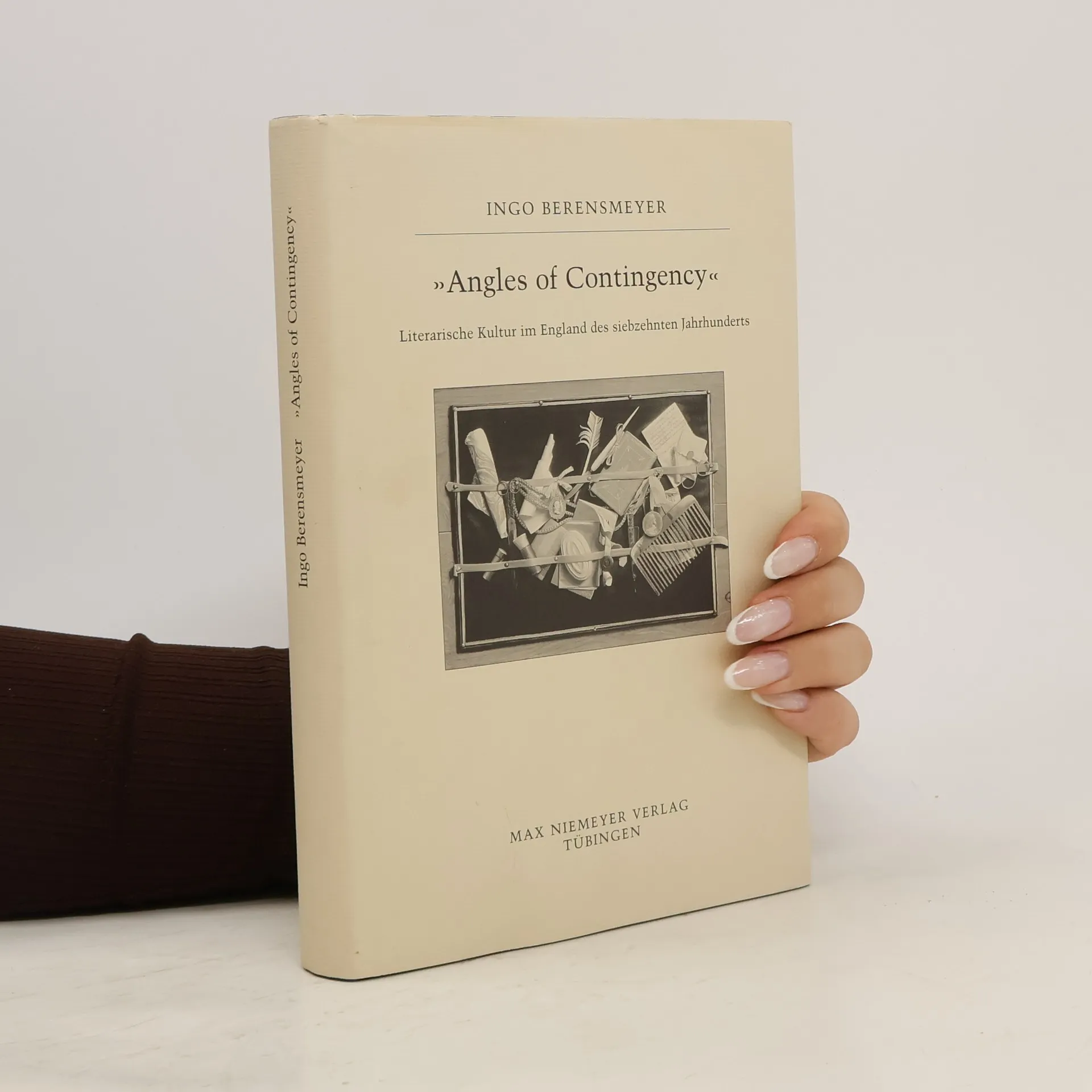
Der kultur- und mediengeschichtliche Stellenwert des 17. Jahrhunderts wird unterschätzt. In diesem Buch unternimmt Ingo Berensmeyer die Neuvermessung einer vernachlässigten Epoche, indem er nach den Wirkungsbedingungen literarischer Kultur in England zwischen ca. 1630 und 1700 fragt. In dieser Zeit des Bürgerkriegs, der Restauration und Revolution ist das Literarische oftmals eine Fortsetzung des Krieges mit anderen Mitteln. Doch die streitenden Bürger der 'republic of letters' eint ein Kontingenzproblem: Mit dem wachsenden Einfluß des Buchdrucks nimmt nicht nur die Leserschaft zu, sondern auch die Menge alternativer, konkurrierender Beobachtungen. In einer Reihe von Beispielanalysen zeigt Berensmeyer, wie unterschiedliche Kontingenzerfahrungen im 17. Jahrhundert literarisch verarbeitet werden und wie der Kontingenzbegriff dabei zur Motivationskraft einer fundamentalen Neuorientierung literarischer Wirkungen avanciert. Die Untersuchung mündet in eine Neubewertung der Rolle des englischen Neoklassizismus als einer kulturellen Konfiguration, die sich auf ein breites Spektrum gesellschaftlicher Praktiken und Institutionen auswirkt: von der Dichtung zur Politik und von der Erkenntnistheorie zur gepflegten Verhaltenskultur. Die in traditionellen Literaturgeschichten oft stiefkindlich behandelte 'Zwischenzeit' zwischen Shakespeare und der Entwicklung des Romans erscheint so in einem neuen Licht.