Lost Berlin
- 208 pages
- 8 hours of reading
Photographs and accompanying text portray the artistic, cultural, social, and political life in Berlin during the 1920s

5.0




Photographs and accompanying text portray the artistic, cultural, social, and political life in Berlin during the 1920s
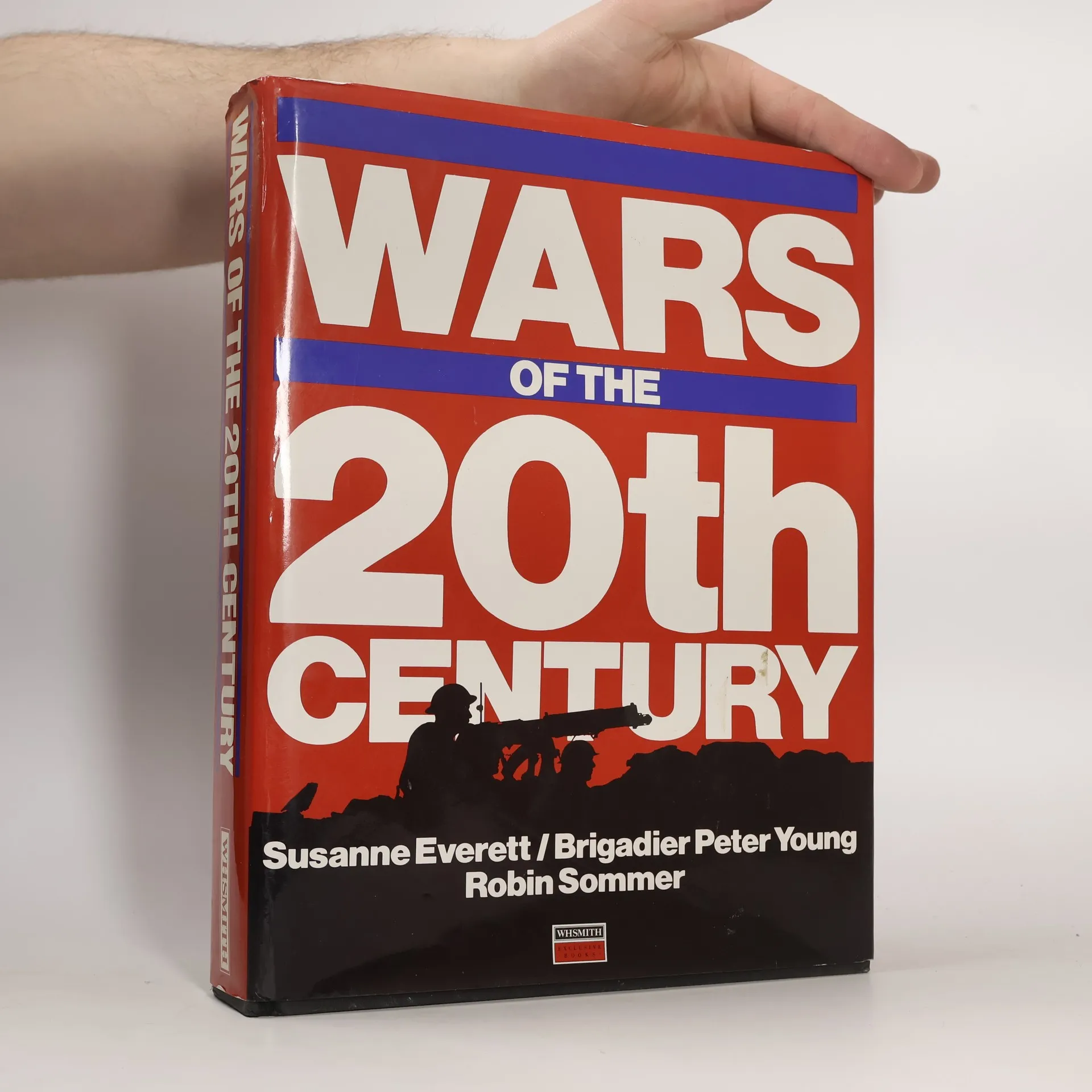
This book explores the history of two monumental conflicts of the twentieth century. World War I was a devastating and wasteful war that involved entire nations, fueled by the industrial revolution's advancements in weaponry. The conflict saw the use of machine guns, tanks, gas, and aircraft, resulting in immense human loss while military leaders clung to outdated tactics. After four years of brutal trench warfare, an armistice was signed, leading to a vindictive peace treaty imposed on Germany, which contributed to Adolf Hitler's rise and the subsequent outbreak of World War II. The latter conflict became the most destructive war in history, claiming over thirty million lives, with cities obliterated and populations forcibly displaced. The horrors of Nazism remain unforgettable. Brigadier Peter Young, a distinguished historian and hero of World War II, provides a clear and concise account of the war across various theaters, from Europe to the South Pacific, and from Africa to Burma. The narrative culminates with the atomic bombings of Hiroshima and Nagasaki. Illustrated with over 800 photographs, many in color, along with maps and charts, the book vividly conveys the scale and intensity of twentieth-century warfare.
excellent illustrated history
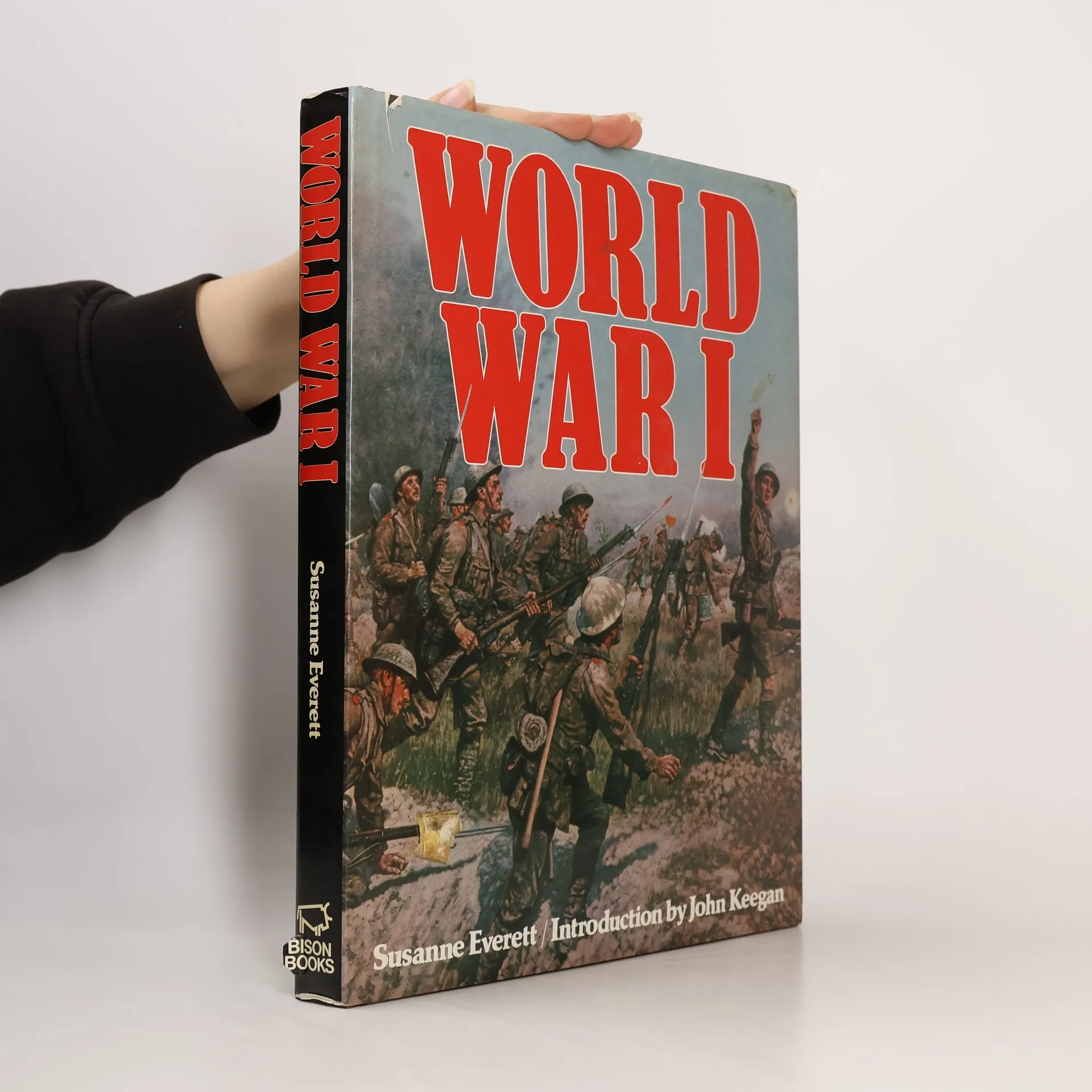
Gennemillustreret og grundig kronologisk gennemgang af 1. verdenskrigs politiske og militære historie.
This book is illustrated by over 800 photos, many of them in color, maps, technical illustrations and tabular material that help convey the full import of the struggles of our time.
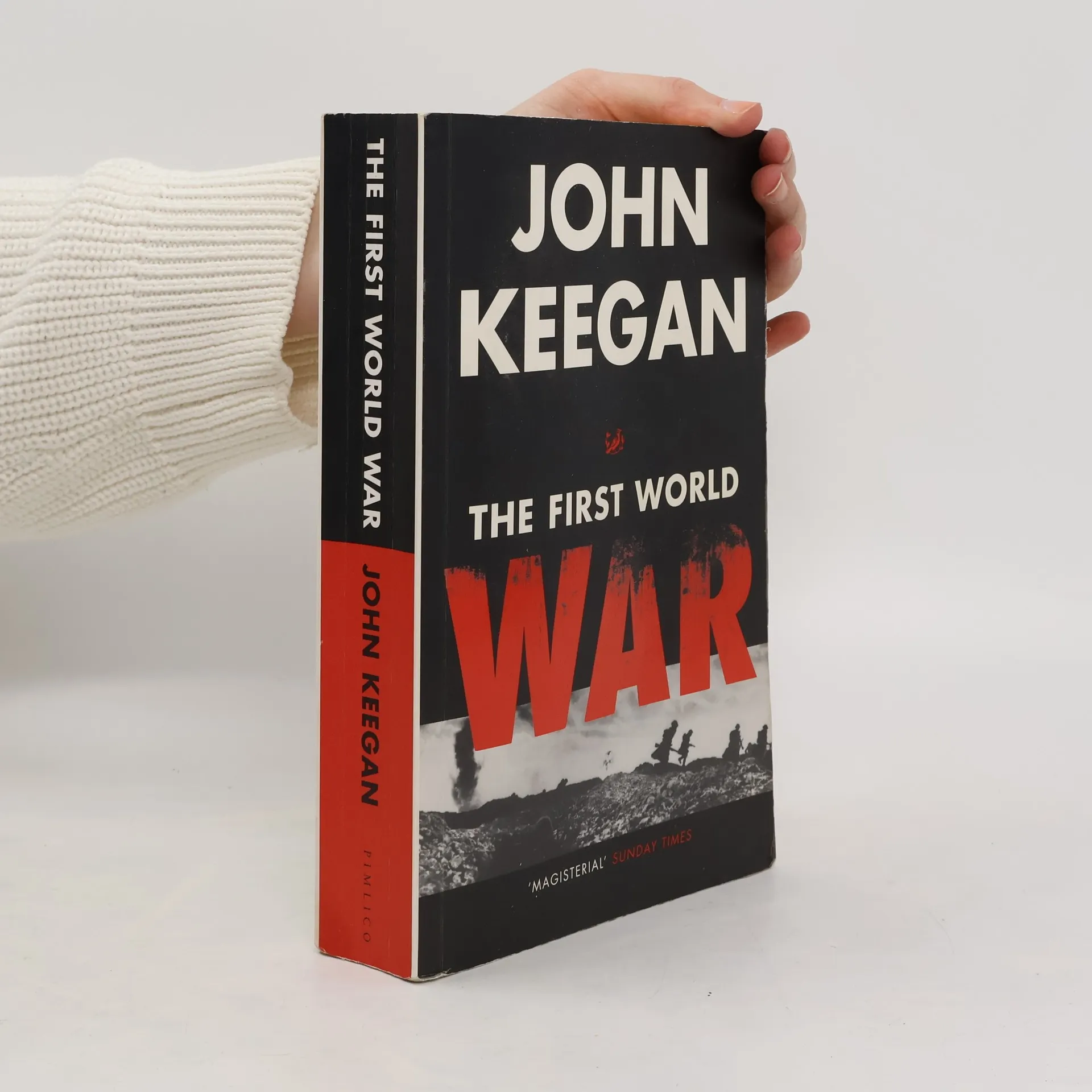
The First World War created the modern world. A conflict of unparalleled ferocity which extended far beyond its European epicentre, it broke the century of relative peace and prosperity which we associate with the Victorian era and unleashed the demons of the twentieth century - pestilence, military destruction and mass death - and also the ideas which continue to shape our world today - modernism in the arts, new approaches to psychology and medicine, and radical ideas about economics and society. It was of course foremost a military conflict, and the battles on land, sea and in the air form the narrative heart of his study, with some fascinating new interpretations of the military events. But the war also acted as a formidable engine for change throughout the world, and this too is revealed in his new book. At its heart, however is the terrible human cost of this unparalleled conflict, the loss which, however vastly extended, remains personal and individual.
