


Explore the latest books of this year!
Bookbot

Sarah Blaffer-Hrdy

    July 11, 1946

    Sarah Blaffer Hrdy is an American anthropologist and primatologist whose work has profoundly shaped evolutionary psychology and sociobiology. She delves deeply into the evolution of human behavior and motherhood, often through comparative studies of primates. Her approach intertwines biology, anthropology, and psychology to illuminate how our social and reproductive strategies have developed. Hrdy is recognized as a leading figure in animal behavior studies.

    Mutter Natur
    Matki i inni. Emocjonalna ewolucja człowieka
    Father Time
    Mothers and Others
    Mother Nature
    Mother Nature
    • 2025

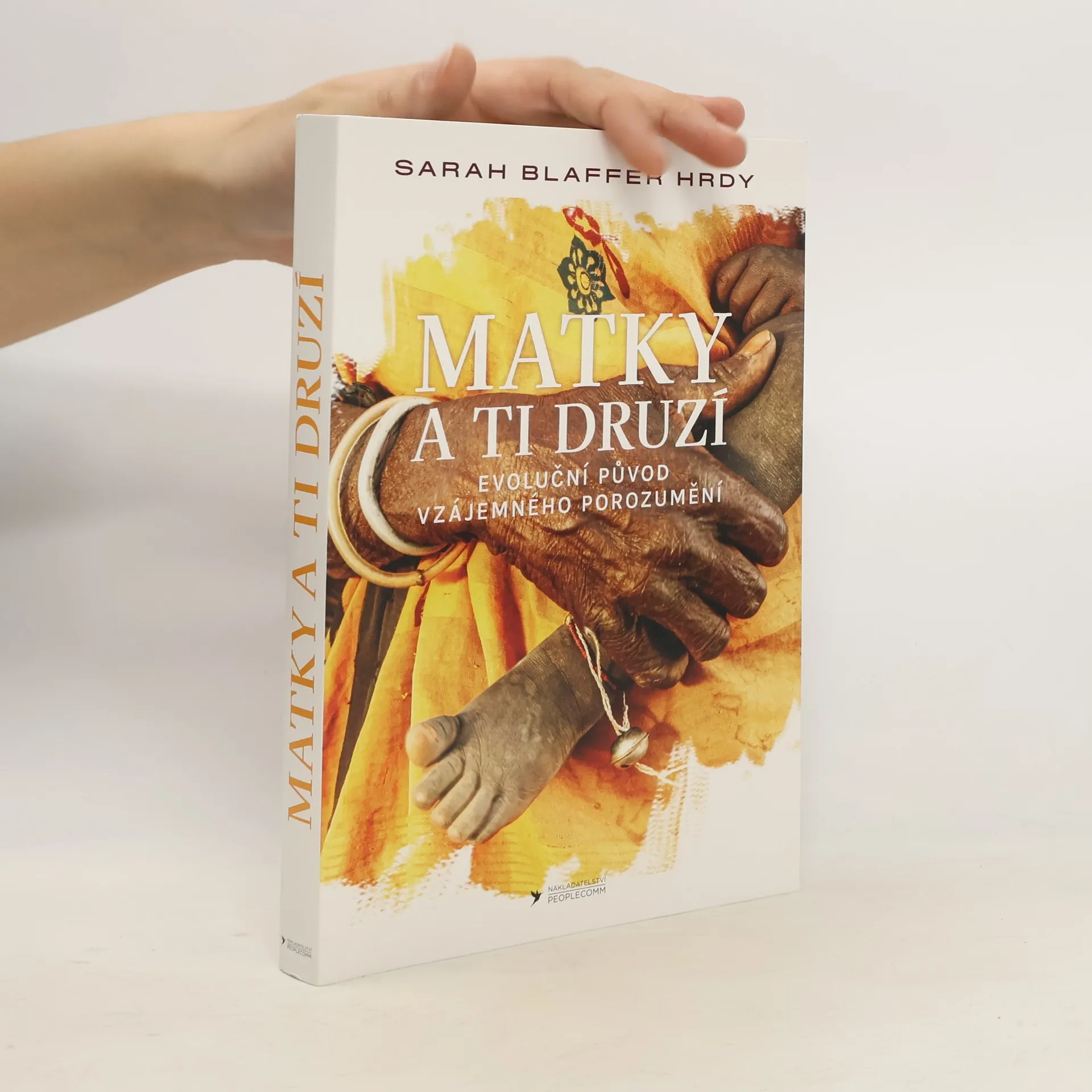
      Většina českých dětí dnes vyrůstá v nukleárních rodinách, ve kterých to velmi často vypadá následovně: Nevyspalá, strhaná a podrážděná maminka na “mateřské samotce” neví, zda doma dřív vařit, uklízet, pečovat o děti nebo na chvíli nabrat dech. Tatínek je většinu času nepřítomný, neboť někde mimo domov vydělává na hypotéku. Biologická rodina je daleko a sousedi jsou cizí lidé. O narůstajícím fenoménu rodičů "samo-živitelů" ani nemluvě. Homo Sapiens přitom patří k druhům s tzv. kooperativní výchovou. Abychom vychovali zdravé, netraumatizované dítě a nám samotným z výchovy "nevypadaly vlasy", dítě potřebuje minimálně tři primární vazby s tzv. spolu-rodiči. Do minimálně třech let věku dítěte je třeba, aby byl vždy minimálně jeden z těchto dospělých - odpočatý, v klidu, bez známek stresu - připraven o dítě pečovat a chovat ho.

      Matky a ti druzí : evoluční původ vzájemného porozumění
    • 2024

      "A masterful synthesis of how it came to be that today men are taking care of very young babies given that this is unprecedented in the history of mammals, apes, and humans"--

      Father Time
    • 2023

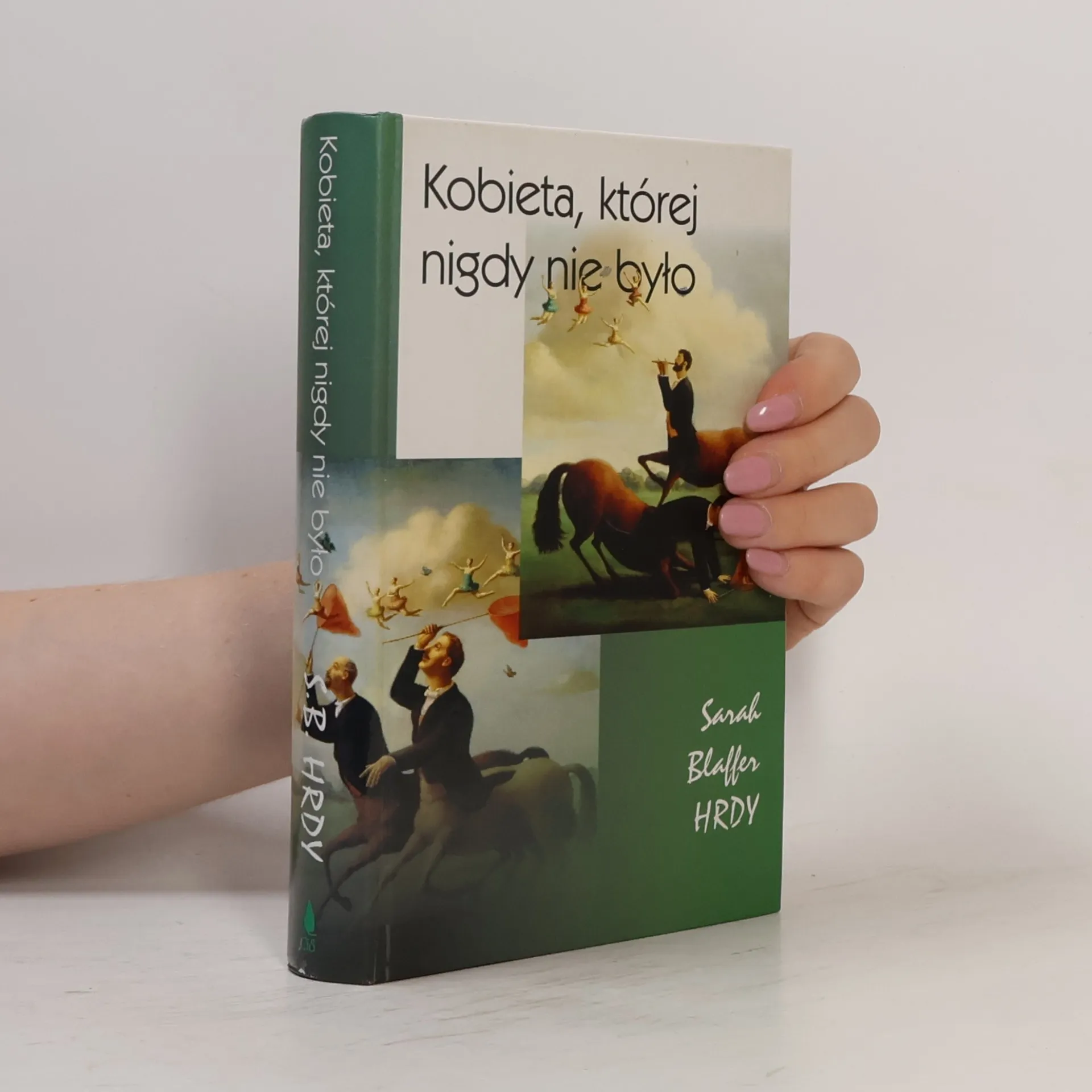
      Dlaczego ludzkie dzieciństwo trwa tak długo? Jakie ewolucyjne czynniki za tym stoją? Jak opieka nad potomstwem zmieniła nas jako gatunek? Jak ewolucja uzasadnia, że do wychowania dziecka potrzebna jest cała wioska? Matki i inni to szeroko zakrojona nowa wizja ewolucji emocjonalnej człowieka, która odkrywa, w jaki sposób rozwijały się poszczególne ludzkie zdolności i jak dzięki nim przetrwaliśmy przez tysiące pokoleń. To także fascynujący wgląd w to, jaki przebieg obrała ludzka ewolucja, choć sprawy mogły się potoczyć inaczej, gdy w Afryce, ponad milion lat temu, jedna z linii małp zaczęła wychowywać swoje młode w inny sposób niż ich przodkowie. Sarah Blaffer Hrdy, antropolożka i prymatolożka, pokazuje, jak wygląda opieka nad potomstwem wśród innych ssaków - małp szerokonosych, szympansów, wilków i lwów - i wskazuje na wyjątkową długość ludzkiego dzieciństwa w kontekście ewolucji. Jeśli potomstwo miało przetrwać w świecie niedoboru żywności, musiały się nim opiekować nie tylko matki, ale także rodzeństwo, ciotki, ojcowie, przyjaciele - i, przy odrobinie szczęścia, babcie. Z tej przypadkowej w istocie formy wychowywania dzieci zrodziła się ludzka zdolność rozumienia innych. Żeby przetrwać, musieliśmy wiedzieć, na kim można polegać. Sarah Blaffer Hrdy jedna z najwybitniejszych antropolożek i prymatolożek, która wniosła istotny wkład w rozwój psychologii ewolucyjnej i socjobiologii, profesorka Uniwersytetu Kalifornijskiego.

      Matki i inni. Emocjonalna ewolucja człowieka
    • 2010

      Stellen Sie sich vor, mit einer Gruppe Schimpansen in einem Flugzeug zu reisen – die Passagiere wären schnell genervt und handgreiflich. Während wir Menschen uns von einem schniefenden Nachbarn gestört fühlen, reagieren wir nicht so aggressiv wie unsere evolutionären Vorfahren. Die Frage ist, wie sich der Homo sapiens zu einem umgänglichen Wesen entwickelt hat, das Empathie zeigt. Laut Hrdy liegt der Ursprung unseres sozialen Verhaltens nicht im Konkurrenzkampf, sondern in der gemeinschaftlichen Kindererziehung. In Zeiten knapper Ressourcen waren steinzeitliche Eltern auf die Hilfe anderer angewiesen. Um die Aufmerksamkeit und Fürsorge von Allomüttern zu gewinnen, entwickelten Menschenbabys die Fähigkeit, Emotionen und Gesichtsausdrücke anderer präzise zu deuten. Dies führte zu einzigartigen menschlichen Fähigkeiten zur Empathie und Kooperation, die für den kulturellen und technologischen Fortschritt der Menschheit entscheidend waren. Hrdy präsentiert faszinierende Belege aus verschiedenen Disziplinen, insbesondere der Primatenforschung und ethnologischen Studien an Jäger- und Sammler-Gesellschaften. Ihre Erkenntnisse beeinflussen unser Selbstverständnis und stellen die Frage, was geschieht, wenn wir die evolutionäre Errungenschaft der Empathie vernachlässigen.

      Mütter und andere
    • 2009

      Mothers and Others

      The Evolutionary Origins of Mutual Understanding

      • 432 pages
      • 16 hours of reading

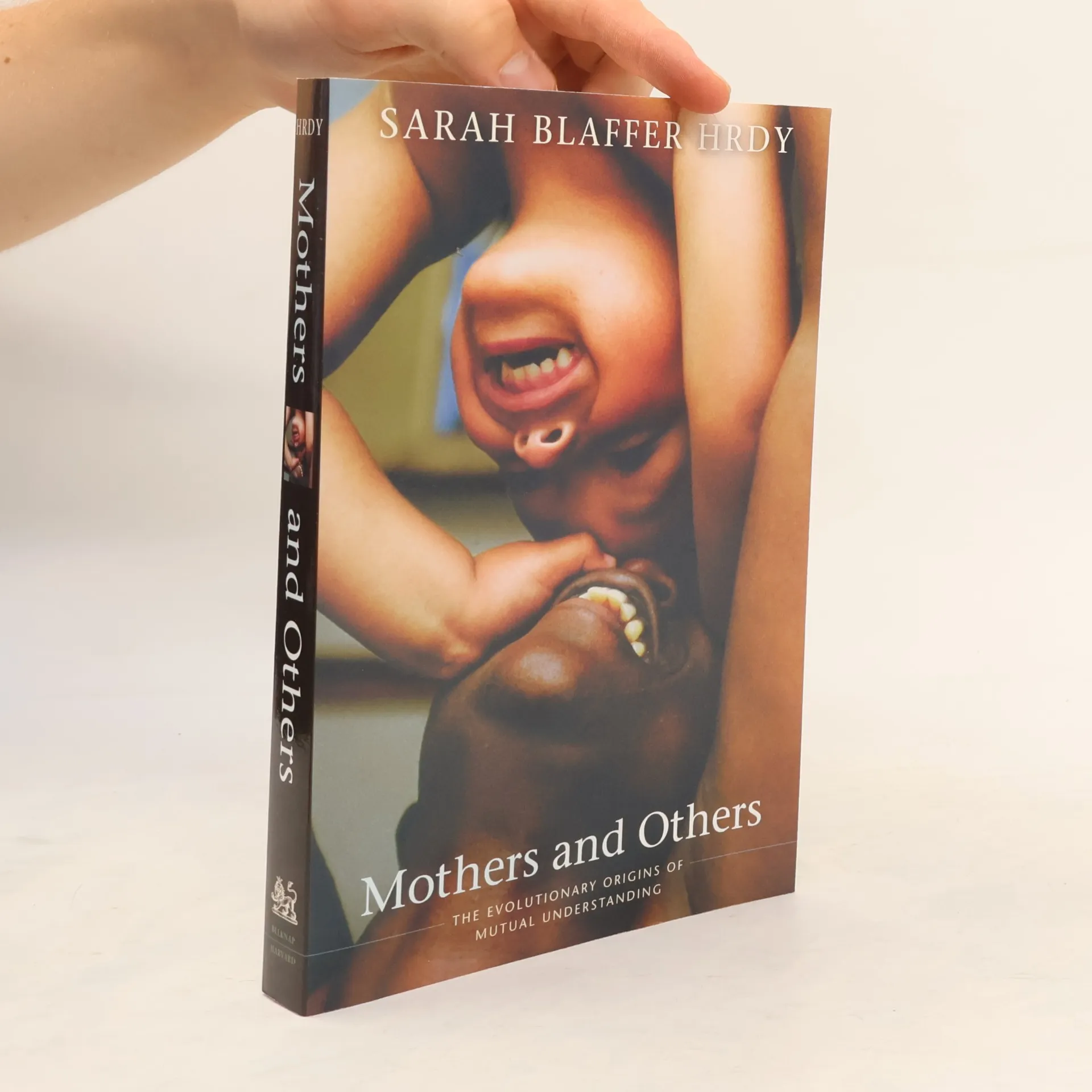
      Somewhere in Africa, more than a million years ago, a line of apes began to rear their young differently than their Great Ape ancestors. From this new form of care came new ways of engaging and understanding each other. How such singular human capacities evolved, and how they have kept us alive for thousands of generations, is the mystery revealed in this bold and wide-ranging new vision of human emotional evolution."Mothers and Others" finds the key in the primatologically unique length of human childhood. If the young were to survive in a world of scarce food, they needed to be cared for, not only by their mothers but also by siblings, aunts, fathers, friends--and, with any luck, grandmothers. Out of this complicated and contingent form of childrearing, Sarah Hrdy argues, came the human capacity for understanding others. Mothers and others teach us who will care, and who will not.From its opening vision of "apes on a plane"; to descriptions of baby care among marmosets, chimpanzees, wolves, and lions; to explanations about why men in hunter-gatherer societies hunt together, "Mothers and Others" is compellingly readable. But it is also an intricately knit argument that ever since the Pleistocene, it has taken a village to raise children--and how that gave our ancient ancestors the first push on the path toward becoming emotionally modern human beings.

      Mothers and Others
    • 2000

      Mother Nature

      • 752 pages
      • 27 hours of reading
      4.4(713)Add rating

      "Mother Nature presents a radical new way of understanding how mothers act and why, and how this new understanding is changing the way scientists think about how evolution works." "Drawing on anthropology, history, literature, developmental psychology, and animal behavior, Sarah Hrdy examines the distinct biological and genetic elements that constitute maternal instinct. She strips away the biases implicit in conventional stereotypes of female nature to give us very different and provocative perspectives on maternal ambivalence, the links between maternity and ambition, mother love and sexual love, and she explains why age-old tensions between the sexes persist and are being played out today in efforts to control women's reproductive choices."--Jacket.

      Mother Nature
    • 2000

      Dieses bahnbrechende Werk einer führenden Soziobiologin verändert unser Denken über Natürliche Selektion und mütterliches Verhalten. Die Evolutionsbiologie hatte bisher vor allem die männlichen Vertreter im Blick, die im Konkurrenzkampf um das angeblich passive weibliche Geschlecht stehen. In den letzten Jahren hat sich das Denken über Frauen jedoch dramatisch gewandelt, und die Autorin zählt zu den Pionierinnen dieser neuen Richtung. Brillant und provokant beschreibt sie die Evolutionsgeschichte der Frauen, sowohl im Tierreich als auch in primitiven Jäger-Sammler-Gesellschaften und modernen Nationen des 21. Jahrhunderts. Sie widerlegt Vorurteile über Frauen und geht damit Feministinnen und Konservativen gleichermaßen an die Substanz. Ihr Fokus auf das Konzept der Mutterschaft beleuchtet, was es biologisch und genetisch bedeutet, über den oft beschworenen „Mutterinstinkt“ zu sprechen. Die Studie verbindet Anthropologie, Geschichte, Literatur und Mythos, liefert Beispiele aus der Tierwelt und vom Menschen, und untersucht Entwicklungen in der Neurowissenschaft und Biologie. Sie entlarvt Stereotypen und thematisiert das tabuisierte Phänomen der Kindstötung. Zudem beschreibt sie den Selektionsdruck und die evolutionären Prozesse, die auf Mütter und Kinder wirken, und erweitert damit unser Verständnis der weiblichen Natur radikal.

      Mutter Natur
    • 1999

      Mother Nature

      Natural Selection & The Female of the Species

      • 697 pages
      • 25 hours of reading

      This book should be essential reading for everyone. The author reveals the motivations behind our most primal and debated behaviors related to gender roles, mate choice, reproduction, and parenting, along with the ideas and institutions surrounding them. She examines challenging topics such as reproductive rights, infanticide, "mother love," and maternal ambition, alongside the complexities of child care and maternal responsibility. While acknowledging personal accountability, she argues that patterns of abuse and neglect observed globally are not unpredictable or maladaptive from an evolutionary perspective. "Mother" Nature is indifferent to our notions of morality, leaving the philosophical and political implications of our behaviors for us to navigate, informed by this extensive work. The author's passion is evident, as she draws from her research background and the insights of various disciplines, including anthropology, primatology, and psychology. Despite the thorough documentation supporting her conclusions, the book is presented in a clear, engaging, and often humorous style, making it a compelling read that comes highly recommended.

      Mother Nature