
Explore the latest books of this year!
Bookbot

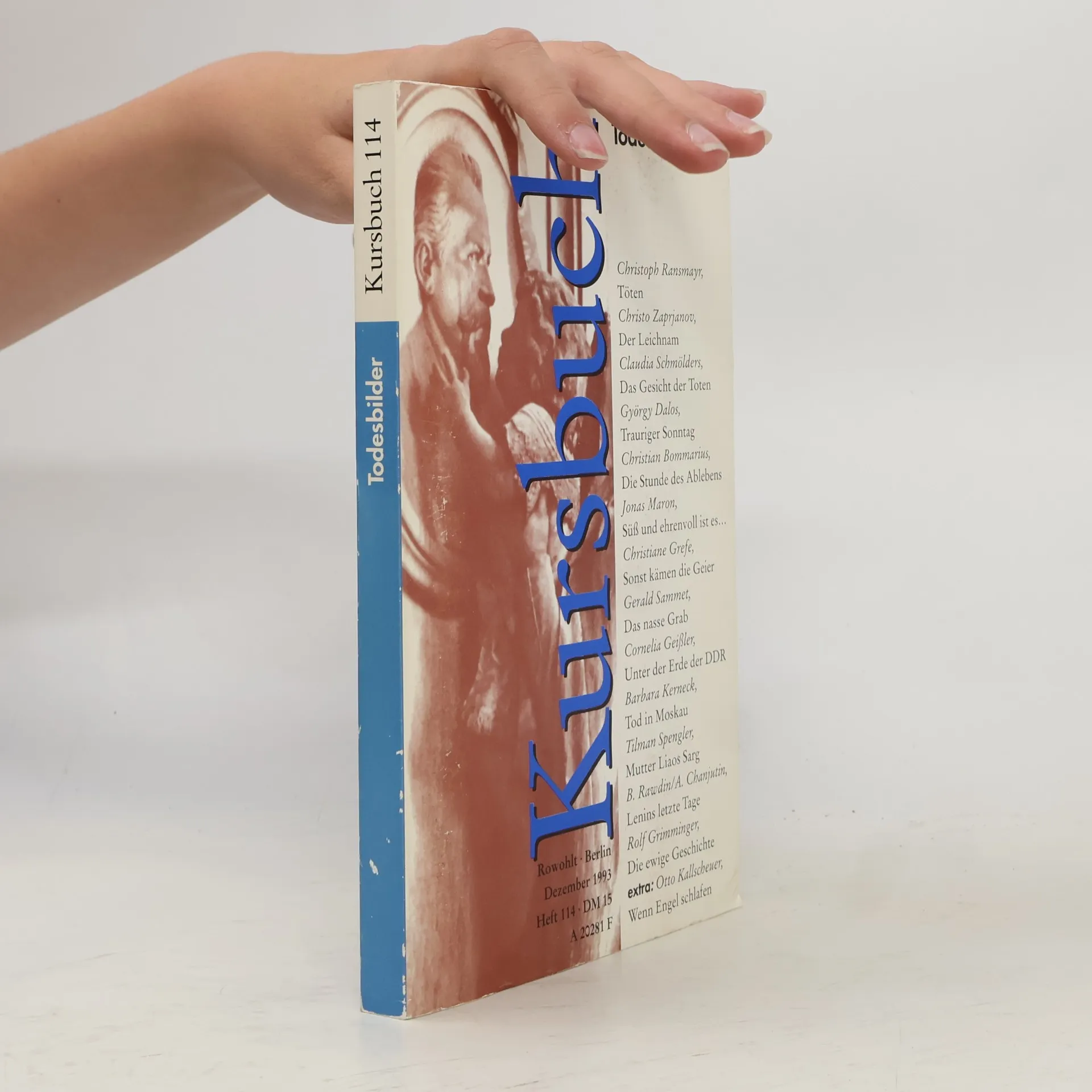
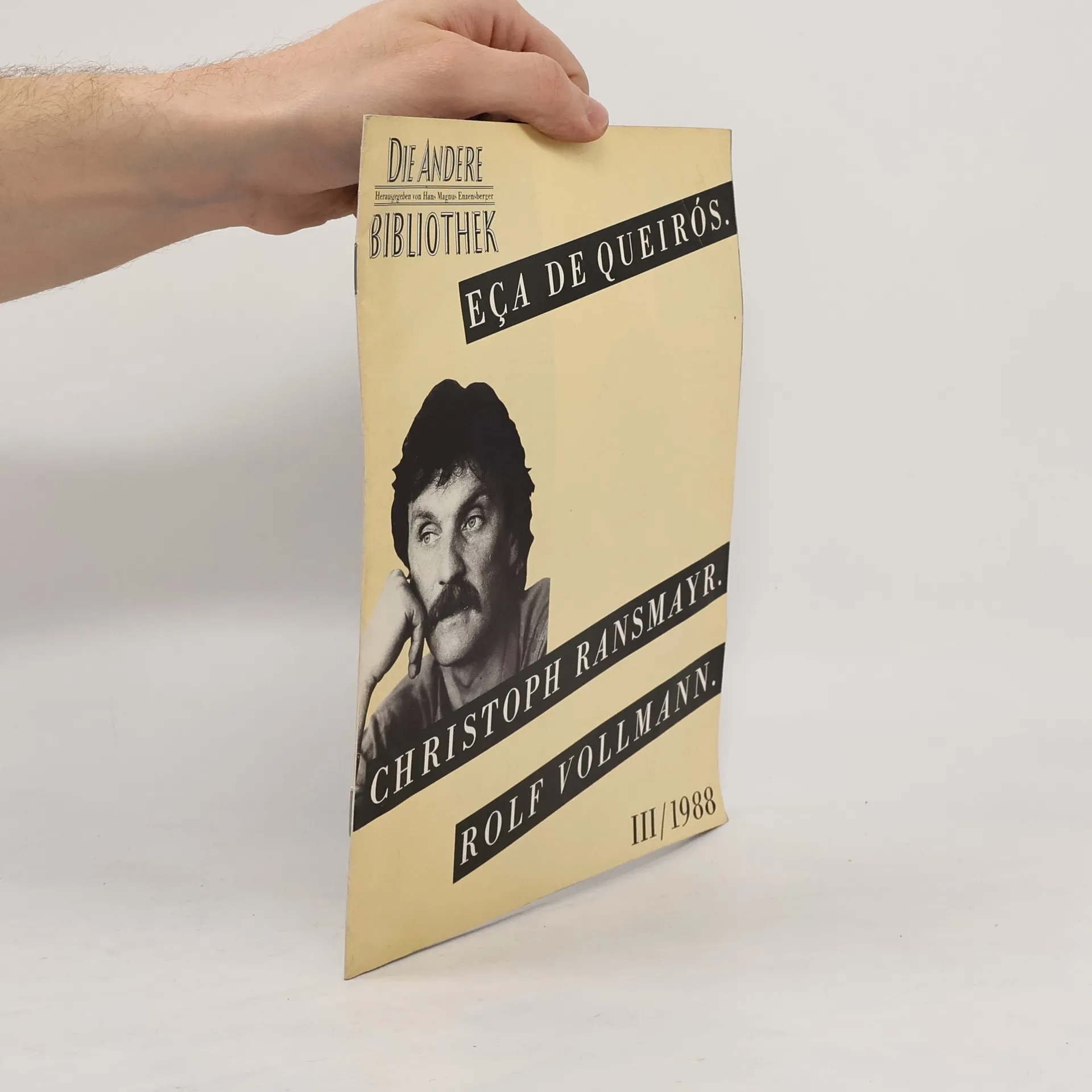
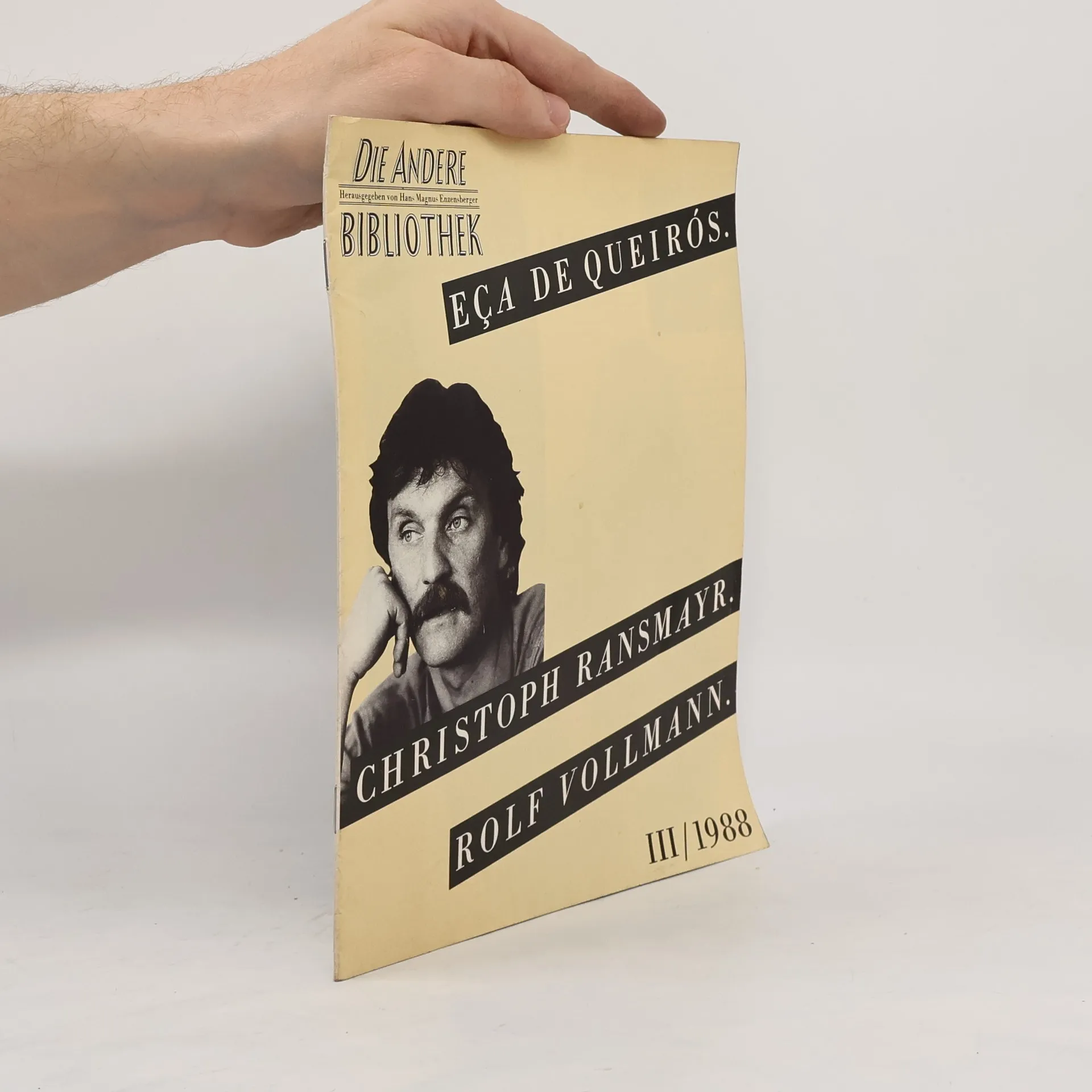
Christoph Ransmayr

    March 20, 1954

    Christoph Ransmayr is celebrated for his masterfully crafted narratives that often delve into the depths of history and mythology. His style is characterized by a rich linguistic texture and profound insights into the human condition. Ransmayr explores themes of memory, loss, and the search for identity within often stark and unfamiliar landscapes. His works are marked by a strong sense of place and a deep understanding of human aspirations.

    Christoph Ransmayr
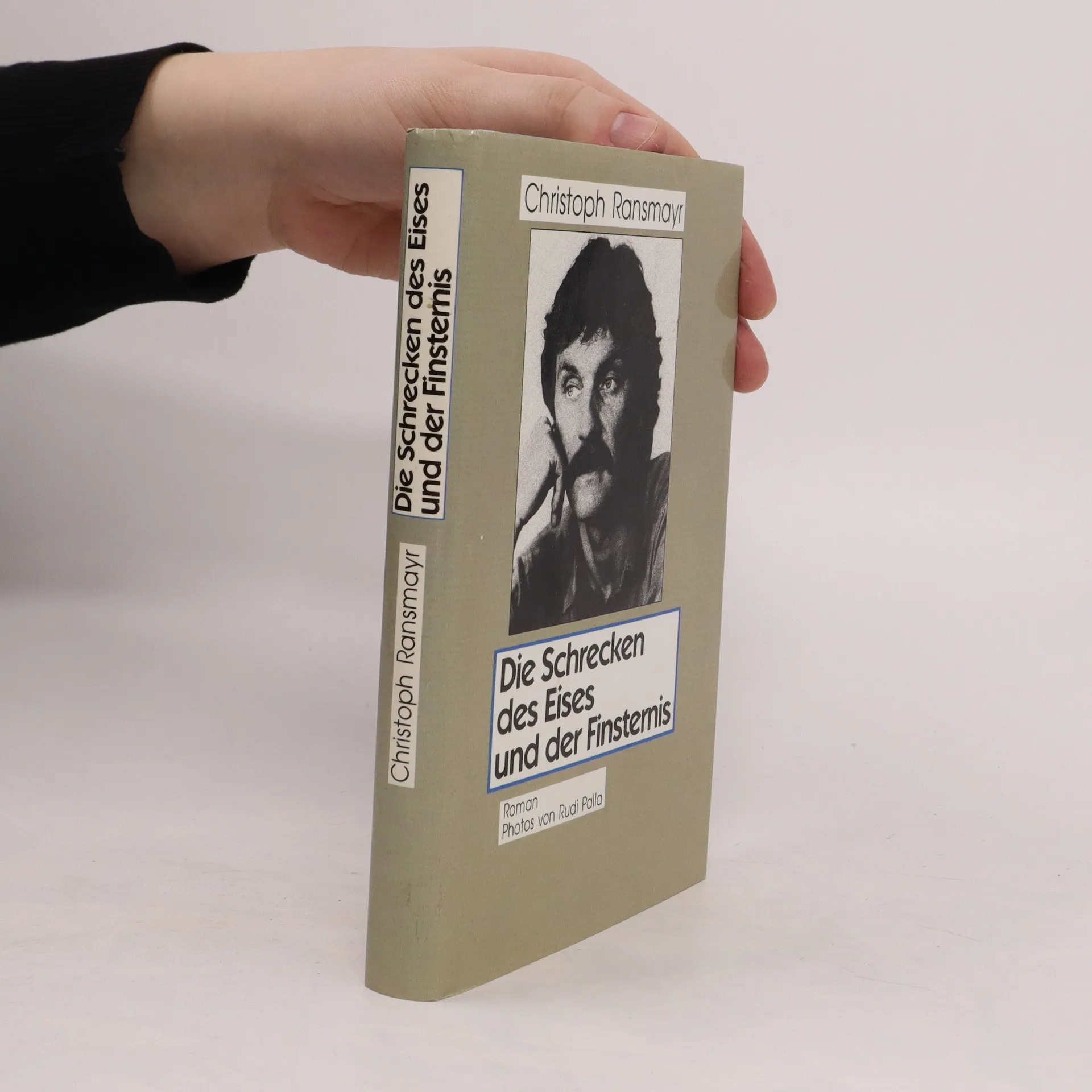
    Die Schrecken des Eises und der Finstemis
    Cox - or, The Course of Time
    The Lockmaster
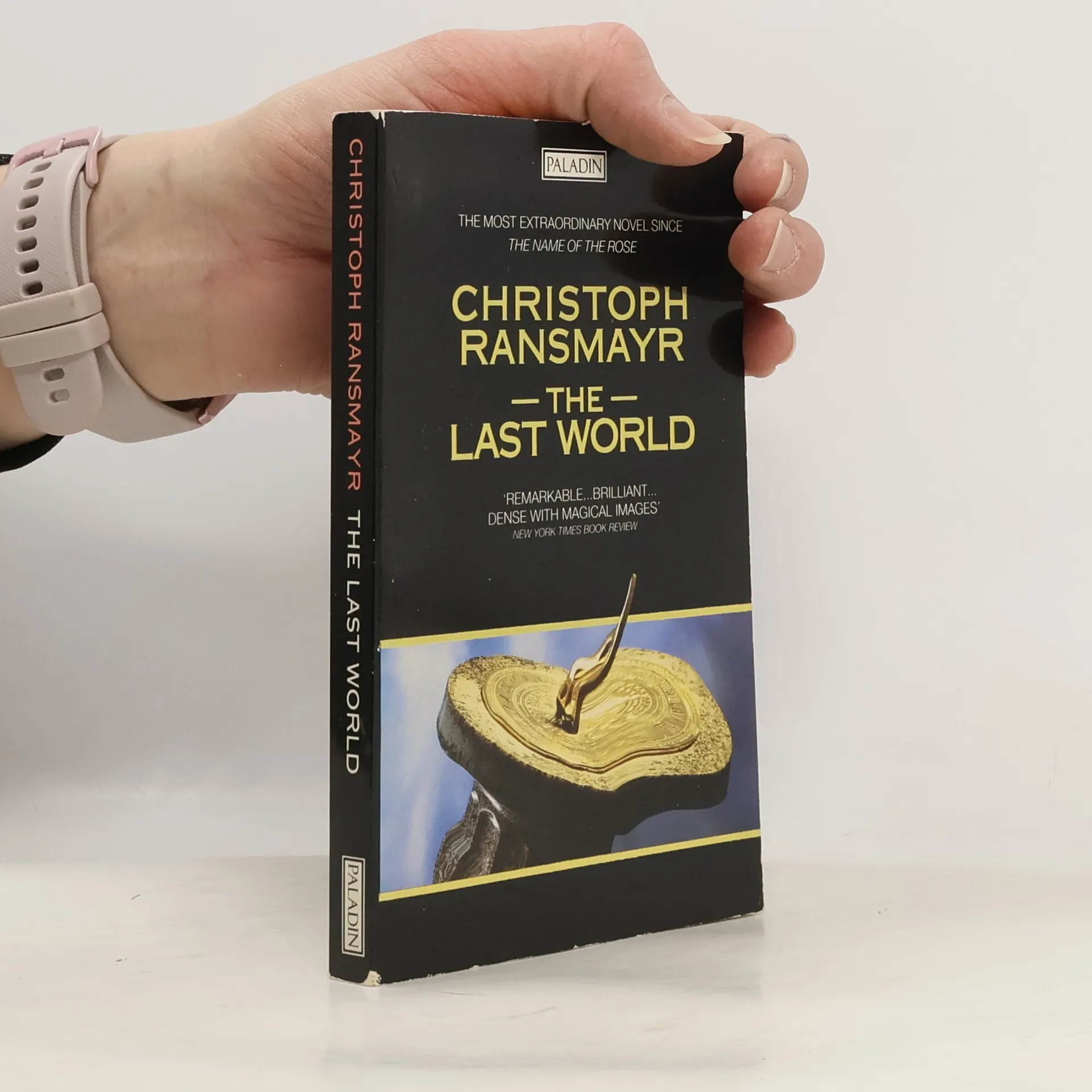
    The Last World
    Cox
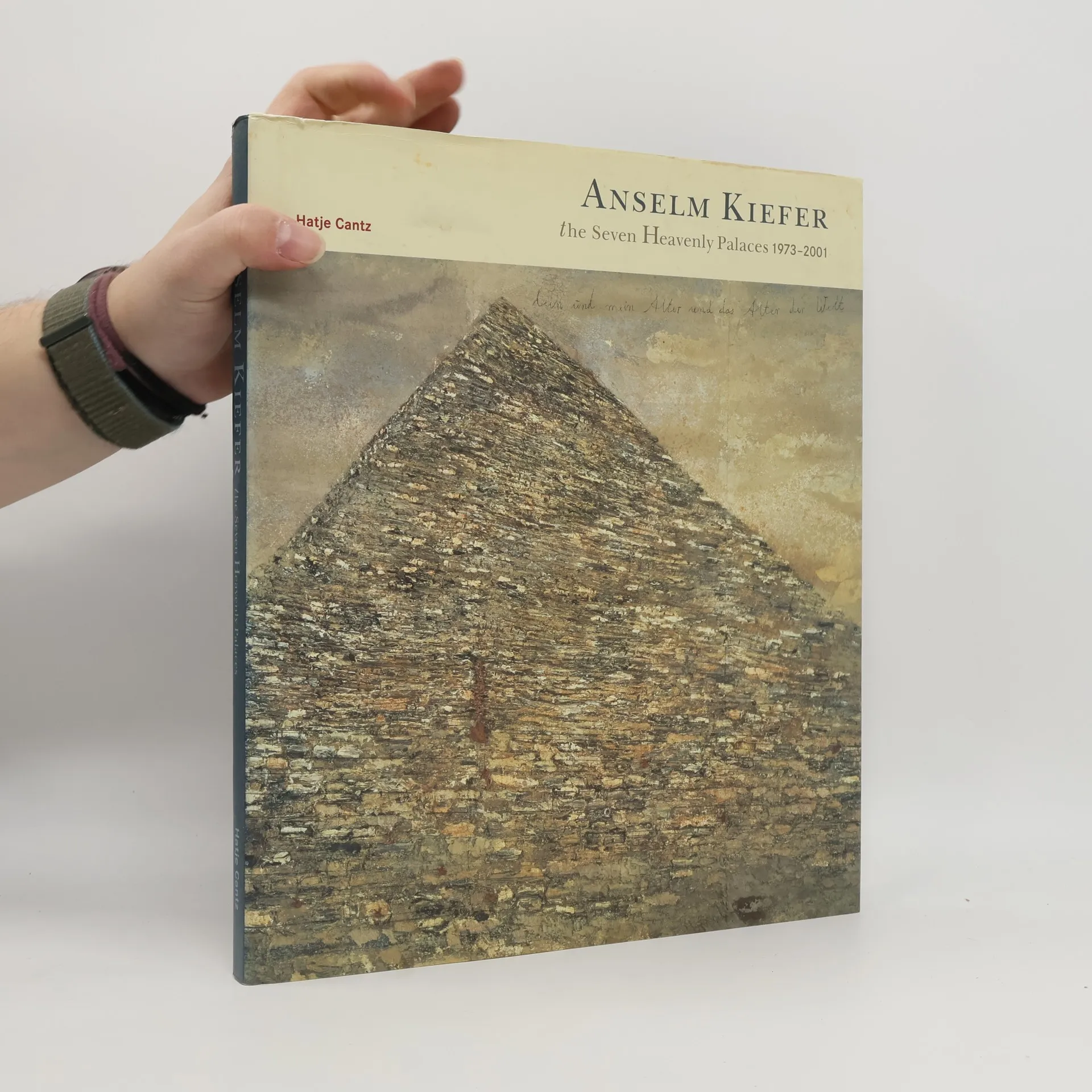
    Anselm Kiefer, The Seven Heavenly Palaces 1973-2001
    • "The Austrian writer Christoph Ransmayr has contributed an inspired literary investigation of the work and life of this artist living near the French village of Barjac. He takes us through La Ribaute, the artist's studio compound, past glass houses and leaden installations, through poppy fields and dense scrub, through underground passages and containers filled with pictures and sculptures. Meanwhile, the photographer Thomas Flechtner has captured fleeting visual impressions of this creative terrain. Markus Bruderlin, Mark Rosenthal and Katharina Schmidt, each with a deep knowledge of Anselm Kiefer's work, have provided illuminating introductions to the individual chapters that go to make up this detailed compendium which, focusing on four major areas of Anselm Kiefer's work, offers the reader an insight into the specific emblematics used by this artist as well as into the process of his pictorial production and the many-faceted nature of his artistic output."--Jacket
      Anselm Kiefer, The Seven Heavenly Palaces 1973-2001
      4.6
    • Cox

      • 224 pages
      • 8 hours of reading
      Cox
      4.0
    • The Last World

      • 202 pages
      • 8 hours of reading

      Venezianische Garten legen Phosphorbrände an die Fluchtwege der Katakomben, eine Stimme am Telefon spricht vom Zorn des Imperators, und Ovid, der unglücklichste Dichter der Antike, tritt zur Eröffnung eines Stadions vor einen Strauß Mikrophone und sagt: Bürger von Rom... Die letzte Welt hat ihren Ursprung im Feuer. Es ist eigentlich nur ein Zimmerbrand, der die Schreibstube einer römischen Villa verwüstet. Was dieses Feuer unvergeßlich macht, ist der Umstand, dass es von Ovid entfacht wurde: was da brennt, ist sein Hauptwerk, die Metamorphosen, eine grausame Enzyklopädie der antiken Verwandlungsmythen. Die letzte Welt ist ein utopischer Roman, in dem die Antike auf bedrohliche Weise mit einer unbekannten Zukunft zusammenschießt.

      The Last World
      3.9
    • The Lockmaster

      • 200 pages
      • 7 hours of reading

      A tragic accident unfolds as a longboat plunges over the Great Falls, leading to the drowning of five passengers. The Lockmaster, tasked with ensuring safe river navigation, faces scrutiny when his son suspects foul play rather than an accident. Driven by the need for answers, the son, a hydraulic engineer knowledgeable about river dynamics, embarks on a quest to uncover the truth behind the disaster and locate his missing father, raising questions about responsibility and the nature of the tragedy.

      The Lockmaster
      3.4
    • Cox - or, The Course of Time

      • 280 pages
      • 10 hours of reading

      The world’s most powerful man, Qiánlóng, the emperor of China, invites renowned eighteenth-century clockmaker Alister Cox to his court in Beijing. In the heart of the Forbidden City, Cox and his assistants are tasked with building machines that reflect the passage of time as experienced by both a child and a condemned man, capturing the myriad emotions tied to that journey. Navigating the complexities of a rigidly hierarchical society ruled by an almost god-like figure, Cox employs his expertise to fulfill the emperor’s desires. Ultimately, Qiánlóng, known as the Lord of Time, commissions a clock that measures eternity—a perpetuum mobile. Driven by the desire to honor his late daughter and aware of the daunting nature of the task, Cox begins his work. Meanwhile, the court, trapped in an endless summer, is rife with sinister gossip about the foreigners’ creation. The Englishmen grapple with their confinement in this gilded cage. Richly imagined and vividly recounted, this narrative showcases Christoph Ransmayr’s ability to weave a captivating tale infused with metaphorical and metaphysical depth. It transcends the mere meeting of two men—one isolated by power, the other by grief—offering profound insights into mortality and the power of storytelling to conquer time.

      Cox - or, The Course of Time
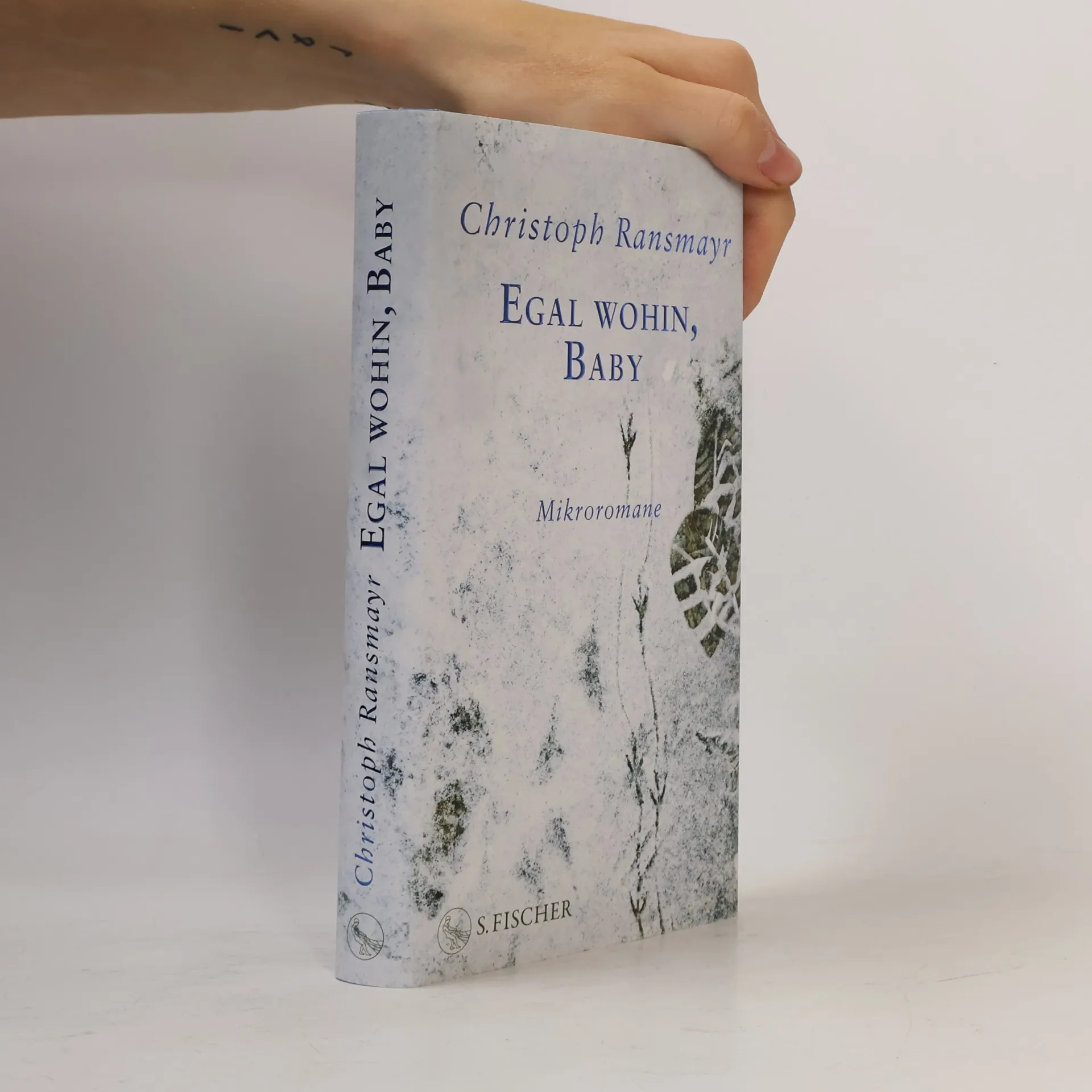
    • Egal wohin, Baby. Mikroromane

      • 256 pages
      • 9 hours of reading

      In "Egal wohin, Baby" erzählt Christoph Ransmayr siebzig Geschichten, die zu seinen Schwarz-Weiß-Fotografien gehören. Jedes Bild wird durch einen Mikroroman ergänzt, der die Flüchtigkeit des Moments mit Leidenschaft und Ironie einfängt. Ransmayrs Beobachtungsgabe und Sprachkunst verleihen den Texten hypnotisierende Schönheit.

      Egal wohin, Baby. Mikroromane
      4.5
    • Bericht am Feuer

      Gespräche, E-Mails und Telefonate zum Werk von Christoph Ransmayr

      • 319 pages
      • 12 hours of reading

      Das Geheimnis des Erzählens - Zum Werk von Christoph Ransmayr. Christoph Ransmayr erzählt in einem langen Gespräch von den Wegen seines Schreibens. Ins Innere seiner Geschichten folgen ihm drei seiner Übersetzer und zwei Wissenschaftler, die mit der Herausgeberin Insa Wilke über sein Werk gesprochen haben. Sie erzählen davon, welche eigenen Vorstellungswelten sich auf den imaginären Reisen geöffnet haben. So entsteht in den mündlichen und schriftlichen Korrespondenzen ein Buch über die Rätselhaftigkeit der Materie und die Erkundung der Welt im Schreiben, gewidmet einem der bedeutendsten Künstler der Gegenwartsliteratur. Eine Einladung, sich auf den Weg zu machen ins Unbekannte. »Schreiben gleicht manchmal dem Weg in die Wildnis: Da wie dort öffnen sich scheinbar grenzenlose, menschenleere Räume, in denen es aber nur wenige gangbare Wege gibt.« (Christoph Ransmayr)

      Bericht am Feuer
      4.0