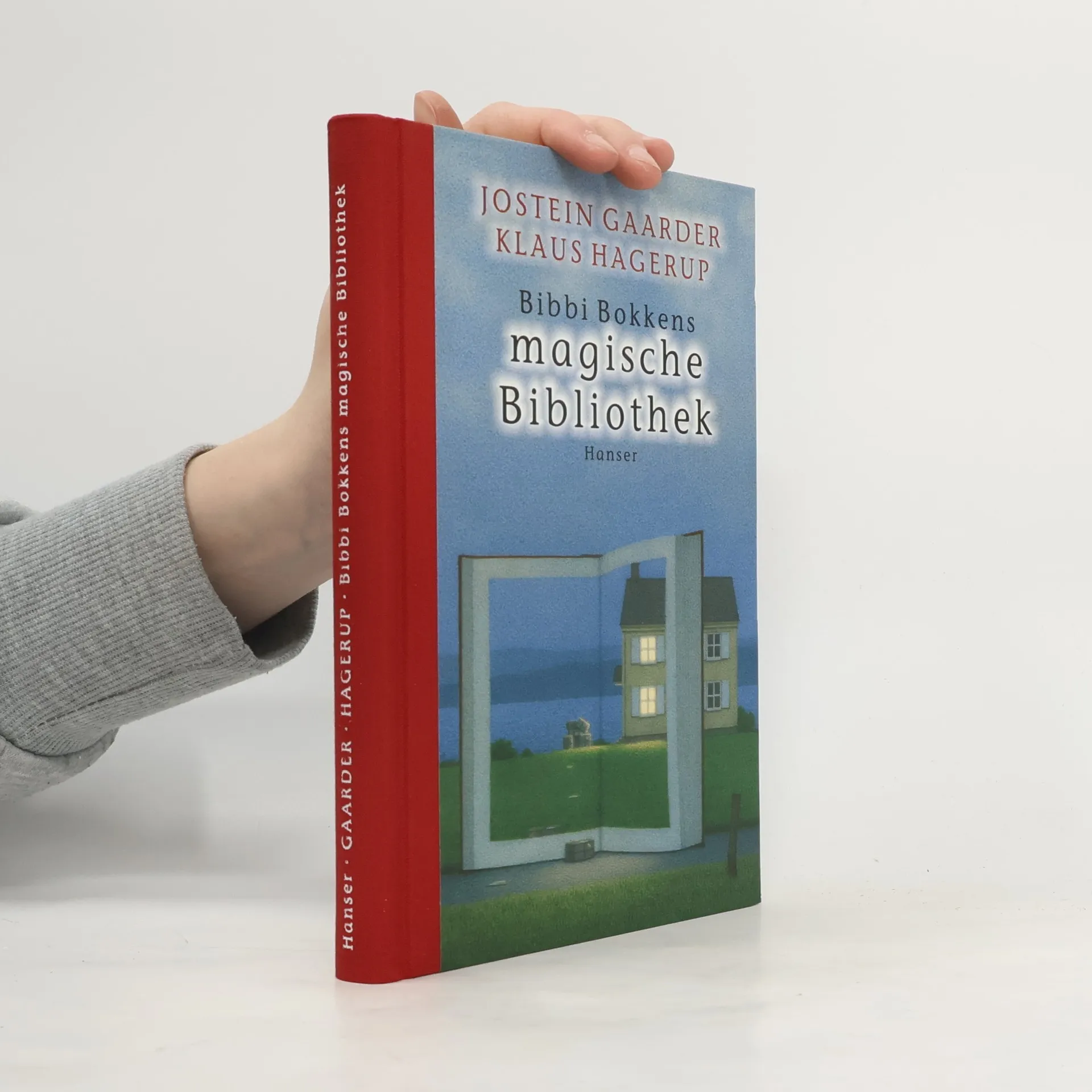
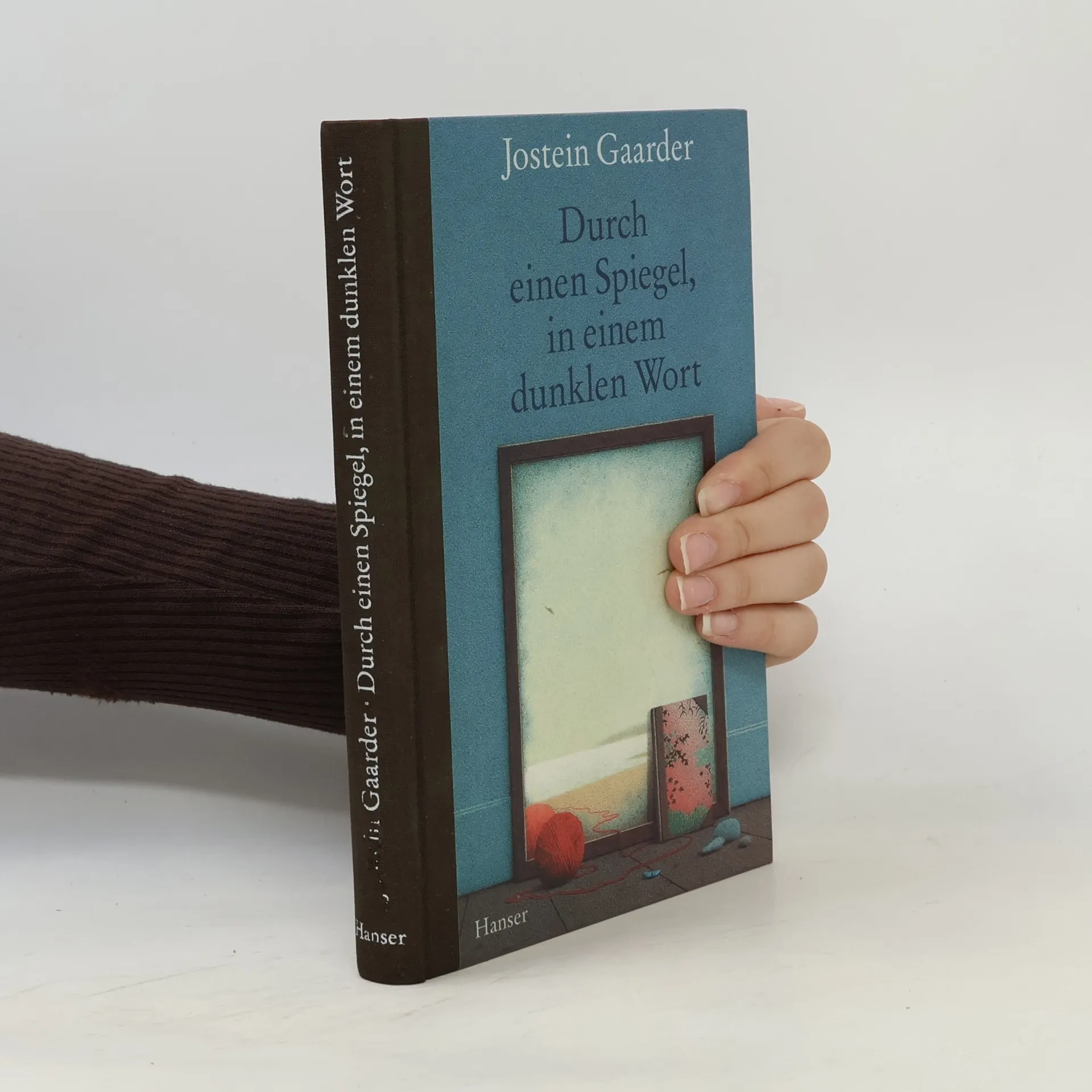
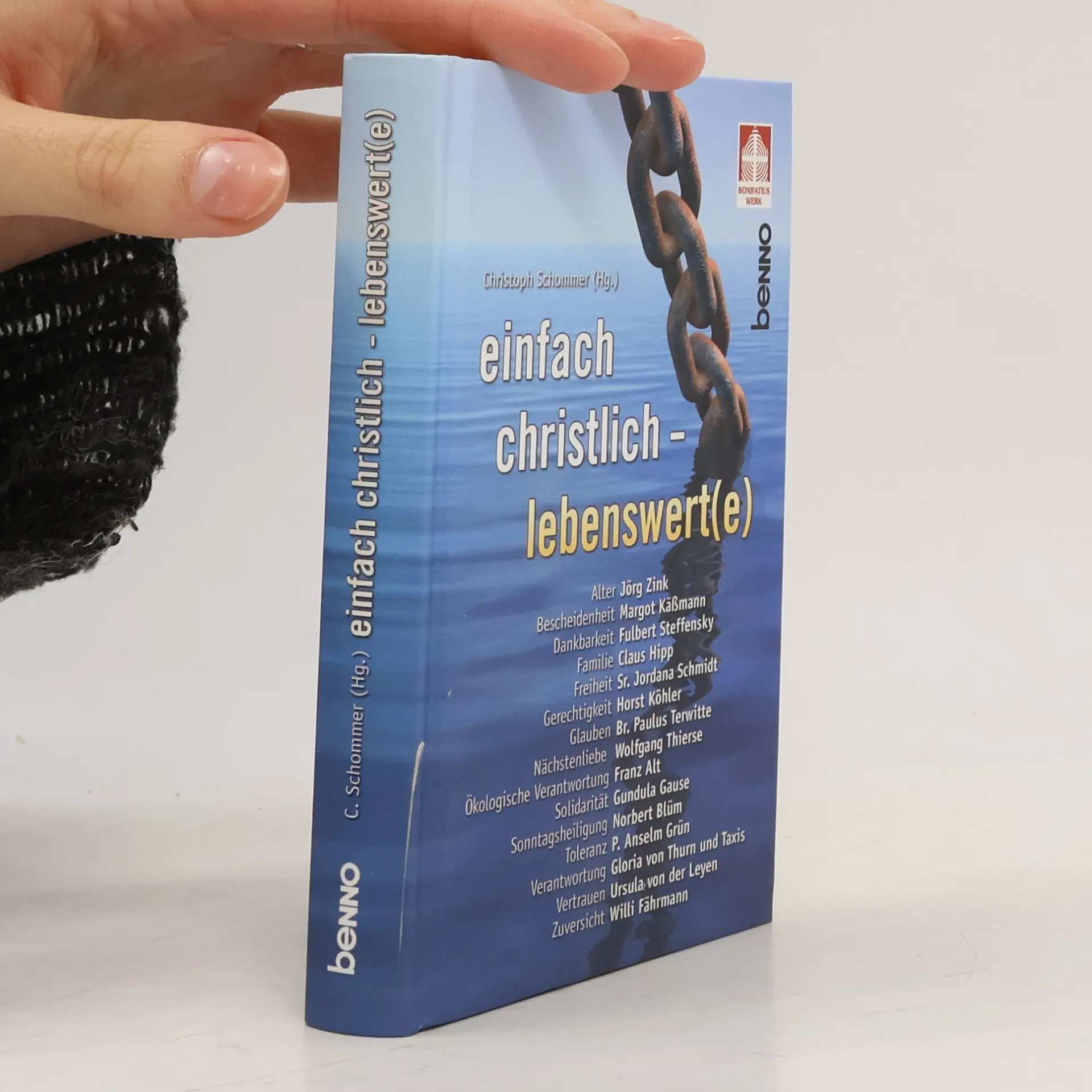
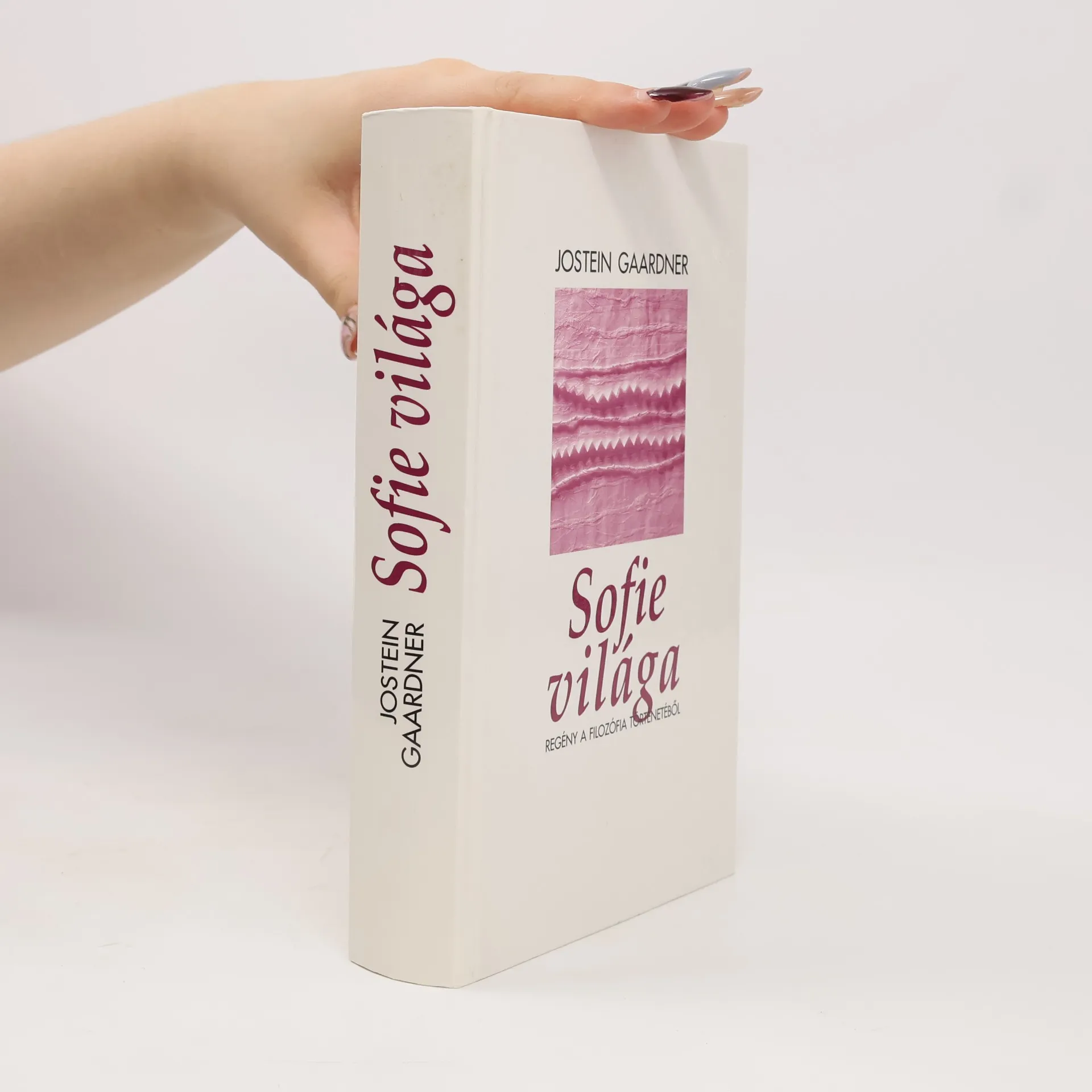
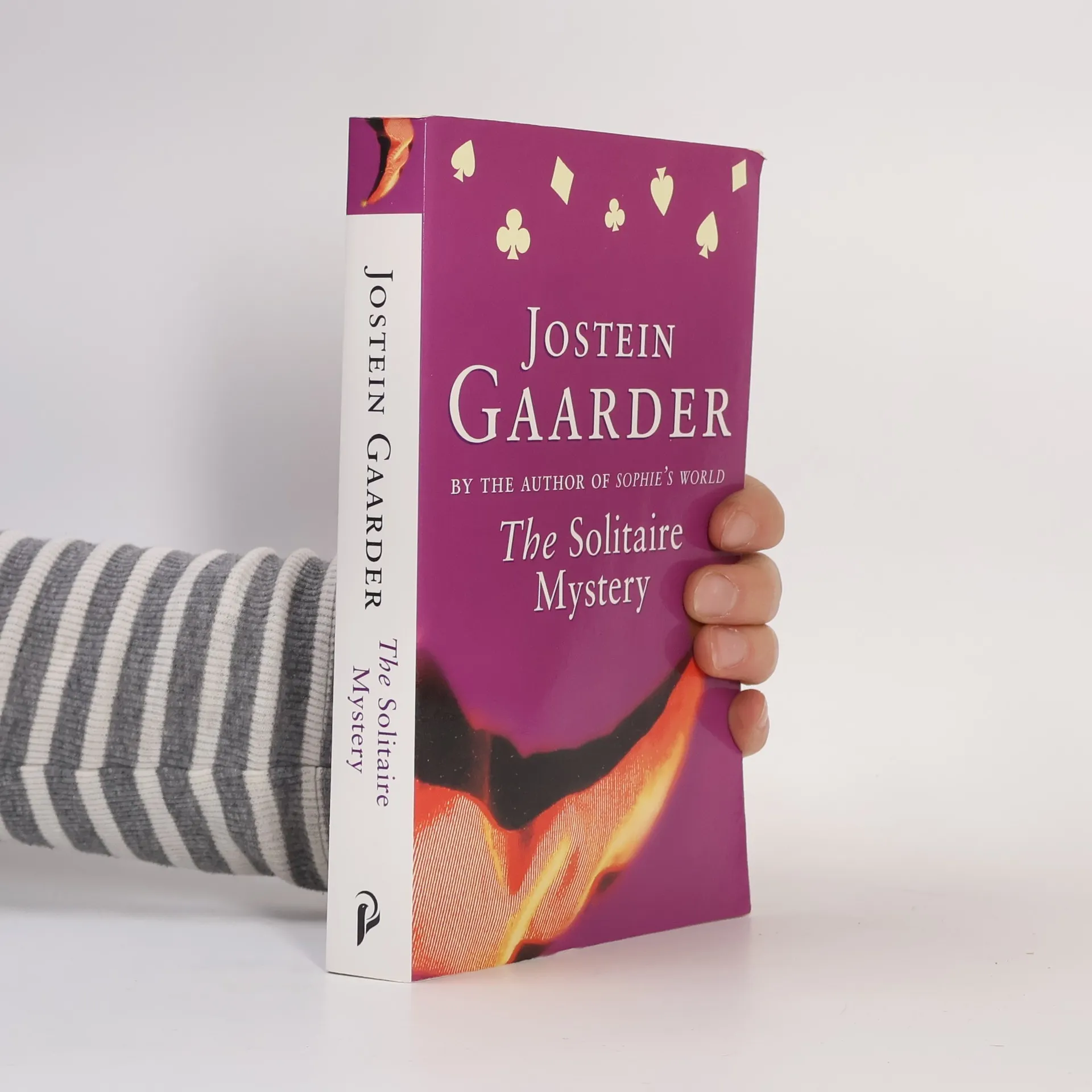
Twelve-year-old Hans Thomas lives alone with his father, a man who likes to give his son lessons about life and has a penchant for philosophy. Hans Thomas' mother left when he was four (to `find' herself) and the story begins when father and son set off on a trip to Greece, where she now lives, to try to persuade her to come home. En route, in Switzerland, Hans Thomas is given a magnifying glass by a dwarf at a petrol station, and the next day he finds a tiny book in his bread roll which can only be read with a magnifying glass. How did the book come to be there? Why does the dwarf keep showing up? It is all very perplexing and Hans Thomas has enough to cope with, with the daunting prospect of seeing his mother. Now his journey has turned into an encounter with the unfathomable...or does it all have a logical explanation?
Jostein Gaarder Books
Jostein Gaarder is a Norwegian author who frequently writes from the perspective of children, exploring their sense of wonder about the world. His works often employ metafiction, weaving stories within stories. Gaarder, hailing from a pedagogical background, delves into philosophical questions, often presenting them through engaging narratives. His writings encourage readers to contemplate the complexities of existence and our place within it.

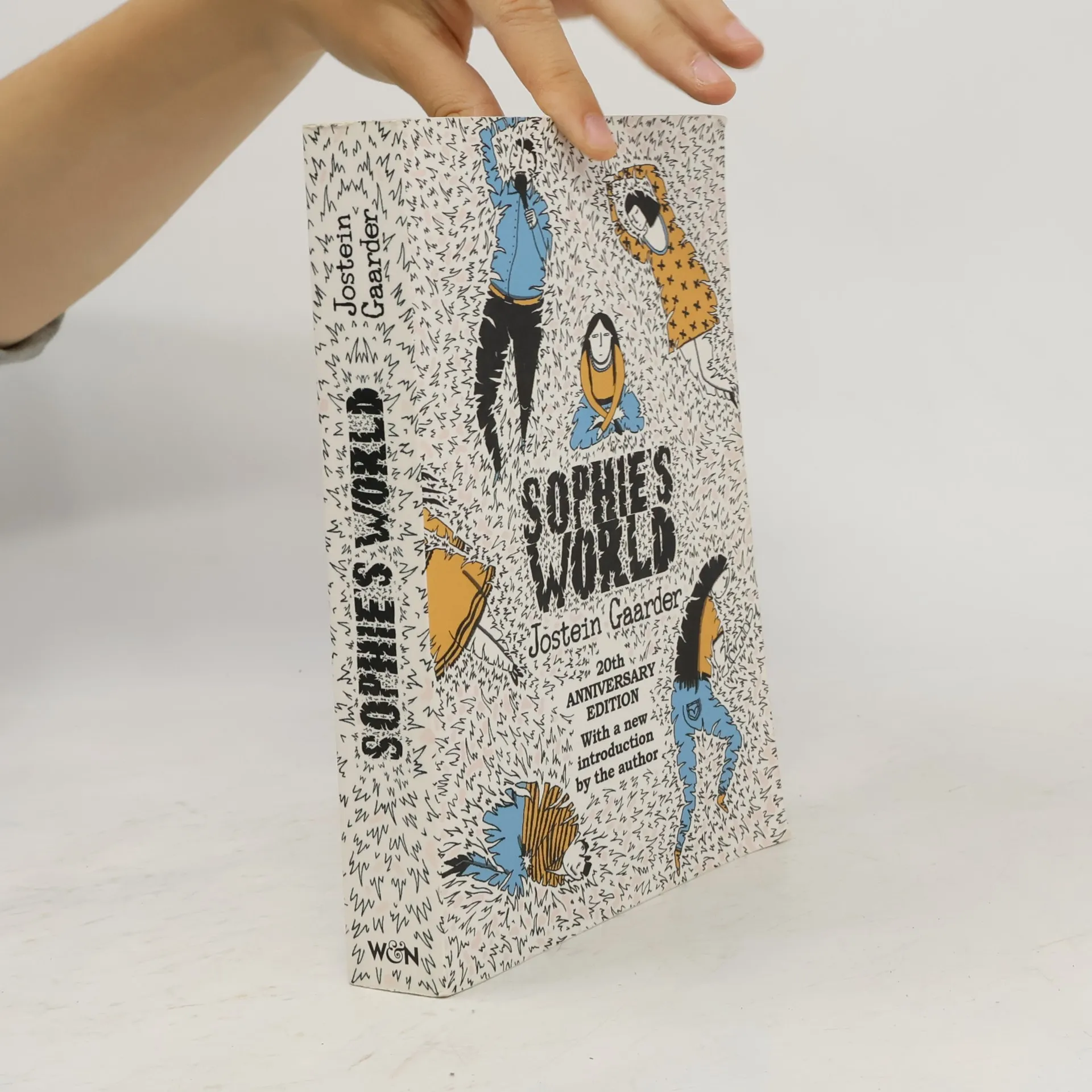


Sophie's World
A Graphic Novel About the History of Philosophy Vol I: From Socrates to Galileo
- 264 pages
- 10 hours of reading
Bestselling philosophy book is reimagined for the first time as a graphic novel One day, young Sophie finds a letter addressed to her that contains only one question: "Who are you?" Then there's another one asking, "Where does the world come from?" The sender of these letters remains a mystery, but the questions intrigue Sophie. This is the beginning of a strange correspondence that will lead the young girl on a coming-of-age quest to meet major figures of philosophy (Socrates, Plato, Descartes, Hegel, Sartre, etc.). In the first volume, Sophie begins by questioning the philosophers of Antiquity and goes all the way to those of the Renaissance and Baroque periods. This is the first of two volumes. In the second volume, she discovers metaphysical doubt while continuing on her way to modern times. This comic book adaptation of Jostein Gaarder's original book breathes new life into a cult classic.
Through a Glass, Darkly
- 154 pages
- 6 hours of reading
From the author of SOPHIES WORLD, a contemporary novel about a teenage girl, dying from cancer, who is visited by an angel.
Sophie's World
- 464 pages
- 17 hours of reading
The international bestseller about life, the universe and everything. When 14-year-old Sophie encounters a mysterious mentor who introduces her to philosophy, mysteries deepen in her own life. Why does she keep getting postcards addressed to another girl? Who is the other girl? And who, for that matter, is Sophie herself? To solve the riddle, she…
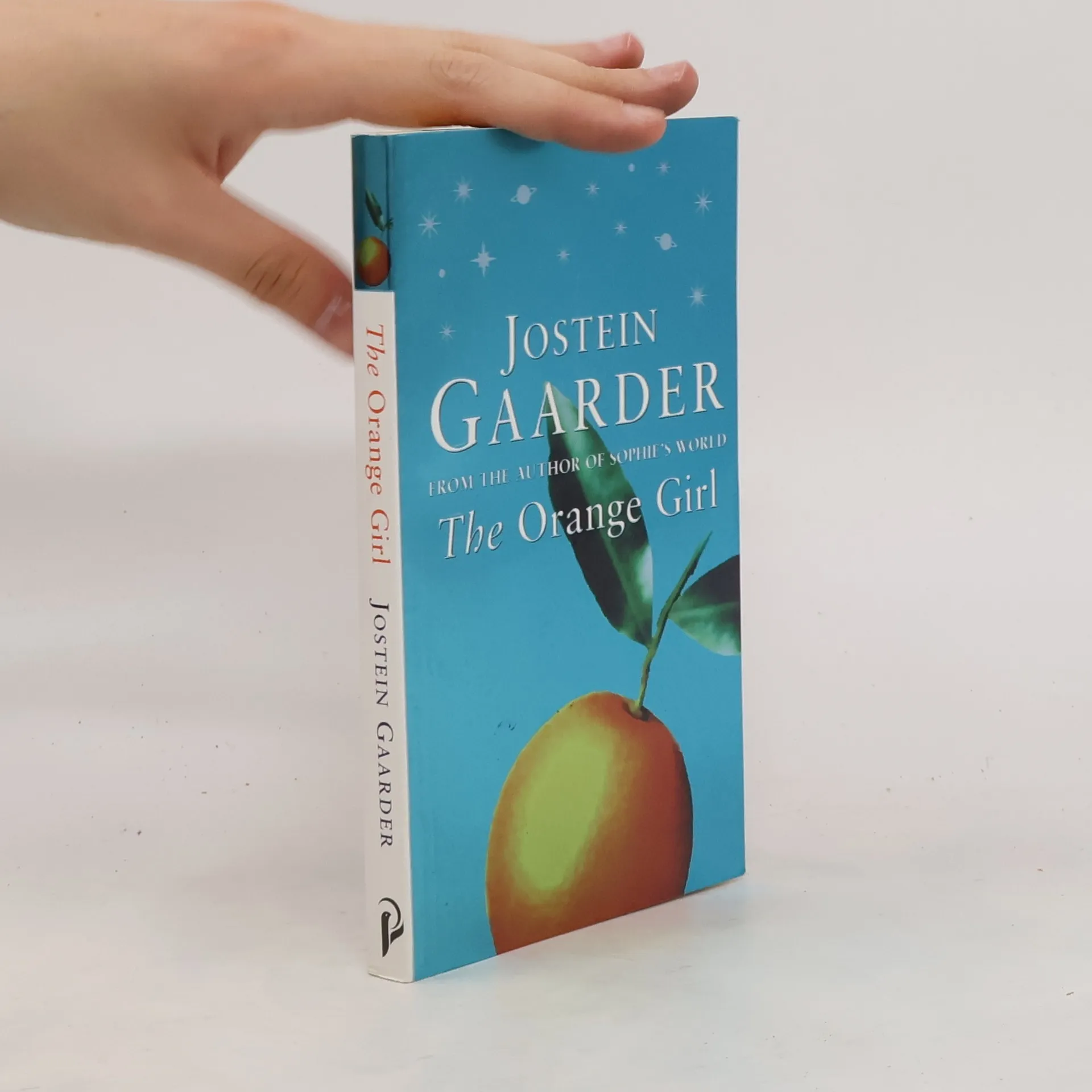
The Orange Girl
- 151 pages
- 6 hours of reading
'My father died eleven years ago. I was only four then. I never thought I'd hear from him again, but now we're writing a book together' To Georg Røed, his father is no more than a shadow, a distant memory. But then one day his grandmother discovers some pages stuffed into the lining of an old red pushchair. The pages are a letter to Georg, written just before his father died, and a story, 'The Orange Girl'. But 'The Orange Girl' is no ordinary story - it is a riddle from the past and centres around an incident in his father's youth. One day he boarded a tram and was captivated by a beautiful girl standing in the aisle, clutching a huge paper bag of luscious-looking oranges. Suddenly the tram gave a jolt and he stumbled forward, sending the oranges flying in all directions. The girl simply hopped off the tram leaving Georg's father with arms full of oranges. Now, from beyond the grave, he is asking his son to help him finally solve the puzzle of her identity.
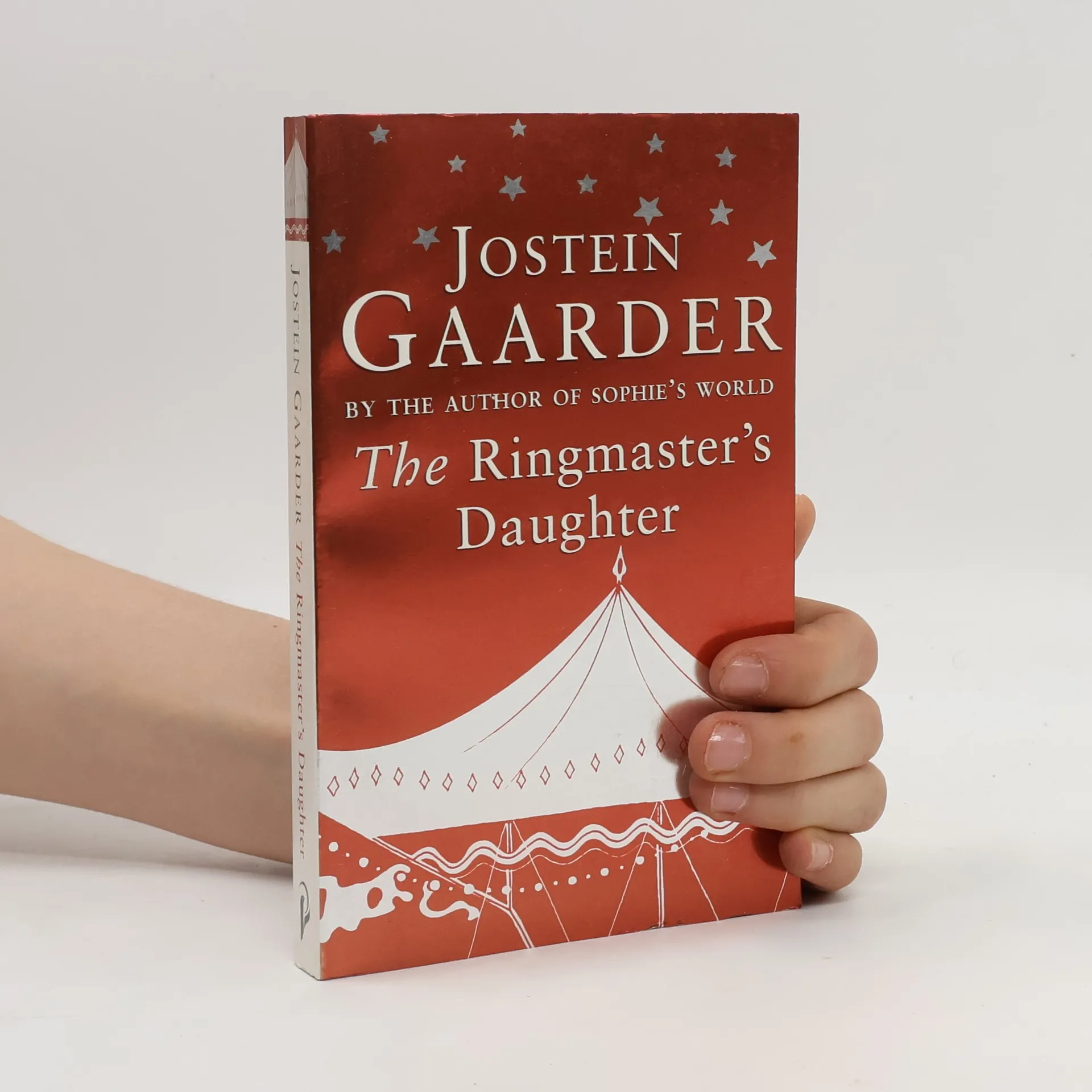
Panina Manina, a trapeze artist, falls and breaks her neck. As the ringmaster bends over her, he notices an amulet of amber around her neck, the same trinket he had given his own lost child, who was swept away in a torrent some sixteen years earlier. This tale is narrated by Petter, a precocious child and fantasist, and perhaps Jostein Gaarder's most intriguing character since Sophie. As an adult, Petter makes his living selling stories and ideas to professionals suffering from writers block. But as Petter sits spinning his tales, he finds himself in a trap of his own making.
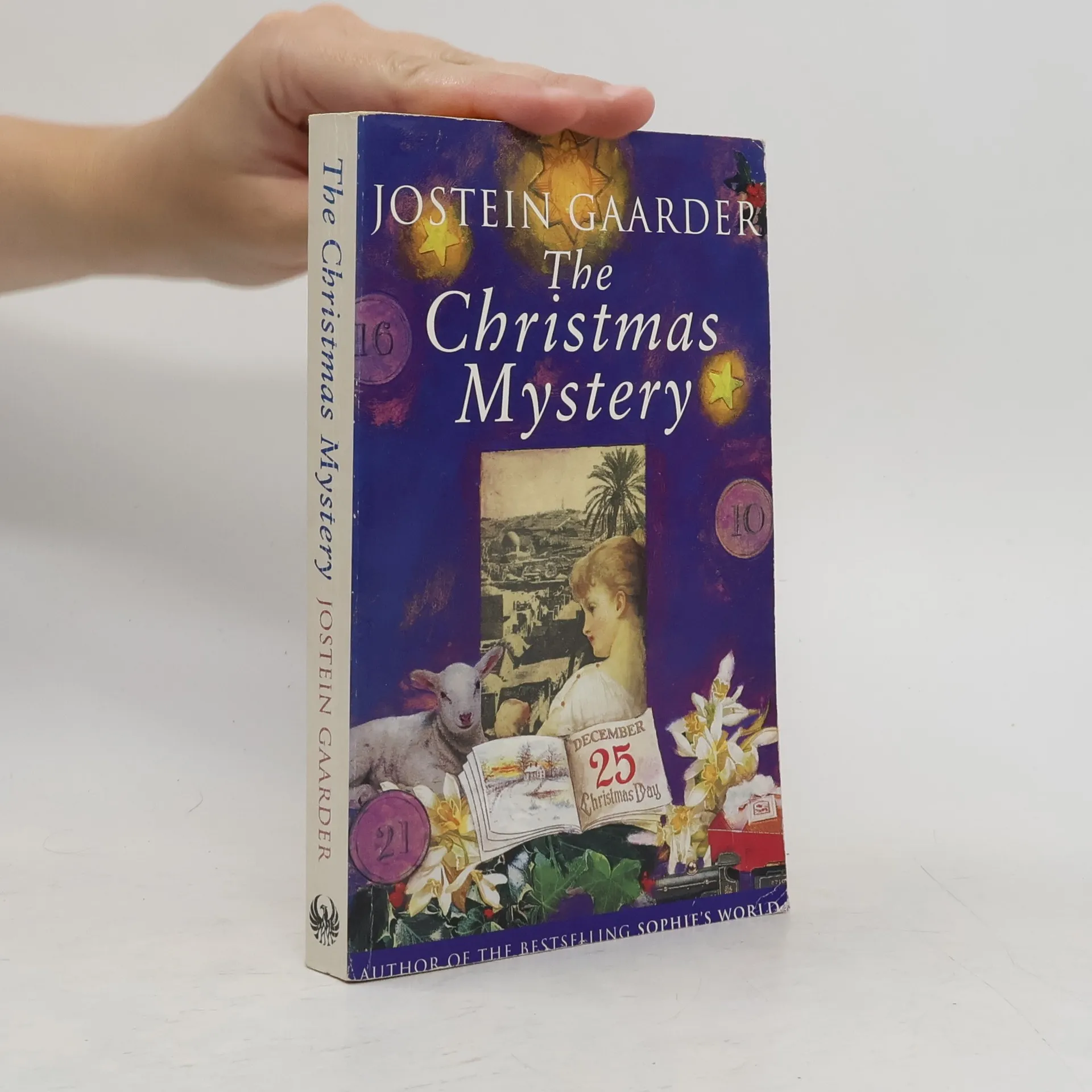
The Christmas Mystery
- 247 pages
- 9 hours of reading
As Joachim opens, day by day, the windows in an old Advent calendar, a story emerges about a little girl called Elisabet who, fifty years ago, disappeared from Norway and travelled across Europe and back through time to be present at the birth of Christ in Bethlehem. This beautiful, mysterious story has been a huge success, both for the children it was originally written for, and as an enduring Christmas seller on the adult list. It now appears in a new form designed to appeal to a younger age group. Much shorter than the original, it loses nothing of the plot, and is enhanced by delightful halftone illustrations that dance through the text, showing angels, shepherds, children, kings and all the many characters who join Elisabet on her journey to Bethlehem.
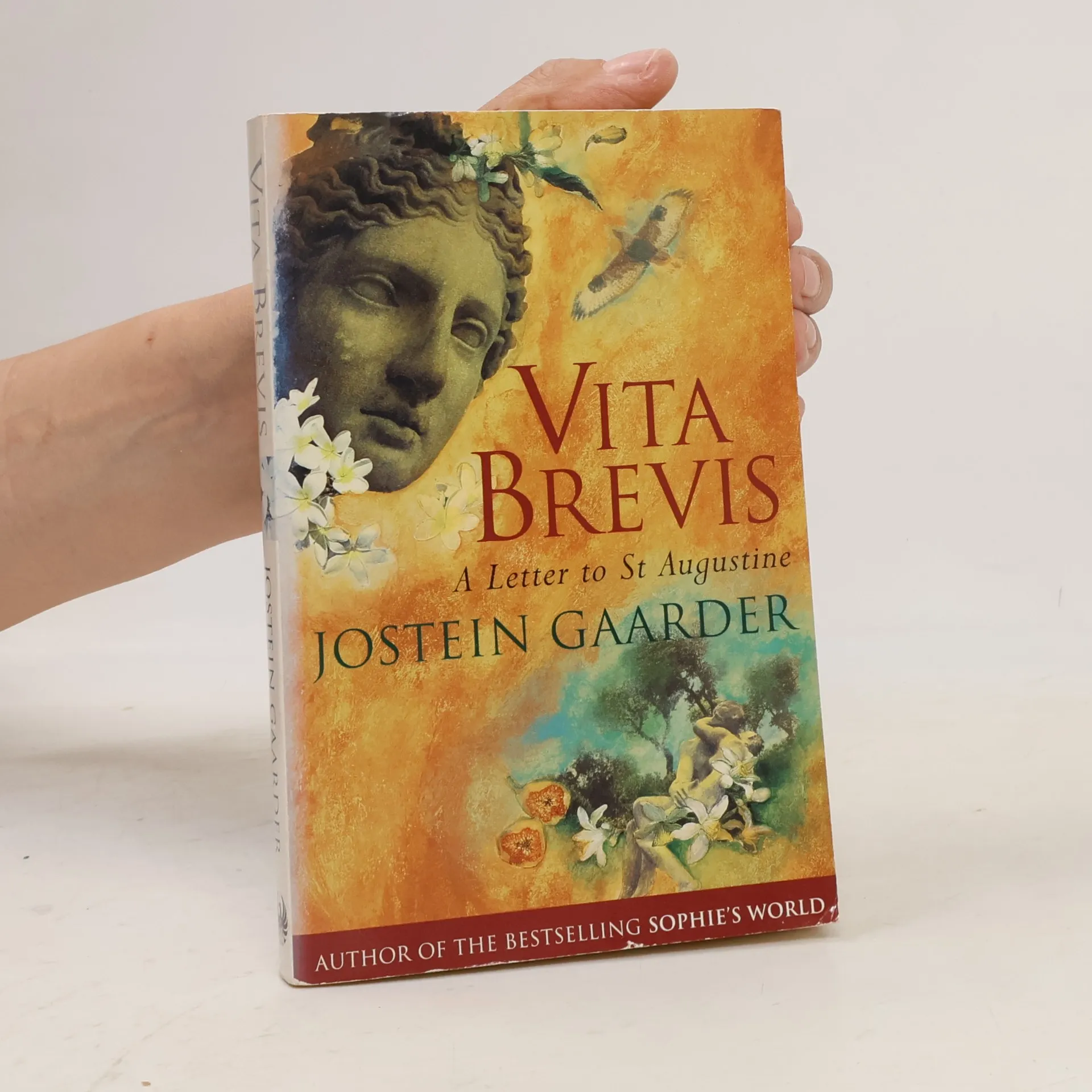
Vita brevis: a letter to St Augustine
- 164 pages
- 6 hours of reading
A playful and inventive work from the bestselling author of SOPHIE'S WORLD.
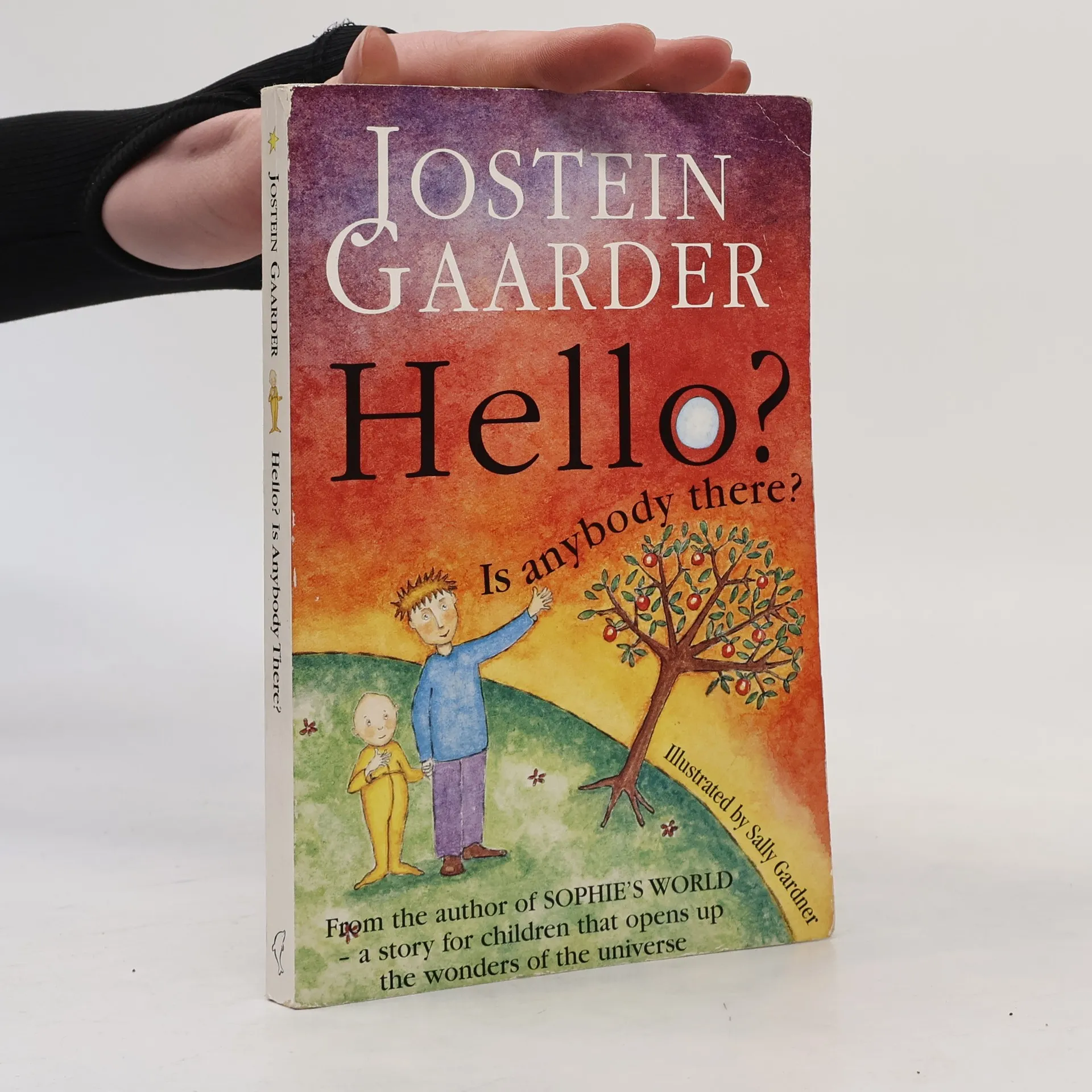
Hello? Is Anybody There?
- 144 pages
- 6 hours of reading
While waiting for the birth of his baby brother, Joe is visited by a strange child from another planet, and the two discover that they, and their planets, share many similarities as well as differences.
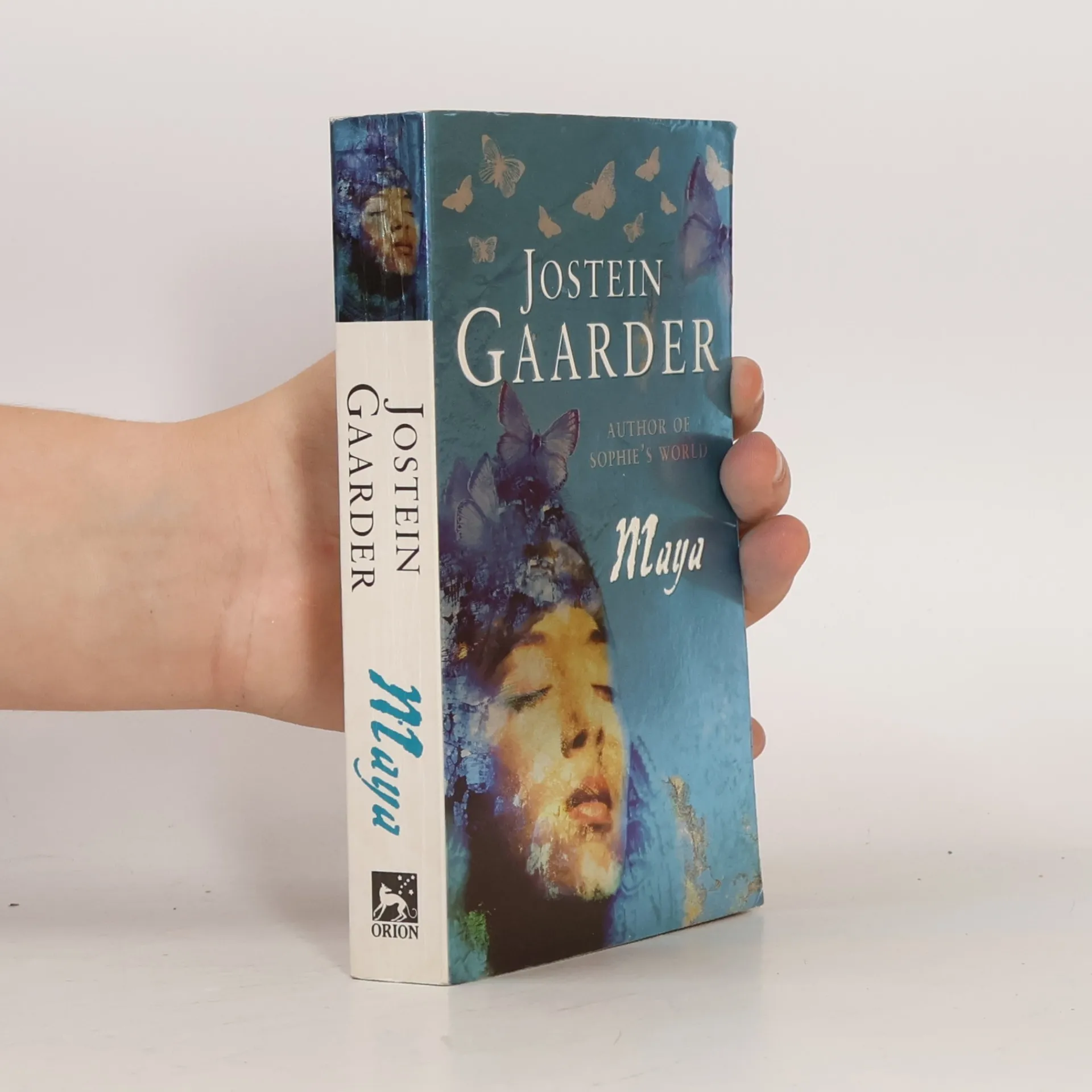
Maya
- 320 pages
- 12 hours of reading
A chance meeting on the Fijian island of Taveuni is the trigger for a fascinating and mysterious novel that intertwines the stories of John Spooke, an English author who is grieving for his dead wife; Frank Andersen, a Norwegian evolutionary biologist estranged from his wife Vera; and an enigmatic Spanish couple, Ana and Jose, who are absorbed in their love for each other. Why does Ana bear such a close resemblance to the model for Goya's famous Maja paintings? What is the significance of the Joker as he steps out of his pack of cards? As the action moves from Fiji to Spain, from the present to the past, unfolding further stories within the stories, the novel reveals an astonishing richness and complexity. As bold and imaginative in its sweep as Sophie's World, it shows again that Jostein Gaarder's unique and special gift is to make us wonder at the awe-inspiring mystery of the universe.
The author of the massively successful"Sophie's World" returns with a love story and a novel of ideas, exploring the place of human consciousness in the universeThrough five intense years in the 1970s, Steinn and Solrunn had a happy life together, then they suddenly parted ways, for reasons that are unclear to both. In the summer of 2007 they meet again on a balcony of an old wooden hotel by a fjord in western Norway. It is a place they both have fond memories from, and their meeting turns out to be fateful. But is it purely coincidental that they meet at that particular spot at that particular time? Over a couple of weeks that summer they write emails to each other, and it becomes clear that they have been living with very different interpretations of their shared past.This intimate love story of rediscovery explores the question: canscience explain everything, or does some invisible force influence our lives?"
From the creative genius of Jostein Gaarder, author of modern classic Sophie's World, comes a novel about loneliness and the power of words Jakop is a lonely man. Divorced from his wife, with no friends apart from his constant companion Pelle, he spends his life attending the funerals of people he doesn't know, obscuring his identity in a web of improbable lies. As his addiction spirals out of control, he is forced to reconcile his love of language and stories with the ever more urgent need for human connection. An Unreliable Man is a moving and thought-provoking novel about loneliness and truth, about seeking a place in the world, and about how storytelling gives our lives meaning. Decades after his global bestseller Sophie's World, Jostein Gaarder has written a poignant and funny book for our times - full of life and hope. Praise for Sophie's World 'A TOUR DE FORCE' Time 'EXTRAORDINARY' Newsweek 'A UNIQUE POPULAR CLASSIC' The Times 'A SIMPLY WONDERFUL, IRRESISTIBLE BOOK' Daily Telegraph
The World According to Anna
- 240 pages
- 9 hours of reading
When fifteen-year-old Anna begins receiving messages from another time, her parents take her to the doctor. But he can find nothing wrong; in fact he believes there may be some truth to what she is seeing. Anna is haunted by visions of the desolate world of 2082. She sees her great-granddaughter, Nova, roaming through wasteland with a band of survivors, after animals and plants have died out. The more Anna sees, the more she realises she must act to prevent the future in her visions becoming real. But can she act quickly enough? 'Compelling' Sunday Times
Acaba
- 72 pages
- 3 hours of reading
Acaba, insanı sorgulamaya ve düşünmeye yönelten resimli bir kitap. Felsefi sorular, arkadaşlık, sevgi, keder duygularıyla ve kendi seçtiği hayatı yaşama cesaretini dair resimli bir öyküyle sarmalanarak okuyucuya sunuluyor.
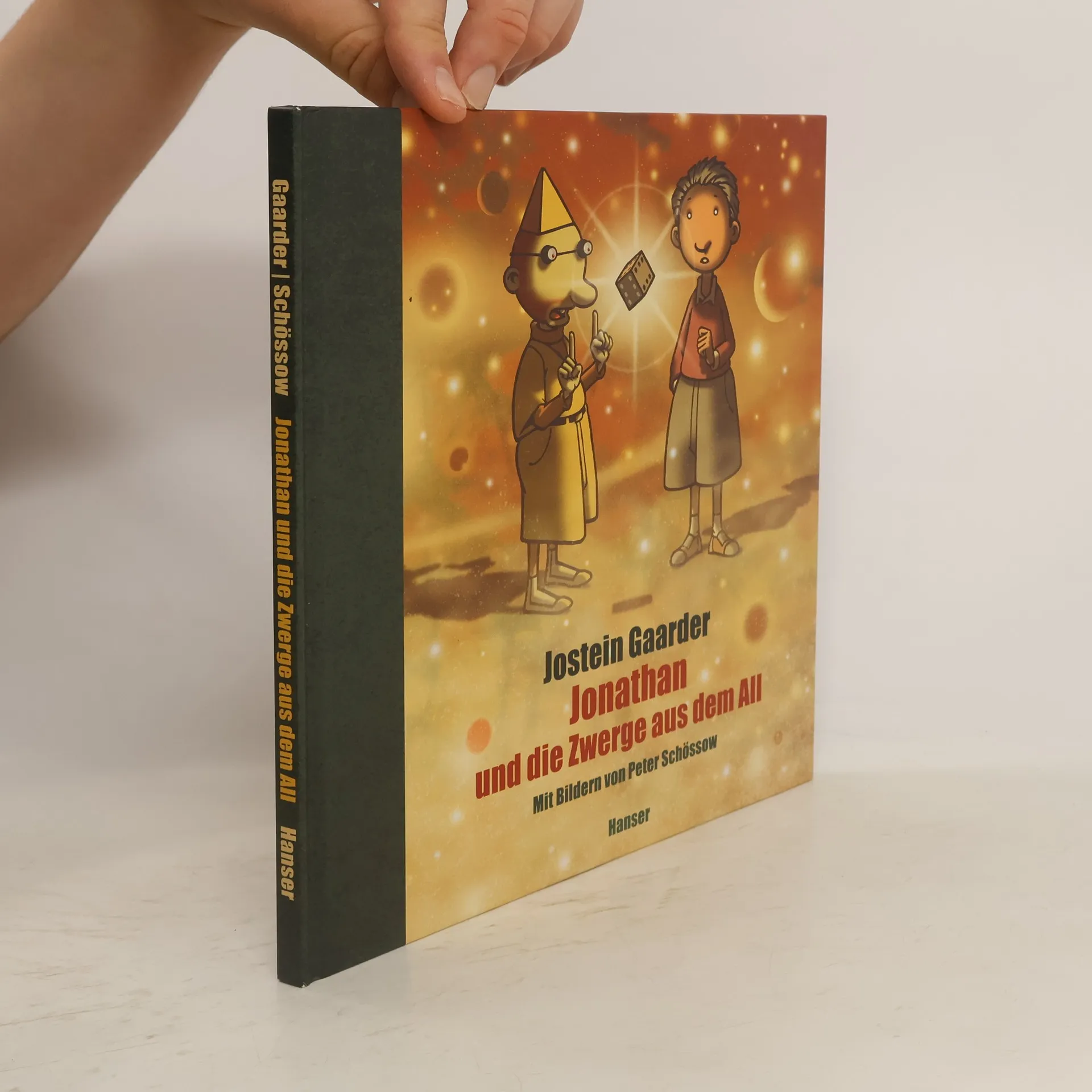
Natürlich hat Jonathan schon mal von Außerirdischen gehört. Aber ihnen zu begegnen ist doch etwas anderes: Gelbe Zwerge vom Planeten Sykk bevölkern die Stadt und haben beschlossen, auf die Erde umzuziehen, weil es hier so leckere Bananen gibt. Die Menschen müssen sie dafür leider nach Sykk bringen, das sei so üblich bei einem Planetentausch, sagen sie. Was für eine verrückte Geschichte! Aber tatsächlich steht auf dem Fußballfeld schon ein Raumschiff, in dem die Menschen sitzen. Jonathan wünscht sich, alles wäre nur ein komischer Traum. Traum oder Nicht-Traum, das lässt sich immer erst hinterher unterscheiden. Sicher ist nur: Kurz vor der Geschichte ist Jonathan im Treppenhaus auf einer Bananenschale ausgerutscht ... Ein echter Gaarder schon für kleine Leser, illustriert mit wunderbar schrägen Bildern von Peter Schössow!
Der philosiophische Roman führt zu den grundlegenden fragen der menschlichen Existenz : Wer sind wir? Woher kommen wir? Wohin gehen wir? Eine Einladung zu einer Reise an die Grenze unseres Wissens und nicht zuletzt eine Anstiftung zum Denken. (Verlagstext).
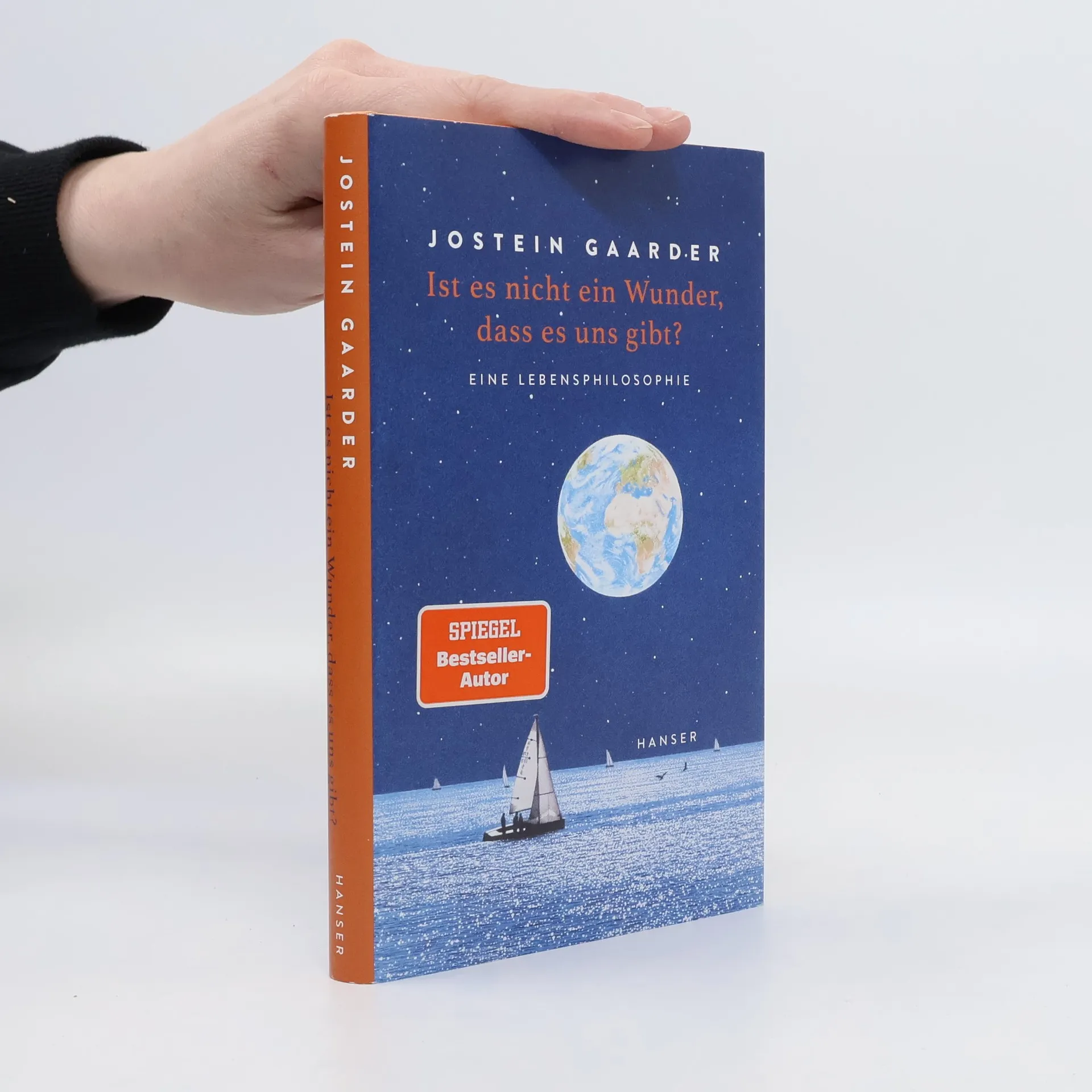
Bestsellerautor Jostein Gaarder über das Wunder der Erde und des Lebens. Eine inspirierende Lebensphilosophie, die zum Nachdenken anregt – und ein kurzweiliges Leseerlebnis 30 Jahre nach der Veröffentlichung von „Sofies Welt“ widmet sich Bestsellerautor Jostein Gaarder seiner ganz eigenen Lebensphilosophie, als Brief an seine Enkel. Dabei verknüpft er Erfahrungen und Erlebnisse aus seinem Leben mit Themen, die ihn schon immer beschäftigt haben, wie Natur, Nachhaltigkeit, Klimawandel, Religion, Liebe, Leben, Tod und das Wunder unserer Existenz. Und er setzt sich intensiv mit Fragen auseinander, die die Zukunft seiner Enkel betreffen. Die wichtigste: Wie kann es uns gelingen, die menschliche Zivilisation und die Lebensgrundlage auf unserem Planeten zu bewahren? Ein neugieriger und kluger Blick auf das Privileg, auf dieser Erde zu leben.
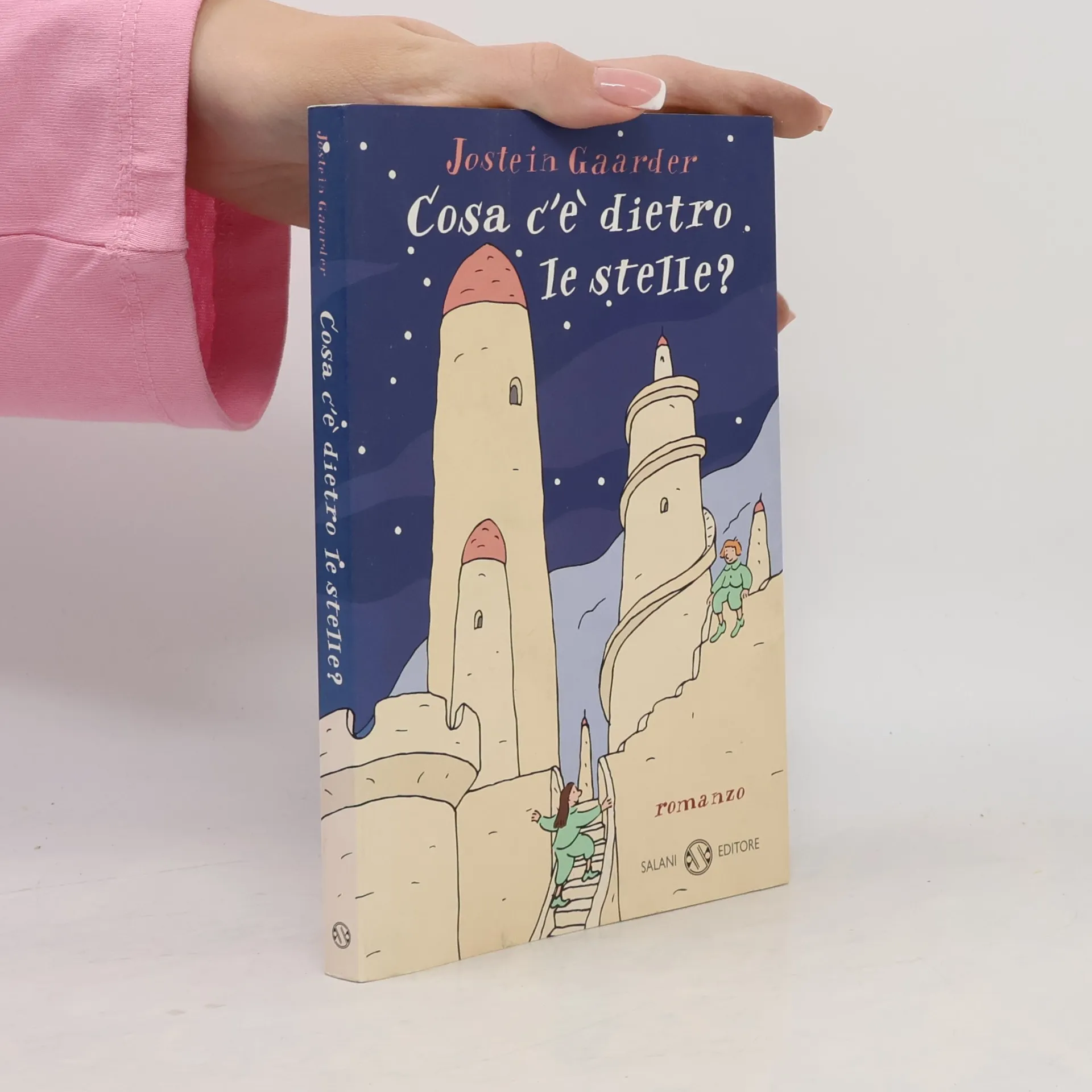
Il castello delle rane
- 121 pages
- 5 hours of reading
Una notte di luna piena il piccolo Kristoffer si ritrova a camminare solo nel bosco, a piedi nudi nella neve. All’improvviso sbuca dal nulla uno gnomo che lo invita a mangiare una crêpe a casa sua, nel paese dall’altra parte dell’aria. Kristoffer si inoltra con lui in un’avventura in cui dovrà baciare una rana per trasformarla in un principe, affrontare viscide salamandre-soldato e liberare un re, una regina e il loro castello da un misterioso incantesimo. È un sogno o è la realtà?
Lilli de Libris e la biblioteca magica
- 178 pages
- 7 hours of reading
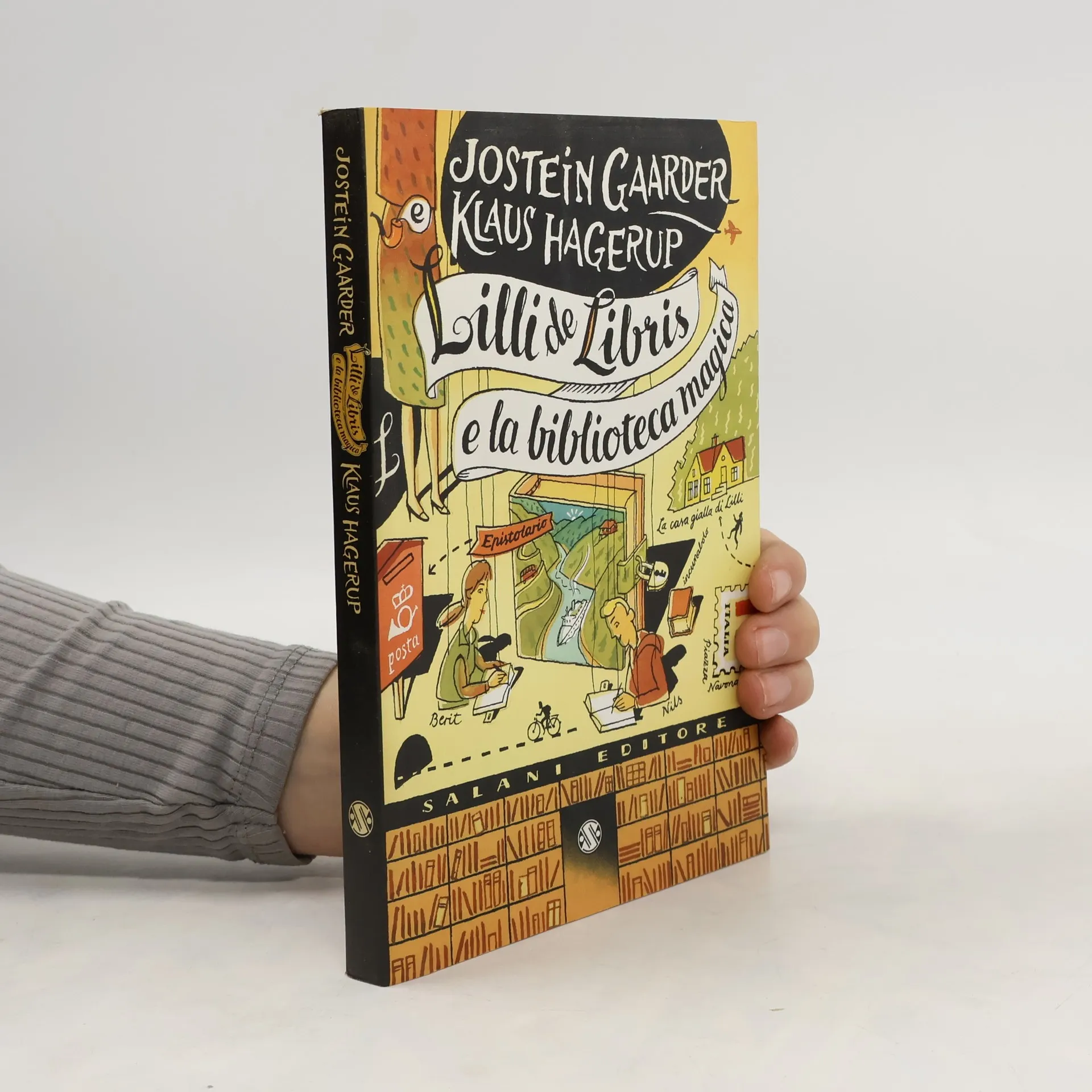
Nils y su prima Berit deciden crear un libro-diario donde escribirán todo cuanto les suceda y sea importante. Una misteriosa carta caída (¿casualmente?) del bolso de la extraña Bibbi Bokken, vecina de Berit, dará origen a unos acontecimientos que requerirán mucho más que una simple actitud de detectives por parte de los dos jóvenes, pues... en esa carta se habla de la existencia de un libro que fue «publicado en algún momento del año que viene». Pero ¿cómo es posible hablar de un libro publicado si no está escrito todavía? Buscar la biblioteca mágica donde éste se encuentra llevará a Nils y a Berit a emprender un fascinante viaje por el mundo de los libros, desde los incunables hasta los que no están aún escritos y aguardan, en una sala vacía, a que alguien los escriba.
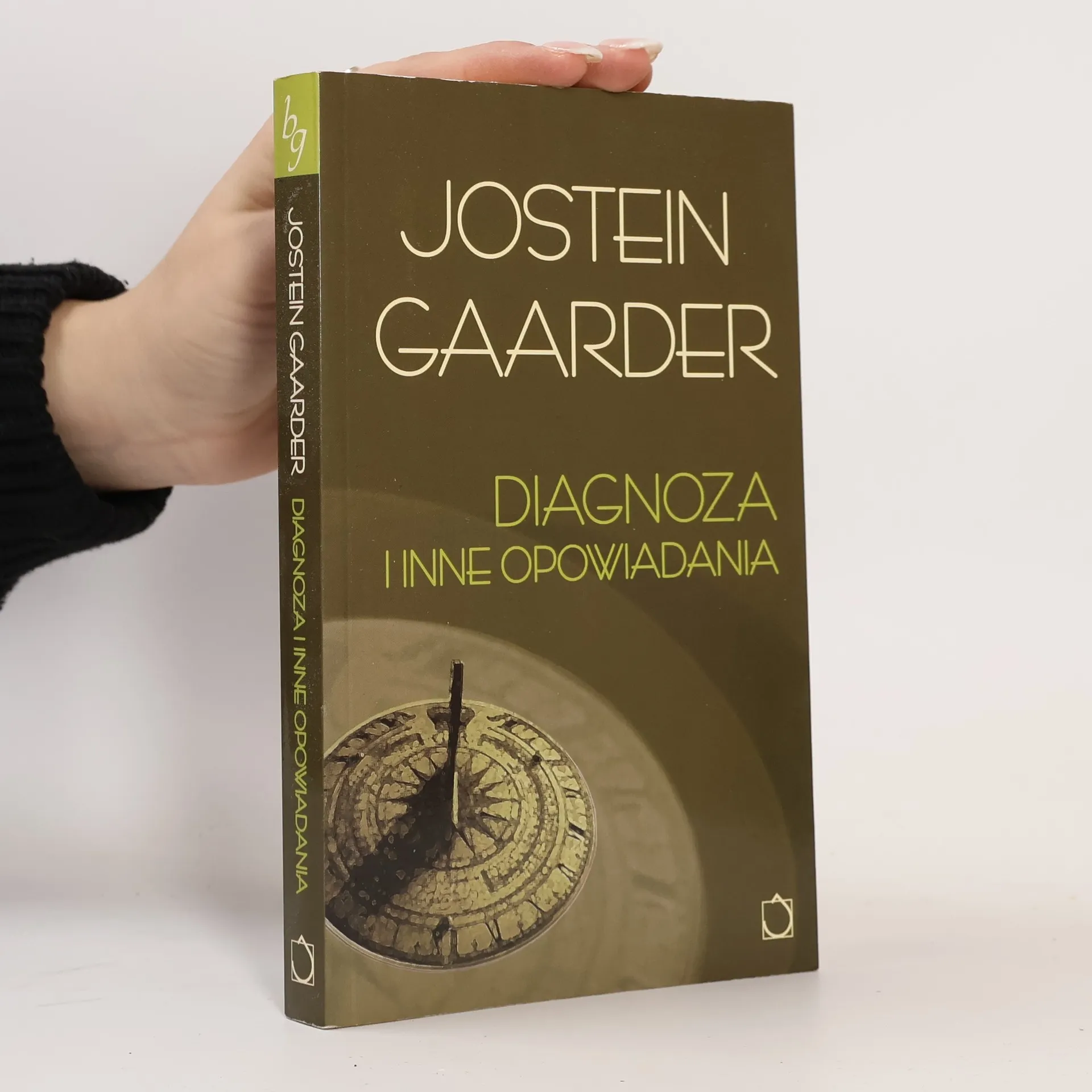
Diagnoza i inne opowiadania
- 200 pages
- 7 hours of reading
Vi møter klassiske humanistiske tanker om menneskets plass i tilværelsen, knyttet til mennesker i livets kjernesituasjoner - død, kjærlighet, kunst, katastrofe. Rammen rundt novellesamlingen er to science fiction-historier med filosofisk perspektiv, mens kortere poetisk ladete skisser veksler med lengre, mer utførlige idenoveller.
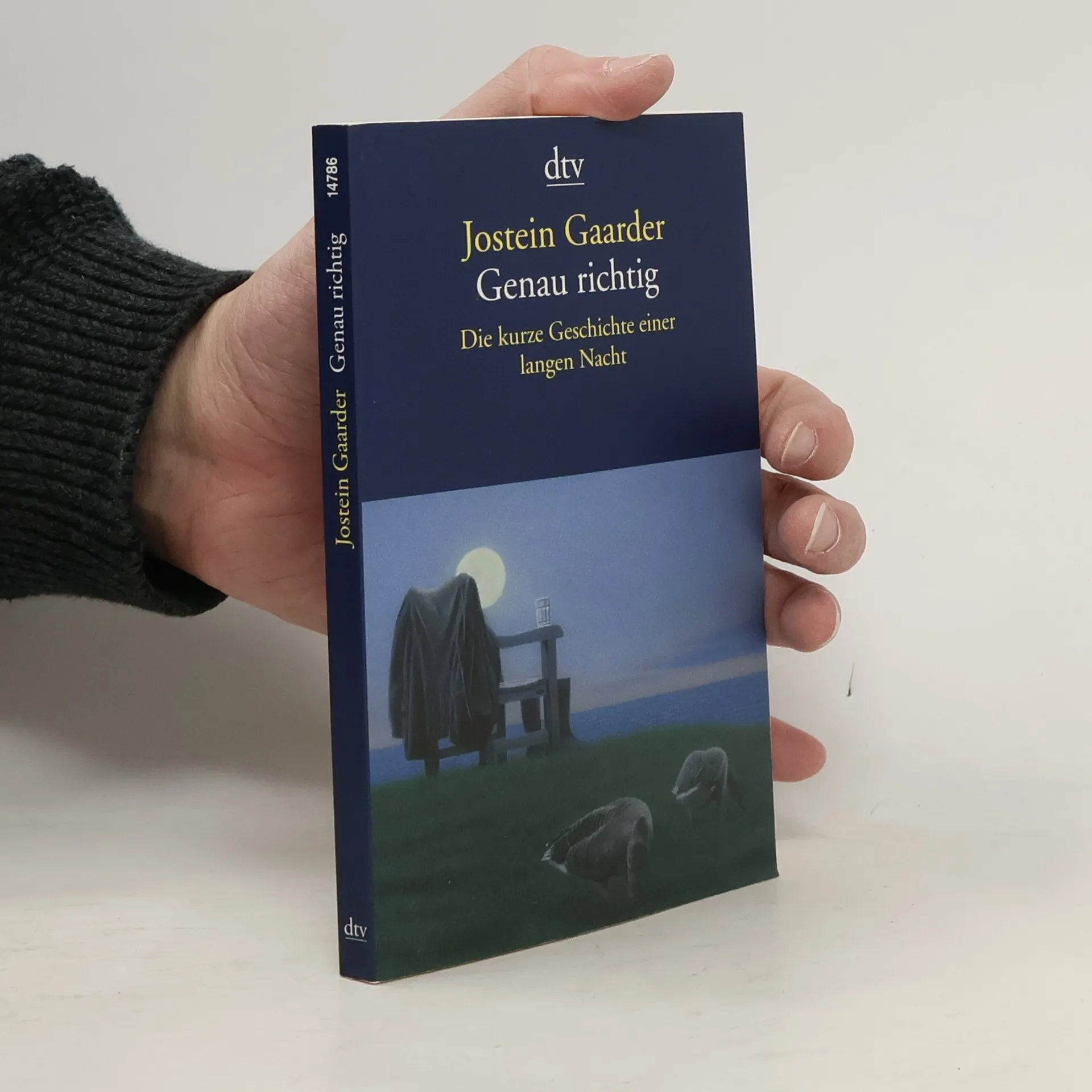
Was ist das Wichtigste im Leben? Und was genau richtig? Albert hat eine schlimme Diagnose von seiner Ärztin und ehemaligen Geliebten erhalten. Während seine Frau Eirin auf einem Kongress ist, fährt er allein in die einsame Ferienhütte an einem Waldsee: Soll er sein Leben selbst beenden, bevor es die tödliche Krankheit tut? Um mit sich selbst ins Reine zu kommen, schreibt er in das Hüttenbuch. Er erzählt, wie er Eirin kennenlernte und wie sie als junge Verliebte in das Märchenhaus einbrachen, das sie später gekauft haben. Wie seine Ehe zu kriseln begann, welche Rolle Sohn und Enkelin für ihn spielen und von seiner Begeisterung für die Astrophysik. Es wird eine lange Nacht, bis irgendwann ein Boot ruderlos auf dem See treibt und ein Fremder erscheint.
Una favola moderna che supera il tempo e lo spazio e affronta i grandi interrogativi che riguardano la vita e il suo significato.
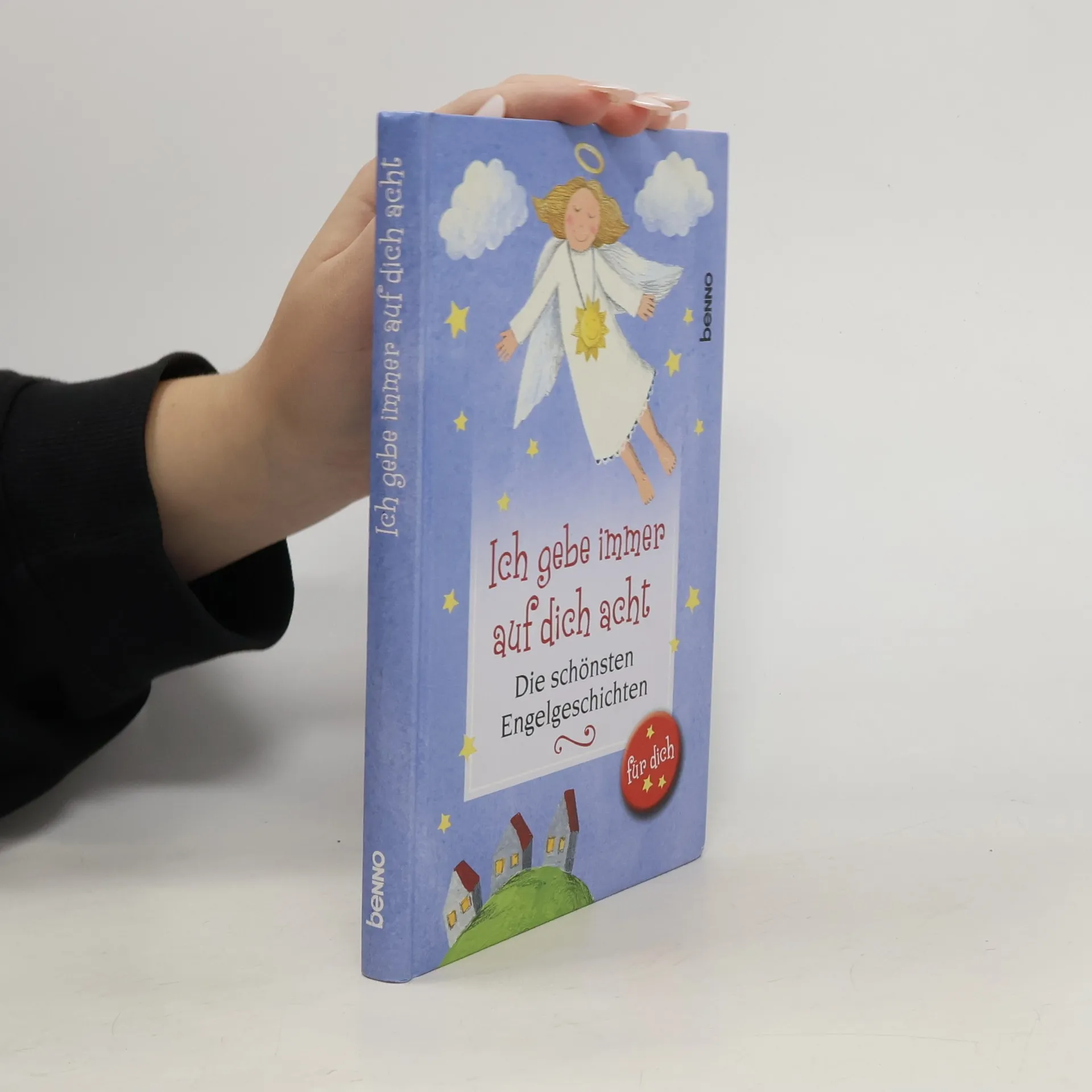
In diesem Kinderbuch begegnen die Leser Engeln in verschiedenen Facetten, erzählt von bekannten Autoren wie Jostein Gaarder und Peter Härtling. Die Geschichten vermitteln Mut, Überraschungen und die verlässliche Botschaft von Gottes Liebe. Geeignet für Kinder ab 9 Jahren.
Einfach Christlich Lebenswert
- 165 pages
- 6 hours of reading
Sofie világa
Regény a filozófia történetéből
Jostein Gaardner regénye a filozófia történetéről, ahogyan Sofie Amundsen, a kisiskolás látja, az Éden kertjétől - korunk filozófiájáig, A mítoszok világától - a reneszánsz emberig, Platóntól - Freudig, a Hellenizmustól - a felvilágosodásig, Arisztotelésztől Marxig, mindent ami e világot áthatja, a gondolat és a filozófia egészét. Olvasmányos ismeretterjesztő könyv iskolás kortól felnőttekig mindenkinek.
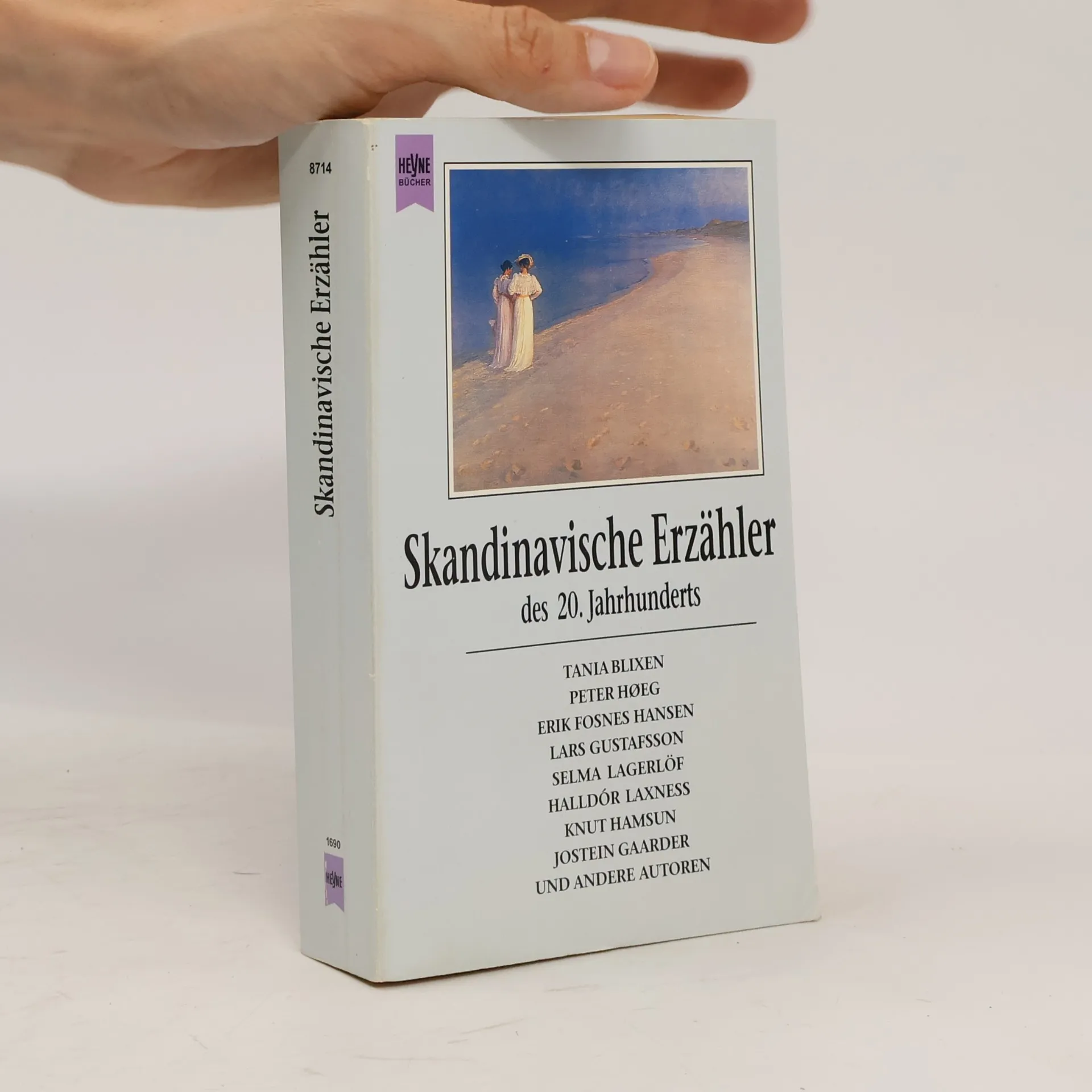
Skandinavische Erzähler des 20. Jahrhunderts
- 489 pages
- 18 hours of reading
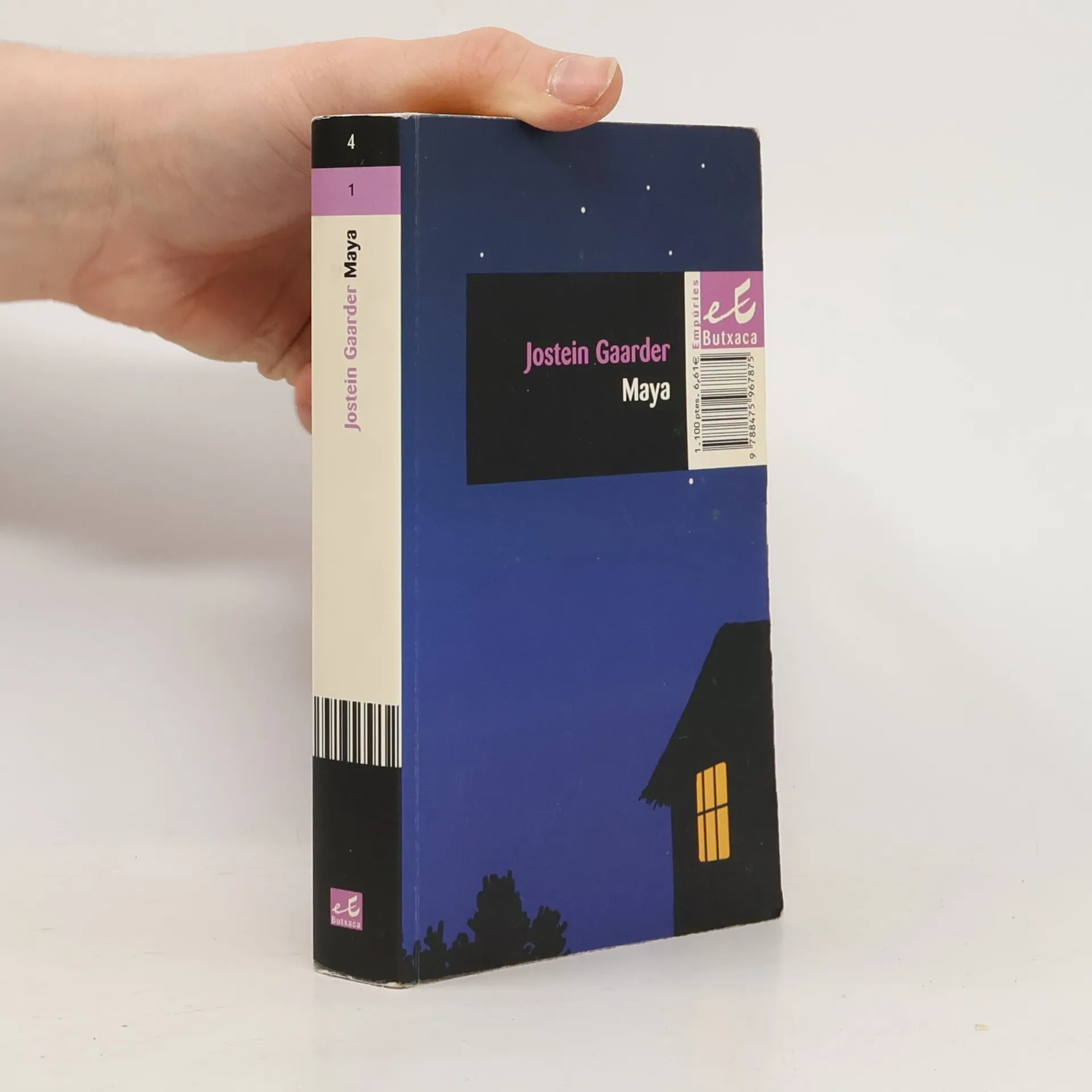
Butxaca - 1: Maya
- 448 pages
- 16 hours of reading
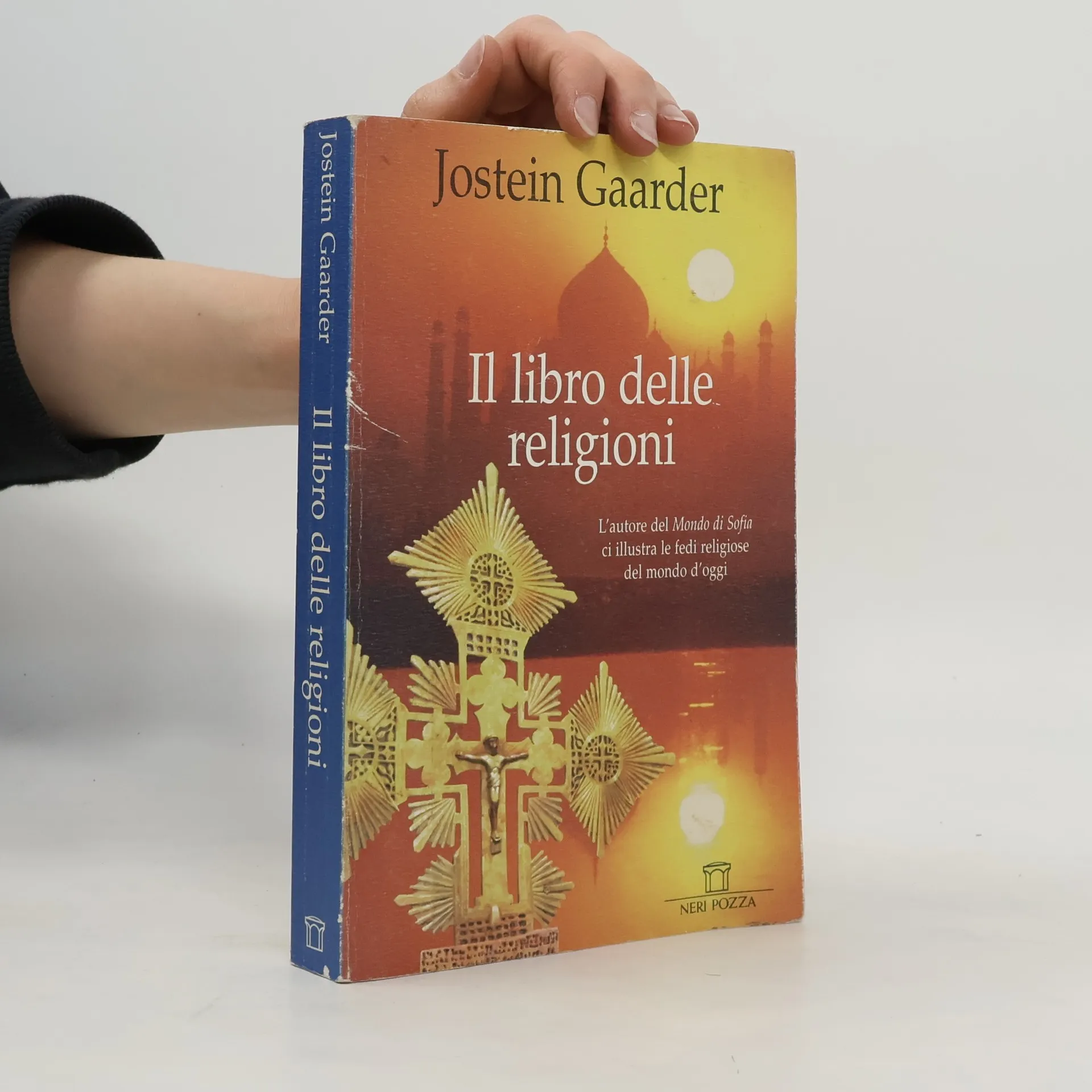
Il libro delle religioni
- 295 pages
- 11 hours of reading
Libro usado en buenas condiciones, por su antiguedad podria contener señales normales de uso
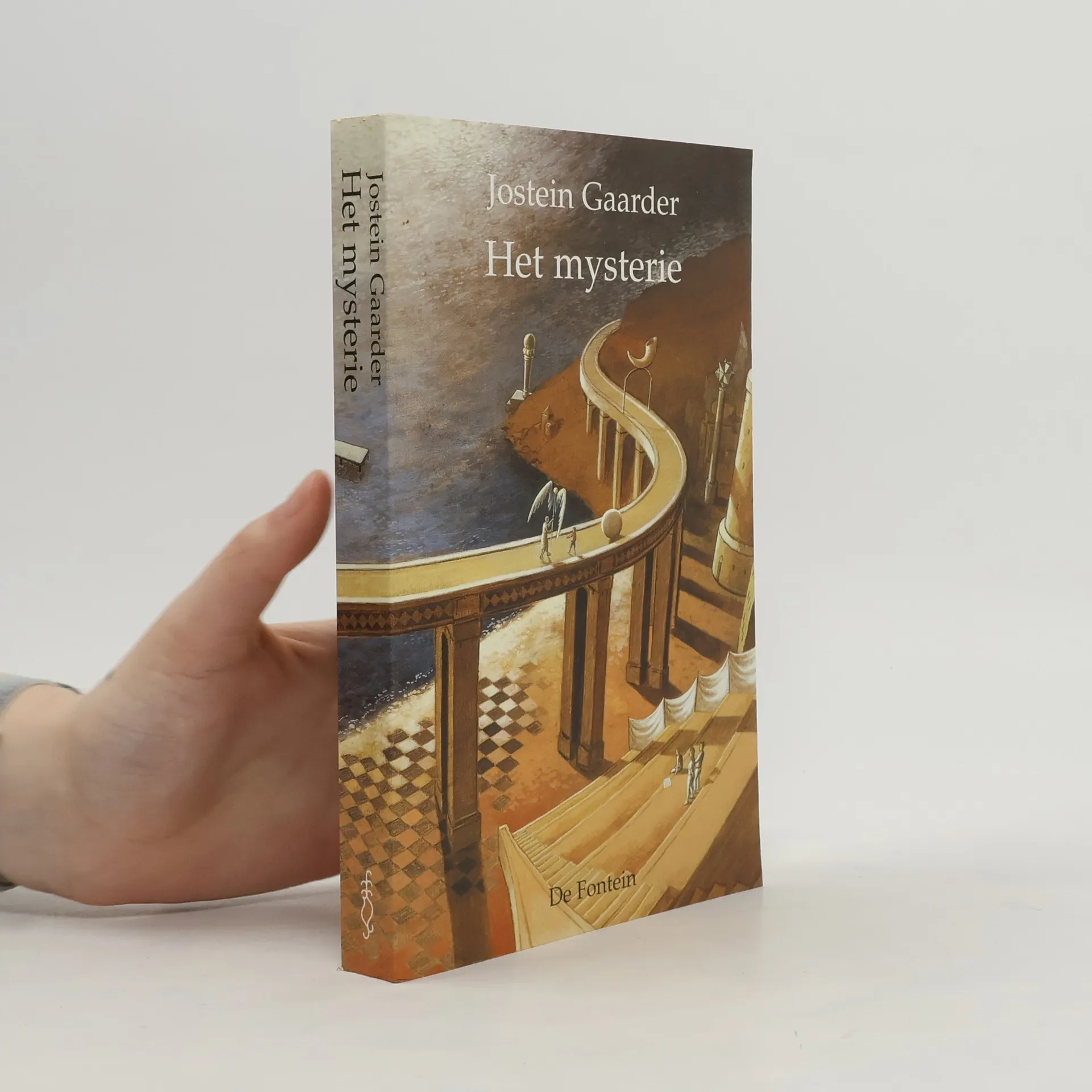
Het mysterie
- 253 pages
- 9 hours of reading
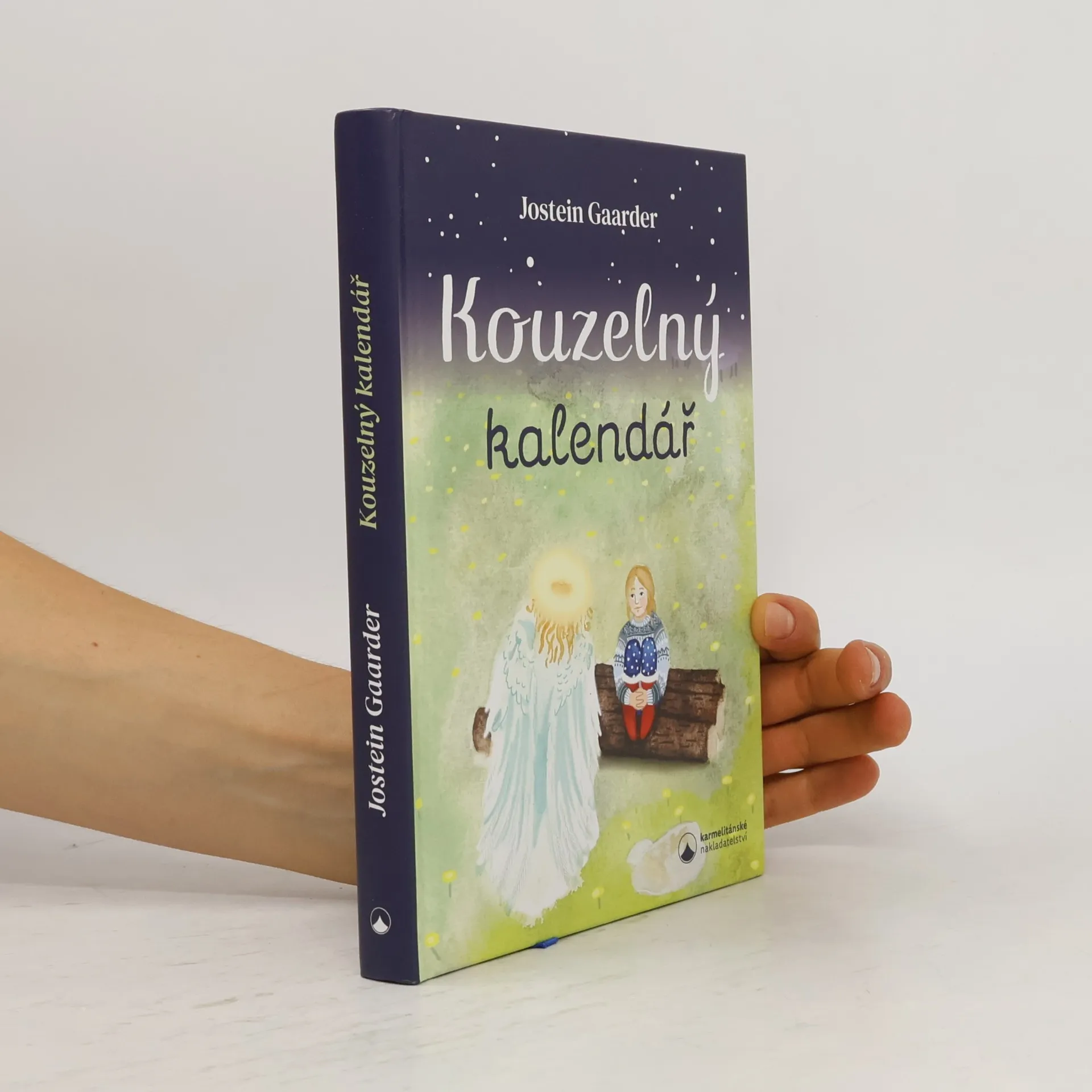
Joachim mag in de Adventstijd elke dag een luikje van zijn nieuwe kalender openmaken. Daaruit vallen briefjes met daarop het verhaal van Elizabet die een reis maakt terug in de tijd, naar Bethlehem in het jaar 0. Voorlezen vanaf ca. 9 jaar; zelf lezen vanaf ca. 10 jaar.
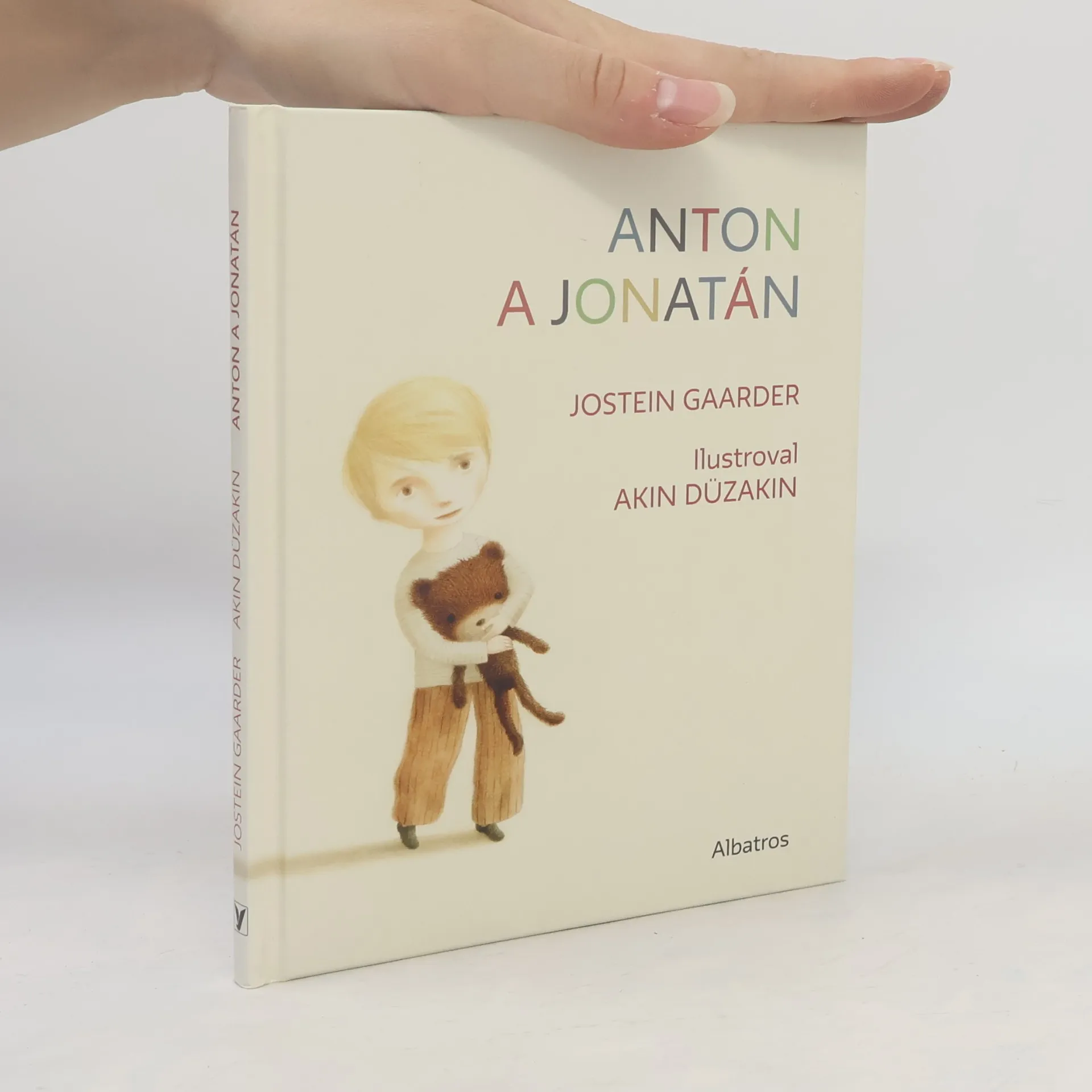
Anton a Jonatán
- 56 pages
- 2 hours of reading
Anton a Jonatán sú najlepší priatelia. Anton je plyšový medvedík, ktorý sa rozpomína na šťastné chvíle strávené s chlapcom, ktorý si ho vozieval v košíku bicykla. Spoločne zažívali rôzne dobrodružstvá a tešili sa z drobností sveta okolo nich. Potom mal ale Jonatán nehodu a čosi sa zmenilo...