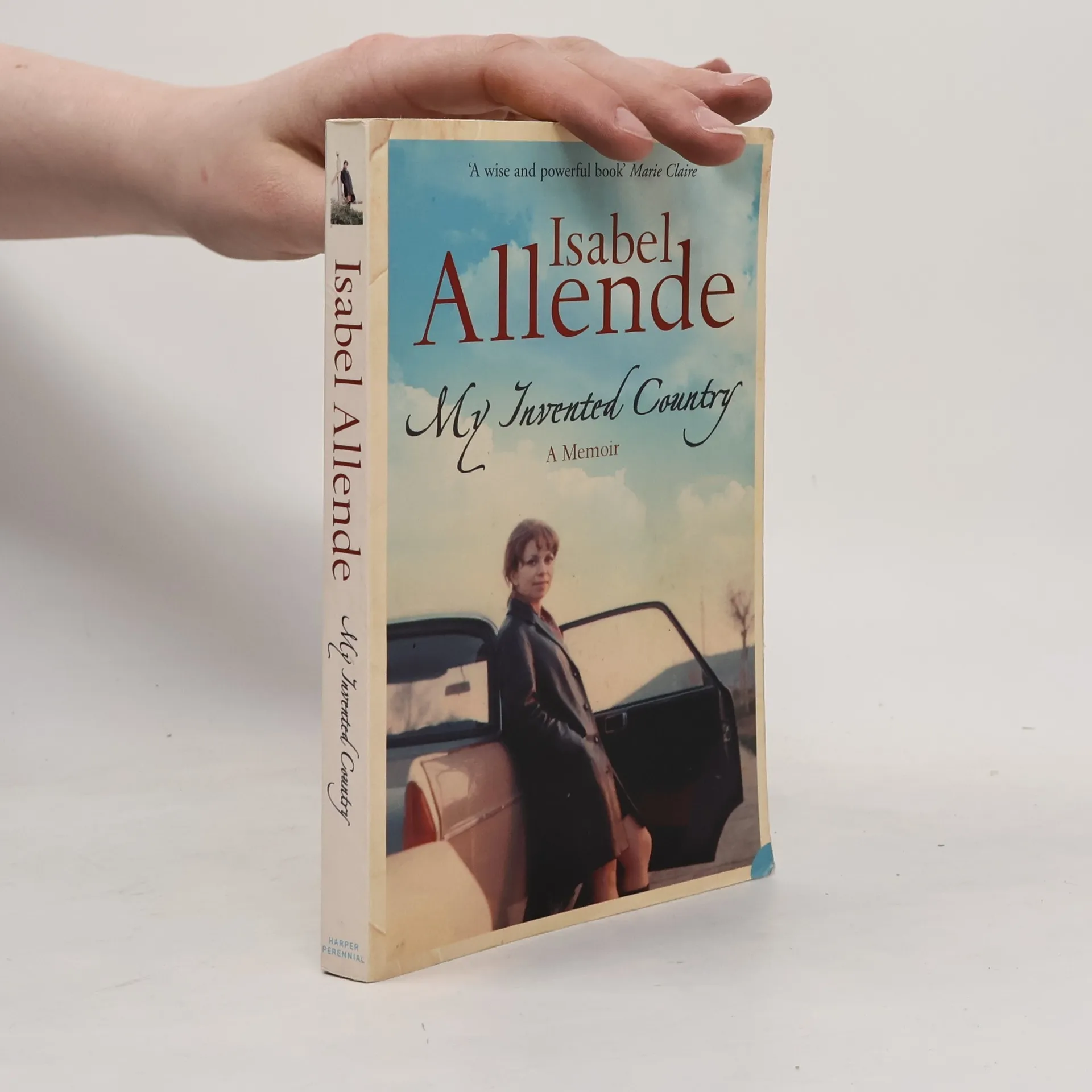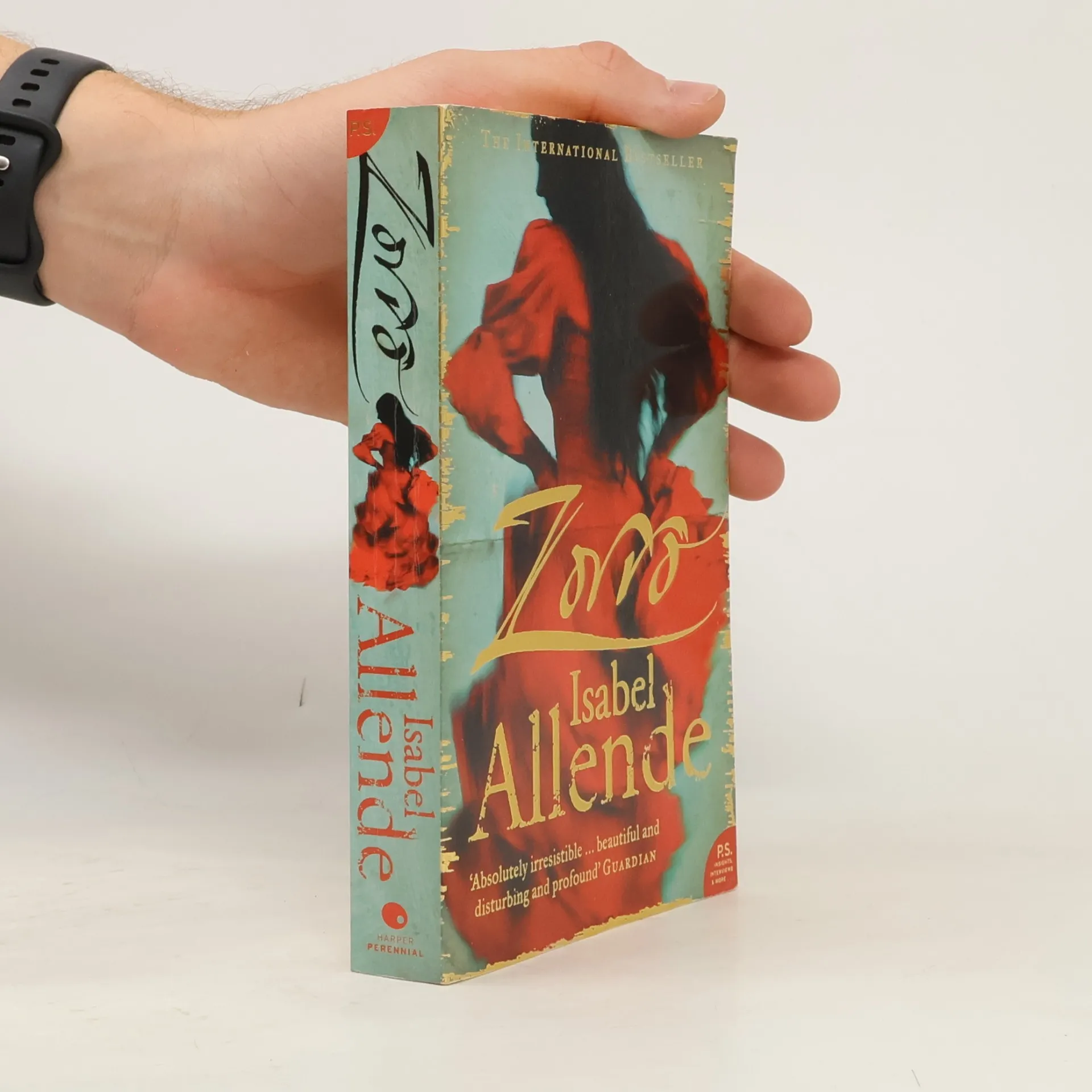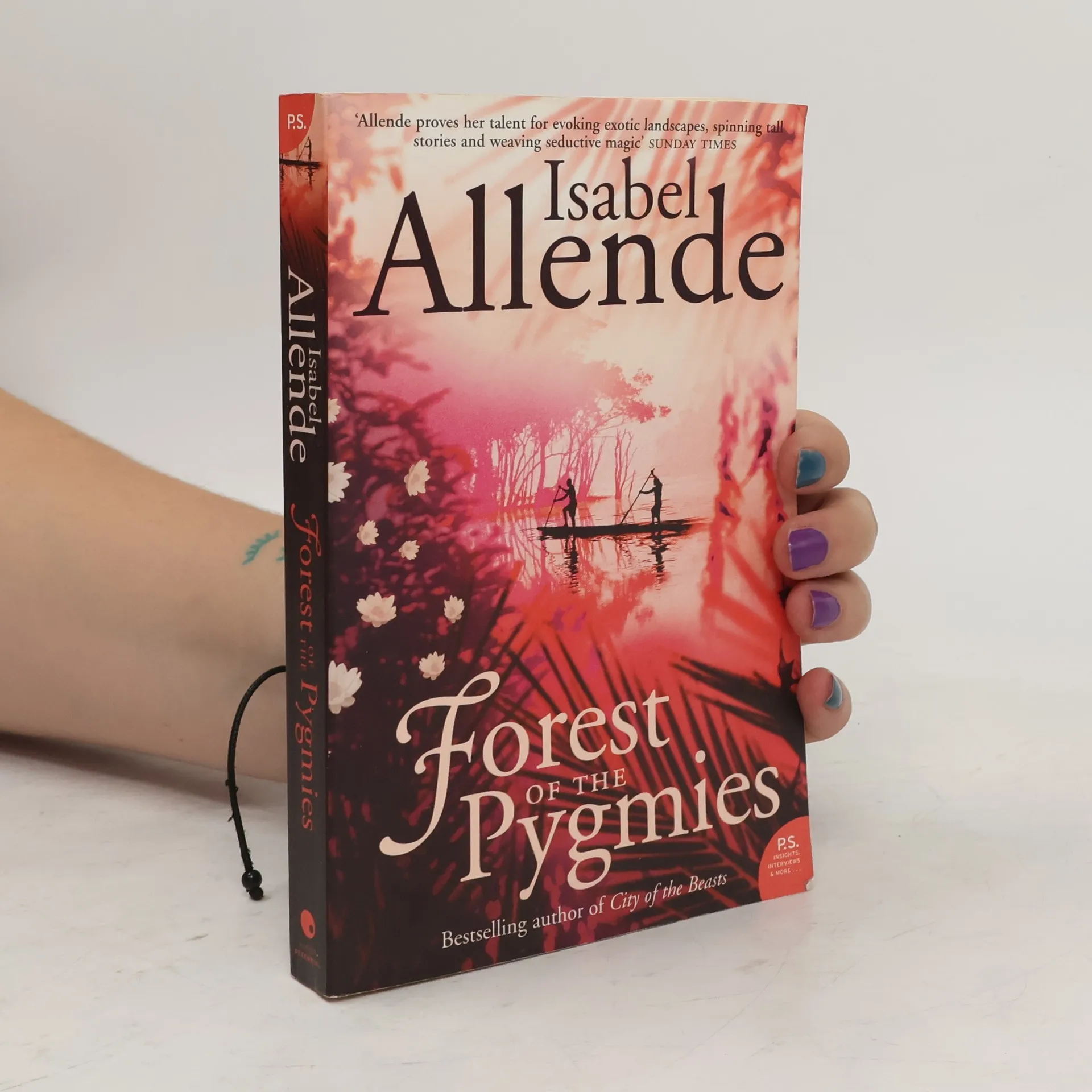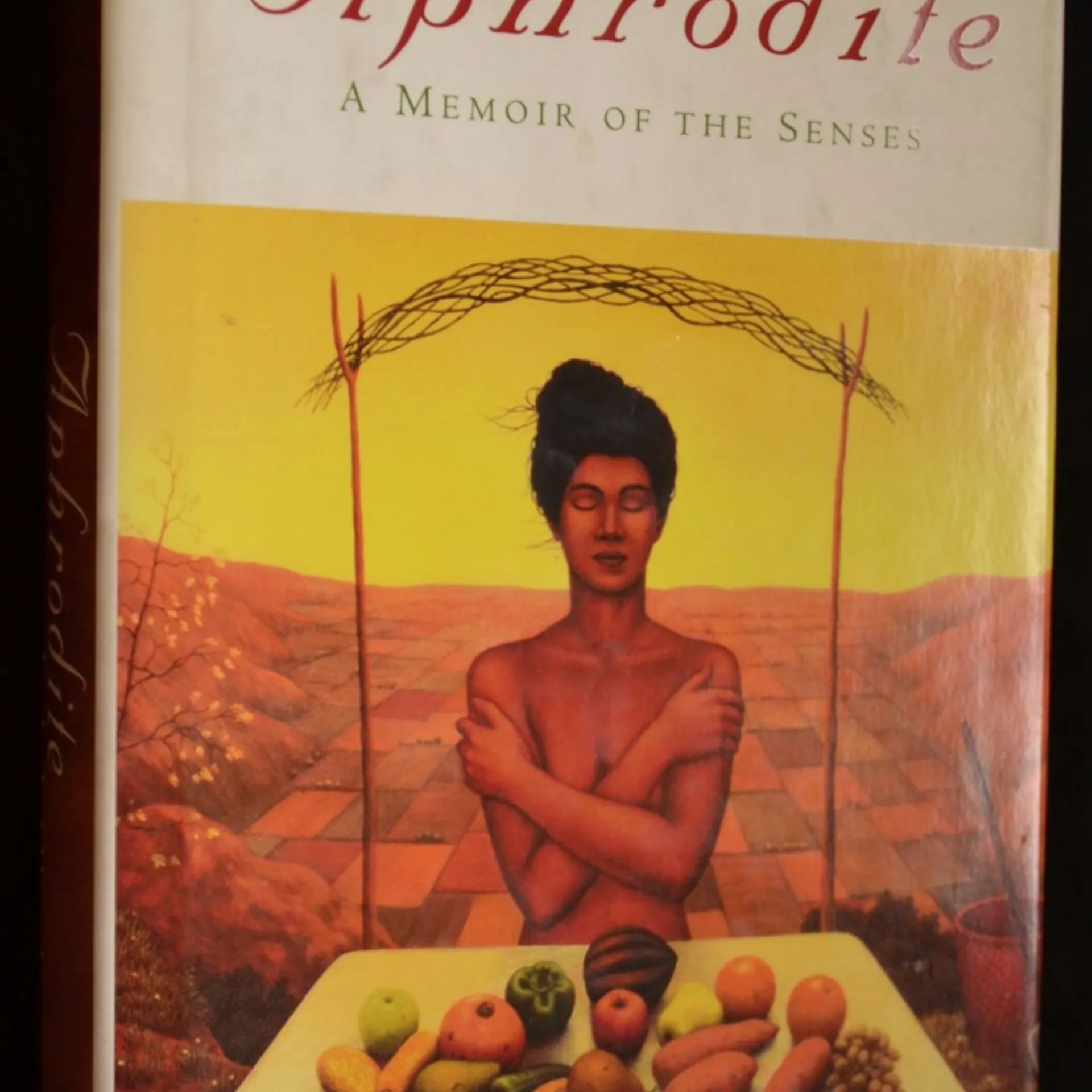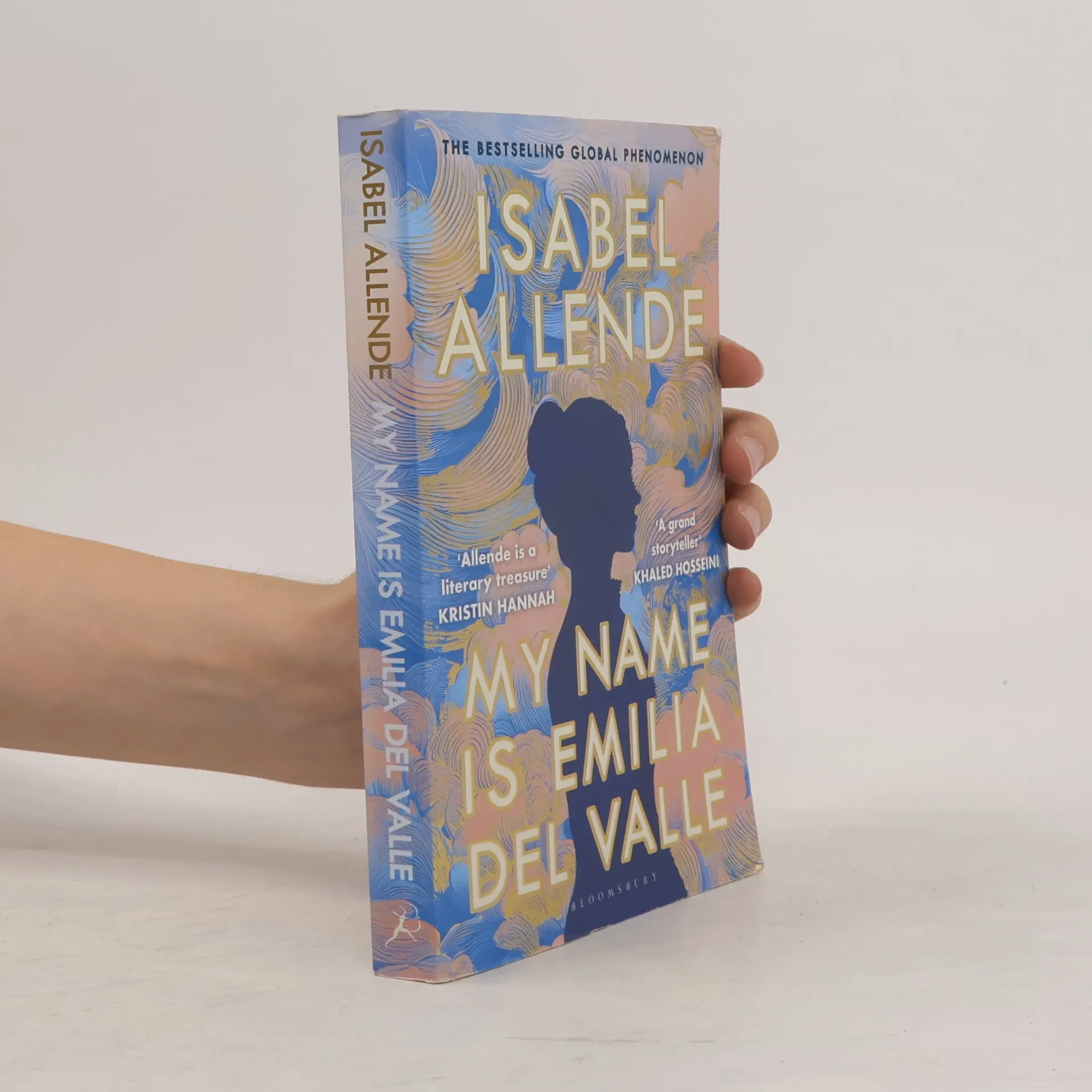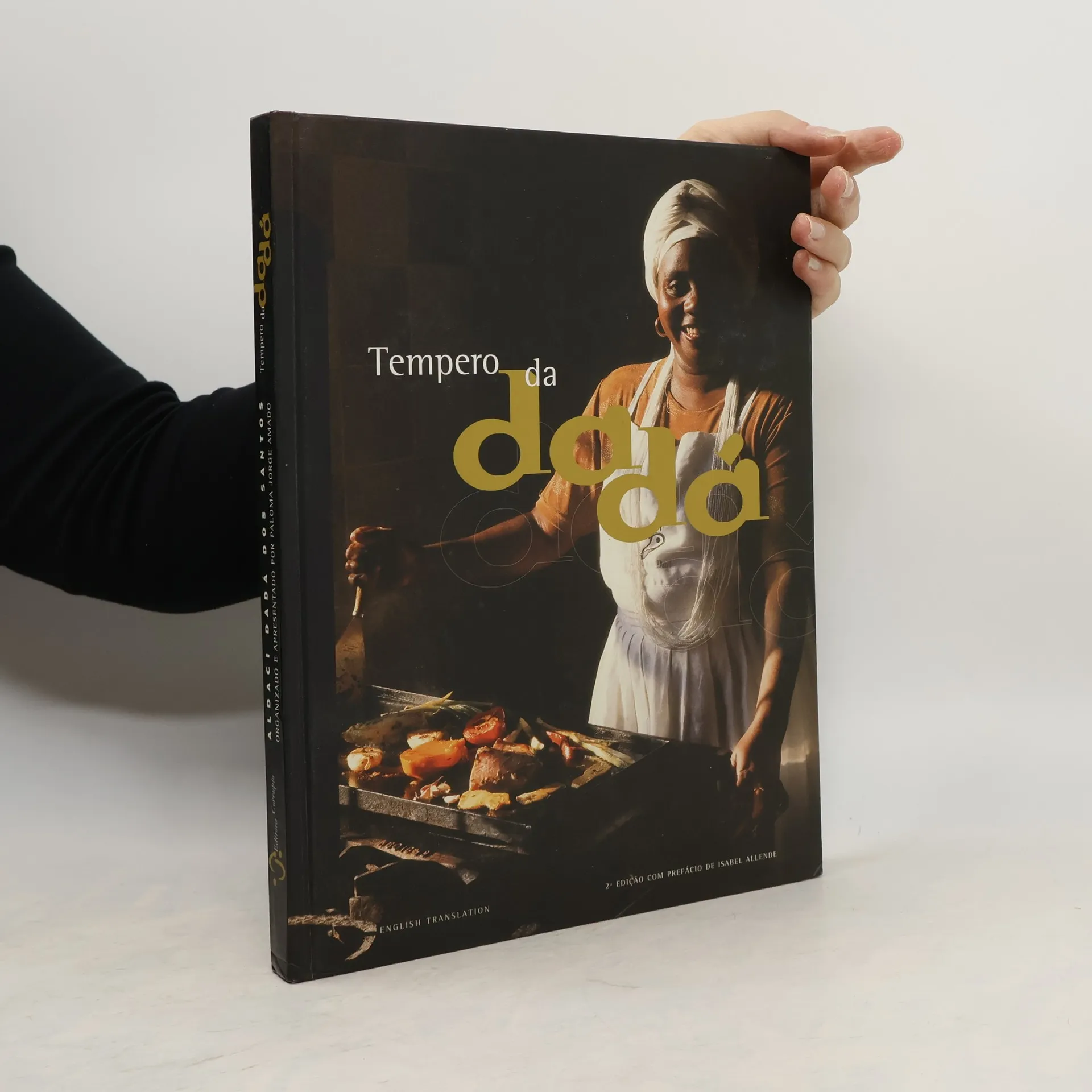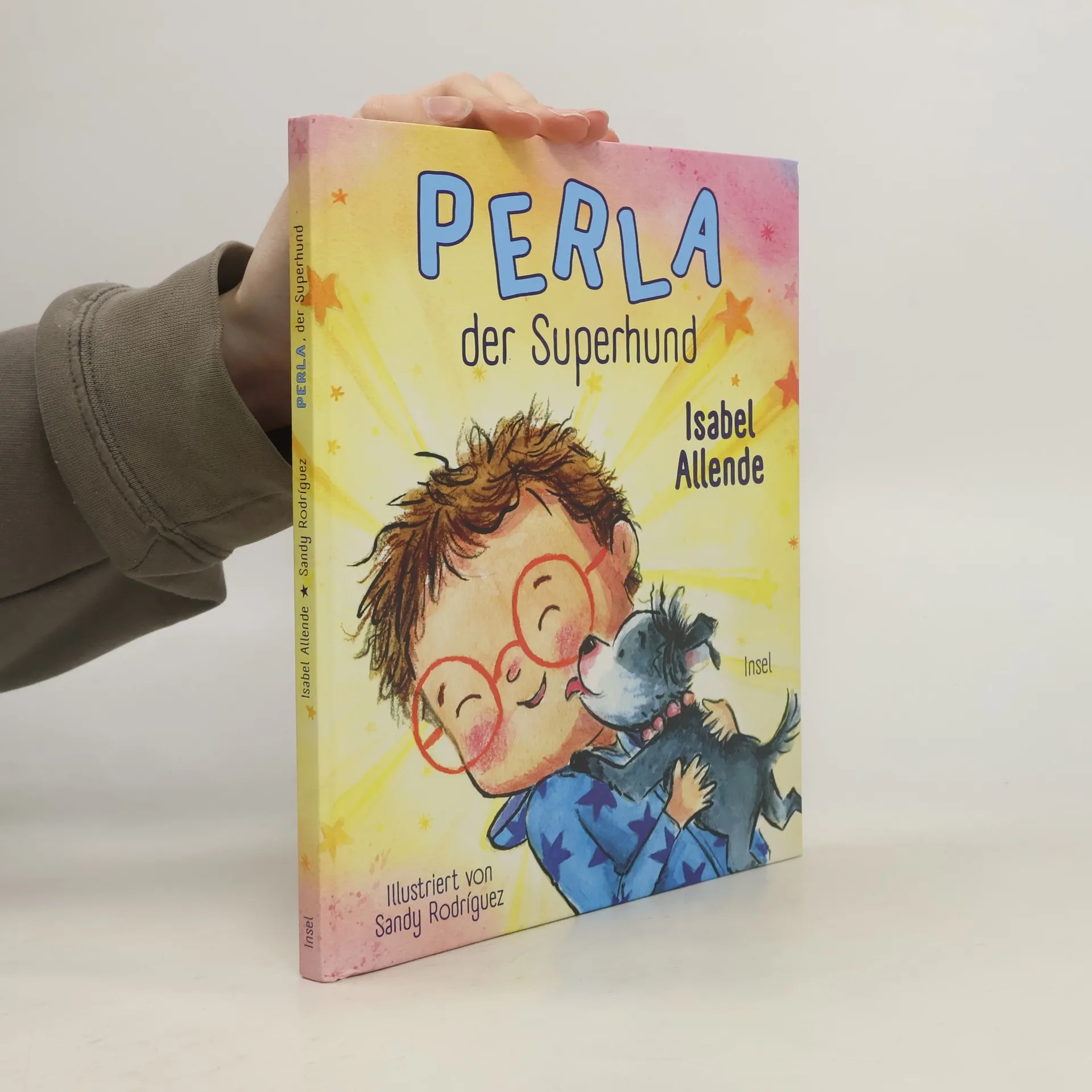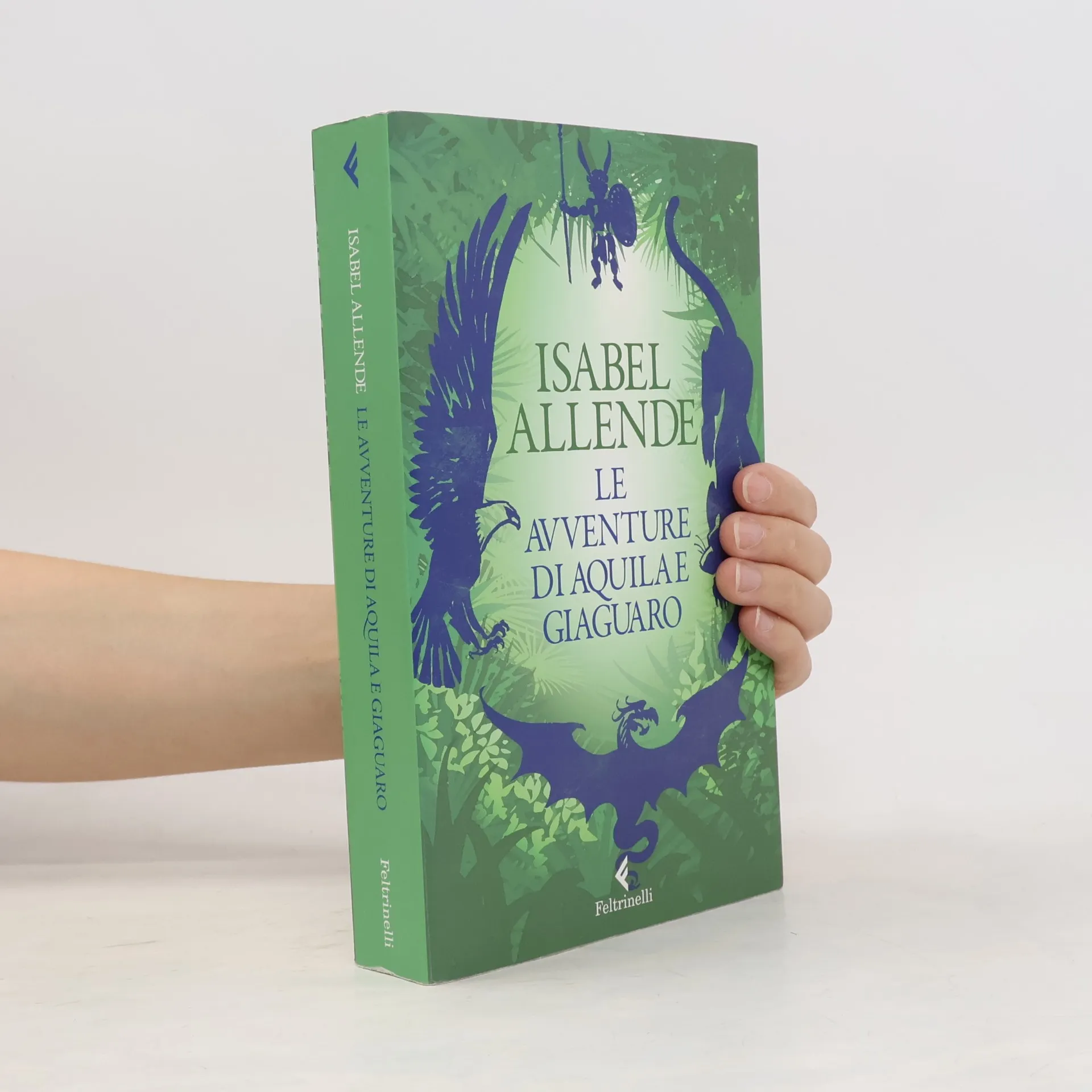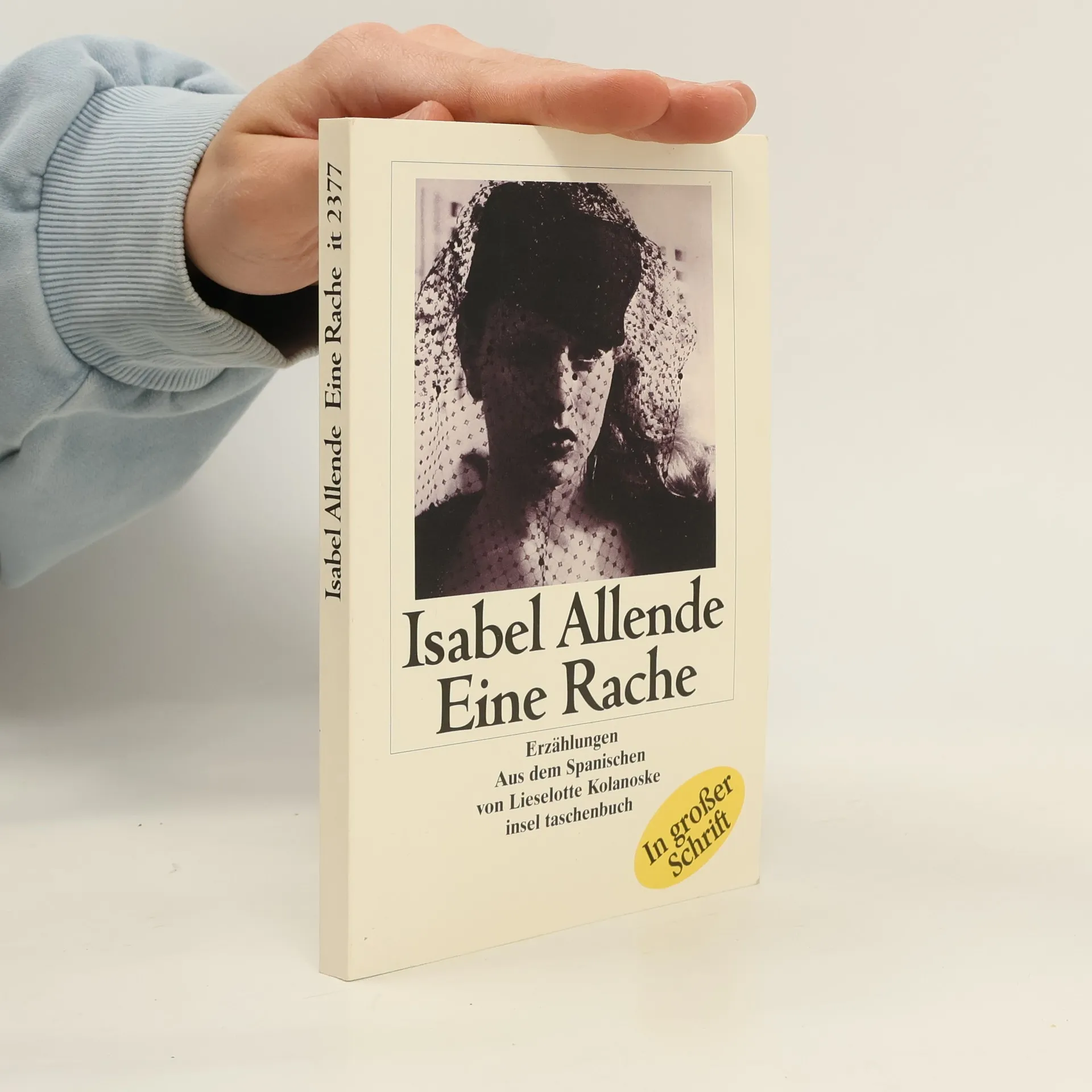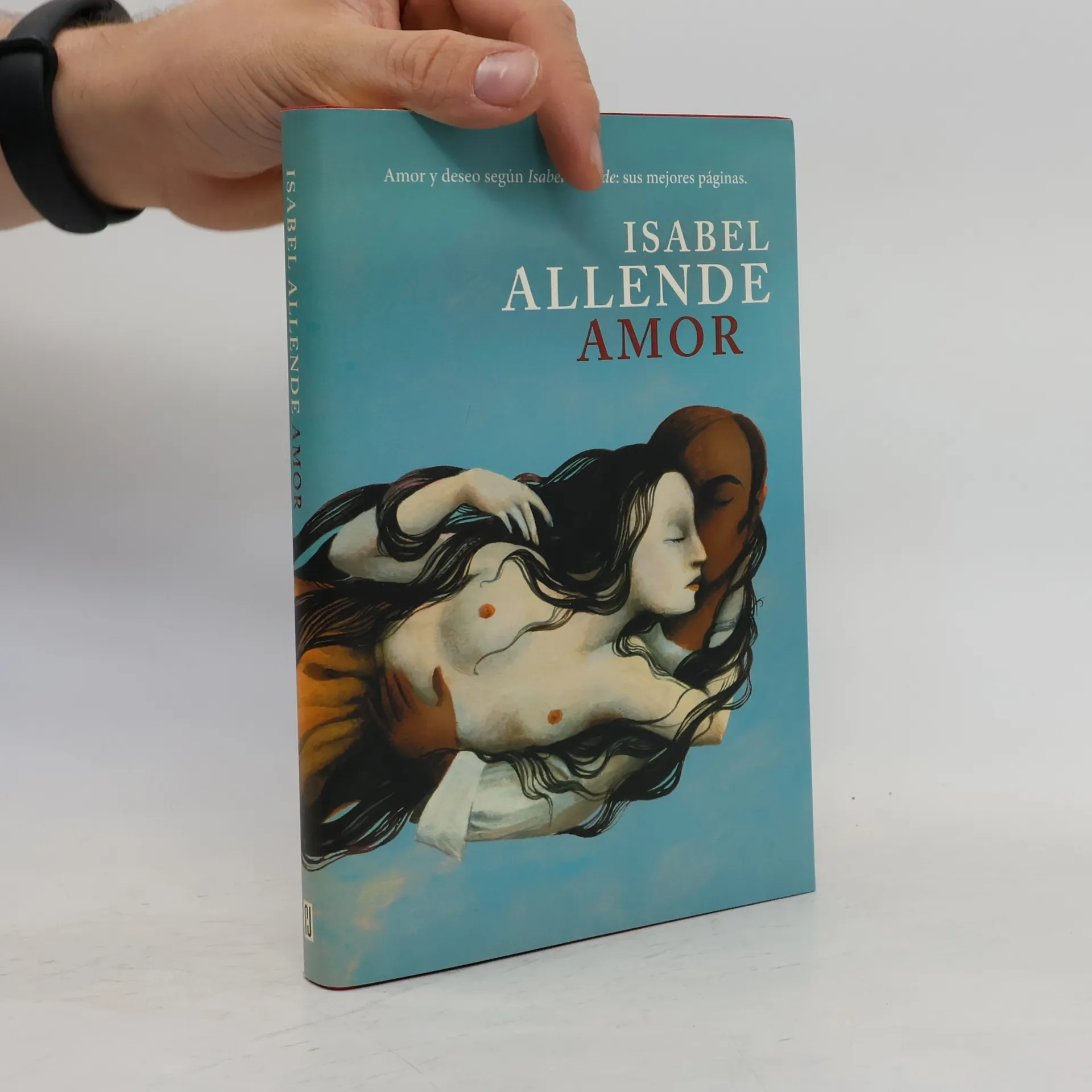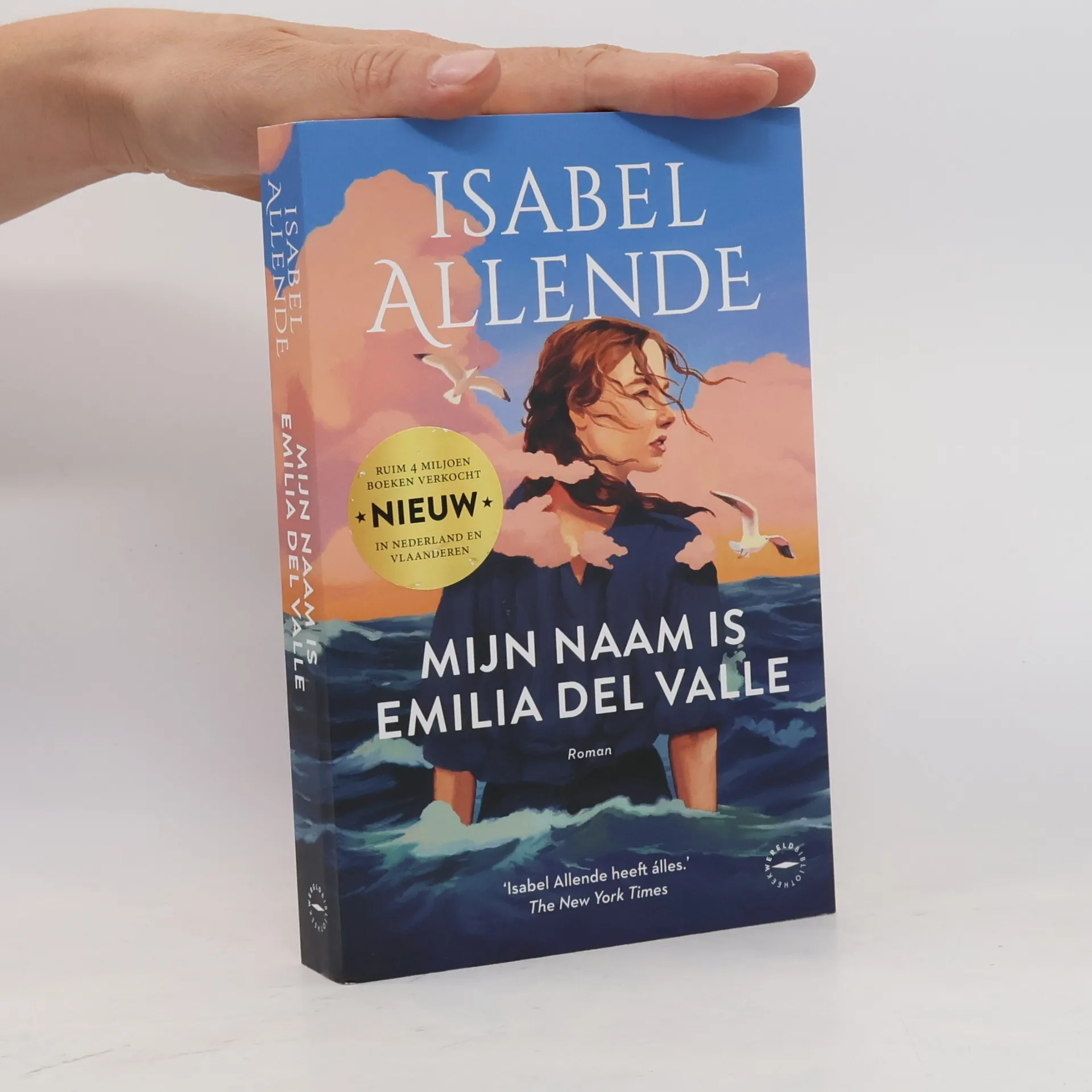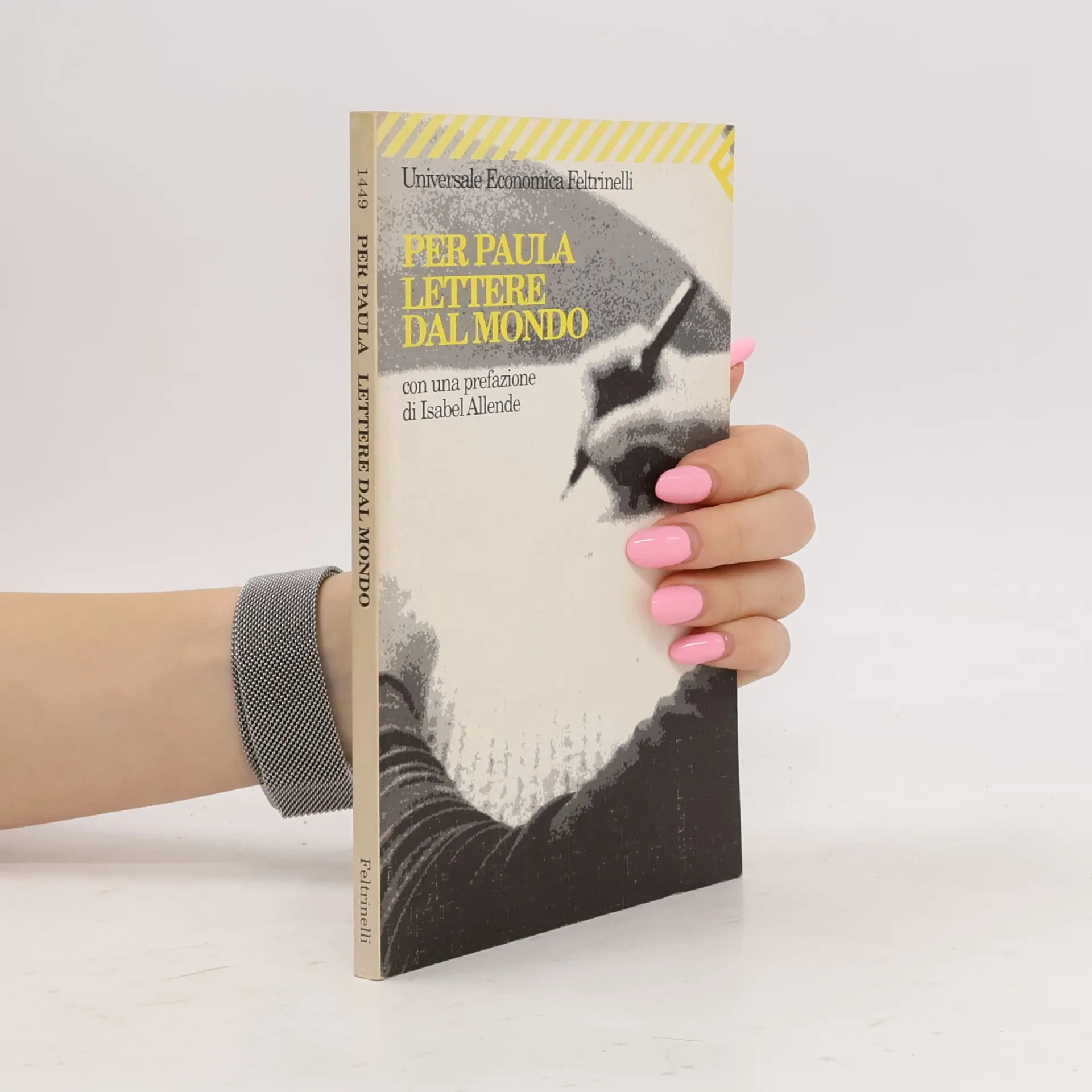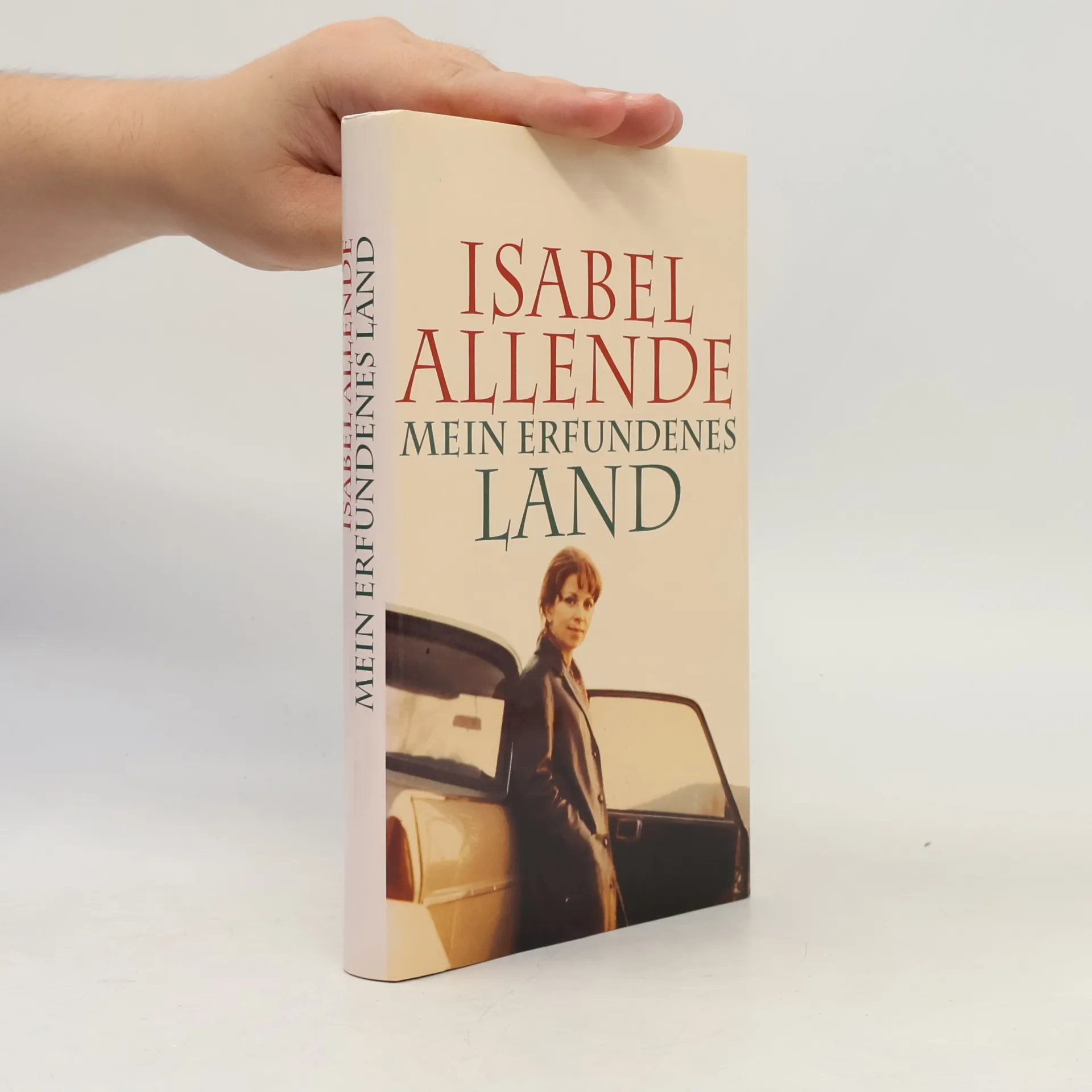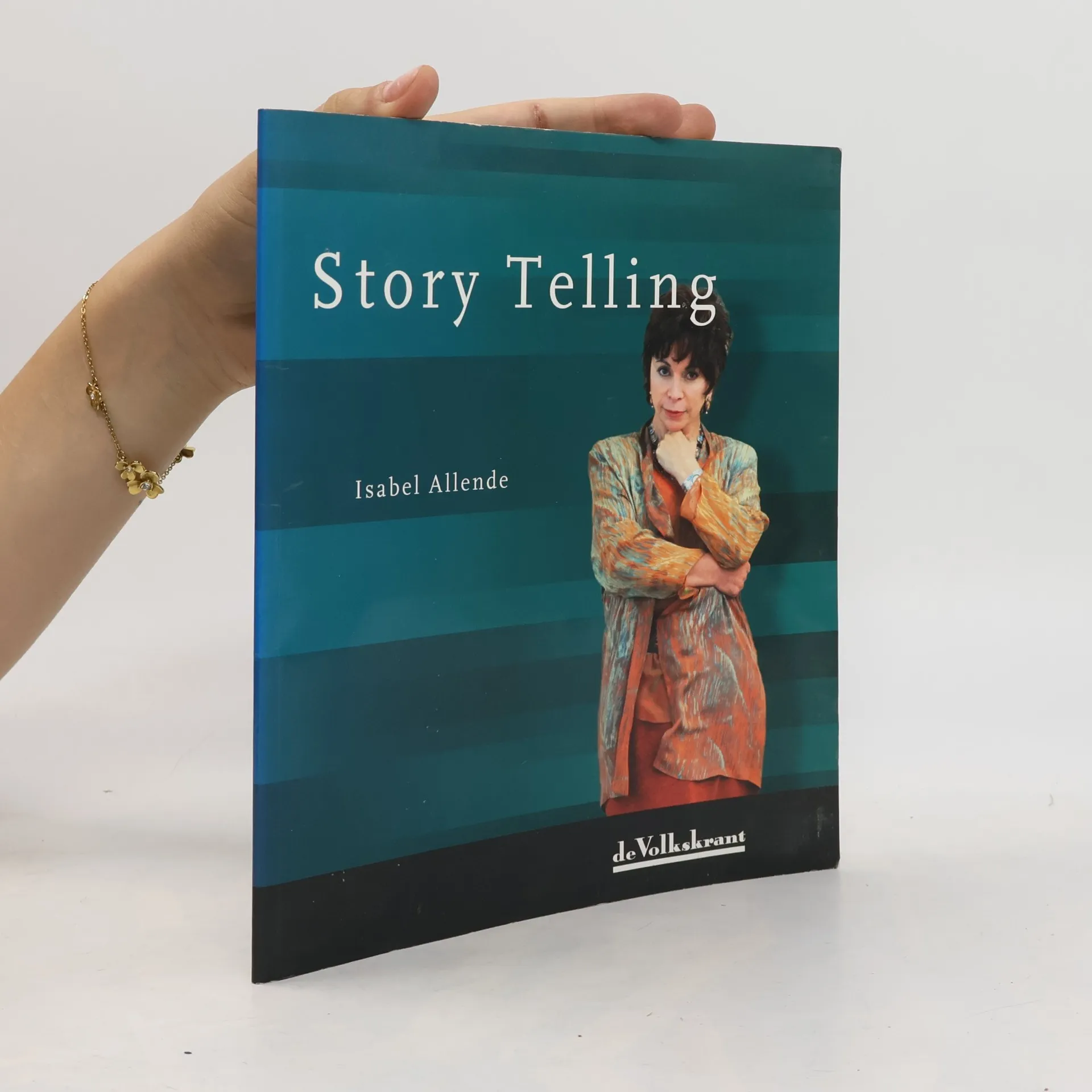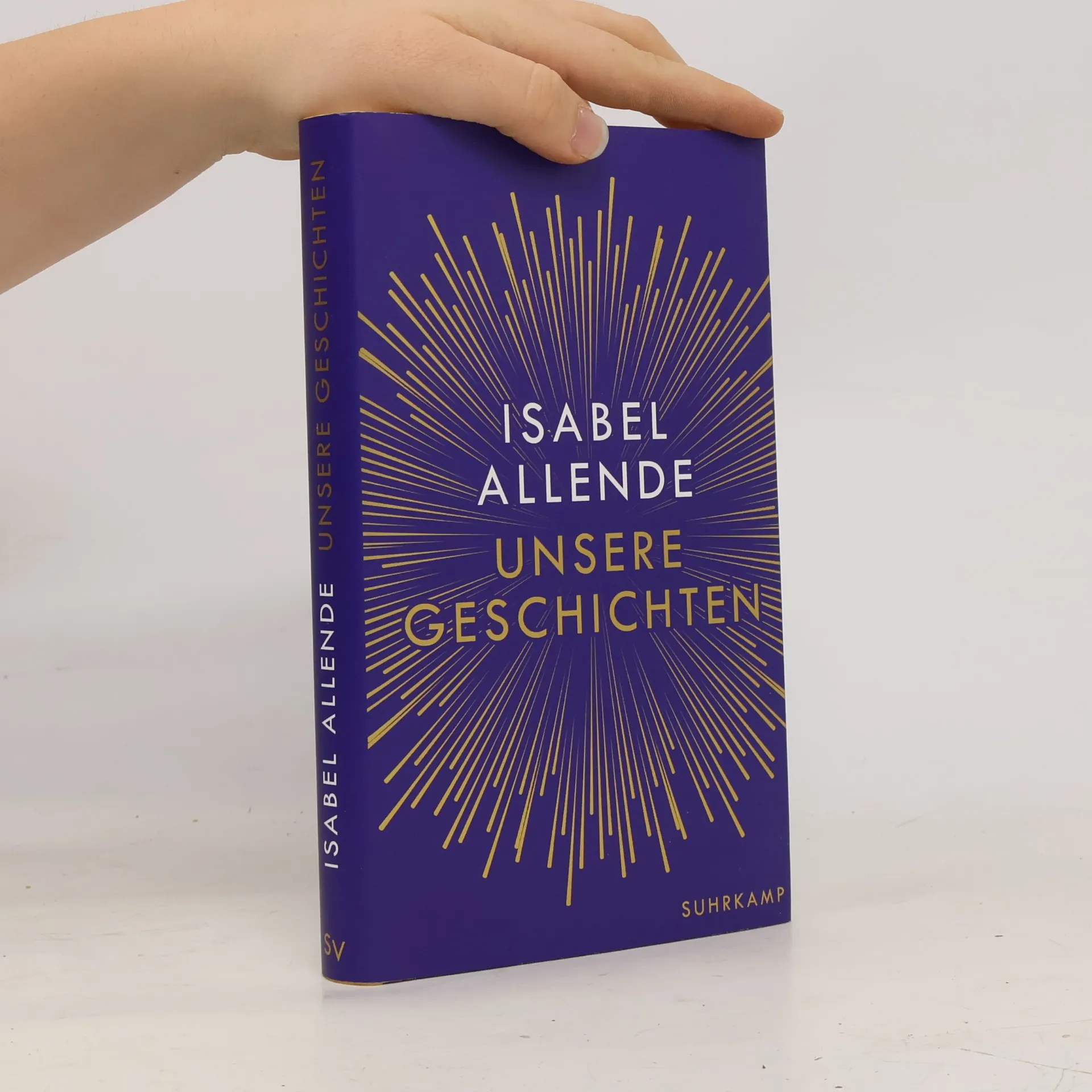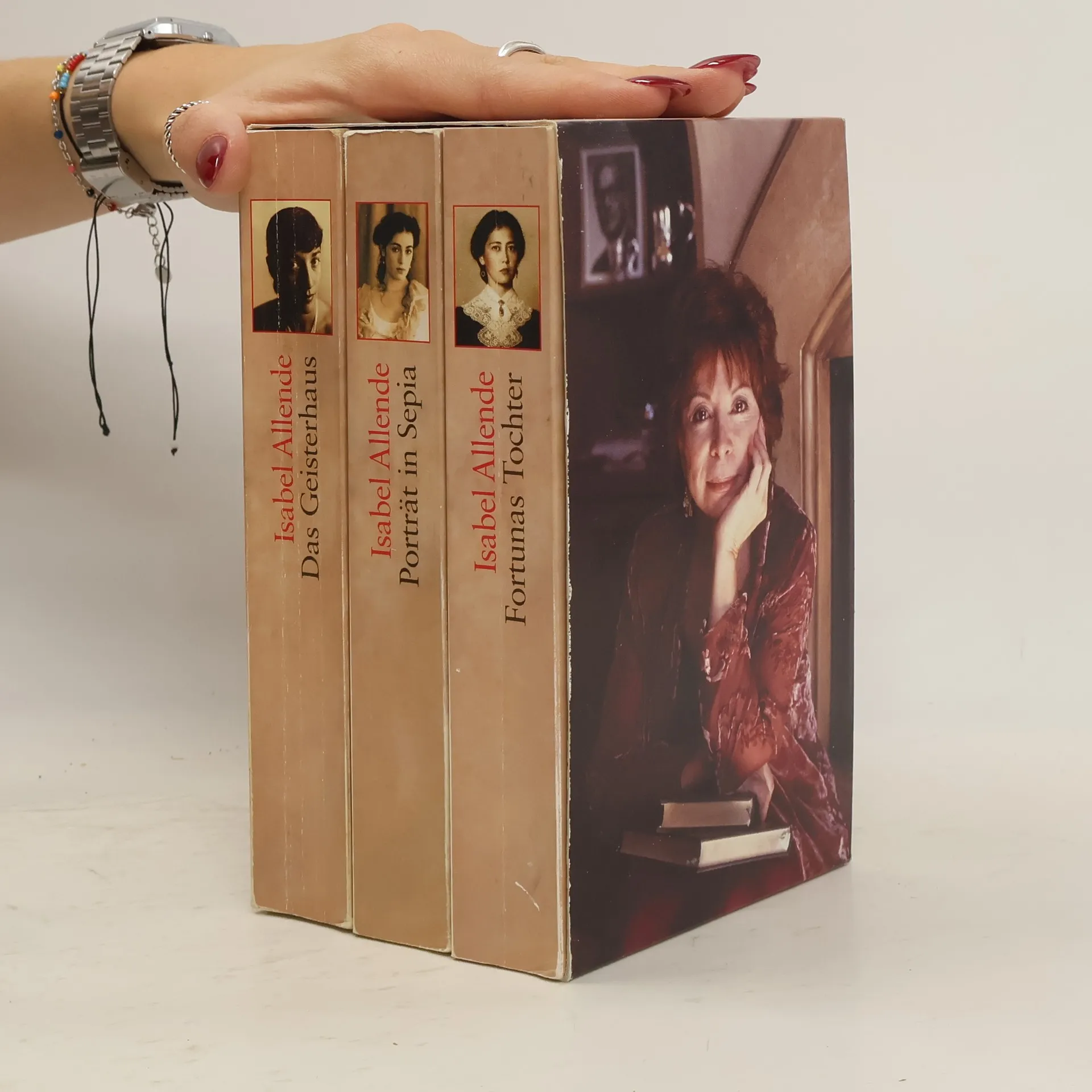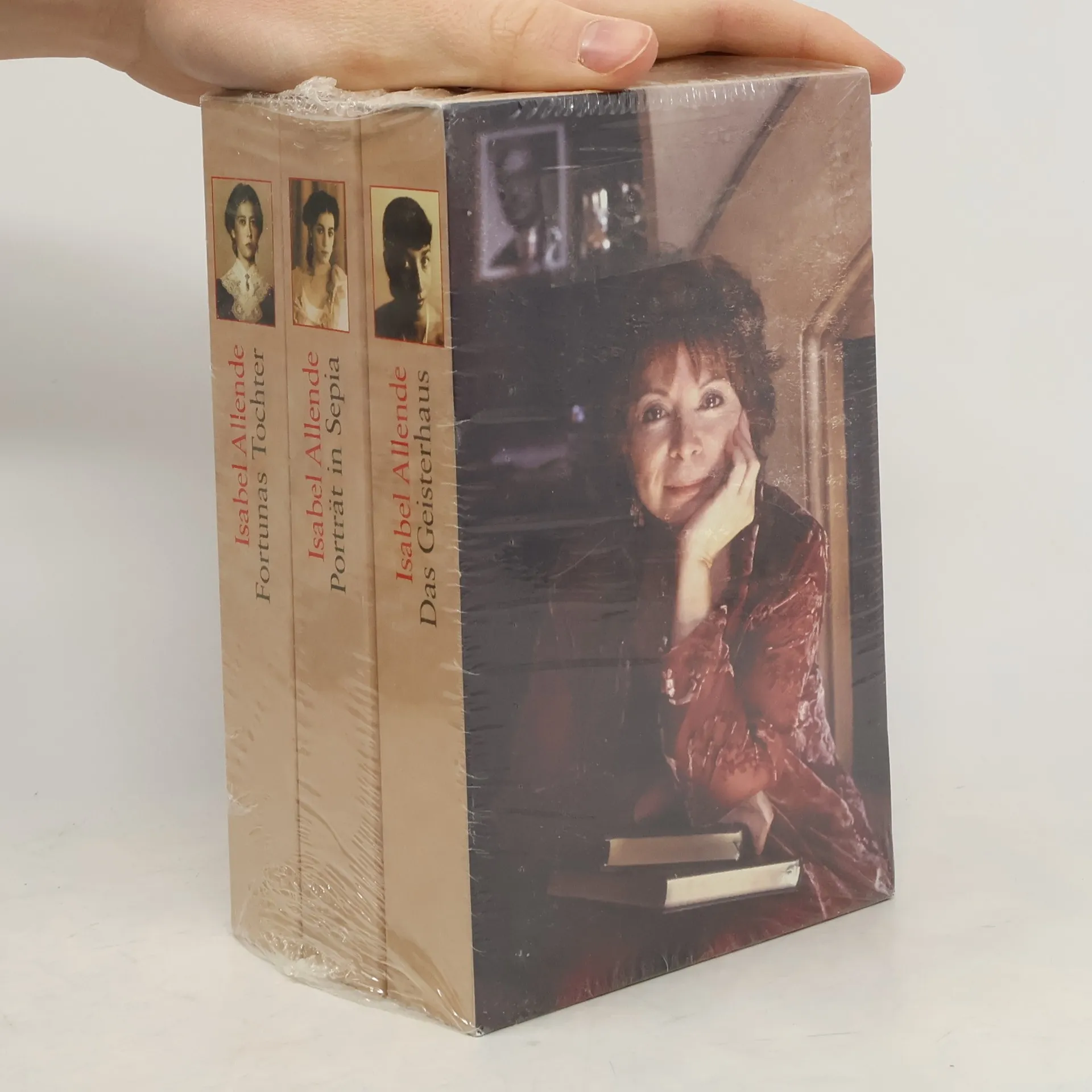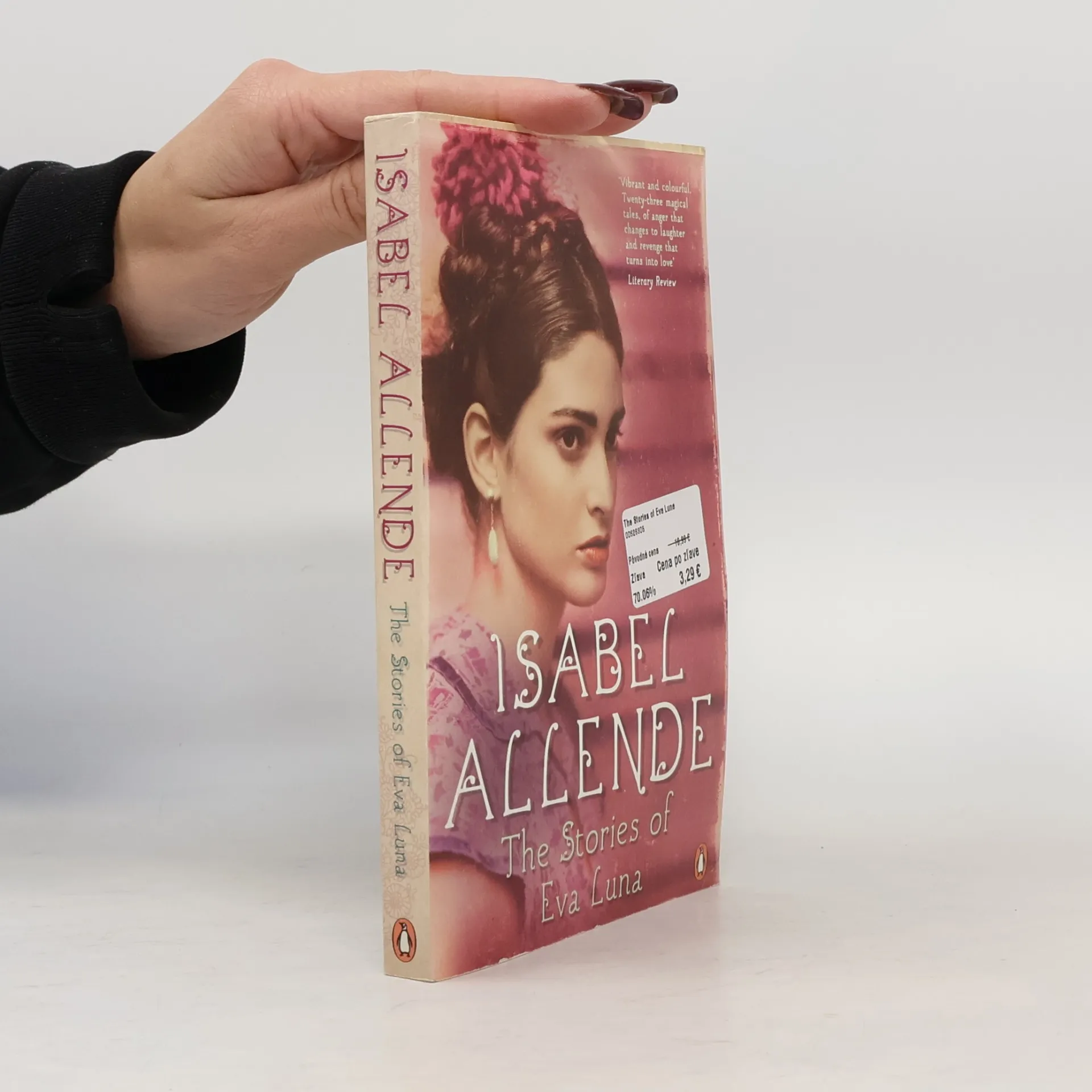
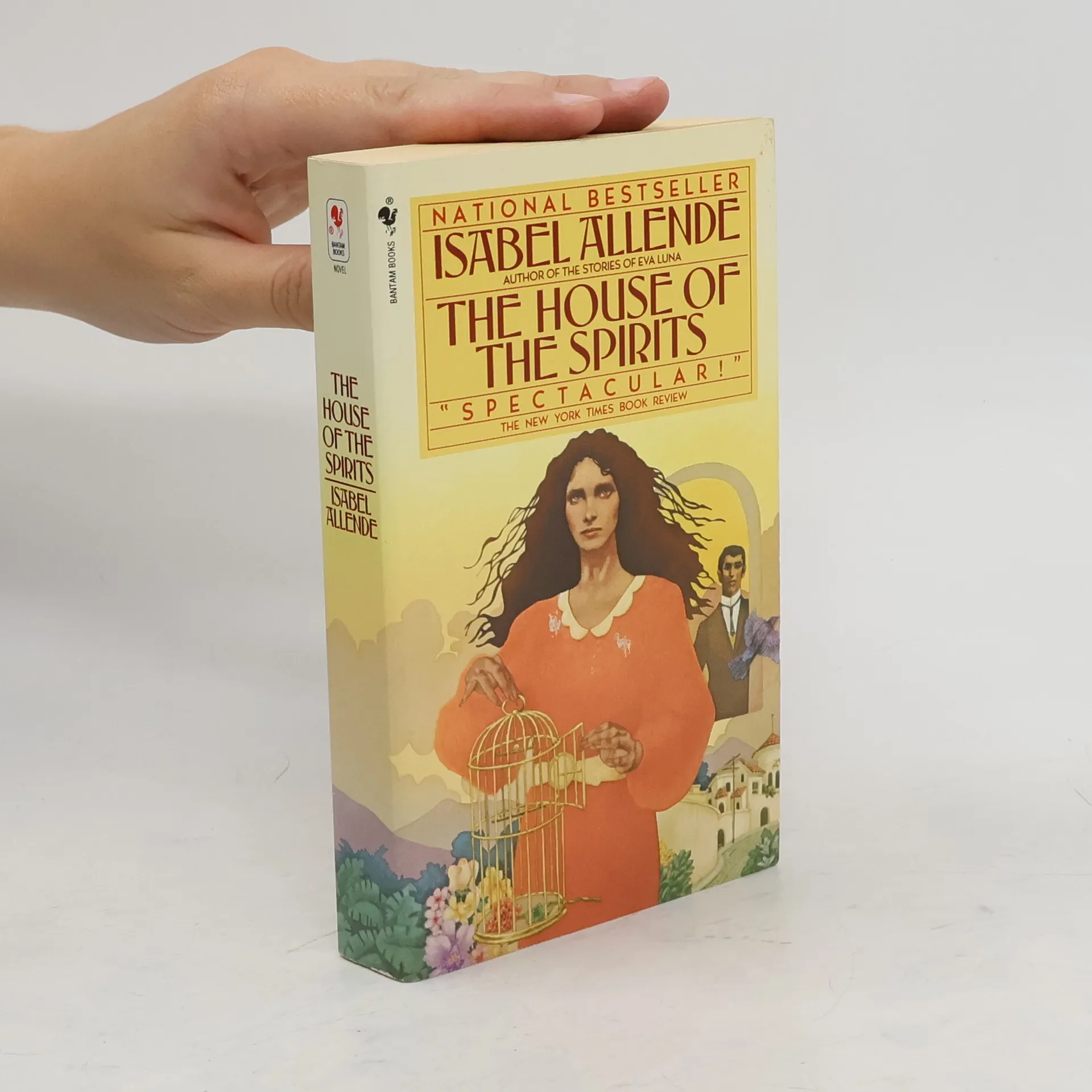
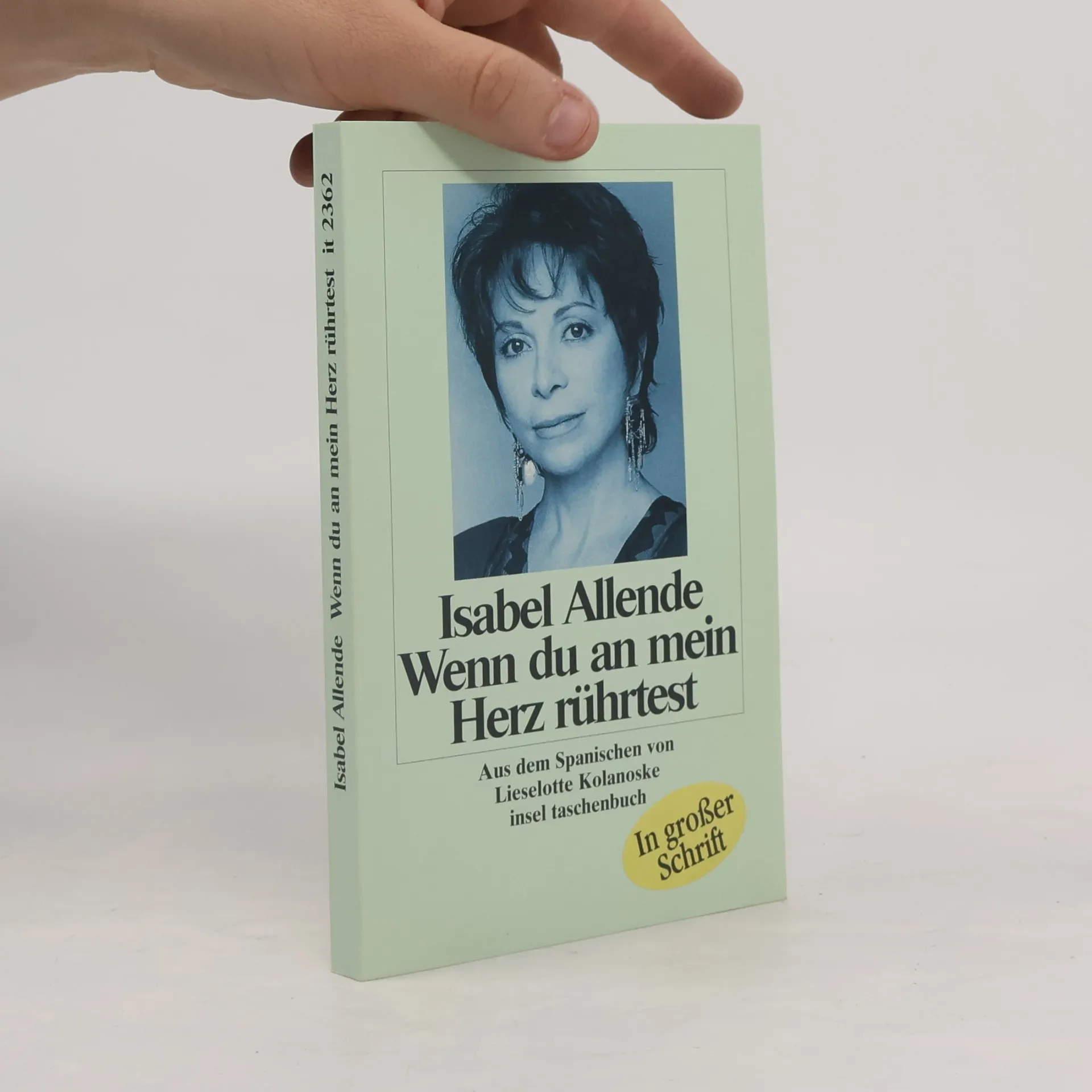
Isabel Allende, a writer in the tradition of "magic realism," is recognized as one of Latin America's first successful women novelists. Her works, often drawing from personal experience and focusing on the lives of women, skillfully blend myth and reality. Allende, who holds Chilean-American dual nationality, has cultivated a distinctive narrative voice that captivates readers globally.
A magnificent saga of proud and passionate men and women and the turbulent times through which they suffer and triumph. They are the Truebas. And theirs is a world you will not want to leave, and one you will not forget.
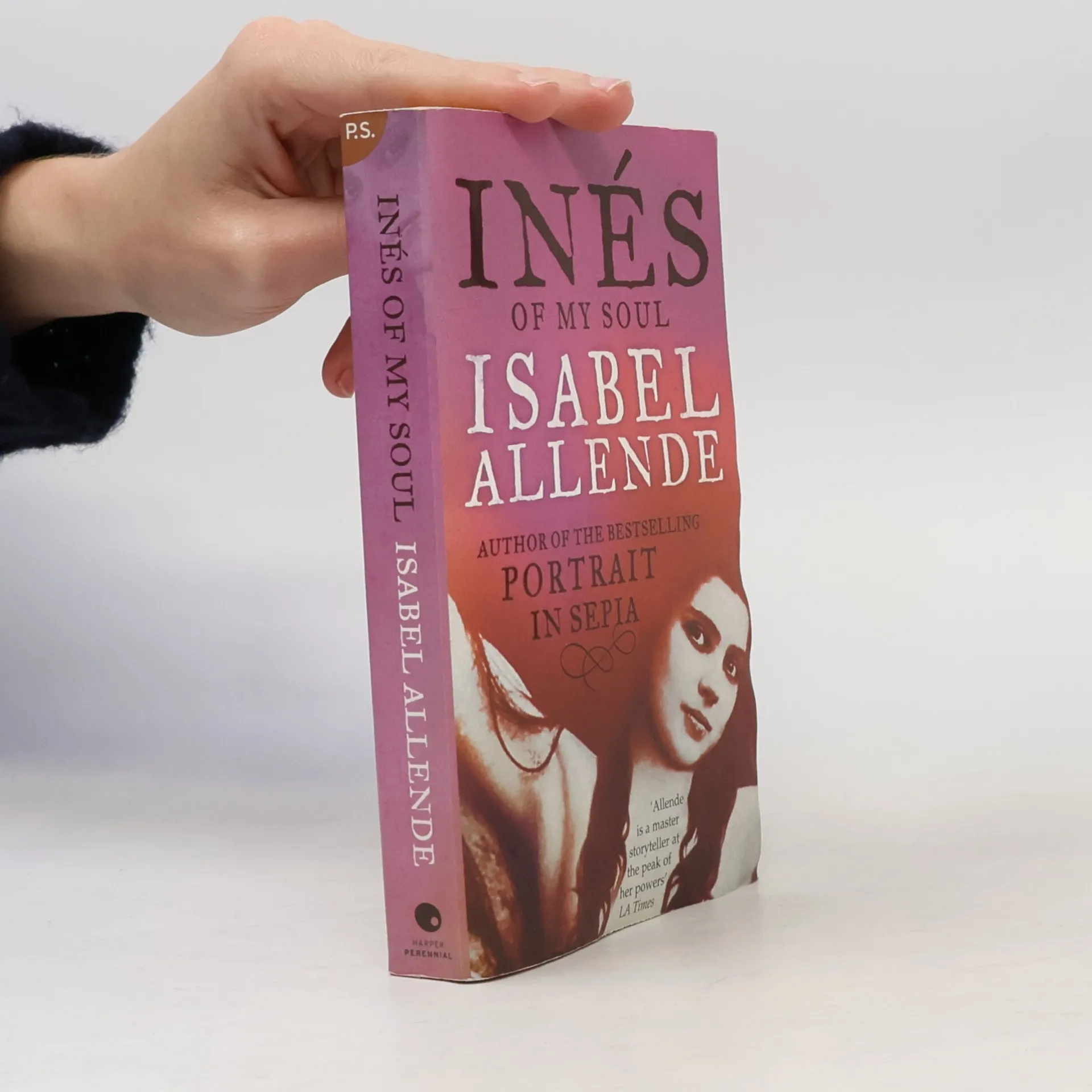
An epic tale of love and conquest, lyrically written and enchantingly told by a writer at the peak of her powers. A real historical figure, Ines Suarez came to Chile with the Conquistadors in 1540, helping to claim the territory for Spain and to found the first Spanish settlement in Santiago. In this remarkable novel, Isabel Allende -- one of the world's most spellbinding storytellers -- re-imagines Ines's life and that of the two men who become her lover and husband respectively. 'Ines of My Soul' evokes the conflict and drama of the Conquistadors' arrival in Chile, as well as helping restore the reputation of Ines, a powerful woman long neglected by history and a patriarchal society. It also finds Allende returning to territory beloved of her and her readers -- imaginative historical fiction, evocatively told -- and to the familiar landscape of her native country. The novel gives Ines the recognition and glory that are rightfully hers; but more than that it is an epic tale of love and conquest, lyrically written and enchantingly told by a writer at the peak of her powers.
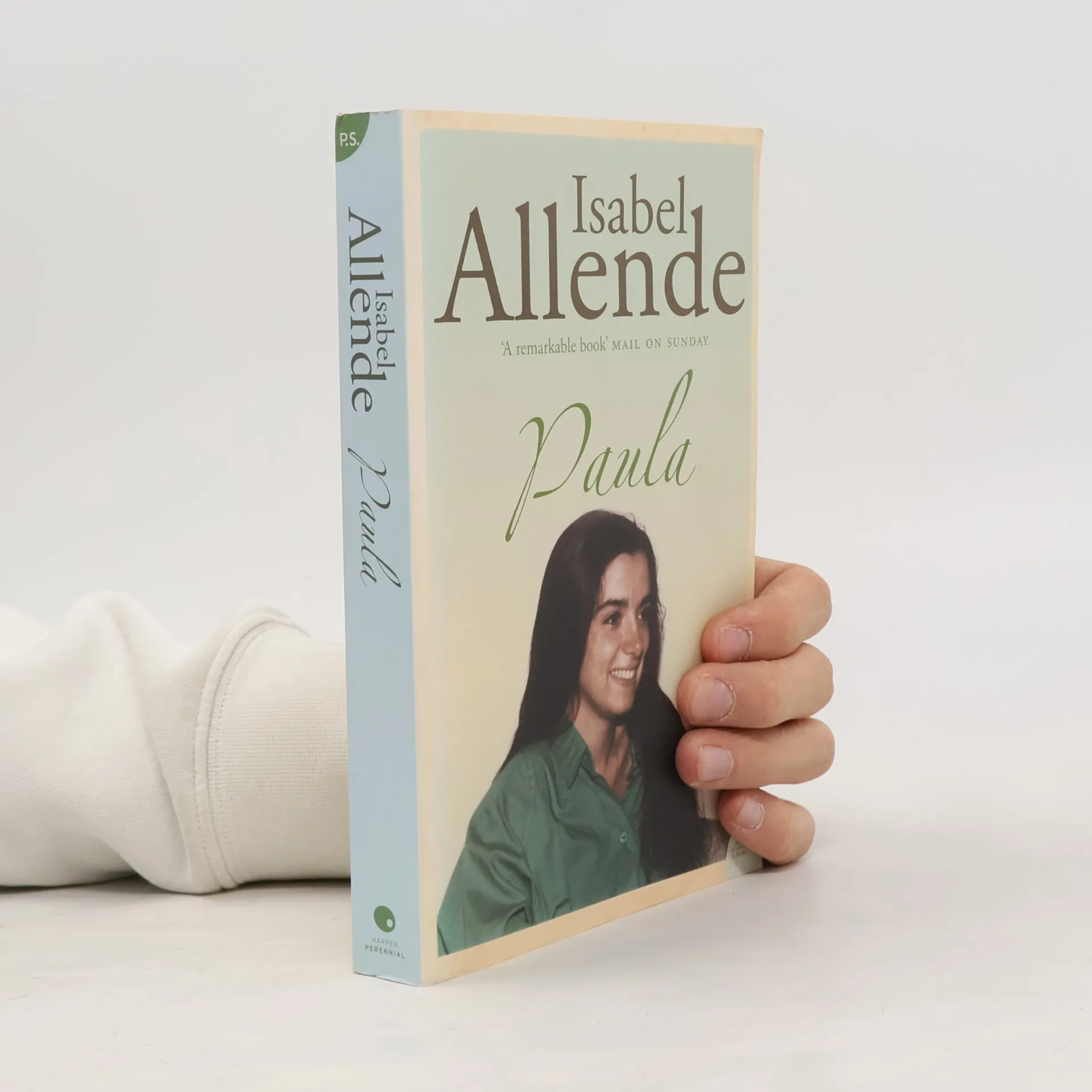
Paula is a soul-baring memoir, which, like a novel of suspense, one reads without drawing a breath. The point of departure for these moving pages is a tragic personal experience. In December 1991, Isabel Allende's daughter, Paula, became gravely ill and shortly thereafter fell into a coma. During months in the hospital, the author began to write the story of her family for her unconscious daughter. In the telling, bizarre ancestors appear before our eyes; we hear both delightful and bitter childhood memories, amazing anecdotes of youthful years, the most intimate secrets passed along in whispers. Chile, Allende's native land, comes alive as well, with the turbulent history of the military coup of 1973, the ensuing dictatorship, and her family's years of exile. As an exorcism of death, in these pages Isabel Allende explores the past and questions the gods.
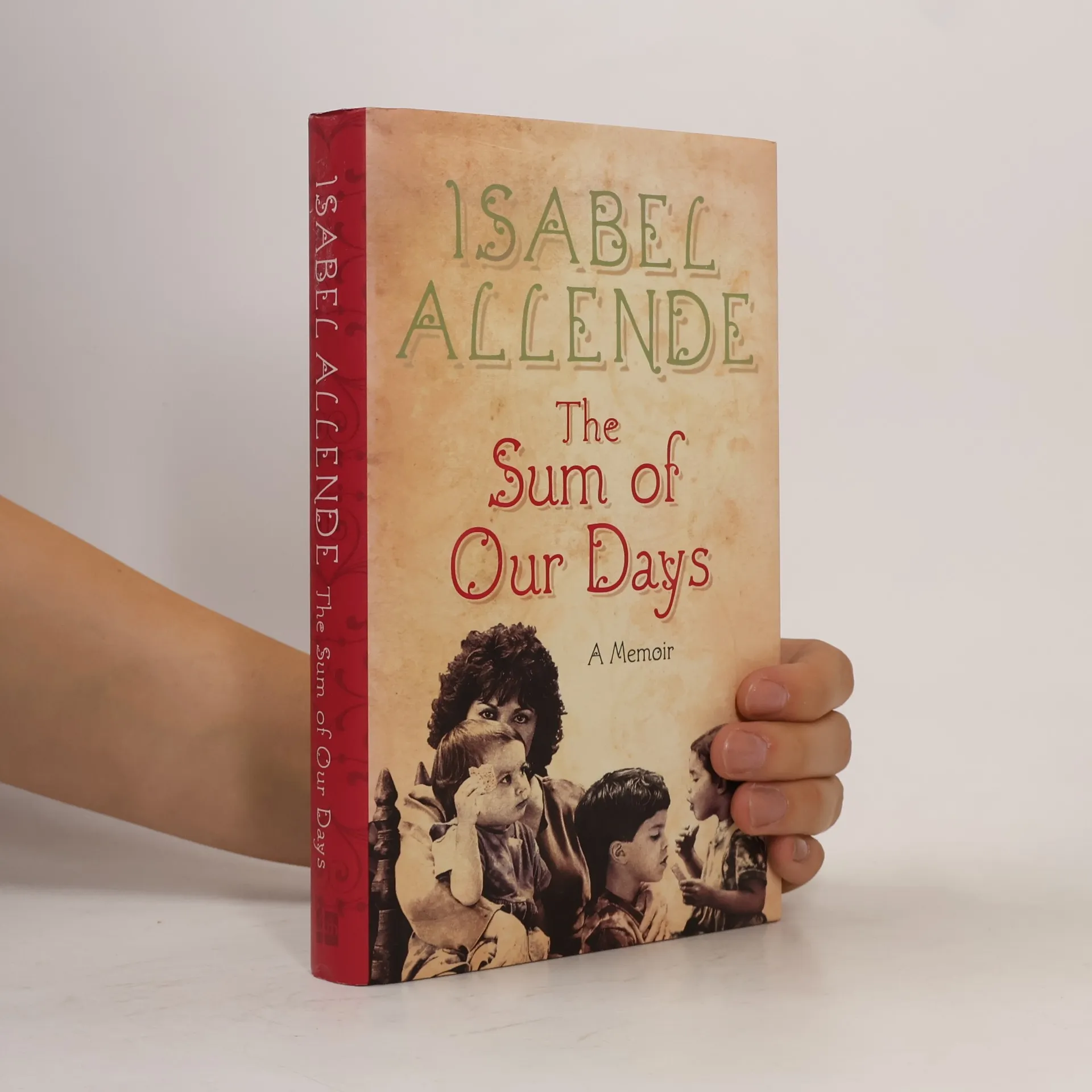
On a rainy December day in 1992, Isabel Allende and her family went to the forest near their home in northern California to scatter her daughter Paula's ashes to the wind. This text recounts the intimate and heartfelt story of what happened to them in the years that followed Paula's death.
The lives of a Jewish boy escaping Nazi-occupied Europe and a mother and daughter fleeing twenty-first-century El Salvador intersect in this ambitious, intricate novel about war and immigration. Vienna, 1938: Samuel Adler is five years old when his father disappears during Kristallnacht the night his family loses everything. As her child s safety becomes ever harder to guarantee, Samuel s mother secures a spot for him on a Kindertransport train out of Nazi-occupied Austria to England. He boards alone, carrying nothing but a change of clothes and his violin. Arizona, 2019: Anita Díaz and her mother board another train, fleeing looming danger in El Salvador and seeking refuge in the United States. But their arrival coincides with the new family separation policy, and seven-year-old Anita finds herself alone at a camp in Nogales. She escapes her tenuous reality through her trips to Azabahar, a magical world of the imagination. Meanwhile, Selena Durán, a young social worker, enlists the help of a successful lawyer in hopes of tracking down Anita s mother.
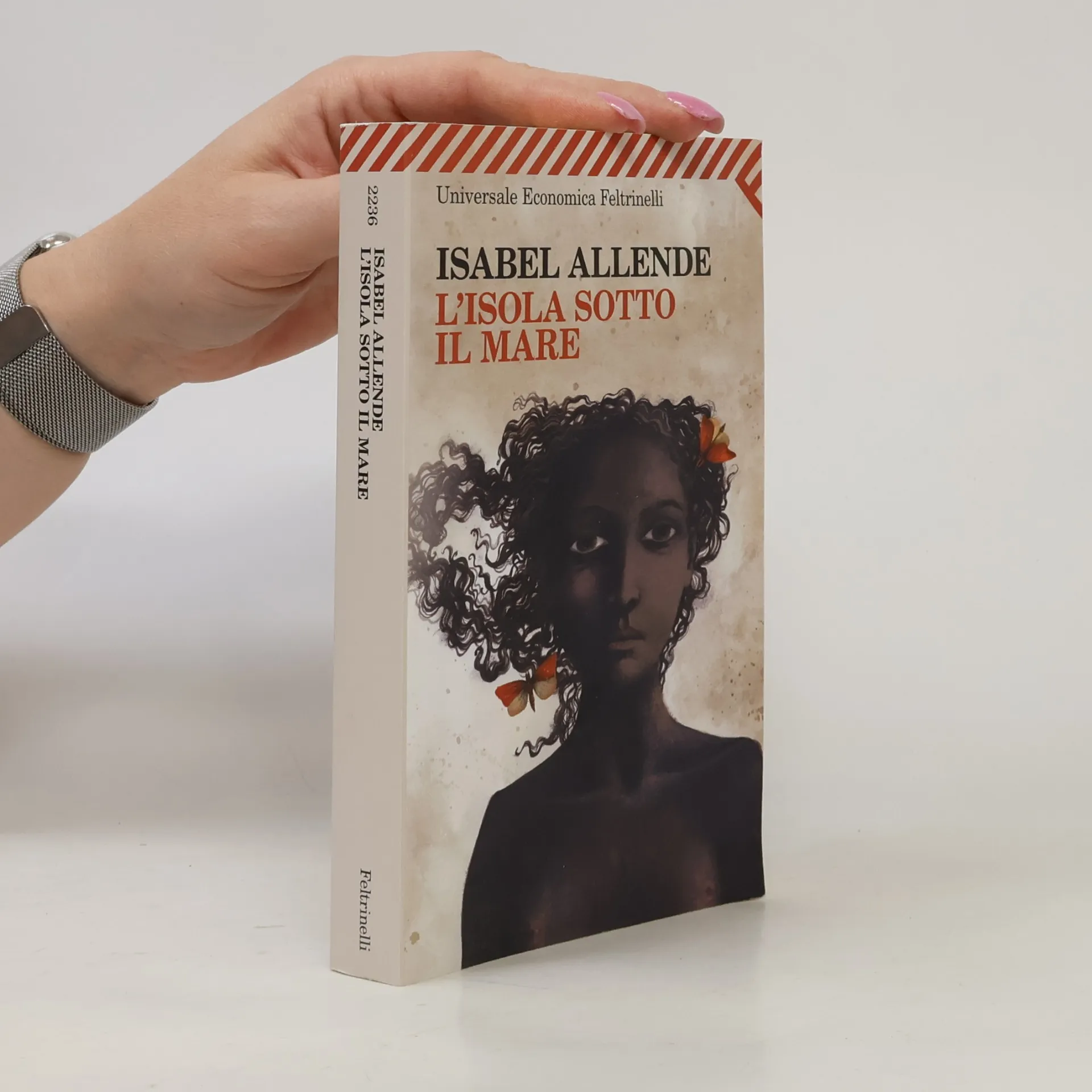
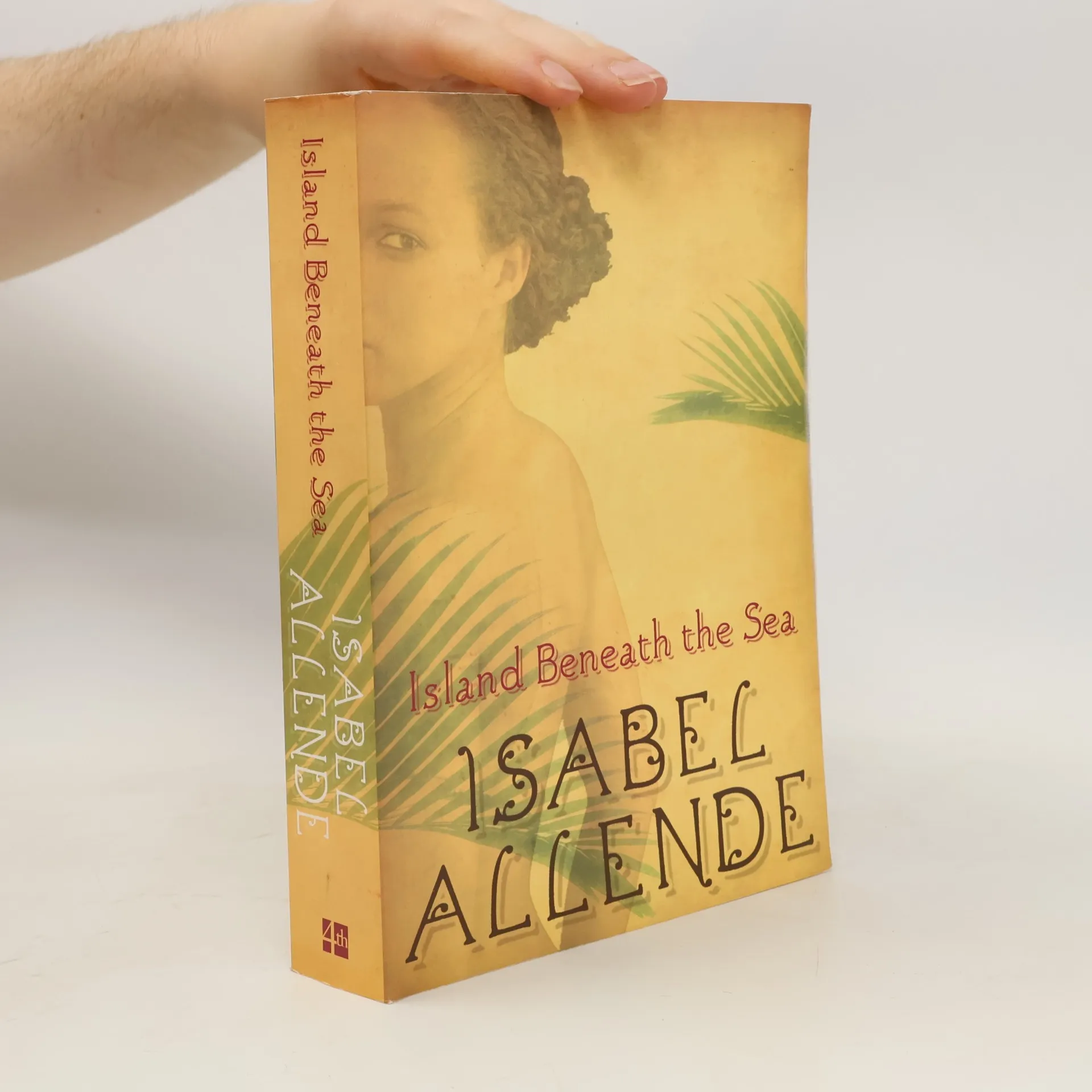
Spanning four decades, "Island Beneath the Sea" is the moving story of the intertwined lives of Zarit and Valmorain, and of one woman's determination to find love amid loss, to offer humanity though her own has been battered, and to forge her own identity in the cruelest of circumstances.
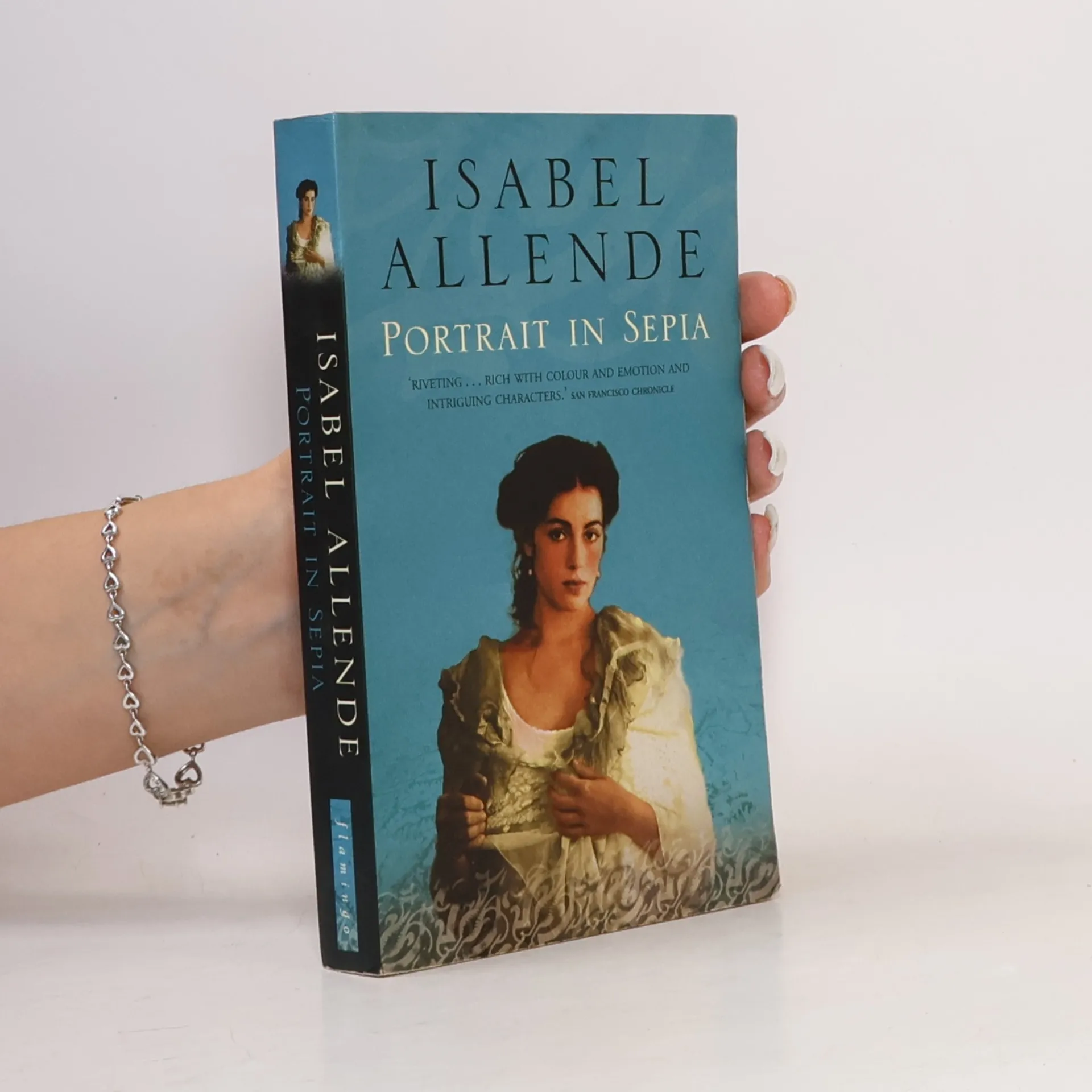
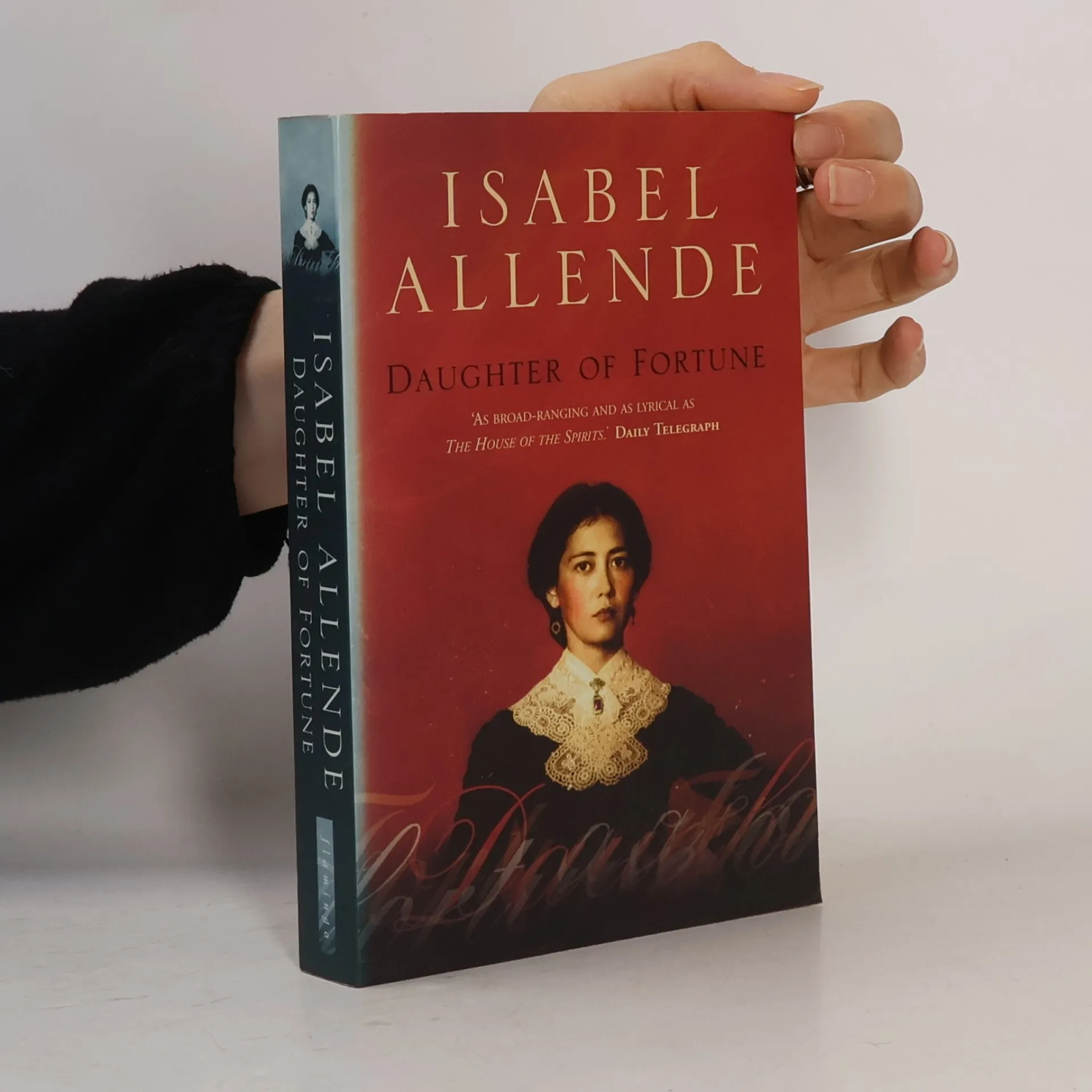
Allende tackles her homeland head-on in this staggering, epic romance Portrait in Sepia is both a magnificent historical novel set at the end of the nineteenth century in Chile and a marvellous family saga peopled by characters from Daughter of Fortune and The House of the Spirits, two of Allende's most celebrated novels. As a young girl, Aurora del Valle suffered a brutal trauma that has shaped her character and erased from her mind all recollection of the first five years of her life. Raised by her ambitious grandmother, the regal and commanding Paulina del Valle, she grows up in a privileged environment, free of the limitations that circumscribe the lives of women at that time, but tormented by terrible nightmares. When she finds herself alone at the end of an unhappy love affair, she decides to explore the mystery of her past, to discover what it was, exactly, all those years ago, that had such a devastating effect on her young life. Richly detailed, epic in scope, this engrossing story of the dark power of hidden secrets is intimate in its probing of human character, and thrilling in the way it illuminates the complexity of family ties.
An exotic dance that beguiles and entices... The enchanted and enchanting account of a contemporary Scheherazade, a wide-eyed American teller-of-tales who triumphs over harsh reality through the creative power of her own imagination...
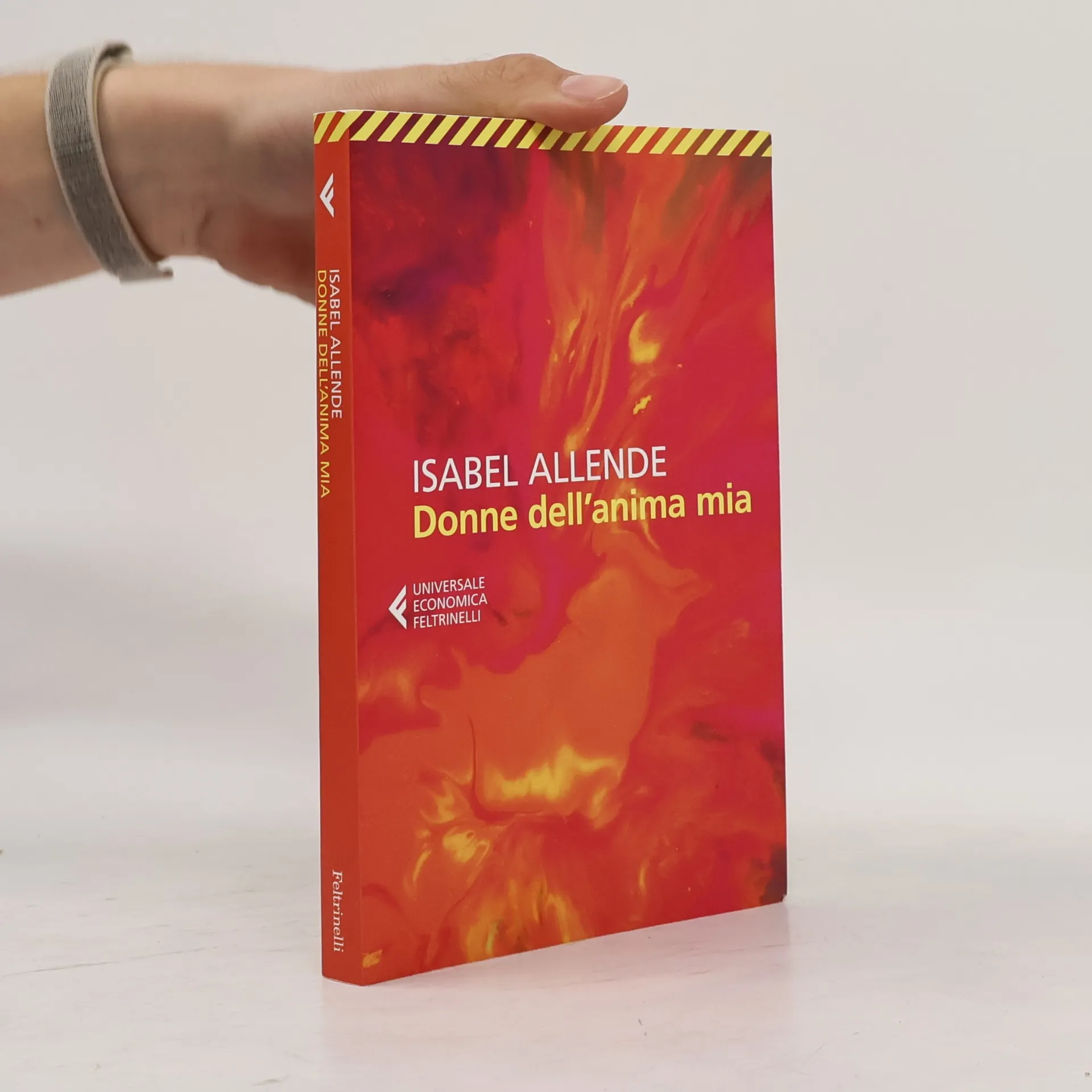
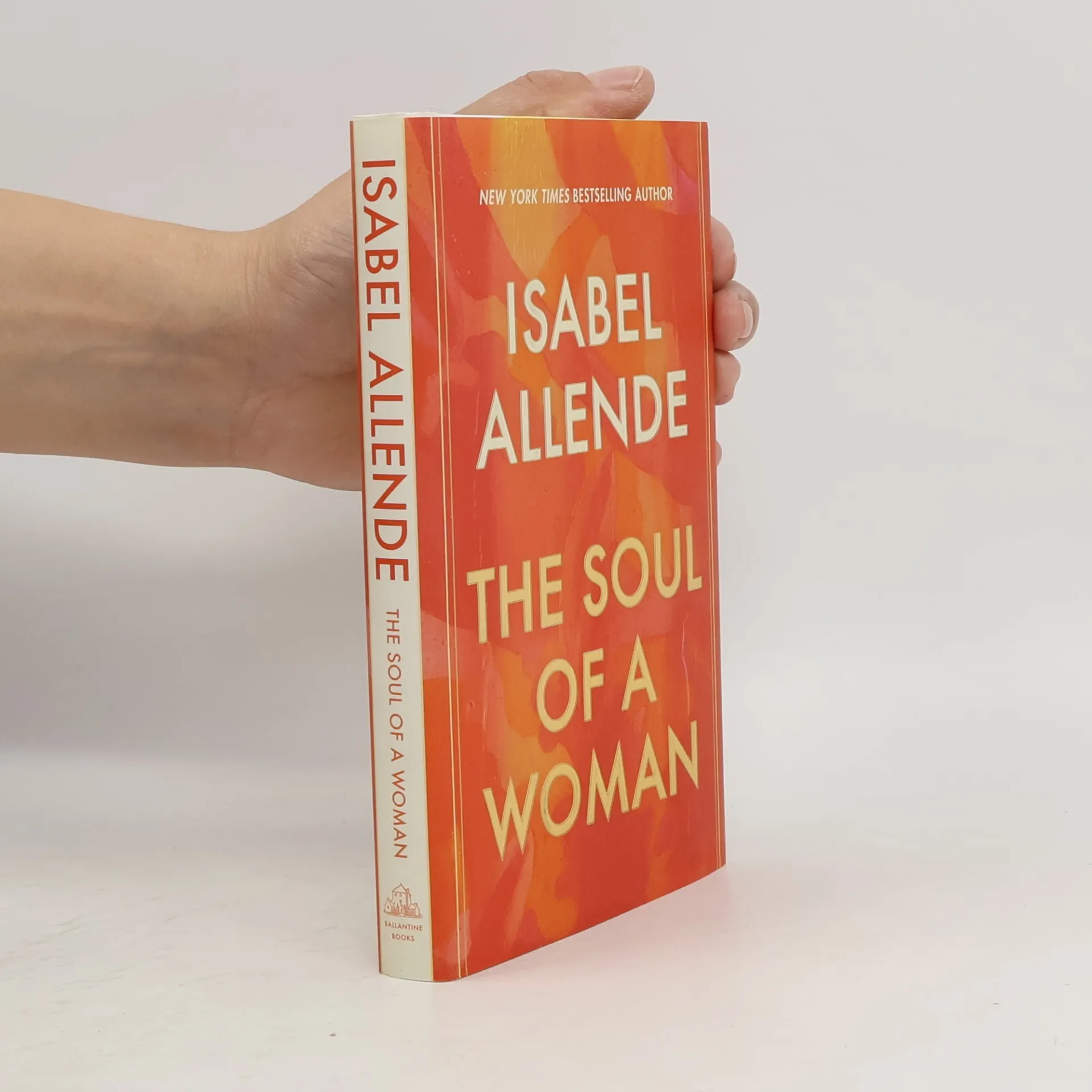
The wise, warm, defiant new book from literary legend Isabel Allende - a meditation on power, feminism and what it means to be a woman. "When I say that I was a feminist in kindergarten, I am not exaggerating." As a child, Isabel Allende watched her mother, abandoned by her husband, provide for her three small children. As a young woman coming of age in the late 1960s, she rode the first wave of feminism. She has seen what has been accomplished by the movement in the course of her lifetime. And over the course of three marriages, she has learned how to grow as a woman while having a partner, when to step away, and the rewards of embracing one's sexuality. So what do women want? To be safe, to be valued, to live in peace, to have their own resources, to be connected, to have control over their bodies and lives, and above all, to be loved. On all these fronts, there is much work to be done, and this book, Allende hopes, will 'light the torch of our daughters and granddaughters with mine. They will have to live for us, as we lived for our mothers, and carry on with the work still left to be finished.'