


Movies are a powerful and enjoyable medium for learning. This book shows exactly how to use film to learn about the concepts and the real-life benefits of positive psychology, both for self-improvement and in classes or seminars.
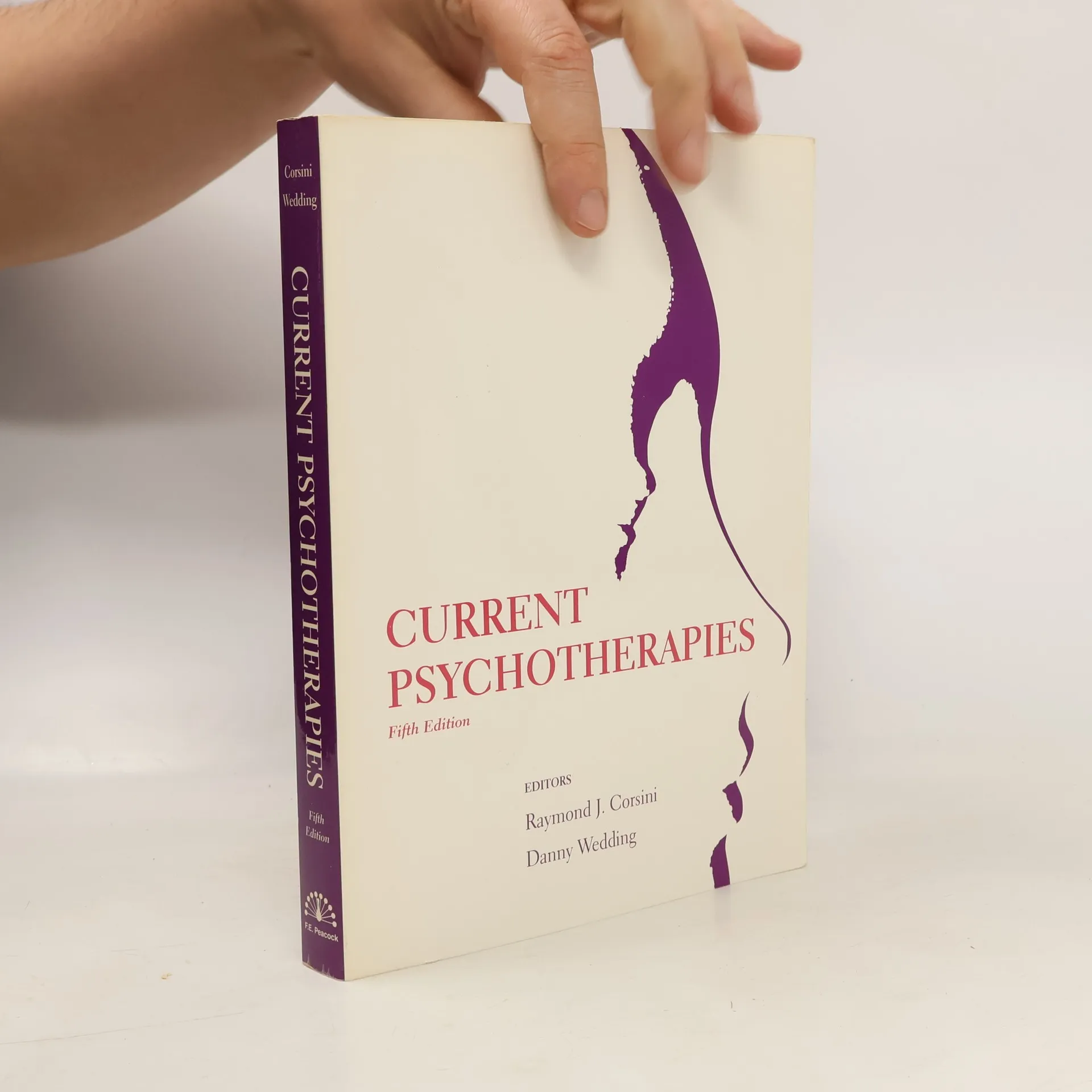
Used in top counseling, psychology, and social work programs, CURRENT PSYCHOTHERAPIES is the ideal resource to not only help you excel in the course, but also to learn, compare, and apply the major systems of psychotherapy in a way that will be meaningful in your own practice. Each contributor is either an originator or a leading proponent of one of the systems, and each presents the basic principles of the system in a clear and straightforward manner, discussing it in the context of the other systems. Theory chapters include a case example that guides you through the problem, evaluation, treatment, and follow-up process. Accompanying CURRENT PSYCHOTHERAPIES is CASE STUDIES IN PSYCHOTHERAPY, each case demonstrates the basic techniques and methods of the theory being illustrated. This edition retains classic case studies by Harold Mosak, Carl Rogers, Albert Ellis, Arnold Lazarus, and Peggy Papp.
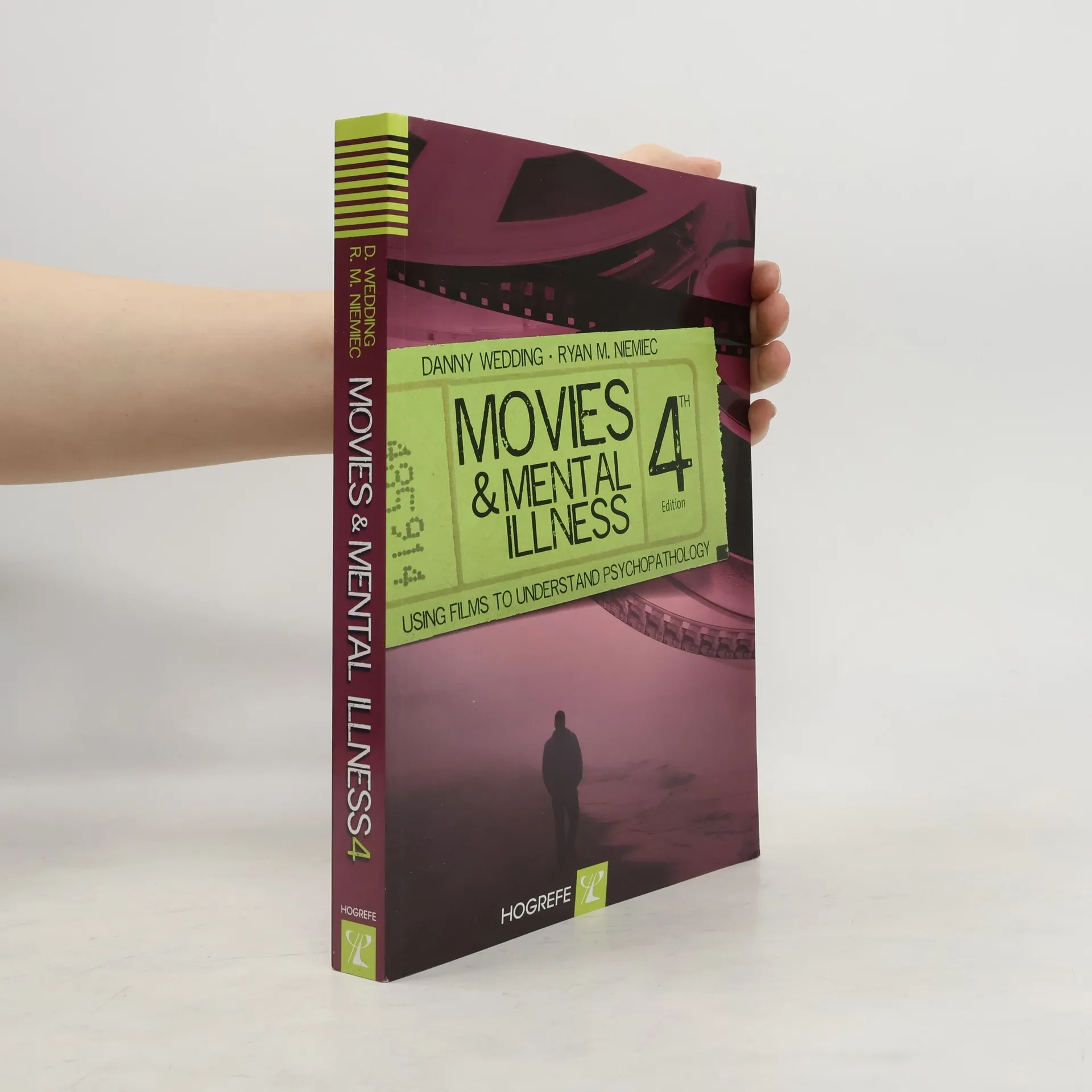
This critically acclaimed text on psychopathology in movies has been updated to include the latest films and insights. It explores movies through the diagnostic criteria of DSM-5 and ICD-11, providing psychological ratings for nearly 1,500 films and offering downloadable teaching materials. Films serve as a powerful tool for understanding mental illness, benefiting practitioners and students across various fields, including psychology, psychiatry, social work, and media studies. Engaging with relevant films can enhance therapeutic skills and diagnostic acumen.
The revised edition addresses contemporary issues like children's screentime and the portrayal of celebrities with mental illness, incorporating numerous new films. Core clinical chapters provoke thought on differential diagnosis for primary characters, supported by a comprehensive index of films, a sample course syllabus, and intriguing appendices, such as "Top 50 Heroes and Villains" and common misconceptions about mental illness.
Additionally, the new edition includes downloadable resources for educators, featuring critical discussion questions and fabricated case histories based on movie characters, complete with Mini-Mental State Examinations. The author also plans a series of online "Spotlights" to analyze the psychological content of new releases, further enriching the learning experience.