
Explore the latest books of this year!
Bookbot

Christopher I. Beckwith

    The Tibetan Empire in Central Asia
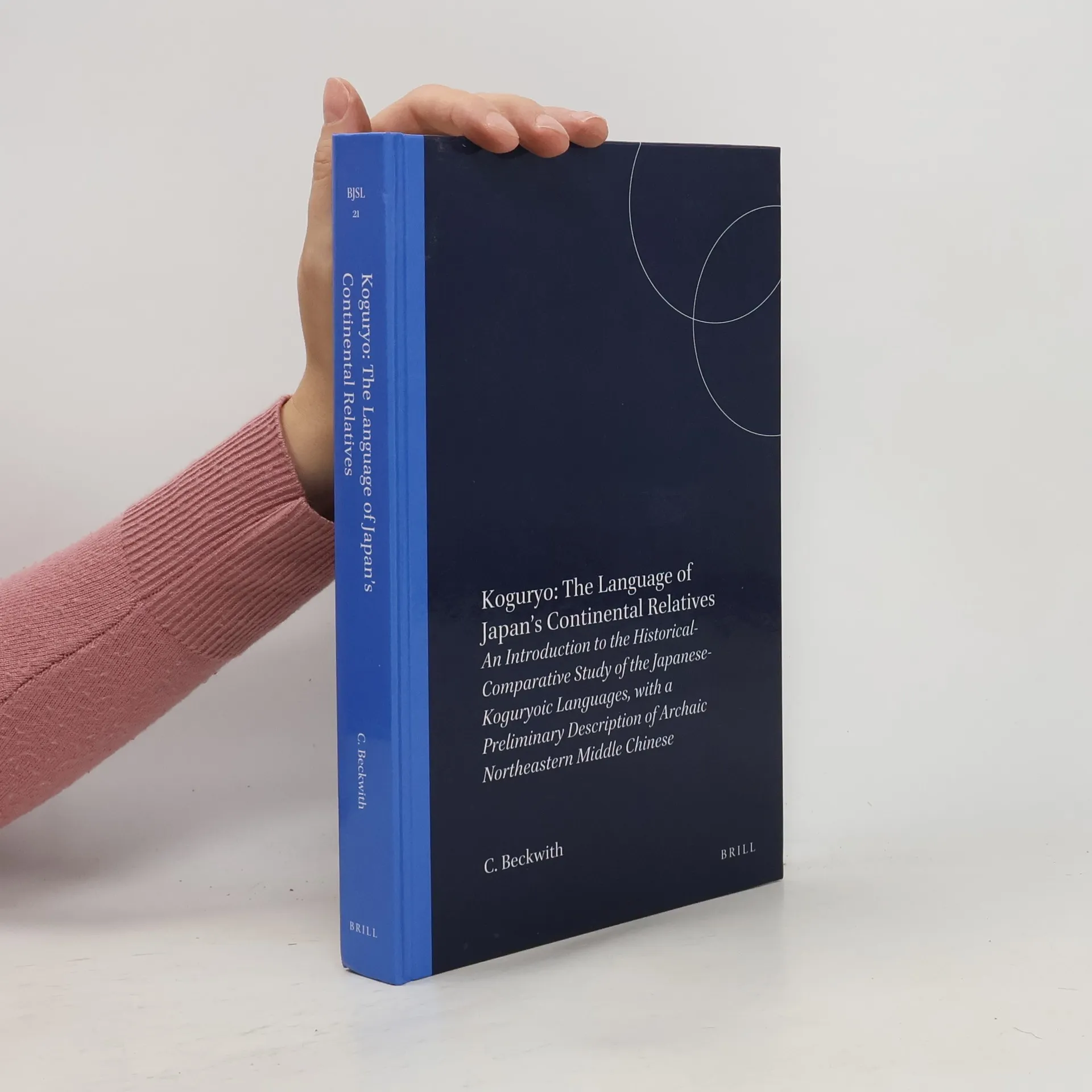
    Brill's Japanese Studies Library - 21: Koguryo
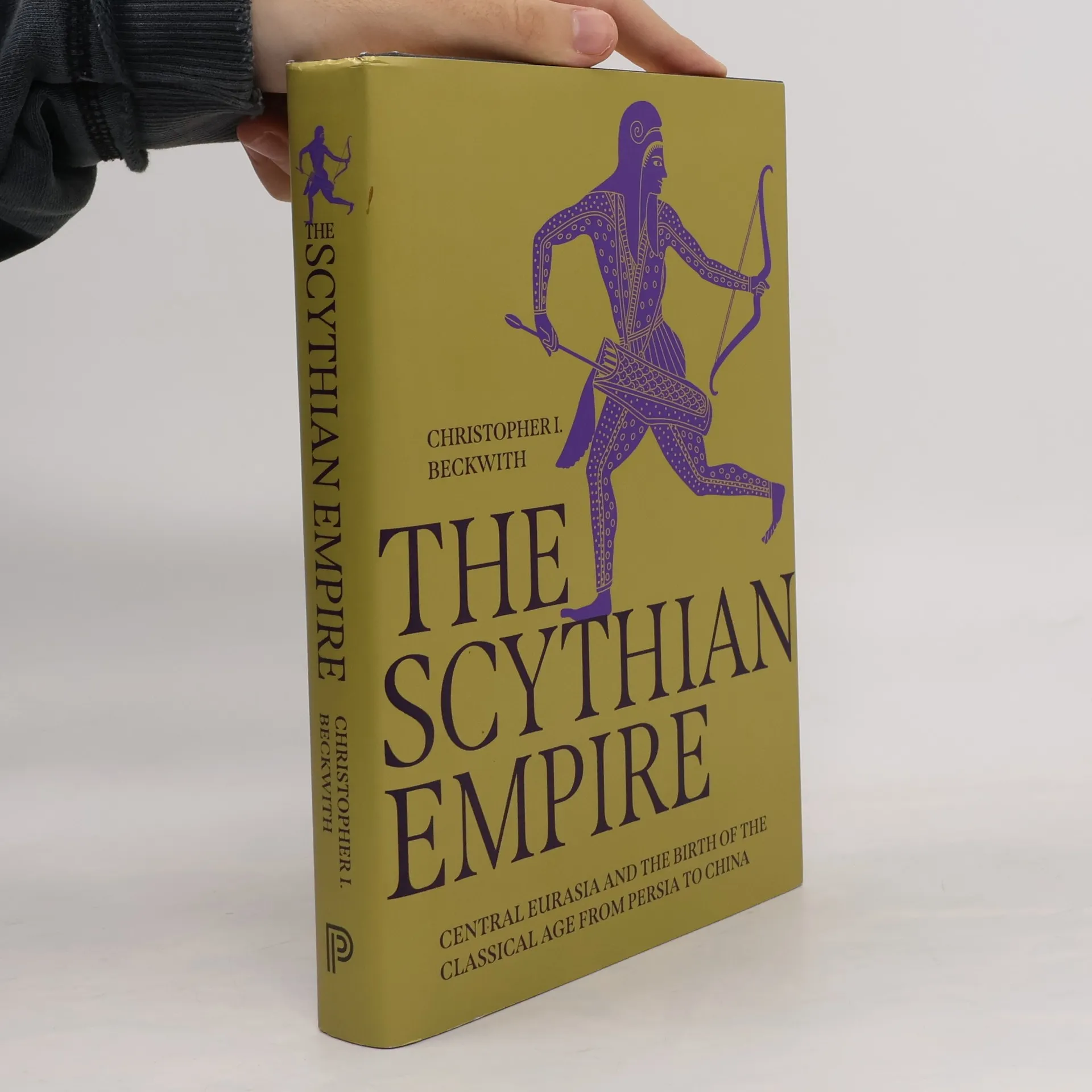
    The Scythian Empire
    • The Scythian Empire

      • 416 pages
      • 15 hours of reading
      3.3(193)Add rating

      Prologue: Central Eurasian innovators -- The Scythians in the Central Eurasian steppes -- The Scythians in media and Central Asia -- The Scytho-Mede Persian empire -- One eternal royal line -- Imperial Scythian in the Persian empire -- Classical Scythian in the central Eurasian steppes Eurasia -- The Scythian empire in chao and the first Chinese empire -- The Scythian capitals of Media, Chao, and Ch'in -- Epilogue: Scythian philosophy and the classical age.

      The Scythian Empire
    • Brill's Japanese Studies Library - 21: Koguryo

      The Language of Japan's Continental Relatives

      • 274 pages
      • 10 hours of reading

      This is the first in-depth study of the extinct Koguryo language, which was once spoken in Manchuria and northern Korea. It covers the ethnolinguistic history of the Koguryo nation, philological treatment of the sources for the language, Koguryo phonology, and a complete glossary of all Archaic Koguryo and Old Koguryo words. Special attention has been given to the theory and practice of lexically-based historical-comparative linguistics. The genetic relationship of Koguryo to Japanese is shown to be secure, unlike the non-relationship of either language to Korean or Altaic, and much light is shed on the ethnolinguistic origins of Japanese. The special phonological features of the underlying transcriptional language, the archaic northeastern Middle Chinese dialect once spoken in Korea, are also analyzed."

      Brill's Japanese Studies Library - 21: Koguryo
    • The Tibetan Empire in Central Asia

      A History of the Struggle for Great Power Among Tibetans, Turks, Arabs, and Chinese During the Early Middle Ages

      • 292 pages
      • 11 hours of reading

      This narrative history of the Tibetan Empire in Central Asia from about A.D. 600 to 866 depicts the struggles of the great Tibetan, Turkic, Arab, and Chinese powers for dominance over the Silk Road lands that connected Europe and East Asia. It shows the importance of overland contacts between East and West in the Early Middle Ages and elucidates Tibet's role in the conflict over Central Asia.

      The Tibetan Empire in Central Asia