

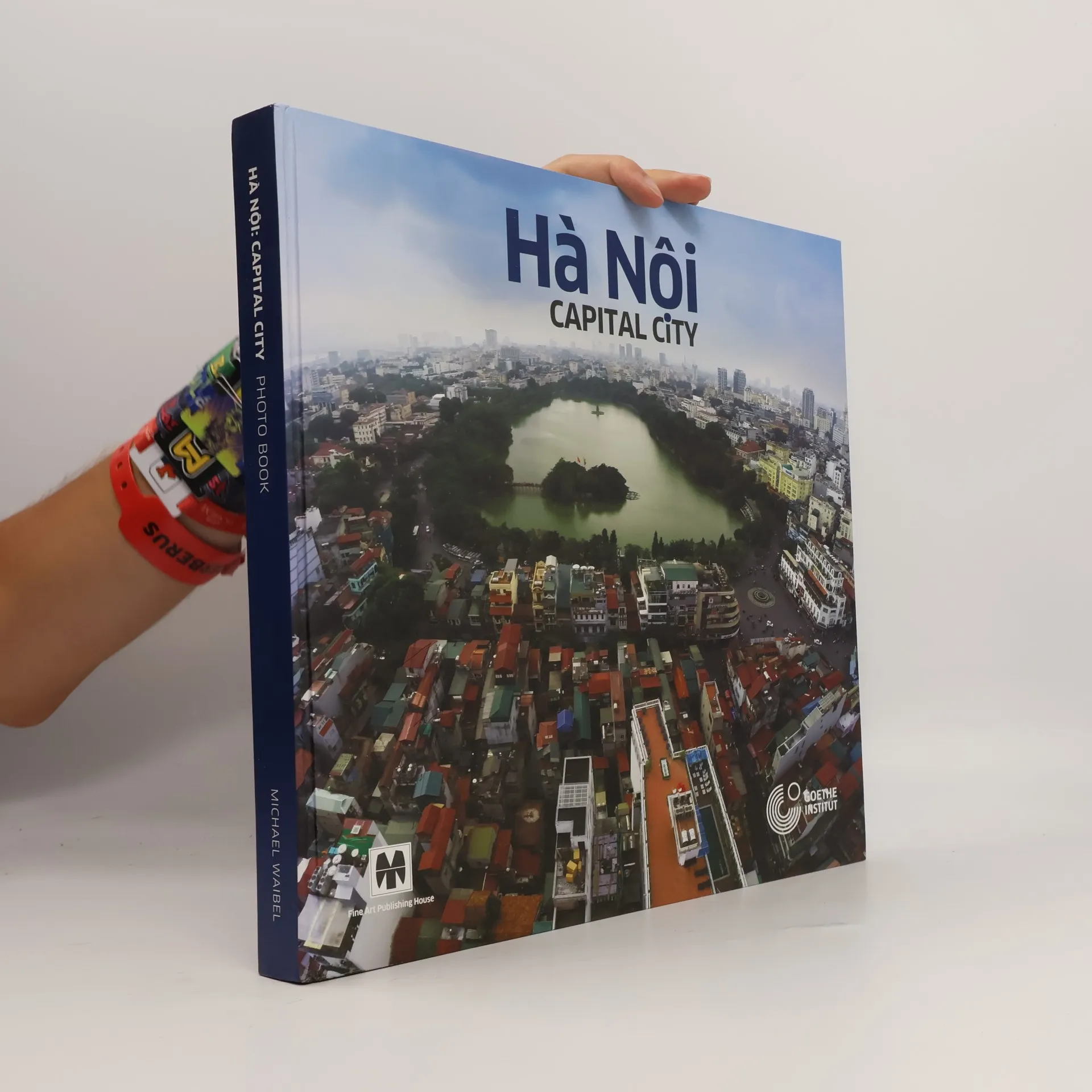
This publication, awarded the “Bui Xuan Phai 2015 – Love for Hanoi” Award, visualizes the recent urban transformation of Hanoi, Vietnam’s capital. Founded as “Thang Long” in 1010, Hanoi is one of Southeast Asia's most beautiful urban sites, blending various historical influences. It features relics of imperial grandeur, French colonial boulevards, tranquil pagodas, and modern capitalist structures that reflect the city’s evolution through the Doi Moi reforms. Political elites aim to reshape Hanoi into a “modern and civilized” metropolis through ambitious plans. The book consists of six chapters that explore the city from different perspectives and topics. The first chapter offers aerial views of the cityscape from high-rise buildings and drones. Another chapter introduces urban citizens, delving into their private lives and sharing personal stories. The chapter titled ‘Change over Time’ highlights the significant physical changes Hanoi has undergone in the last 20 years, showcasing demolition, densification, and new constructions. With over 600 images, the publication invites readers to discover the vibrant capital's many facets. Additionally, it includes essays from Hanoi residents, reflecting diverse and multigenerational perspectives on the city's transformation.
Michael Waibel Book order (chronological)

Fragile Inselwelten
- 254 pages
- 9 hours of reading
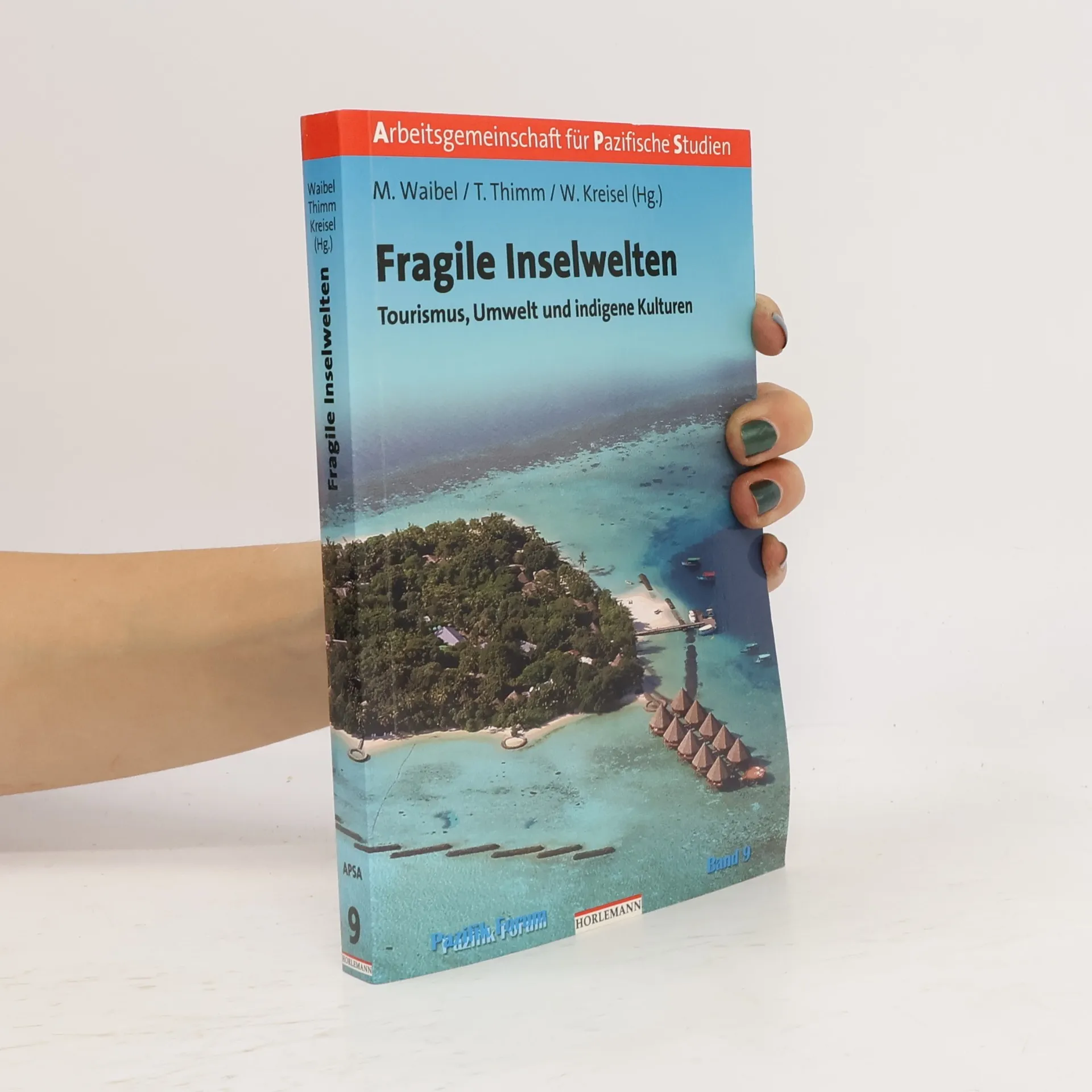
Dieser Band stellt die Herausforderungen und Probleme des Inseltourismus vor dem Hintergrund der Nachhaltigkeit und der Partizipation indigener Kulturen dar. Überaus wichtig ist dabei eine interdisziplinäre Betrachtungsweise, was sich in unterschiedlichen akademischen Fachrichtungen der Autoren niederschlägt. Im vorliegenden Band finden sich neben Untersuchungen über Inseln der pazifischen Inselwelt wie Fiji, Französisch-Polynesien oder Rapa Nui solche über Inseln im Indischen Ozean wie die Malediven, Seychellen oder Nikobaren und Andamanen sowie über Inseln des südchinesischen Meers, der Karibik und des Mittelmeers. Die Tsunami-Flutkatastrophe vom 26.12.2004 mit insgesamt über 300.000 Toten hat deutlich gemacht, wie fragil insbesondere Inseln sind. Aufgrund der großen Zahl internationaler Touristen in den Ferienparadiesen Süd- und Südostasiens hat noch keine andere Naturkatastrophe bislang so viele Opfer aus so vielen verschiedenen Kontinenten und Ländern gefordert.