


More about the book
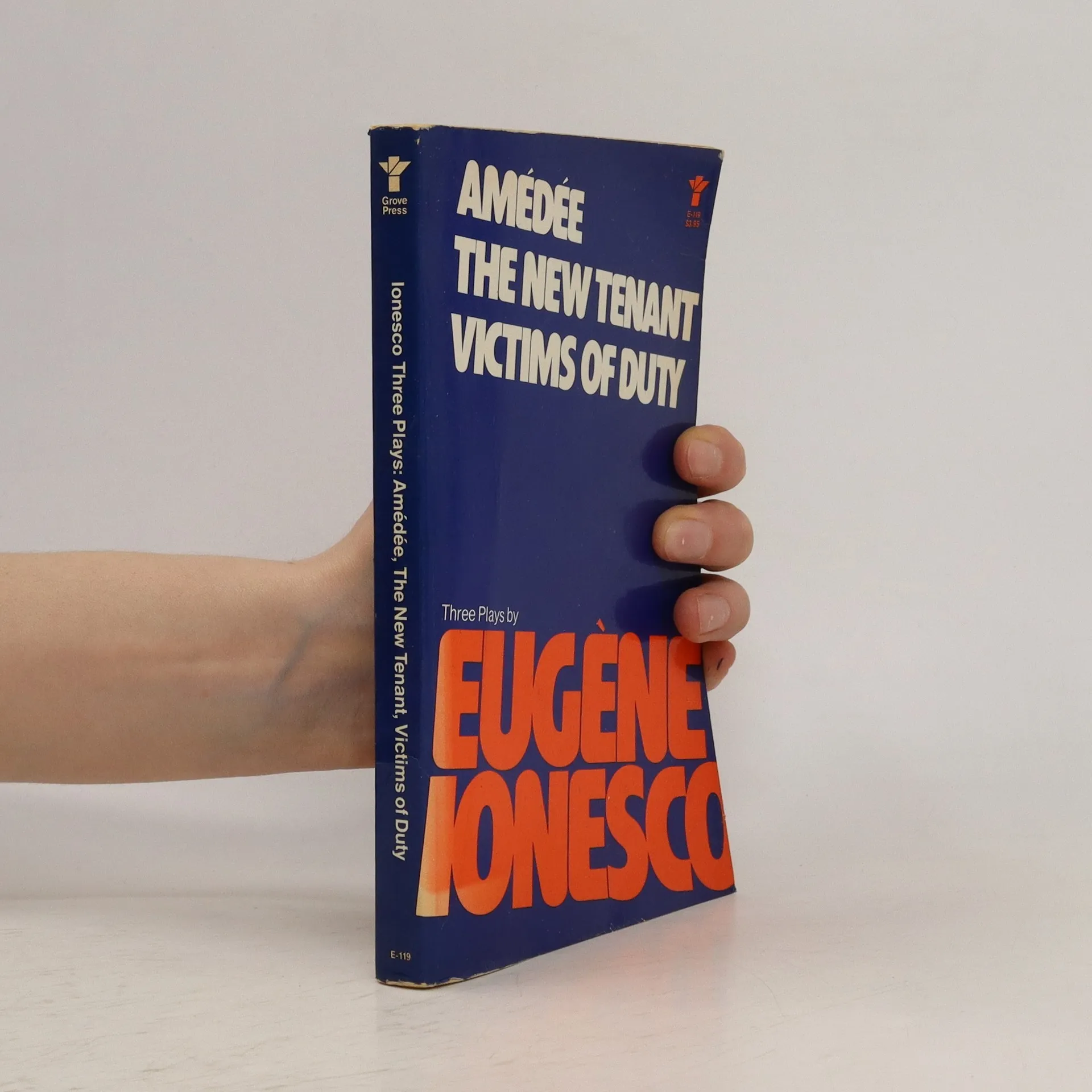
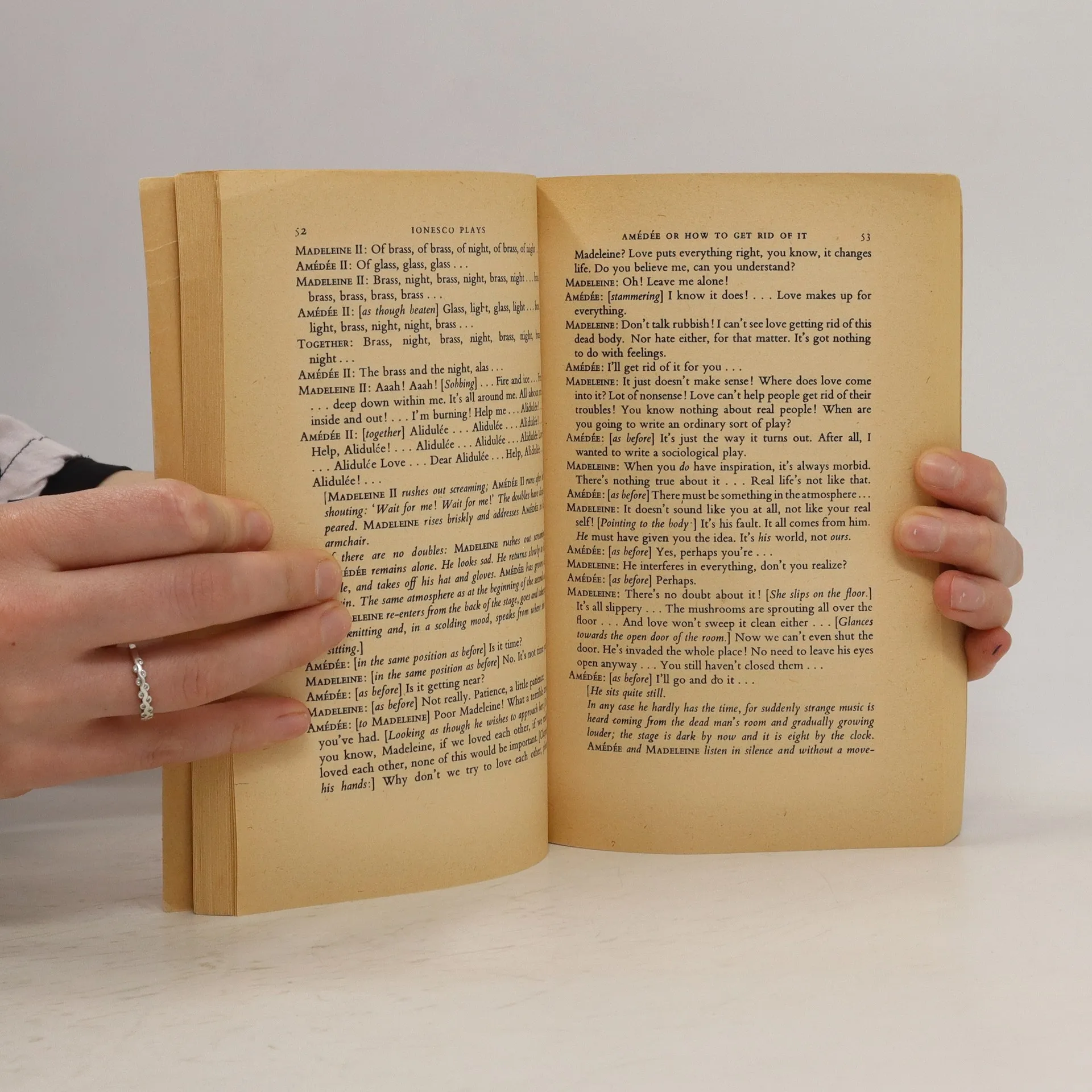
Eugène Ionesco is one of the most important and influential figures in modern theater. This collection combines The New Tenant with Amédée and Victims of Duty. In Amédée, the title character and his wife face the problem of a corpse in their bedroom that has been there for fifteen years and is now growing, slowly crowding them out of their apartment. In The New Tenant, a similar crowding is caused by an excess of furniture, which becomes a terrifying symbol of the deranged mind. In Victims of Duty, Ionesco parodies the conformity of modern life through his characters' obscure search for “Mallot with a t.” In these plays, Ionesco poses and solves his tragicomic dilemmas with a brilliant blend of gravity and hilarity that characterizes absurdist theater.
Book purchase
Three Plays, Eugène Ionesco
- Language

- Released
- 1978
- Binding
- (Paperback)
Payment methods
We’re missing your review here.
- Title
- Three Plays
- Language
- English
- Authors
- Eugène Ionesco
- Publisher
- Grove Press
- Released
- 1978
- Format
- Paperback
- Pages
- 196
- ISBN10
- 0394172124
- ISBN13
- 9780394172125
- Series
- Tags
- France, Theatre Plays
- Rating
- 3.8 out of 5
- Description
- Eugène Ionesco is one of the most important and influential figures in modern theater. This collection combines The New Tenant with Amédée and Victims of Duty. In Amédée, the title character and his wife face the problem of a corpse in their bedroom that has been there for fifteen years and is now growing, slowly crowding them out of their apartment. In The New Tenant, a similar crowding is caused by an excess of furniture, which becomes a terrifying symbol of the deranged mind. In Victims of Duty, Ionesco parodies the conformity of modern life through his characters' obscure search for “Mallot with a t.” In these plays, Ionesco poses and solves his tragicomic dilemmas with a brilliant blend of gravity and hilarity that characterizes absurdist theater.