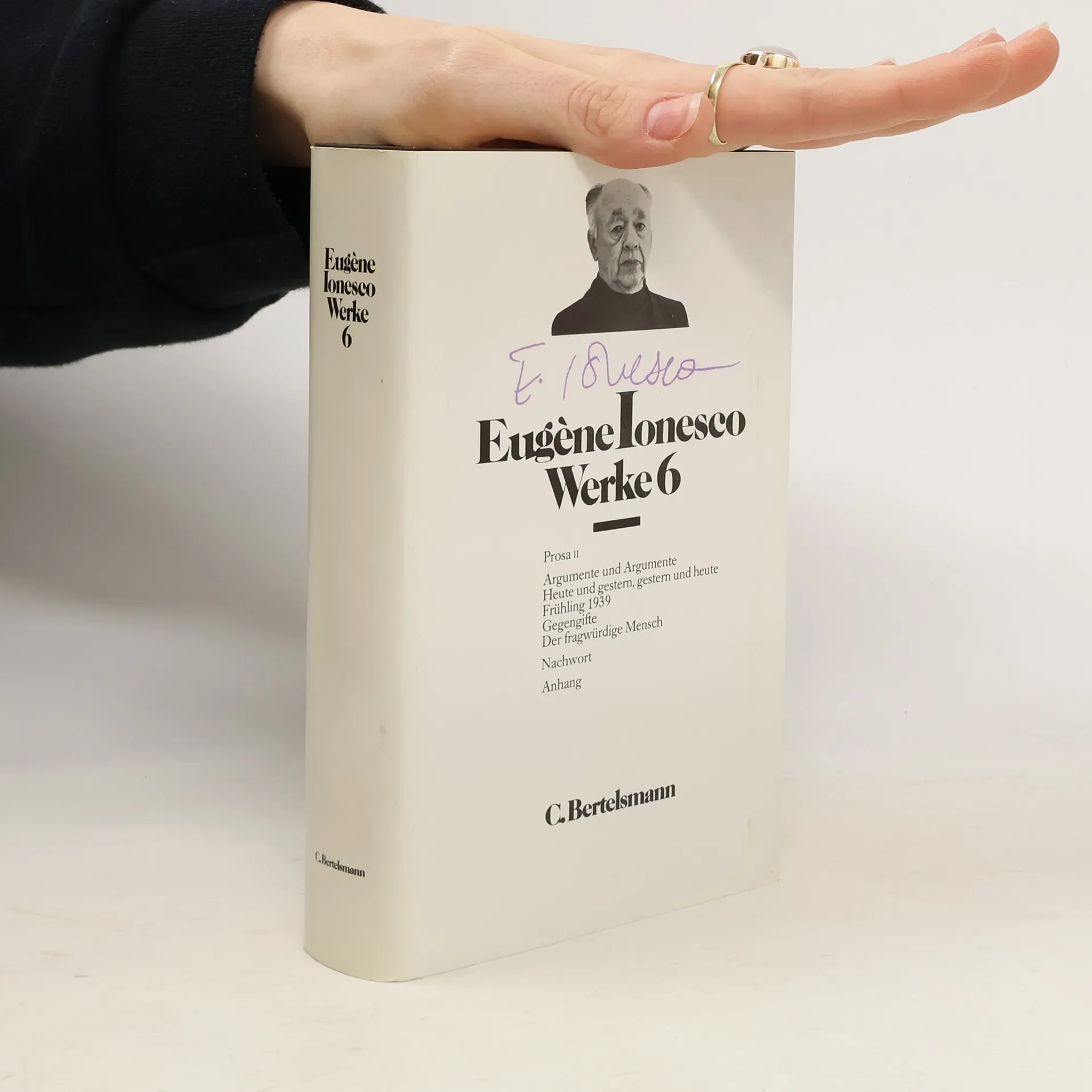
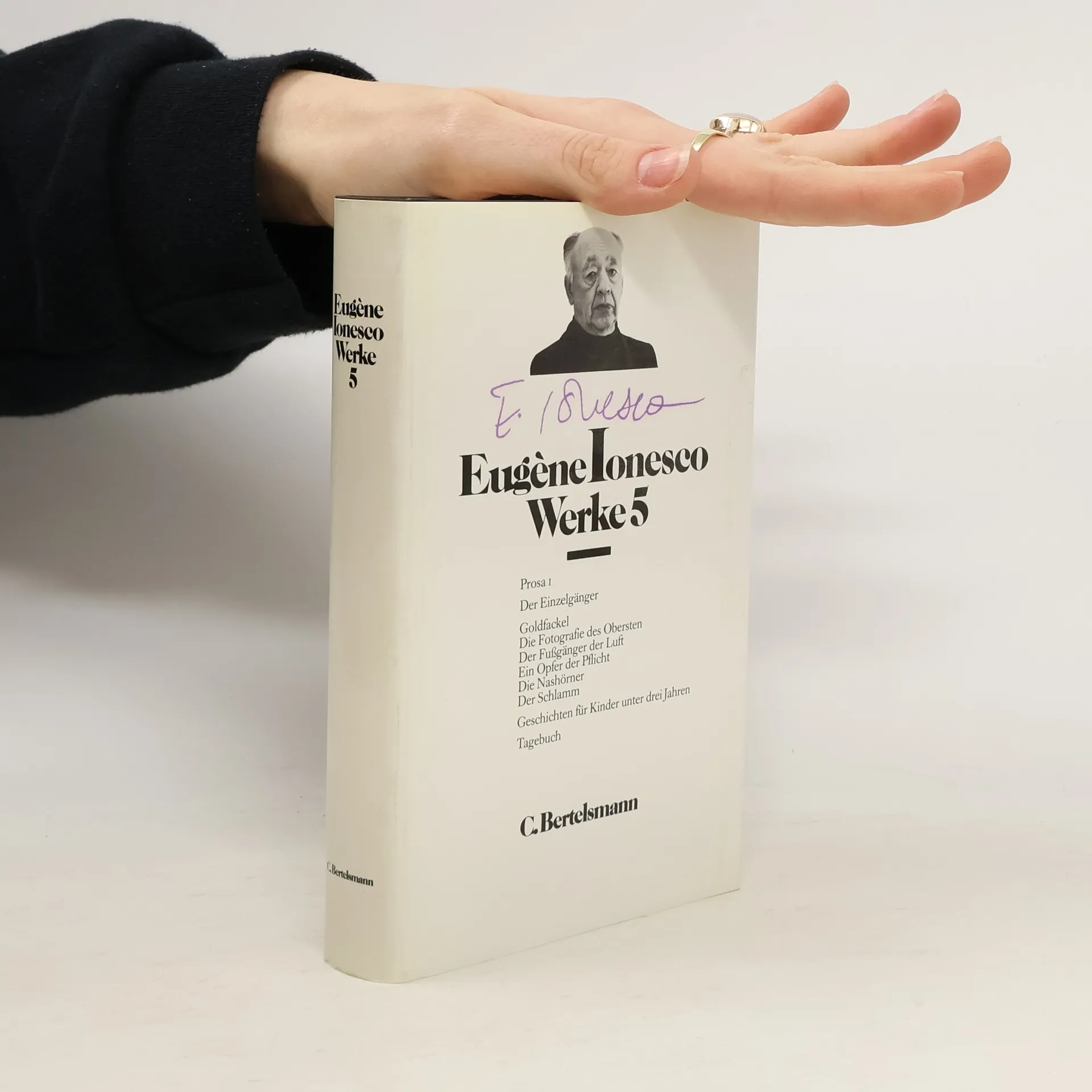
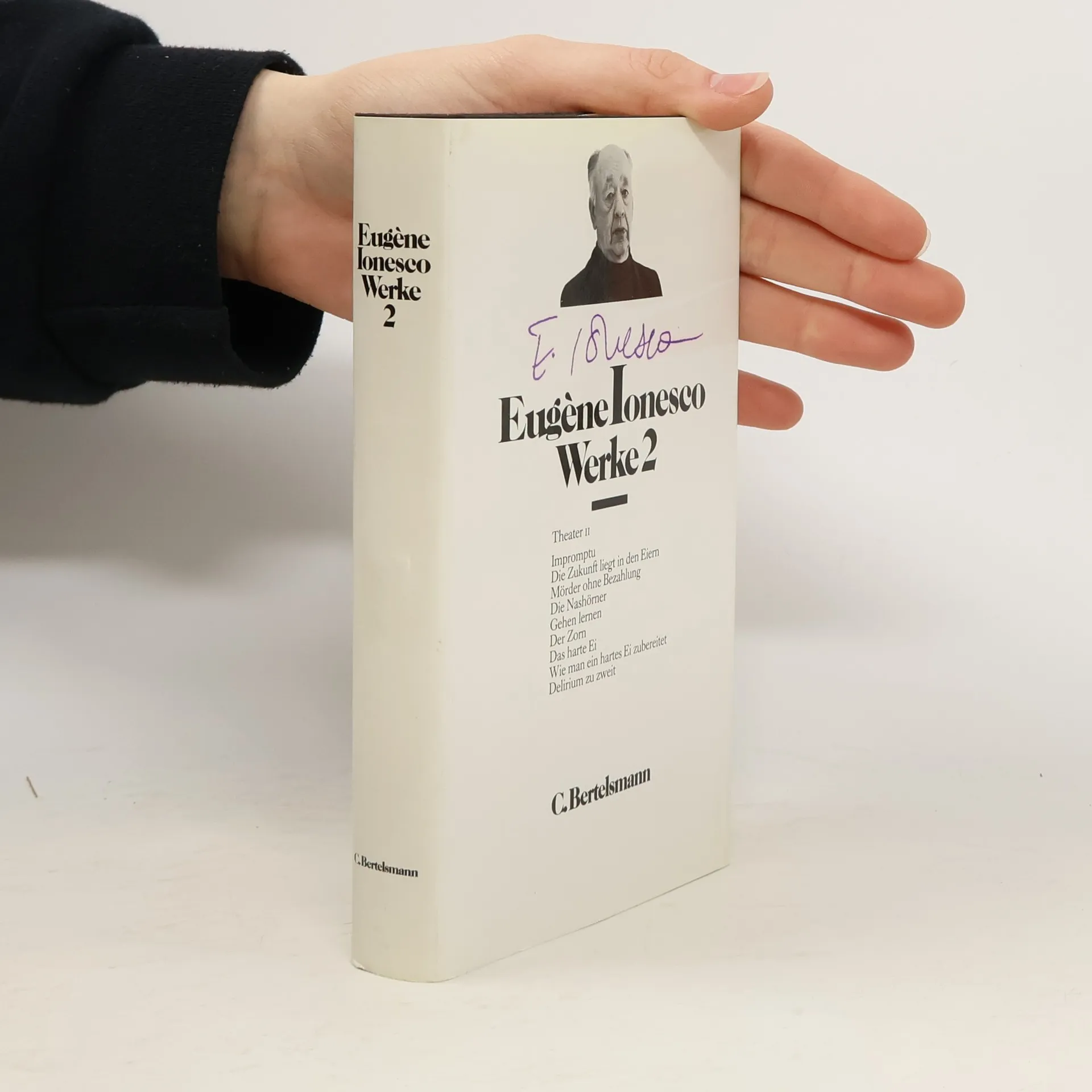
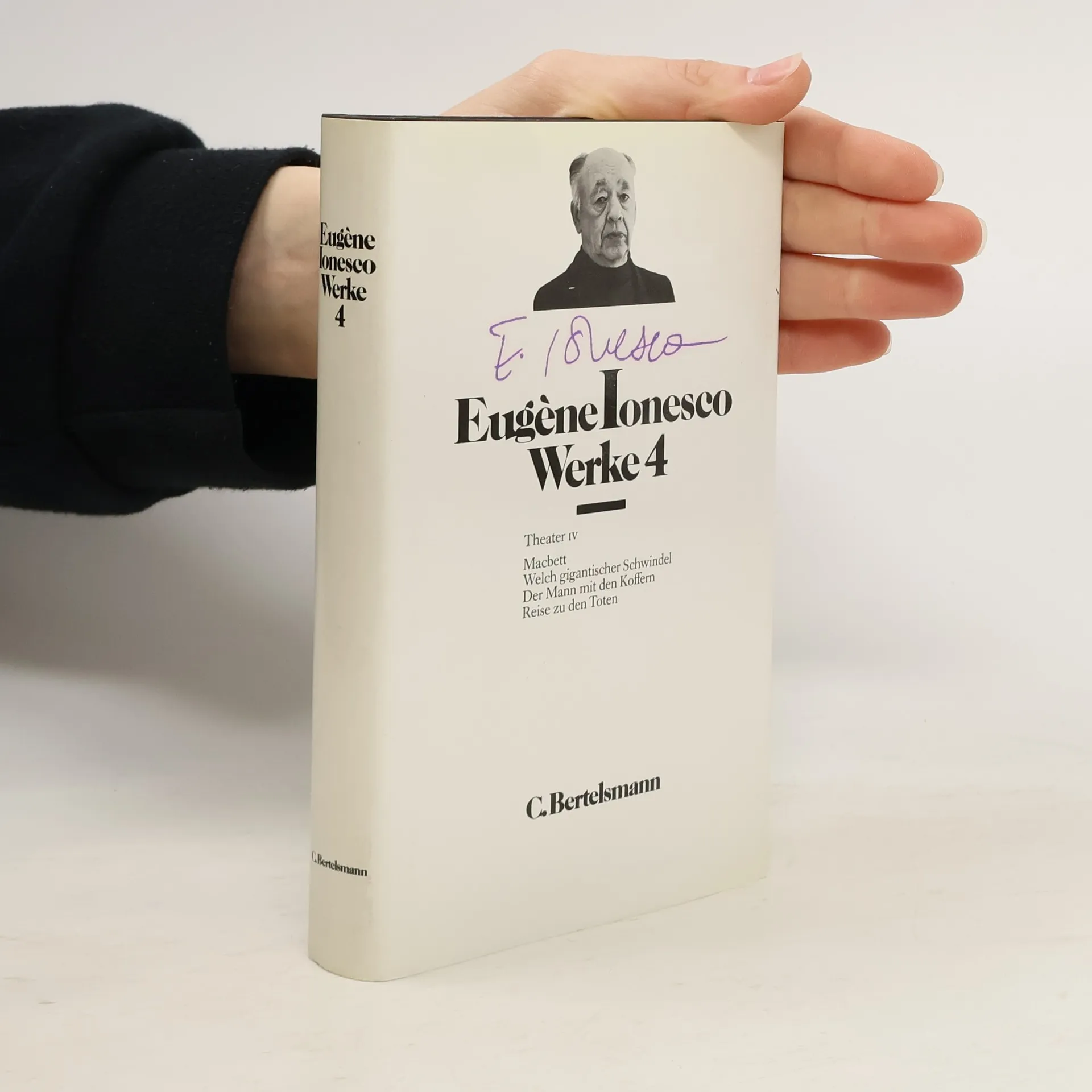
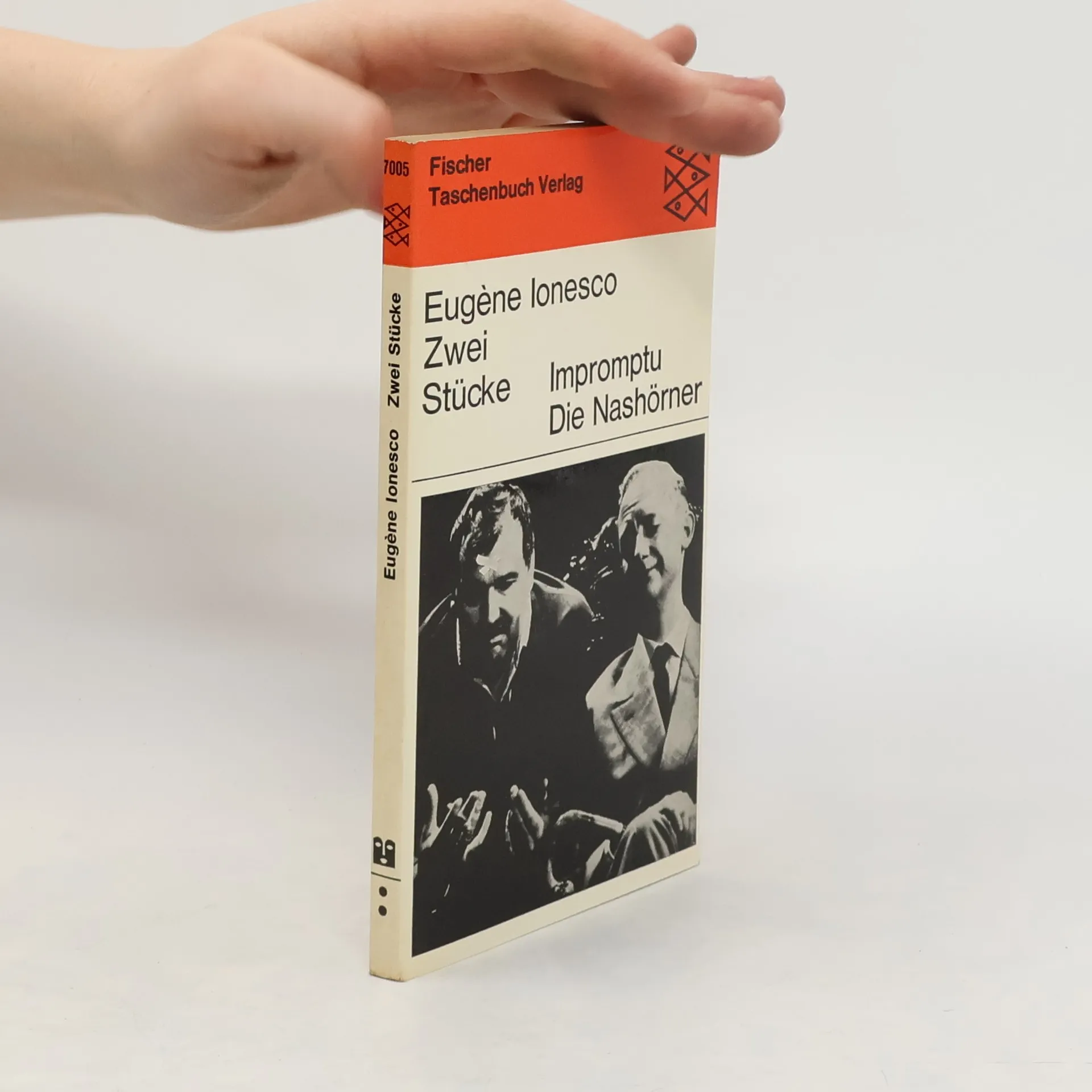
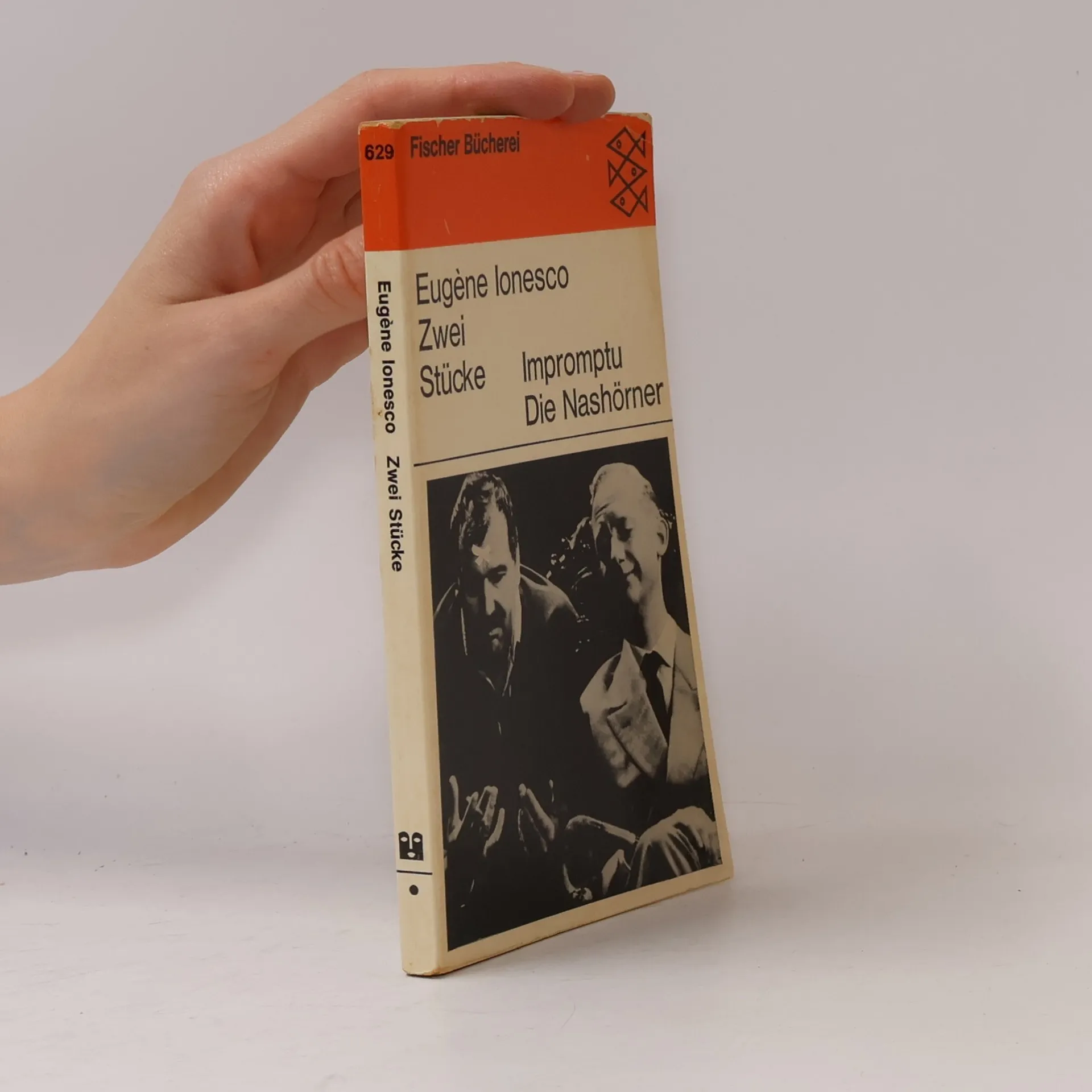
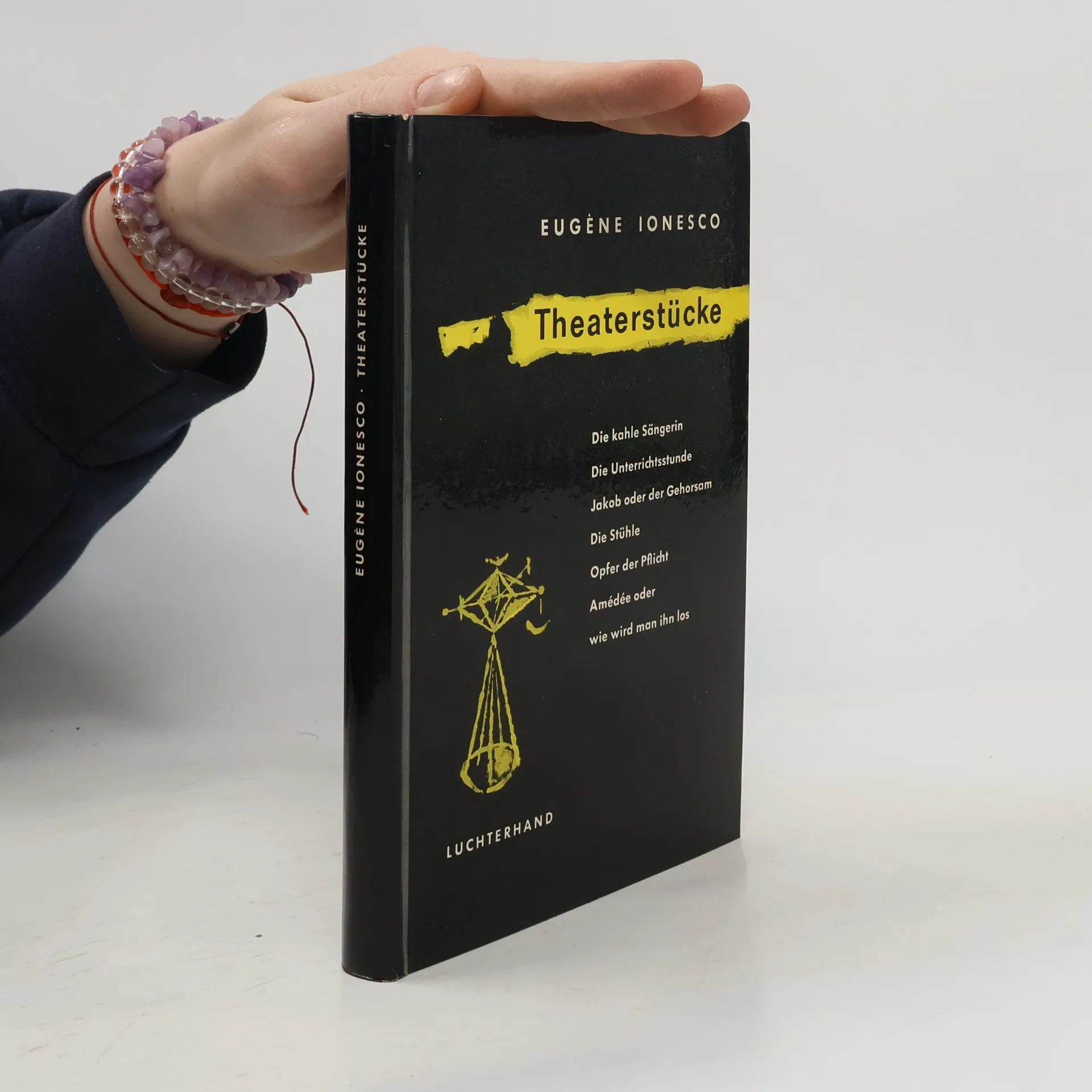
Eugène Ionesco, a leading playwright of the Theatre of the Absurd, masterfully depicts the solitude and insignificance of human existence. His works ridicule the most banal situations, using them as a tangible means to explore profound existential themes. Ionesco's writing delves into the paradoxes of modern life, questioning conventional forms of expression. He expertly employs language to expose the chasm between words and reality.
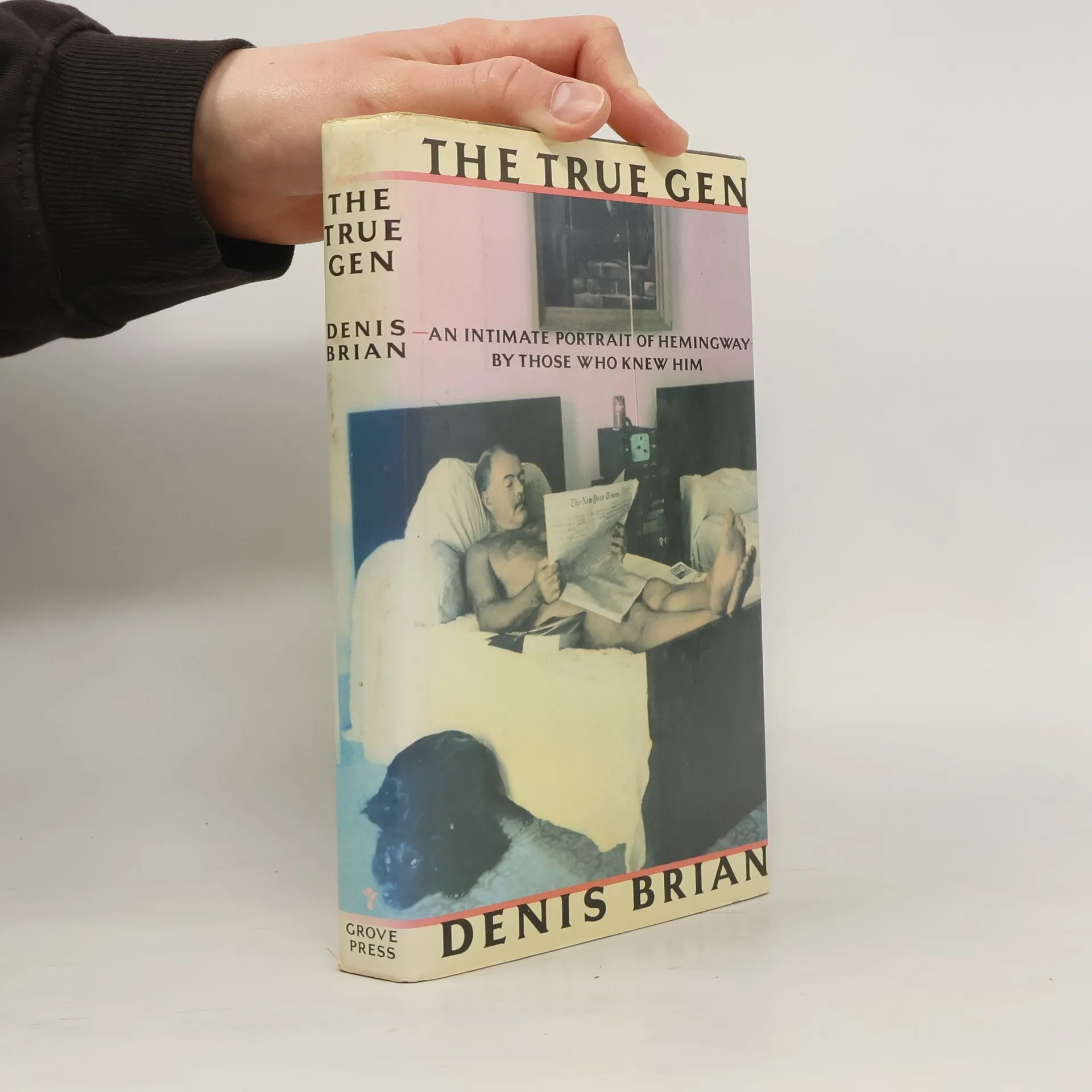
An Intimate Portrait of Ernest Hemingway by Those Who Knew Him
356 pages
13 hours of reading
From the people who knew him best--wives, children, colleagues, critics, and biographers--comes an unprecedented portrait of an extraordinary man. Varying points of view present a revealing picture of the literary giant.
The leading figure of absurdist theater and one of the great innovators of the modern stage, Eugene Ionesco (1909-94) did not write his first play, The Bald Soprano, until 1950. He went on to become an internationally renowned master of modern drama, famous for the comic proportions and bizarre effects that allow his work to be simultaneously hilarious, tragic, and profound. As Ionesco has said, "Theater is not literature. . . . It is simply what cannot be expressed by any other means."
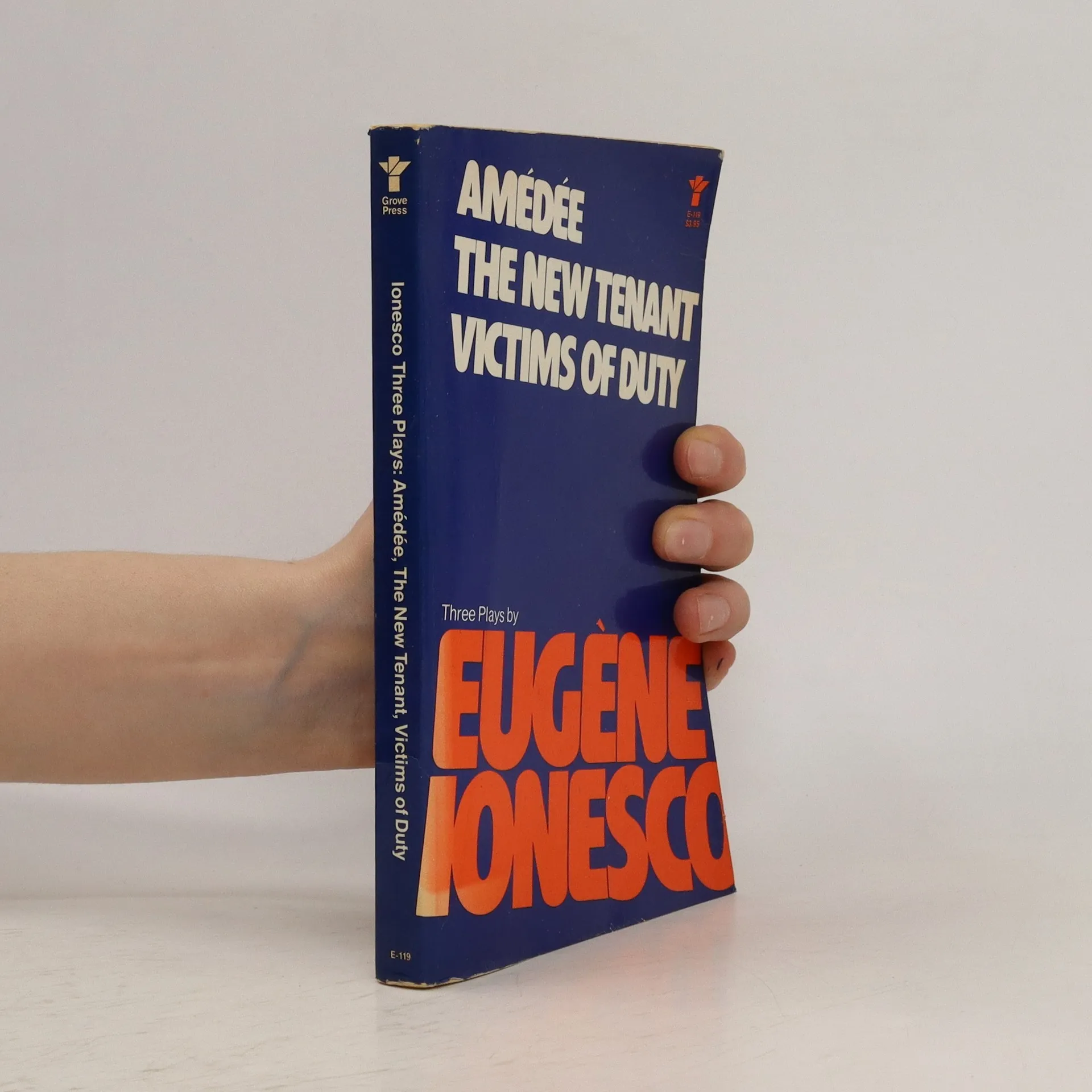
Eugène Ionesco is one of the most important and influential figures in modern theater. This collection combines The New Tenant with Amédée and Victims of Duty. In Amédée, the title character and his wife face the problem of a corpse in their bedroom that has been there for fifteen years and is now growing, slowly crowding them out of their apartment. In The New Tenant, a similar crowding is caused by an excess of furniture, which becomes a terrifying symbol of the deranged mind. In Victims of Duty, Ionesco parodies the conformity of modern life through his characters' obscure search for “Mallot with a t.” In these plays, Ionesco poses and solves his tragicomic dilemmas with a brilliant blend of gravity and hilarity that characterizes absurdist theater.
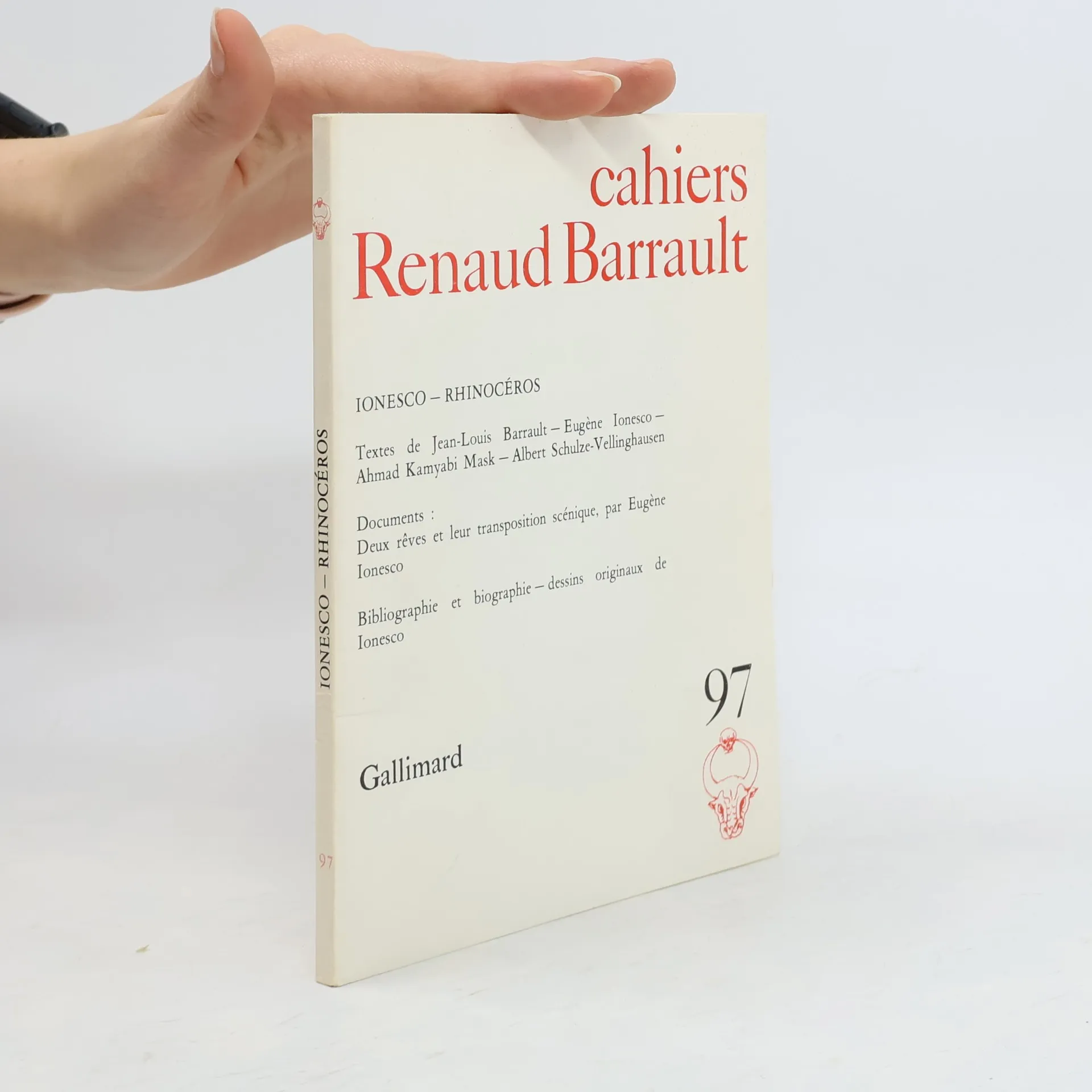
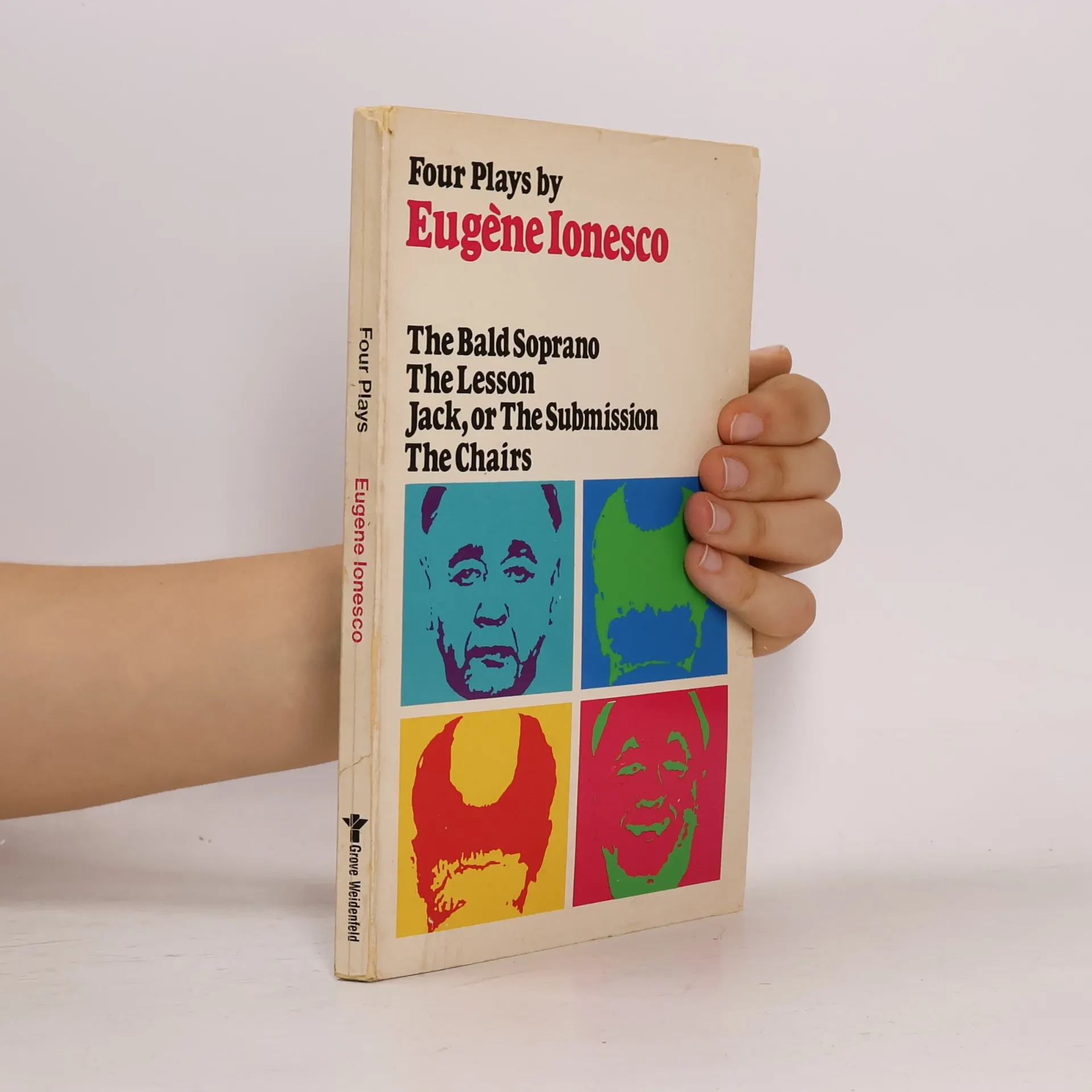
These three great plays by one of the founding fathers of the theatre of the absurd, are alive and kicking with tragedy and humour, bleakness and farce. In Rhinoceros we are shown the innate brutality of people as everyone, except for Berenger, turn into clumsy, unthinking rhinoceroses. The Chairs depicts the futile struggle of two old people to convey the meaning of life to the rest of humanity, while The Lesson is a chilling, but anarchically funny drama of verbal domination. In these three 'antiplays' dream, nonsense and fantasy combine to create an unsettling, bizarre view of society.
A collection of plays, often classified as absurd drama, which aim to portray a world in which humanity, with its despair, fear and loneliness, is alone in a hostile and meaningless world.
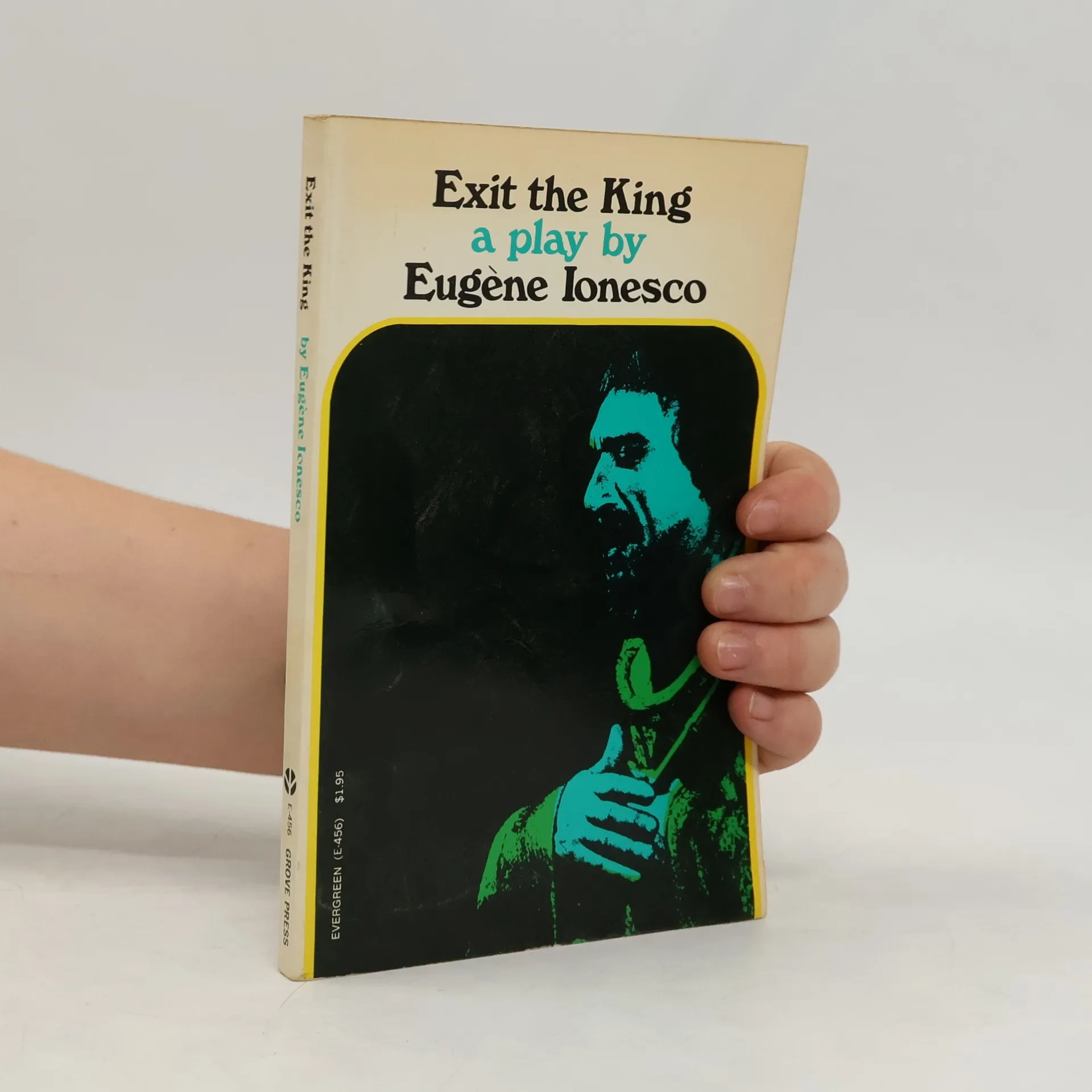
In "Exit the King," the narrative unfolds around the character of a dying monarch confronted with his impending death. Marguerite, a loyal subject, attempts to inform the King of his fate, while Marie, another character, vehemently denies the truth of this revelation. The play explores themes of mortality, the struggle for power, and the denial of reality. As the King grapples with the inevitability of his demise, the interactions between the characters reveal their differing responses to death and the absurdity of existence. The dialogue is marked by tension and a blend of tragic and comedic elements, highlighting the absurdity of the human condition. Through this poignant exploration, Ionesco invites the audience to reflect on the nature of life, authority, and the acceptance of one's fate.
In a house on an island a very old couple pass their time with private games
and half-remembered stories. With brilliant eccentricity, Ionesco's 'tragic
farce' combines a comic portrait of human folly with a magical experiment in
theatrical possibilities.
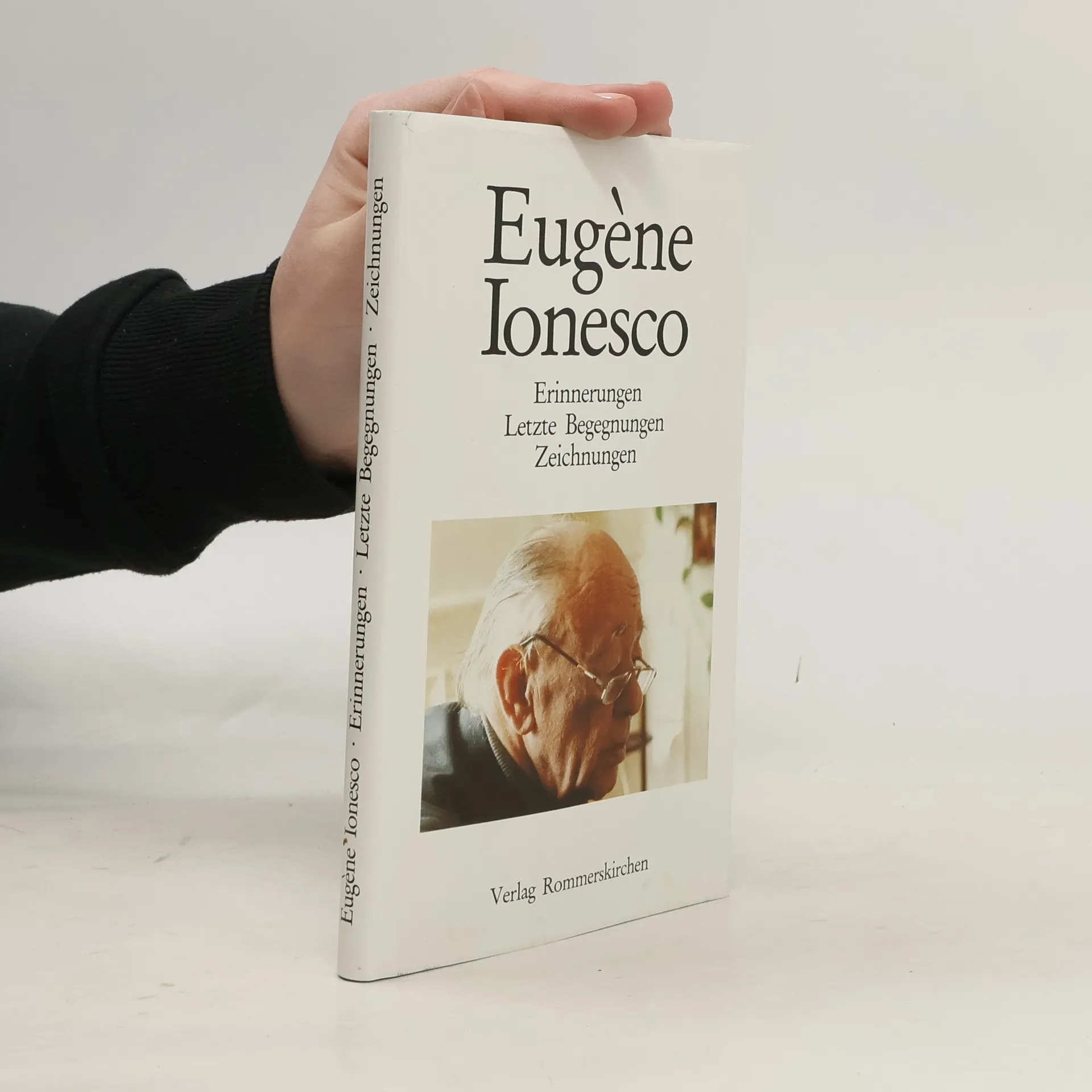
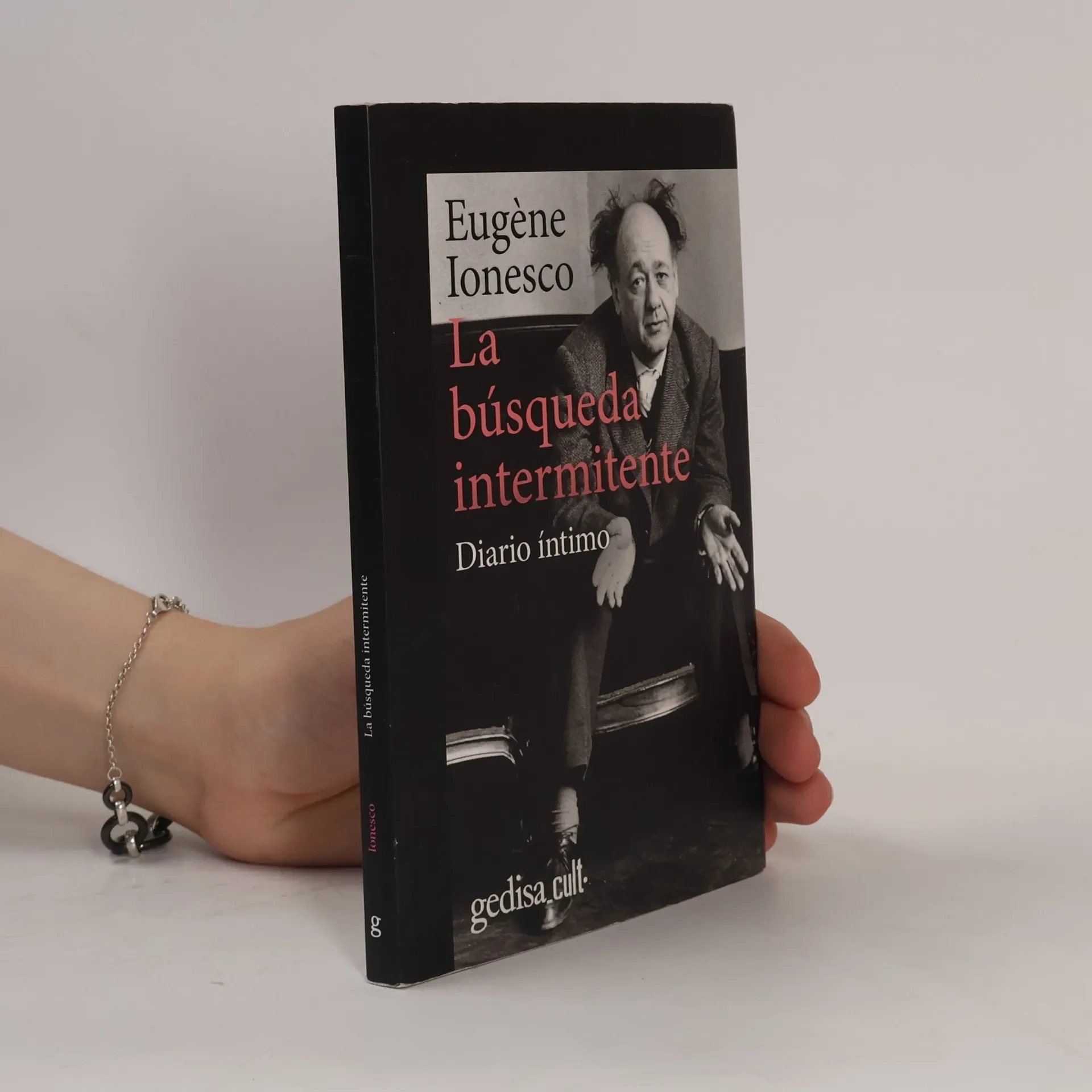
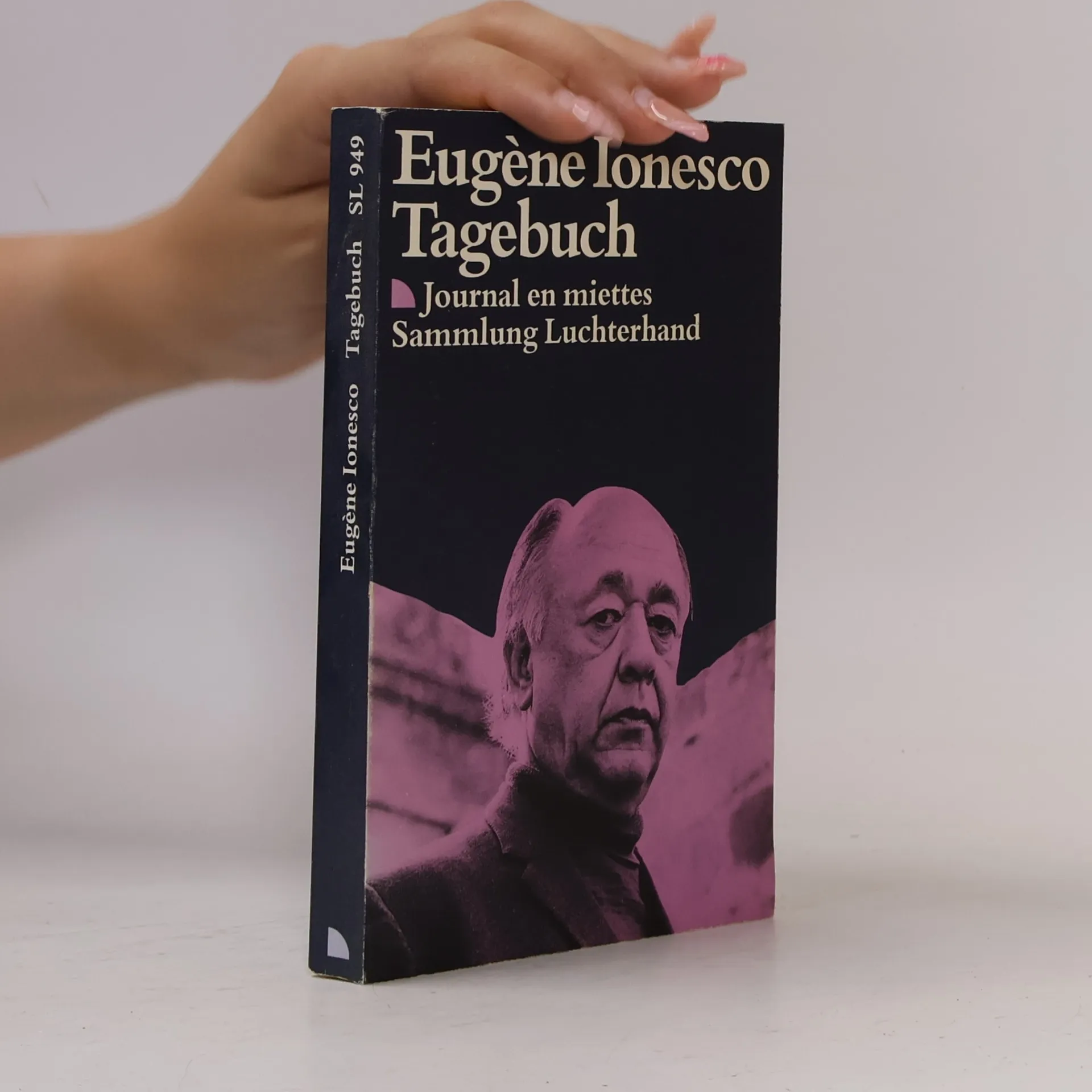
Part diary, part autobiography, part self-analysis and commentary, this revealing memoir by the playwright of the Absurd is an expression of the writer's search for the wellsprings and justifications of his existence. Diary jottings mingle with searing memories of his authoritarian father, metaphysical musings with thoughts on anti-Semitism, his wartime experiences, Soviet death camps, and the sham of bourgeois "revolutionaries". There is also the occasional light-hearted fantasy, played out with children who might be his own; the germ of the idea for "Rhinoceros" and various passages of self-probing.
Das Tagebuch, bestehend aus fragmentarischen Aufzeichnungen von Träumen, Meinungen, Erinnerungen und moralischen Überlegungen, ermöglicht dem Leser ein besseres Verständnis und Erleben des gesamten Werkes von Ionesco. Es enthält unter anderem verschiedene interessante Anekdoten aus der Kindheit sowie Notizen aus der Lektüre.
Sie brauchen für Ihre Schullektüre sofort eine ausführliche Inhaltsangabe, ohne womöglich Zeit gehabt zu haben, das entsprechende Werk zu lesen? Sie müssen sich noch ganz schnell über den Aufbau eines Werkes informieren? Bei Königs Erläuterungen bekommen Sie klare und universelle Informationen!§159 Bände umfasst die Reihe Königs Erläuterungen und Materialien, von antiken über klassische bis hin zu zeitgenössischen modernen Werken, allesamt wichtige Schullektüren und Schlüsselwerke. Königs Erläuterungen bieten Band für Band verlässliche Lernhilfen für Schüler und weiterführende Informationsquellen für Lehrer und andere Interessierte, sie sind verständlich und prägnant geschrieben. Mit Königs Erläuterungen und Materialien bieten wir von Allende bis Zweig die umfangreichste Sammlung von Interpretationen in deutscher Sprache.§Was steckt in diesem Heft?§Autor: Leben und Werk. Text: Entstehungshintergrund, Quellen, Inhaltsangabe, Personengefüge, Aufbau/Struktur, Erläuterungen, Aspek te zur Diskussion§Stimmen der Kritik§Literaturauswahl§
«Rêver c'est penser et c'est penser d'une façon beaucoup plus profonde, plus vraie, plus authentique parce que l'on est comme replié sur soi-même. Le rêve est une sorte de méditation, de recueillement. Il est une pensée en images. Quelquefois il est extrêmement révélateur, cruel. Il est d'une évidence lumineuse. Pour quelqu'un qui fait du théâtre, le rêve peut être considéré comme un événement essentiellement dramatique. Le rêve, c'est le drame même. En rêve, on est toujours en situation. Bref, je crois que le rêve est à la fois une pensée lucide, plus lucide qu'à l'état de veille, une pensée en images et qu'il est déjà du théâtre, qu'il est toujours un drame puisqu'on y est toujours en situation.»
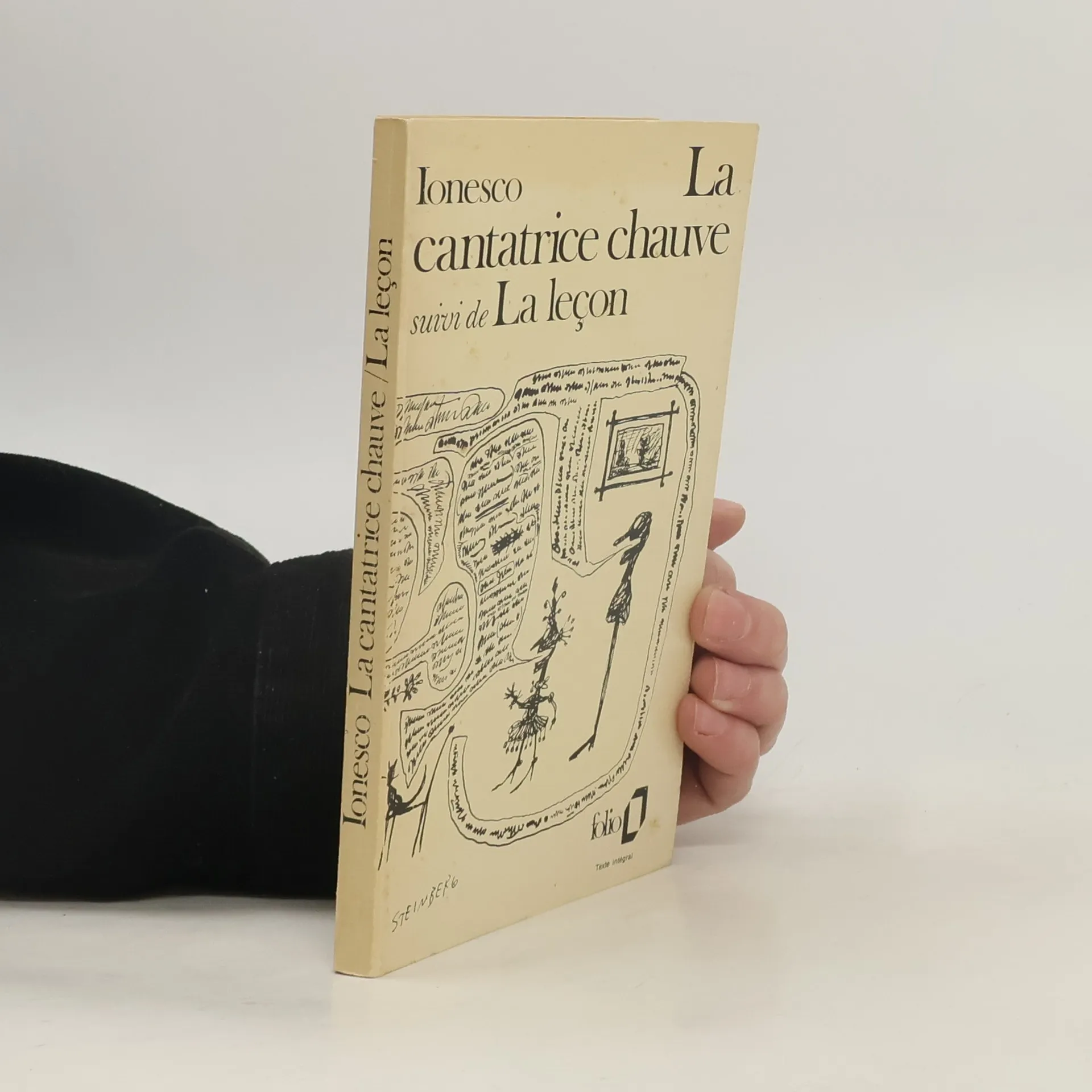
L'insolite baignant dans le quotidien, l'inhabituel surgissant du banal, le comique se muant en tragique, puis retournant au burlesque (La Leçon) ; réalisme détérioré par la caricature (La Cantatrice chauve) ; émerveillement euphorique d'être ; horreur d'exister dans un univers oppressant, accablant, où la matière s'épaissit, les objets prolifèrent (Victimes du devoir, Comment s'en débarrasser) – voilà les éléments contradictoires qui fondent le théâtre de Ionesco, issu de l'esprit onirique et de l'observation naturaliste.L'auteur est le premier à être étonné du spectacle qu'il projette sur scène et que la démarche même de l'écriture, l'aventure poétique lui révèlent. Les forces antagonistes qui l'habitent, les désirs profonds, oubliés et retrouvés, les obsessions obscures s'éclairent, s'incarnent, se font personnages, événements, théâtre, constituent ce monde où l'intérieur et l'extérieur se rejoignent, à la fois sien et nôtre, douloureux et dérisoire, que l'humour décharge de son angoisse.
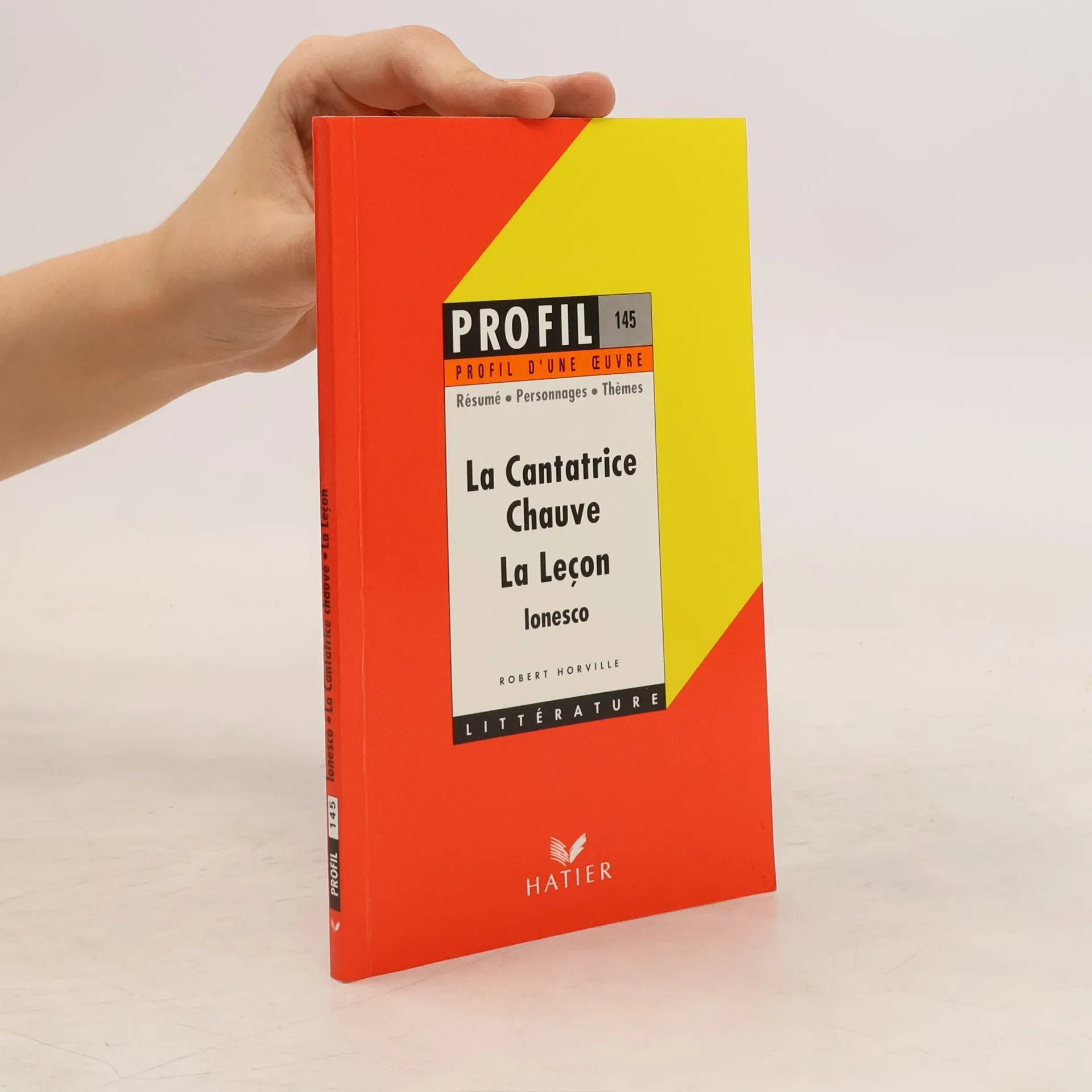
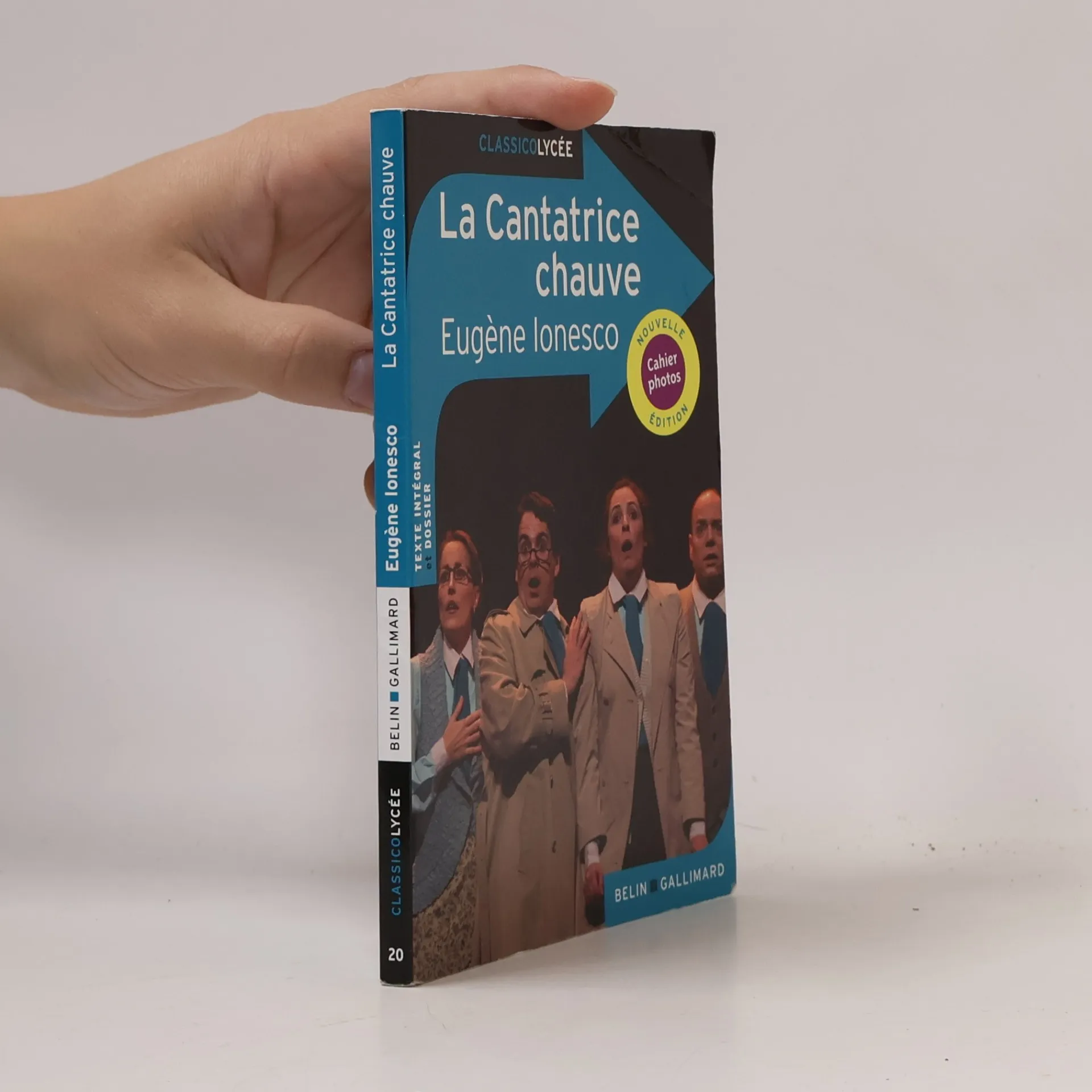
L’ouvrage fournit toutes les clés pour analyser les deux pièces d’Eugène Ionesco.Le résumé détaillé est suivi de l’étude des problématiques essentielles, parmi lesquelles :Sur les deux œuvres :– Les caractéristiques du Nouveau ThéâtreSur La Cantatrice chauve :– La signification symbolique des personnages– Le comique de l’absurdeSur La Leçon :– L’action de la pièce : une évolution contestée– La fonction et la signification des trois personnages.
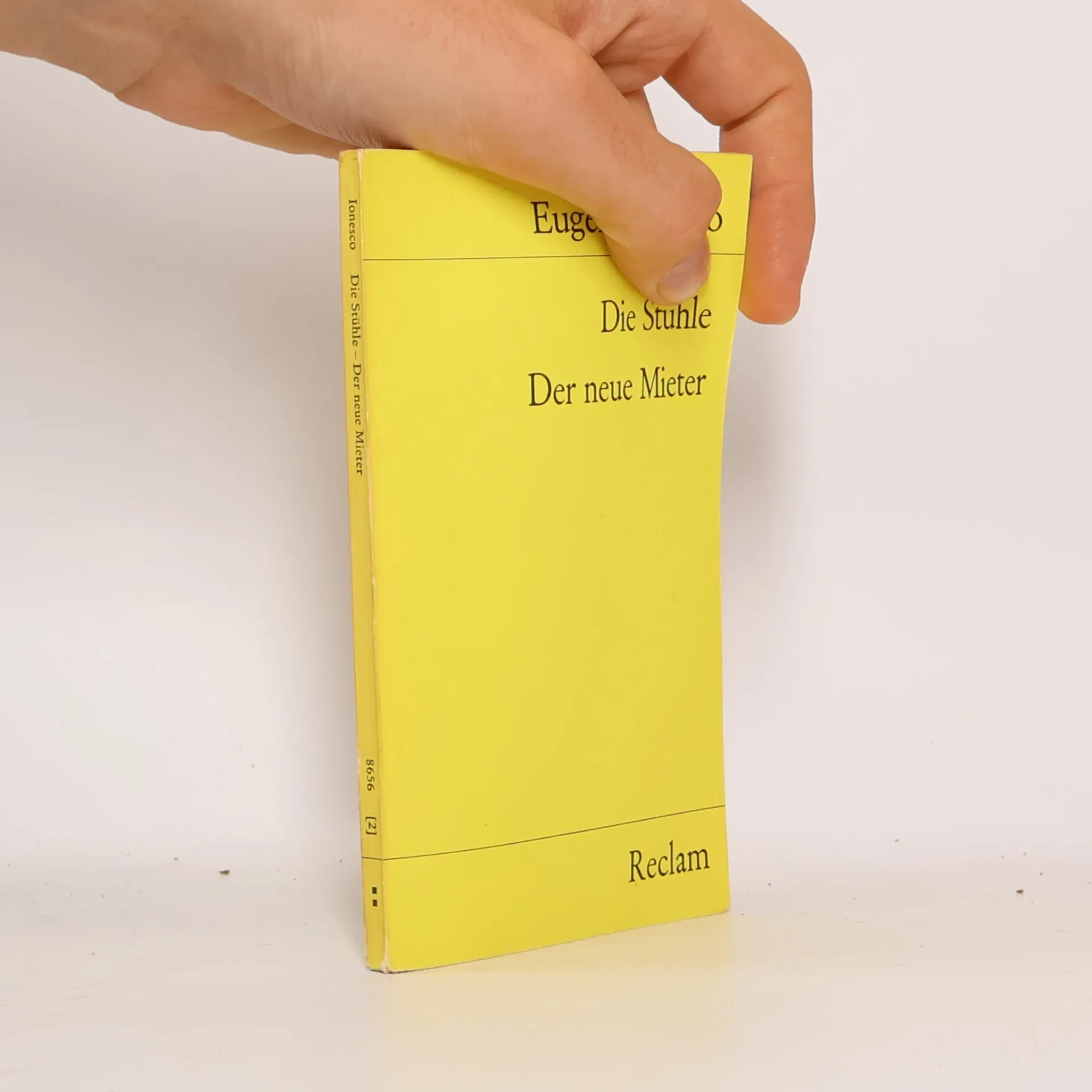
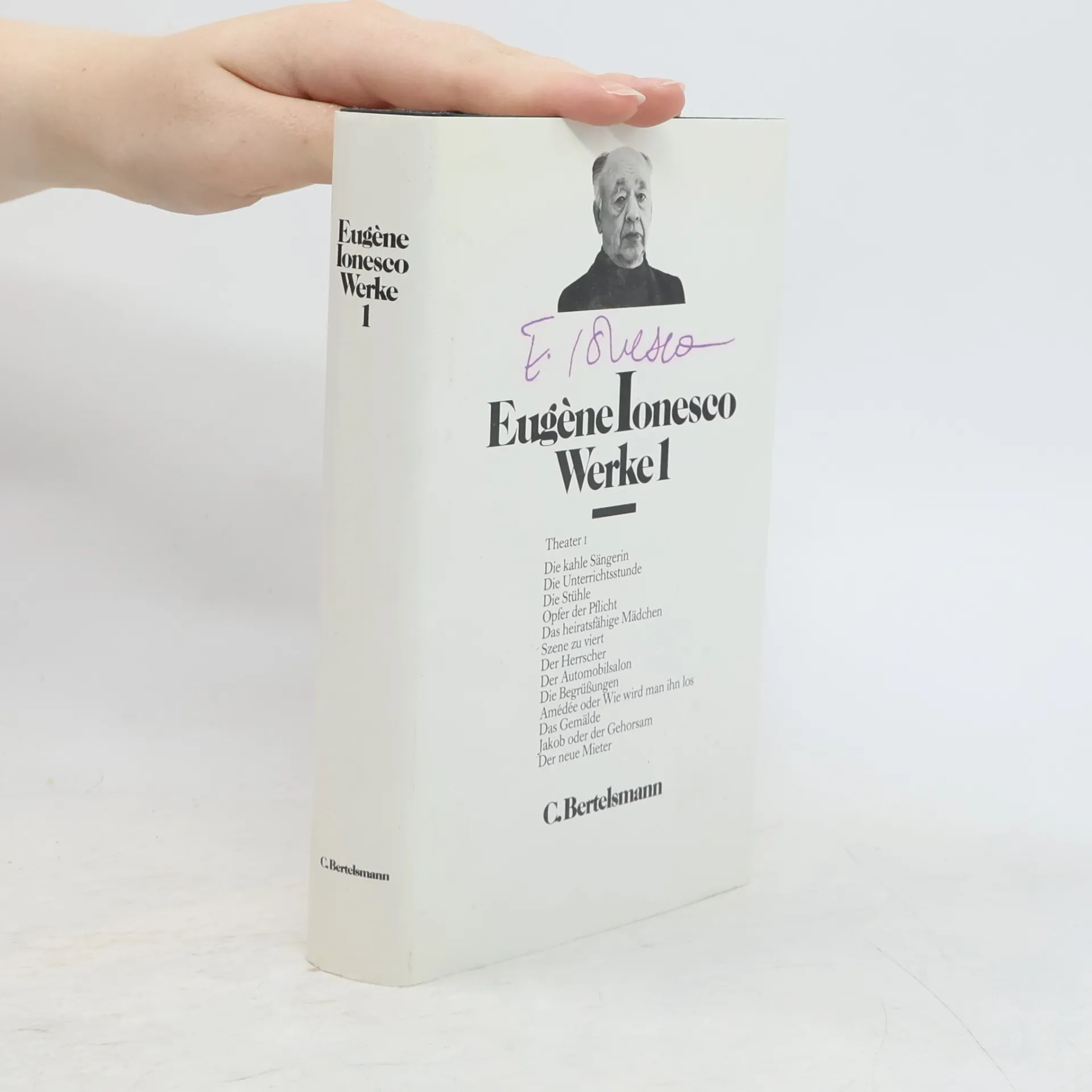
Eugène Ionesco war ein Meister des absurden Theaters. Seine beiden wichtigsten Einakter, »Die Stühle« und »Der neue Mieter«, werden hier mit einem Nachwort von Marianne Kesting ergänzt. Die abstrusen, dramatischen Stücke aus den 1950ern werden auch heute noch oft gespielt.
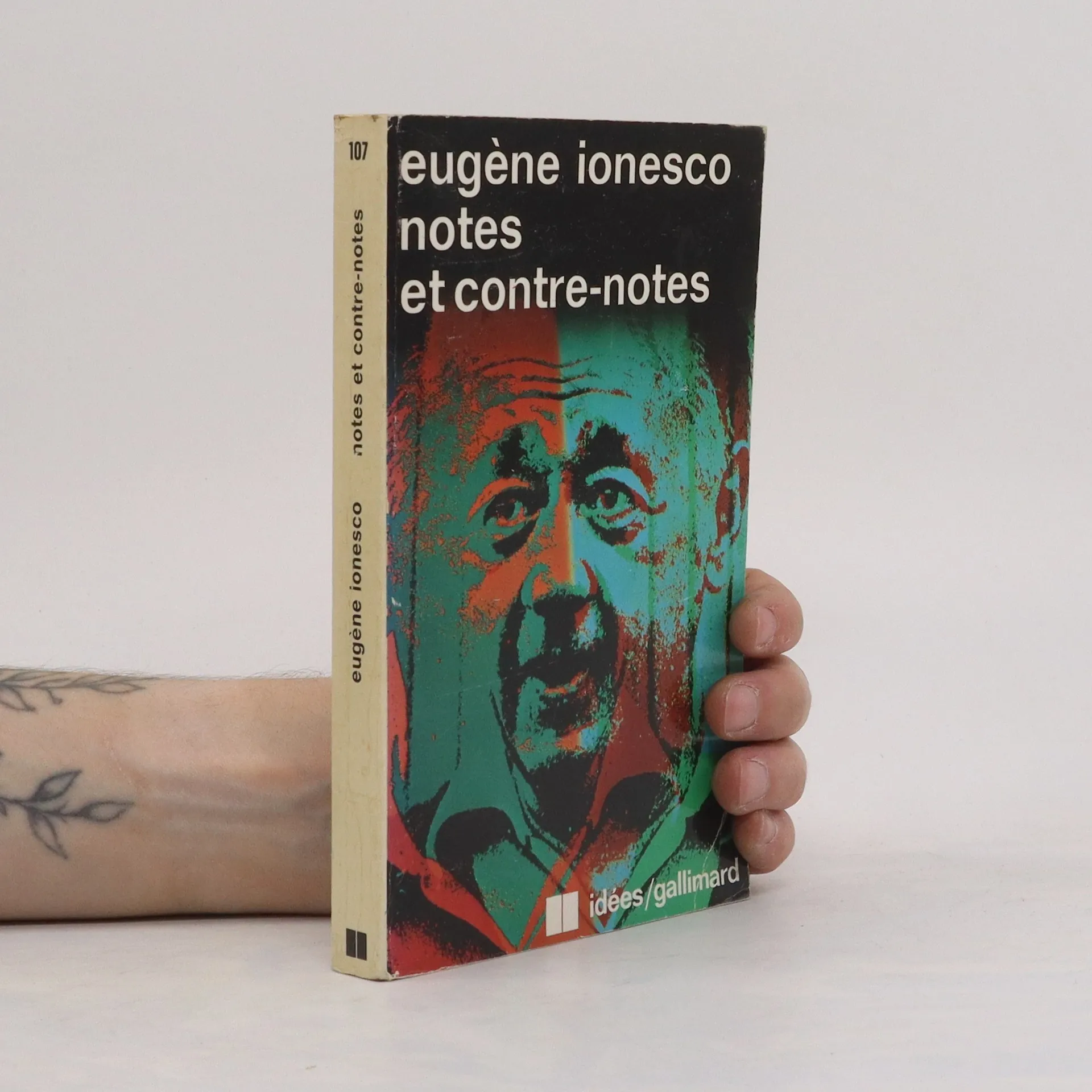
Cette édition, considérablement augmentée, comprend les textes les plus importants de Ionesco sur ses conceptions dramatiques, sa critique des critiques, ses opinions sur le théâtre contemporain, ainsi que ses vues sur l'artiste et l'art en général.
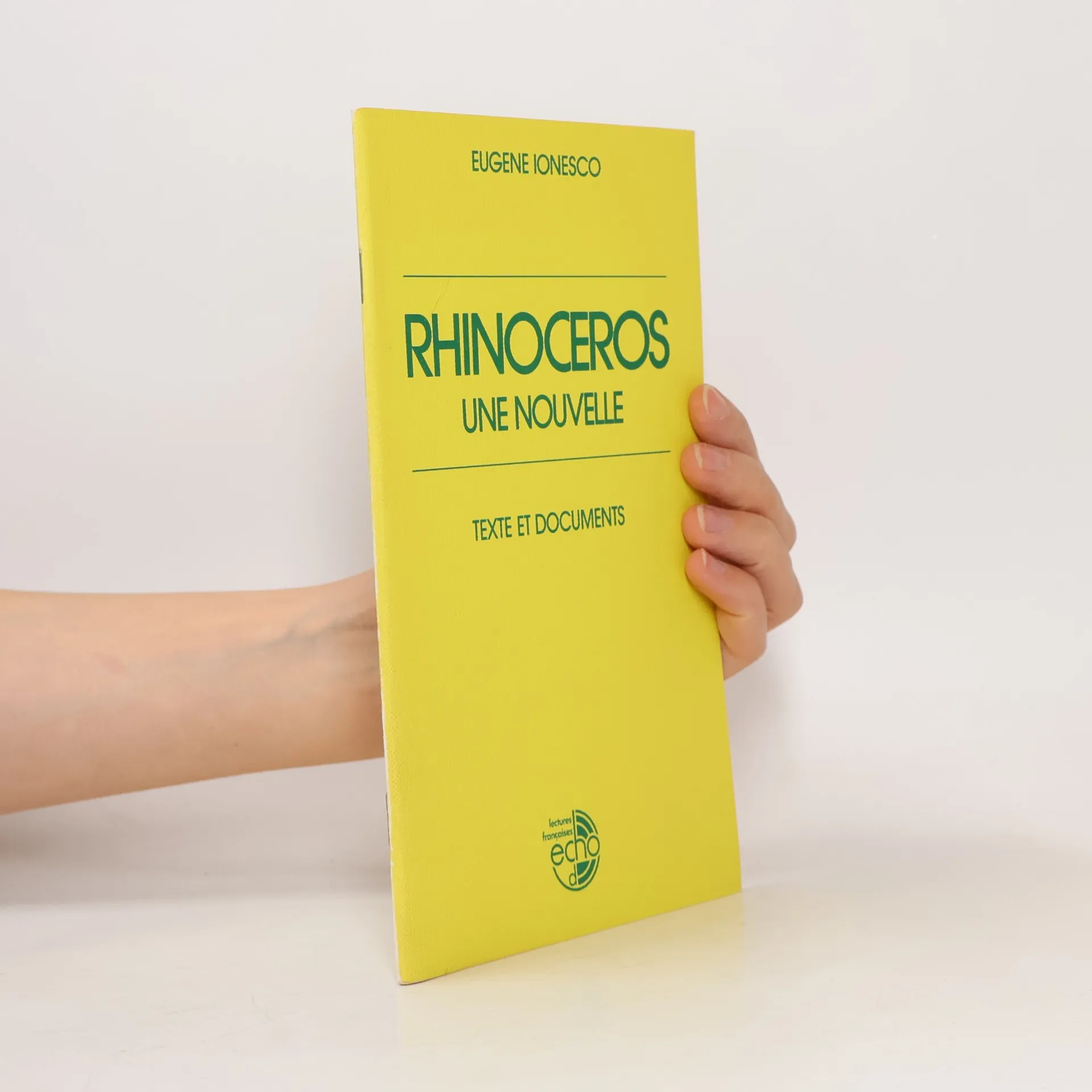
" Il se leva, mit son chapeau de feutre orné d'un crêpe noir, son pardessus gris-fer, prit sa lourde serviette bourrée qu'il laissa tomber avant d'avoir fait un pas. Celle-ci s'ouvrit dans sa chute. Nous nous précipitâmes, en même temps. D'une des poches de la serviette, des photos s'étaient échappées, représentant un colonel en grand uniforme, moustachu, un colonel quelconque, une bonne tête plutôt attendrissante. Nous mîmes la serviette sur la table, pour y fouiller plus à l'aise : nous en sortîmes encore des centaines de photos avec le même modèle. "Qu'est-ce que cela veut dire ? demandai-je, c'est la photo, la fameuse photo du colonel ! Vous l'aviez là, vous ne m'en aviez jamais parlé !" " Les récits de ce recueil constituèrent le point de départ de quelques-unes des plus célèbres pièces de Ionesco (Rhinocéros, Victime du devoir). Comme dans son théâtre, leur réalisme précis rejoint tout naturellement le fantastique, l'imaginaire.
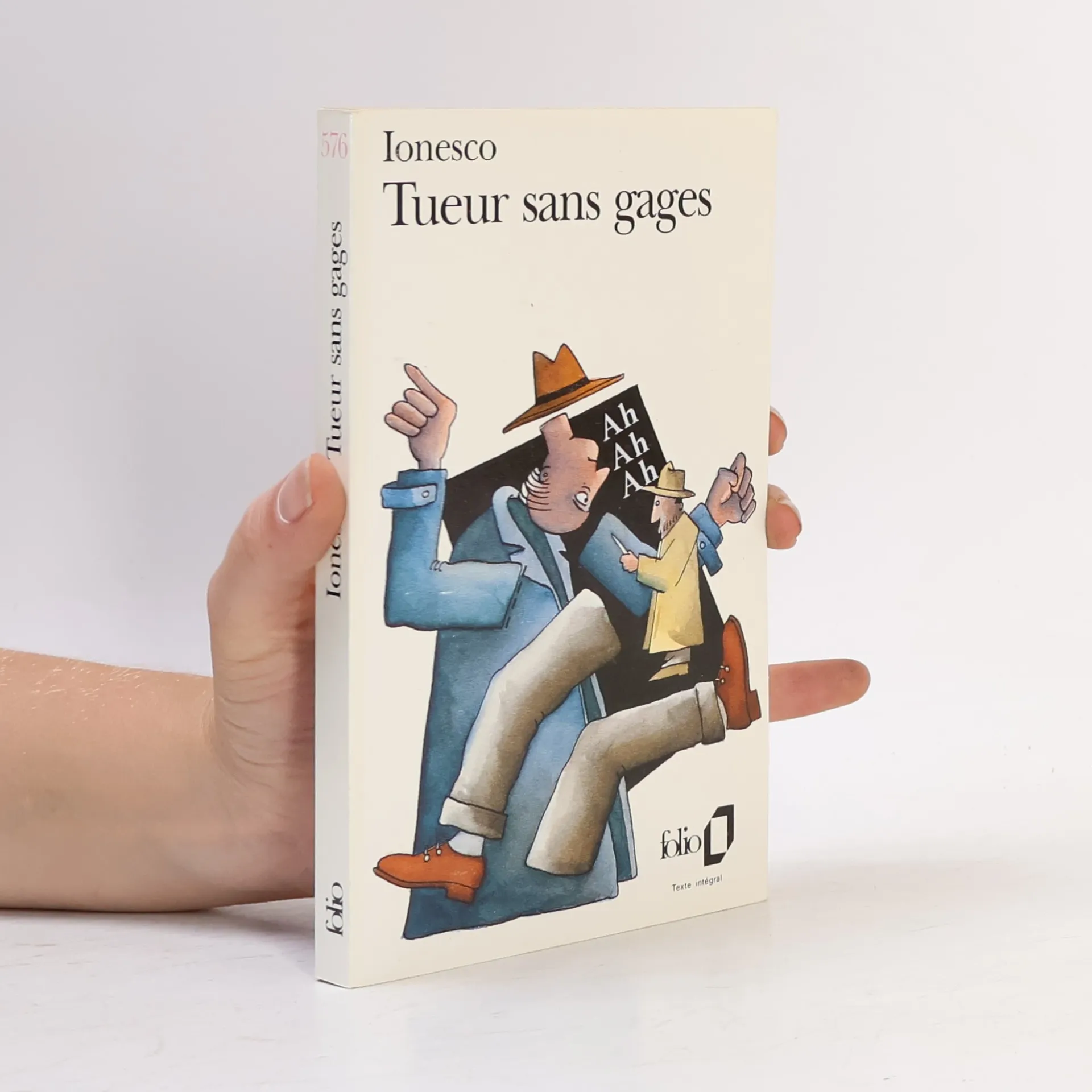
Tueur sans gages, pièce au titre cruel, commence comme un conte de fées, se poursuit comme un drame policier et se termine sur une tragédie.Le conte de fées, c'est la découverte par Bérenger de la "cité radieuse", merveilleux quartier de sa ville construit pour le confort de ses résidents, où il retrouve un instant le soleil de son enfance ; le drame policier, c'est la présence dans cette cité d'un assassin qui tue chaque jour plusieurs habitants et que Bérenger, qui compte sur l'aide de la police, veut faire arrêter ; la tragédie, c'est la poursuite de plus en plus solitaire de Bérenger, que tous abandonnent, et qui finit par se trouver devant le monstrueux tueur borgne qui lève sur lui son couteau.
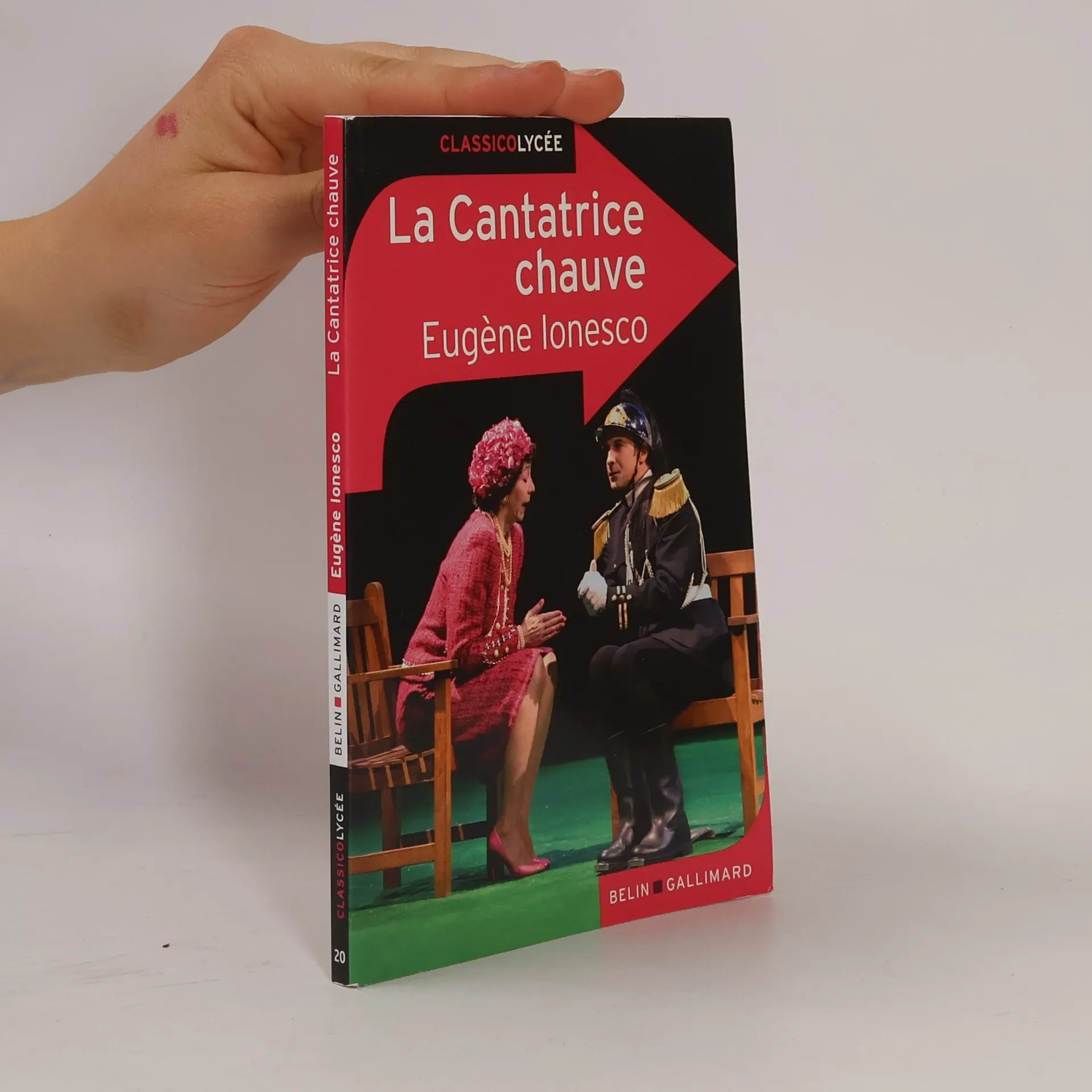
Un record dans l'histoire du théâtre : la pièce, créée en 1950 et reprise en 1957 au théâtre de la Huchette, est jouée depuis, sans interruption, sur la petite scène parisienne. La Cantatrice chauve s'est imposée comme le modèle du renouveau dramatique hérité de l'après-guerre. Dans un monde meurtri par les horreurs de la Seconde Guerre mondiale, la foi dans l'homme a faibli: l'art se doit d'en témoigner. Grave, l'oeuvre de Ionesco fait aussi beaucoup rire: un drôle de drame!
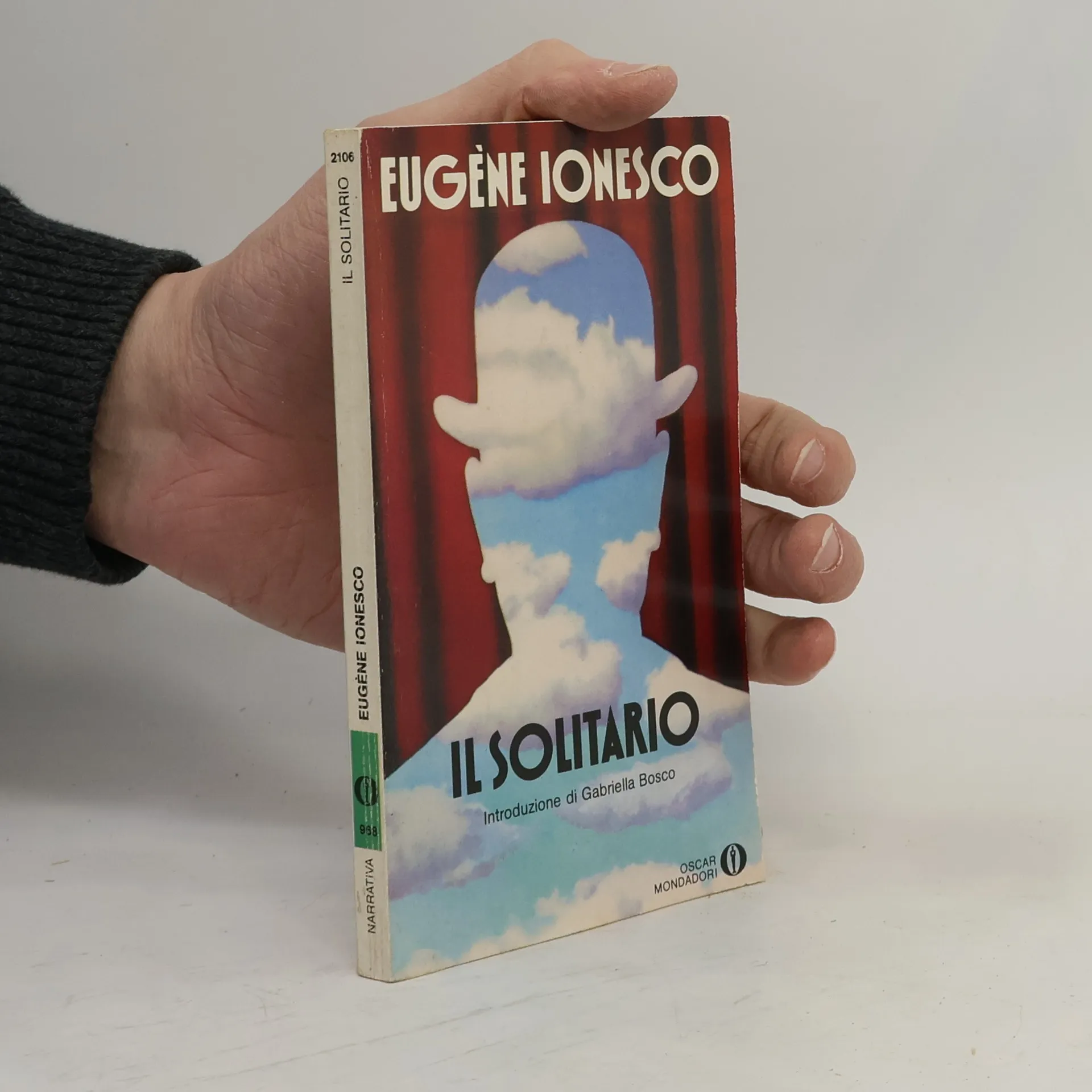
Un impiegato di trentacinque anni, ricevuta un'inattesa eredità, abbandona il lavoro, la vita attiva, il mondo. Chiuso nell'appartamento che ha acquistato, conduce un'esistenza metodica e solitaria, interrotta da una breve storia d'amore, mentre accanto a lui passano gli anni, le azioni degli uomini, gli amori, le lotte, le speranze deluse, le rivoluzioni tradite, gli inutili mutamenti, che egli contempla con distacco, e tuttavia con singolare partecipazione emotiva, senza lasciarsene scalfire ma traendone una sempre più tenace ansia di assoluto che si scioglierà infine in una sorta di rivelazione, un segno o messaggio che riempie di speranza , come afferma l'autore nella prefazione scritta espressamente per questa edizione italiana della sua unica opera narrativa. Metafora della condizione umana, della scelta, del (falso o vero) impegno, della lotta tra individualità e società di massa, questa "opera in forma di racconto" del grande commediografo francese costituisce a un tempo una conferma del suo teatro e una intrigante sorpresa.
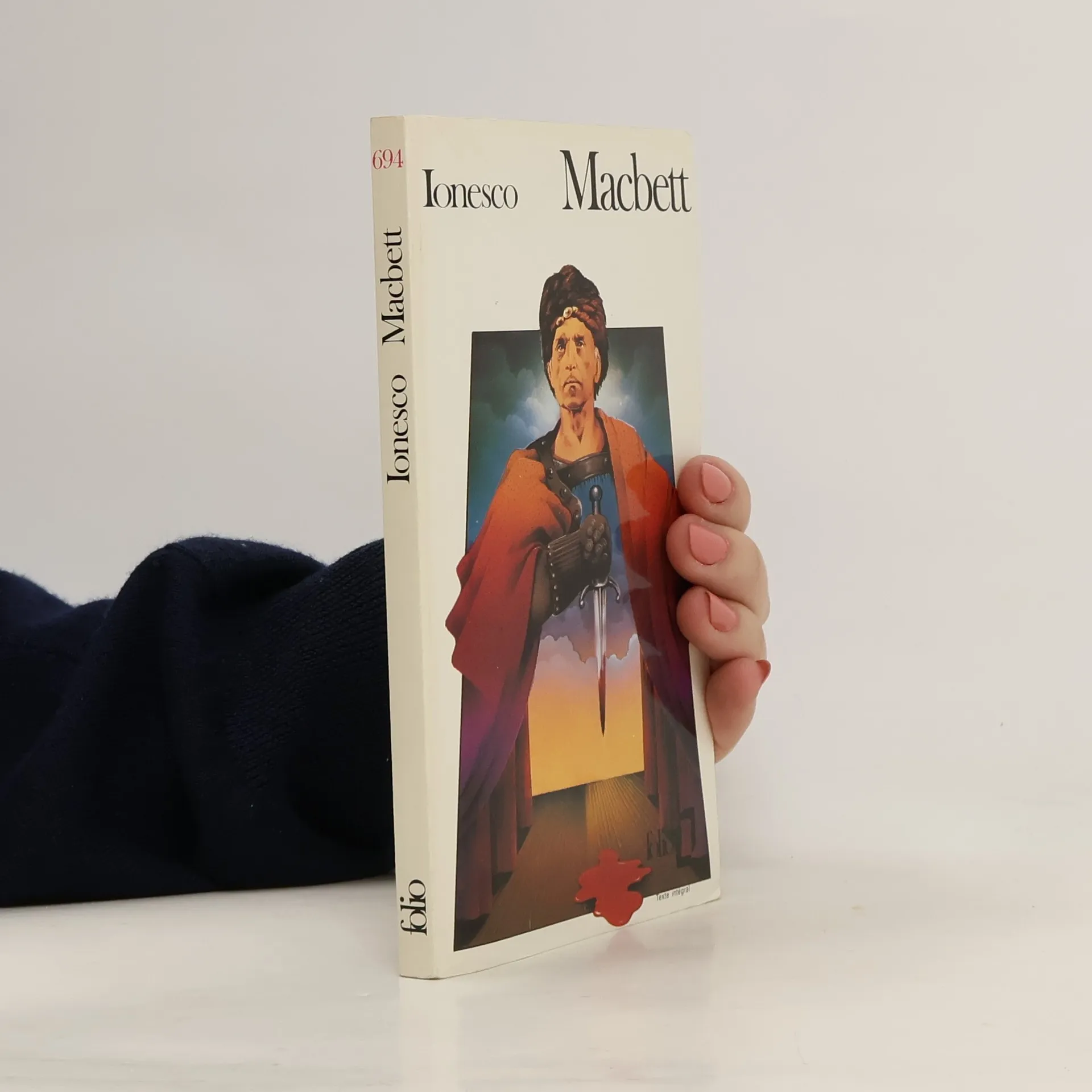
Dans l'imaginaire collectif, Macbeth, ce roi d'Ecosse qui régna à la lin du XIe siècle, représente depuis Shakespeare l'archétype de l'ambitieux qui, poussé par sa femme, tua le roi légitime pour monter sur le trône et multiplia meurtres et exactions. Avec Macbeth, pièce qui témoigne de sa vision amère des grands drames qui ont bouleversé le XXe siècle - nazisme et communisme qu'il a toujours renvoyés dos à dos - Ionesco crée une oeuvre burlesque dans laquelle la politique n'est que le jeu absurde d'un fou, le caprice d'un paranoïaque satanique. Plus que jamais son théâtre apparaît comme une " farce tragique ", sous-titre dont il qualifie lui-même Les Chaises, l'une de ses premières pièces.
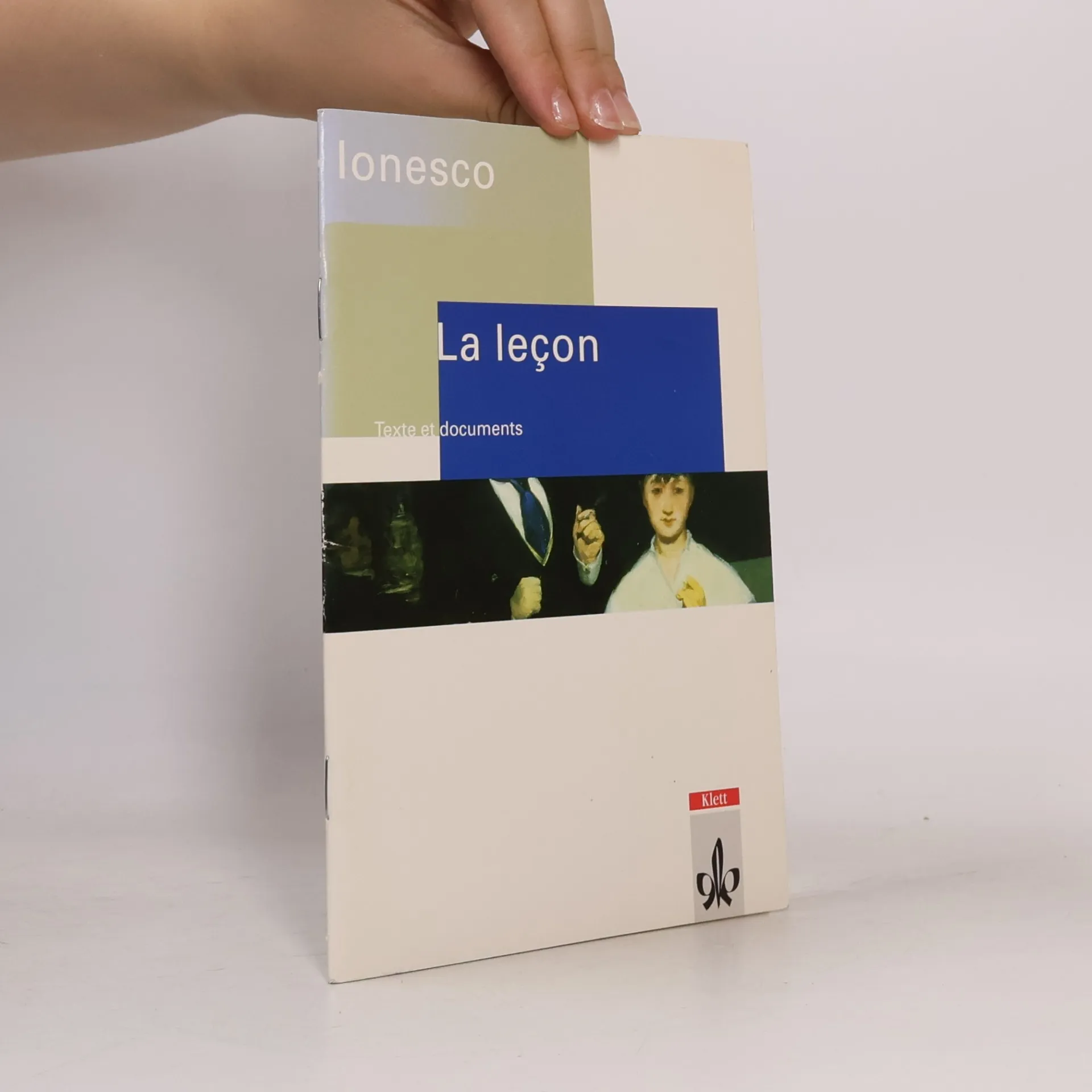
Pièce en un acte. La pièce se déroule dans le bureau et la salle à manger d'un petit appartement français. Le Professeur, un homme âgé d'environ 50 à 60 ans, attend un nouvel Élève (âgé de 18 ans). Le troisième personnage est la Femme de ménage du Professeur, une femme corpulente au visage rouge, âgée d'environ 40 à 50 ans, qui s'inquiète toujours de la santé du Professeur. Au fur et à mesure que la leçon progresse, le Professeur devient de plus en plus en colère face à ce qu'il perçoit comme l'ignorance de l'Élève, tandis que l'Élève devient de plus en plus silencieux et docile. Au climax de la pièce, l'Élève est tué par le Professeur, après une longue série de non sequiturs (qui sont fréquemment utilisés dans les pièces d'Ionesco). La pièce se termine alors qu'un nouvel Élève est accueilli par la Femme de ménage.
Ce sont eux qui sont beaux. J'ai eu tort! Oh! Comme je voudrais être comme eux. Je n'ai pas de corne, hélas! Que c'est laid, un front plat. Il m'en faudrait une ou deux, pour rehausser mes traits tombants. Ca viendra peut-être, et je n'aurai plus honte, je pourrai aller tous les retrouver. Mais ça ne pousse pas! (Il regarde les paumes de ses mains.) Mes mains sont moites. Deviendront-elles rugueuses? (Il enlève son veston, défait sa chemise, contemple sa poitrine dans la glace.) J'ai la peau flasque. Ah, ce corps trop blanc, et poilu! Comme je voudrais avoir une peau dure et cette magnifique couleur d'un vert sombre, une nudité décente, sans poils, comme la leur!
Deutsche Erstausgabe. Übertragen und mit einer Einführung von Alexandru Bulucz. Mit einem Essay von Klaus Heitmann zu Ionescu als Lyriker
150 pages
6 hours of reading
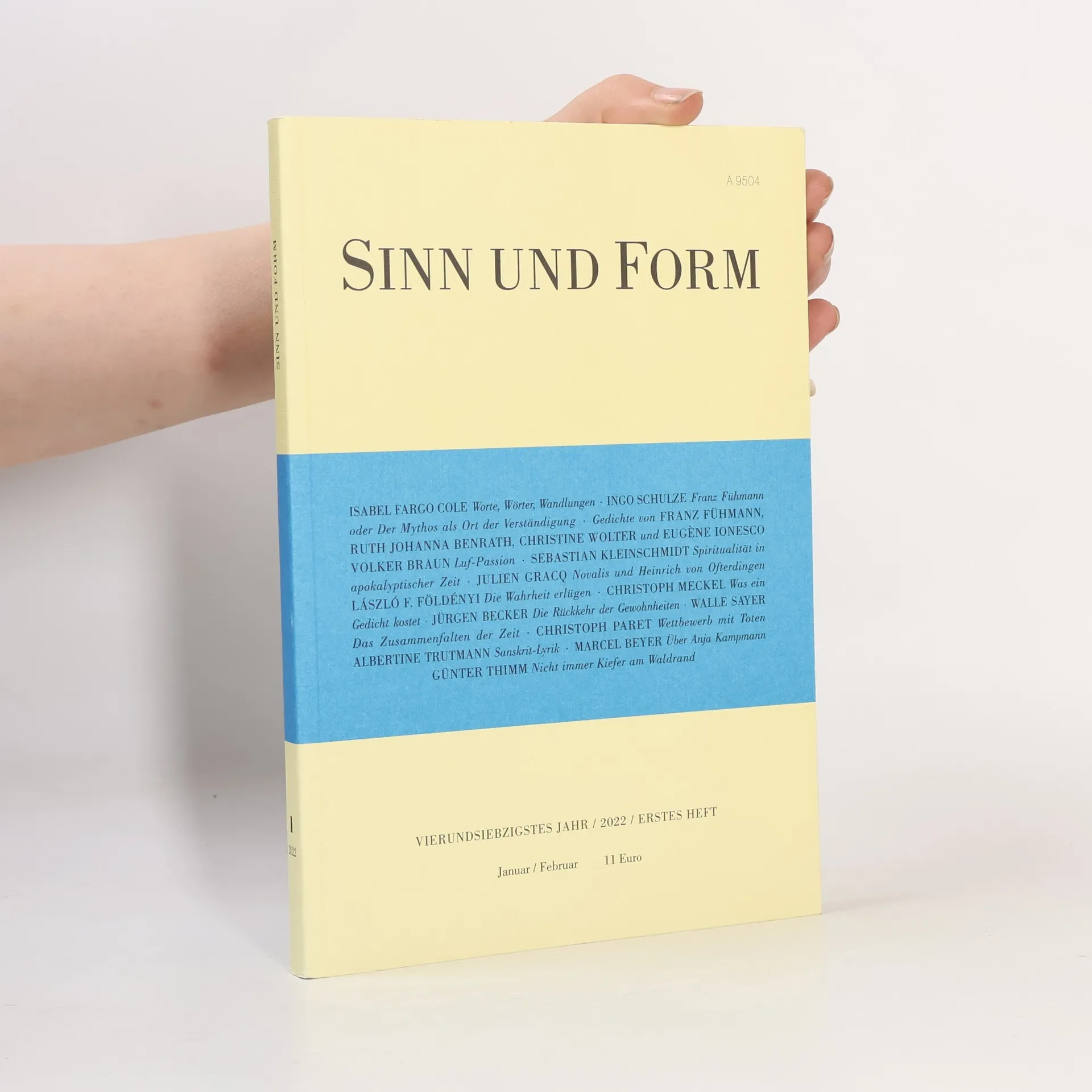
Eugène Ionesco debütierte 1931 als Dichter rumänischer Sprache mit »Elegien für kleine Wesen« und »Grotesken Elegien«, inspiriert vom Marionettentheater im Pariser Jardin du Luxembourg. Diese Werke thematisieren bereits Aspekte, die Ionesco später im Absurden Theater weiterverfolgen sollte. Obwohl er als französischschreibender Autor berühmt wurde, wurzeln seine literarischen Anfänge in der rumänischen Dichtung. Sein Erstlingswerk, das Ende 1931 erschien, spiegelt die politischen und sozialen Spannungen seiner Zeit wider, als die rumänische Intellektuellenszene, darunter Figuren wie Mircea Eliade und Emil Cioran, von faschistischen Strömungen beeinflusst wurde. Ionesco, der sich von diesen Entwicklungen distanzierte, kritisierte die gesellschaftlichen Umstände und thematisierte in seinen Elegien existenzialistische und fatalistische Motive. Die zweisprachige Ausgabe dieser Elegien ist eine wichtige Ergänzung zur deutschen Werkausgabe, die sie zuvor ausgeschlossen hatte, da Ionesco sich später von ihnen distanzierte. In einem beigefügten Essay plädiert der Romanist Klaus Heitmann dafür, die Elegien literarisch zu würdigen und ihre Bedeutung nicht zu ignorieren.
Décryptez Rhinocéros avec l'analyse de Paideia éducation ! Que faut-il retenir de la pièce de théâtre de Ionesco ? Retrouvez tout ce que vous devez savoir de ce chef-d'oeuvre de la littérature mondiale dans une analyse de référence pour comprendre rapidement le sens de l'oeuvre. Rédigée de manière claire et accessible par un enseignant, cette fiche de lecture propose notamment un résumé, une étude des thèmes principaux, des clés de lecture et des pistes de réflexion. Une analyse littéraire complète et détaillée pour mieux lire et comprendre le livre ! Paideia éducation en deux mots: Plébiscité aussi bien par les passionnés de littérature que par les lycéens, Paideia éducation est considéré comme une référence en matière d'analyses d'oeuvres littéraires. Celles-ci ont été conçues pour guider les lecteurs à travers la littérature. Nos auteurs appartiennent aux milieux universitaire et de l'éducation, gage de sérieux pour vous faire découvrir les plus grandes oeuvres de la littérature mondiale.
"Sunt asemeni lui Iov, omul care, pierzand divinitatea, priveste spre golul ramas si numai intelege nimic. Singura forta ce-mi ramane este refuzul. Refuzul de a ma supune, de a accepta sa dau libertatea pe liniste, pe anestezie - acest pact modern cu diavolul pe care atatia oameni din tarile oprimate il fac pentru «a fi lasati in pace». «Sa aderi» inseamna sa te supui dogmatismului. Ca sa-l eviti, trebuie sa-ti pastrezi libertatea fata de toate afirmatiile si fata de propriile tale afirmatii. Sigur, pozitia nu e deloc usor de aparat, deloc comoda, caci e ceva obisnuit sa-ti menti declaratiile, sa pastrezi aceiasi linie, sa repeti opiniile celorlalti, iar asta se va intampla mereu."
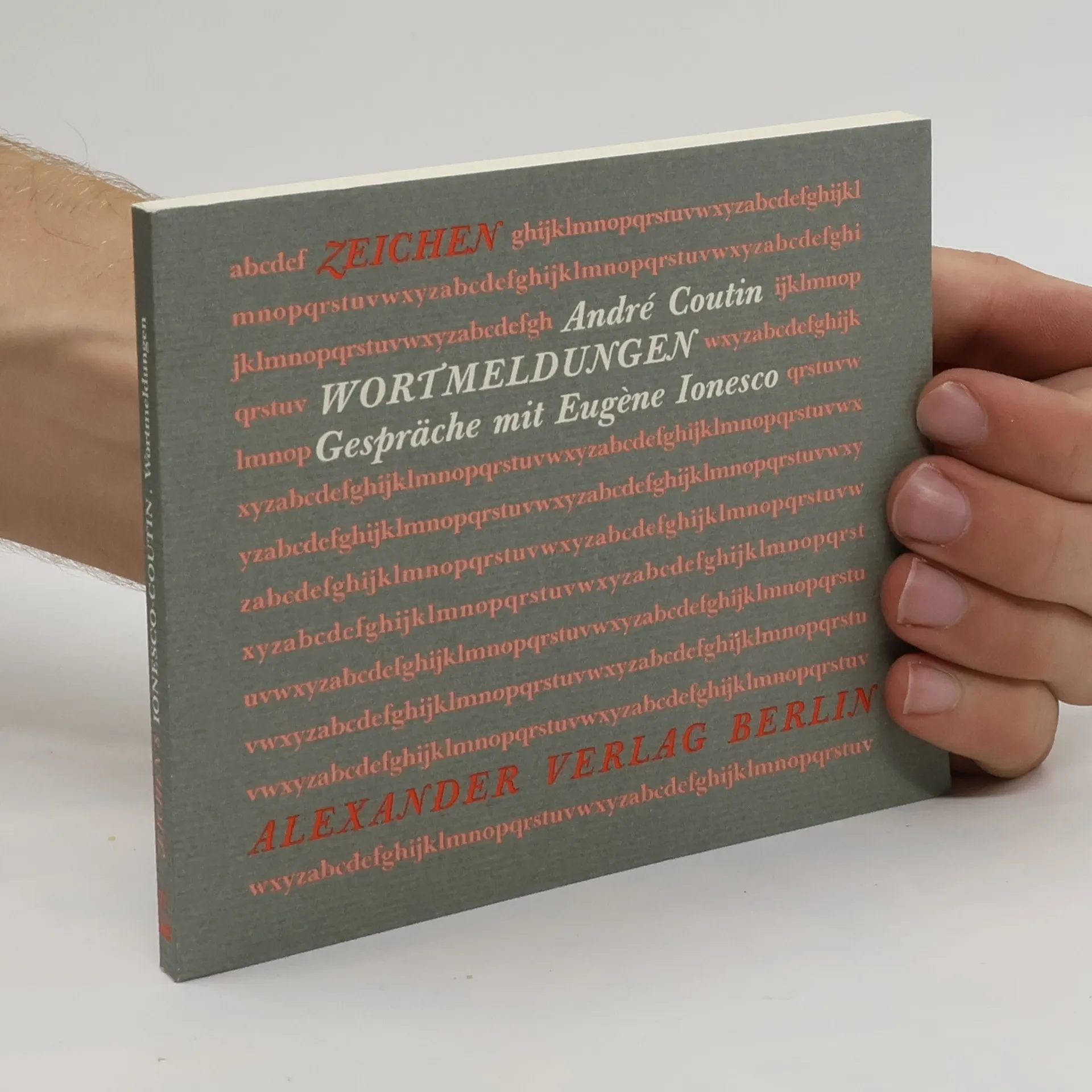
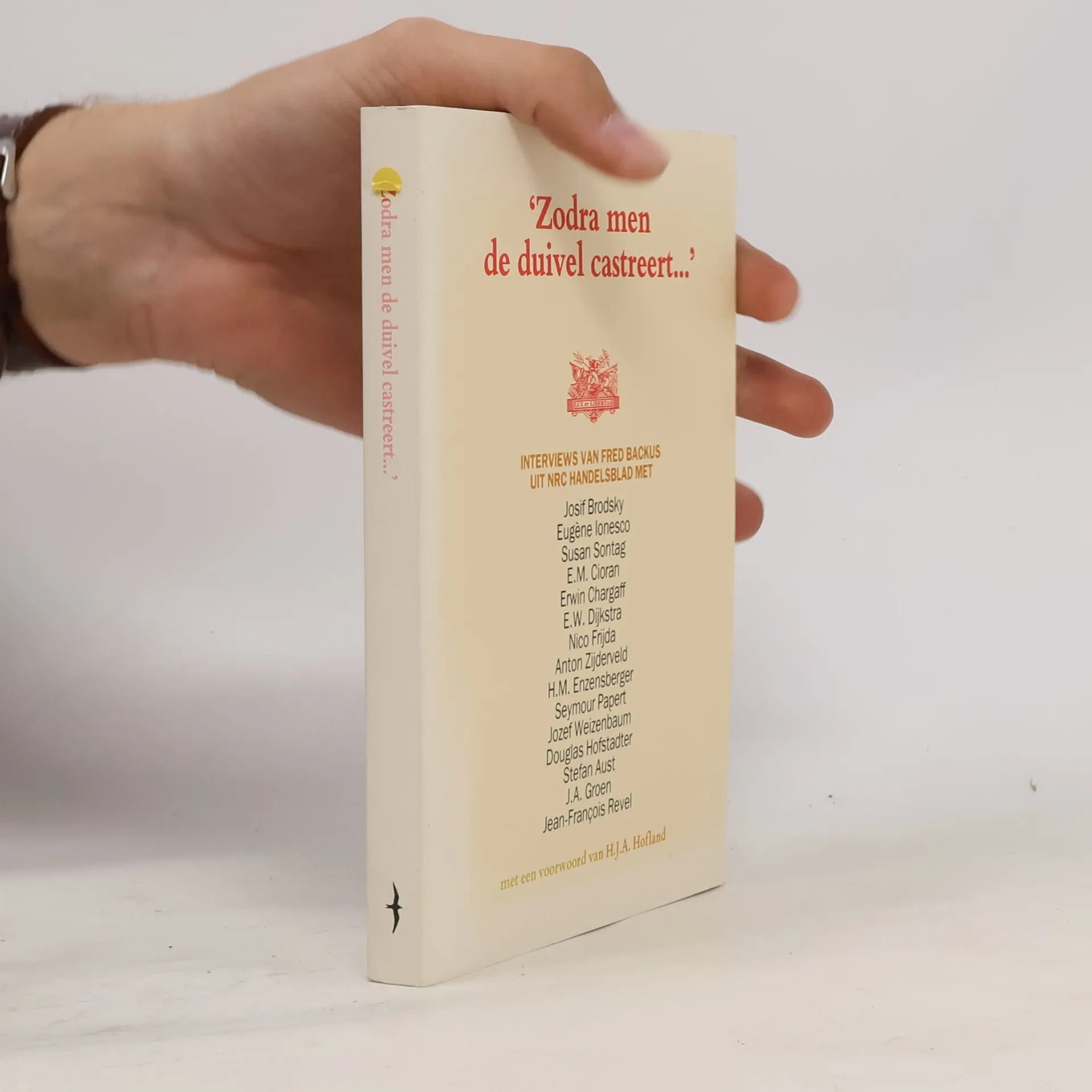
Interviews van Fred Backus uit NRC Handelsblad met Josif Brodsky, Eugène Ionesco, Susan Sontag, E.M. Cioran, Erwin Chargaff, E.W. Dijkstra, Nico Frijda, Anton Zijderveld, H.M. Enzensberger, Seymour Papert, Jozef Weizenbaum, Douglas Hofstadter, Stefan Aust, J.A. Groen, Jean-François Revel. Met een voorwoord van H.J.A. Hofland
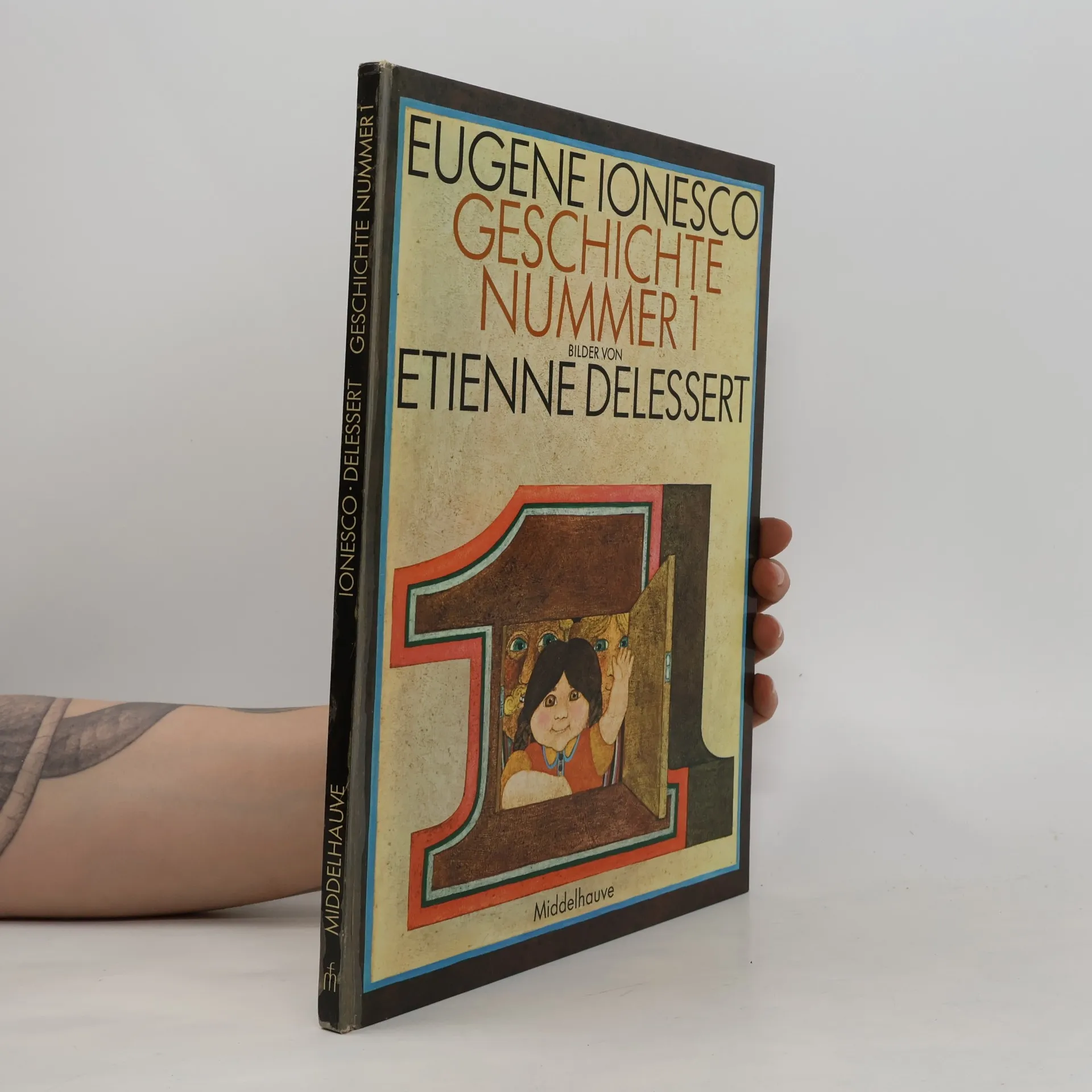
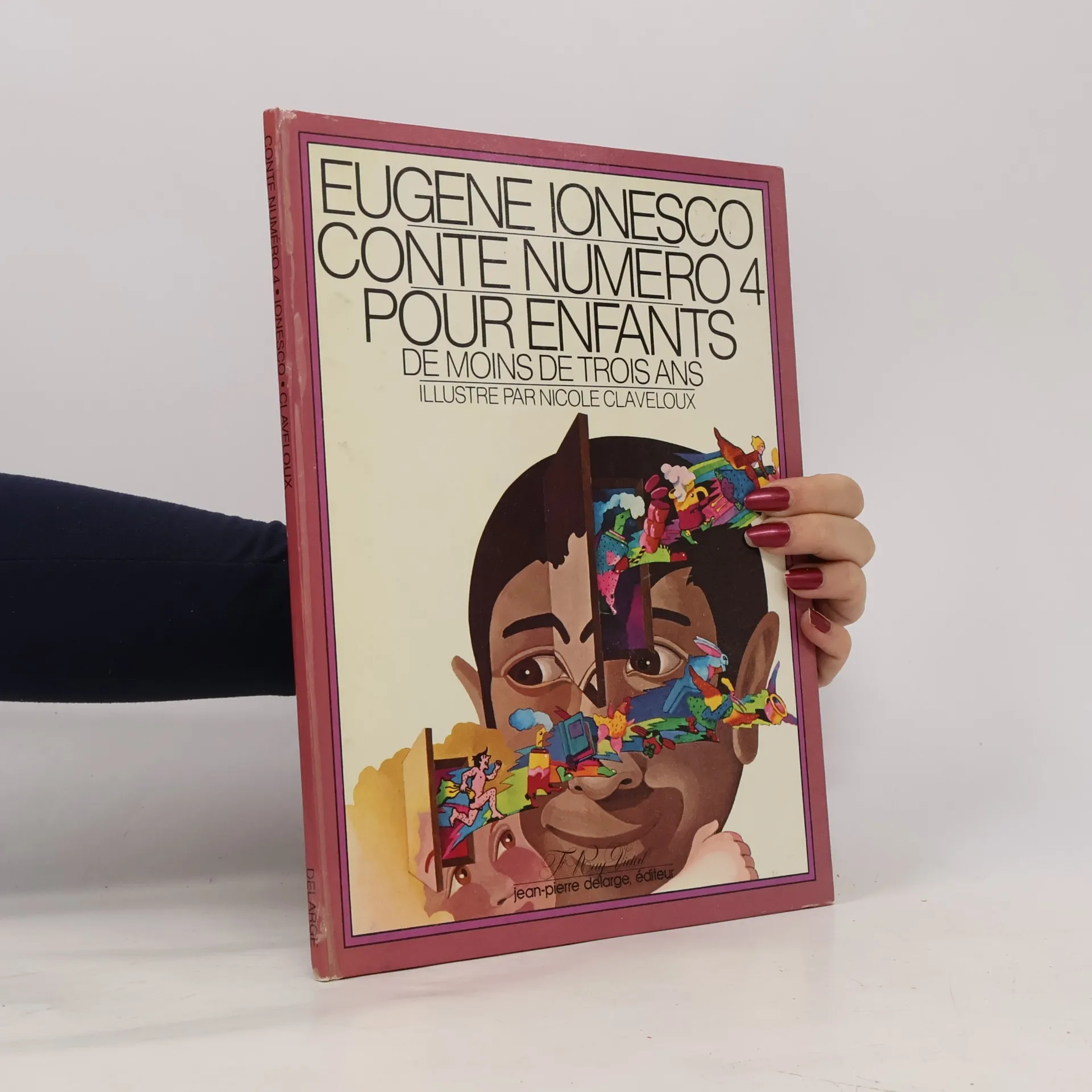
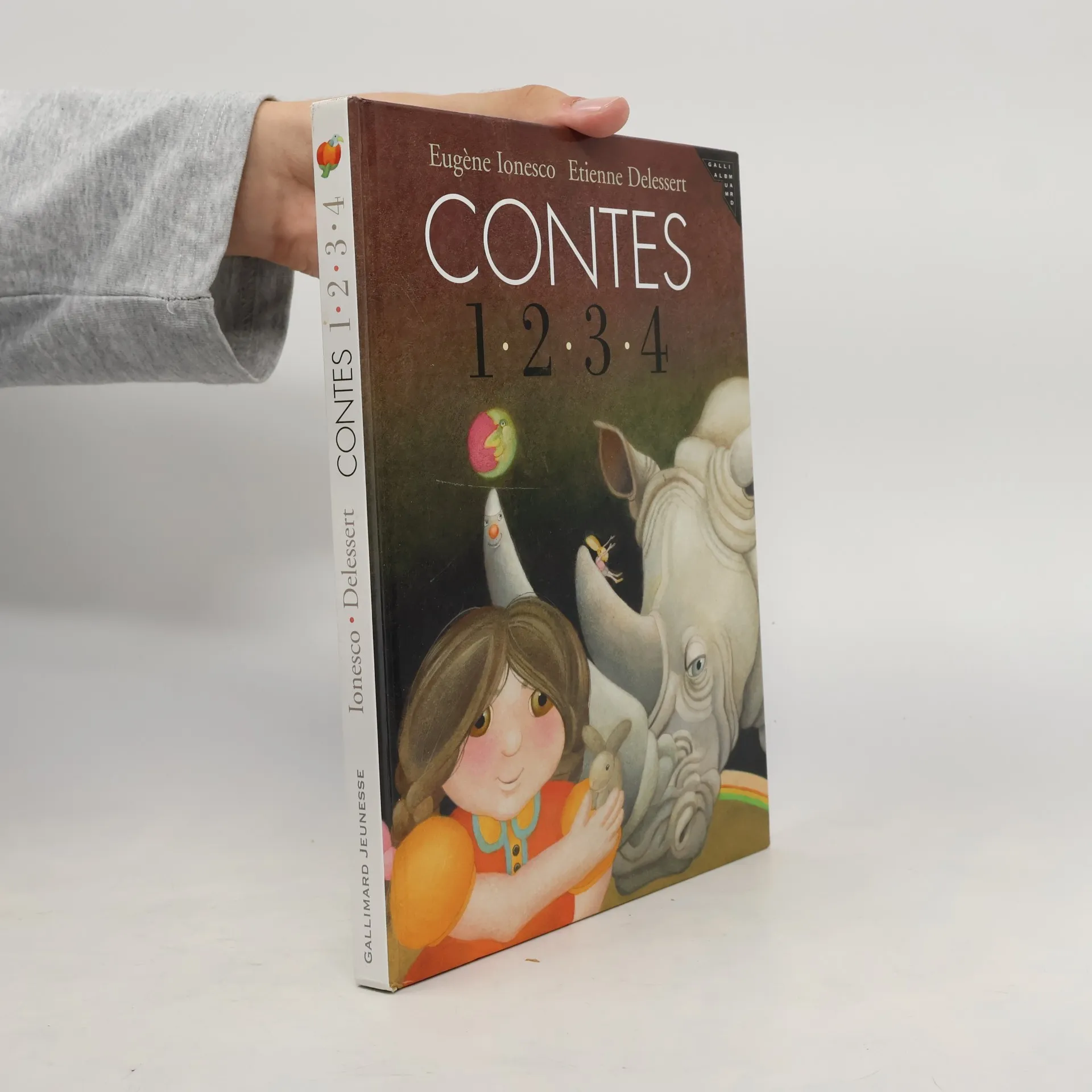
Issu de la 4e de couv. : "C'est un jeu des plus familiers : un père raconte des histoires à sa petite fille. Or, le père est Eugène Ionesco, sa fille a l'esprit de répartie, et c'est Etienne Delessert qui met en scène le tout en images somptueuses."
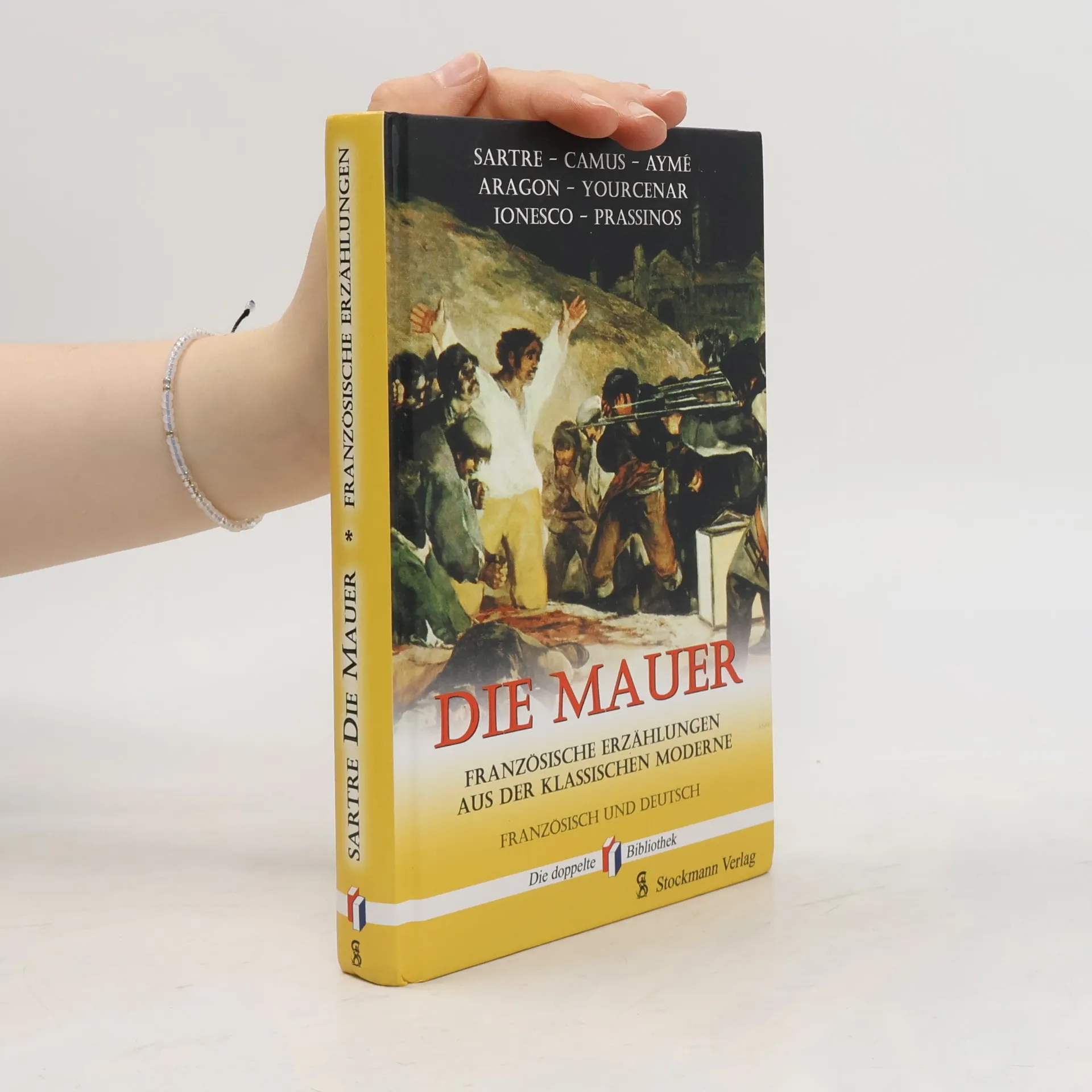
Französische Erzählungen aus der klassischen Moderne; Französisch und Deutsch
270 pages
10 hours of reading
'The Wall', the lead story in this collection, introduces three political prisoners on the night prior to their execution. Through the gaze of an impartial doctor--seemingly there for the men's solace--their mental descent is charted in exquisite, often harrowing detail. And as the morning draws inexorably closer, the men cross the psychological wall between life and death, long before the first shot rings out. This brilliant snapshot of life in anguish is the perfect introduction to a collection of stories where the neurosis of the modern world is mirrored in the lives of the people that inhabit it.





![Rhinocéros [d'] Ionesco](https://rezised-images.knhbt.cz/1920x1920/82964129.webp)