

More about the book
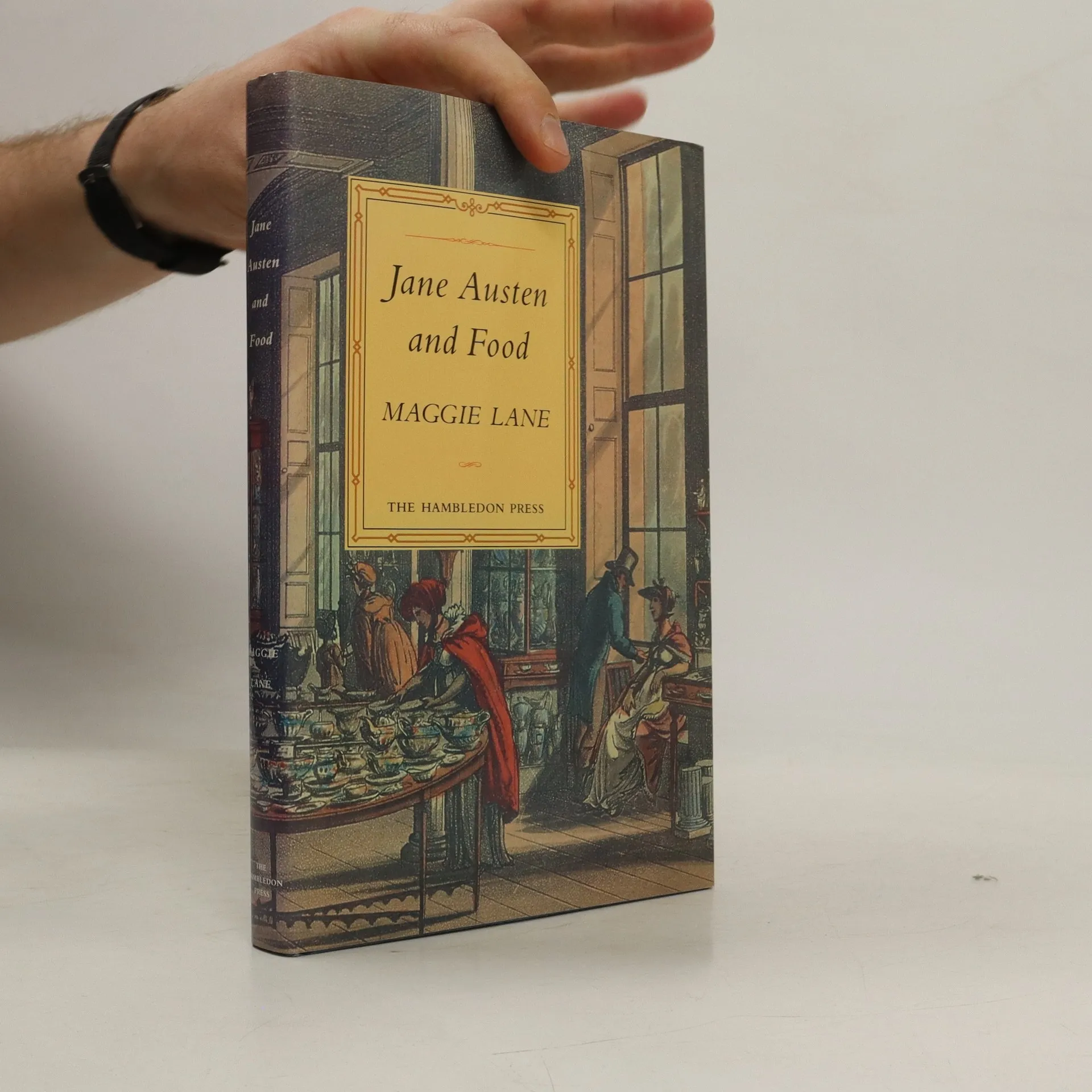
What is the significance of the pyramid of fruit at Pemberley or the cold beef consumed by Willoughby on his journey to see Marianne? Why is Emma's disgrace set during a picnic, and how do the varying styles of housekeeping in Mansfield Park reflect contemporary social issues? While Jane Austen does not extensively detail meals like Victorian novelists, food plays a crucial role in her narratives. Her domestic plots are rich with the rituals of sharing meals, and characters' attitudes toward eating, housekeeping, and hospitality reveal their moral values. Austen skillfully uses specific food items to symbolize qualities at pivotal moments in her stories. This is especially evident in Emma, where food references enhance the novel's world and serve as a metaphor for community interdependence. In this engaging and well-researched exploration, Maggie Lane provides a fresh perspective on Austen's work while shedding light on a fascinating period of food history, as England faced urbanization, middle-class luxury, and shifting gender roles. Covering themes such as greed, gender, mealtimes, and manners, Lane draws on Austen's novels, letters, and family papers to examine the author's complex views on food provision and enjoyment.
Book purchase
Jane Austen And Food, Maggie Lane
- Language

- Released
- 1995
- Binding
- (Hardcover)
Payment methods
We’re missing your review here.
- Title
- Jane Austen And Food
- Language
- English
- Authors
- Maggie Lane
- Publisher
- Burns & Oates
- Released
- 1995
- Format
- Hardcover
- Pages
- 224
- ISBN10
- 1852851244
- ISBN13
- 9781852851248
- Series
- Categories
- Rating
- 4 out of 5
- Description
- What is the significance of the pyramid of fruit at Pemberley or the cold beef consumed by Willoughby on his journey to see Marianne? Why is Emma's disgrace set during a picnic, and how do the varying styles of housekeeping in Mansfield Park reflect contemporary social issues? While Jane Austen does not extensively detail meals like Victorian novelists, food plays a crucial role in her narratives. Her domestic plots are rich with the rituals of sharing meals, and characters' attitudes toward eating, housekeeping, and hospitality reveal their moral values. Austen skillfully uses specific food items to symbolize qualities at pivotal moments in her stories. This is especially evident in Emma, where food references enhance the novel's world and serve as a metaphor for community interdependence. In this engaging and well-researched exploration, Maggie Lane provides a fresh perspective on Austen's work while shedding light on a fascinating period of food history, as England faced urbanization, middle-class luxury, and shifting gender roles. Covering themes such as greed, gender, mealtimes, and manners, Lane draws on Austen's novels, letters, and family papers to examine the author's complex views on food provision and enjoyment.