




Book rating
More about the book
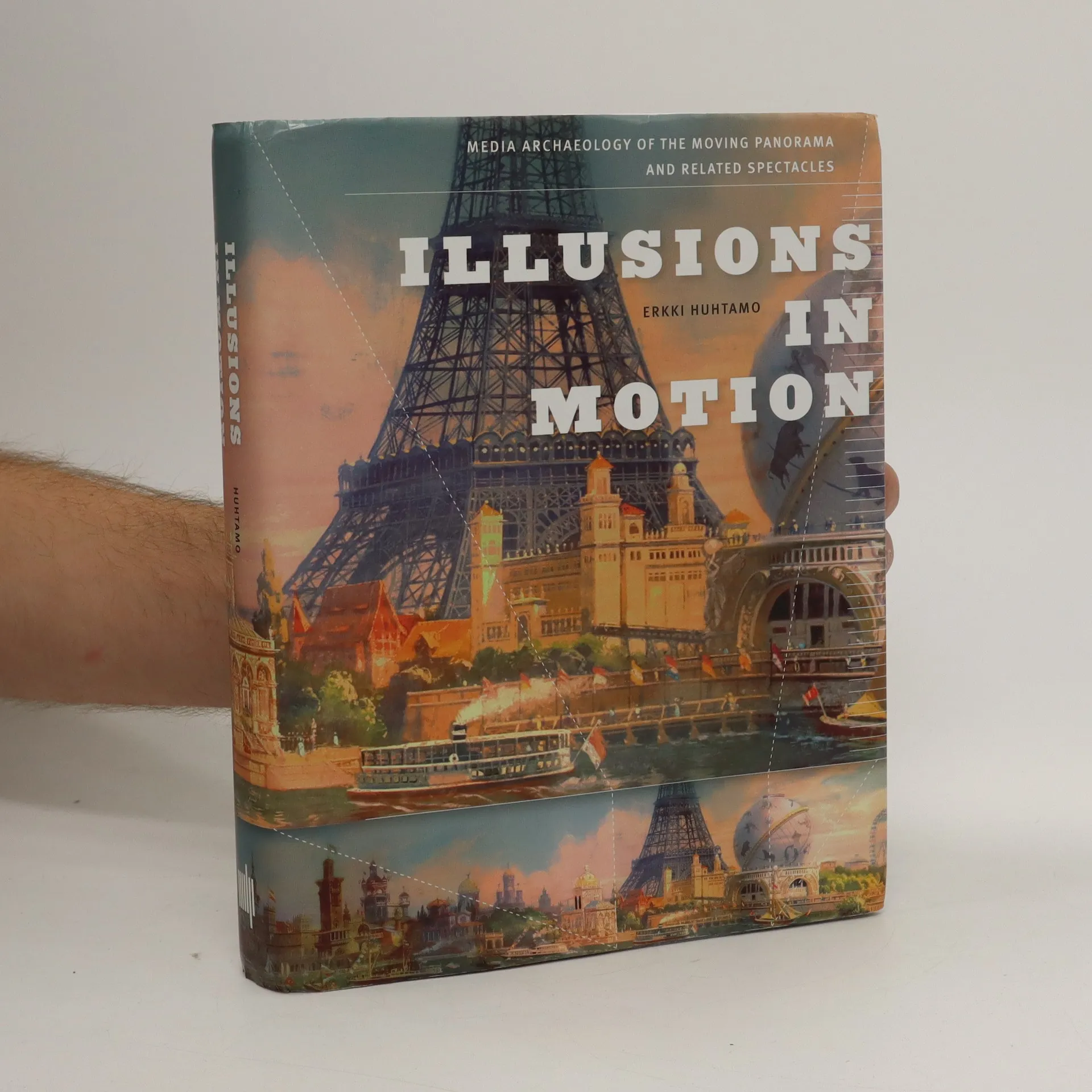
Beginning in the late eighteenth century, huge circular panoramas captivated audiences with vivid depictions of historic battles and exotic locations. While these static panoramas were immersive, others moved—hundreds, if not thousands, of them. In Illusions in Motion, Erkki Huhtamo uncovers this overlooked aspect of early media culture. The moving panorama consisted of a long painting that unrolled behind a "window" using a mechanical cranking system, often accompanied by lectures, music, and sound and light effects. Showmen presented these panoramas in diverse venues, from opera houses to church halls, creating a market for mediated realities in urban and rural settings. Huhtamo's comprehensive analysis delves into the moving panorama's complexity, exploring its connections to other media and its cultural significance. He discusses cultural forms that predated the moving panorama, theatrical panoramas, the diorama, the "panoramania" of the 1850s, and the career of Albert Smith, a leading showman of the time. The work also examines competition with magic lantern shows, the panorama's peak in the late nineteenth century, and its legacy in literature, journalism, science, philosophy, and propaganda.
Book purchase
Illusions in motion : media archaeology of the moving panorama and related spectacles, Erkki Huhtamo
- Language

- Released
- 2013
- Binding
- (Hardcover)
Payment methods
We’re missing your review here.
- Title
- Illusions in motion : media archaeology of the moving panorama and related spectacles
- Language
- English
- Authors
- Erkki Huhtamo
- Publisher
- MIT
- Released
- 2013
- Format
- Hardcover
- Pages
- 438
- ISBN10
- 0262018519
- ISBN13
- 9780262018517
- Series
- Collection
- Leonardo (MIT)
- Categories
- Rating
- 4.2 out of 5
- Description
- Beginning in the late eighteenth century, huge circular panoramas captivated audiences with vivid depictions of historic battles and exotic locations. While these static panoramas were immersive, others moved—hundreds, if not thousands, of them. In Illusions in Motion, Erkki Huhtamo uncovers this overlooked aspect of early media culture. The moving panorama consisted of a long painting that unrolled behind a "window" using a mechanical cranking system, often accompanied by lectures, music, and sound and light effects. Showmen presented these panoramas in diverse venues, from opera houses to church halls, creating a market for mediated realities in urban and rural settings. Huhtamo's comprehensive analysis delves into the moving panorama's complexity, exploring its connections to other media and its cultural significance. He discusses cultural forms that predated the moving panorama, theatrical panoramas, the diorama, the "panoramania" of the 1850s, and the career of Albert Smith, a leading showman of the time. The work also examines competition with magic lantern shows, the panorama's peak in the late nineteenth century, and its legacy in literature, journalism, science, philosophy, and propaganda.