

More about the book
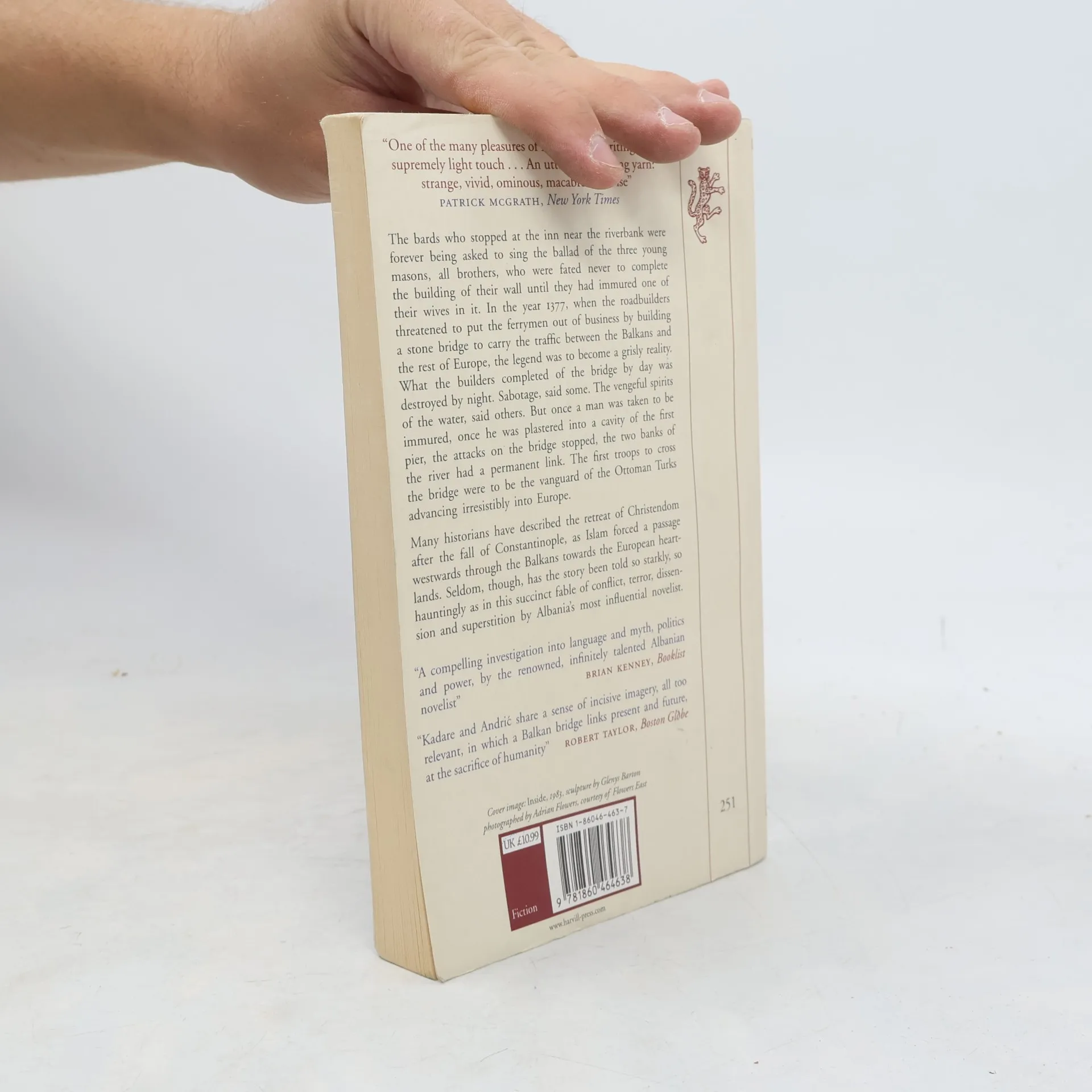
The bards who stopped at the inn near the riverbank were forever being asked to sing the ballad of the three young masons, all brothers, who were fated never to complete the building of their wall until they had immured one of their wives in it. In the year 1377, when the roadbuilders threatened to put the ferrymen out of business by building a stone bridge to carry the traffic between the Balkans and the rest of Europe, the legend was to become a grisly reality. What the builders completed of the bridge by day was destroyed by night. Sabotage, said some. The vengeful spirits of the waters, said others. But once a man was taken to be immured, once he was plastered into a cavity of the first pier, the attacks on the bridge stopped, the two banks of the river had a permanent link. The first troops to cross the bridge were to be the vanguard of the Ottoman Turks advancing irresistably into Europe. Many have described the retreat of Christendom after the fall of Constantinople, as Islam forced a passage westwards through the Balkans towards the European heartlands. Seldom, though, has the story been told so starkly, so hauntingly, as in this succinct fable of conflict, terror, dissention and superstition by Albania's most influential novelist.


Book purchase
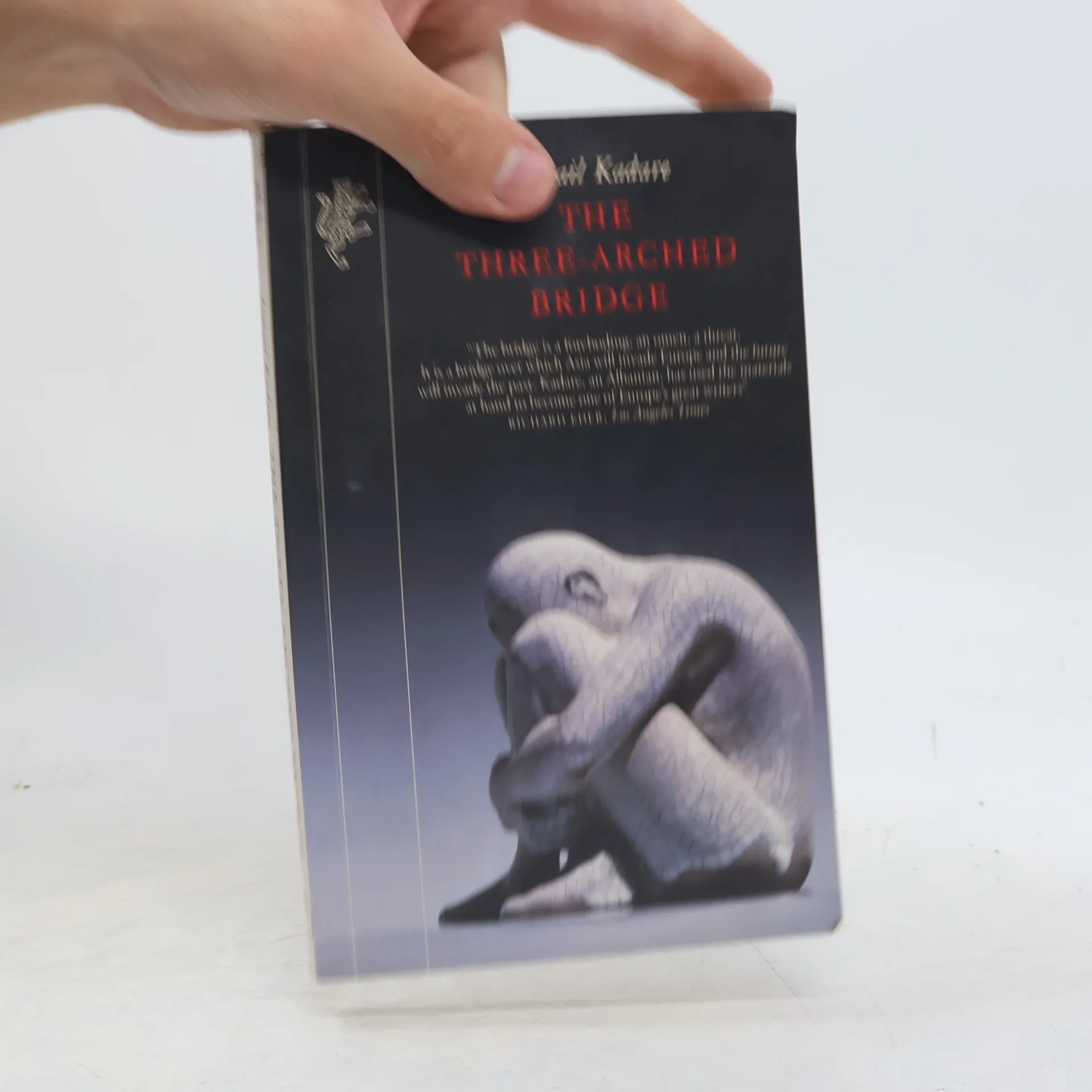
The Three-Arched Bridge, Ismail Kadare
- Language

- Released
- 1998
- Binding
- (Paperback)
Payment methods
We’re missing your review here.
- Title
- The Three-Arched Bridge
- Language
- English
- Authors
- Ismail Kadare
- Publisher
- Harvill Press
- Released
- 1998
- Format
- Paperback
- Pages
- 176
- ISBN10
- 1860464637
- ISBN13
- 9781860464638
- Series
- Categories
- Original title
- Ura me tri harqe
- Rating
- 3.9 out of 5
- Description
- The bards who stopped at the inn near the riverbank were forever being asked to sing the ballad of the three young masons, all brothers, who were fated never to complete the building of their wall until they had immured one of their wives in it. In the year 1377, when the roadbuilders threatened to put the ferrymen out of business by building a stone bridge to carry the traffic between the Balkans and the rest of Europe, the legend was to become a grisly reality. What the builders completed of the bridge by day was destroyed by night. Sabotage, said some. The vengeful spirits of the waters, said others. But once a man was taken to be immured, once he was plastered into a cavity of the first pier, the attacks on the bridge stopped, the two banks of the river had a permanent link. The first troops to cross the bridge were to be the vanguard of the Ottoman Turks advancing irresistably into Europe. Many have described the retreat of Christendom after the fall of Constantinople, as Islam forced a passage westwards through the Balkans towards the European heartlands. Seldom, though, has the story been told so starkly, so hauntingly, as in this succinct fable of conflict, terror, dissention and superstition by Albania's most influential novelist.