




More about the book
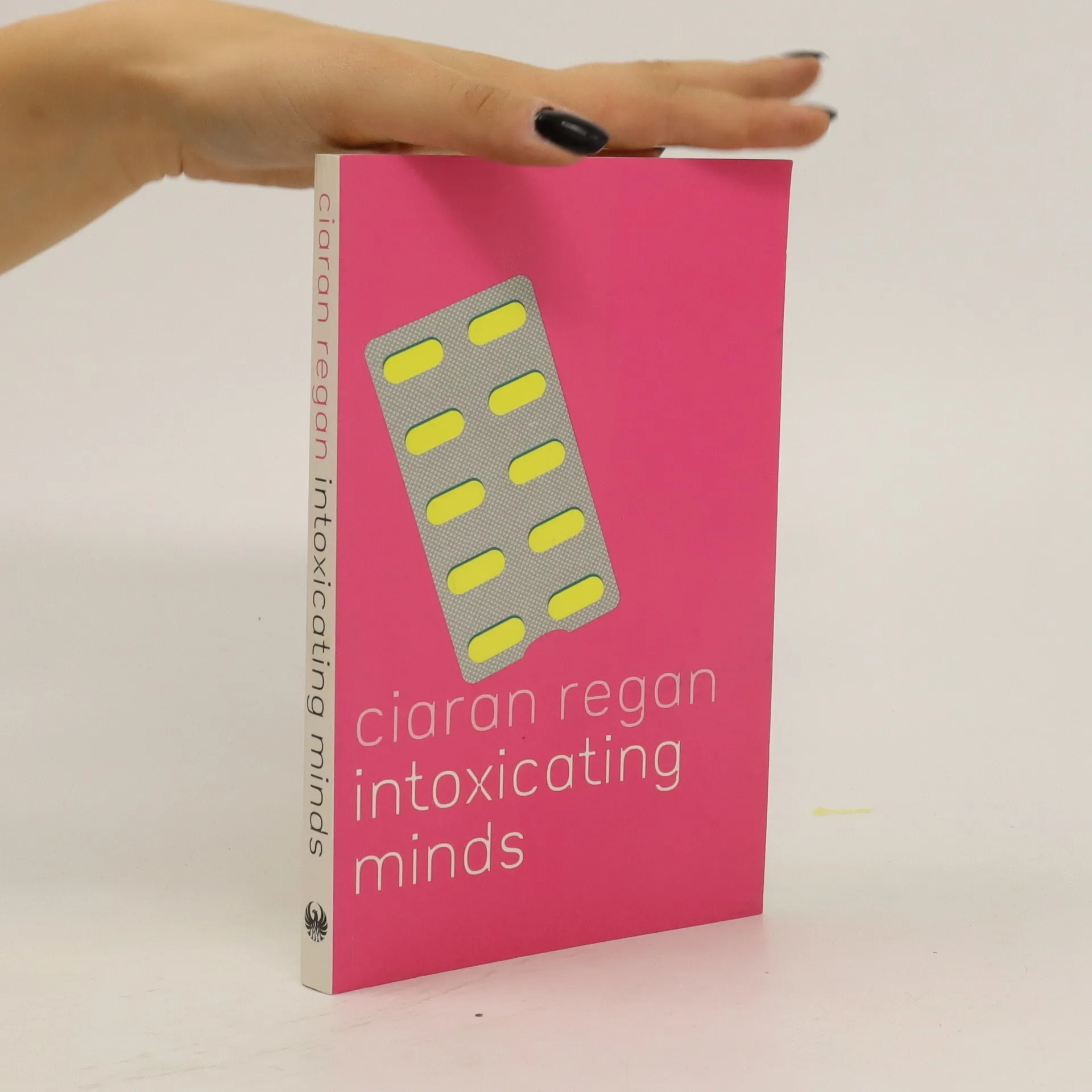
Whether schizophrenia, depression or anxiety, drugs are commonly prescribed by psychiatrists to repair the fragmented mind, in essence serving to improve people's contribution to society. And from the social use of caffeine and alcohol, through the despair of heroin addiction, to the transcendental properties of LSD, drugs continue to play a pivotal role in shaping our culture. In this book, Ciaran Regan explores the links between drugs, brains and society through our new understanding of how the brain works. He argues that mechanisms of brain development are replayed as we store new information and that these are significantly influenced by exposure to drugs. As these storage mechanisms are known to be defective in conditions such as schizophrenia and depression and to be altered by exposure to drugs, his ideas provide a unique interface between pharmacology and brain function.
Book purchase
Intoxicating Minds, Ciaran Regan
- Language

- Released
- 2001
- Binding
- (Paperback)
Payment methods
We’re missing your review here.
- Title
- Intoxicating Minds
- Language
- English
- Authors
- Ciaran Regan
- Publisher
- Phoenix
- Released
- 2001
- Format
- Paperback
- ISBN10
- 0753812886
- ISBN13
- 9780753812884
- Series
- Categories
- Tags
- Health & Medicine, Science, Medicine
- Rating
- 3.35 out of 5
- Description
- Whether schizophrenia, depression or anxiety, drugs are commonly prescribed by psychiatrists to repair the fragmented mind, in essence serving to improve people's contribution to society. And from the social use of caffeine and alcohol, through the despair of heroin addiction, to the transcendental properties of LSD, drugs continue to play a pivotal role in shaping our culture. In this book, Ciaran Regan explores the links between drugs, brains and society through our new understanding of how the brain works. He argues that mechanisms of brain development are replayed as we store new information and that these are significantly influenced by exposure to drugs. As these storage mechanisms are known to be defective in conditions such as schizophrenia and depression and to be altered by exposure to drugs, his ideas provide a unique interface between pharmacology and brain function.