

More about the book
The inactivation of vegetative bacteria by chemicals; The inactivation of vegetative micro-organisms by chemical in the dairyng industry; Bacterial inhibitors in milk and other biological secretions, with special reference to the complement/antibody, transferrin/ lactoferrin and lactoperoxidase/thiocyanate/hydrogen peroxide systems; Inactivation of non-sporing bacteria by gases; The antimicrobial activity of SO2 - with particular reference to fermented and non-fermented fruit juices; Inactivation by cold; Thermal injury and inactivation in vegetative bacteria; Effect of temperature on filamentous fungi; Inhibition of micro-organisms in food by water activity; The inactivation of vegetative bacterial cells by ionizing radiation; Some aspects of the effects of hydrostatic pressure on microorganisms; Inactivation of yeast; The survival of bacteria in toiletries; Resuscitation of injured bacteria in foods; Inactivation of bacteria by freeze-drying; Practical and legislative aspects of the chemical preservation of food.
Book purchase
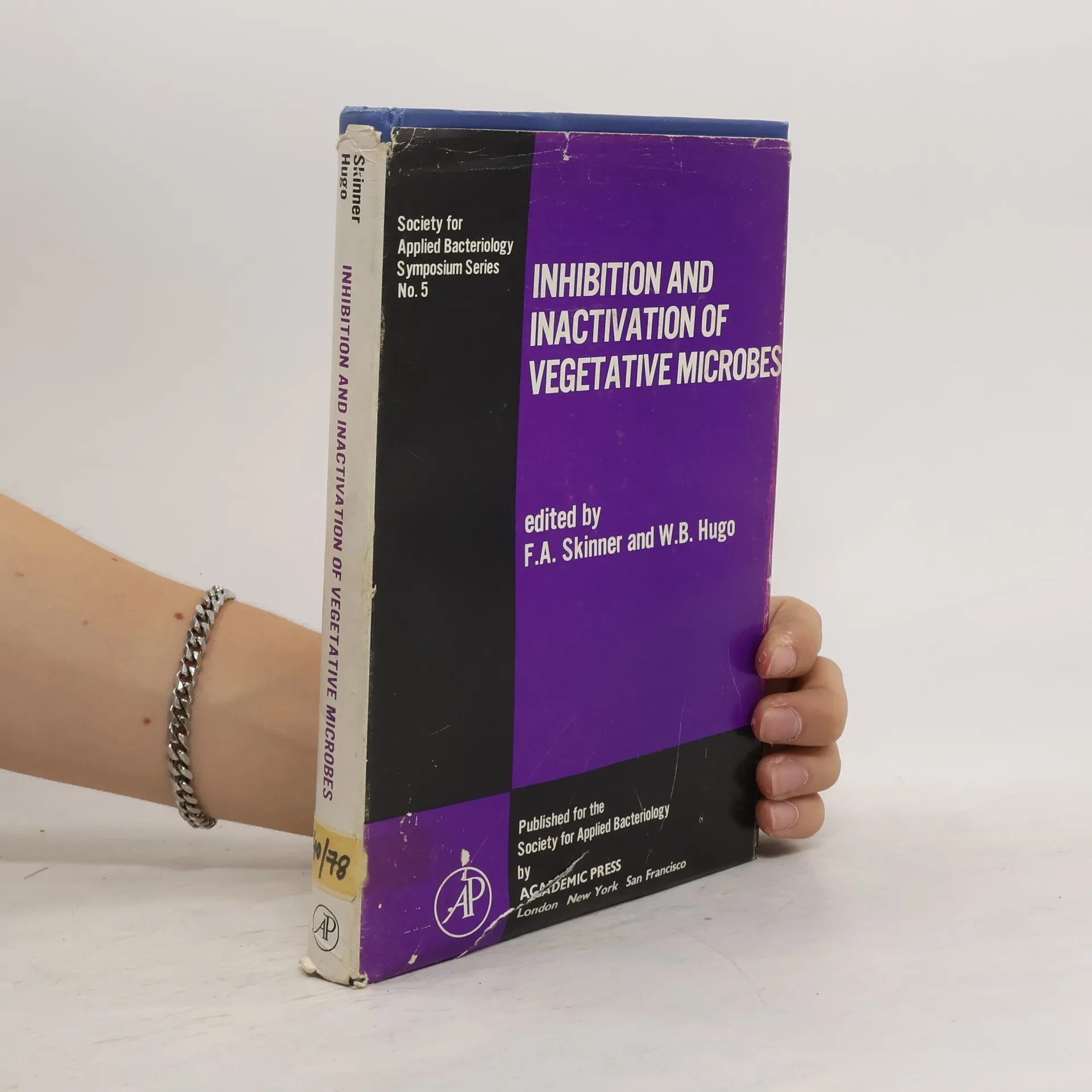
Inhibition and Inactivation of Vegetative Microbes, Frederick Arthur Skinner, William Barry Hugo
- Language

- Released
- 1976
- Binding
- (Hardcover)
Payment methods
No one has rated yet.
- Title
- Inhibition and Inactivation of Vegetative Microbes
- Language
- English
- Publisher
- Academic press
- Released
- 1976
- Format
- Hardcover
- Pages
- 400
- Series
- Categories
- Description
- The inactivation of vegetative bacteria by chemicals; The inactivation of vegetative micro-organisms by chemical in the dairyng industry; Bacterial inhibitors in milk and other biological secretions, with special reference to the complement/antibody, transferrin/ lactoferrin and lactoperoxidase/thiocyanate/hydrogen peroxide systems; Inactivation of non-sporing bacteria by gases; The antimicrobial activity of SO2 - with particular reference to fermented and non-fermented fruit juices; Inactivation by cold; Thermal injury and inactivation in vegetative bacteria; Effect of temperature on filamentous fungi; Inhibition of micro-organisms in food by water activity; The inactivation of vegetative bacterial cells by ionizing radiation; Some aspects of the effects of hydrostatic pressure on microorganisms; Inactivation of yeast; The survival of bacteria in toiletries; Resuscitation of injured bacteria in foods; Inactivation of bacteria by freeze-drying; Practical and legislative aspects of the chemical preservation of food.