

More about the book
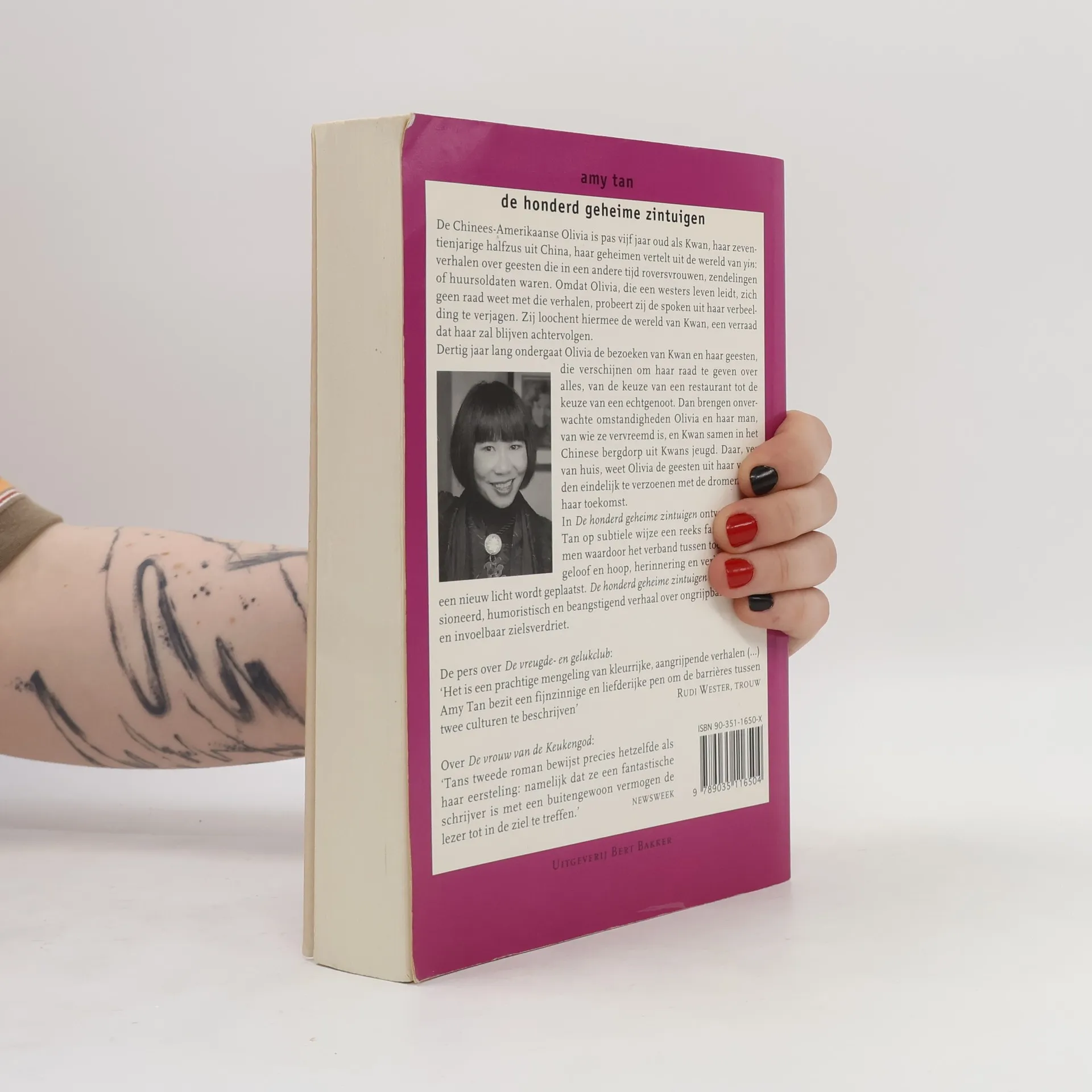
The Hundred Secret Senses is an exultant novel about China and America, love and loyalty, the identities we invent and the true selves we discover along the way. Olivia Laguni is half-Chinese, but typically American in her uneasiness with her patchwork family. And no one in Olivia's family is more embarrassing to her than her half-sister, Kwan Li. For Kwan speaks mangled English, is cheerfully deaf to Olivia's sarcasm, and sees the dead with her "yin eyes." Even as Olivia details the particulars of her decades-long grudge against her sister (who, among other things, is a source of infuriatingly good advice), Kwan Li is telling her own story, one that sweeps us into the splendor, squalor, and violence of Manchu China. And out of the friction between her narrators, Amy Tan creates a work that illuminates both the present and the past sweetly, sadly, hilariously, with searing and vivid prose.


Publication

Condition
There are currently of book De honderd geheime zintuigen (1996) in stock.
Book purchase
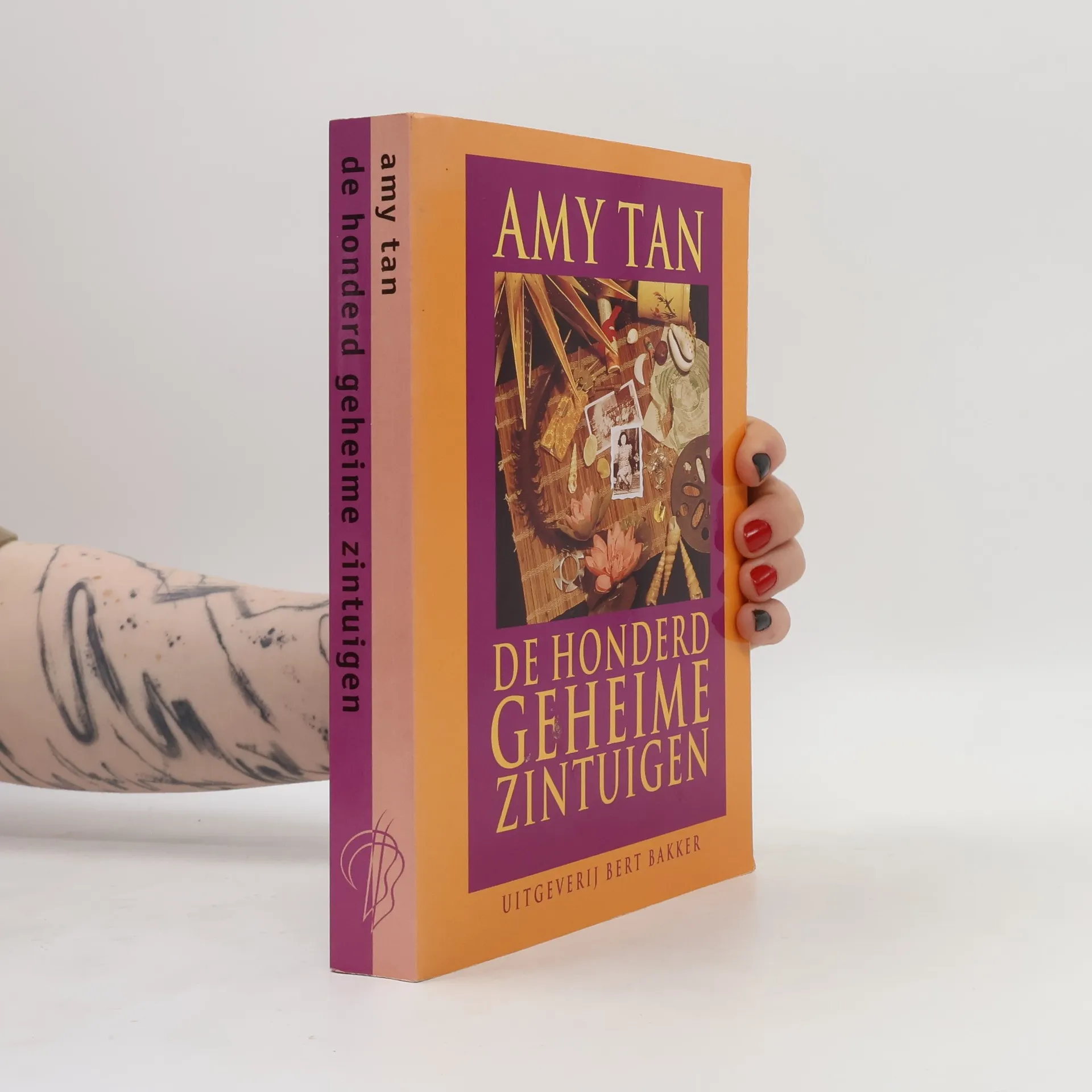
De honderd geheime zintuigen, Amy Tan, Peter Abelsen
- Language

- Released
- 1996
- Binding
- (Paperback),
- Book condition
- Good
- Price
- €3.69
Payment methods
We’re missing your review here.
- Title
- De honderd geheime zintuigen
- Language
- Dutch
- Authors
- Amy Tan, Peter Abelsen
- Publisher
- Uitgeverij Bert Bakker
- Released
- 1996
- Format
- Paperback
- Pages
- 351
- ISBN10
- 903511650X
- ISBN13
- 9789035116504
- Series
- Tags
- Contemporary Fiction, Asia, China, America, Ghosts and Apparitions, Mysticism, Asian Fiction, Rebirth, Far East, Cultural Differences
- First published
- 1995
- Original title
- The Hundred Secret Senses
- Rating
- 4 out of 5
- Description
- The Hundred Secret Senses is an exultant novel about China and America, love and loyalty, the identities we invent and the true selves we discover along the way. Olivia Laguni is half-Chinese, but typically American in her uneasiness with her patchwork family. And no one in Olivia's family is more embarrassing to her than her half-sister, Kwan Li. For Kwan speaks mangled English, is cheerfully deaf to Olivia's sarcasm, and sees the dead with her "yin eyes." Even as Olivia details the particulars of her decades-long grudge against her sister (who, among other things, is a source of infuriatingly good advice), Kwan Li is telling her own story, one that sweeps us into the splendor, squalor, and violence of Manchu China. And out of the friction between her narrators, Amy Tan creates a work that illuminates both the present and the past sweetly, sadly, hilariously, with searing and vivid prose.