

More about the book
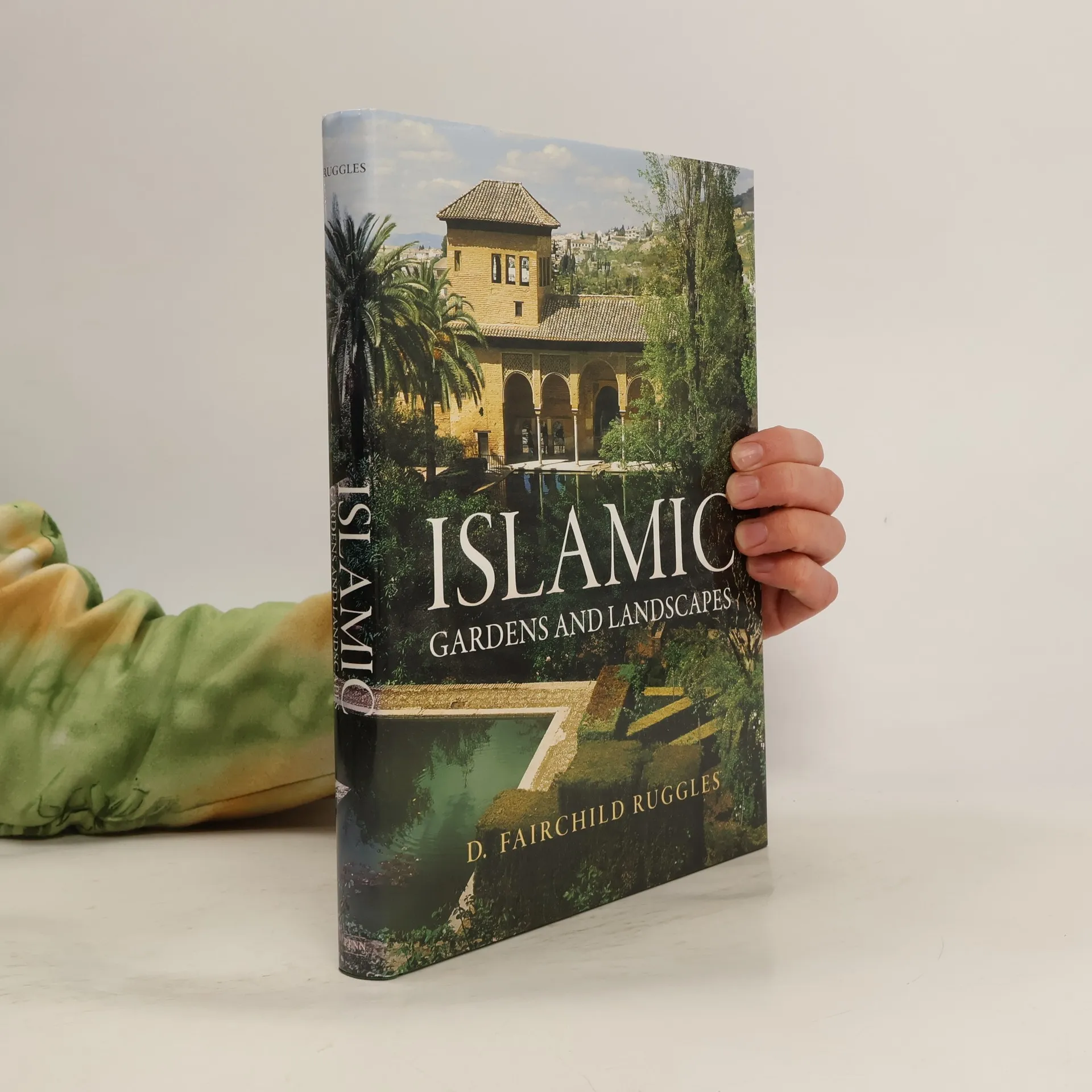
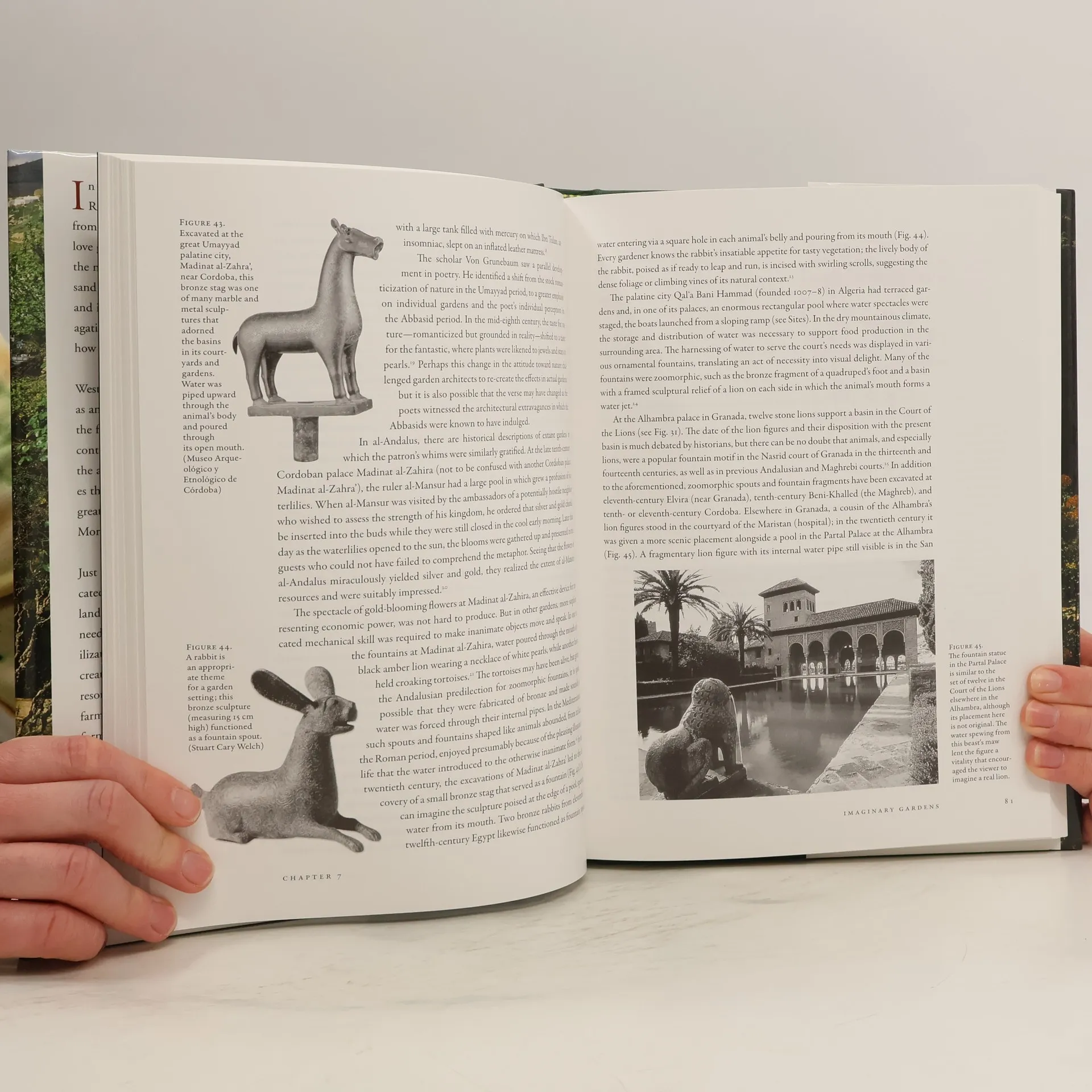
Western admirers have often viewed the Islamic garden as a mere reflection of paradise for the faithful. Ruggles argues that this perspective oversimplifies the art form's sophistication and diversity. The work immerses readers in the world of the architects behind the great gardens of the Islamic realm, from medieval Morocco to contemporary India. The history of these gardens is as complex as Islamic culture itself, originating from the practical need to organize human spaces, manage nature, enhance agricultural yield, and create a structured distribution of resources. Ruggles traces the evolution from early farming efforts to the grand formal gardens of the Alhambra in Spain and the Taj Mahal in Agra. Key characteristics of these gardens include an enclosed space divided into four equal parts surrounding a central design element, often reflecting inward focus and typically surrounded by buildings or courtyards. Water serves as a vital element, contrasting with the green sections. Drawing on poetry, court documents, agronomy manuals, and early garden representations, and featuring rich illustrations, this work offers an impressive scope that will captivate both scholars and enthusiasts.
Book purchase
Penn Studies in Landscape Architecture: Islamic Gardens and Landscapes, D. Fairchild Ruggles
- Language

- Released
- 2007
- product-detail.submit-box.info.binding
- (Hardcover),
- Book condition
- Very Good
- Price
- €35.99
Payment methods
We’re missing your review here.