

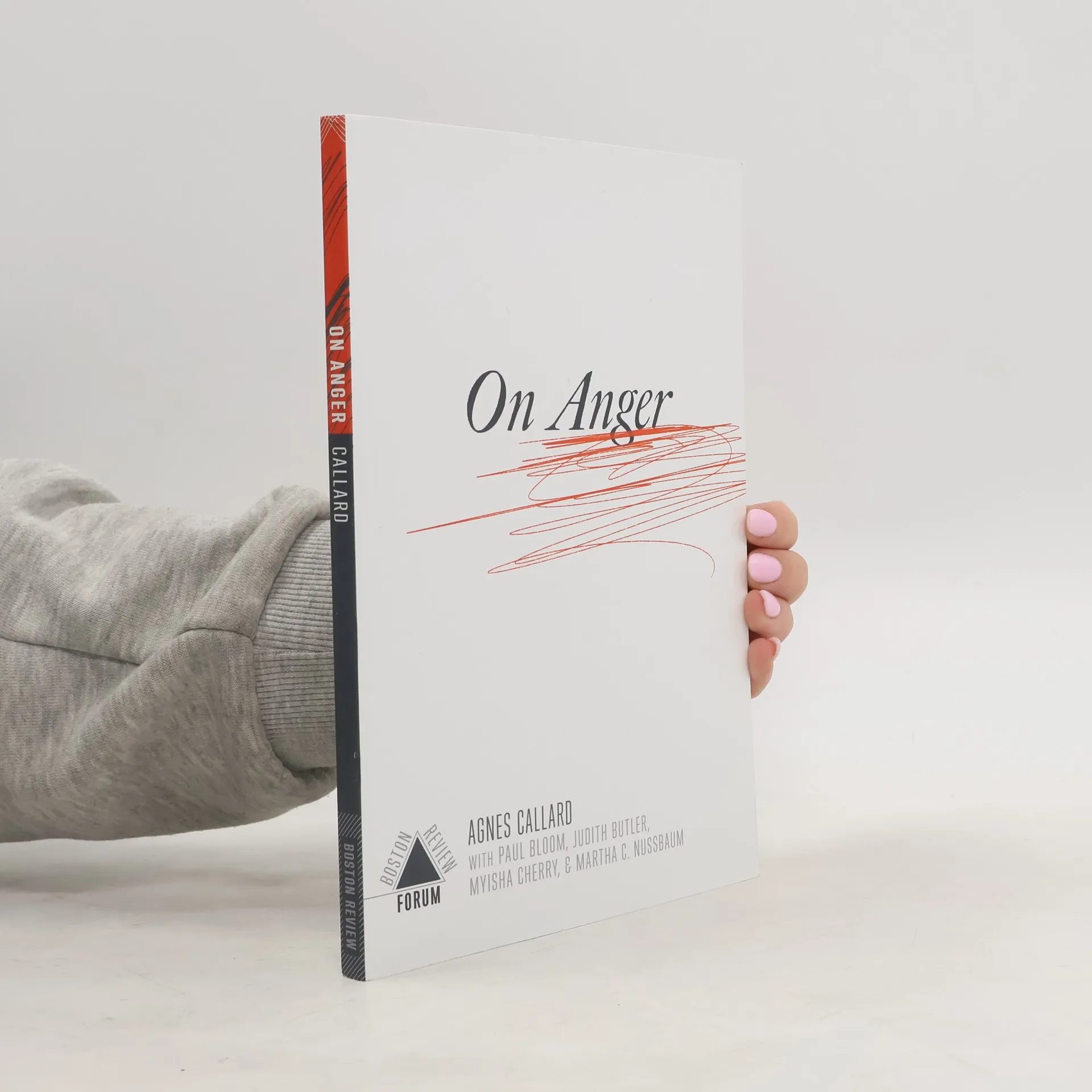
Boston Review Forum: On Anger
Book rating
Parameters
- 160 pages
- 6 hours of reading
More about the book
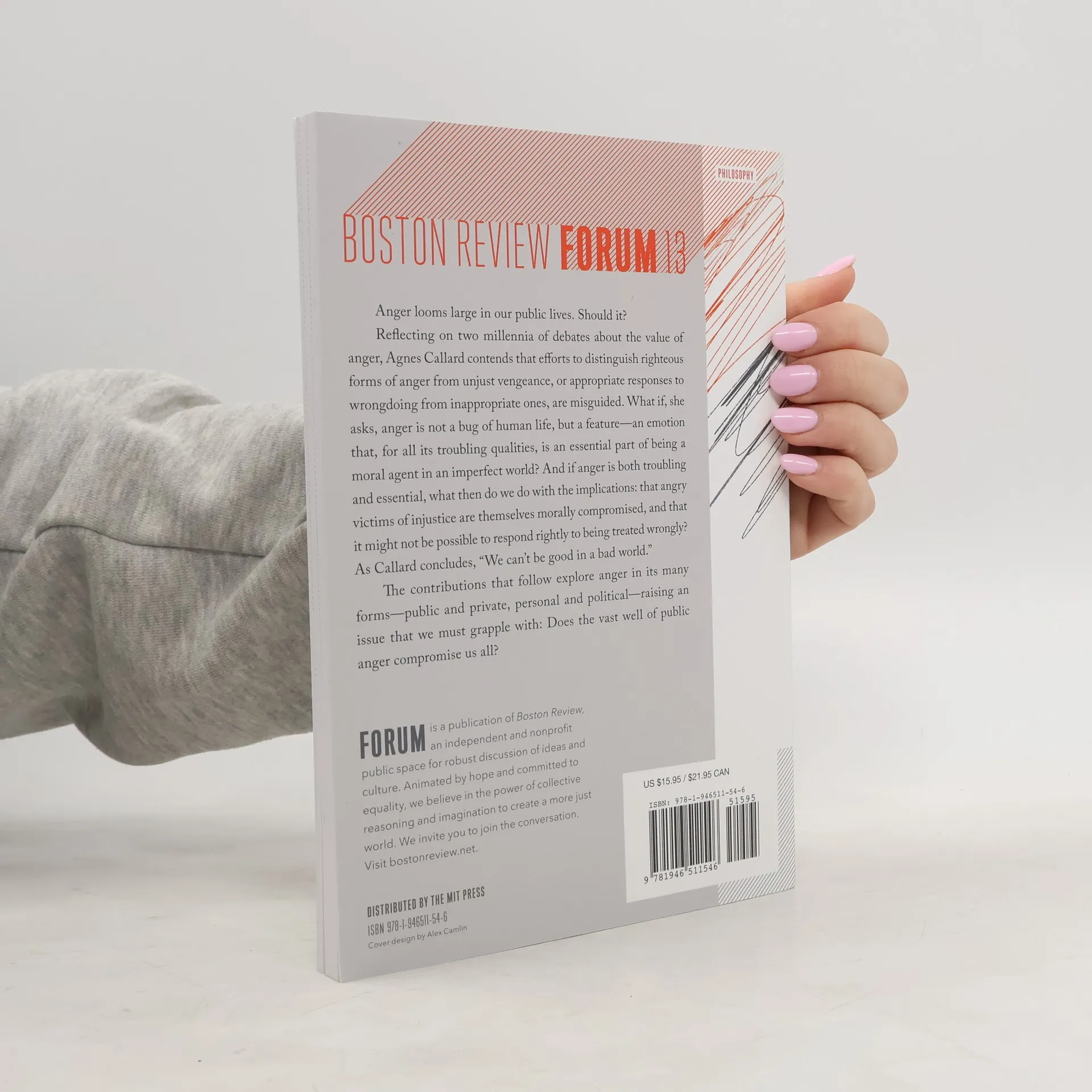
Anger looms large in our public lives. Should it?Reflecting on two millennia of debates about the value of anger, Agnes Callard contends that efforts to distinguish righteous forms of anger from unjust vengeance, or appropriate responses to wrongdoing from inappropriate ones, are misguided. What if, she asks, anger is not a bug of human life, but a feature—an emotion that, for all its troubling qualities, is an essential part of being a moral agent in an imperfect world? And if anger is both troubling and essential, what then do we do with the implications: that angry victims of injustice are themselves morally compromised, and that it might not be possible to respond rightly to being treated wrongly? As Callard concludes, “We can’t be good in a bad world.”The contributions that follow explore anger in its many forms—public and private, personal and political—raising an issue that we must grapple with: Does the vast well of public anger compromise us all?
Book purchase
Boston Review Forum: On Anger, Paul Bloom, Judith Butler, Martha Nussbaum, Myisha Cherry, Agnes Callard
- Language

- Released
- 2020
- Binding
- (Paperback)
Payment methods
We’re missing your review here.
- Title
- Boston Review Forum: On Anger
- Language
- English
- Publisher
- Boston Review/Boston Critic Inc.
- Released
- 2020
- Format
- Paperback
- Pages
- 160
- ISBN10
- 1946511544
- ISBN13
- 9781946511546
- Series
- Categories
- Tags
- Business, Natural sciences, Psychological Topics, Philosophical Topics, Legal Topics, Spirituality, Politics, Health, Relationships, Medicine, Education & School System, School, Theology, Death, Society, Feminism, Parenthood, Mental Health, Political Theories, Marriage, Writing, Culture, American History, Happiness, Ethics, Identity, Psychoanalysis, Gender, Evolution, Social Justice, Neuroscience, Social Work, Disability, Anger, Social Psychology, Aggression
- Rating
- 3.7 out of 5
- Description
- Anger looms large in our public lives. Should it?Reflecting on two millennia of debates about the value of anger, Agnes Callard contends that efforts to distinguish righteous forms of anger from unjust vengeance, or appropriate responses to wrongdoing from inappropriate ones, are misguided. What if, she asks, anger is not a bug of human life, but a feature—an emotion that, for all its troubling qualities, is an essential part of being a moral agent in an imperfect world? And if anger is both troubling and essential, what then do we do with the implications: that angry victims of injustice are themselves morally compromised, and that it might not be possible to respond rightly to being treated wrongly? As Callard concludes, “We can’t be good in a bad world.”The contributions that follow explore anger in its many forms—public and private, personal and political—raising an issue that we must grapple with: Does the vast well of public anger compromise us all?