Ten years after its original publication, Roman Homosexuality remains the definitive statement of this interesting but often misunderstood aspect of Roman culture. Learned yet accessible, the book has reached both students and general readers with an interest in ancient sexuality. This second edition features a new foreword by Martha Nussbaum, a completely rewritten introduction that takes account of new developments in the field, a rewritten and expanded appendix on ancient images of sexuality, and an updated bibliography.
Martha Nussbaum Books
May 6, 1947
Martha C. Nussbaum is a professor at the University of Chicago, affiliated with the Law School and the Philosophy Department. Her work delves deeply into ethics, political philosophy, and psychology, often exploring how individuals can lead flourishing lives within their societies. Nussbaum is renowned for her ability to connect ancient philosophical ideas with contemporary issues, emphasizing empathy, compassion, and the development of human capabilities as foundational to a just society. Her approach is characterized by rigorous argumentation and a commitment to applying philosophical concepts to real-world challenges.


The Epicureans, Skeptics, and Stoics practiced philosophy not as a detached intellectual discipline, but as a worldly art of grappling with issues of daily and urgent human significance: the fear of death, love and sexuality, anger and aggression. Like medicine, philosophy to them was a rigorous science aimed both at understanding and at producing the flourishing of human life. In this engaging book, Martha Nussbaum examines texts of philosophers committed to a therapeutic paradigm--including Epicurus, Lucretius, Sextus Empiricus, Chrysippus, and Seneca--and recovers a valuable source for our moral and political thought of today.
This volume collects the notable published book reviews of Martha C. Nussbaum, an acclaimed philosopher who is also a professor of law and a public intellectual. Her academic work focuses on questions of moral and political philosophy and on the nature of the emotions. But over the past 25 years she has also written many book reviews for a general public, in periodicals such as The New Republic and The New York Review of Books. Dating from 1986 to the present, these essays engage, constructively and also critically, with authors like Roger Scruton, Allan Bloom, Charles Taylor, Judith Butler, Richard Posner, Catharine MacKinnon, Susan Moller Okin, and other prominent intellectuals of our time. Throughout, her views defy ideological predictability, heralding valuable work from little-known sources, deftly criticizing where criticism is due, and generally providing a compelling picture of how philosophy in the Socratic tradition can engage with broad social concerns. For this volume, Nussbaum provides an intriguing introduction that explains her selection and provides her view of the role of the public philosopher.
Political Emotions
- 480 pages
- 17 hours of reading
Martha Nussbaum asks: How can we sustain a decent society that aspires to justice and inspires sacrifice for the common good? Amid negative emotions endemic even to good societies, public emotions rooted in love--intense attachments outside our control--can foster commitment to shared goals and keep at bay the forces of disgust and envy.
Exploring the intersection of emotions and human goals, the author utilizes insights from philosophy, psychology, anthropology, music, and literature. By examining how emotions influence our understanding of significant aspirations, the book offers a comprehensive analysis of their impact on decision-making and values. Through this multidisciplinary approach, it reveals the profound ways emotions shape our lives and the pursuit of meaningful objectives.
Justice for Animals
- 400 pages
- 14 hours of reading
From renowned philosopher Martha C. Nussbaum, a revolutionary exploration of animal rights, ethics, and law.
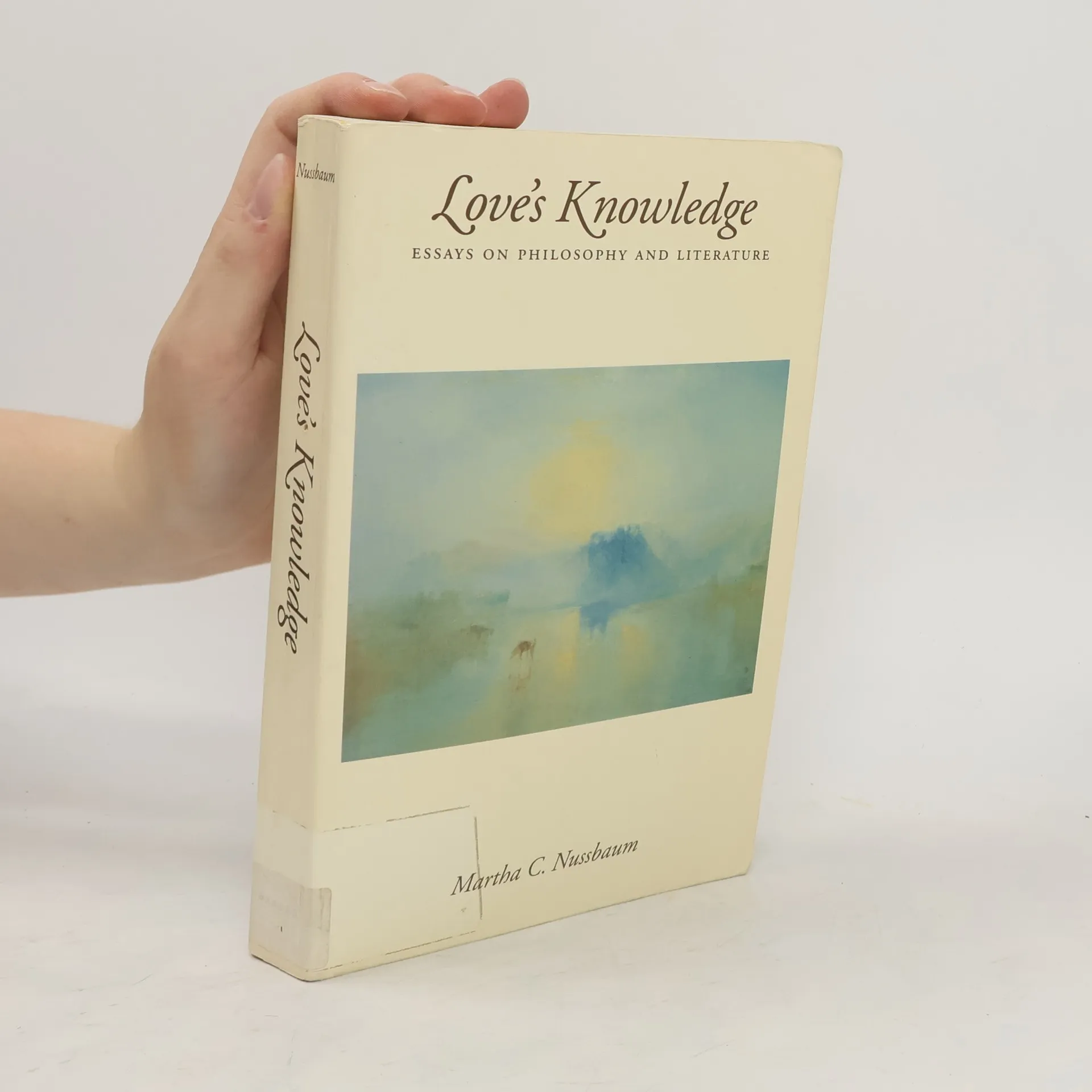
This volume brings together Nussbaum's published papers on the relationship between literature and philosophy, especially moral philosophy. The papers, many of them previously inaccessible to non-specialist readers, deal with such fundamental issues as the relationship between style and content in the exploration of ethical issues; the nature of ethical attention and ethical knowledge and their relationship to written forms and styles; and the role of the emotions in deliberation and self-knowledge. Nussbaum investigates and defends a conception of ethical understanding which involves emotional as well as intellectual activity, and which gives a certain type of priority to the perception of particular people and situations rather than to abstract rules. She argues that this ethical conception cannot be completely and appropriately stated without turning to forms of writing usually considered literary rather than philosophical. It is consequently necessary to broaden our conception of moral philosophy in order to include these forms. Featuring two new essays and revised versions of several previously published essays, this collection attempts to articulate the relationship, within such a broader ethical inquiry, between literary and more abstractly theoretical elements.
Exploring the influence of shame and disgust on societal norms and legal frameworks, this thought-provoking work critiques how these emotions shape our views on issues like sex and crime. The author, a leading philosopher, challenges the appropriateness of basing laws on social conventions, questioning the ethical implications of requiring felons to publicly disclose their pasts. Through eloquent arguments, the book delves into the intersection of morality, law, and human behavior, urging readers to reconsider the foundations of our legal system.
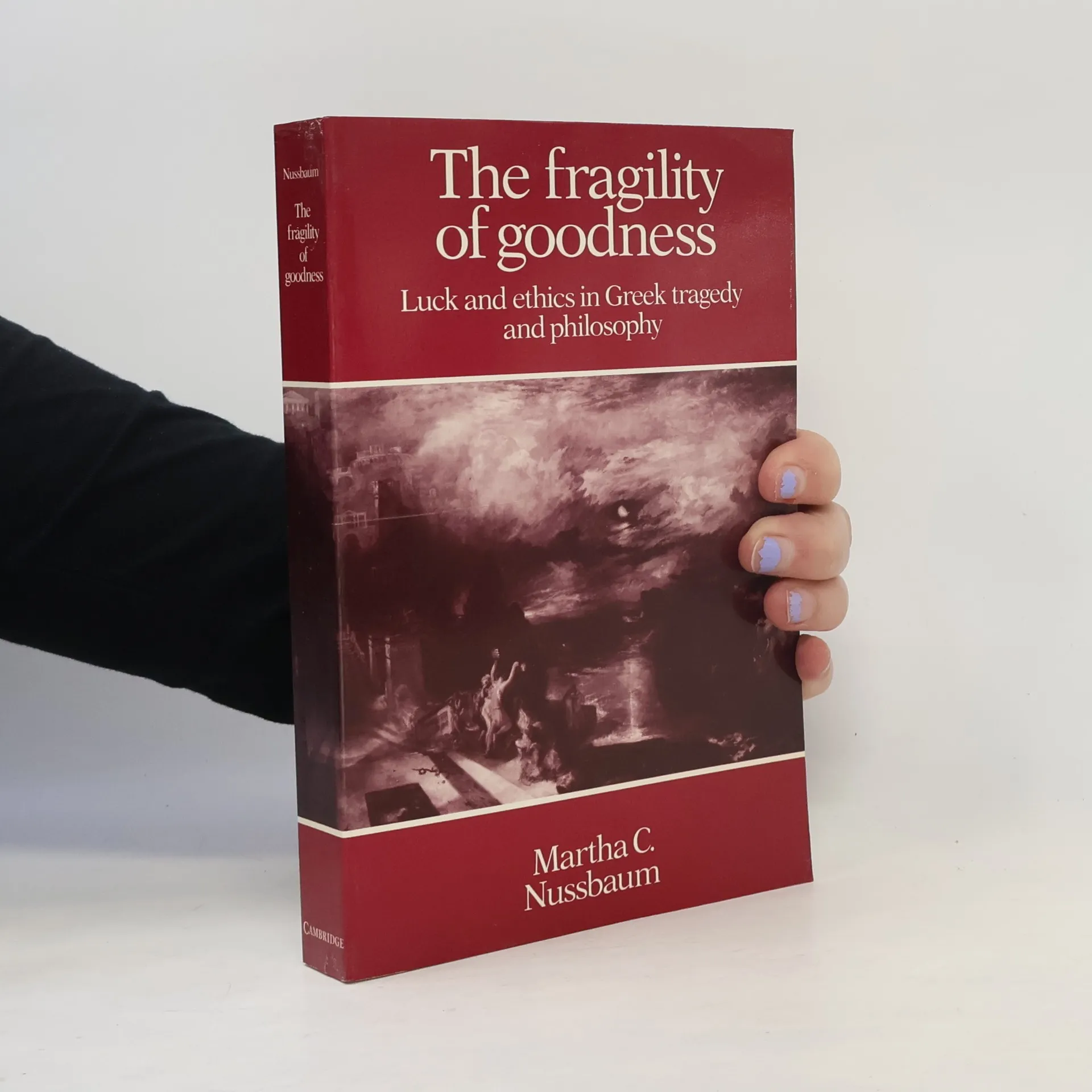
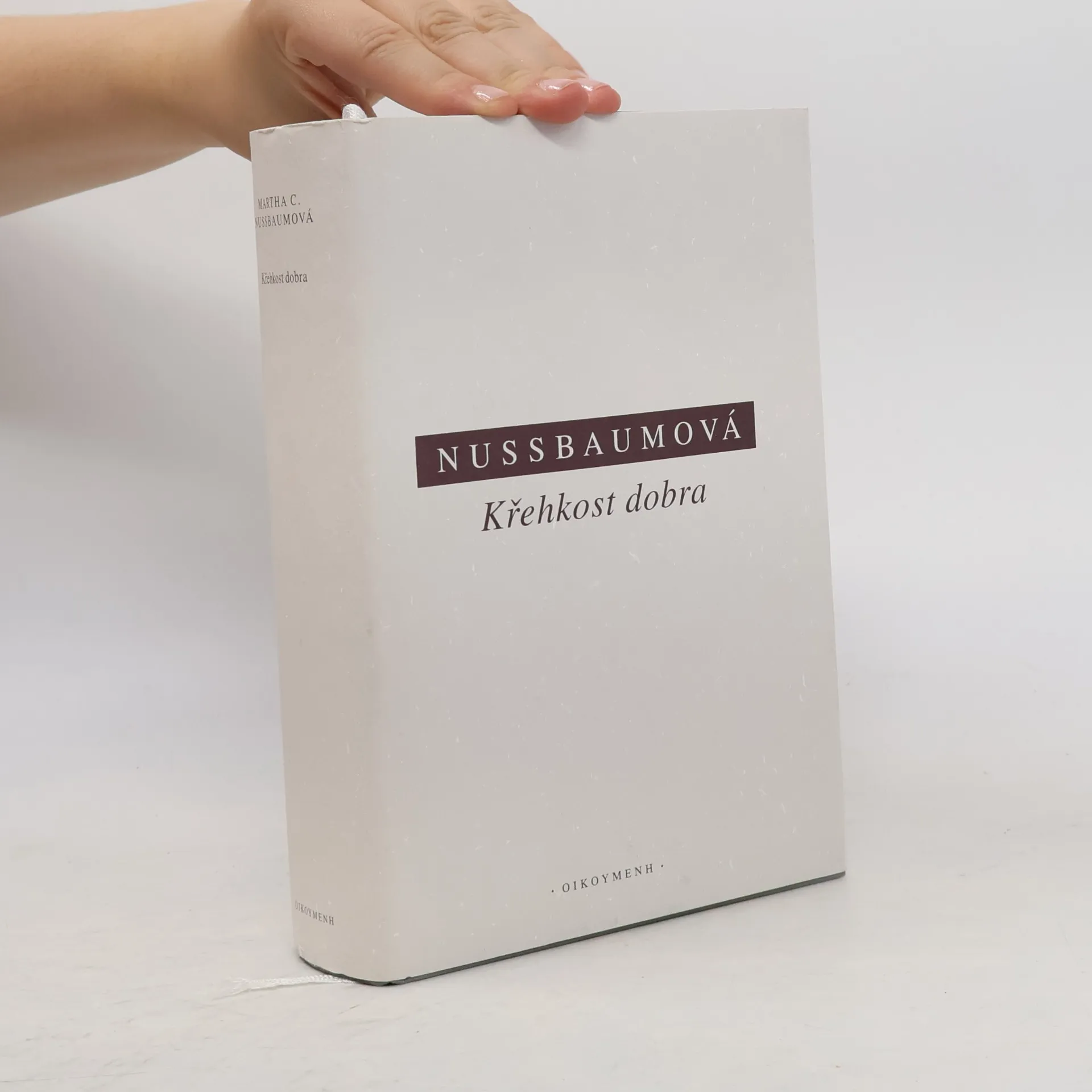
The Fragility of Goodness
Luck and Ethics in Greek Tragedy and Philosophy
- 576 pages
- 21 hours of reading
A study of ancient Greek views about moral luck in which the author examines both literary and philosophical texts. This analysis of the views of the ancient Greeks addresses major issues in contemporary ethical theory as well as their relationship to relevant literary works.
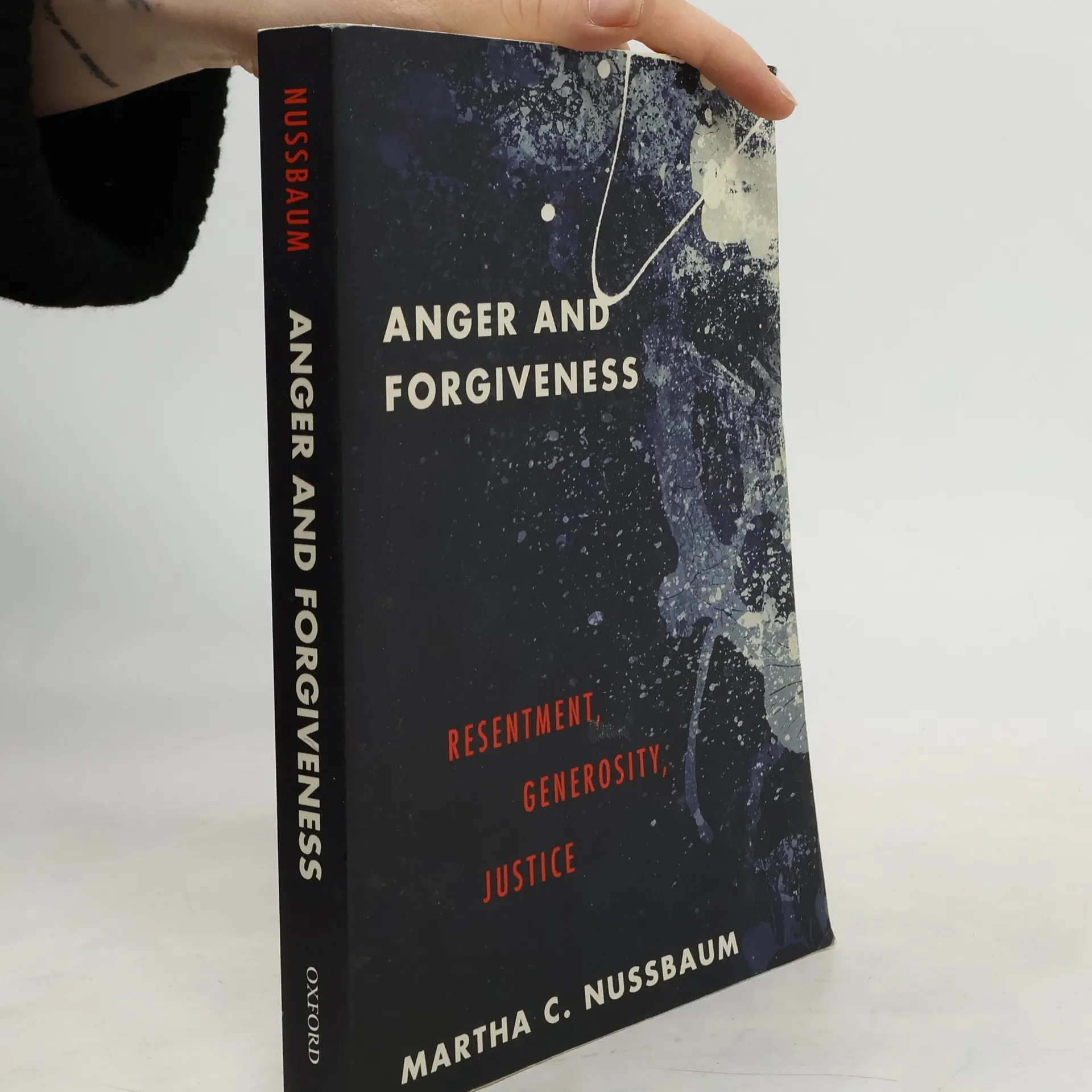
Anger is widely regarded as a natural response to injustice, often seen as essential for justice and self-respect. However, Martha C. Nussbaum challenges this perspective, arguing that anger is conceptually confused and normatively harmful. She posits that anger assumes the suffering of the wrongdoer can repair what was damaged and reflects a troubling focus on status and humiliation. Through her exploration of anger in various contexts—intimate relationships, daily interactions, the workplace, the criminal justice system, and social movements—Nussbaum reveals that the underlying ideas of anger are both immature and detrimental. She questions whether forgiveness is the best way to move beyond anger, analyzing its different interpretations in Jewish, Christian, and secular moral frameworks. While some forms of forgiveness are ethically promising, others can reinforce retribution by demanding contrition and humiliation. Ultimately, Nussbaum advocates for a spirit of generosity, often supported by impartial legal institutions, as the most effective response to injury. Her insightful analysis reframes our understanding of anger and forgiveness, offering a fresh perspective on both personal and political realms.
The Cosmopolitan Tradition
- 320 pages
- 12 hours of reading
From a leading philosopher and Berggruen Prize winner, this work critically examines the cosmopolitan ideal from ancient Greece and Rome to today. The tradition begins with the Greek Cynic Diogenes, who identified as a citizen of the world, emphasizing the equal worth of all humans over lineage or social class. Nussbaum explores this "noble but flawed" vision of world citizenship through figures like Grotius, Smith, and contemporary thinkers. She addresses inherent tensions within the ideal, which posits that moral personality can be complete without external aids, while reality shows that meeting basic material needs is essential for realizing dignity. Given widespread material want, social inequities faced by individuals with disabilities, conflicting beliefs in pluralistic societies, and challenges posed by migration and asylum seekers, Nussbaum questions what political principles we should adopt. She applies her Capabilities Approach to these issues and extends her focus to include the moral claims of nonhuman animals and the environment. The insight that politics should regard all humans as equal and valuable beyond price informs much of modern Western political thought. This work encourages a focus on our shared humanity rather than divisions.
Frontiers of Justice
- 512 pages
- 18 hours of reading
Taking up three urgent problems of social justice neglected by various theories and thus harder to tackle in practical terms and everyday life, this work seeks a theory of social justice that can guide us to a more responsive approach to social cooperation.
Boston Review Forum: On Anger
- 160 pages
- 6 hours of reading
Anger looms large in our public lives. Should it?Reflecting on two millennia of debates about the value of anger, Agnes Callard contends that efforts to distinguish righteous forms of anger from unjust vengeance, or appropriate responses to wrongdoing from inappropriate ones, are misguided. What if, she asks, anger is not a bug of human life, but a feature—an emotion that, for all its troubling qualities, is an essential part of being a moral agent in an imperfect world? And if anger is both troubling and essential, what then do we do with the implications: that angry victims of injustice are themselves morally compromised, and that it might not be possible to respond rightly to being treated wrongly? As Callard concludes, “We can’t be good in a bad world.”The contributions that follow explore anger in its many forms—public and private, personal and political—raising an issue that we must grapple with: Does the vast well of public anger compromise us all?
Cultivating Humanity
- 352 pages
- 13 hours of reading
How can higher education create critical thinkers that transcend boundaries of class, gender and nation? This book draws on Socrates and the Stoics to establish three core values: critical self-evaluation, the ideal of the world citizen and the development of the narrative imagination.
A ground breaking exploration of sexual violence by one of our most celebrated experts in law and philosophy
Women and Human Development
- 336 pages
- 12 hours of reading
This book presents a groundbreaking feminist perspective that transcends traditional economic and philosophical frameworks. It emphasizes the importance of grounding discussions of justice in the real-life experiences and struggles of impoverished women worldwide. By advocating for a truly international approach, the author seeks to reshape feminist discourse to be more inclusive and reflective of diverse realities, making it a vital contribution to contemporary feminist thought.
Not For Profit
- 184 pages
- 7 hours of reading
"Philosopher Martha Nussbaum makes a passionate case for the importance of the liberal arts at all levels of education. Nussbaum argues that we must resist efforts to reduce education to a tool of the gross national product. Rather, we must work to reconnect education to the humanities in order to give students the capacity to be true democratic citizens of their countries and the world"--Jacket.
The monarchy of Fear. A Philosopher Looks at our Political Crisis
- 272 pages
- 10 hours of reading
From one of the world's most celebrated moral philosophers comes a thorough examination of the current American political crisis and recommendations for how to mend a divided country.
Aging Thoughtfully
- 264 pages
- 10 hours of reading
A philosopher and a lawyer-economist examine the challenges of the last third of life. They write about friendship, sex, retirement communities, inheritance, poverty, and the depiction of aging women in films. These essays, or conversations, will help readers of all ages think about how to age well, or at least thoughtfully, and how to interact with older family members and friends.
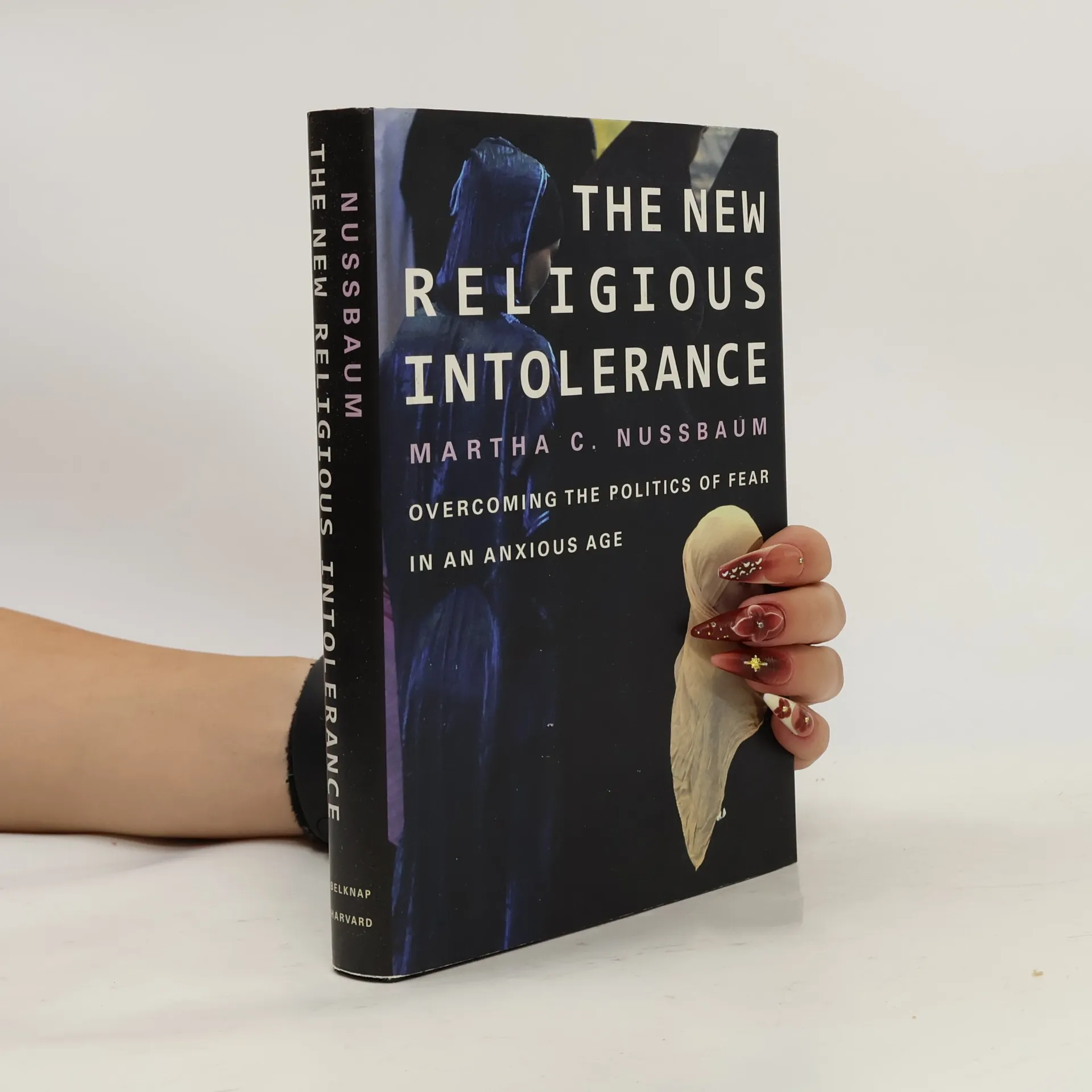
The New Religious Intolerance. Overcoming the Politics of Fear in an Anxious Age
- 304 pages
- 11 hours of reading
Drawing inspiration from philosophy, history, and literature, Martha C. Nussbaum takes us to task for our religious intolerance, identifies the fear behind it, and offers a way past fear toward a more equitable, imaginative, and free society, through the consistent application of universal principles of respect for conscience.
Clones and Clones
Facts and Fantasies About Human Cloning
Ranging from psychoanalyst Adam Phillips's case study of a child whose confusion of "cloning" and "clothing" expresses our mixed desire and terror of sameness, to Cass Sunstein's projections of utterly plausible Supreme Court decisions both for and against human cloning; from William Miller's analysis of the queasiness and nervous laughter the subject elicits in many of us to Richard Epstein's libertarian argument against a research ban; from Andrea Dworkin's denunciation of another masculine effort to control reproduction to Martha Nussbaum's witty and elegiac fantasy of the cloning of a lost lover - this collection limns our beliefs and concerns about what it means to be human.
Polarisierung, ausgrenzende Rhetorik und die Unfähigkeit, miteinander zu reden - Martha Nussbaum nimmt den Kern aktueller gesellschaftlicher Probleme in den Blick und zeigt: Das Politische ist immer auch emotional. Eine scharfsinnige Analyse der Situation einschließlich konstruktiver Vorschläge, wie die Gesellschaften wieder zusammenfinden können.
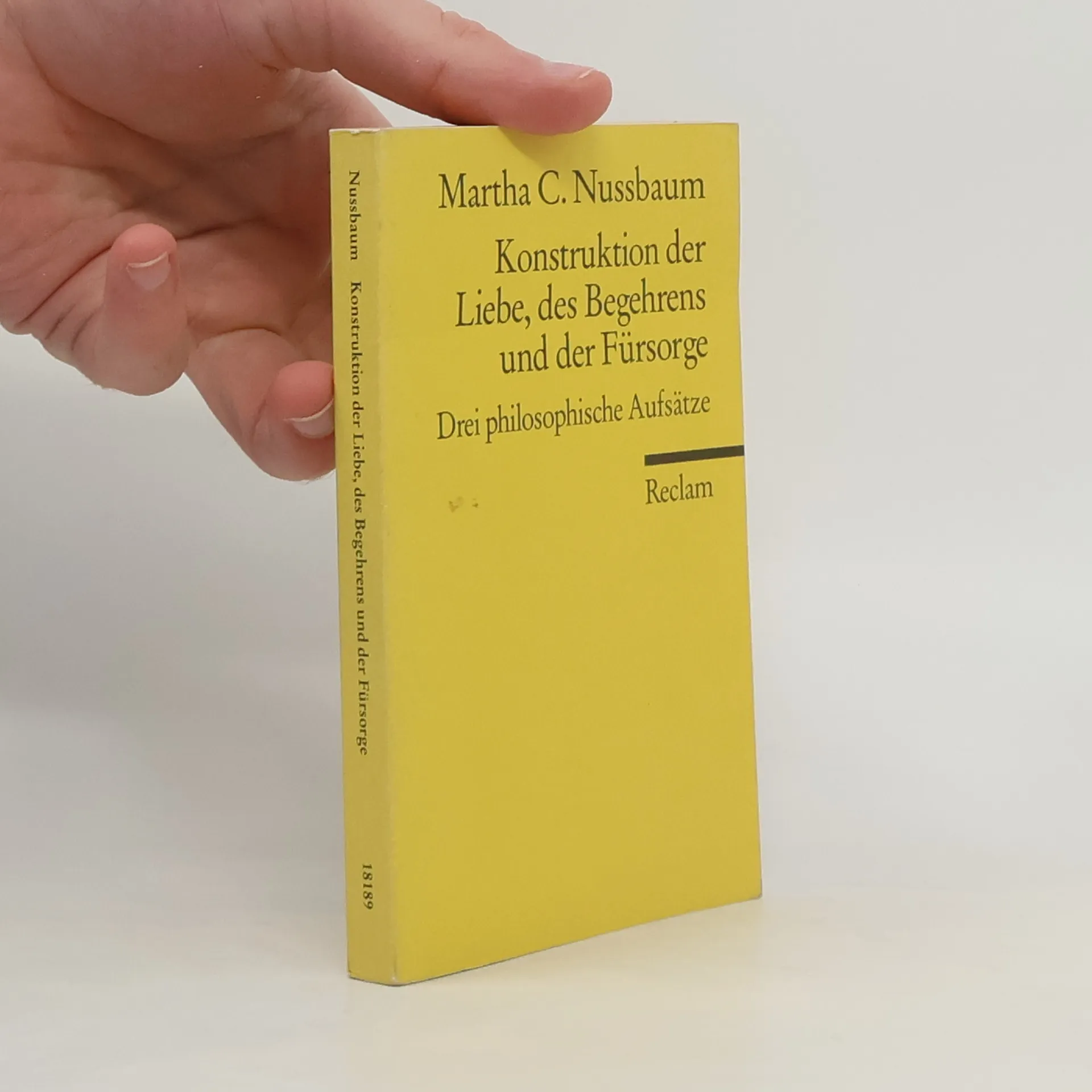
Konstruktion der Liebe, des Begehrens und der Fürsorge
- 233 pages
- 9 hours of reading
Die amerikanische Philosophin ist eine der markantesten Vertreterinnen des aufgeklärten Feminismus. Die hier erstmals auf Deutsch erscheinenden Aufsätze aus dem Sammelband 'Sex and Social Justice' haben die Titel: Die feministische Kritik des Liberalismus - Verdinglichung (Objectivication) - Konstruktion der Liebe, des Begehrens und der Fürsorge.
Ein dringender Appell zum Schutz aller Tiere von der berühmten Philosophin. Weltweit sind Tiere in Not, sei es durch Zerstörung ihrer Lebensräume, industrielle Tierhaltung, Wilderei oder Vernachlässigung von Haustieren. Tiere erleiden täglich Ungerechtigkeit und Grausamkeit durch unsere Hände. Martha Nussbaum entwickelt ausgehend von ihrem Fähigkeiten-Ansatz eine neue philosophische, juristische und moralische Grundlage zum Schutz der Tiere. Sie schildert das Leben von Tieren mit Staunen, Ehrfurcht und Mitgefühl und weist den Weg in eine Welt, in der wir Menschen Freunde der Tiere sind und nicht Ausbeuter. Nussbaums Ansatz wird auf die Tierwelt ausgeweitet und bietet ein Handbuch für Veränderungen in Politik und Recht sowie einen ehrlichen Ratgeber für die ethische Koexistenz mit allen Lebewesen. Sie setzt sich kritisch mit verschiedenen Strömungen der Tierethik auseinander und erklärt eindringlich, warum wir Verantwortung für die artenreiche Welt übernehmen müssen. Nussbaum schärft unseren Blick dafür, was wir unseren nicht-menschlichen Mitgeschöpfen schulden, und entwickelt einen Handlungsplan, um ihnen zu helfen. Jedes Tier muss die Chance haben, auf seine eigene Weise zu gedeihen, und wir haben die Pflicht, uns dem Leid der Tiere zu stellen und es zu beseitigen. Ihre Theorie ist ein dringender Aufruf zum Handeln und ein Ratgeber für Veränderungen, um unserer ethischen Verantwortung gerecht zu werden.
Das Alter bringt spezielle Erfahrungen und Herausforderungen, aber auch Probleme mit sich. Wann ist der richtige Zeitpunkt, um in Rente zu gehen? Soll man Anti-Aging-Produkte ablehnen oder sind sie willkommene Hilfsmittel, um selbstbestimmt zu altern? Warum scheinen manche mächtigen Männer so sehr auf jüngere Frauen fixiert zu sein? Die Philosophin Martha Nussbaum und der Jurist und Ökonom Saul Levmore gehen diesen Themen in je eigenen Essays nach, die sich zu einem Gespräch verbinden. Sie blicken auf literarische Figuren wie König Lear, analysieren populäre Filme und betrachten ihre eigenen Erfahrungen mit dem Älterwerden. Es entspinnt sich eine humorvolle, kluge und bereichernde Unterhaltung zwischen zwei Freunden, die zeigt, dass es sich lohnt, diese Lebensetappe bewusst und reflektiert anzugehen.
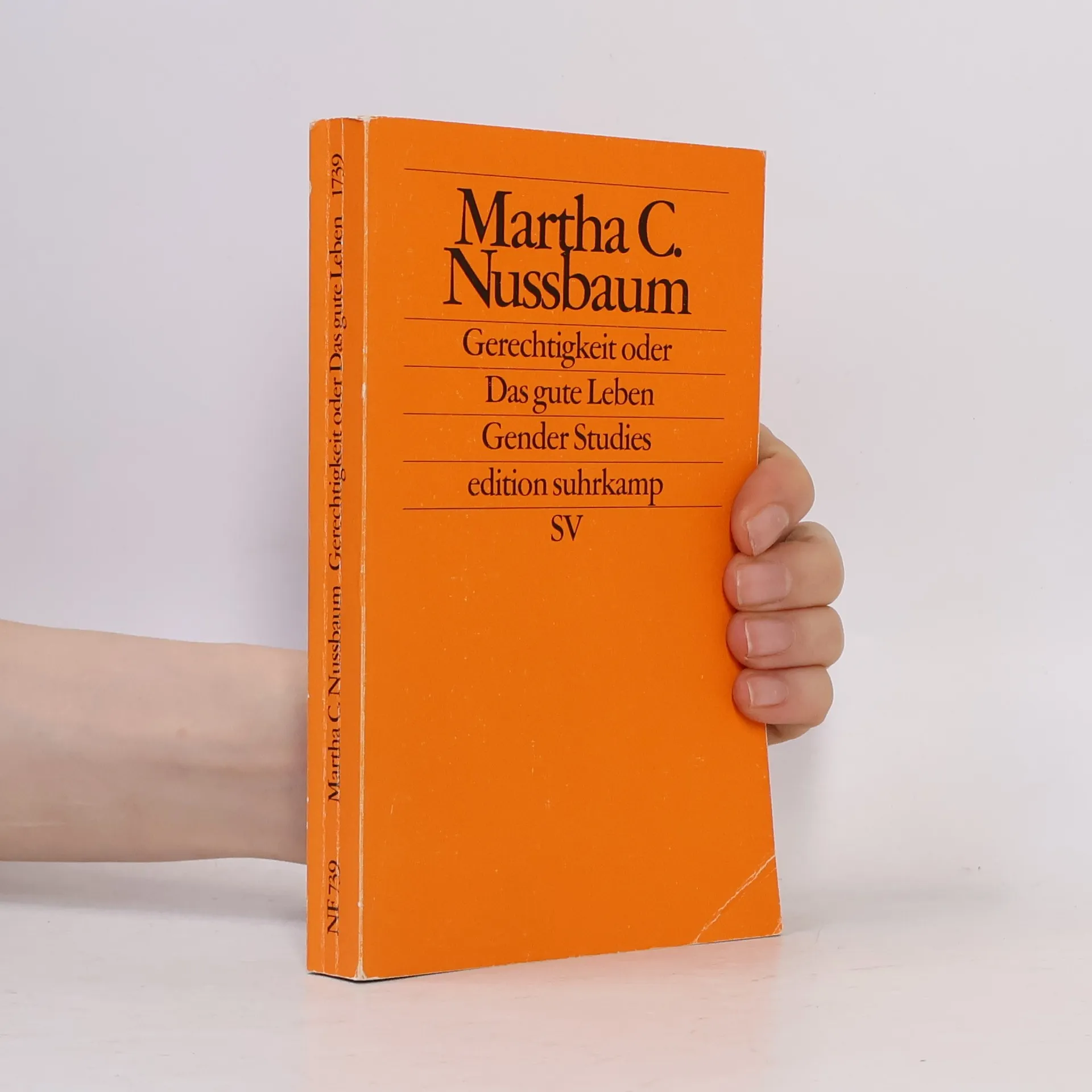
Gerechtigkeit oder das gute Leben
- 314 pages
- 11 hours of reading
Aus den Reflexionen über eine Theorie des Guten gewinnt die Autorin die theoretischen Ressourcen für eine Reformulierung des politischen Liberalismus, die bislang vernachlässigten Problemen wie internationaler Gerechtigkeit und Geschlechtergerechtigkeit Rechnung trägt.In ihrer Ethik des Guten unternimmt Martha C. Nussbaum eine Neudefinition des Begriffs des Wohlergehens und formuliert mit ihrer Theorie des guten Lebens eine Alternative zu den anthropologisch ausgedünnten deontologischen Moralansätzen
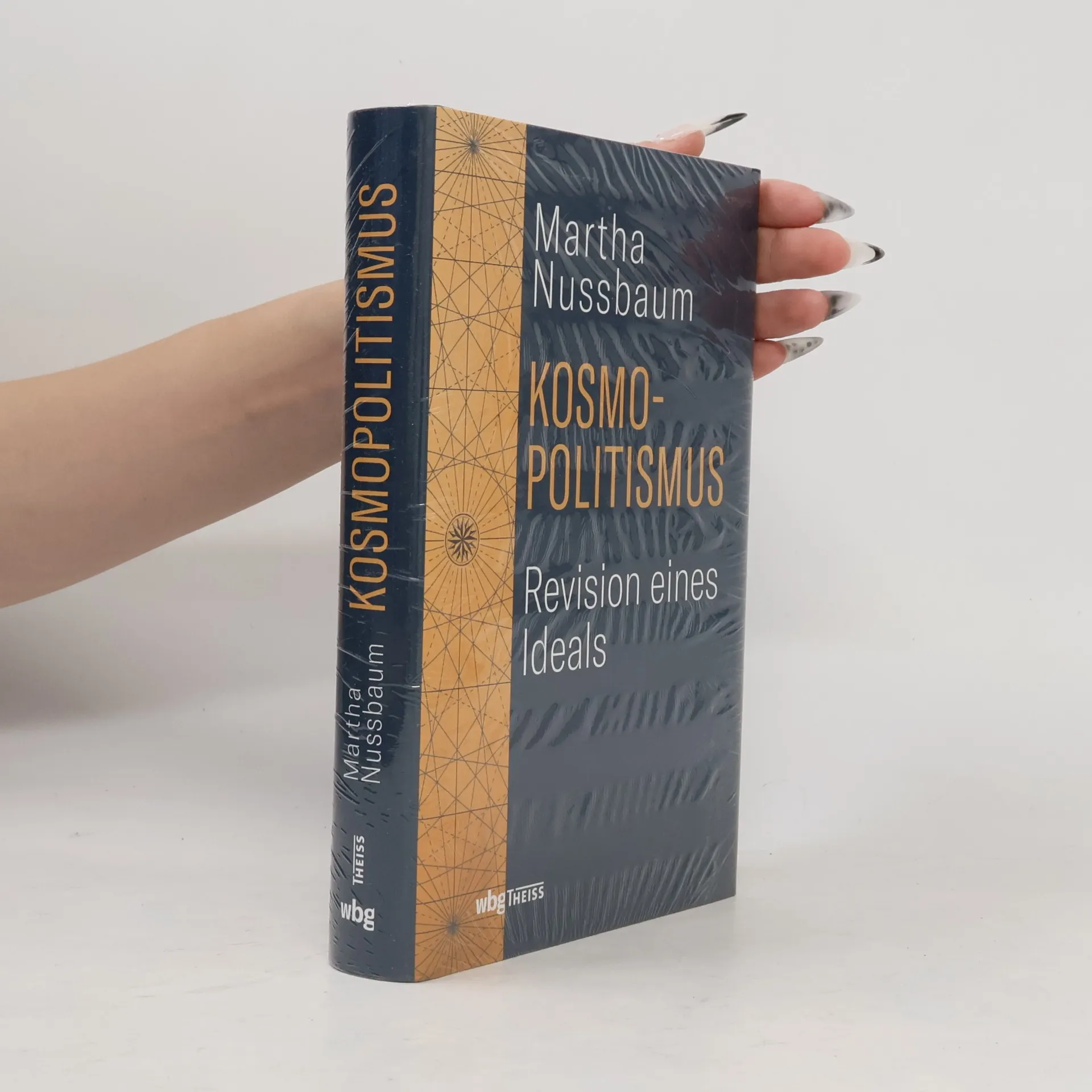
Kosmopolitismus
- 352 pages
- 13 hours of reading
Der Kyniker Diogenes von Sinope (5./4. Jh. v.Chr.) soll auf die Frage nach seiner Herkunft geantwortet haben, er sei ein »Weltbürger« (Kosmopolit). Seine Weigerung, sich über seine Abstammung oder soziale Position zu definieren, ist Ausdruck einer moralisch geprägten Herangehensweise an die Politik, die auf eine allen Menschen gemeinsame Humanität fokussiert.Nussbaum verfolgt das kosmopolitische Ideal von den griechischen Stoikern und Cicero über Hugo Grotius, Immanuel Kant und Adam Smith bis in unsere moderne Welt. Trotz seiner unbestreitbaren Verdienste hat es ihrer Ansicht nach auch Mängel, denen man sich stellen muss. So wurde die Idee materieller Hilfe als entscheidender Faktor, um Würde und Gerechtigkeit zu erreichen, in der Rhetorik der Gleichheit viel zu häufig vernachlässigt.Bei den Lösungsvorschlägen für die aufgezeigten Defizite des Kosmopolitismus greift Nussbaum auf den von ihr mitentwickelten Fähigkeitenansatz zurück.
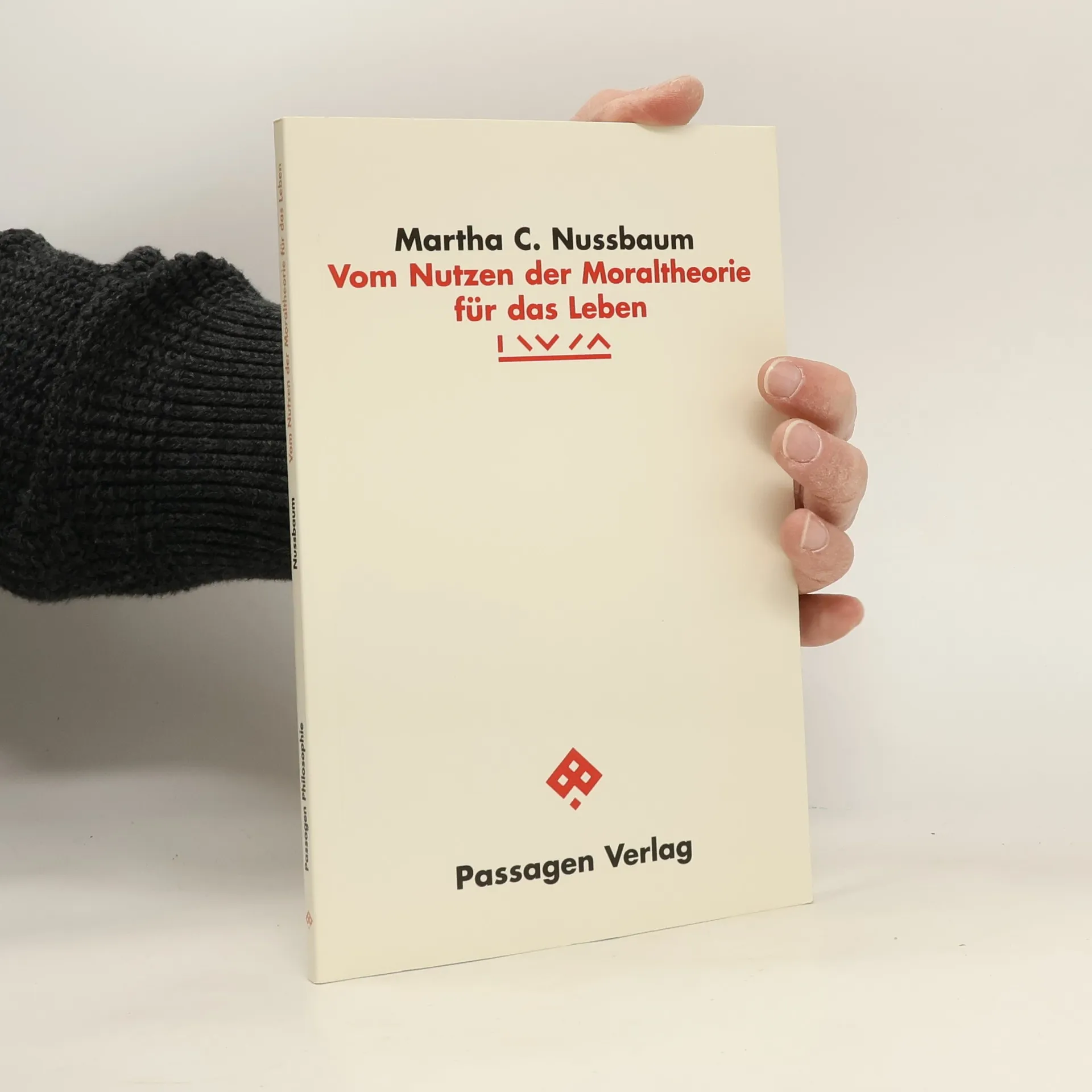
Vom Nutzen der Moraltheorie für das Leben
- 96 pages
- 4 hours of reading
„In einer Welt, in der irrationale Kräfte und die mit ihnen einhergehenden Theorien im Vormarsch sind, erscheint es besser, die Verhandlungsposition der Vernunft zu stärken, indem man es ihr gestattet, auf alle zu Gebote stehenden Mittel zurückzugreifen. Es ist zwar tatsächlich eine herrliche Sache um die Unschuld; aber die wirkliche Welt bedarf, da sie schuldig ist, der Philosophie.“Martha Nussbaum behandelt in ihrer Wiener Vorlesung die Frage, warum die Beschäftigung mit Moraltheorie seit den Tagen Sokrates’ immer wieder auf erbitterte Ablehnung stößt. Das Aufstellen ethischer Theorien sei, so wird behauptet, nutzlos und sogar schädlich, weil es die Praxis verzerre. Nussbaum zeigt, dass die Kritik, vorgebracht von seiten der Politik und der Religion ebenso wie von „solchen, die sich einfach schlecht benehmen“, von Machtinteressen, eingefleischten Gewohnheiten und allgemeiner Vernunftfeindlichkeit motiviert ist. Sie hält dem entgegen, dass es der ethischen Theorie bedarf, da ohne sie ethische Praxis unmöglich würde. Wie deren Struktur beschaffen sein muss, veranschaulicht sie in der luziden Sprache ihres Vortrages.
Warum protestieren jeden Montag Zehntausende in Dresden gegen eine angebliche Islamisierung? Und das in einem Bundesland, in dem der Anteil der Muslime an der Bevölkerung gerade einmal 0,1% beträgt? Und warum stimmte die Schweiz über ein Verbot von Minaretten ab, obwohl es landesweit nur vier davon gibt? Die berühmte Philosophin Martha Nussbaum identifiziert eine »neue religiöse Intoleranz« gegenüber fremden Religionen. Sie enthüllt die irrationale Angst, die dahintersteckt und zeichnet, inspiriert durch die Philosophie, die Literatur und die Geschichte, einen Weg aus Angst und Intoleranz heraus. Sie plädiert dafür, die Religionsfreiheit aller zu respektieren und so eine beständige Ethik der Höflichkeit und des Anstands zu entwickeln. Denn nur so können wir über die Politik der Angst hinweg zu einer offenen und gleichberechtigten Zukunft gelangen.
Creare capacità. Liberarsi dalla dittatura del PIL.
- 216 pages
- 8 hours of reading
È la crescita economica l'unico obiettivo a cui deve mirare una politica pubblica? O il fine dello sviluppo non è piuttosto quello di mettere in grado le persone di vivere un'esistenza piena? Dunque creare "capacità" che consentano a ognuno di realizzarsi e di vivere la propria vita all'insegna della pari dignità umana. È questo l'"approccio delle capacità", qui illustrato come nuovo paradigma che misura la ricchezza di uno stato sulla base dei bisogni soddisfatti e delle opportunità realmente offerte ai cittadini.
Autorka v knize s podtitulem "Náhoda a etika v řecké tragédii a filosofii" podává výklad některých Aischylových a Sofokleových tragédií, Platónových dialogů a Aristotelových spisů z hlediska problematiky dobra.