Explore the latest books of this year!
Bookbot

Paul Bloom

    Paul Bloom's work delves into the intricacies of human understanding, particularly focusing on how we perceive the physical and social worlds. His research explores the fundamental aspects of morality, religion, fiction, and art, seeking to uncover the origins of our judgments and beliefs. Through extensive publications in both scientific journals and popular media, Bloom offers compelling insights into the human mind. His writing provides a fascinating lens through which to examine the foundations of our ethical and aesthetic sensibilities.

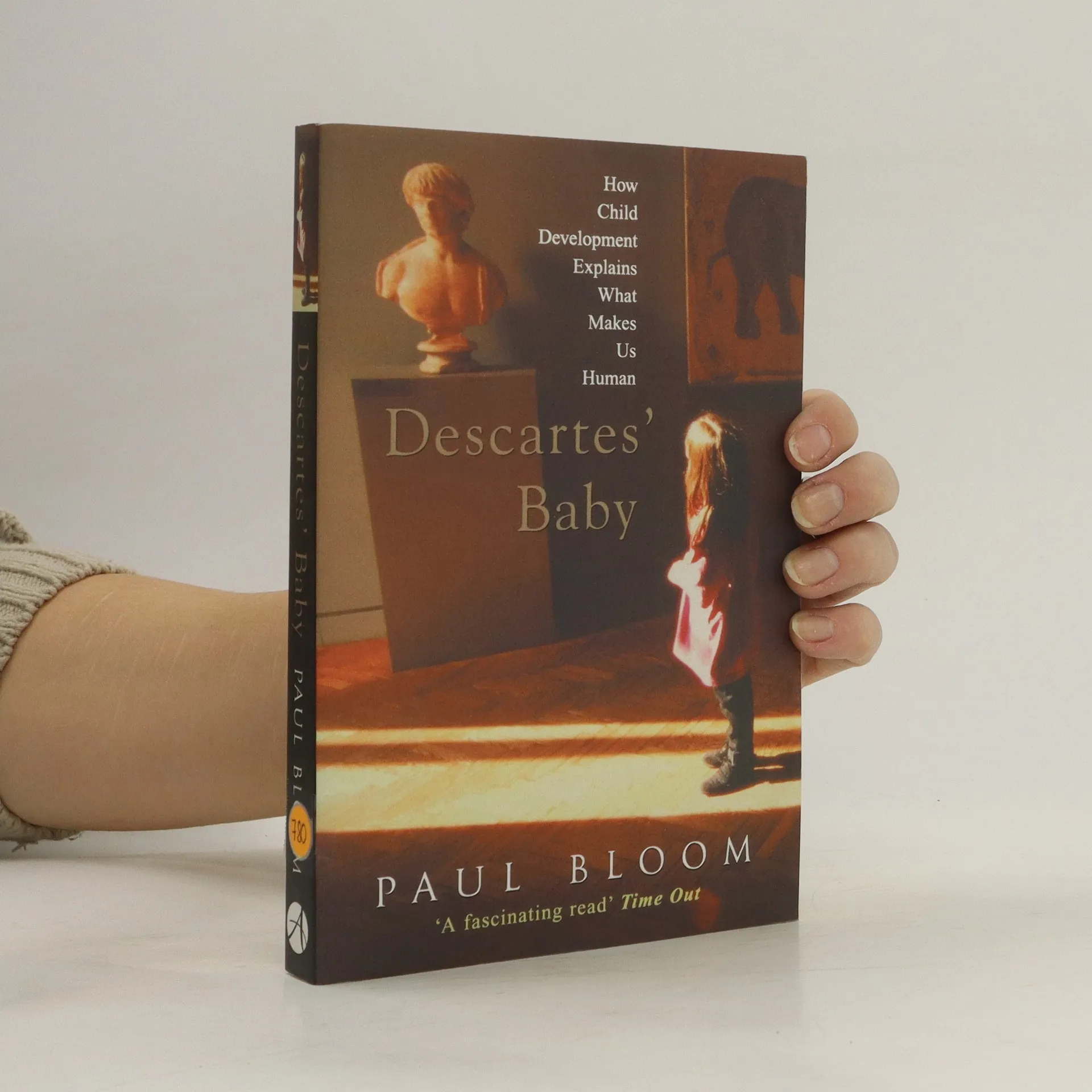
    Descartes' baby. How the science of child development explains what makes us human
    The Story Advantage
    The Human Mind
    Psych
    What Gardeners Grow
    Language, Speech, and Communication: Language and Space
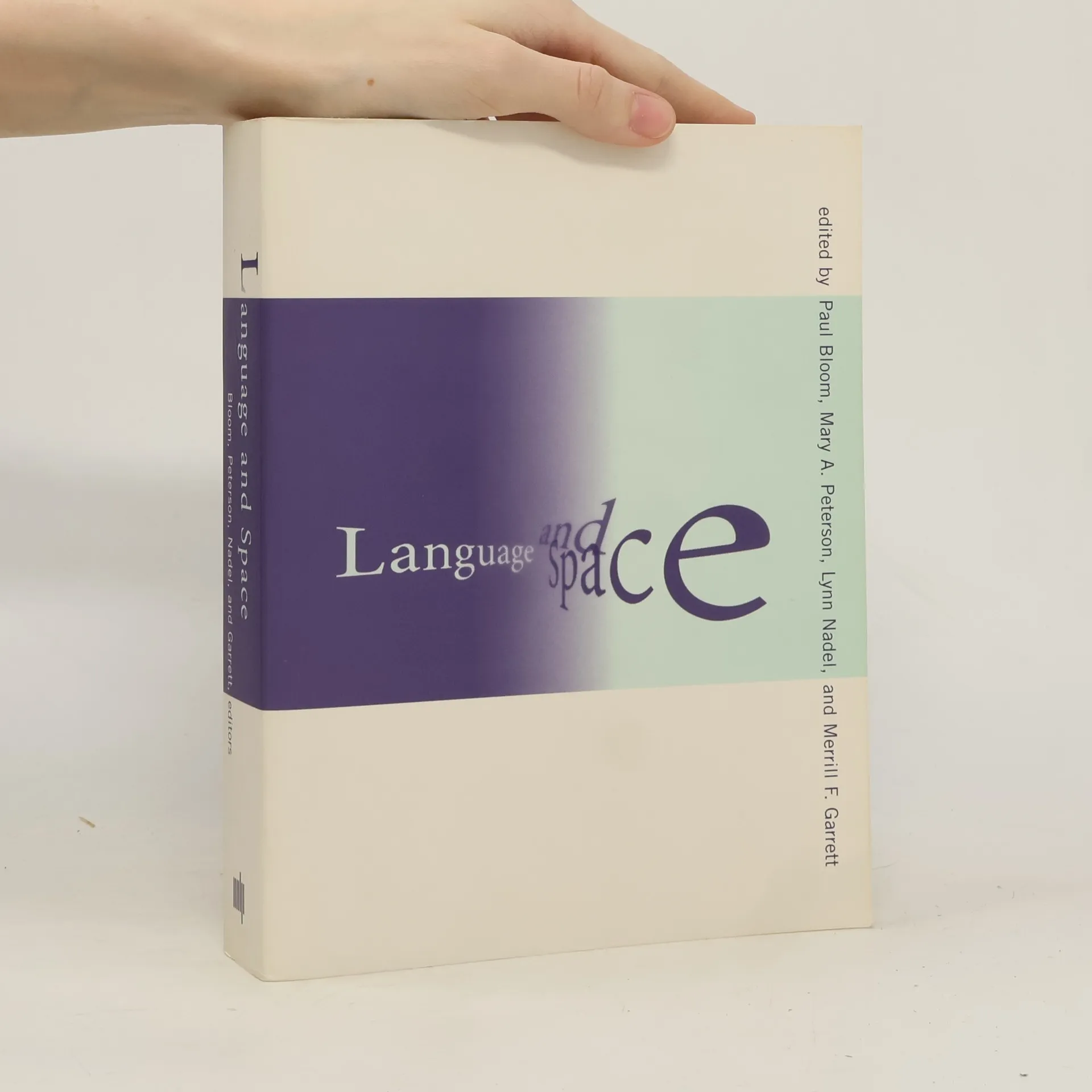
    • The fifteen original contributions in this volume bring together significant research and theoretical perspectives from psychology, linguistics, anthropology, and neuroscience, offering a vital synthesis across these fields. The exploration of the relationship between natural language and spatial cognition aims to address fundamental questions regarding the mind, language, and culture. Each chapter presents a contemporary overview of specific research programs, tackling inquiries such as how the brain represents space, the types of spatial representations, the process of learning to discuss space, and the influence of culture. Additionally, the discussions consider whether experimental tests on the relationship between space and language should focus solely on closed-class linguistic elements or also include open-class elements. Throughout the text, contributors engage with one another's arguments, highlighting key areas of consensus and contention. Notable contributors include Manfred Bierwisch, Paul Bloom, Melissa Bowerman, and others, each providing unique insights into the intricate connections between language and spatial understanding.
      Language, Speech, and Communication: Language and Space
      4.3
    • Find the right plant for the right place from an encyclopaedia of flowers, shrubs, herbs and more as chosen by the world's best gardeners, designers and horticulturists.

      What Gardeners Grow
      4.1
    • Psych

      • 464 pages
      • 17 hours of reading

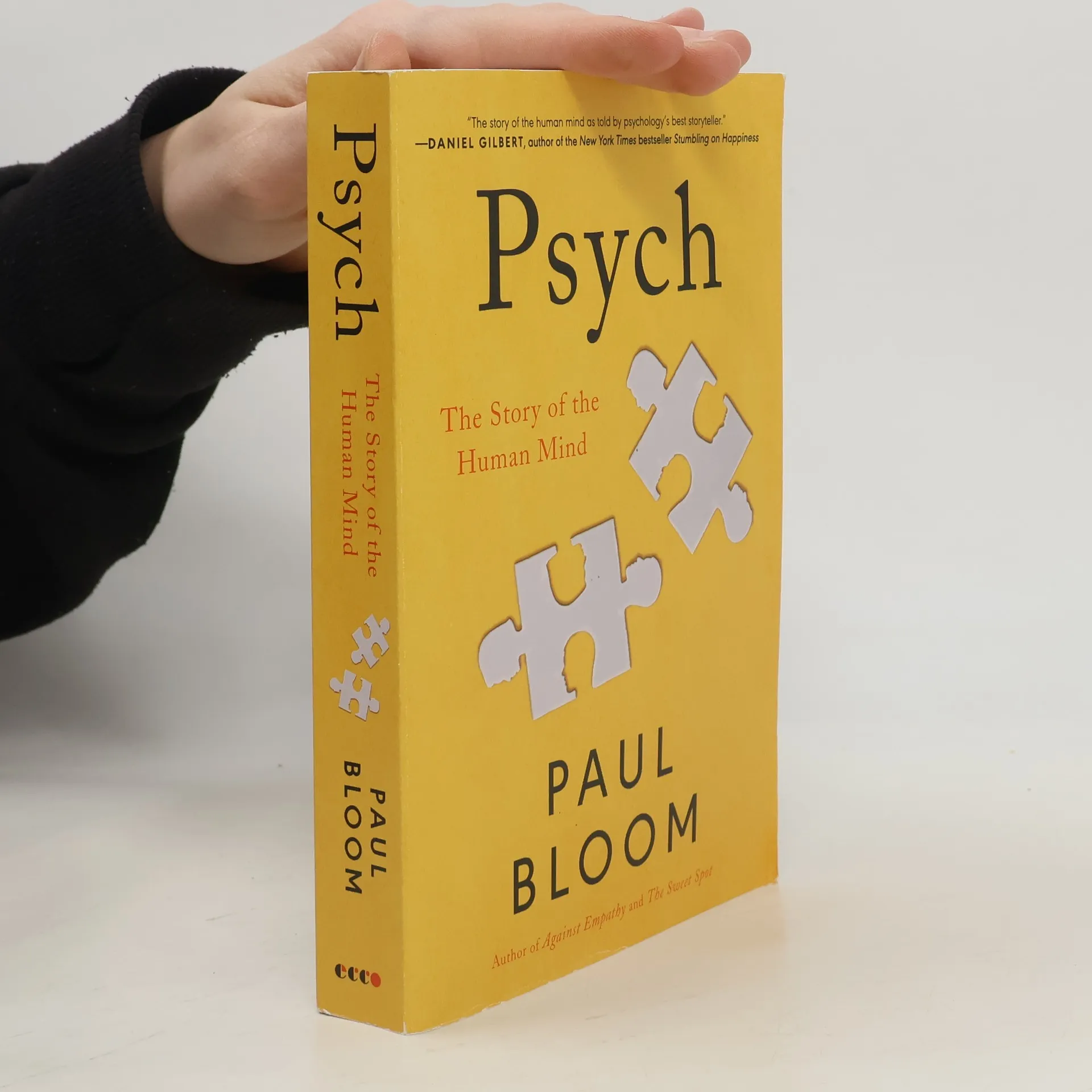
      A Next Big Idea Club Must-Read A compelling and accessible new perspective on the modern science of psychology, based on one of Yale's most popular courses of all time How does the brain--a three-pound wrinkly mass--give rise to intelligence and conscious experience? Was Freud right that we are all plagued by forbidden sexual desires? What is the function of emotions such as disgust, gratitude, and shame? Renowned psychologist Paul Bloom answers these questions and many more in Psych, his riveting new book about the science of the mind. Psych is an expert and passionate guide to the most intimate aspects of our nature, serving up the equivalent of a serious university course while being funny, engaging, and full of memorable anecdotes. But Psych is much more than a comprehensive overview of the field of psychology. Bloom reveals what psychology can tell us about the most pressing moral and political issues of our time--including belief in conspiracy theories, the role of genes in explaining human differences, and the nature of prejudice and hatred. Bloom also shows how psychology can give us practical insights into important issues--from the treatment of mental illnesses such as depression and anxiety to the best way to lead happy and fulfilling lives. Psych is an engrossing guide to the most important topic there is: it is the story of us.

      Psych
      4.1
    • The Human Mind

      • 454 pages
      • 16 hours of reading

      A Next Big Idea Club Must-ReadA compelling and accessible new perspective on the modern science of psychology, based on one of Yale’s most popular courses of all timeHow does the brain—a three-pound wrinkly mass—give rise to intelligence and conscious experience? Was Freud right that we are all plagued by forbidden sexual desires? What is the function of emotions such as disgust, gratitude, and shame? Renowned psychologist Paul Bloom answers these questions and many more in Psych, his riveting new book about the science of the mind.Psych is an expert and passionate guide to the most intimate aspects of our nature, serving up the equivalent of a serious university course while being funny, engaging, and full of memorable anecdotes. But Psych is much more than a comprehensive overview of the field of psychology. Bloom reveals what psychology can tell us about the most pressing moral and political issues of our time—including belief in conspiracy theories, the role of genes in explaining human differences, and the nature of prejudice and hatred.Bloom also shows how psychology can give us practical insights into important issues—from the treatment of mental illnesses such as depression and anxiety to the best way to lead happy and fulfilling lives. Psych is an engrossing guide to the most important topic there is: it is the story of us.

      The Human Mind
      4.1
    • The Story Advantage

      • 168 pages
      • 6 hours of reading

      Telling a powerful story is crucial for your business. In today's world, despite being digitally connected, many experience profound loneliness and isolation. As we face unprecedented crises—climate change, a global pandemic, leadership failures, poverty, and social injustice—the need for hope and meaning is greater than ever. Storytelling provides that hope. Mastering storytelling is not limited to a select few; it is accessible to everyone and does not depend on innate skills, cultural backgrounds, or gender. Instead, it involves cultivating specific skills, awareness, and intention. This book reveals how to successfully navigate the complexities of the modern era, build winning teams, and lead in unpredictable environments that demand innovation and creativity. You will learn to thrive both personally and professionally, creating remarkable opportunities for yourself and your organization. With newfound knowledge and confidence, you can maintain your vision for a better world, capturing exciting ideas and driving social change. Discover your innate storyteller and the power of narrative as you uncover your core story. You will learn to tell and live stories that will inspire and impact both your professional and personal life.

      The Story Advantage
      2.0
    • How Children Learn the Meanings of Words

      • 314 pages
      • 11 hours of reading

      How do children learn that the word dog refers not to all four-legged animals, and not just to Ralph, but to all members of a particular species? How do they learn the meanings of verbs like think, adjectives like good, and words for abstract entities such as mortgage and story? The acquisition of word meaning is one of the fundamental issues in the study of mind. According to Paul Bloom, children learn words through sophisticated cognitive abilities that exist for other purposes. These include the ability to infer others' intentions, the ability to acquire concepts, an appreciation of syntactic structure, and certain general learning and memory abilities. Although other researchers have associated word learning with some of these capacities, Bloom is the first to show how a complete explanation requires all of them. The acquisition of even simple nouns requires rich conceptual, social, and linguistic capacities interacting in complex ways.This book requires no background in psychology or linguistics and is written in a clear, engaging style. Topics include the effects of language on spatial reasoning, the origin of essentialist beliefs, and the young child's understanding of representational art. The book should appeal to general readers interested in language and cognition as well as to researchers in the field.

      How Children Learn the Meanings of Words
      3.9
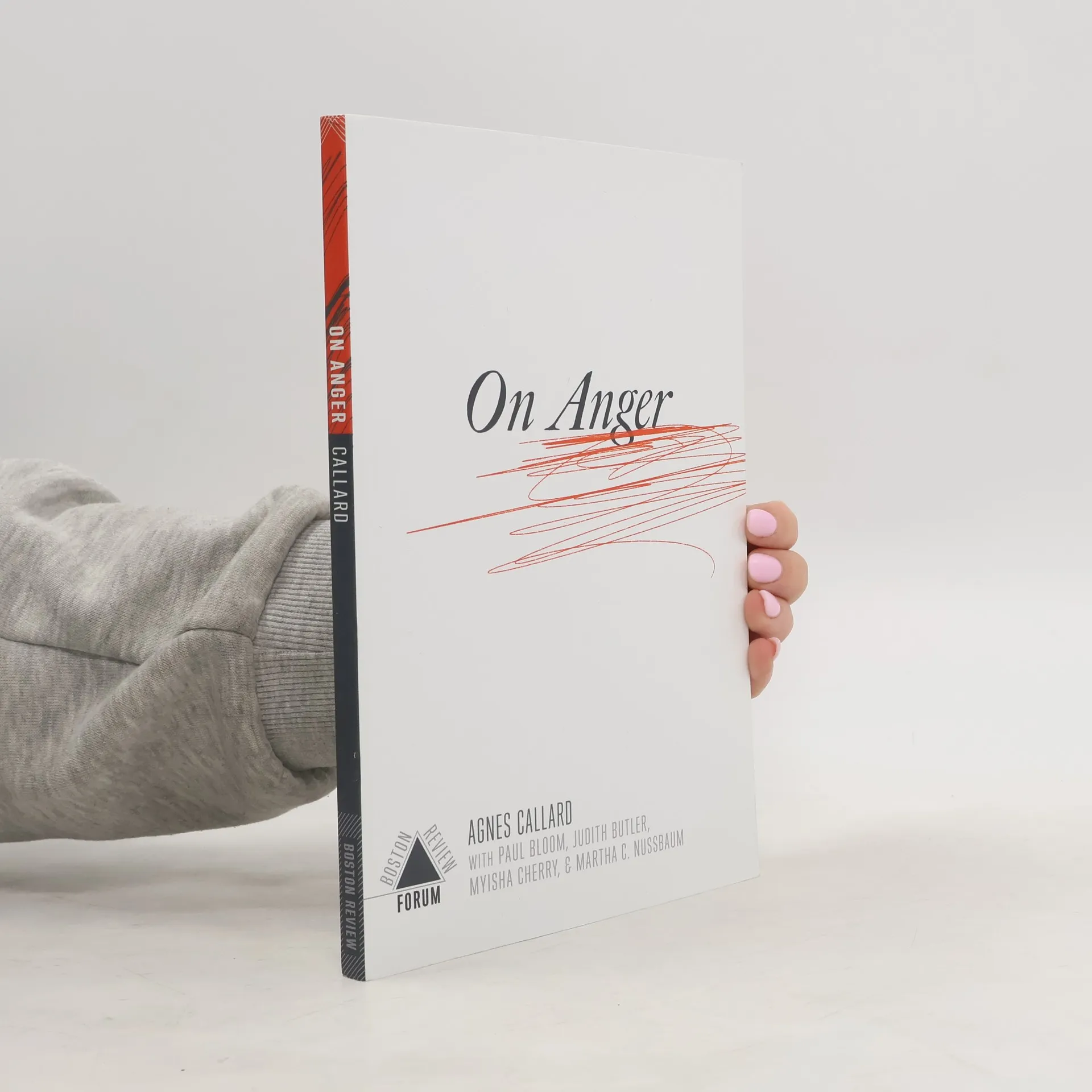
    • Boston Review Forum: On Anger

      • 160 pages
      • 6 hours of reading

      Anger looms large in our public lives. Should it?Reflecting on two millennia of debates about the value of anger, Agnes Callard contends that efforts to distinguish righteous forms of anger from unjust vengeance, or appropriate responses to wrongdoing from inappropriate ones, are misguided. What if, she asks, anger is not a bug of human life, but a feature—an emotion that, for all its troubling qualities, is an essential part of being a moral agent in an imperfect world? And if anger is both troubling and essential, what then do we do with the implications: that angry victims of injustice are themselves morally compromised, and that it might not be possible to respond rightly to being treated wrongly? As Callard concludes, “We can’t be good in a bad world.”The contributions that follow explore anger in its many forms—public and private, personal and political—raising an issue that we must grapple with: Does the vast well of public anger compromise us all?

      Boston Review Forum: On Anger
      3.7
    • "Can your marriage survive if you're both sleeping with other people? After more than 20 years of marriage, Fay and Steve are happy, but their lives lack excitement. Fay believes an open relationship could reignite that spark. But can sex ever just be sex? Steve eventually agrees to the idea, but first they must set some ground rules; no sleeping with friends, no telling the kids, and a limit on how many times they can see the same person. Can their marriage survive this arrangement - even if they have permission?"--Provided by publisher

      Permission
      3.8
    • Just Babies

      The Origins of Good and Evil

      • 288 pages
      • 11 hours of reading

      Exploring the innate sense of morality, a leading cognitive scientist presents the idea that our understanding of good and evil is fundamentally ingrained in human nature. The book delves into the psychological and evolutionary underpinnings of moral instincts, suggesting that these concepts are not merely social constructs but are deeply rooted in our biology. Through compelling arguments and research, it challenges readers to reconsider the origins of their moral beliefs and the implications for society.

      Just Babies
      3.7
    • Ridley Road

      • 336 pages
      • 12 hours of reading

      A beautifully written love story set in 1960s Soho amid the revival of fascism'Vivid, cinematic and exciting' Red

      Ridley Road
      3.7
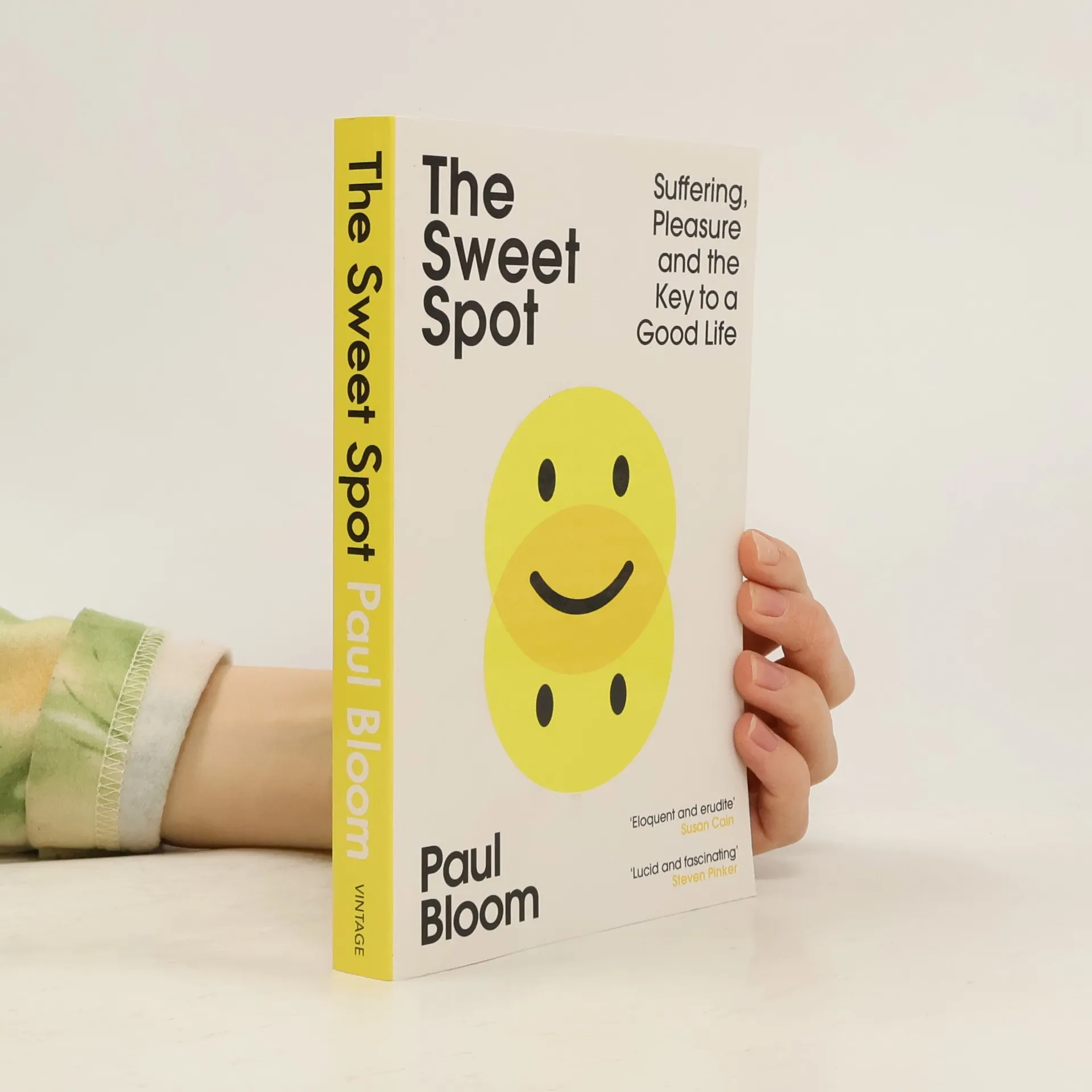
    • "Why do we so often seek out physical pain and emotional turmoil? We go to movies that make us cry, or scream, or gag. We poke at sores, eat spicy foods, immerse ourselves in hot baths, run marathons. Some of us even seek out pain and humiliation in sexual role-play. Where do these seemingly perverse appetites come from? Drawing on groundbreaking findings from psychology and brain science, The Sweet Spot shows how the right kind of suffering sets the stage for enhanced pleasure. Pain can distract us from our anxieties and help us transcend the self. Choosing to suffer can serve social goals; it can display how tough we are or, conversely, can function as a cry for help. Feelings of fear and sadness are part of the pleasure of immersing ourselves in play and fantasy and can provide certain moral satisfactions. And effort, struggle, and difficulty can, in the right contexts, lead to the joys of mastery and flow. But suffering plays a deeper role as well. We are not natural hedonists--a good life involves more than pleasure. People seek lives of meaning and significance; we aspire to rich relationships and satisfying pursuits, and this requires some amount of struggle, anxiety, and loss. Brilliantly argued, witty, and humane, Paul Bloom shows how a life without chosen suffering would be empty--and worse than that, boring"--Publisher's description

      The sweet spot : suffering, pleasure and the key to a good life
      3.5
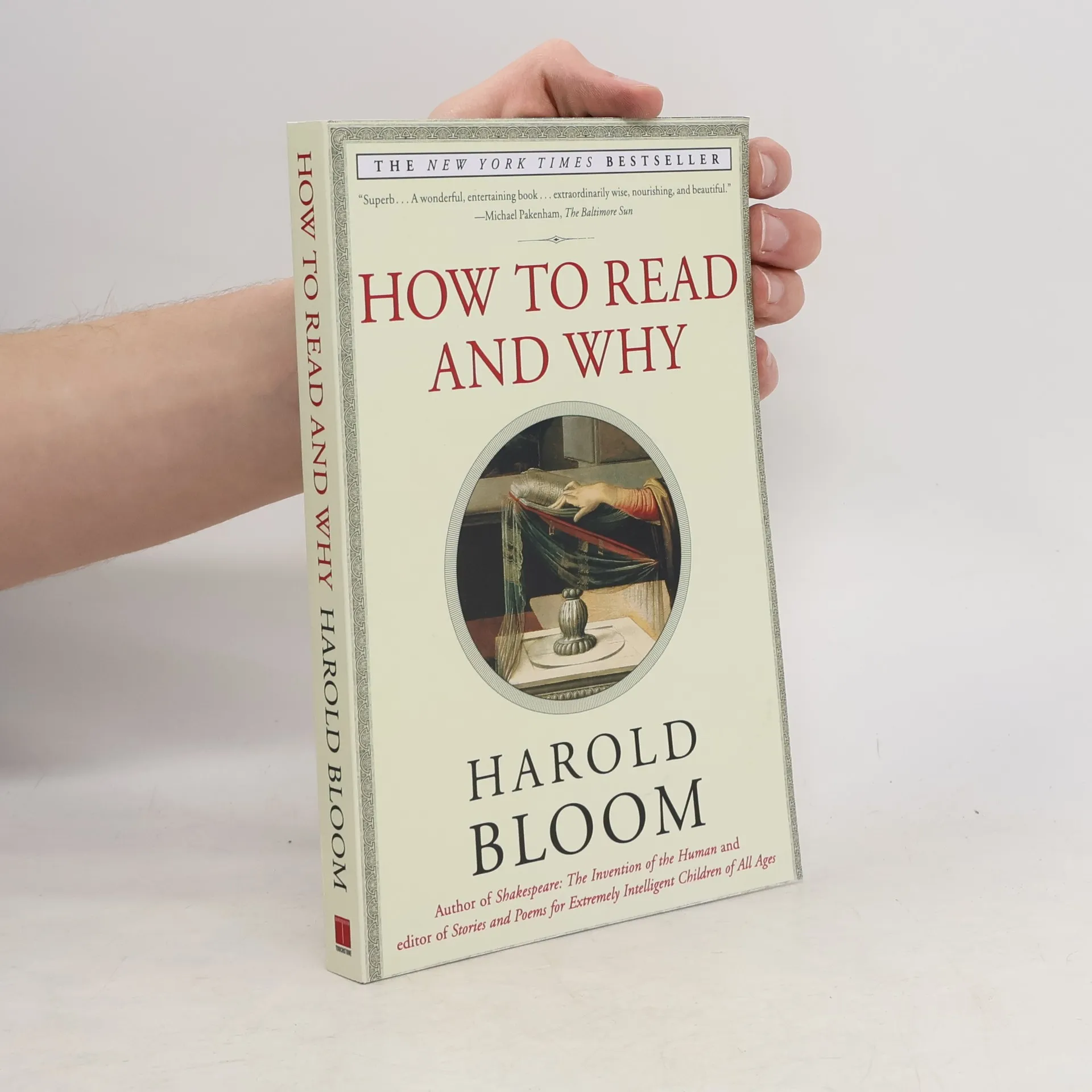
    • Bloom, the best-known literary critic of our time, shares his extensive knowledge of and profound joy in the works of a constellation of major writers, including Shakespeare, Cervantes, Austen, Dickinson, Melville, Wilde, and O'Connor in this eloquent invitation to readers to read and read well. schovat popis

      How to Read and Why
      3.7
    • The Sweet Spot

      • 304 pages
      • 11 hours of reading

      Revealing the surprising roots of lasting happiness, The Sweet Spot by pre-eminent psychologist Paul Bloom explains why suffering is an essential source of both pleasure and meaning in our lives. 'Paul Bloom can always be counted on to take your confident assumptions about humanity and turn them upside down' SUSAN CAIN, author of Quiet _____ What if experiencing a good life involves more than just pleasure? It seems obvious that pleasure leads to happiness - and pain does the opposite. And yet we are irresistibly drawn to a host of experiences that truly hurt, from the exhilarating fear of horror movies or extreme sport to the gruelling challenges of exercise, work, creativity and having a family. Drawing on groundbreaking findings, pre-eminent psychologist Paul Bloom explores the pleasures of suffering and reveals why the activities that provide the most satisfaction are often the ones that involve the greatest sacrifice. Embracing this truth, he shows, is the key to a life well lived. _______ 'An exhilarating antidote to toxic positivity, this captivating book will challenge you to rethink your vision of a good life' ADAM GRANT, author of Think Again 'This delightful and wonderfully written book gets to the heart of one of the most important questions in modern thought, illustrating how complex and paradoxical human happiness really is' GREG LUKIANOFF, co-author of The Coddling of the American Mind

      The Sweet Spot
      3.6
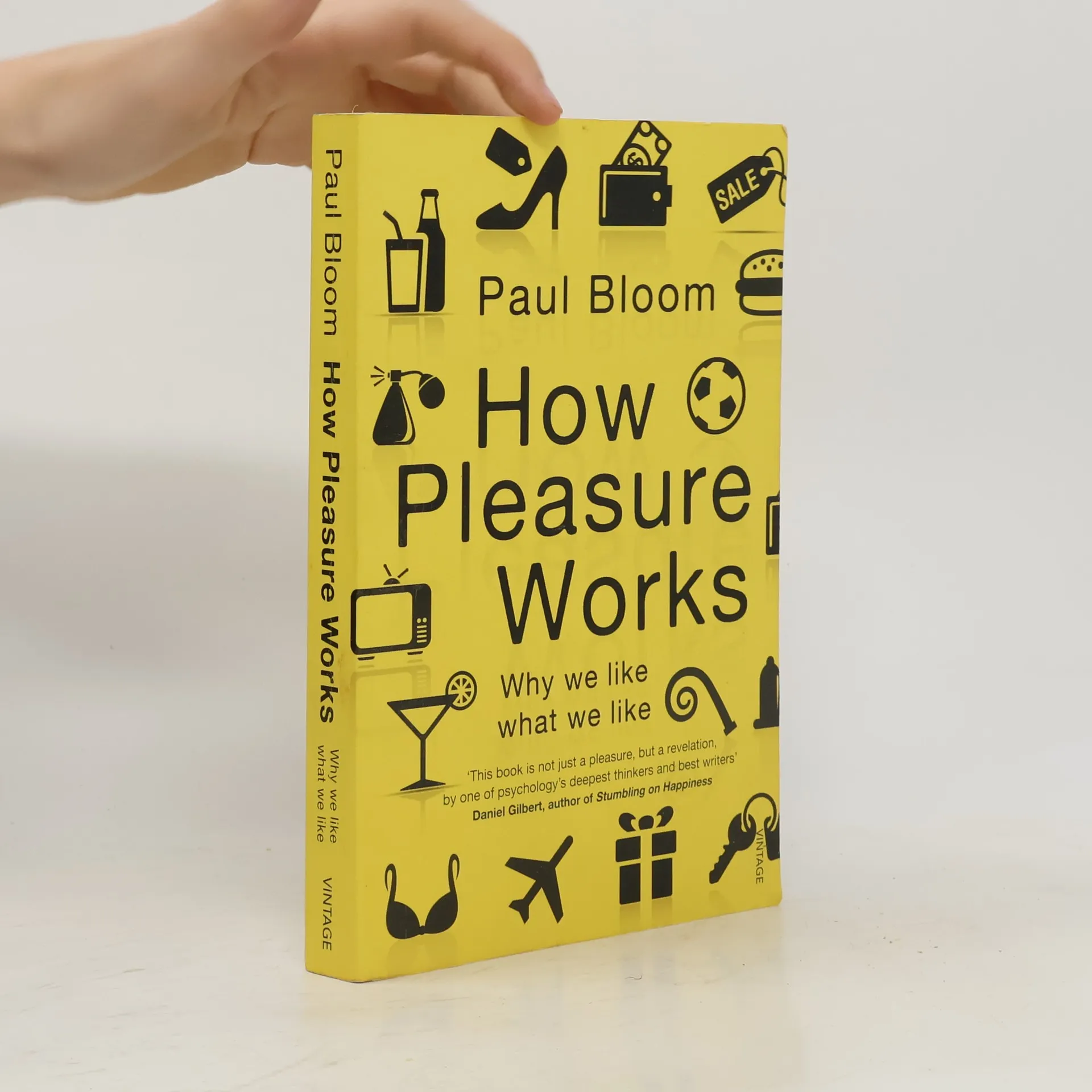
    • How Pleasure Works

      • 304 pages
      • 11 hours of reading

      We are attracted, whether we know it or not, to the hidden aspects of things and people. Drawing on insights from child development, philosophy, neuroscience and behavioural economics, How Pleasure Works shows how certain universal habits of the human mind explain what we like and why we like it.

      How Pleasure Works
      3.4
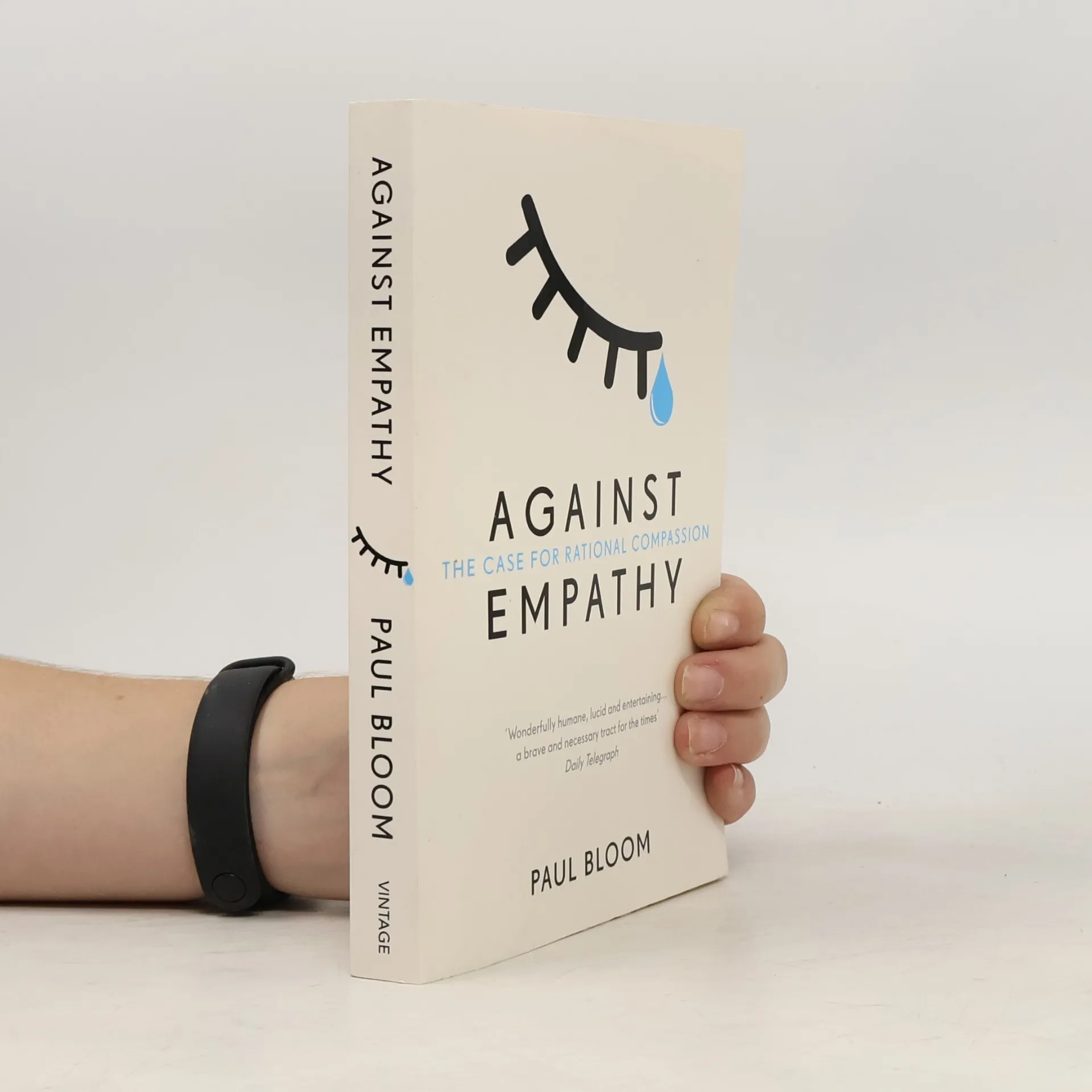
    • Against Empathy

      • 304 pages
      • 11 hours of reading

      In a divided world, empathy is not the solution, it is the problem. We think of empathy - the ability to feel the suffering of others for ourselves - as the ultimate source of all good behaviour. But while it inspires care and protection in personal relationships, it has the opposite effect in the wider world. As the latest research in psychology and neuroscience shows, we feel empathy most for those we find attractive and who seem similar to us and not at all for those who are different, distant or anonymous. Empathy therefore biases us in favour of individuals we know while numbing us to the plight of thousands. Guiding us expertly through the experiments, case studies and arguments on all sides, Paul Bloom ultimately shows that some of our worst decisions - in charity, child-raising, criminal justice, climate change and war - are motivated by this wolf in sheep's clothing. Brilliantly argued, urgent and humane, Against Empathy overturns widely held assumptions to reveal one of the most profound yet overlooked sources of human conflict.

      Against Empathy
      3.4
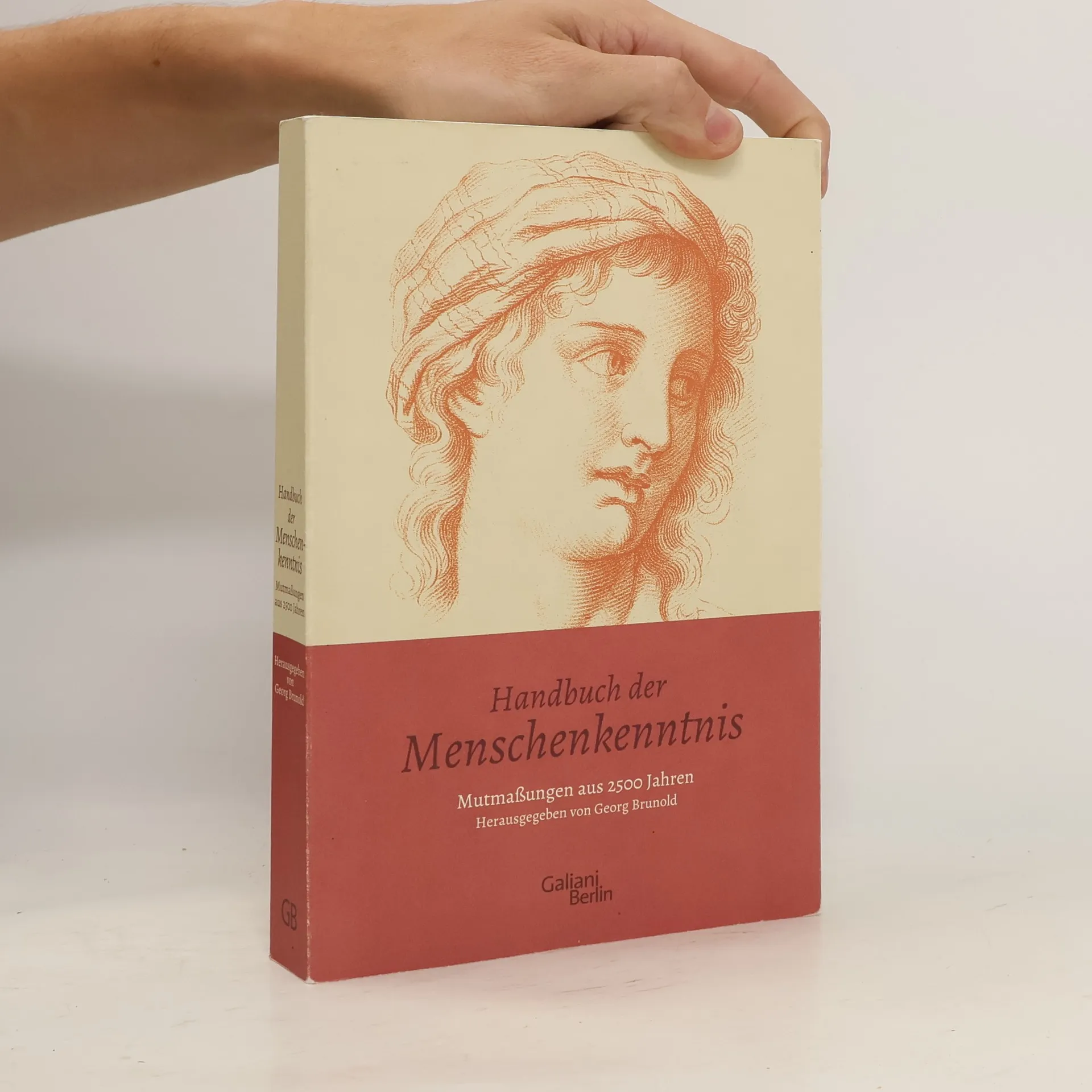
    • Handbuch der Menschenkenntnis

      Mutmaßungen aus 2500 Jahren

      Error: You exceeded your current quota, please check your plan and billing details. For more information on this error, read the docs: https://platform.openai.com/docs/guides/error-codes/api-errors.

      Handbuch der Menschenkenntnis
      4.5
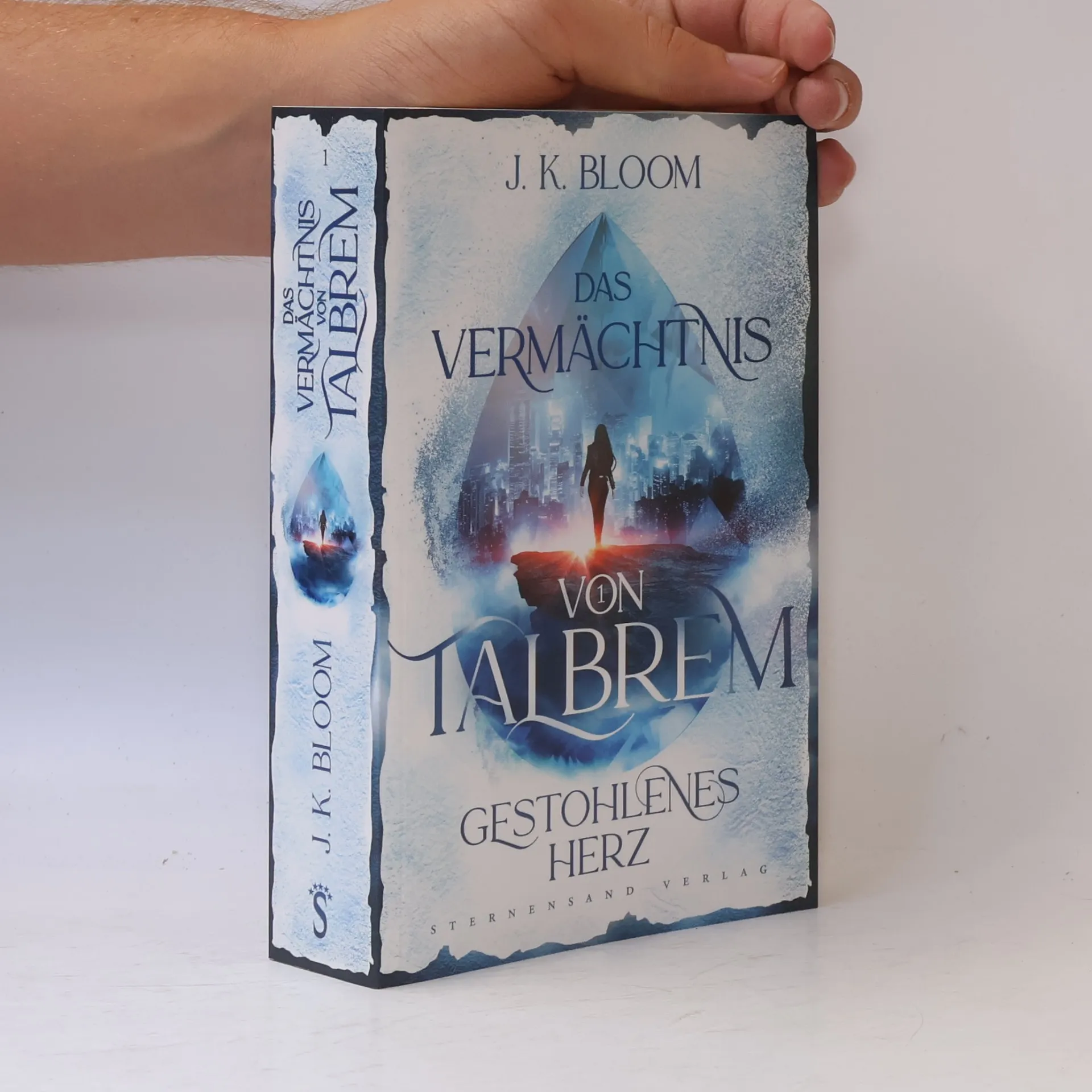
    • Kira-Jane Brooks ist eine Taliducz. Wie alle Bewohner Talbrems kann sie mittels spezieller Edelsteine magische Kräfte beschwören, die ihr das Leben angenehmer gestalten. Aufgewachsen in den höheren Kreisen, hilft die Siebzehnjährige ihrem Vater dabei, die Regierung Talbrems zu unterstützen. Bis zu jenem Tag, als der Verbrecher Cameron sie entführt, um an ein gut gehütetes Familiengeheimnis zu gelangen. Da Kira sich weigert, es ihm zu verraten, stiehlt er ihr Herz. Zwar lebt eine Taliducz auch ohne Herz weiter, allerdings höchstens zwei bis drei Jahre. Cameron stellt ihr damit ein Ultimatum: Entweder sie verrät ihm innerhalb der ihr verbleibenden Zeit, was er wissen will, oder sie stirbt. Kira lässt sich davon nicht einschüchtern und will ihr Herz zurückholen. Dabei muss sie allerdings über ihren Schatten springen und sich mit Kjell, dem Sohn eines Regierungsmitglieds, verbünden, dessen arrogante Art sie verabscheut. Dennoch setzt sie alles auf eine Karte und trifft eine Entscheidung, die nicht nur ihr Herz gefährden könnte, sondern auch jene, für die es schlägt.

      Das Vermächtnis von Talbrem (Band 1): Gestohlenes Herz
      4.3
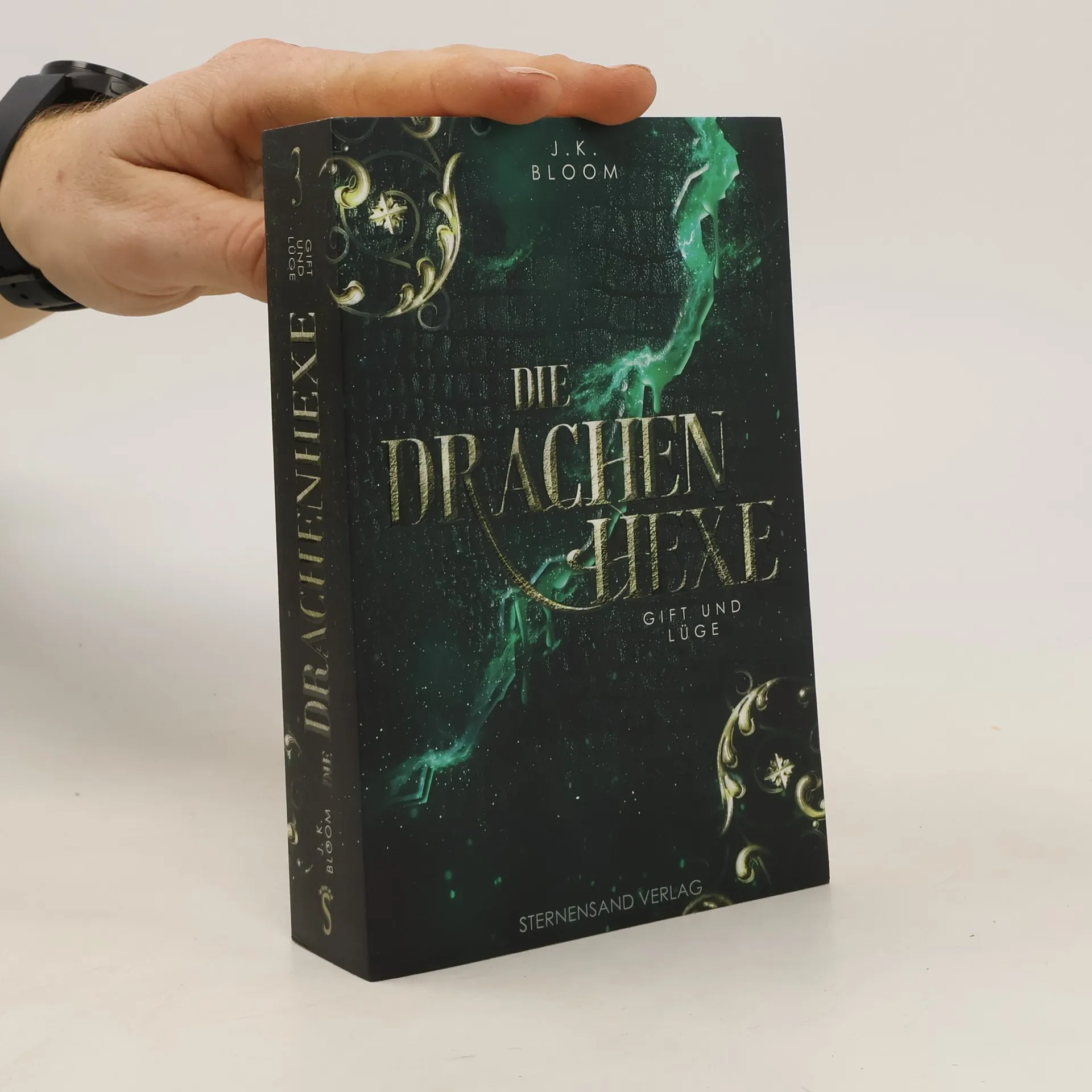
    • Die Drachenhexe (Band 3): Gift und Lüge

      • 530 pages
      • 19 hours of reading

      Wenn das Ende naht und die Finsternis dunkler als der größte Schatten ist … Freyja setzt alles daran, Menam in neuem Glanz erstrahlen zu lassen. Doch als weiße Federn auf die Erde fallen, sind dies die Vorboten einer Dunkelheit, die erneut das Land vergiftet. Alles scheint sich zu wiederholen und die Welt droht abermals ins Chaos zu stürzen. Die Fäden des Schicksals sind jedoch längst gesponnen und es grenzt ans Unmögliche, zwischen all der Schwärze den richtigen Weg zu finden – selbst für eine ehemalige Drachenhexe.

      Die Drachenhexe (Band 3): Gift und Lüge
      4.3
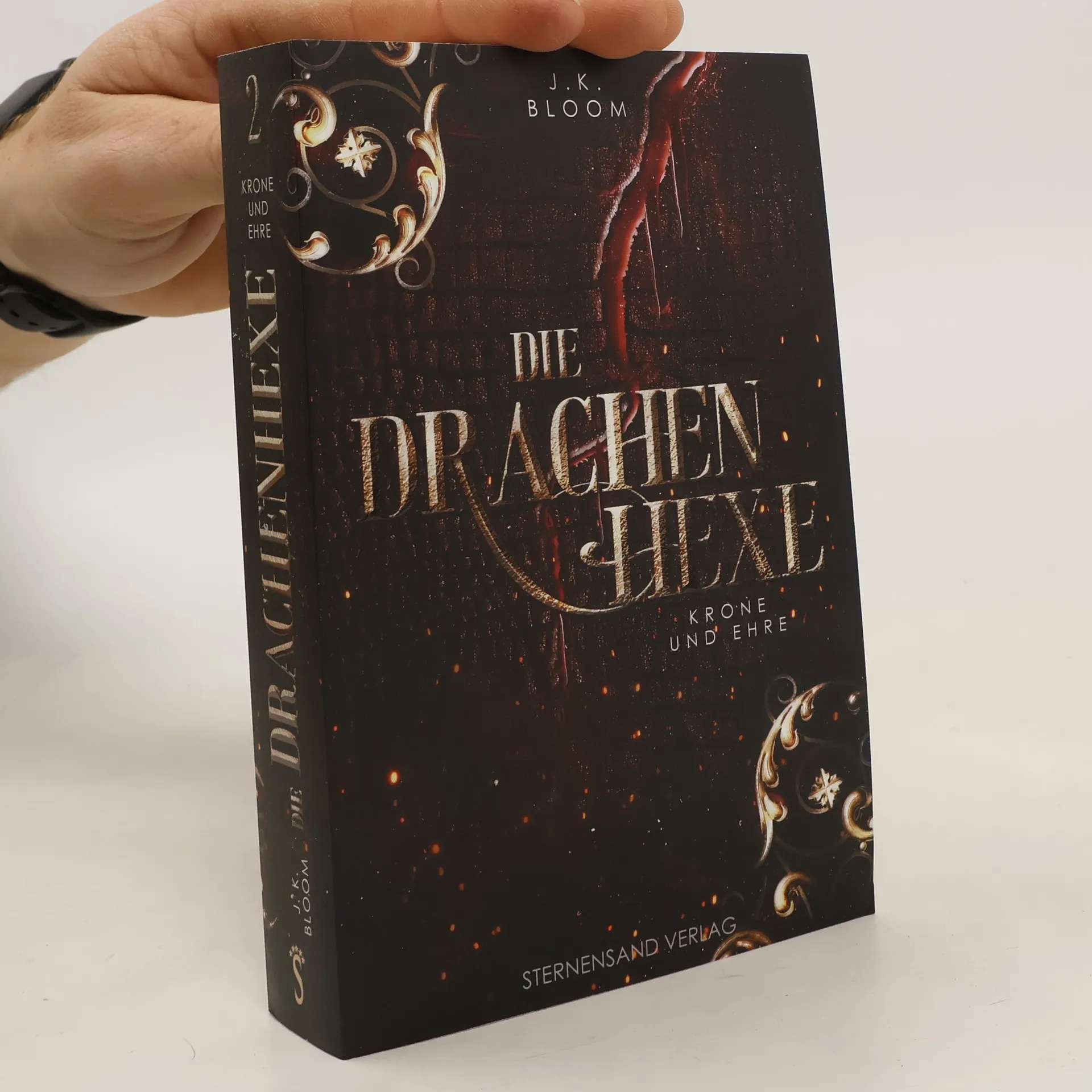
    • Die Drachenhexe (Band 2): Krone und Ehre

      • 474 pages
      • 17 hours of reading

      Wenn Licht und Schatten aufeinandertreffen, hinterlässt ihr Kampf Tod und Verderben. Freyja kehrt ins Königreich Menam zurück, das aus unzähligen Wunden blutet. Um es wiederaufzubauen, muss die Drachenhexe einen Pakt mit einem mysteriösen Fremden namens Zero eingehen, der seine ganz eigenen Ziele verfolgt. Obwohl Freyja ihm nicht über den Weg traut, bleibt ihr keine andere Wahl, als dem Bündnis zuzustimmen. Zeitgleich kämpft Lucien gegen die Mächte der Finsternis und benötigt Freyjas Hilfe. Diese sieht sich schließlich gezwungen, eine Entscheidung zu fällen. Denn es scheint unmöglich, sowohl Menam als auch Luciens Seele zu retten. Einer der beiden droht der Dunkelheit zum Opfer zu fallen, und die Frage bleibt, ob Freyja mit den Konsequenzen leben kann.

      Die Drachenhexe (Band 2): Krone und Ehre
      4.0
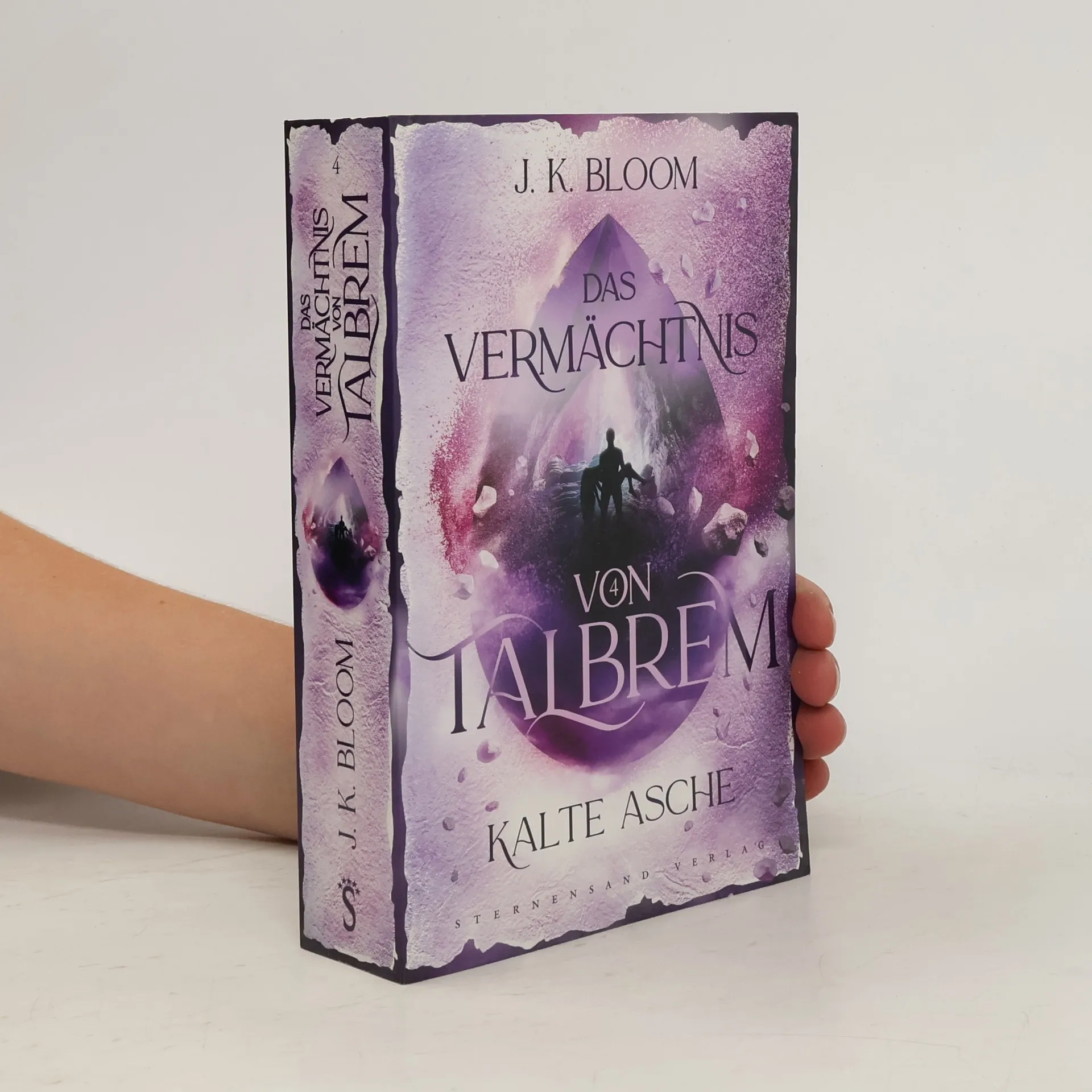
    • Talbrem (Band 4): Kalte Asche

      • 512 pages
      • 18 hours of reading

      Kira erwacht an einem Ort, von dem sie nicht gedacht hätte, ihn so schnell zu betreten. Dort trifft sie auf eine der mächtigsten Frauen, die es in der Geschichte der Taliducz je gab. Diese verrät ihr nicht nur, dass ihre Begegnung vom Schicksal vorherbestimmt war, sondern lüftet auch ein Geheimnis über die Regentin, das der jungen Frau förmlich den Boden unter den Füßen wegreißt. Die Gefahr, die von der Tyrannin ausgeht, könnte jeden Moment über Talbrem hereinbrechen – und der Preis, um dies zu verhindern, übersteigt alles, was von Kira jemals gefordert wurde. Wird sie tatsächlich bereit sein, das Vermächtnis von Talbrem anzunehmen und diesen Weg bis zum Schluss zu gehen, wenn sie damit nicht nur ihr eigenes Glück aufgeben muss?

      Talbrem (Band 4): Kalte Asche
      3.0
    • Böse Kinder gibt es nicht. Kaum auf der Welt, haben sie schon ein feines Gespür für Gut und Böse. In Langzeitstudien konnte Paul Bloom beobachten, wie die ganz Kleinen bereits Gefühle wie Mitleid, Schuld und Scham zeigen, gutes Verhalten bei anderen belohnen und schlechtes bestrafen. Der renommierte Entwicklungspsychologe der Yale University führt aus, wie sich das angeborene Mitgefühl weiterentwickelt und wie Eltern und Erzieher die natürlichen Anlagen der Kinder zum Guten und ihren Sinn für Gerechtigkeit zur Entfaltung bringen können. »Ein Muss für alle Eltern und alle sozialwissenschaftlich Interessierten.« Dan Ariely

      Jedes Kind kennt Gut und Böse
      3.4
    • Co všechno nám lidem přináší potěšení? Obdivuhodná sonda do hlubin lidské mysli… Přemýšleli jste někdy o tom, proč se z některých jedinců stávají kanibalové? Proč nám (většinou) připadá nechutné a zvrhlé mít sex s vlastním sourozencem nebo rodičem? Proč se někdo dobrovolně nechá týrat a ponižovat, a ještě mu to působí rozkoš? Proč nám originály uměleckých děl připadají nekonečně cennější než padělky? Autor téhle knihy se pouští pořádně hluboko do téhle neprobádané říše a vysvětluje, jak se tímhle vším výrazně odlišujeme od ostatních živých tvorů a jak nás právě tyhle věci činí „lidskými“. Dokonce už od plenek dokážeme my lidé rozpoznat realitu od fikce. A přestože spřádání snů, fantazie, okouzlení hudbou či příběhy nám v našem evolučním vývoji nepřinášejí nic nezbytného pro přežití, necháváme se tím vším znovu a znovu okouzlovat. Proč? To už na stránkách téhle nanejvýš zajímavé knihy zjistíte sami.

      Proč se nám líbí to, co se nám líbí : co všechno nám lidem přináší potěšení
      4.0