

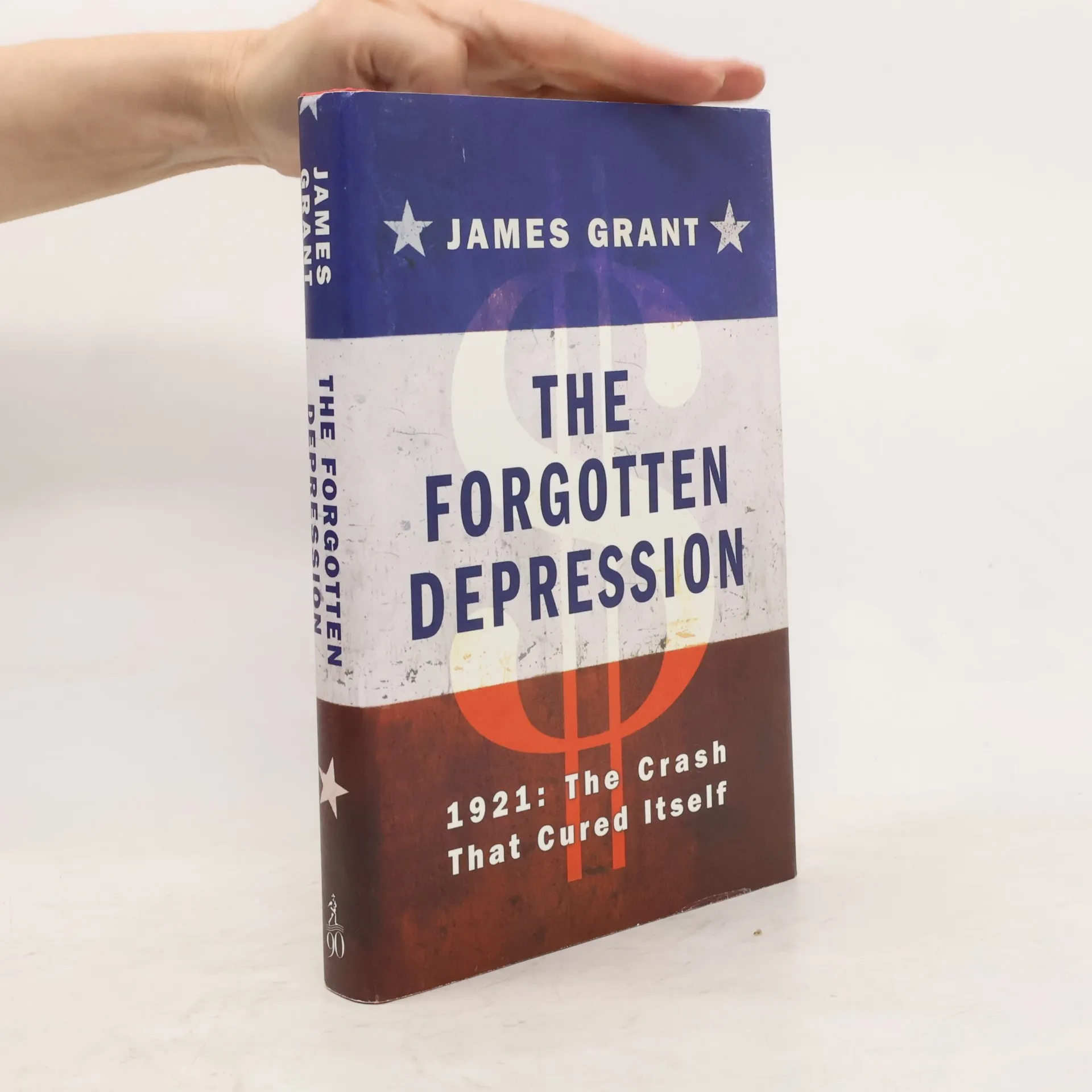


Parameters
- 254 pages
- 9 hours of reading
More about the book
This account of the economic slump of 1920-21 argues for a "less is more" approach to federal intervention, contrasting with the Keynesian stimulus strategies employed during the 2007-09 recession. James Grant recounts America's last government-untreated depression, which, despite being deep, was relatively brief and self-correcting, ultimately paving the way for the Roaring Twenties. His analysis comes amid a prolonged recovery from the 2007-09 downturn. During the 1920-21 slump, Presidents Woodrow Wilson and Warren G. Harding seemingly ignored the crisis, opting for policies that many contemporary economists would deem outdated. As prices, wages, and employment fell, the government balanced the budget and the Federal Reserve raised interest rates without administering any stimulus. By late 1921, a robust recovery had begun. In contrast, the 1929 slump deepened as the Hoover administration implemented the very interventions that Wilson and Harding had avoided. Grant contends that well-meaning federal actions, particularly efforts to support industrial wages, exacerbated the recession into the Great Depression. He draws lessons from this earlier experience, advocating for a reevaluation of how to address economic downturns, emphasizing the resilience of the enterprise system.


Book purchase
The Forgotten Depression, James Grant
- Language

- Released
- 2014
- Binding
- (Hardcover)
Payment methods
We’re missing your review here.
- Title
- The Forgotten Depression
- Subtitle
- 1921
- Language
- English
- Authors
- James Grant
- Publisher
- Simon & Schuster
- Released
- 2014
- Format
- Hardcover
- Pages
- 254
- ISBN10
- 1451686455
- ISBN13
- 9781451686456
- Series
- Categories
- Tags
- Historical Themes, Business, Politics, USA, 20th century, Finance, Political Theories, American History, Economic History, Political Economy, Macroeconomics, Financial Crisis, Monetary Policy
- Rating
- 3.85 out of 5
- Description
- This account of the economic slump of 1920-21 argues for a "less is more" approach to federal intervention, contrasting with the Keynesian stimulus strategies employed during the 2007-09 recession. James Grant recounts America's last government-untreated depression, which, despite being deep, was relatively brief and self-correcting, ultimately paving the way for the Roaring Twenties. His analysis comes amid a prolonged recovery from the 2007-09 downturn. During the 1920-21 slump, Presidents Woodrow Wilson and Warren G. Harding seemingly ignored the crisis, opting for policies that many contemporary economists would deem outdated. As prices, wages, and employment fell, the government balanced the budget and the Federal Reserve raised interest rates without administering any stimulus. By late 1921, a robust recovery had begun. In contrast, the 1929 slump deepened as the Hoover administration implemented the very interventions that Wilson and Harding had avoided. Grant contends that well-meaning federal actions, particularly efforts to support industrial wages, exacerbated the recession into the Great Depression. He draws lessons from this earlier experience, advocating for a reevaluation of how to address economic downturns, emphasizing the resilience of the enterprise system.