



More about the book
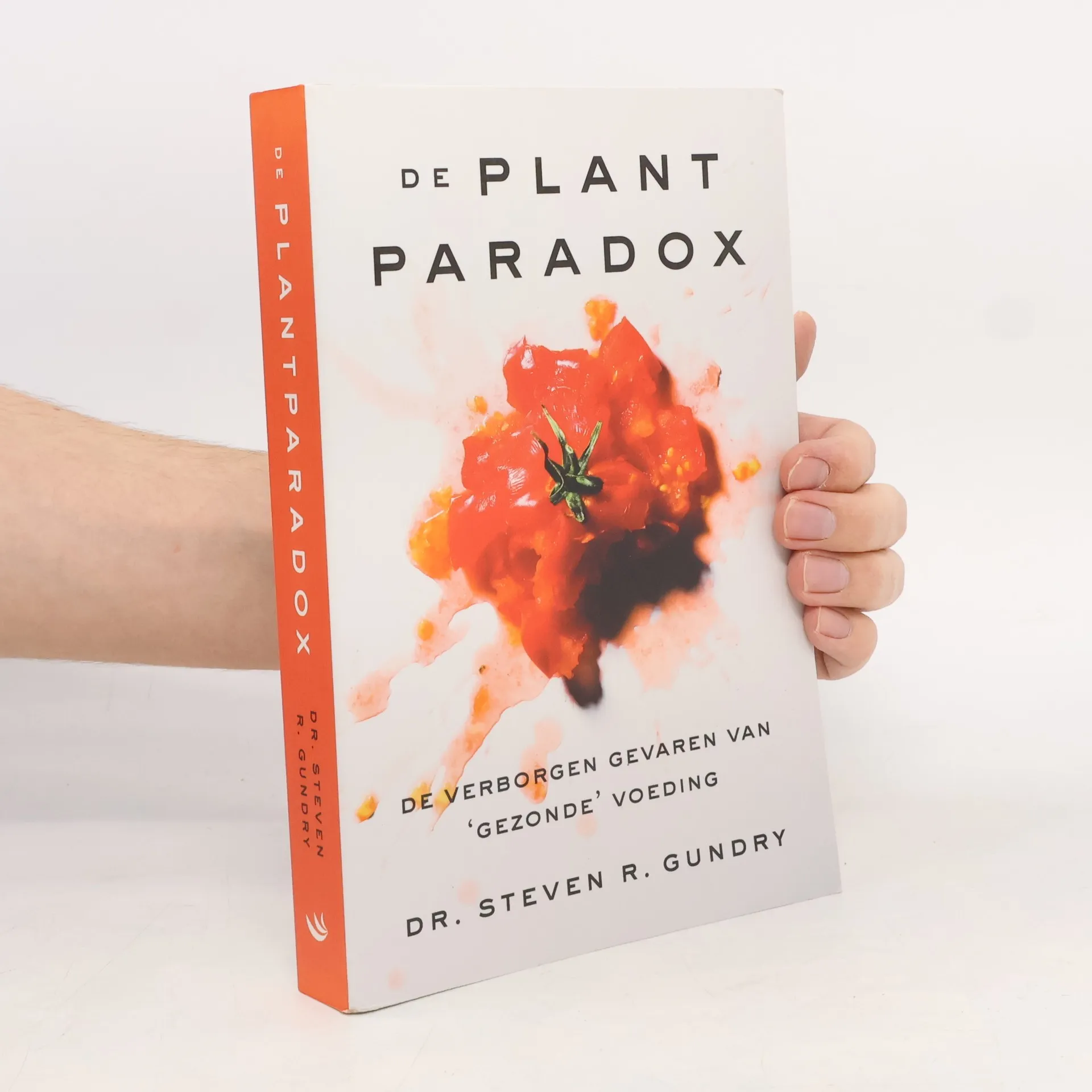
Plants have an impressive array of defense tactics to protect themselves from predators of all shapes and sizes--including humans. Stephen Gundry believes that these defense strategies make the seemingly virtuous plants that we consume every day--fruits, vegetables, grains, nuts, and seeds--far less "good for us" than we assume. Dr. Gundry outlines the health hazards posed by lectins. The main sources of lectins in the American diet include conventionally-raised dairy products, beans, and other legumes, wheat and grains, and specific vegetables and fruits With a full list of lectin-containing foods and simple substitutes for each; a step-by-step detox and eating plan; and easy lectin-free recipes, The Plant Paradox illuminates the hidden dangers lurking in your salad bowl—and shows you how to eat whole foods in a whole new way.
Language


Book purchase
De plantparadox, Steven R. Gundry, Olivia Bell Buehl
- Language

- Released
- 2018
- Binding
- (Paperback)
Payment methods
We’re missing your review here.
- Title
- De plantparadox
- Subtitle
- De verborgen gevaren van 'gezonde' voeding
- Language
- Dutch
- Authors
- Steven R. Gundry, Olivia Bell Buehl
- Publisher
- ScriptumNL
- Released
- 2018
- Format
- Paperback
- Pages
- 327
- ISBN10
- 9463190961
- ISBN13
- 9789463190961
- Series
- Categories
- Tags
- Health & Medicine, Science, Health, Food, Diets, Lifestyle, Groceries, Immune System, Microbiome, Intestines, Large Intestine
- First published
- 2017
- Original title
- The Plant Paradox – The Hidden Dangers in „Healthy“ Foods That Cause Disease and Weight Gain
- Rating
- 3.85 out of 5
- Description
- Plants have an impressive array of defense tactics to protect themselves from predators of all shapes and sizes--including humans. Stephen Gundry believes that these defense strategies make the seemingly virtuous plants that we consume every day--fruits, vegetables, grains, nuts, and seeds--far less "good for us" than we assume. Dr. Gundry outlines the health hazards posed by lectins. The main sources of lectins in the American diet include conventionally-raised dairy products, beans, and other legumes, wheat and grains, and specific vegetables and fruits With a full list of lectin-containing foods and simple substitutes for each; a step-by-step detox and eating plan; and easy lectin-free recipes, The Plant Paradox illuminates the hidden dangers lurking in your salad bowl—and shows you how to eat whole foods in a whole new way.