

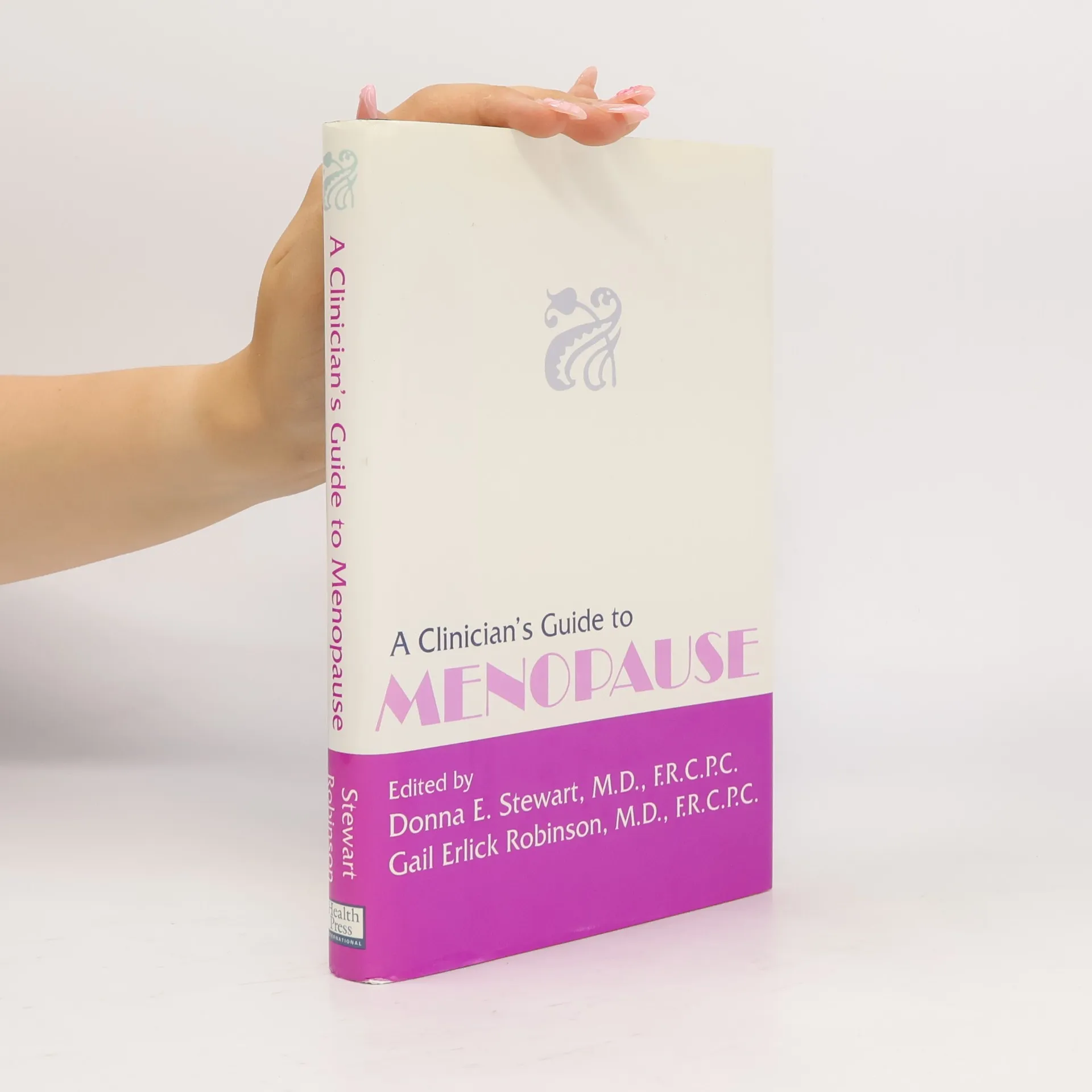



More about the book
Today, women can anticipate living at least one-third of their lives post-menopause. As the baby-boom generation ages, it becomes crucial for mental health professionals to understand both the physical and psychiatric dimensions of menopause to ensure optimal patient care. This comprehensive resource, authored by experts in psychiatry, gynecology, psychology, nursing, sociology, and internal medicine, addresses the multifaceted nature of menopause and its implications for treatment. It delves into medical issues related to menopause, including physiology, symptoms, risk factors, medical evaluations, and hormone therapy options. Additionally, it examines the psychiatric aspects, including psychotherapeutic and psychopharmacologic treatments, as well as multicultural considerations and quality of life issues. The inclusion of numerous case vignettes highlights common challenges and their solutions. This guide equips clinicians with a well-rounded understanding of menopause, enabling them to enhance care and support the quality of life for their female patients during this significant transition. With this multidisciplinary approach, health care professionals can provide improved care for women navigating menopause.
Book purchase
A Clinician's Guide to Menopause, Gail Erlick Robinson, Donna E. Stewart
- Language

- Released
- 1997
- Binding
- (Hardcover),
- Book condition
- Damaged
- Price
- €4.67
Payment methods
No one has rated yet.
- Language
- English
- Authors
- Gail Erlick Robinson, Donna E. Stewart
- Publisher
- Amer Psychiatric Pub Inc
- Released
- 1997
- Format
- Hardcover
- Pages
- 243
- ISBN10
- 0880487542
- ISBN13
- 9780880487542
- Series
- Tags
- Psychological Topics, References & Manuals, USA, Medicine, Social Aspects, Psychological Aspects, Menopause
- Description
- Today, women can anticipate living at least one-third of their lives post-menopause. As the baby-boom generation ages, it becomes crucial for mental health professionals to understand both the physical and psychiatric dimensions of menopause to ensure optimal patient care. This comprehensive resource, authored by experts in psychiatry, gynecology, psychology, nursing, sociology, and internal medicine, addresses the multifaceted nature of menopause and its implications for treatment. It delves into medical issues related to menopause, including physiology, symptoms, risk factors, medical evaluations, and hormone therapy options. Additionally, it examines the psychiatric aspects, including psychotherapeutic and psychopharmacologic treatments, as well as multicultural considerations and quality of life issues. The inclusion of numerous case vignettes highlights common challenges and their solutions. This guide equips clinicians with a well-rounded understanding of menopause, enabling them to enhance care and support the quality of life for their female patients during this significant transition. With this multidisciplinary approach, health care professionals can provide improved care for women navigating menopause.