


Parameters
- 276 pages
- 10 hours of reading
More about the book
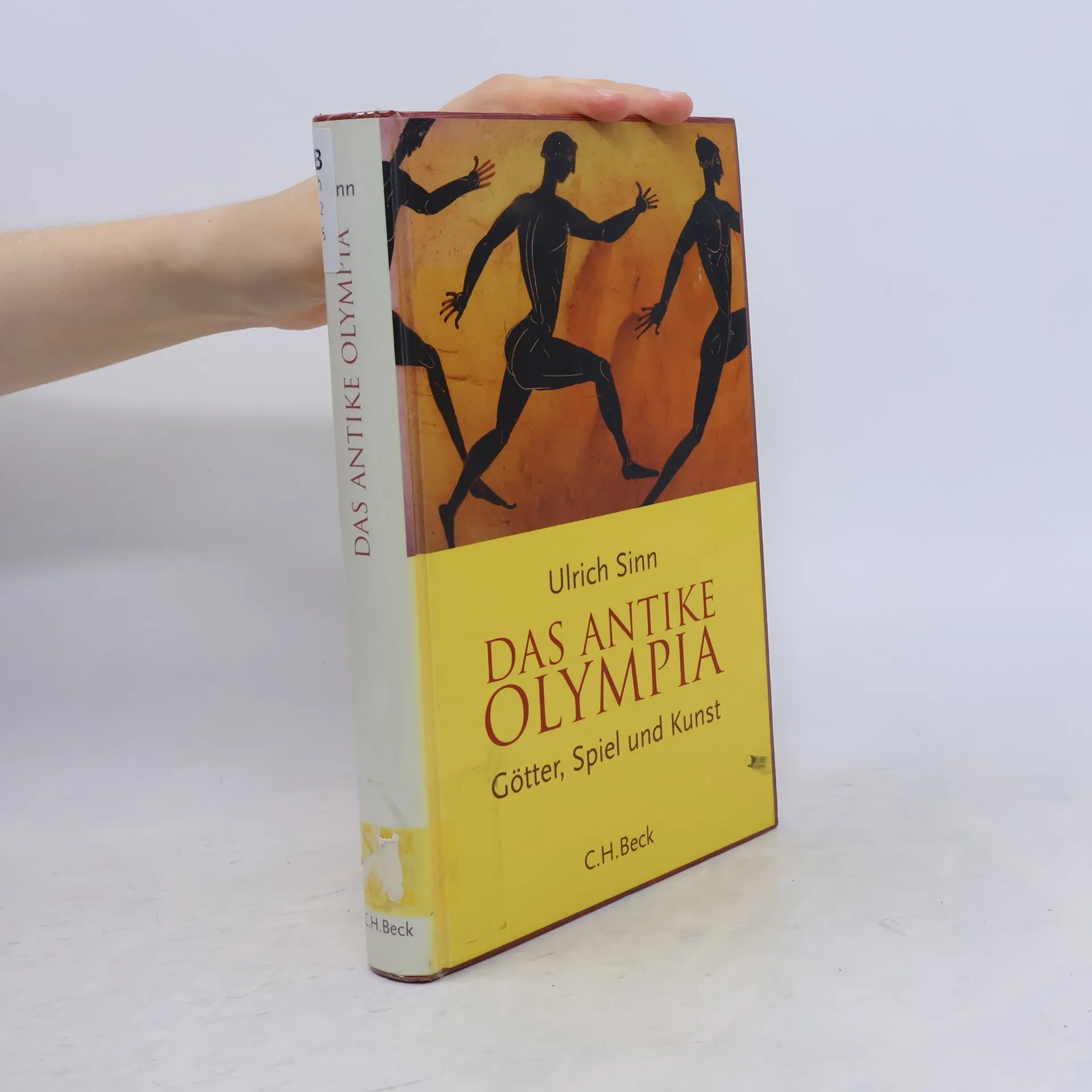
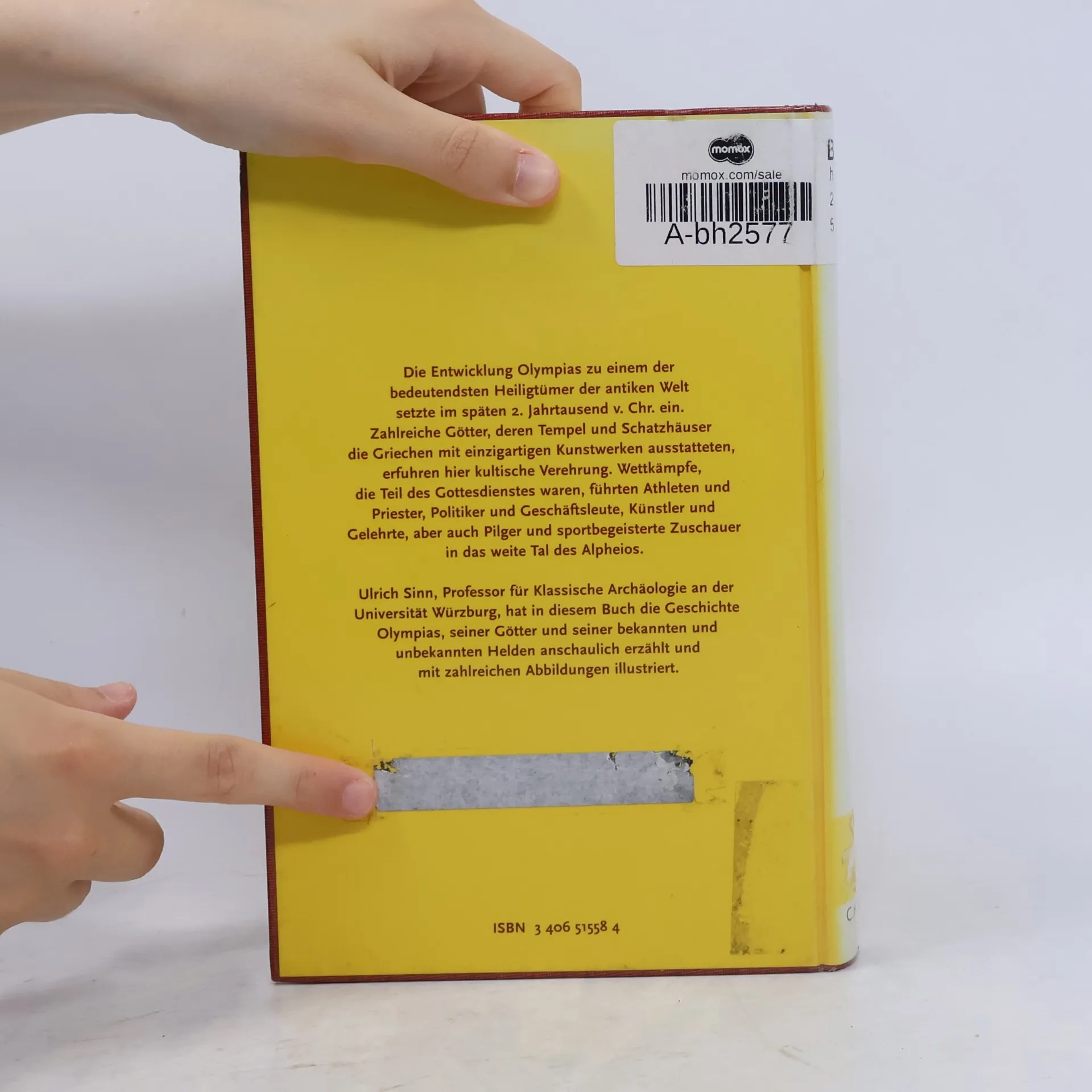
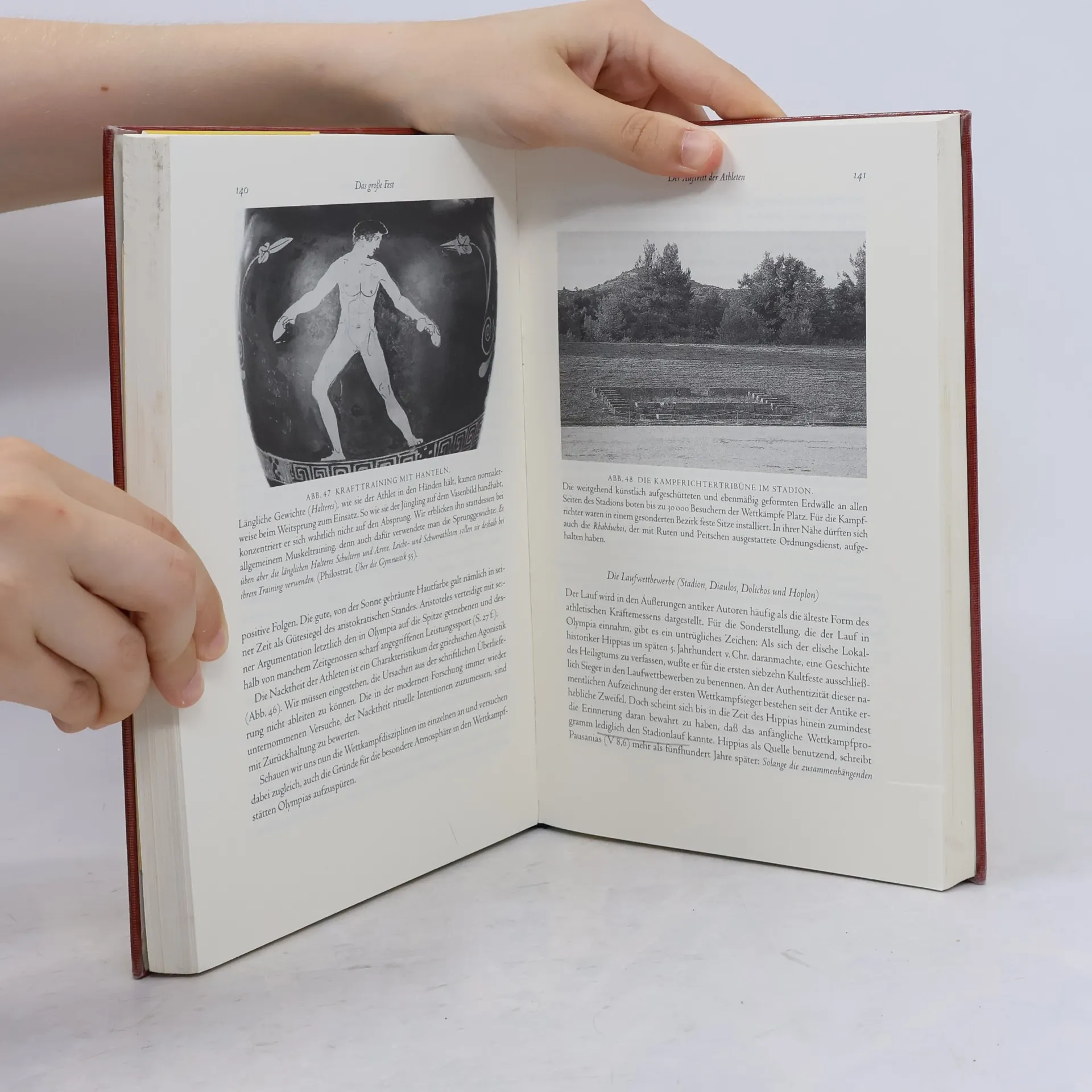
In antiquity Olympia stood for sports. A victory at the Olympic games led to lifelong honours and often to a political career and wealth. Alcibiades, a multifaceted politician from Athens, sponsored all seven chariots in a race to guarantee that one of his horses would definitely win and he would get the honour. Alexander the Great and other kings and emperors, as well as wealthy and powerful men and women, financed the games by erecting religious and civic monuments. Olympia's monuments are associated with the best-known artists of its time. The Zeus temple became one of the Seven Wonders of the World. Olympia also had an oracle, which was another major tourist attraction. Numerous ancient sources provide lively reports about Olympia: activities in the sports arenas, the rites of the games, the reactions of the visitors. They also detail sometimes unpleasant daily realities: the crowds, the dust, the heat and the thirst.
Condition
There are currently of book Das antike Olympia (2004) in stock.
Book purchase
Das antike Olympia, Ulrich Sinn
- Language

- Released
- 2004
- Binding
- (Hardcover),
- Book condition
- Damaged
- Price
- €3.80
Payment methods
No one has rated yet.
- Title
- Das antike Olympia
- Subtitle
- Götter, Spiel und Kunst
- Language
- German
- Authors
- Ulrich Sinn
- Publisher
- Beck
- Released
- 2004
- Format
- Hardcover
- Pages
- 276
- ISBN10
- 3406515584
- ISBN13
- 9783406515583
- Series
- Tags
- Non-Fiction, Historical Themes, Women, Politics, Wars, Folklore & Mythology, Art History & Criticism, Ancient History, History of Art, Culture, Greece, Cults, Ancient Greece, Olympics, Christians, Temples, Greeks, Barbarians
- Description
- In antiquity Olympia stood for sports. A victory at the Olympic games led to lifelong honours and often to a political career and wealth. Alcibiades, a multifaceted politician from Athens, sponsored all seven chariots in a race to guarantee that one of his horses would definitely win and he would get the honour. Alexander the Great and other kings and emperors, as well as wealthy and powerful men and women, financed the games by erecting religious and civic monuments. Olympia's monuments are associated with the best-known artists of its time. The Zeus temple became one of the Seven Wonders of the World. Olympia also had an oracle, which was another major tourist attraction. Numerous ancient sources provide lively reports about Olympia: activities in the sports arenas, the rites of the games, the reactions of the visitors. They also detail sometimes unpleasant daily realities: the crowds, the dust, the heat and the thirst.