

Sold out but wanted!
Got it on your shelf?Earn between €10.03 and €13.03 by selling this book.
Sell booksMore about the book
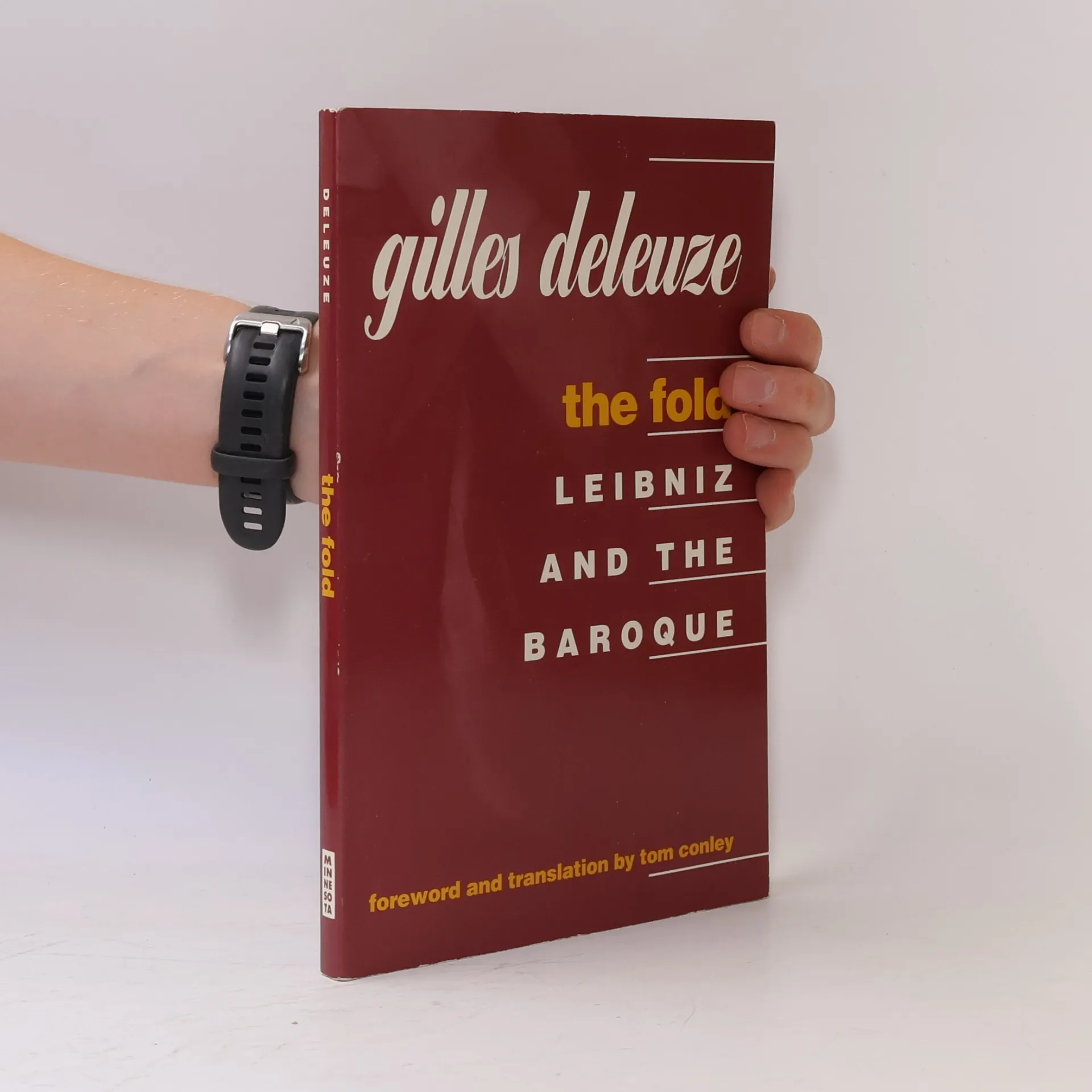
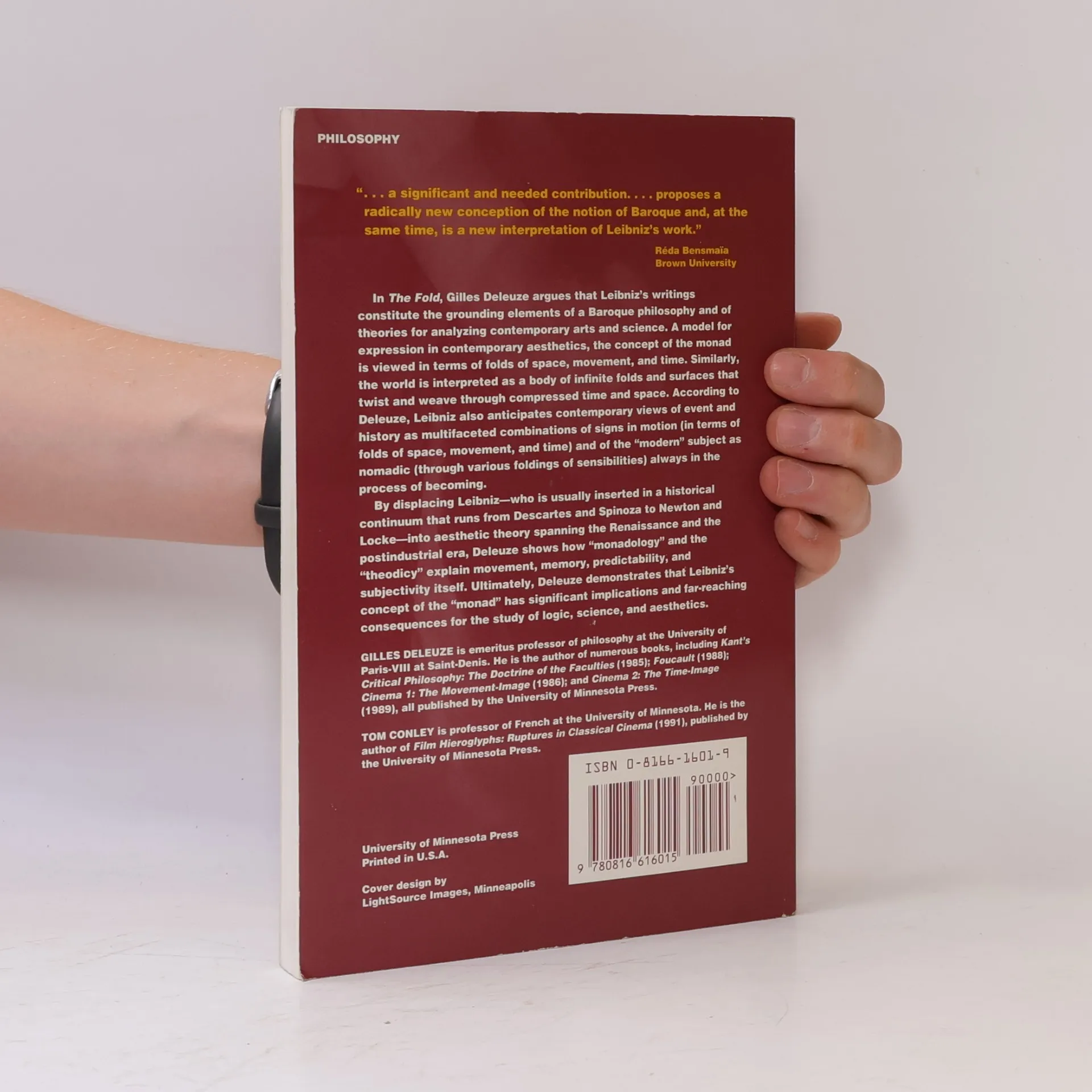
In The Fold, Gilles Deleuze argues that Leibniz’s writings constitute the grounding elements of a Baroque philosophy and of theories for analyzing contemporary arts and science. A model for expression in contemporary aesthetics, the concept of the monad is viewed in terms of folds of space, movement, and time. Similarly, the world is interpreted as a body of infinite folds and surfaces that twist and weave through compressed time and space. According to Deleuze, Leibniz also anticipates contemporary views of event and history as multifaceted combinations of signs in motion and of the “modern” subject as nomadic, always in the process of becoming.


Book purchase
The Fold, Gilles Deleuze, Tom Conley
- Language

- Released
- 1994
- Binding
- (Paperback)
We’ll email you as soon as we track it down.
Payment methods
4.4
Very Good
36 Ratings
We’re missing your review here.
- Title
- The Fold
- Subtitle
- Leibniz and the Baroque
- Language
- English
- Authors
- Gilles Deleuze, Tom Conley
- Publisher
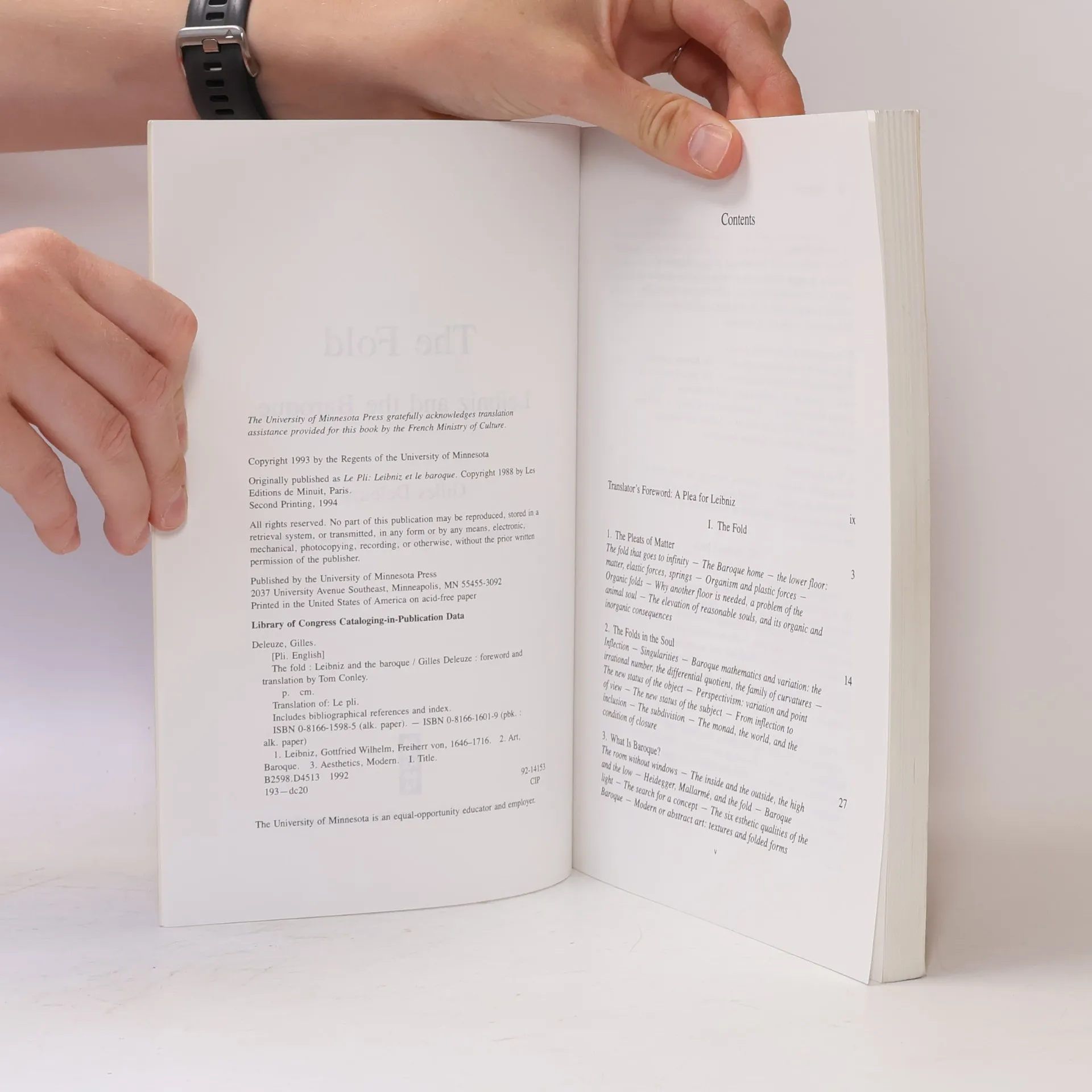
- University of Minnesota Press
- Released
- 1994
- Format
- Paperback
- Pages
- 168
- ISBN10
- 0816616019
- ISBN13
- 9780816616015
- Series
- Tags
- Philosophical Topics, Art, Architecture, France, Scientific Theories, God, Metaphysics, Soul, Baroque
- First published
- 1988
- Original title
- Le Pli: Leibniz et le baroque
- Rating
- 4.35 out of 5
- Description
- In The Fold, Gilles Deleuze argues that Leibniz’s writings constitute the grounding elements of a Baroque philosophy and of theories for analyzing contemporary arts and science. A model for expression in contemporary aesthetics, the concept of the monad is viewed in terms of folds of space, movement, and time. Similarly, the world is interpreted as a body of infinite folds and surfaces that twist and weave through compressed time and space. According to Deleuze, Leibniz also anticipates contemporary views of event and history as multifaceted combinations of signs in motion and of the “modern” subject as nomadic, always in the process of becoming.