

Parameters
- 368 pages
- 13 hours of reading
More about the book
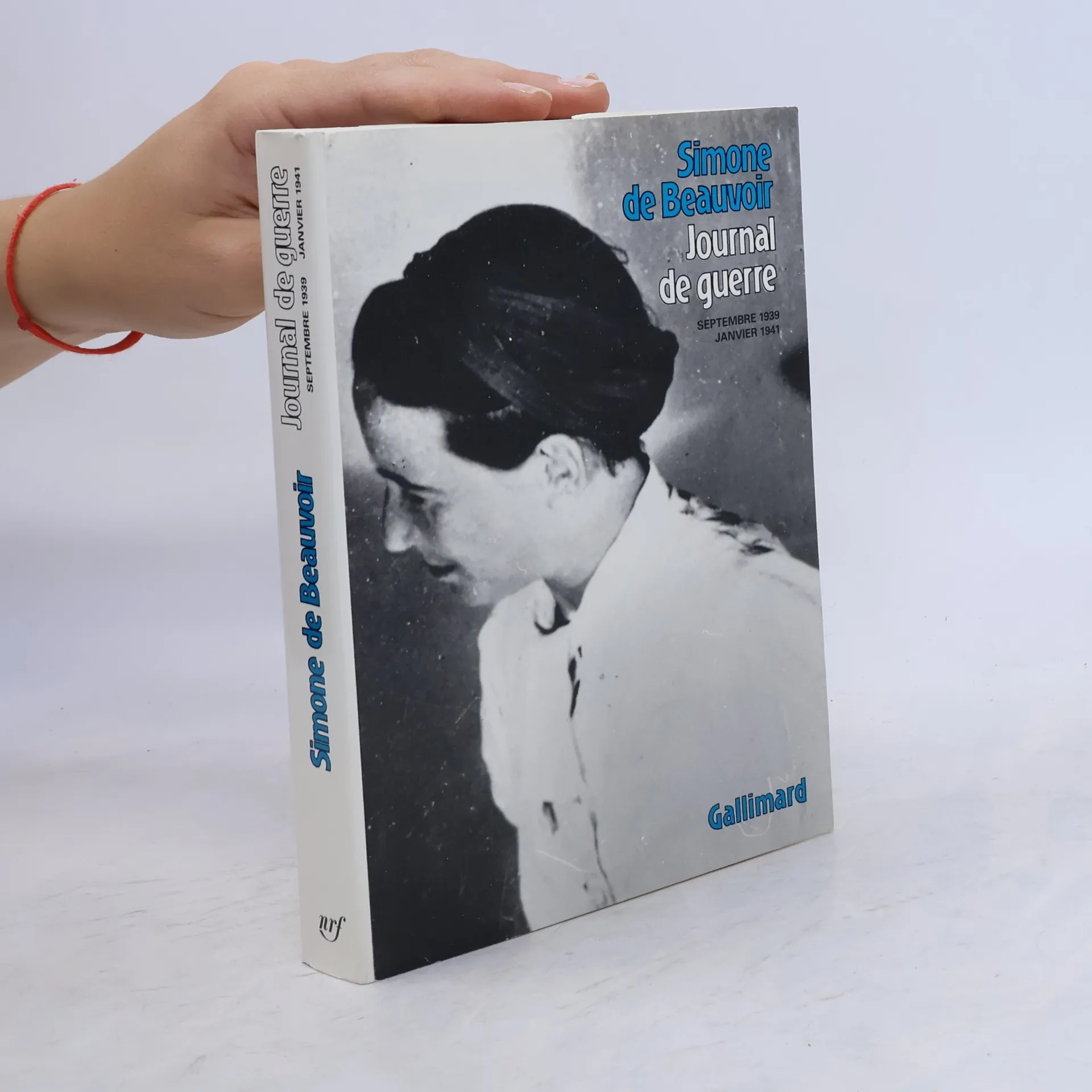
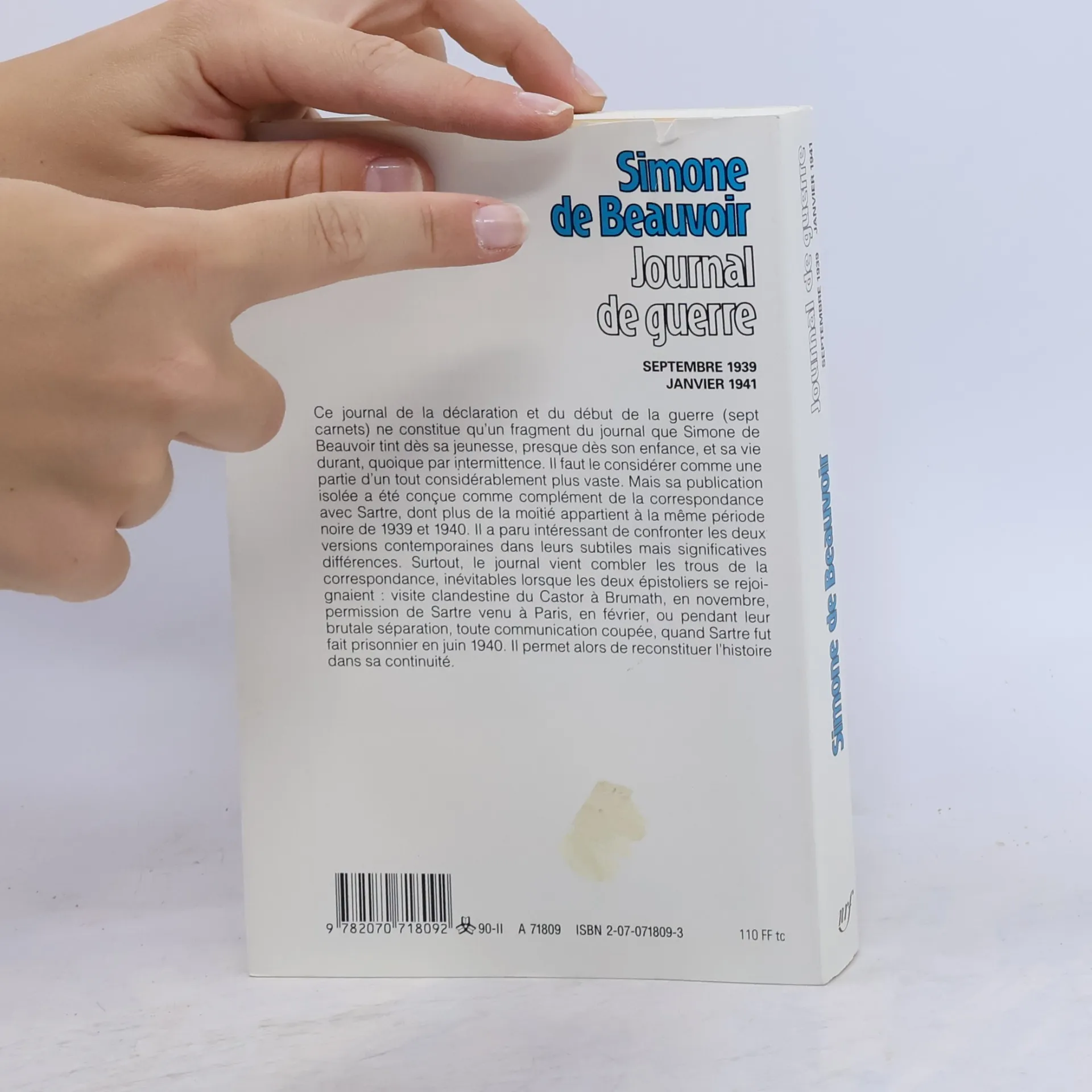
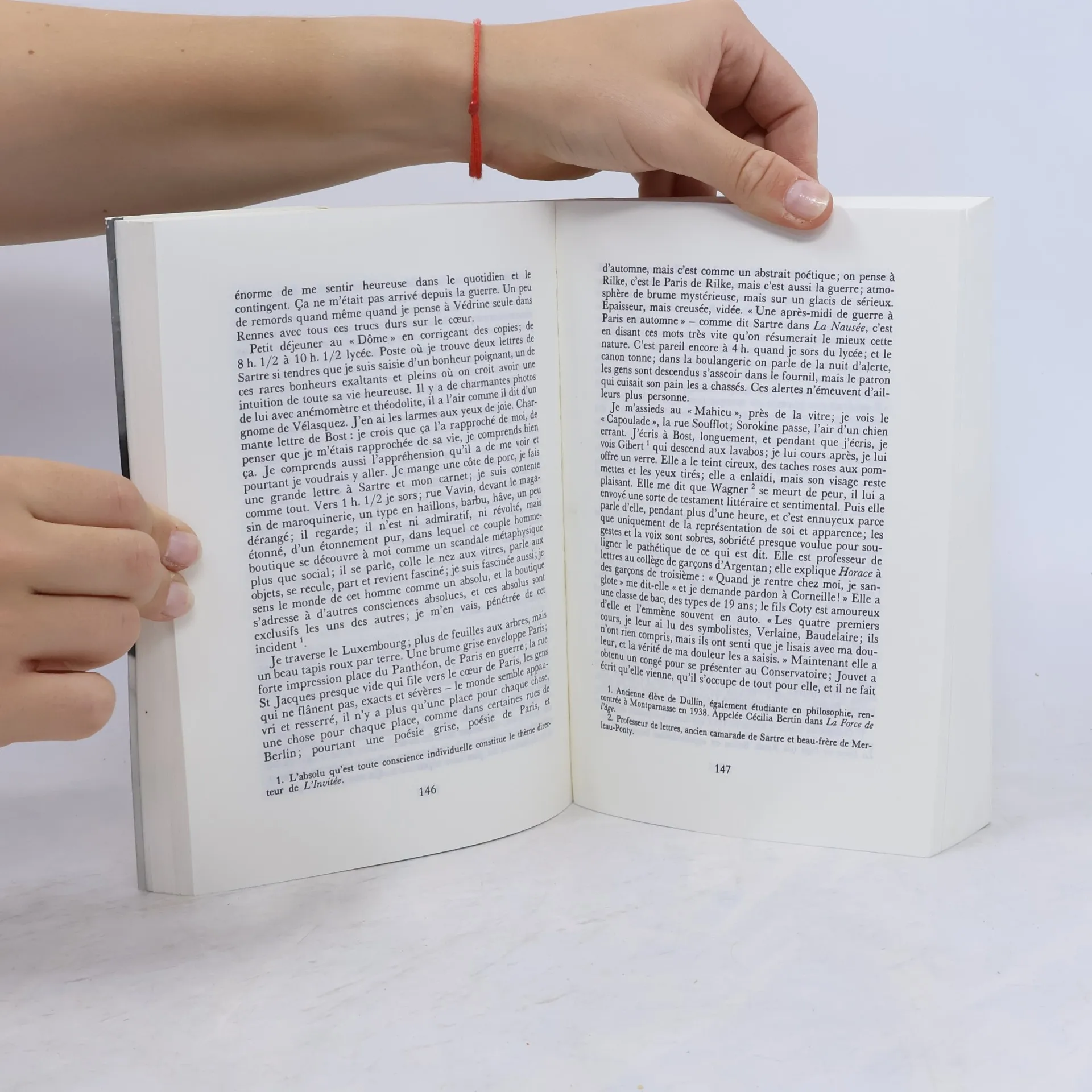
Written from September 1939 to January 1941, this diary offers unabridged access to a text that challenges traditional views of Beauvoir’s life and work. Her clandestine affair with Jacques Bost and relationships with various young women contradict the image of her as Jean-Paul Sartre's devoted companion. Additionally, her account of completing her novel, She Came to Stay, while Sartre began Being and Nothingness questions the perception of her work as merely illustrative of Sartre’s philosophy. The diary traces Beauvoir's philosophical evolution as she shifts from the prewar solipsism of her novel to the postwar political engagement evident in The Second Sex. Her emerging existentialist ethics are shaped by the collective experiences of refugees fleeing the German invasion and enduring life under Nazi occupation. This evolution reflects her courageous reaffirmation of individuality in crafting a humanist ethics of freedom and solidarity. The edition includes previously unpublished material, such as her thoughts on consciousness, recommended reading lists, and notes on labor unions. By providing new insights into Beauvoir’s philosophical development, this diary promises to reshape a crucial chapter of Western philosophy and intellectual history.
Language

Book purchase
Journal de guerre, Simone de Beauvoir, Sylvie Le Bon de Beauvoir
- Language

- Released
- 1990
- Binding
- (Paperback),
- Book condition
- Damaged
- Price
- €8.67
Payment methods
We’re missing your review here.
- Title
- Journal de guerre
- Subtitle
- Septembre 1939 - Janvier 1941
- Language
- French
- Publisher
- Gallimard
- Released
- 1990
- Format
- Paperback
- Pages
- 368
- ISBN10
- 2070718093
- ISBN13
- 9782070718092
- Series
- Categories
- Tags
- Non-Fiction, Social Sciences, Historical Themes, History, True Stories, Biographies, Philosophical Topics, Philosophy, Autobiographies & Memoirs, Friendship, Military History, France, Relationships, World War II, Diaries, Paris, Everyday Life
- Original title
- Journal de guerre
- Rating
- 5 out of 5
- Description
- Written from September 1939 to January 1941, this diary offers unabridged access to a text that challenges traditional views of Beauvoir’s life and work. Her clandestine affair with Jacques Bost and relationships with various young women contradict the image of her as Jean-Paul Sartre's devoted companion. Additionally, her account of completing her novel, She Came to Stay, while Sartre began Being and Nothingness questions the perception of her work as merely illustrative of Sartre’s philosophy. The diary traces Beauvoir's philosophical evolution as she shifts from the prewar solipsism of her novel to the postwar political engagement evident in The Second Sex. Her emerging existentialist ethics are shaped by the collective experiences of refugees fleeing the German invasion and enduring life under Nazi occupation. This evolution reflects her courageous reaffirmation of individuality in crafting a humanist ethics of freedom and solidarity. The edition includes previously unpublished material, such as her thoughts on consciousness, recommended reading lists, and notes on labor unions. By providing new insights into Beauvoir’s philosophical development, this diary promises to reshape a crucial chapter of Western philosophy and intellectual history.