

The older children get, the more words they know and can use—including hurtful words. This book teaches children that their words belong to them: They can think before they speak, then choose what to say and how to say it. It also explores positive ways to respond when others use unkind words and reinforces the importance of saying “I’m sorry.” Includes tips for parents and caregivers.
Best Behavior Series
This series delves into intricate relationships and psychological twists that keep readers on the edge of their seats. Follow characters as they navigate their inner demons and external pressures, leading to unexpected consequences. Each installment offers a thrilling exploration of human nature and moral ambiguity. It's a compelling read for those who enjoy suspenseful narratives with deep character studies.

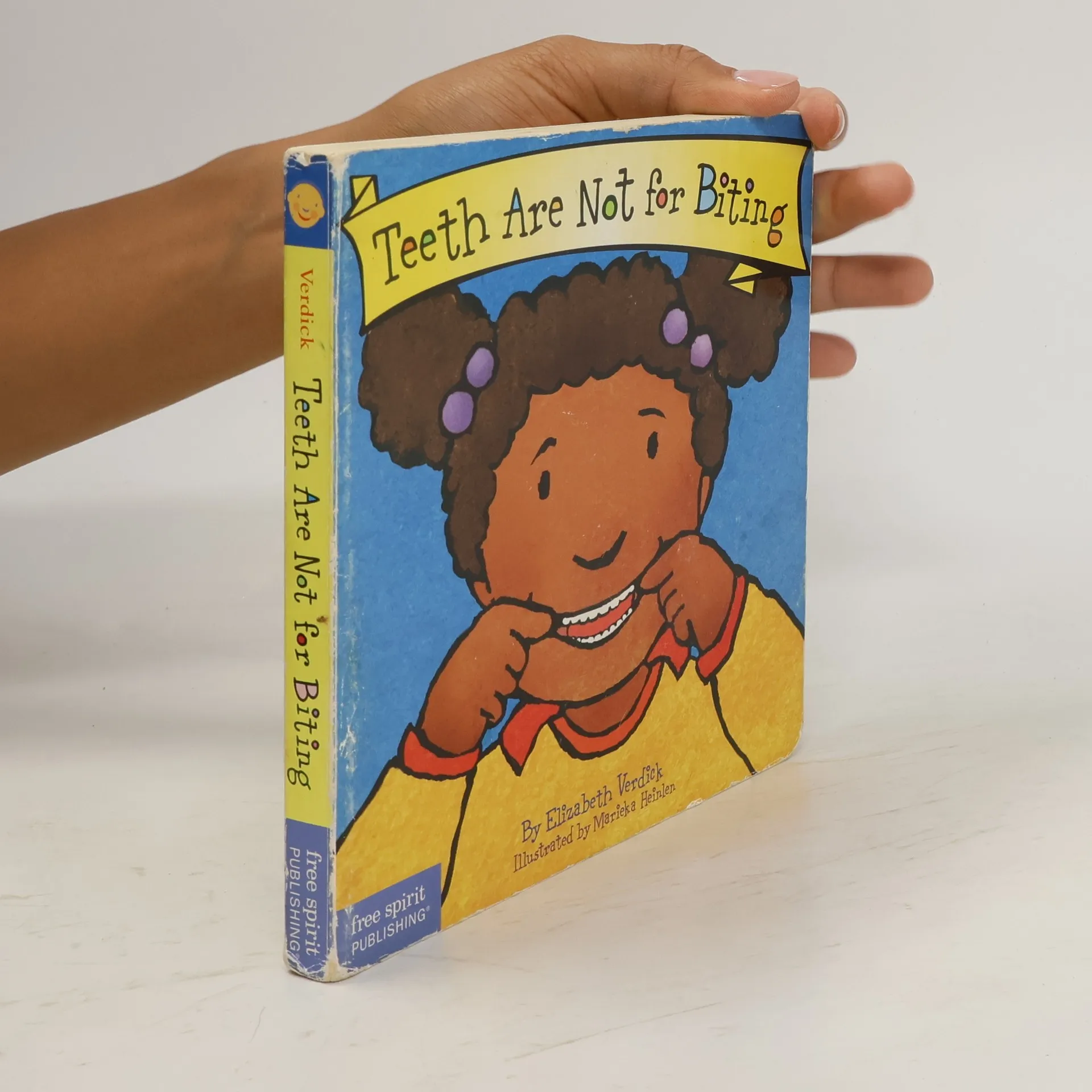
Teeth are Not for Biting
- 20 pages
- 1 hour of reading
Simple text and illustrations demonstrate what teeth are supposed to be used for instead of biting.
Germs are Not for Sharing
- 24 pages
- 1 hour of reading
Sneezes, coughs, runny noses, spills, and messes are facts of everyday life with children. This book is a short course for kids on what germs are, what they do, and why it's so important to cover them up, block them from spreading, and wash them down the drain. It includes tips and ideas for discussion and activities with parents and caregivers.
Tails are Not for Pulling
- 40 pages
- 2 hours of reading
Teach kids that teasing animals isn’t nice, they can choose to be kind to animals, and it’s important to ask before touching someone’s pet.Pets may not have words, but they can communicate. Paying attention to an animal’s cues—a joyful bark, a scary growl, a swishing tail—can help a child understand what the animal is “saying” and what an appropriate response might be. That’s part of what this English-Spanish bilingual picture book is about. But mostly it’s about showing children how to love pets gently—because pets are for loving, after all. Kids learn that teasing isn’t nice, that they can choose to be kind to animals, and that if you want to touch someone else’s pet, there’s one important rule you should Ask the owner first! A special section for adults includes ideas for teaching children kindness to animals, activities, and discussion starters in both English and Spanish.Best Behavior seriesSimple words and lively full-color illustrations guide children to choose positive behaviors. Select titles are available in two a durable board book for ages 1–4 and an expanded paperback for ages 4–7. Bilingual board book and paperback editions of all titles also are available. Kids, parents, and teachers love these award-winning books. All include helpful tips for teachers, caregivers, and parents.
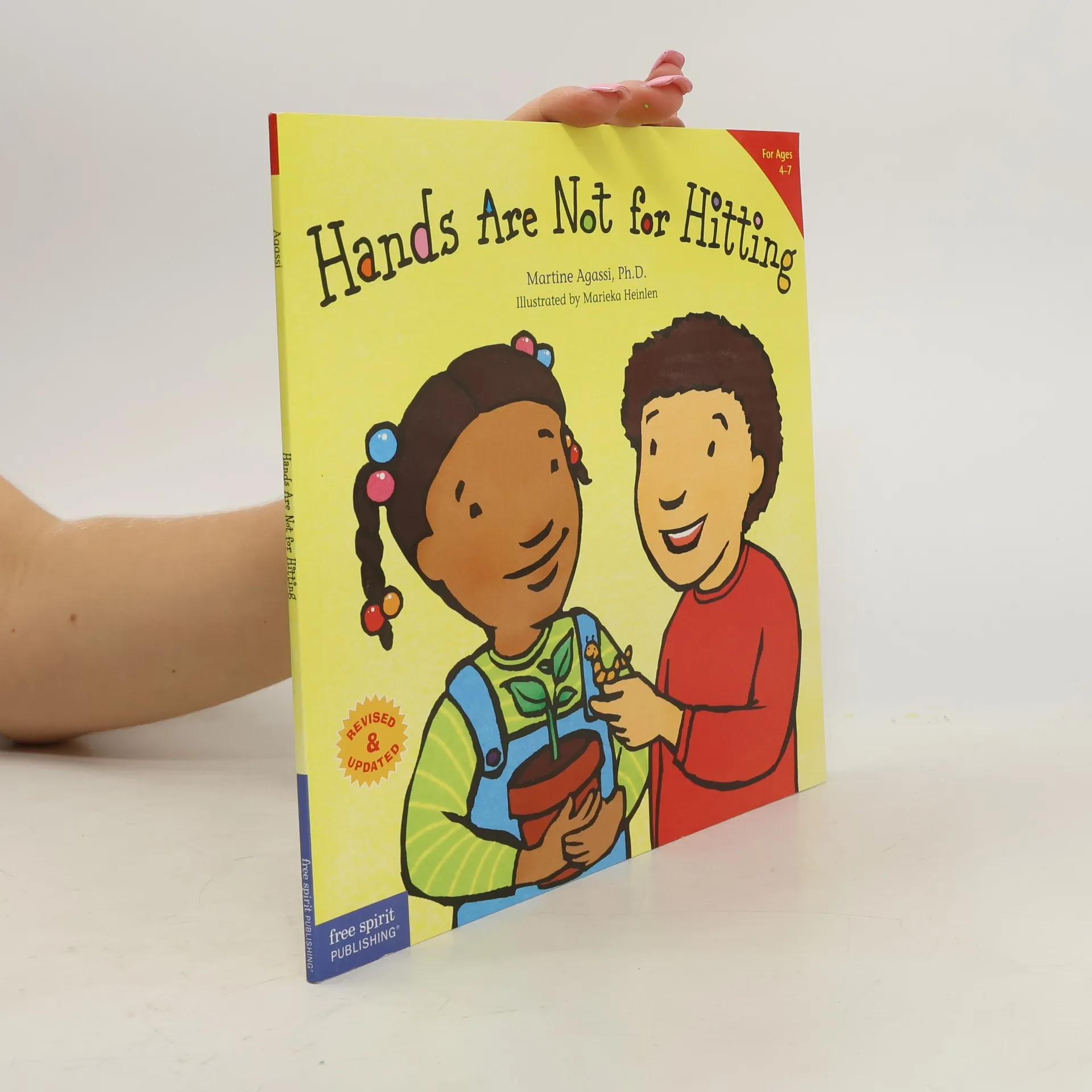
Hands are Not for Hitting
- 40 pages
- 2 hours of reading
Shows the many good things that toddlers can do with their hands including waving, hugging, and playing--but not hitting.
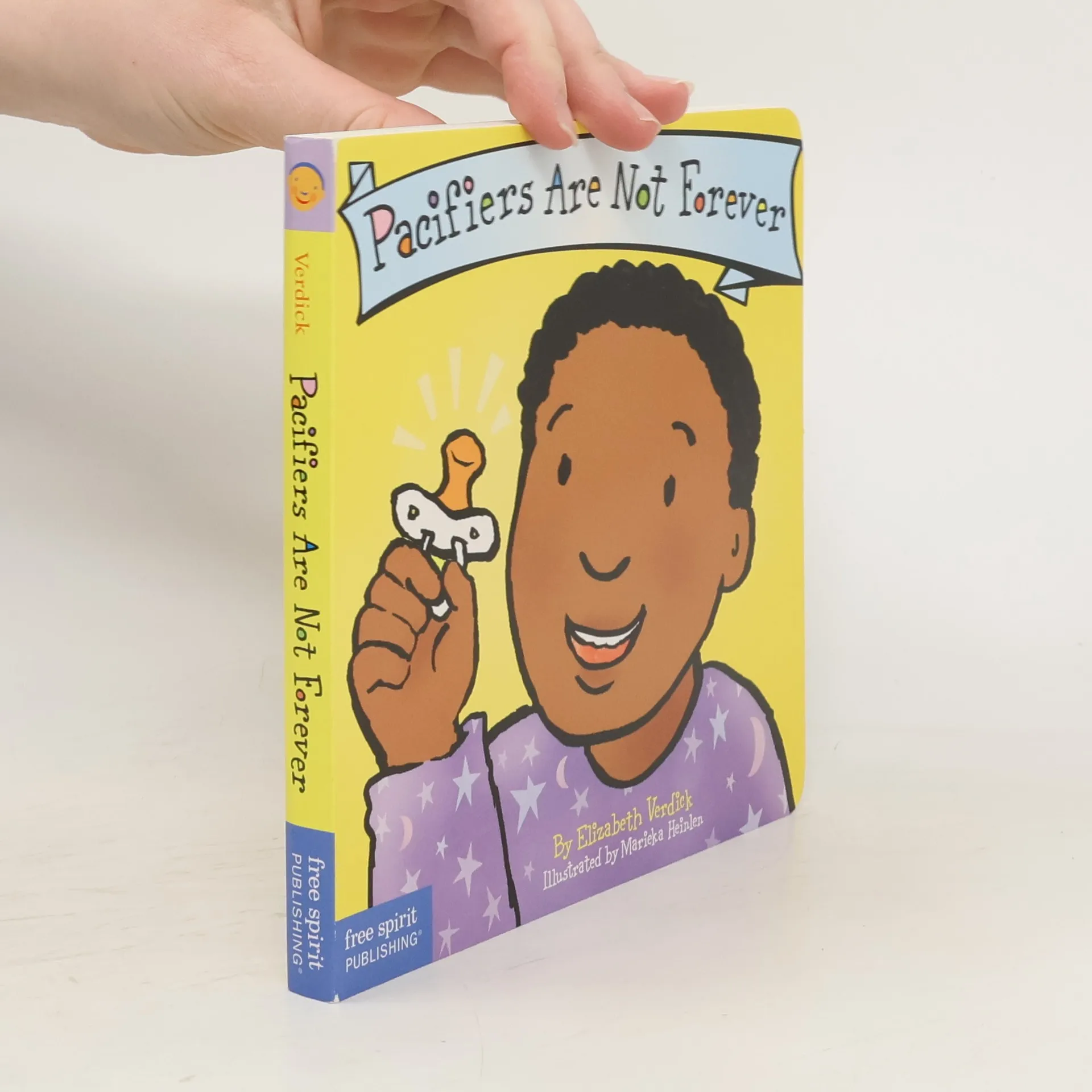
Pacifiers are Not Forever
- 24 pages
- 1 hour of reading
For many young children, giving up the pacifier is a major milestone. This board book offers warm, comforting words and pictures to ease the transition and make it a positive experience for kids and grown-ups alike. The focus is on minimizing stress and drama, dealing with feelings of loss and frustration, finding fun things to do without a pacifier, and finally being pacifier-free. Includes helpful tips for parents.