Verdi's Opera La Traviata: Containing the Italian Text, with an English Translation
- 32 pages
- 2 hours of reading
This edition contains articles, a musical commentary and a full libretto in dual language.


This series offers a fascinating entry into the world of opera, aiming to demystify the art form for a broad audience. It clearly explains key operatic works, their historical contexts, and musical significance. The collection serves as an ideal introduction for newcomers to opera or for those seeking to deepen their understanding. Each volume is meticulously crafted to be both informative and engaging.


This edition contains articles, a musical commentary and a full libretto in dual language.
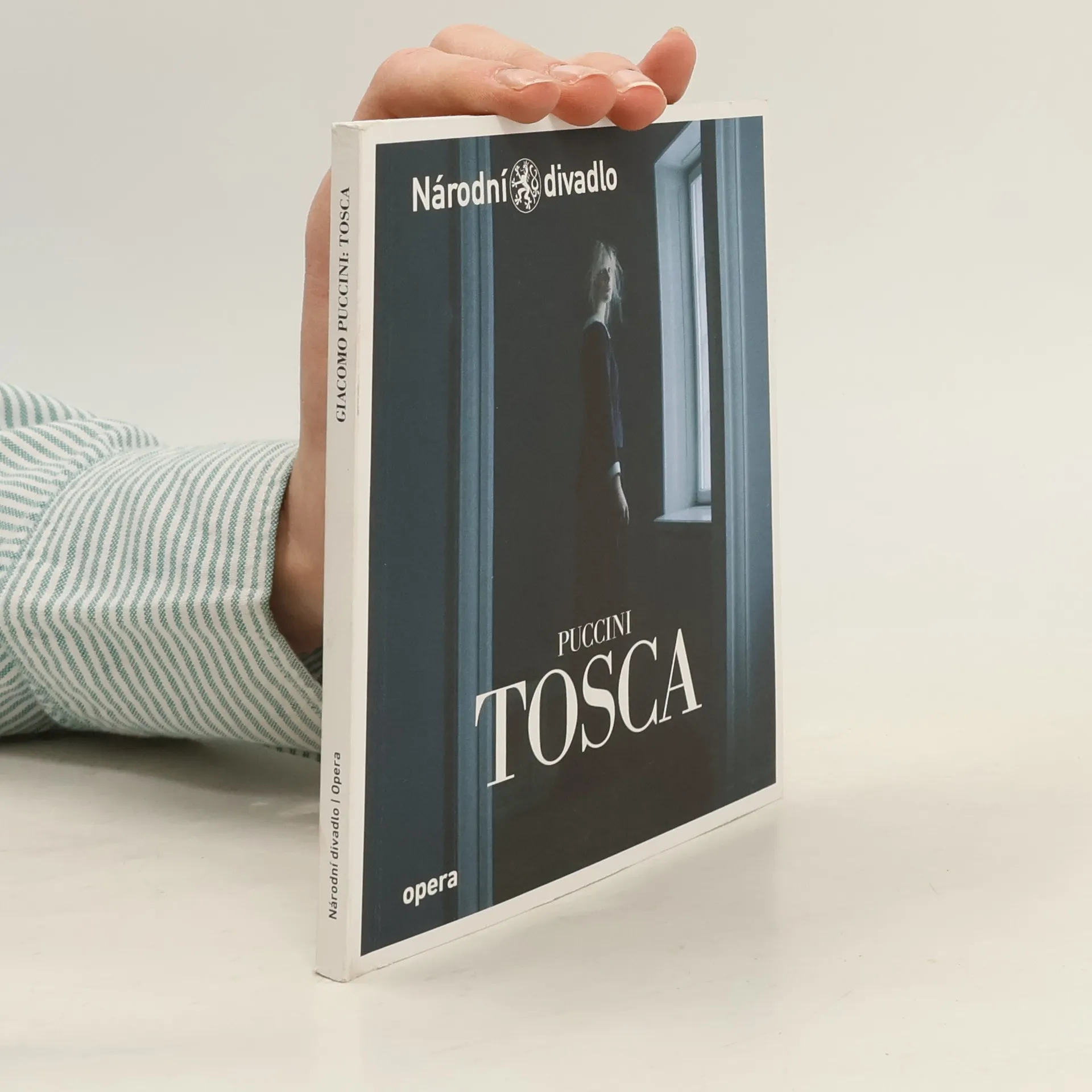
Puccini's opera "Tosca" is based on a play by Victorien Sardou, which the composer saw in Milan with the famous actress Sarah Bernhardt. The story is partly set during the time of Napoleon and revolves around the tragedy of the renowned singer Floria Tosca. After much effort, Puccini secured Sardou's approval for an opera based on this narrative, leading to the premiere of "Tosca" in Rome in 1900, which was a resounding success for the composer. The text juxtaposes the Italian libretto with a widely used German translation, providing insights into the musical and dramatic elements of the opera, including compositional structure and thematic connections. A brief summary of the plot, an overview of its creation, and discussions of the themes and story place the work within the broader context of the composer's oeuvre and biography, offering a comprehensive and richly illustrated introduction.
English National Opera Guides are ideal companions to the opera. They provide stimulating introductory articles together with the complete text of each opera in English and the original.
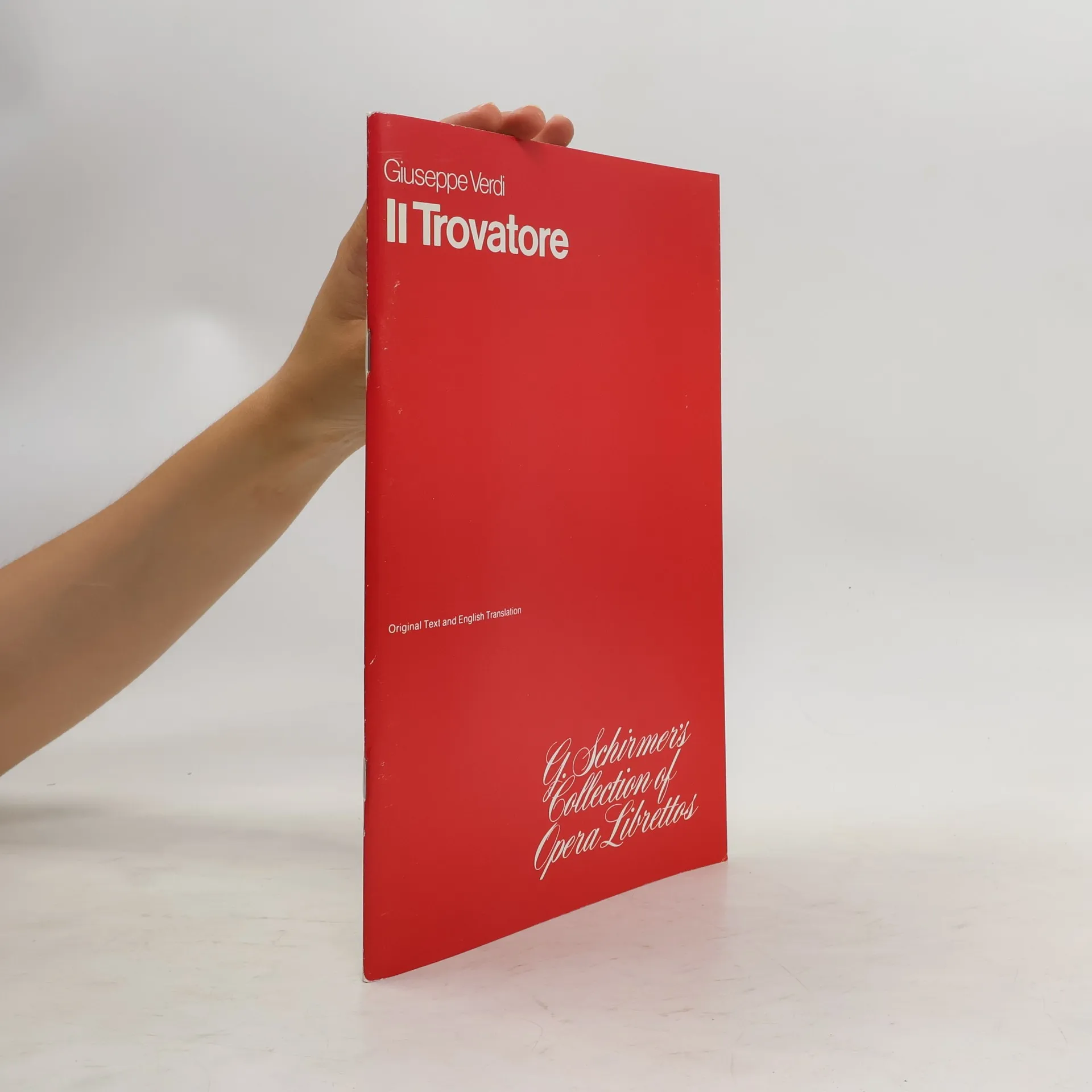
"Il Trovatore" is considered the epitome of romantic Italian opera. During Verdi's lifetime, it was one of his most popular works, quickly performed on stages after its premiere in 1853 in Rome. The opera is celebrated for its tumultuous and powerful music, which continues to captivate audiences today. The libretto, written by Salvadore Cammarano and based on the play "El Trovador" by Antonio García Gutiérrez, showcases themes of love, revenge, and the complexities of fate, set against a backdrop of political intrigue and familial conflict. The dramatic narrative unfolds through a series of intense and emotionally charged arias, duets, and choruses, making it a cornerstone of the operatic repertoire. The enduring appeal of "Il Trovatore" lies in its ability to convey deep human emotions through its rich musical landscape.