Explore the latest books of this year!
Bookbot

Cambridge Fundamentals of Neuroscience in Psychology

This series offers accessible introductions to the fundamental principles of neuroscience, tailored for students and non-specialist readers. Each volume delves into key areas of neuroscience research relevant to major domains of psychology. Written by leading experts in cognitive, social, affective, developmental, clinical, and applied neuroscience, these books serve as excellent primers for understanding the complex interplay between the brain and behavior. They are ideal resources for grasping the biological underpinnings of psychological phenomena.

The Neuroscience of Suicidal Behavior
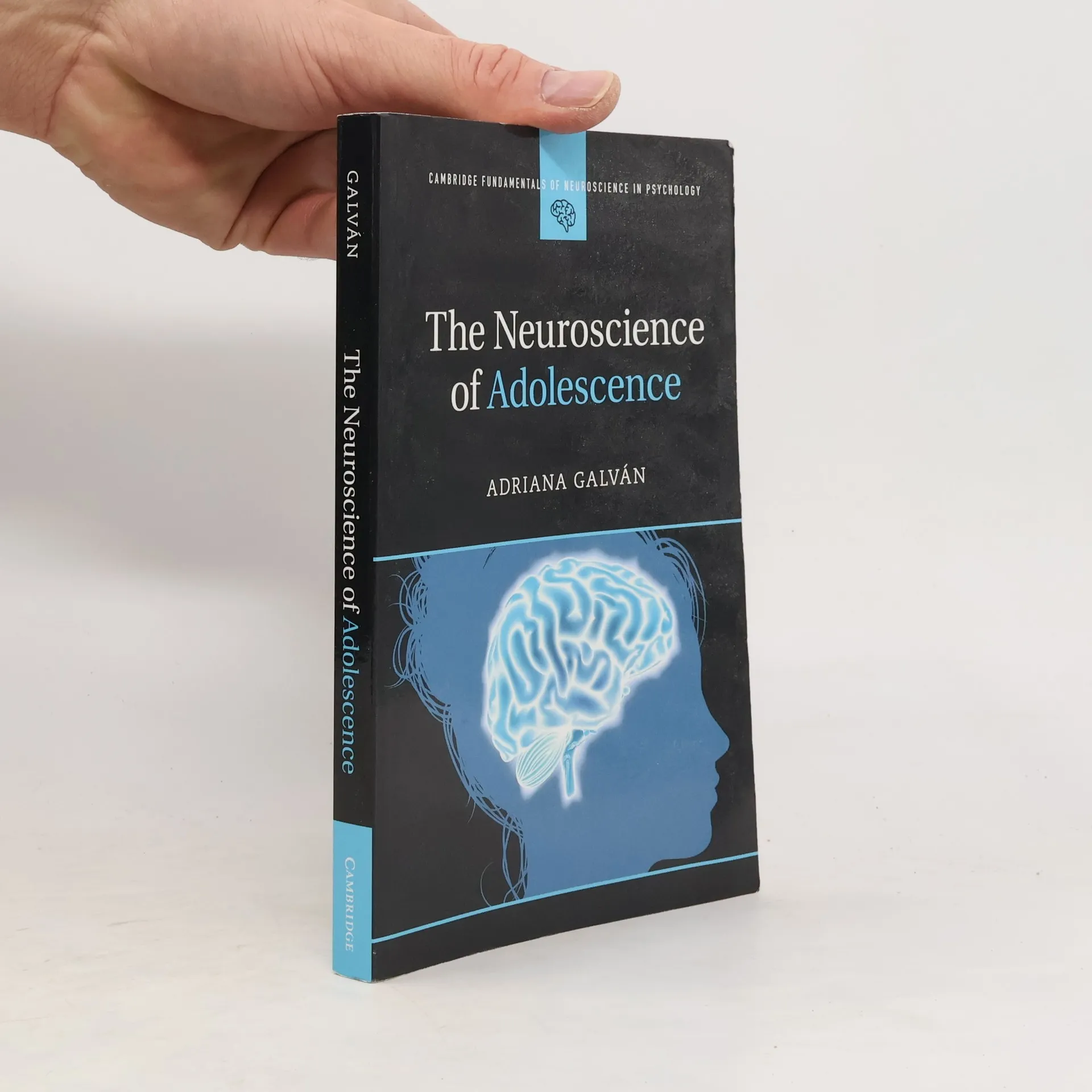
The Neuroscience of Adolescence
The Neuroscience of Creativity
Cambridge Fundamentals of Neuroscience in Psychology
  • The Neuroscience of Creativity introduces readers to the fascinating study of creativity and the brain, providing both the tools for further study and an explanation of the latest neuroscientific findings. Directed at a wide readership, it is a helpful guide into creativity research for students, researchers and non-specialists alike.

    The Neuroscience of Creativity
  • The Neuroscience of Creativity

    • 402 pages
    • 15 hours of reading
    3.7(16)Add rating

    Exploring the functioning of the creative brain, this book delves into various domains including music, literature, visual arts, kinesthetic skills, and science. It offers insights into the processes behind creativity and provides methods for studying these cognitive mechanisms.

    The Neuroscience of Creativity
  • Written by an award-winning developmental neuroscientist, this is a comprehensive and cutting-edge account of the latest research on the adolescent brain.

    The Neuroscience of Adolescence
  • Exploring the preventability of suicide, this book delves into neuroscientific research that uncovers critical insights into the underlying mechanisms of suicidal behavior. It challenges prevailing misconceptions and offers evidence-based strategies for intervention, highlighting the role of mental health care and societal support. By emphasizing the importance of understanding the brain's functions and emotional responses, the work aims to foster hope and promote proactive measures to reduce suicide rates.

    The Neuroscience of Suicidal Behavior