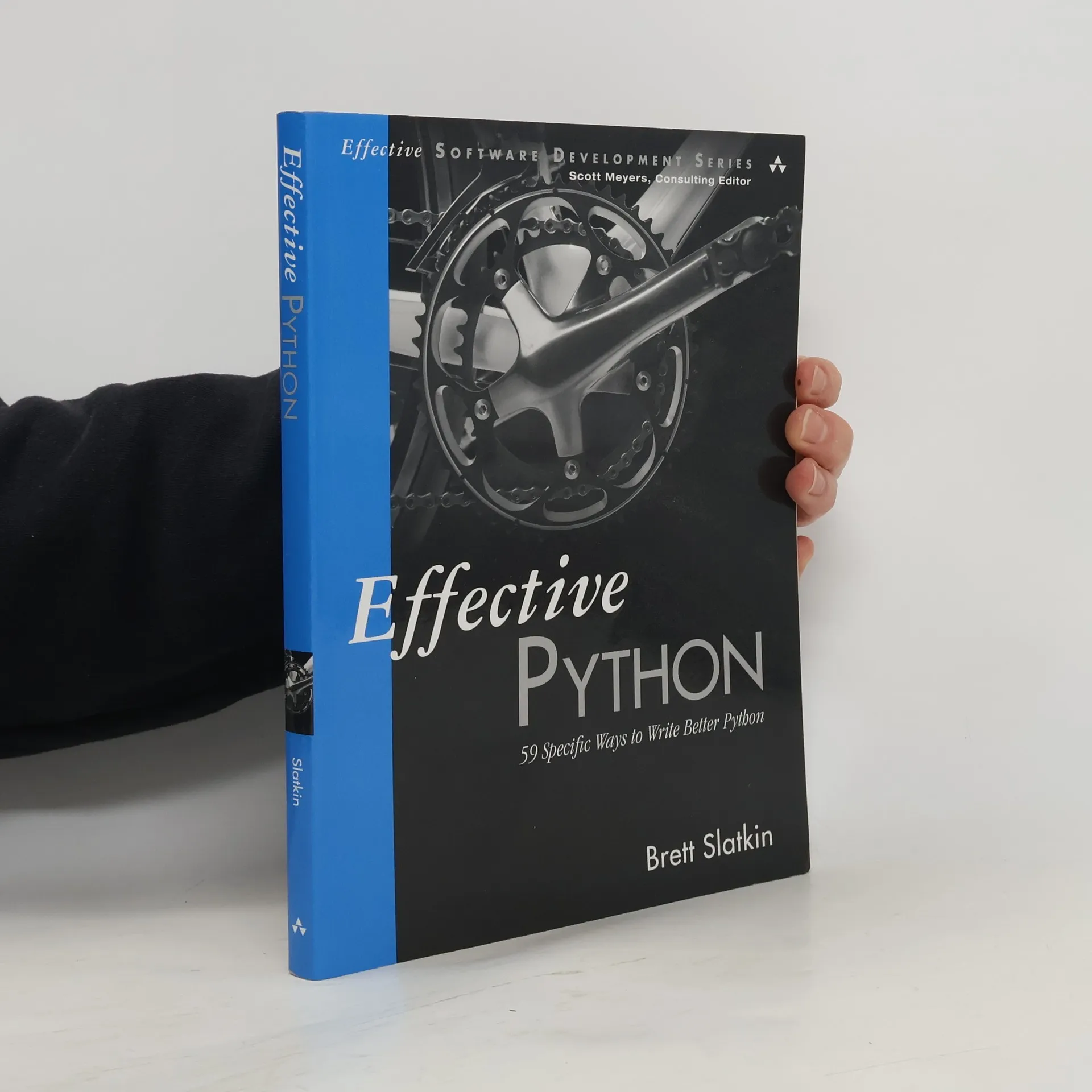
Python to jeden z najstarszych używanych język�w programowania. Co ciekawe, jego nazwa wcale nie pochodzi od zwierzęcia, a od popularnego serialu komediowego. Język ten daje programistom ogromne pole do popisu, a ponadto posiada sporo bibliotek realizujących najbardziej wymyślne zadania. Z uwagi na te atuty rozpoczęcie programowania w tym języku nie powinno przysporzyć Ci większych problem�w. Jeżeli jednak chcesz robić to efektywnie, potrzebujesz tej książki.Sięgnij po nią i poznaj�59 sposob�w na tworzenie lepszego kodu w Pythonie! W kolejnych rozdziałach znajdziesz bezcenne informacje na temat programowania zgodnego z duchem Pythona, funkcji, klas i dziedziczenia oraz metaklas i atrybut�w. Dalsze strony zawierają przydatną wiedzę na temat wątk�w i wsp�łbieżności, wbudowanych moduł�w oraz sposob�w zarządzania kodem. Książka ta sprawdzi się w rękach każdego programisty pracującego w języku Python. Warto ją mieć!
Effective Software Development Series
This series delves into the intricacies of modern software development, offering practical strategies for building robust and efficient applications. It covers essential principles, best practices, and cutting-edge technologies shaping the industry. Readers will gain the knowledge to enhance their design, coding, and process skills. It serves as an indispensable guide for developers of all levels aiming to write better code and deliver superior software.


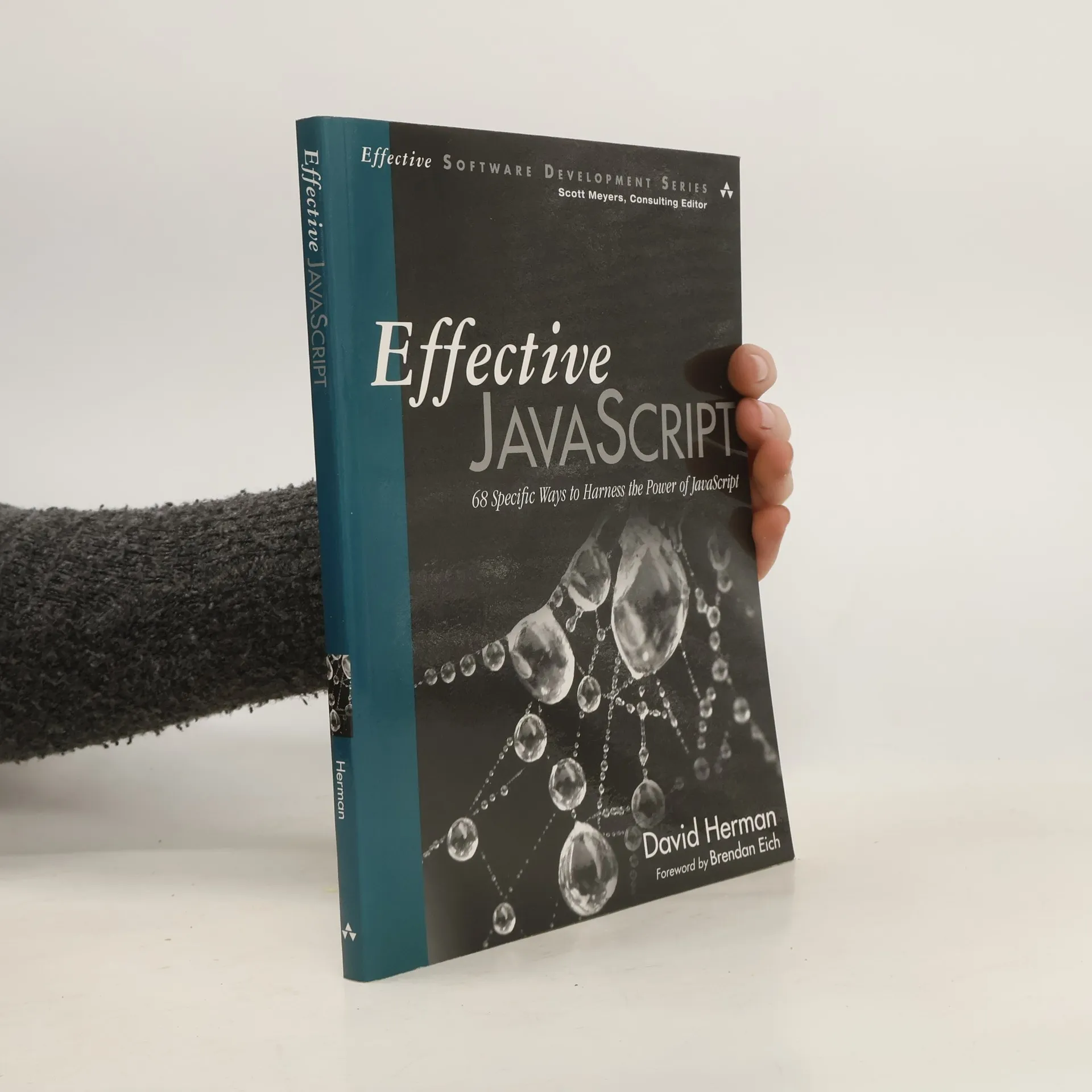
Wollen Sie JavaScript wirklich beherrschen? Dann sollten Sie die Besonderheiten der Sprache effektiv nutzen und ihre Fallstricke vermeiden. Egal, wie lange Sie schon JavaScript-Code schreiben, dieses Buch hilft Ihnen, Ihr Verständnis der Programmiersprache zu vertiefen und wartbaren Code zu erstellen. Anhand praktischer Beispiele vermittelt es 68 Ansätze für besseren JavaScript-Code. Sie lernen, den passenden Programmierstil für jedes Projekt zu wählen, mit unvorhergesehenen Problemen umzugehen und das Potenzial von JavaScript gezielt einzusetzen. Themen sind unter anderem: verbesserte Vorgehensweisen für die prototypbasierte objektorientierte Programmierung, Feinheiten beim Umgang mit Arrays und Dictionary-Objekten, Erläuterungen der JavaScript-Funktionen und der Semantik von Gültigkeitsbereichen, nützliche Muster und Idiome wie Optionsobjekte und Method Chaining sowie eine tiefgehende Beschreibung des „Run-to-Completion“-Ansatzes für Nebenläufigkeit. Der Autor David Herman, Mitglied im JavaScript-Standardisierungskomitee TC 39, beleuchtet die inneren Funktionen der Sprache anschaulich und praxisorientiert. Er zeigt, wie Sie die Vorzüge von JavaScript umfassend nutzen und bewährte Techniken für die Zukunft anwenden können.
Dieses Buch bietet bewährte Verfahren, Tipps und Tricks für robusten, leistungsfähigen und wartungsfreundlichen Code. Es hilft, grundlegende Aufgaben effektiver zu erledigen und bietet Lösungen für Debugging, Testing und Optimierung, um die Qualität und Performance zu steigern. Die einfache Einstiegsmöglichkeit in die Python-Programmierung macht die Sprache beliebt, doch ihre einzigartigen Stärken sind nicht immer offensichtlich. Der Autor vermittelt eine Python-typische Herangehensweise und nutzt die Sprache, um stabilen und schnellen Code zu schreiben. Mit 59 bewährten Verfahren, die anhand praxisnaher Beispiele erläutert werden, orientiert sich der Stil an Scott Meyers' Buch über C++. Basierend auf jahrelanger Erfahrung bei Google zeigt der Autor weniger bekannte Eigenarten und Sprachelemente, die das Verhalten und die Performance des Codes beeinflussen. Leser lernen, wie sie grundlegende Aufgaben effizienter erledigen und wartungsfreundlicheren Code schreiben können. Der Inhalt umfasst umsetzbare Richtlinien für Python 2 und 3, präzise Definition von Systemverhalten mit Klassen, den Umgang mit Stolpersteinen bei Metaklassen, effizientere Ansätze für Nebenläufigkeit und Tipps zur Nutzung von Standardmodulen. Die Abschnitte sind eigenständige Lektionen, die leicht durchstöbert und in beliebiger Reihenfolge studiert werden können, was das Buch zu einem kompakten Nachschlagewerk für fortgeschrittene Einsteiger macht.
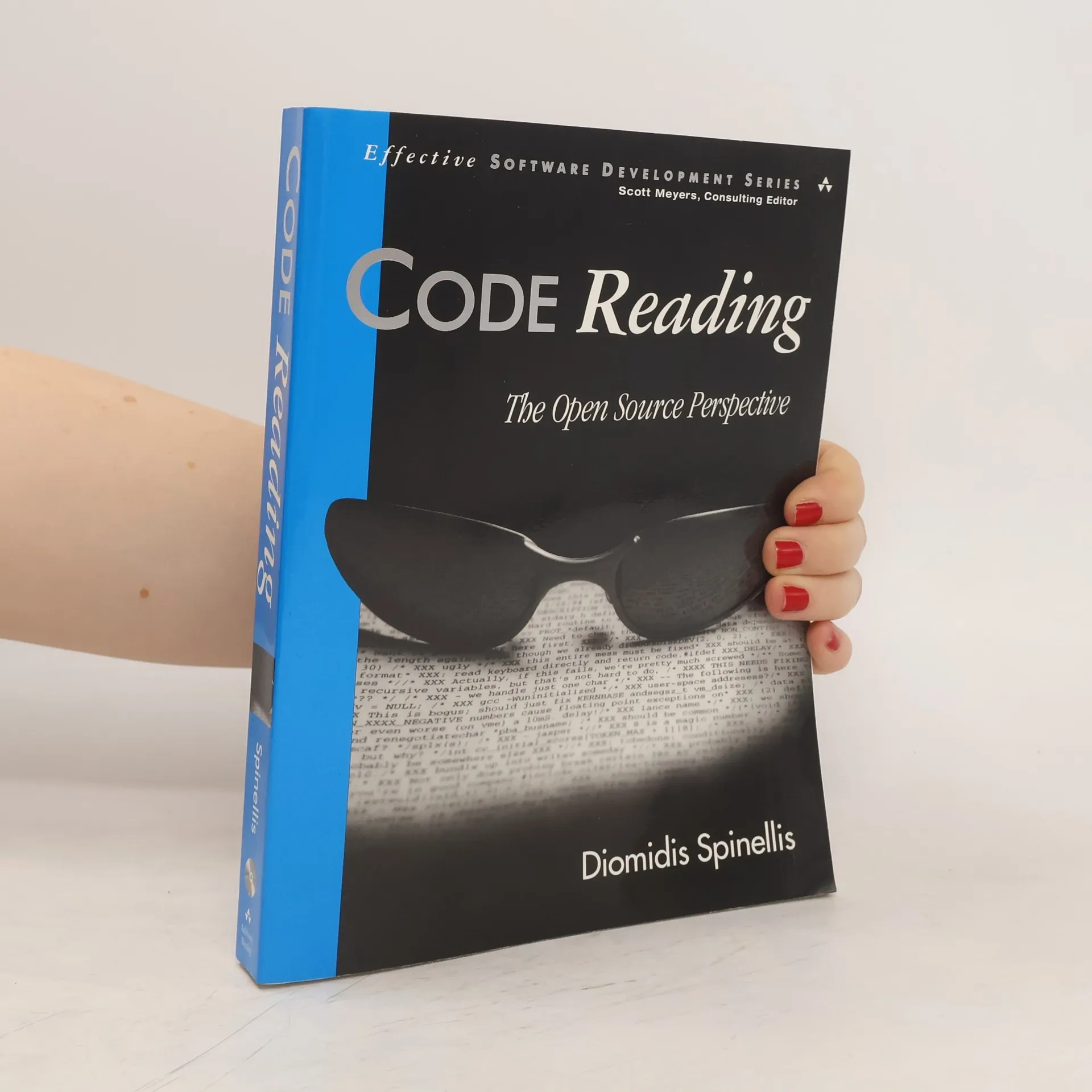
This book is a unique and essential reference that focuses upon the reading and comprehension of existing software code. While code reading is an important task faced by the vast majority of students, it has been virtually ignored as a discipline by existing references. The book fills this need with a practical presentation of all important code concepts, form, structure, and syntax that a student is likely to encounter. The concepts are supported by examples taken from real-world open source software projects. The focus upon reading code (rather than developing and implementing programs from scratch) provides for a vastly increased breadth of coverage.

Effective Debugging
- 256 pages
- 9 hours of reading
In Effective Debugging, Diomidis Spinellis helps students accelerate their journey to mastery, by systematically categorizing, explaining, and illustrating scores of today's best methods, strategies, techniques, and tools.
JavaScript, dawniej kojarzony głównie z operacjami na drzewie DOM w aplikacjach internetowych, zyskuje na znaczeniu również po stronie serwera. Jako pełnoprawny język programowania, może być niezwykle wydajny i elastyczny, o ile przestrzegasz kilku kluczowych zasad. W książce zebrano te zasady, które pomogą Ci w pełni wykorzystać potencjał JavaScriptu. Dowiesz się, jak efektywnie deklarować zmienne, korzystać z funkcji oraz zarządzać obiektami i prototypami. Nauczysz się także budować przyjazne API oraz pracować ze słownikami i tablicami. Na koniec poznasz istotne informacje dotyczące programowania współbieżnego. Książka obejmuje kluczowe obszary, takie jak: lepsze metody programowania obiektowego, niuanse pracy z obiektami reprezentującymi tablice i słowniki, a także precyzyjne wyjaśnienie zasięgu funkcji i zmiennych. Znajdziesz tu przydatne wzorce i idiomy programowania, takie jak obiekty z opcjami i łańcuchy metod. Przewodnik po modelu obsługi współbieżności w JavaScriptu pomoże Ci w efektywnym wykonywaniu zadań. Książka zawiera 68 sprawdzonych metod pisania lepszego kodu, które pozwolą Ci wybrać odpowiedni styl programowania i radzić sobie z wyzwaniami w JavaScript. To lektura obowiązkowa dla każdego programisty!
A guide to the C# programming language provides practical explanations, a variety of tips, and code examples.
Effective JavaScript: 68 specific ways to harness the power of JavaScript
- 240 pages
- 9 hours of reading
Provides information on how to write better JavaScript programs, covering such topics as functions, arrays, library and API design, and concurrency.
Effective Enterprise Java
- 496 pages
- 18 hours of reading
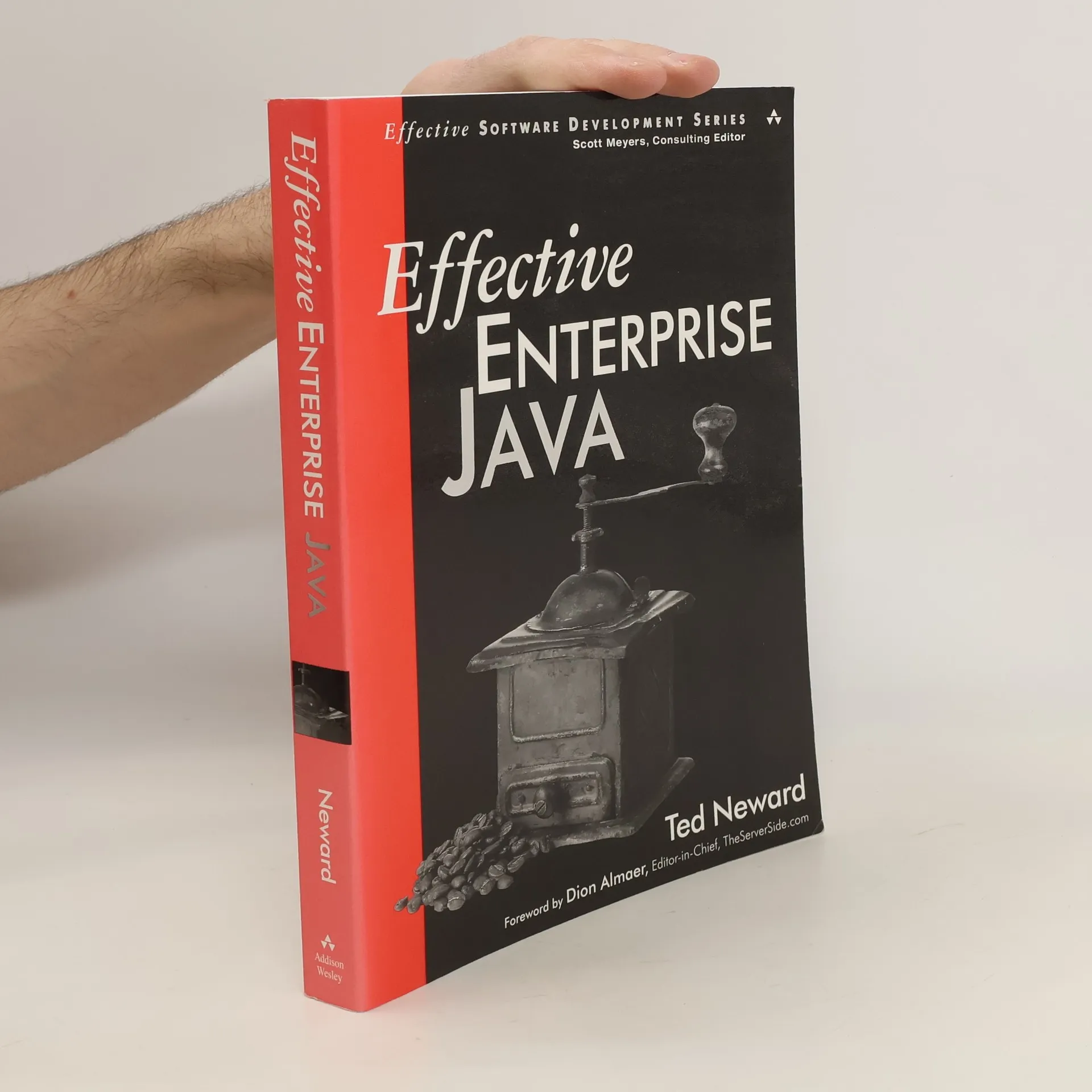
"With this book, Ted Neward helps you make the leap from being a good Java enterprise developer to a great developer!"—John Crupi, Sun Distinguished Engineer coauthor, Core J2EE Patterns If you want to build better Java enterprise applications and work more efficiently, look no further. Inside, you will find an accessible guide to the nuances of Java 2 Platform, Enterprise Edition (J2EE) development. Learn how Ted Neward provides you with 75 easily digestible tips that will help you master J2EE development on a systemic and architectural level. His panoramic look at the good, the bad, and the ugly aspects of J2EE development will address your most pressing concerns. Learn how to design your enterprise systems so they adapt to future demands. Improve the efficiency of your code without compromising its correctness. Discover how to implement sophisticated functionality that is not directly supported by the language or platform. After reading Effective Enterprise Java , you will know how to design and implement better, more scalable enterprise-scope Java software systems.
Effective Python. 59 Specific Ways to Write Better Python
- 256 pages
- 9 hours of reading
Starting with Python is easy, contributing to its popularity. However, its unique strengths and expressivity can be challenging to grasp initially, and there are hidden pitfalls that can lead to errors. This guide helps you leverage Python's full potential to write robust, efficient, and maintainable code. Following a scenario-driven style similar to Scott Meyers's Effective C++, the author presents 53 best practices, tips, and realistic examples from expert programmers. Through these examples, you’ll discover lesser-known quirks and idioms that significantly influence code behavior and performance. You'll learn to choose the most effective methods for various tasks and write clearer, more maintainable code. Drawing on extensive knowledge of Python's capabilities, the author provides practical advice applicable to both Python 3.x and 2.x. Topics covered include algorithms, objects, concurrency, collaboration, built-in modules, and production techniques. Each section features actionable guidelines organized into items, with well-crafted advice supported by technical arguments and illustrative examples. By using this guide, you can enhance your Python coding skills through a deep understanding of the technical reasons behind effective practices, rather than merely following rules or mimicking complex idioms.