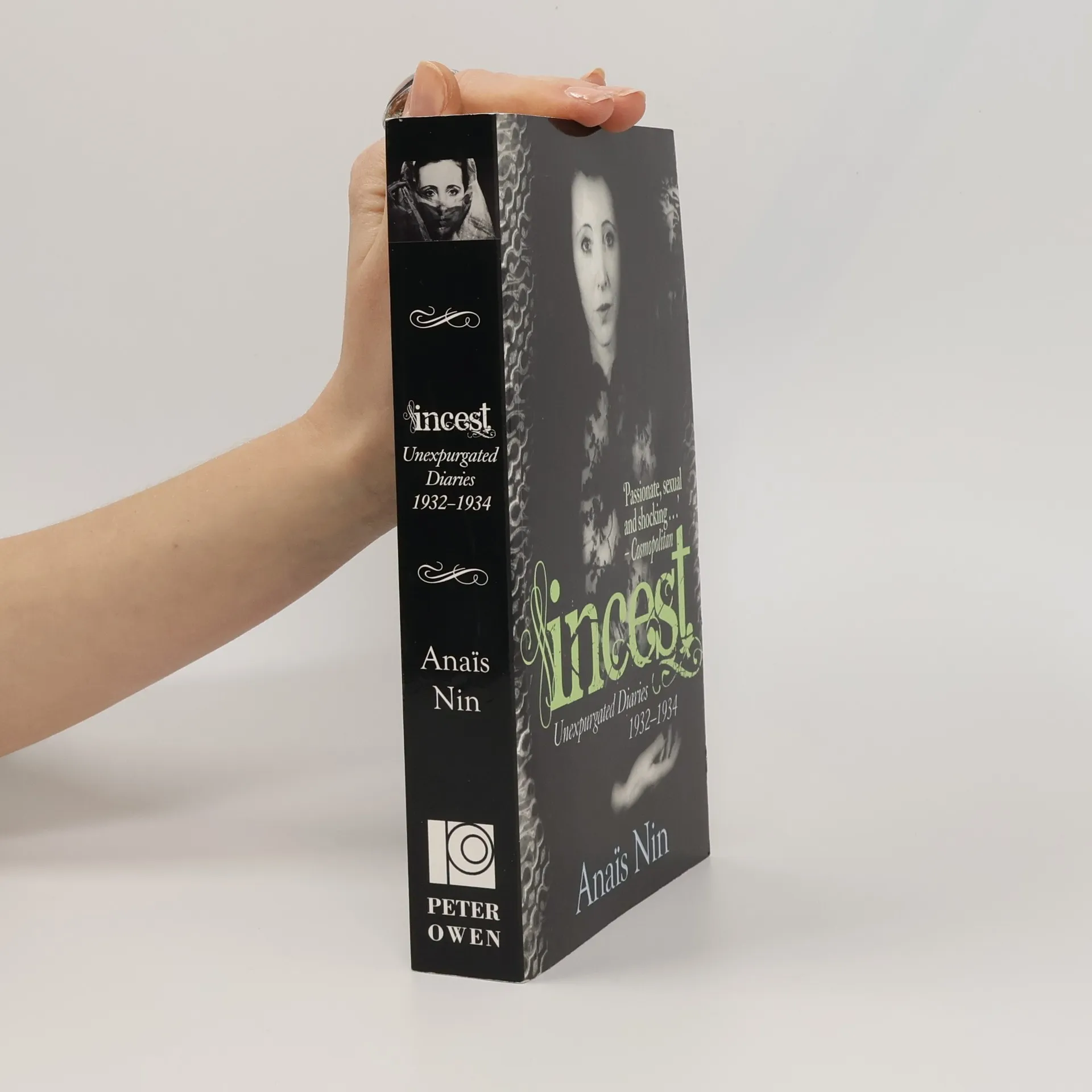
This series unveils the intimate and unexpurgated thoughts of one of the 20th century's most provocative writers. The diaries chronicle her passionate life, artistic explorations, and complex relationships with remarkable candor. Readers are invited into the depths of human psychology and desire, exploring themes of love, sexuality, and creative expression. It offers a penetrating glimpse into the mind of a woman who lived and wrote with fierce intensity.
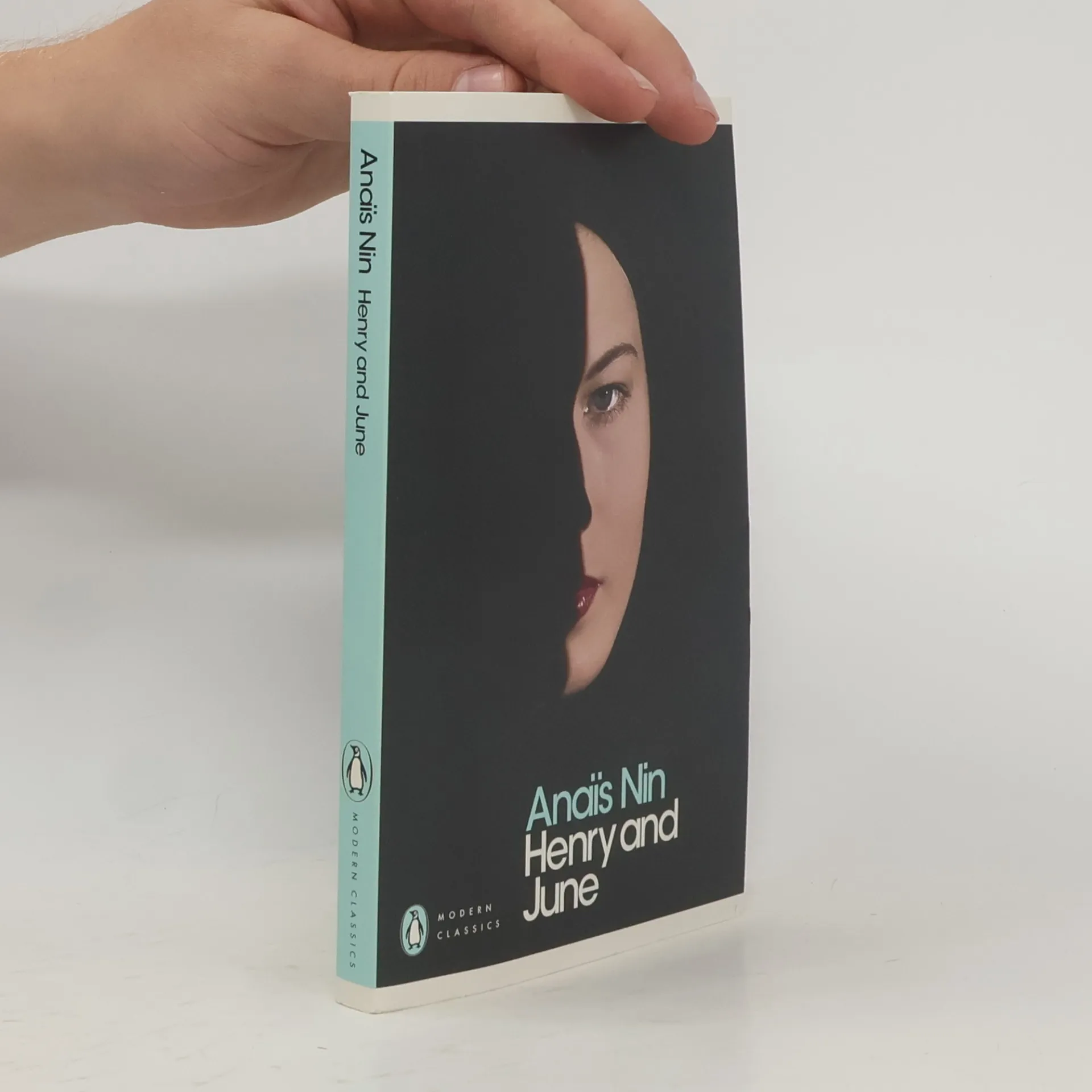
Drawn from journals, this book is an account of a woman's sexual awakening, covering a single momentous year - 1931-32, in Paris, when June fell in love with Henry Miller, undermining her own idealized marriage. The question of the outcome of June Miller's return to Paris dominates her thoughts
Few writings explore a woman's love life in such detail, with such subtlety, insight, and pain, as does Anais Nin's original, uncensored diary. It is a life record that deals openly with the physical aspects of relationships and unsparingly with the full spectrum of psychological ramifications. Here was a woman who sought the freedom to act out her sexual and emotional desires with the same guiltless, "amoral" abandon that men have always claimed for themselves. When Nin began publishing sections of her diary in 1966, this aspect of her life was excised, though clearly there was more than could be told at the time concerning her relationships with Henry Miller and his wife, June, with the writer and actor Antonin Artaud, with her analysts Rene Allendy and Otto Rank, and - most important - with her father. Here now is the previously missing portion of Nin's life in the crucial years from 1932 to 1934, the shattering psychological drama that drove her to seek absolution from her psychoanalysts for the ultimate transgression. In its raw exposure of a woman's struggle to come to terms with herself, to find salvation in the very act of writing, Incest unveils an Anais Nin without masks and secrets, yet in the end still mysterious, perhaps inexplicable.