

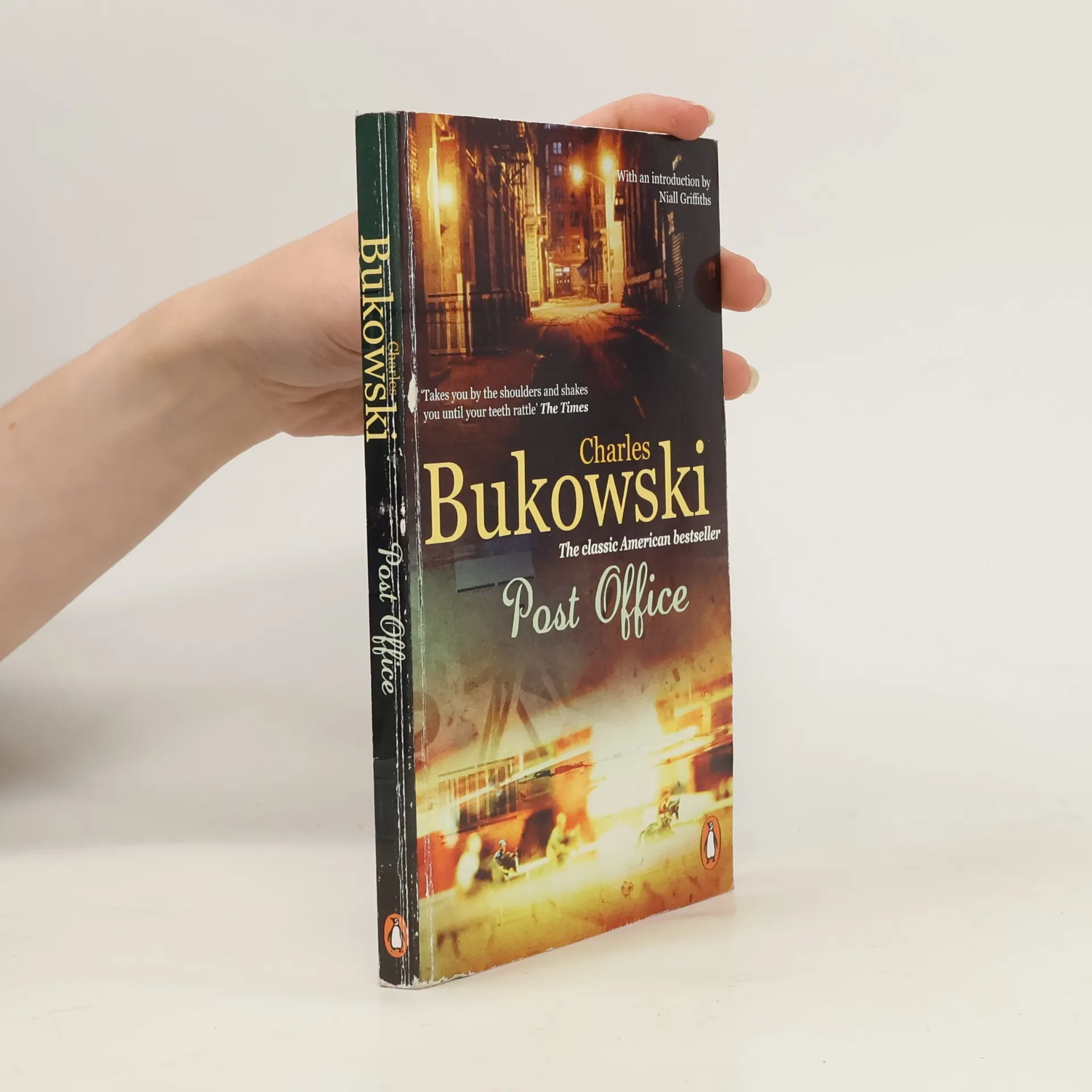
This legendary Henry Chinaski novel is now available in a newly repackaged trade paperback edition, covering the period of the author's alter-ego from the mid-1950s to his resignation from the United States Postal Service in 1969.
Henry Chinaski Series
This series chronicles the life of a nonconformist grappling with life's absurdities and searching for meaning in a chaotic world. With raw honesty and cynical humor, it delves into the depths of the human psyche, exploring themes of addiction, fleeting relationships, and the struggle against societal norms. It offers a gritty, uncompromising look at life on the fringes, resonating with readers who appreciate authenticity and unflinching truth.
Recommended Reading Order
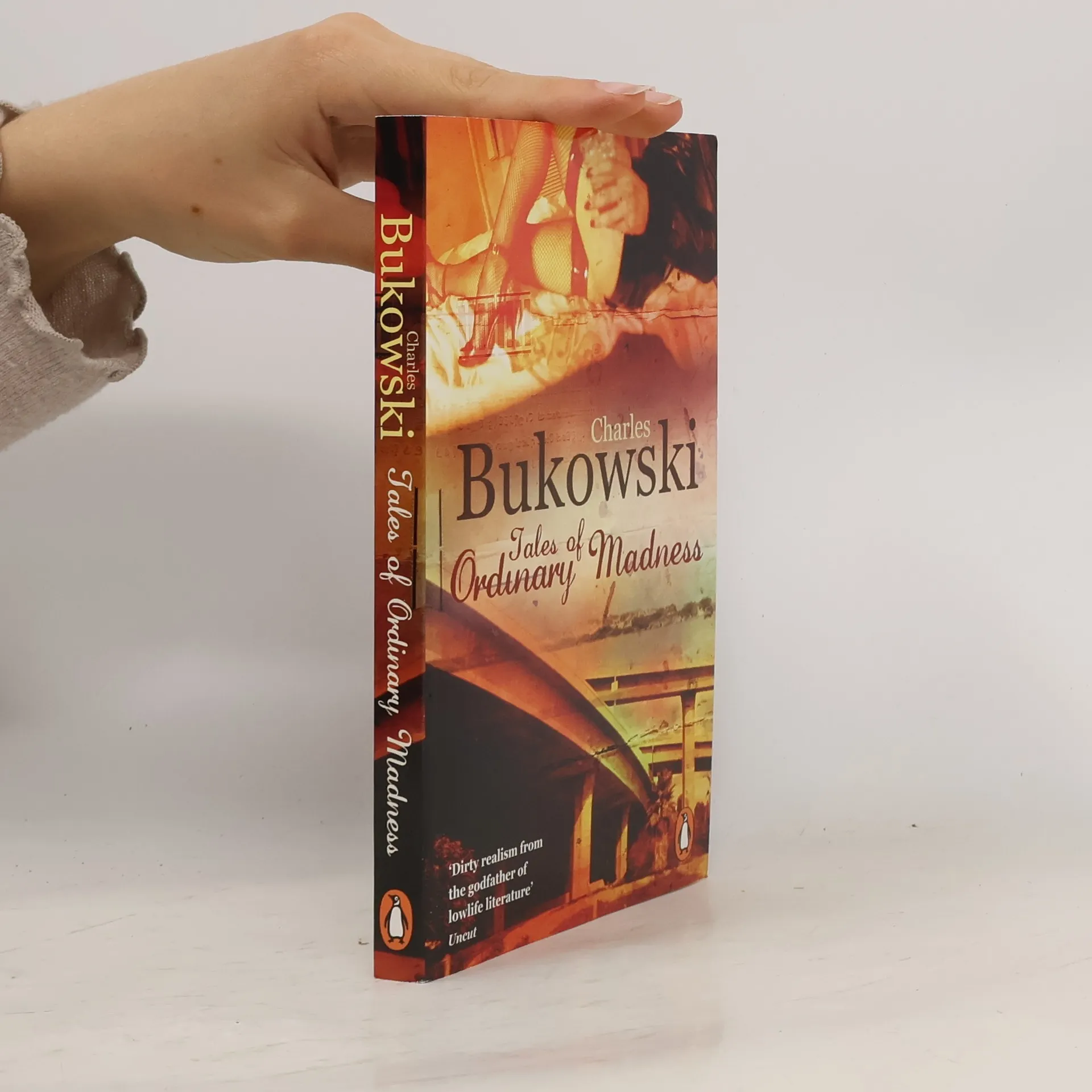
Inspired by D.H. Lawrence, Chekhov and Hemingway, Bukowski's writing is passionate, extreme and has attracted a cult following, while his life was as weird and wild as the tales he wrote. This collection of short stories gives an insight into the dark, dangerous lowlife of Los Angeles that Bukowski inhabited. From prostitutes to classical music, Bukowski ingeniously mixes high and low culture in his 'tales of ordinary madness'. These are angry yet tender, humorous and haunting portrayals of life in the underbelly of Los Angeles.
Women
- 304 pages
- 11 hours of reading
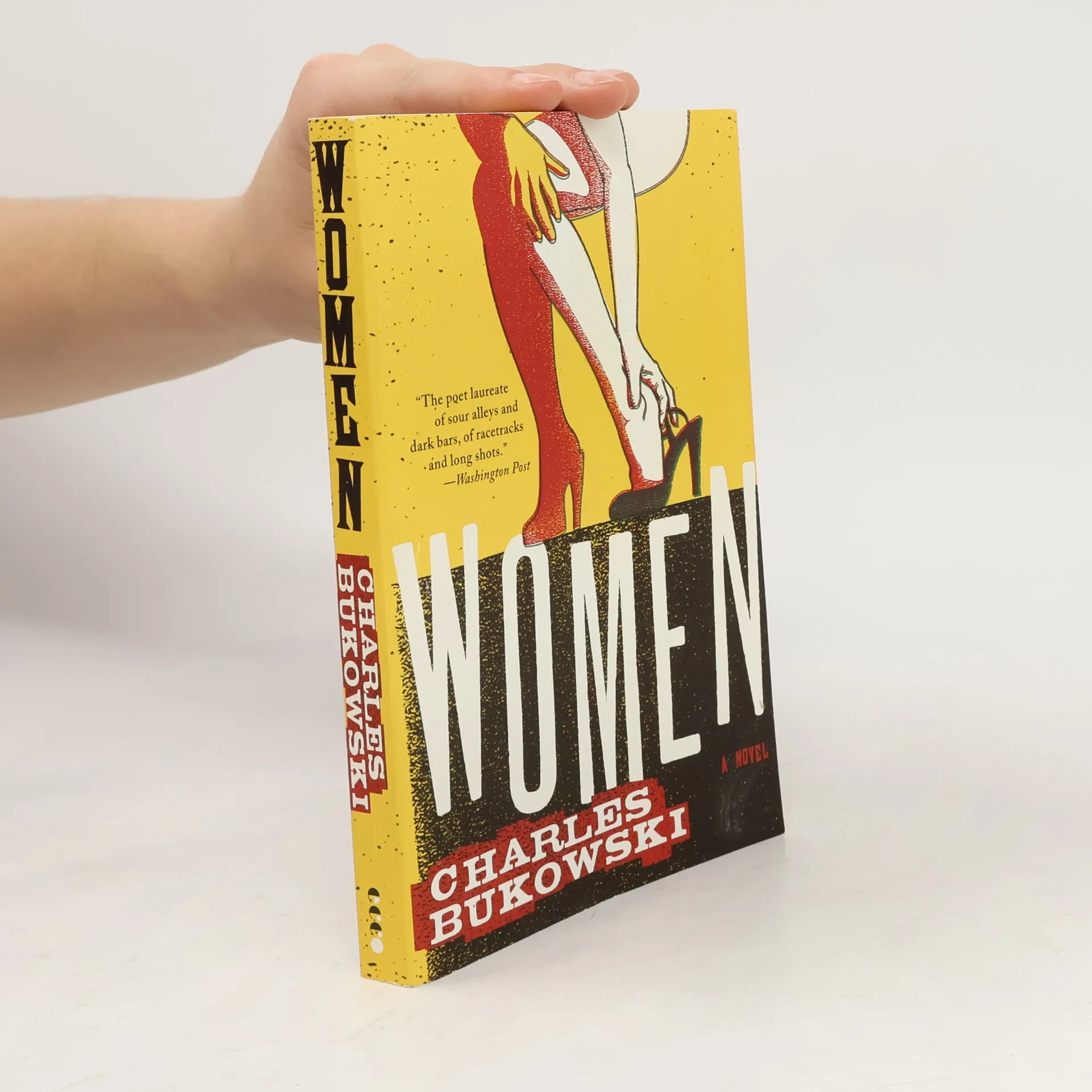
Low-life writer and unrepentant alcoholic Henry Chinaski was born to survive. After decades of slacking off at low-paying dead-end jobs, blowing his cash on booze and women, and scrimping by in flea-bitten apartments, Chinaski sees his poetic star rising at last. Now, at fifty, he is reveling in his sudden rock-star life, running three hundred hangovers a year, and maintaining a sex life that would cripple Casanova.
Ham On Rye
- 336 pages
- 12 hours of reading
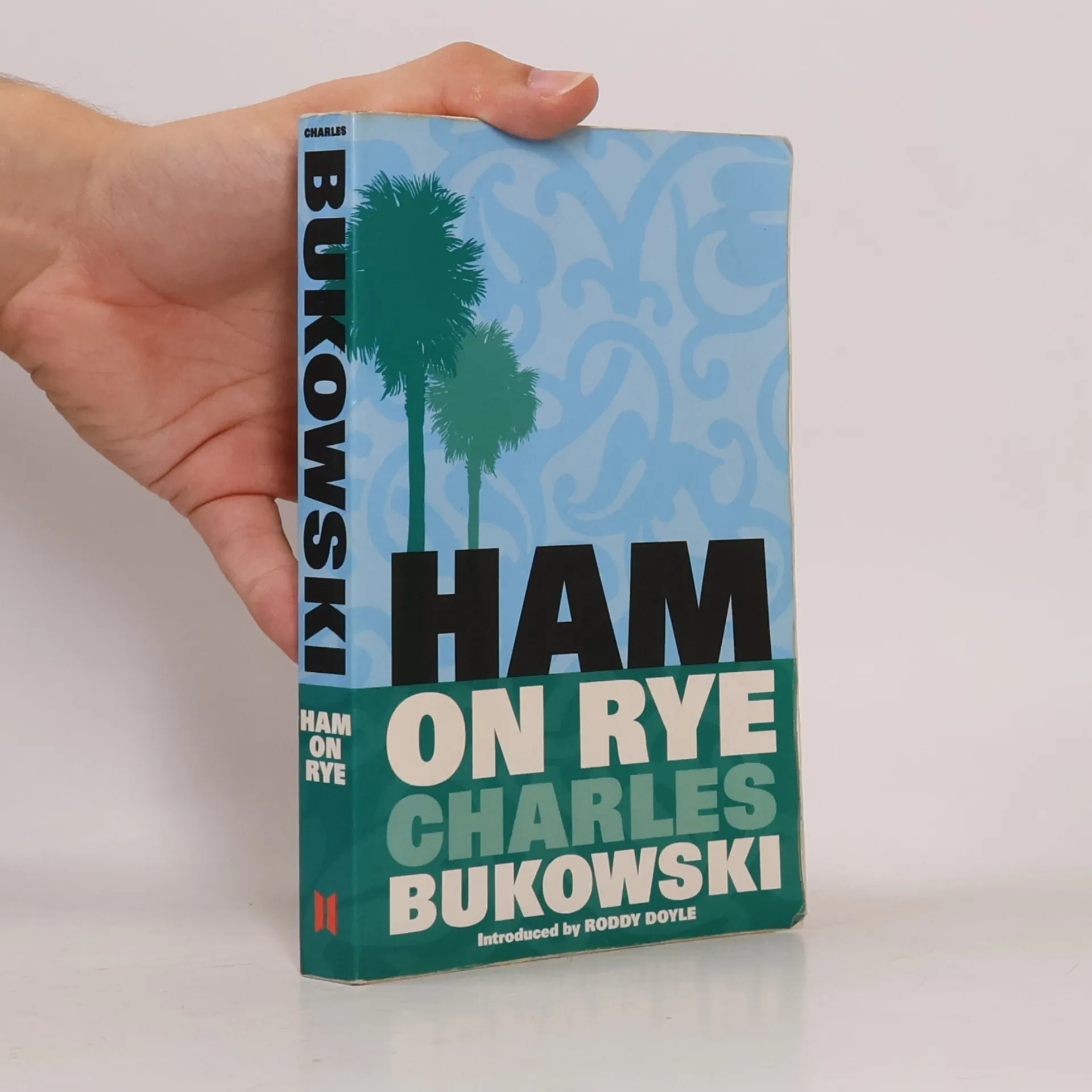
With his fourth novel, legendary barfly Charles Bukowski follows the path of his alter ego Henry Chinaski through the high school years of acne and rejection, drinking his way through the Depression, and ends at the start of World War Two.
Hollywood
- 288 pages
- 11 hours of reading
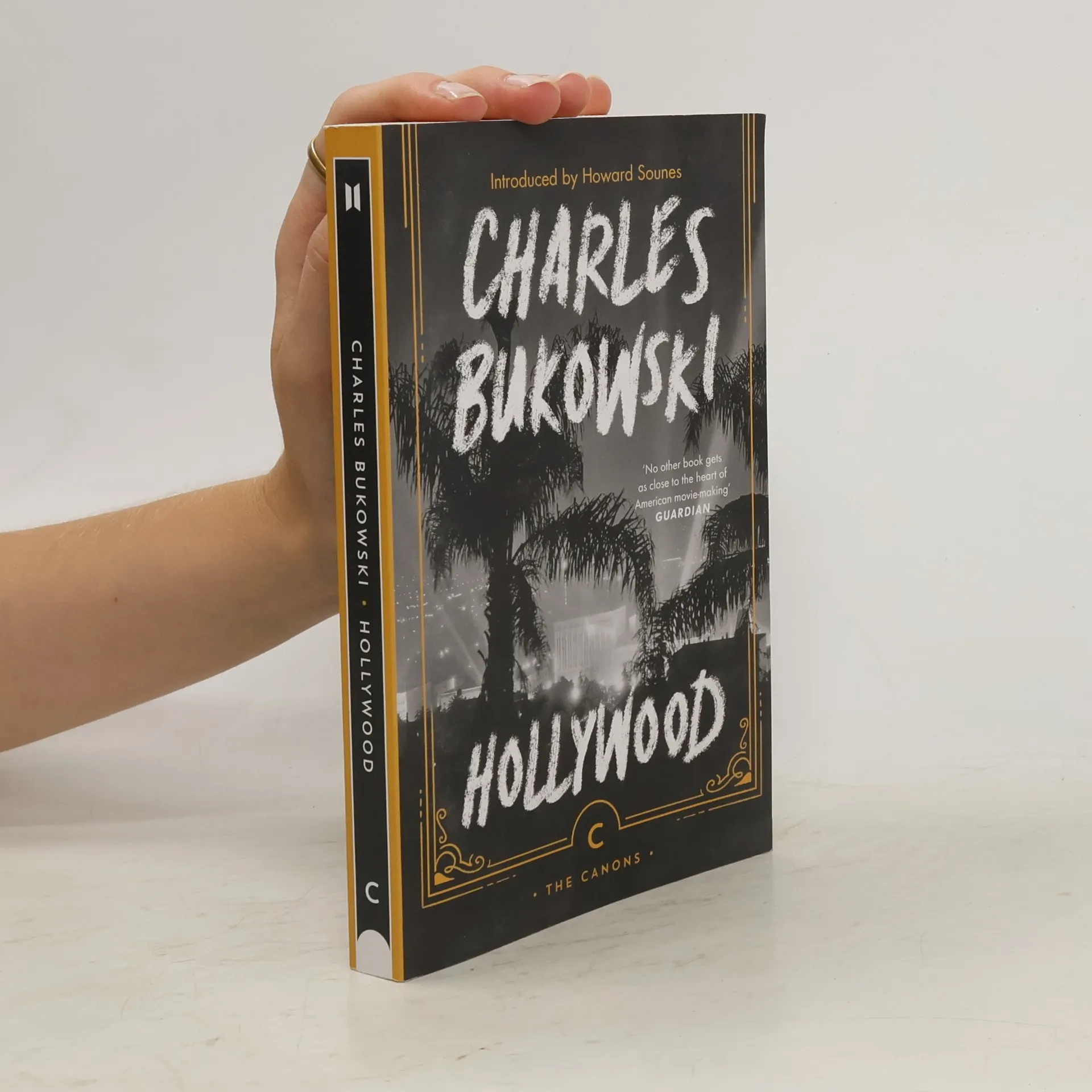
'What will you do?' 'Oh, hell, I'll write a novel about writing the screenplay and making the movie.' 'What are you going to call it?' 'Hollywood.' 'Hollywood?' 'Yes . . .'Poetic, sharp and dangerous, Hollywood - Bukowski's fictionalisation of his experiences making the film Barfly - explores the many dark shadows to be found in the neon-soaked glare of Hollywood's limelight.