
"'With its searing observations, devastating exploration of the state of ""not being"", wicked humour and astonishing immersion into the mind of a young woman growing up and growing old before her time, the novel is a masterpiece.' - Madeleine Thien"
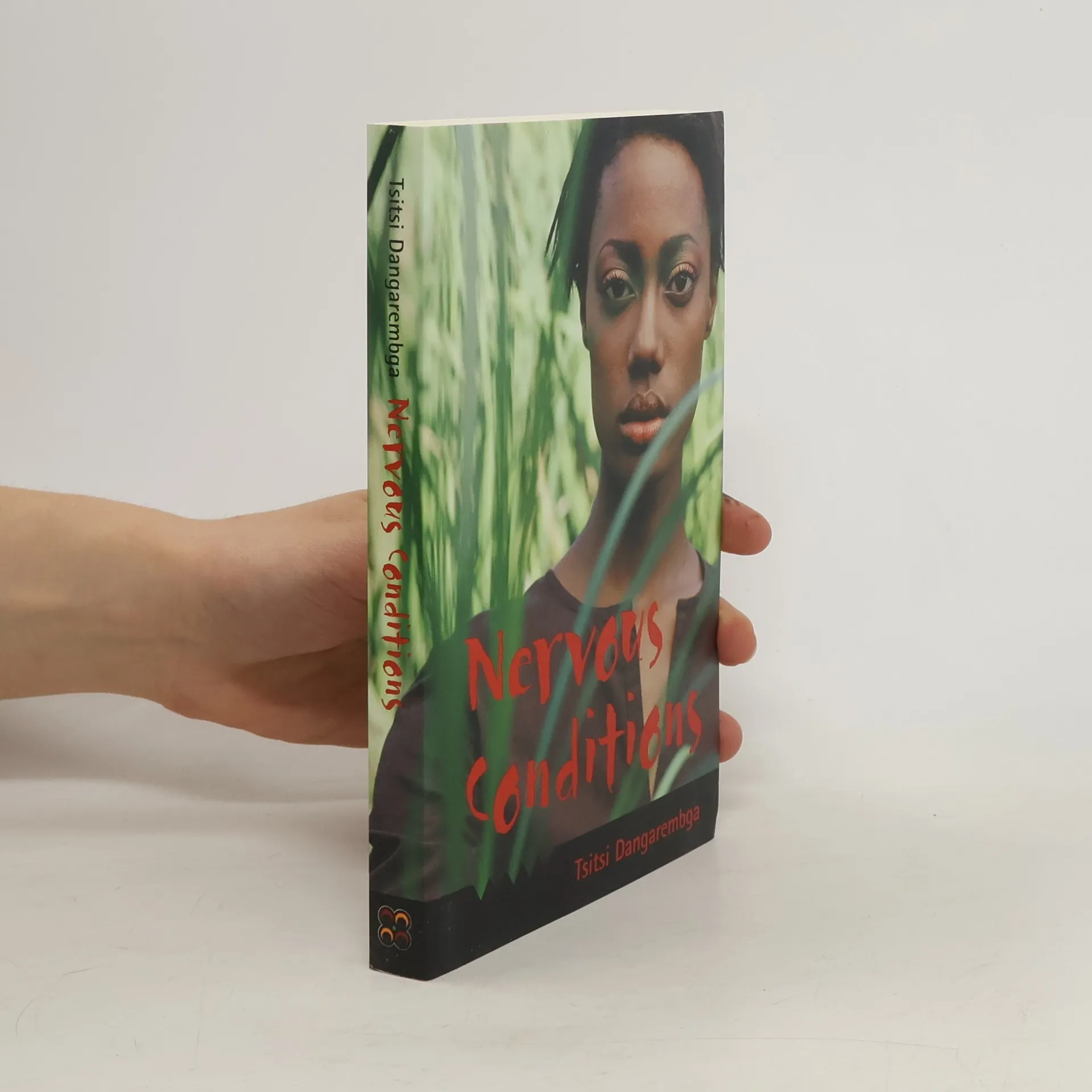
Nervous Conditions Series
This trilogy delves into the complexities of growing up in Zimbabwe under and after colonial rule. It follows the journeys of young women striving to find their identity and voice in a world shaped by patriarchal and racial hierarchies. The series offers a profound exploration of the internal and external struggles for emancipation, education, and self-determination. Readers are presented with a deeply personal perspective on the psychological and social impacts of oppression and the yearning for freedom.


Recommended Reading Order
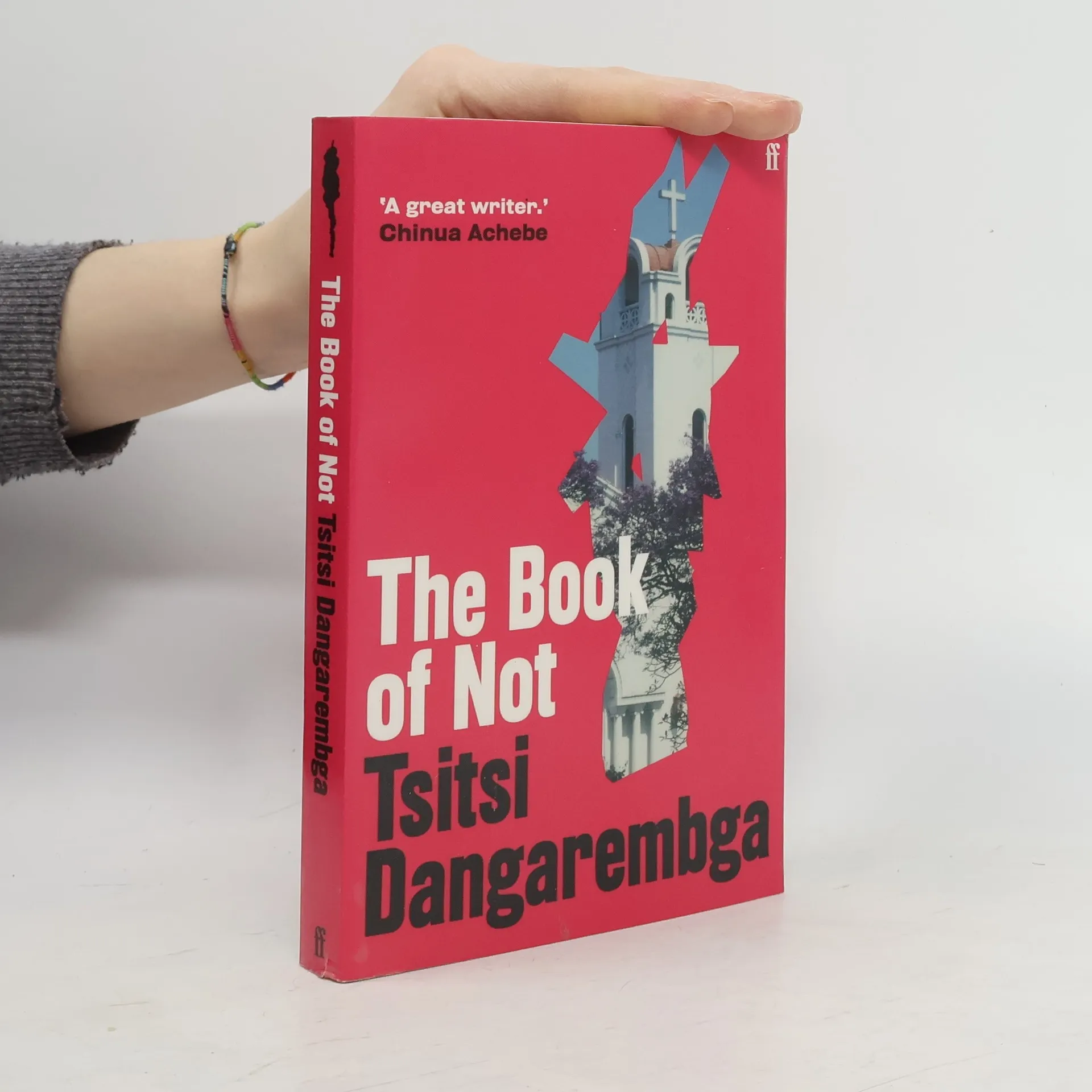
The Book of Not
- 320 pages
- 12 hours of reading
The second novel from the Booker Prize shortlisted author of This Mournable Body and Nervous Conditions continues Tambu's story.
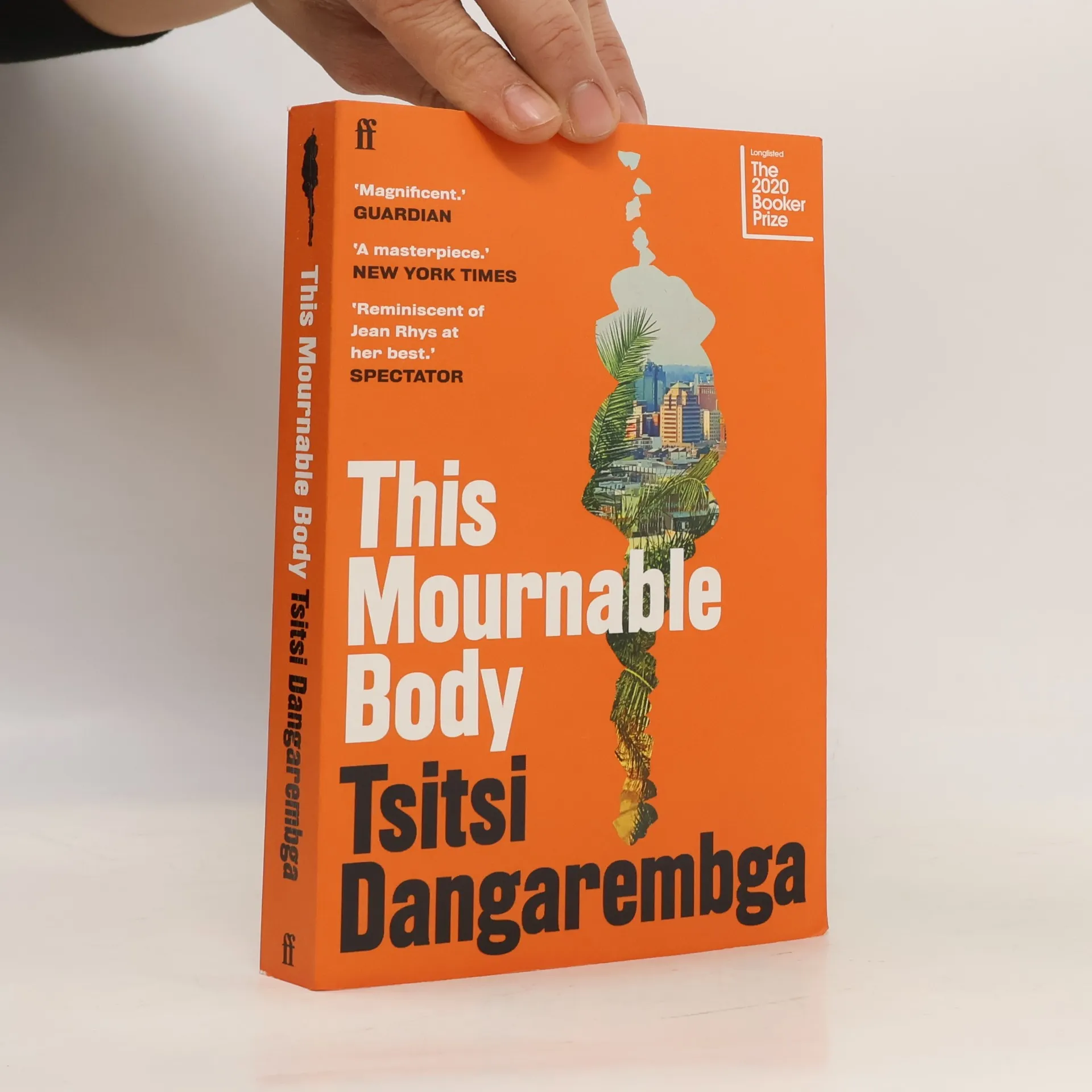
This Mournable Body
- 284 pages
- 10 hours of reading
SHORTLISTED FOR THE 2020 BOOKER PRIZE A searing novel about the obstacles facing women in Zimbabwe, by one of the country’s most notable authors Anxious about her prospects after leaving a stagnant job, Tambudzai finds herself living in a run-down youth hostel in downtown Harare. For reasons that include her grim financial prospects and her age, she moves to a widow’s boarding house and eventually finds work as a biology teacher. But at every turn in her attempt to make a life for herself, she is faced with a fresh humiliation, until the painful contrast between the future she imagined and her daily reality ultimately drives her to a breaking point. In This Mournable Body, Tsitsi Dangarembga returns to the protagonist of her acclaimed first novel, Nervous Conditions, to examine how the hope and potential of a young girl and a fledgling nation can sour over time and become a bitter and floundering struggle for survival. As a last resort, Tambudzai takes an ecotourism job that forces her to return to her parents’ impoverished homestead. It is this homecoming, in Dangarembga’s tense and psychologically charged novel, that culminates in an act of betrayal, revealing just how toxic the combination of colonialism and capitalism can be.