

The poor law had a profound impact, playing a central role in social and political development from the Reformation to the Industrial Revolution. This book provides a concise synthesis of past scholarly work, explaining the origins and effects of this unique system of welfare.
New Studies in Economic and Social History Series
This series delves into the rich tapestry of economic and social history, offering insightful analyses of pivotal eras and transformative processes. It explores how societies have evolved over time, the forces that shaped their economic structures, and the profound impact these changes had on everyday lives. Readers will find stimulating essays that illuminate the intricate connections between economic systems and social development, providing fresh perspectives on the past.

Slavery, Atlantic Trade and the British Economy, 1660 1800
- 136 pages
- 5 hours of reading
The book delves into the influence of slavery and the Atlantic trade on the early stages of British industrialization. Kenneth Morgan explores five critical areas of historical debate, including the profitability of the slave trade, its role in capital accumulation, the dynamics of exports and transatlantic markets, the function of business institutions, and the impact on British port growth. This insightful work is designed for students interested in the intersections of slavery, economic history, and the development of Britain.
Health and Society in Britain Since 1939
- 146 pages
- 6 hours of reading
This book provides a comprehensive examination of the evolution of health, health services, and health policy in Britain from 1939 onwards. It explores significant shifts in public health approaches, the development of the National Health Service, and the impact of social and economic factors on health outcomes. Through detailed analysis, it highlights key policies and reforms that have shaped the current landscape of British healthcare, offering insights into the challenges and advancements over the decades.
The Nazi Economic Recovery 1932 1938
- 108 pages
- 4 hours of reading
This revised edition offers a thorough examination of the Nazi economy, presenting key insights into its structure, policies, and impact. It delves into how economic strategies were intertwined with the regime's political goals, providing a nuanced understanding of the economic factors that supported Nazi Germany. The updated content reflects recent scholarship, enhancing the reader's grasp of this critical aspect of history.
The Population of Britain in the Nineteenth Century
- 88 pages
- 4 hours of reading
Focusing on the causes of demographic change in nineteenth-century Britain, this book explores migration, marriage patterns, fertility, and mortality. It serves as a comprehensive guide to the population data sources available to historians and demographers. Featuring tables and figures, it stands out as a unique resource for students, complete with a detailed bibliography for further exploration of the topic.
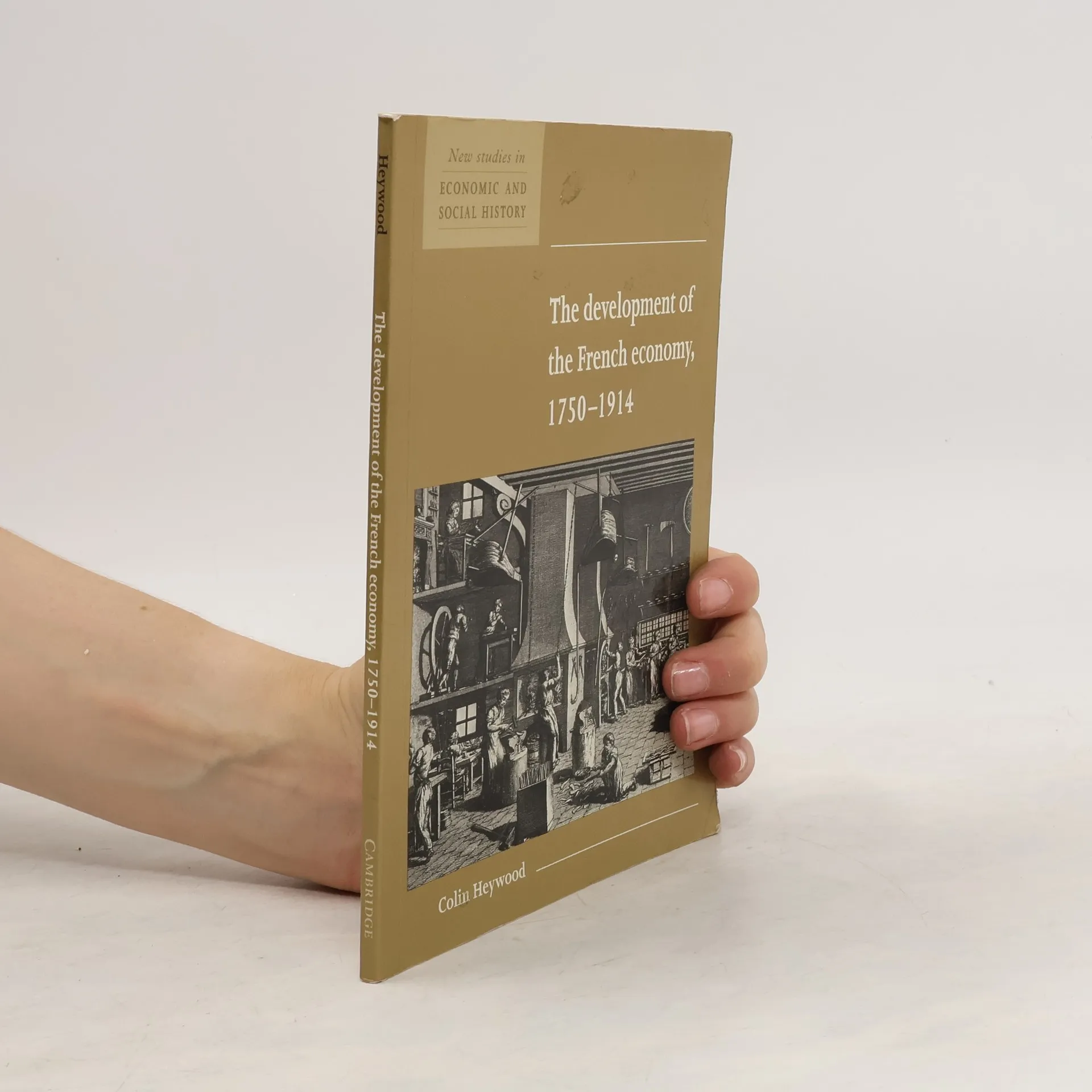
The Development of the French Economy 1750 1914
- 88 pages
- 4 hours of reading
The book provides an in-depth analysis of French economic development from 1750 to 1914, exploring the intricate debates that shaped this period. It delves into key themes such as industrialization, agricultural changes, and the impact of political events on economic policies. By examining various perspectives, the author highlights the challenges and transformations that influenced France's economic landscape, offering a comprehensive understanding of its historical context and implications.