A lively introduction to this celebrated philosophical tradition. Existentialism pervades modern culture, yet if you ask most people what it means, they won’t be able to tell you. In this lively and topical introduction, Wartenberg reveals a vibrant mode of philosophical inquiry that addresses concerns at the heart of the existence of every human being. Wartenberg uses classic films, novels, and plays to present the ideas of now-legendary Existentialist thinkers from Nietzsche and Camus to Sartre and Heidegger and to explore central concepts, including Freedom, Anxiety, and the Absurd. Special attention is paid to the views of Simone de Beauvoir and Franz Fanon, who use the theories of Existentialism to address gender and colonial oppression.
Oneworld Beginner's Guide Series
This series offers concise and accessible introductions to complex subjects. Each book delves into key concepts and historical backgrounds, demystifying various fields of knowledge. It is ideal for curious readers seeking a quick grasp of a new topic's essence. The series is designed to provide a solid foundation for further exploration.

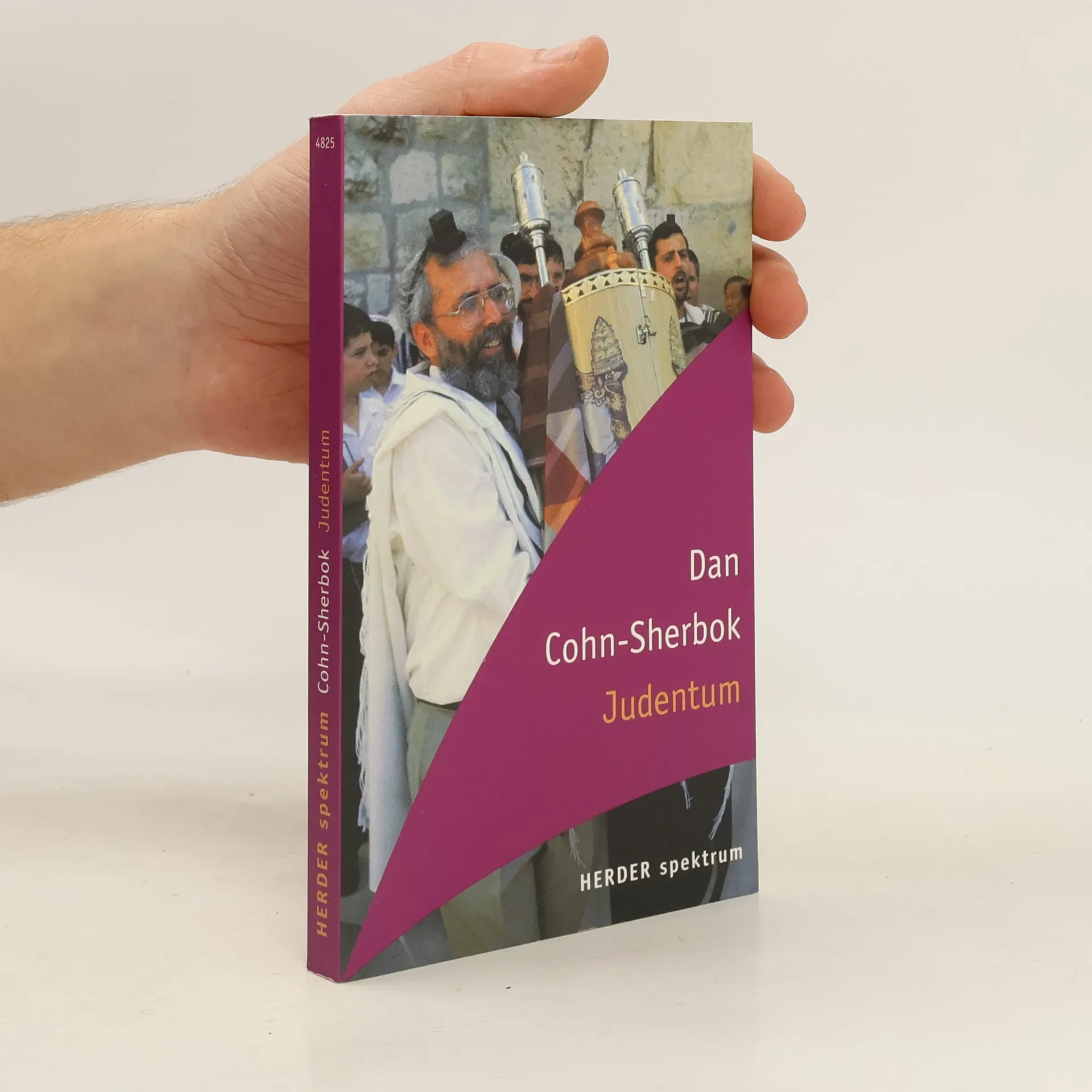

Judentum
- 186 pages
- 7 hours of reading
Eine knappe Übersicht über die Geschichte des jüdischen Volkes, vom frühesten Exil bis zur Gründung des Staates Israel und der Gegenwart. Besonders auf die moderne Zeit fokussiert, bietet dieses Buch eine Einführung in zeitgenössische jüdische Überzeugungen und Praktiken und betrachtet, wie sich das Judentum an die Herausforderungen der modernen Welt angepasst hat und weiterhin anpasst.
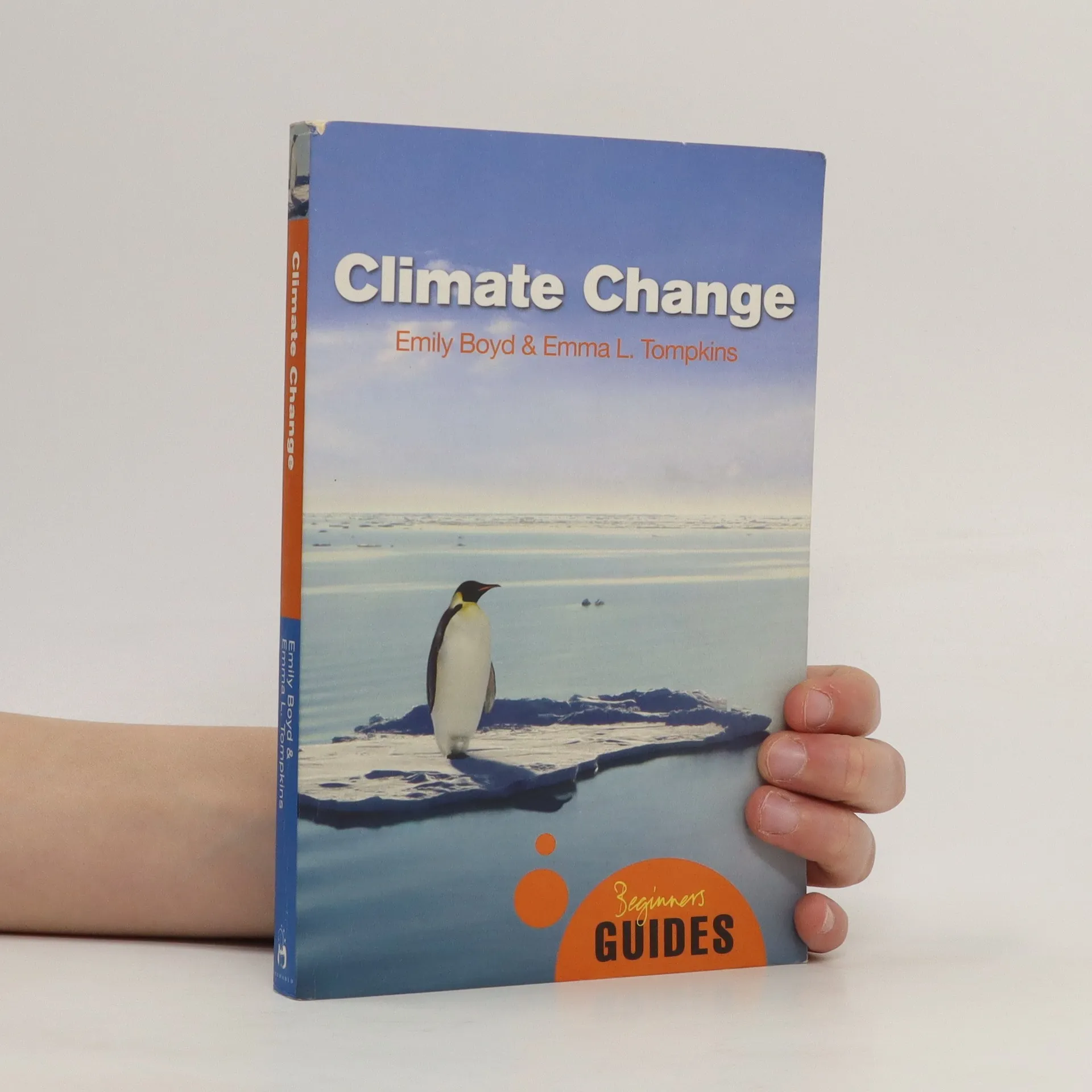
Climate change : a beginner's guide
- 208 pages
- 8 hours of reading
Climate change is the greatest single problem we face as a planet. This important introduction skilfully guides us through the complex mix of scientific, political, social, and environmental issues to explore the possible futures for our world. Focusing on the fact that the “point of no return” may have already been passed, Boyd and Tompkins highlight the urgent need to start addressing the wide-ranging consequences of our changing climate if we want to avoid catastrophe.
Marx
- 192 pages
- 7 hours of reading
Although one of the most influential thinkers of the last millennium, Karl Marx was relatively unheralded during most of his lifetime. Famous for predicting the inevitable demise of capitalism, it was only after his death that his immortal clarion call reached a wide audience: "Workers of the world unite – you have nothing to lose but your chains." Andrew Collier breathes new life into the achievements of Karl Marx, arguing that his work is still of vital relevance in today’s global climate of inequality. Covering all the elements of Marxist thought from his early writings to his masterpiece, Das Kapital, Collier probes the apparent inconsistencies in Marx’s work and reclaims him as a philosopher and political theorist. This jargon-free introduction is a timely reminder of his undiminished influence, and will fascinate students, activists and interested readers alike.
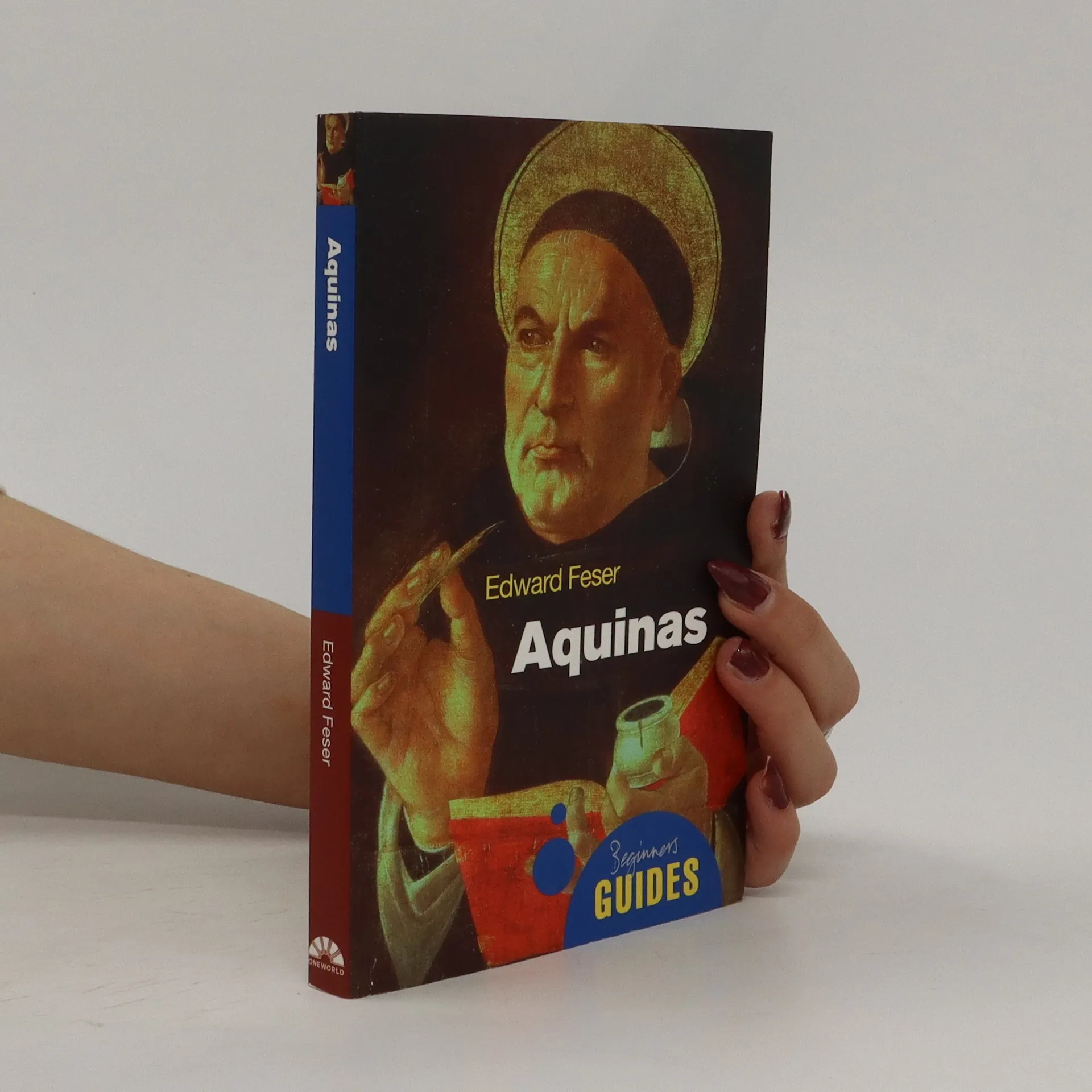
Aquinas. A Beginners Guide
- 224 pages
- 8 hours of reading
Charting the life and thought of this hugely influential medieval thinker.One of the most influential philosophers and theologians in the history of Western thought, St Thomas Aquinas established the foundations for much of modern philosophy of religion, and is infamous for his arguments for the existence of God. In this cogent and multifaceted introduction to the great Saint's work, Edward Feser argues that you cannot fully understand Aquinas' philosophy without his theology and vice-versa. Covering his thoughts on the soul, natural law, metaphysics, and the interaction of faith and reason, this will prove a indispensable resource for students, experts or the general reader.
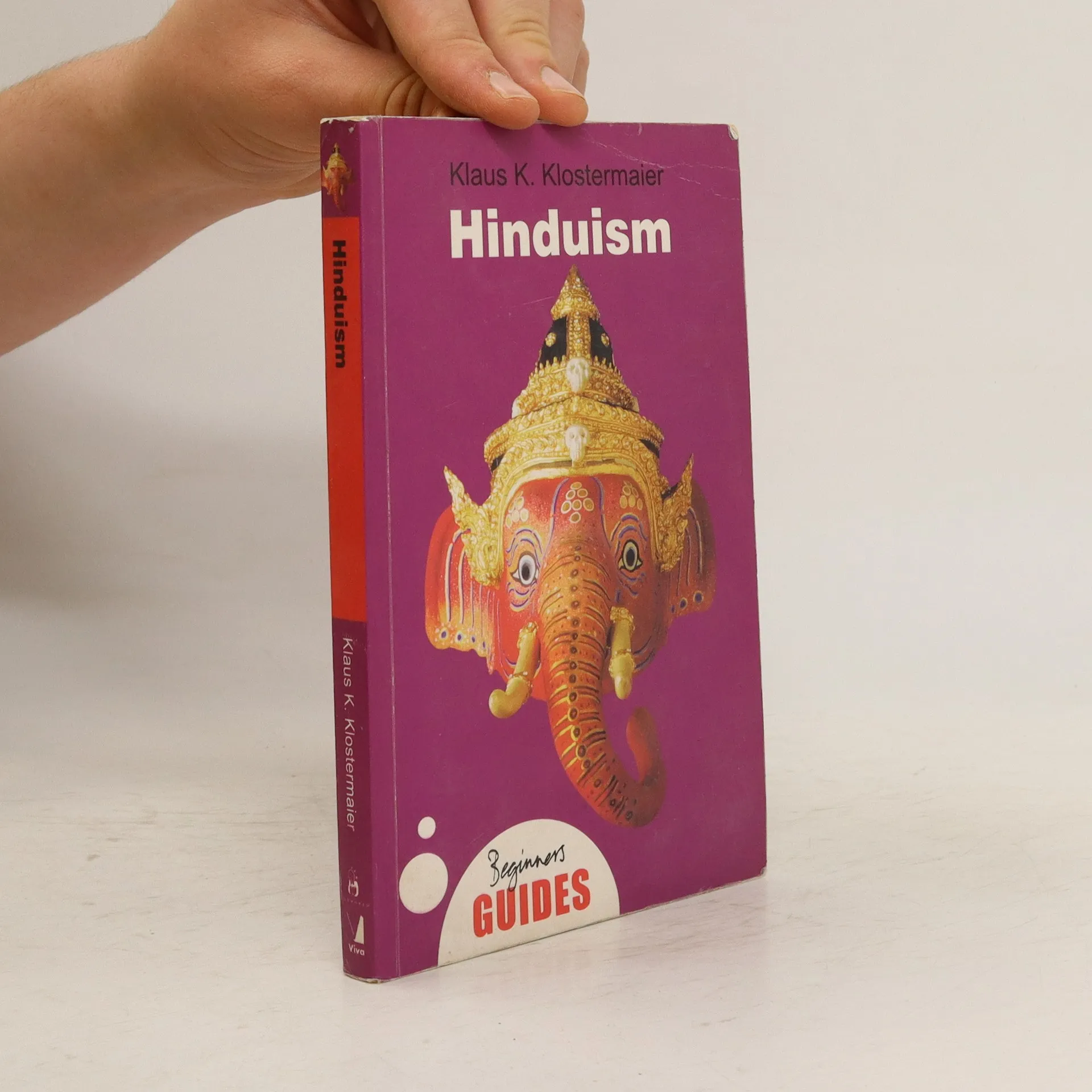
Hinduism
- 208 pages
- 8 hours of reading
Explaining the origins, beliefs, scriptures and philosophies of this ancient religion, Klaus K. Klostermaier succeeds in capturing the rich diversity of rituals and gods that comprise Hinduism, while keeping the tone both engaging and informative. Covering contemporary issues such as the relationship between Hinduism and modern Western ideas, and imminent challenges the religion faces, this sweeping exploration of a fascinating and long-lasting belief system is essential reading for students, followers, and interested readers alike.
Humanism
- 224 pages
- 8 hours of reading
Is it possible to lead a meaningful life without God?
Iran
- 248 pages
- 9 hours of reading
World-renowned Iranian expert presents the first comprehensive introduction to one of the world's most controversial and misunderstood countries číst celé
This text introduces readers to the scientific approach to understanding human behaviour. Each of the chapters in the book reviews the current state of knowledge about various aspects of behaviour - from intelligence and emotion to child development and prejudice - based on sound scientific study
Planet Earth
- 208 pages
- 8 hours of reading
In this lively expedition into the origins, evolution, and workings of our planet, John Gribbin does what he does best: gathers 4.5 billion years of geological history and shares the best bits.
French Literature
- 224 pages
- 8 hours of reading
A lively introduction to one of the world's richest and most influential literatures
Africa
- 165 pages
- 6 hours of reading
Vast, diverse, dynamic, and turbulent, the true nature of Africa is often obscured by its poverty-stricken image. This guide analyses the continent's political history and the factors behind its dismal economic performance.
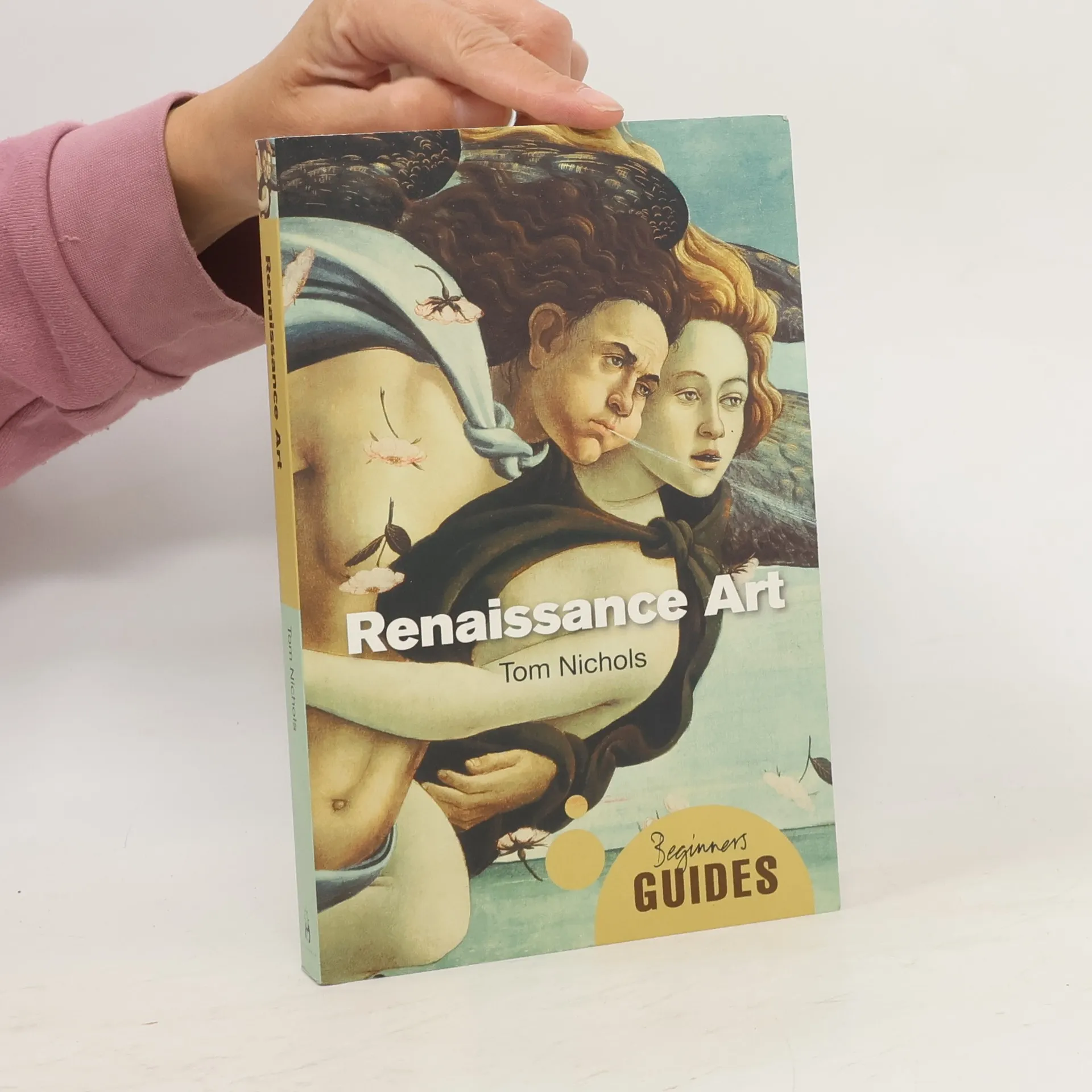
What does the familiar phrase Renaissance Art actually refer to? Discussing the works by artists such as Jan van Eyck, Leonardo da Vinci, and Michelangelo, this title explores the truly original and diverse character of the art of the Renaissance.
Fair Trade
- 192 pages
- 7 hours of reading
Covering Fair Trade principles and methods for participation, Fair Trade: A Beginner's Guide will empower the reader to tackle a key source of global injustice.
This enlightening guide reveals the disturbing reality within the murky underworld of international arms trading.
Bioterror and Biowarfare
- 209 pages
- 8 hours of reading
Covers the history of biological warfare, changes in the way biological agents are used, current attack scenarios, and how to prevent bioterrorism.
The Middle East is notoriously complex and difficult. This title offers historical background, real-life examples, profiles of key figures from Nasser to Gadaffi, and popular jokes from the area. It is suitable for tourists, students, and the interested general readers.
Art
- 240 pages
- 9 hours of reading
An exhilarating tour through Western artistic tradition