
This series follows the escapades of one of literature's most iconic con artists navigating the chaotic landscape of post-revolutionary Russia. Alongside a cast of colorful accomplices, this cunning "combiner" finds himself entangled in absurd and comical situations while pursuing elusive fortunes. With sharp wit and keen satirical insight into society, these works expose human foibles and hypocrisy with enduring humor.
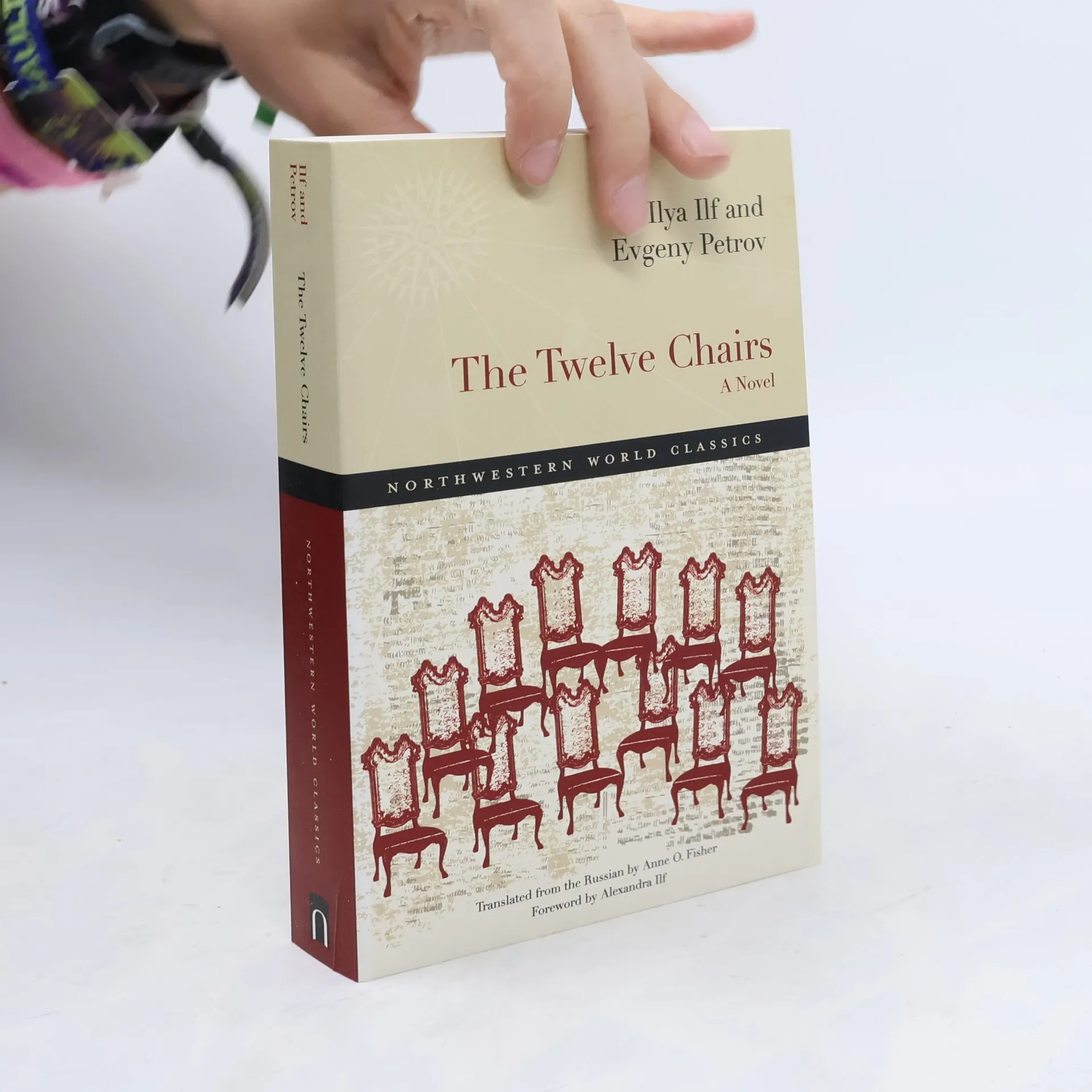
Long recognised as a timeless comic masterpiece-it inspired a Mel Brooks film
a half century after its publication-The Twelve Chairs appears now in a lively
new translation by Anne O. Fisher. Fisher, the most gifted interpreter of Ilf
and Petrov in the English language, balances fidelity to the text and the
authors' characteristic, deeply resonant humour.
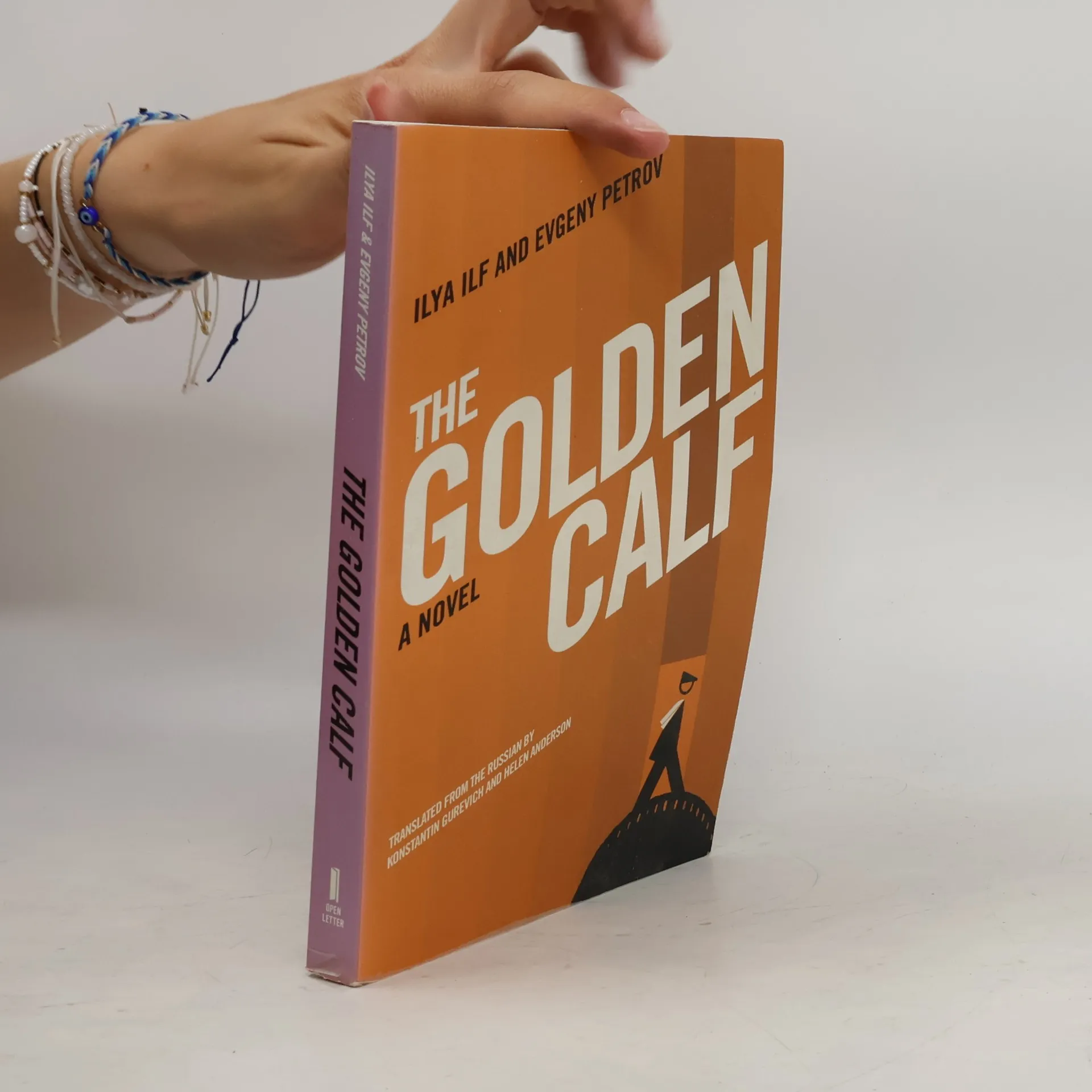
The funniest novel of the Soviet era, this translation is based on the uncensored original thus restoring missing passages. Set during the New Economic Policy, con man Ostap Bender and his merry band of mischief makers set of on a raucously funny jaunt across the 'wild west' of the early Soviet Union. Their mark is Alexander Koreiko, another shady figure who exploited the corruption and chaos of the NEP to become an underground millionaire. Once Bender hears of Koreiko, the chase is on.
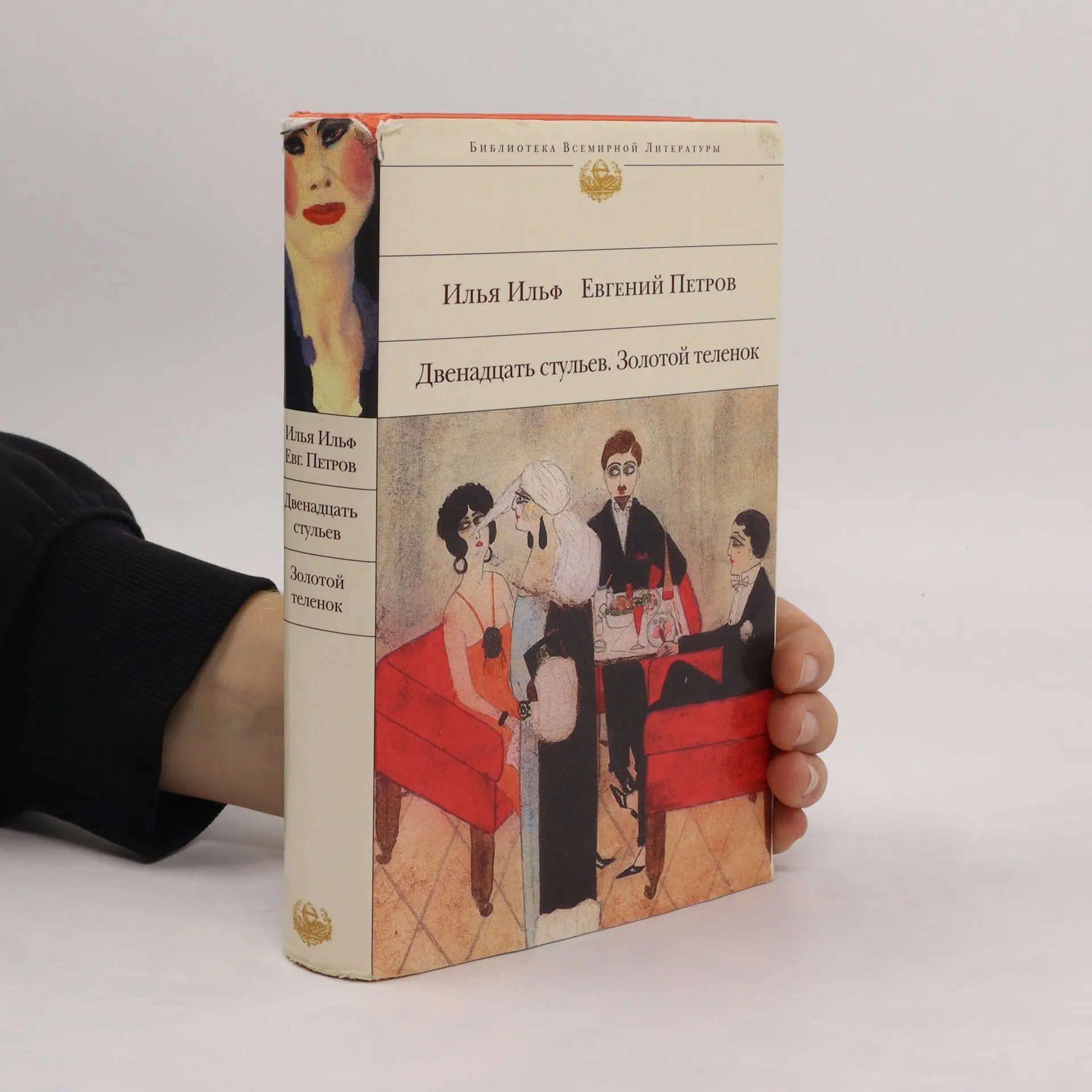
Бешеный успех, который обрушился на Илью Ильфа и Евгения Петрова после выхода из печати "Двенадцати стульев" (1928), побудил соавторов "воскресить" своего героя, неунывающего и обаятельного афериста Остапа Бендера, и взяться за создание романа "Золотой теленок" (1931). Однако и завершение, и публикация второго романа все время откладывались в связи с громкими политическими процессами. В 1948 году очередное многотысячное издание дилогии было признано идеологической ошибкой, но с наступлением хрущевской "оттепели" романы о великом комбинаторе были вновь востребованы и признаны классикой отечественной литературы. В настоящем издании роман "Золотой теленок" публикуется в полной авторской версии, реконструированной по архивным материалам М. Одесским и Д. Фельдманом. Вступительная статья рассказывает об истории создания и судьбе дилогии; в приложении помещены первоначальные версии заключительной главы и первой части "Золотого теленка".