

Explore the latest books of this year!
Bookbot

Pillar New Testament Commentary

This series offers in-depth and meticulous commentary on the New Testament. It focuses on detailed exegesis, historical context, and theological applications of biblical texts. The series serves as an invaluable resource for theology students, ministry leaders, and anyone seeking a profound understanding of Scripture. It provides an engaging yet scholarly approach to studying the early Christian writings.

The Gospel According to Mark
Gospel According to John
The Letters to the Colossians and to Philemon
The Letters to the Thessalonians
The Letters of John
  • The Letters of John

    • 255 pages
    • 9 hours of reading
    4.2(18)Add rating

    This new Pillar commentary seeks to explain the meaning of John's letters to teachers, pastors, and general readers looking for a reliable resource for personal study. Colin Kruse introduces the issues involved in interpreting the Johannine letters, gives verse-by-verse comments, and provides discussion of John's major theological themes. schovat popis

    The Letters of John
  • In this commentary, Gene Green examines Paul's letters to the Thessalonians through the lens of Scripture and insights into first-century Thessalonica. This approach sheds light on the gospel's impact on its original audience and its relevance for today’s church and society. The book begins with a thorough exploration of Thessalonica's history, geography, socioeconomic conditions, and religious landscape, providing essential context for understanding the establishment of the city's first church and the challenges faced by its believers in practicing their faith. The main section offers a detailed verse-by-verse commentary on 1 & 2 Thessalonians, drawing out the profound meanings within these significant New Testament texts. Green highlights the letters as expressions of friendship and pastoral care, addressing various issues the Thessalonians encountered. Paul's intentions include thanking the new believers for their perseverance in suffering, encouraging them amid trials, urging them to maintain their daily work, and teaching them about the fate of believers who die before Christ's return. The theme of eschatology permeates these letters, earning them the designation of Paul's eschatological writings. Rich in insights about ancient society, this commentary is poised to become a key resource for Bible study, effectively connecting the biblical narrative with contemporary relevance.

    The Letters to the Thessalonians
  • Exhibiting the same brilliant exegesis and sound practical insight found in his previous works, noted commentator Douglas J. Moo in this new volume not only explains accurately the meaning of the letters to the Colossians and to Philemon but also applies that meaning powerfully to twenty-first-century readers. Moo both interacts with the Greek text of these letters and clearly explains the English text to a contemporary audience. Informed, evangelical, methodologically astute, and displaying a careful balance between good scholarship and pastoral concern -- earmarks of the Pillar New Testament Commentary series as a whole -- Moo's Letters to the Colossians and to Philemon will offer insights to a wide range of readers, from teachers and students, to pastors and parishioners, to scholars and laypersons. - Publisher.

    The Letters to the Colossians and to Philemon
  • Gospel According to John

    • 728 pages
    • 26 hours of reading
    4.5(44)Add rating

    The gospel according to John. A commentary based on the NIV, which unfolds the teaching of the fourth gospel. Dr Carson engages with some of the secondary literature of John, showing both a willingness to learn from it and independence of judgement.

    Gospel According to John
  • This new Pillar volume offers exceptional commentary on Mark that clearly shows the second Gospel ― though it was a product of the earliest Christian community ― to be both relevant and sorely needed in today's church.Written by a biblical scholar who has devoted thirty years to the study of the second Gospel, this commentary aims primarily to interpret the Gosepl of Mark according to its theological intentions and purposes, especially as they relate to the life and ministry of Jesus and the call to faith and discipleship. Unique features of James Edwards's approach include clear descriptions of key terms used by Mark and revealing discussion of the Gospel's literary features, including Mark's use of the "sandwich" technique and of imagistic motifs and irony. Edwards also proposes a new paradigm for interpreting the difficult "Little Apocalypse" of chapter 13, and he argues for a new understanding of Mark's controversial ending.

    The Gospel According to Mark
  • The acceptance of Markan priority in the nineteenth century shifted perceptions of the Gospel of Mark, recognizing it as the first Gospel that significantly influenced Matthew and Luke. This renewed focus has led to a surge in scholarship on Mark, yet commentaries have not kept pace with the extensive studies available. James R. Edwards' work addresses this gap, drawing on three decades of research to place Mark within the historical and social context of first-century Palestine, informed by extrabiblical literature, inscriptions, and archaeology. Unique features of this commentary include clear explanations of terms like "scribe," "tax collector," "Sanhedrin," and "levirate marriage," which, while familiar, are often misunderstood. Edwards also delves into literary elements such as Mark's "sandwich" technique, imagistic motifs, and irony. He presents a new interpretative framework for the challenging "Little Apocalypse" in chapter 13 and offers fresh insights into Mark's controversial ending. Ultimately, Edwards aims to interpret Mark's theological intentions, emphasizing its relevance to the early Christian community and its enduring message for the church today, particularly concerning the life and ministry of Jesus and the call to faith and discipleship.

    The Gospel According to Mark
  • The Letter of James

    • 271 pages
    • 10 hours of reading

    Few New Testament books have been as controversial and misunderstood as The Letter of James. Its place in the canon was contested by some early Christians, and the reformer Martin Luther called it an "epistle of straw". The sometimes negative view of the letter among modern theologians, however, is not shared by ordinary believers. Few books in the New Testament are better known or more often quoted, and because James is so concise, so intensely practical, and so filled with memorable metaphors and illustrations, it has become one of the two or three most popular New Testament books in the church. The highly original commentary on James by respected New Testament scholar Douglas Moo combines penetrating scholarship with the simplicity of style and pastoral tone characteristic of James itself. After discussing such background issues as authorship, genre, purpose, structure, and theology, Moo provides a verse-by-verse exposition of the text that leads readers to the heart of James's message - wholehearted commitment to Christ. In addition to expounding the meaning of James, Moo also takes care to provide practical insights for applying the meaning in the church today. A number of years in the making, interacting with the best and most recent works on James, and written for readers at all levels, this volume will quickly become a standard commentary on James.

    The Letter of James
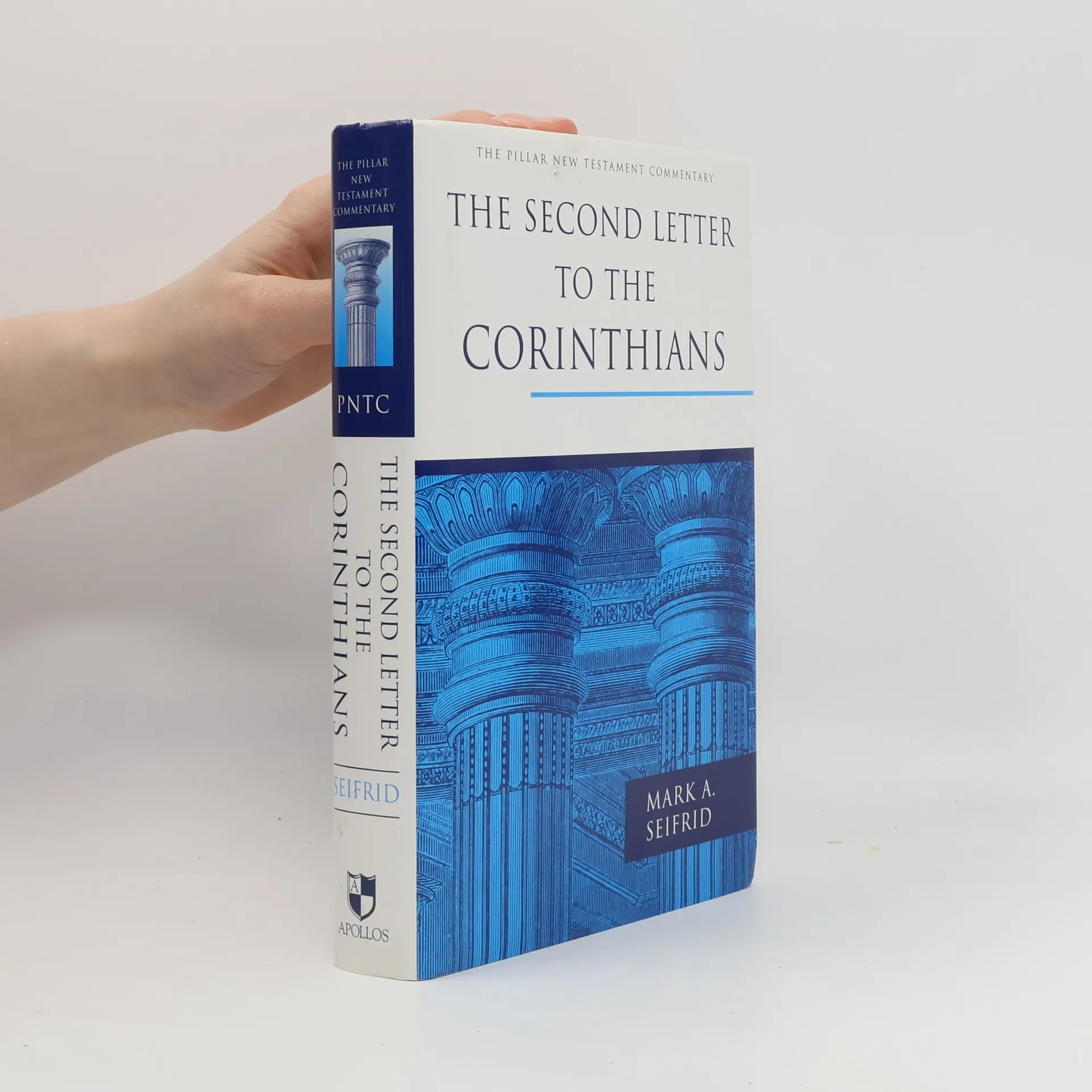
  • The question that Paul set before the ancient church in Corinth - Do you not recognize that Jesus Christ is in and among you? (2 Cor. 13:5) - remains a critical question for the church today. This commentary by Mark Seifrid seeks to hear Paul's message afresh and communicate it to our time. Seifrid offers a unified reading of 2 Corinthians, which has often been regarded as a composite of excerpts and fragments. He argues that Paul's message is directed at the 'practical atheism' of the Corinthian church - the hidden heresy that assumes God's saving work in the world may be measured by outward standards of success and achievement. Like all of the Pillar volumes, Seifrid's commentary on 2 Corinthians offers careful grammatical analysis and exegesis with clear pastoral application.

    The Second Letter to the Corinthians
  • Few New Testament books have been as con­troversial and misunderstood as the letter of James. Its place in the canon was contested by some early Christians, and the reformer Martin Luther called it an "epistle of straw." The sometimes negative view of the letter among modern theologians, however, is not shared by ordinary believers. Well known and often quoted, James is concise, intensely practical, and filled with memorable metaphors and illustrations. As such, it has become one of the most popular New Testament books in the church. This highly original commentary on James by respected New Testament scholar Douglas Moo combines penetrat­ing scholarship with the simplicity of style and pastoral tone characteristic of James itself. After discussing such background issues as authorship, genre, purpose, structure, and theology, Moo provides a verse-by-verse exposition of the text that leads readers to the heart of James's message--wholehearted commitment to Christ. In addition to expounding the meaning of James, Moo also takes care to provide practical insights for applying that meaning in the church today. At once scholarly and accessible, this vol­ume has become a standard commentary on James. The second edition is based upon the newest version of the NIV and incorporates the latest scholarship. It has been expanded, updated, and revised throughout.

    The Letter of James