
This series follows an unorthodox federal marshal navigating the blurred lines of law enforcement to bring criminals to justice. Each case presents complex moral quandaries and dangerous adversaries, often forcing him to confront his own troubled past. It offers a gritty exploration of good versus evil set against the rugged backdrop of the American South. Readers can expect compelling characters and unpredictable plot twists.
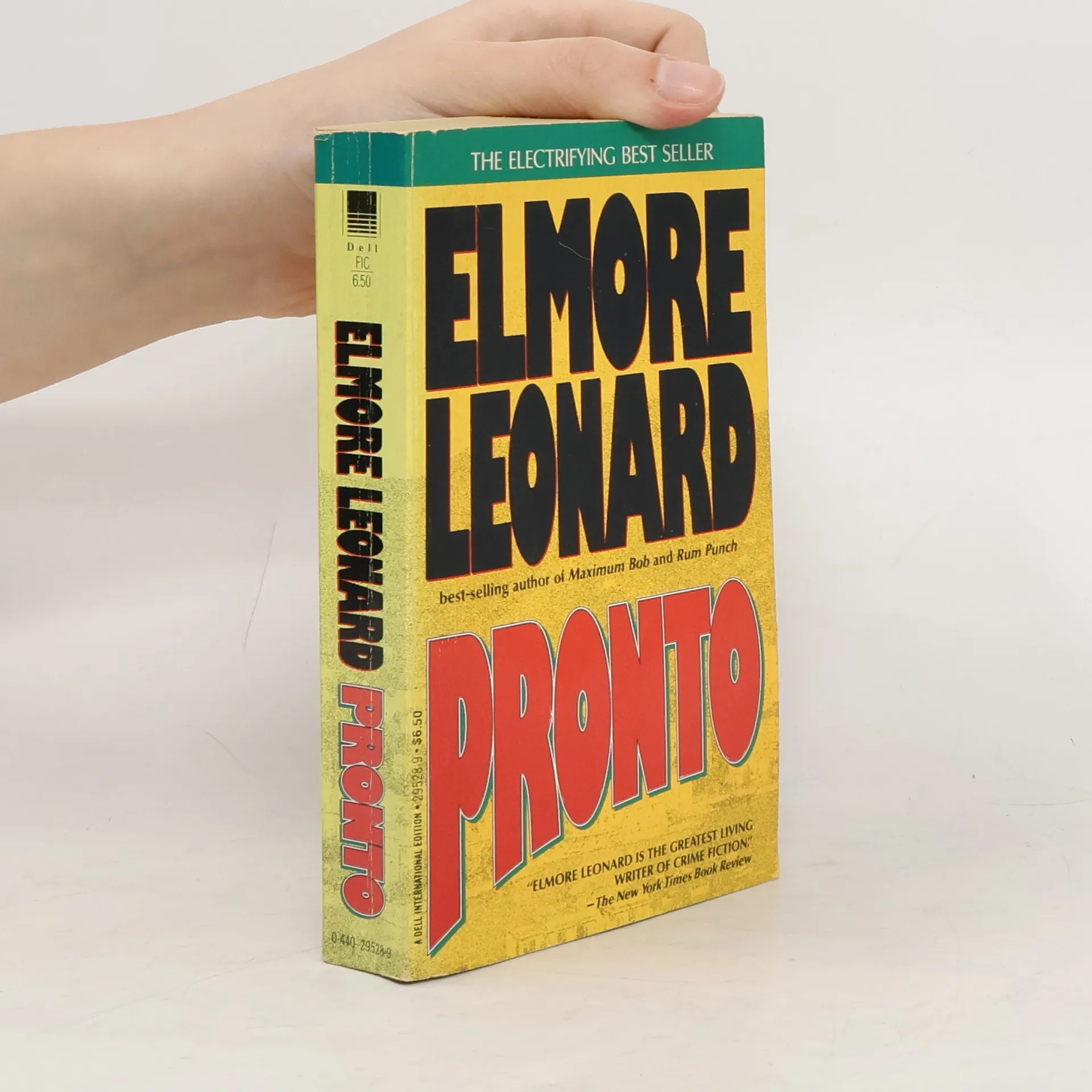
The feds want Miami bookmaker Harry Arno to squeal on his wiseguy boss. So they're putting word out on the street that Arno's skimming profits from "Jimmy Cap" Capotorto-- which he is, but everybody does it. He was planning to retire to Italy someday anyway, so Harry figures now's a good time to get lost. U.S. Marshal Raylan Givens knows Harry's tricky-- the bookie ditched him once in an airport while in the marshal's custody-- but not careful. So Raylan's determined to find the fugitive's Italian hideaway before a cold-blooded Sicilian "Zip" does and whacks Arno for fun. After all, it's a "pride thing., ."and it might even put Raylan in good stead with Harry's sexy ex-stripper girlfriend Joyce.
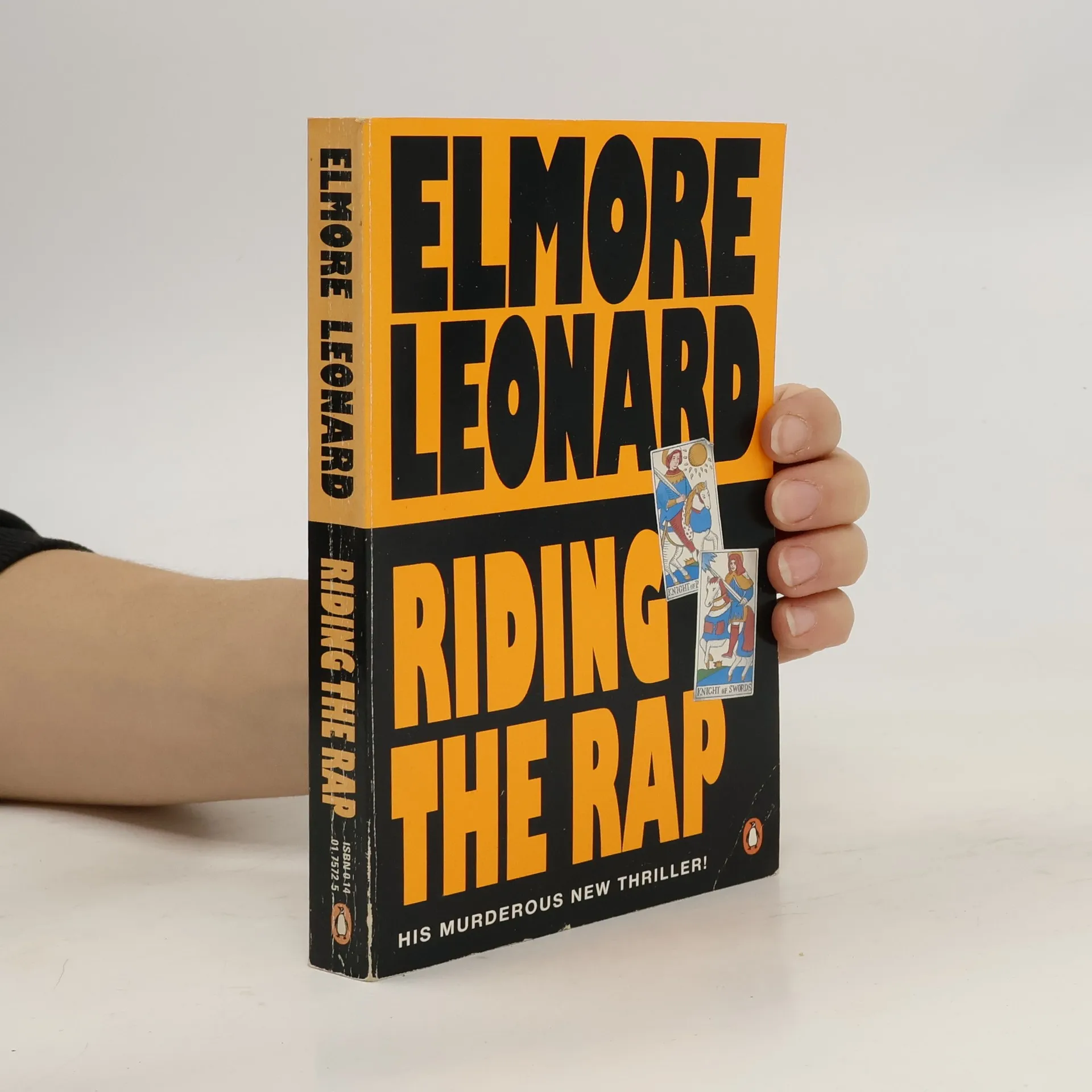
Many imitate him but none can touch him. He's set the standard against which all other crime novels are measured. His signature is vise-tightening suspense, crackling dialogue, and deadeye wit. And now, in "Riding The Rap," Elmore Leonard proves once again that he is "the greatest living writer of crime fiction." ("The New York Times") Raylan Givens, U.S. Marshal, is working on Warrants, bringing in fugitive felons, when Harry Arno disappears again and Raylan feels obliged to find him. This time with misgivings. Raylan believes Harry has dropped out of site to get attention and win back his former lover, Joyce, who had fallen into Raylan's arms, but now seems concerned only with Harry's welfare. The last person to see Harry is a nifty young psychic--certified medium and spiritualist--named Dawn Navarro. As soon as Raylan talks to her he senses that Harry has very likely beenkidnapped and Dawn is involved. Cut to the bad guys. Chip Ganz describes his idea, a way to make millions, as "taking hostages." Not unlike the way it was done in Lebanon, but this time for profit. Does he mean kidnapping? "In a way," Chip tells his ex-con accomplice, Louis Lewis and Bobby Deo, "only different. A lot different." It's the victim who has to come up with a way to pay the ransom. "It had better be the best idea you've ever had," Chip tells Harry, blindfolded and in chains. "Because if we don't like it, you're dead." In time Raylan's pretty sure he knows where Harry is being held, but doesn't have "probable cause" to get a warrant and gain entry. As he closes in, though, Chip's hostage plan begins to come apart and the scene is set for a showdown--one of the best you'll ever see.
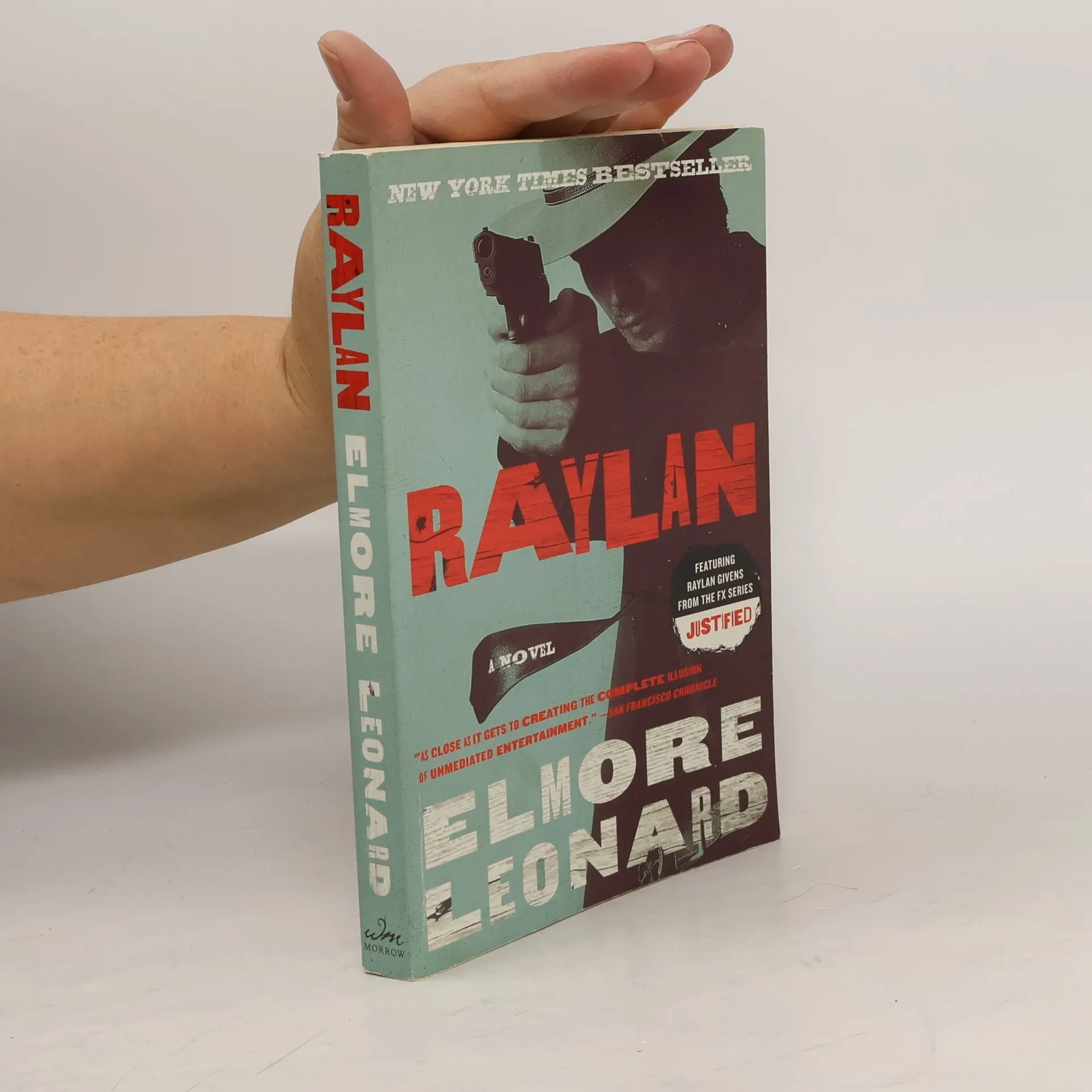
“Elmore Leonard can write circles around almost anybody active in the crime novel today.” —New York Times Book Review With more than forty novels to his credit and still going strong, the legendary Elmore Leonard has well earned the title, “America’s greatest crime writer” (Newsweek). And U.S. Marshal Raylan Givens (Pronto, Riding the Rap, Fire in the Hole) is one of Leonard’s most popular creations, thanks in part to the phenomenal success of the hit TV series “Justified.” Leonard’s Raylan shines a spotlight once again on the dedicated, if somewhat trigger-happy lawman, this time in his familiar but not particularly cozy milieu of Harlan County, Kentucky, where the drug dealing Crowe brothers are branching out into the human body parts business. Suspenseful, darkly wry and riveting, and crackling with Leonard’s trademark electric dialogue, Raylan is prime Grand Master Leonard as you have always loved him and always will.
This textbook focuses on the substantive law that governs freedom of expression in the media. The work bases the discussions of the substantive law on the print media, as the press, unlike broadcasting, is substantially unregulated and this lack of regulation raises issues of particular concern regarding the limits of media freedom. The book also considers the contrasting models for control of the media and the impact of the Internet upon them. It covers the impact of the Human Rights Act on media regulation and broadcasting regulation in particular, drawing upon a wide range of sources from the UK, Europe and the USA.
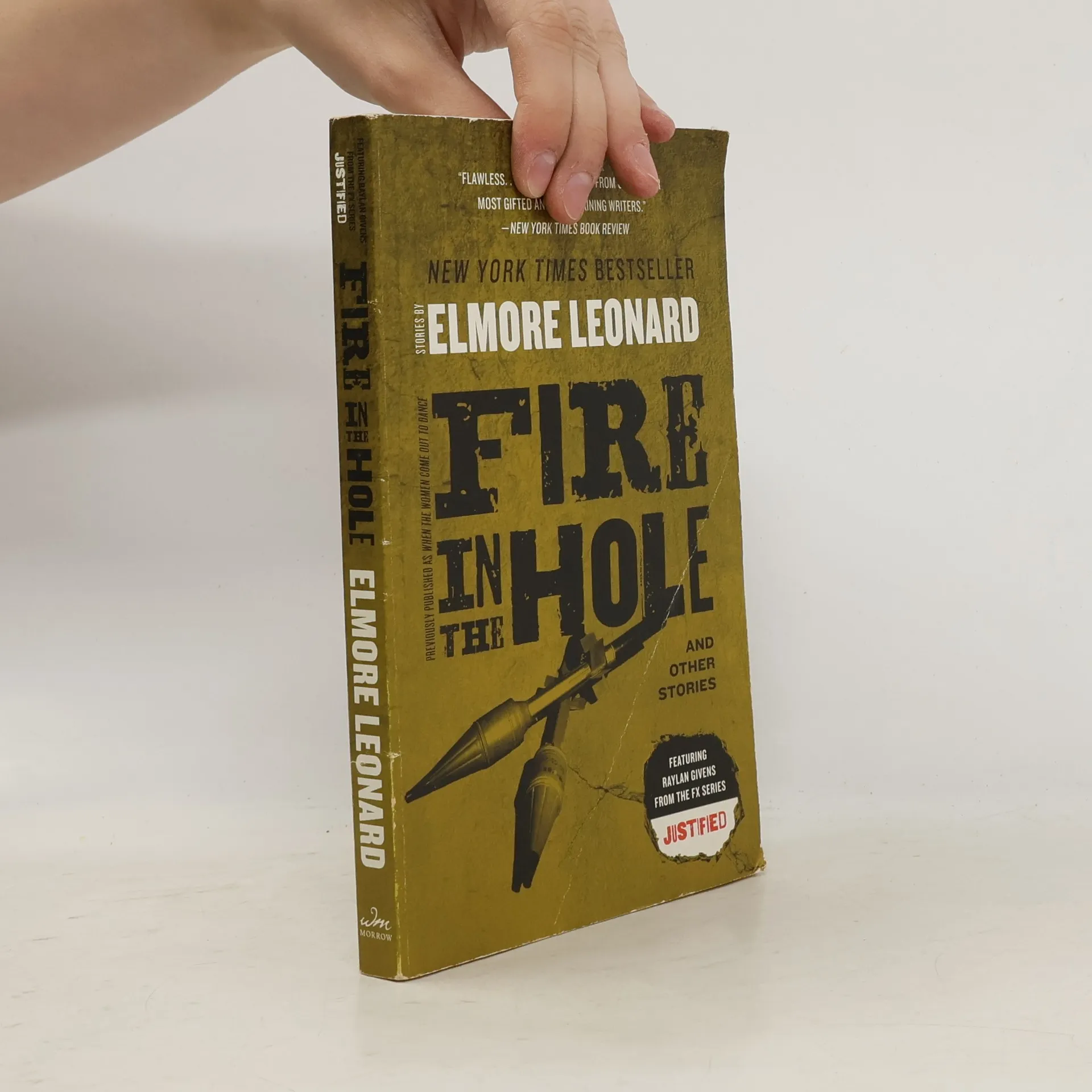
In this superb short fiction collection, Elmore Leonard, “the greatest crime writer of our time, perhaps ever” (New York Times Book Review), once again illustrates how the line between the law and the lawbreakers is not as firm as we might think. In the title story, the basis for the hit FX series Justified, U.S. Marshal Raylan Givens meets up with an old friend, but they’re now on different sides of the law. Federal marshal Karen Sisco, from Out of Sight, returns in “Karen Makes Out,” once again inadvertently mixing pleasure with business. In “When the Women Come Out to Dance,” Mrs. Mahmood gets more than she bargains for when she conspires with her maid to end her unhappy marriage. These nine stories are the great Elmore Leonard at his vivid, hilarious, and unfailingly human best.
Il mondo è quello dello show-business, che per Elmore Leonard vuol dire tutto il mondo: dal cinema hollywoodiano allo sport, dal rodeo allo strip-tease, dai gironi dell'immigrazione clandestina alle sette nazi-punk, con sconfinamenti nel selvaggio West. Il clima è quello esilarante, allucinato, della sua migliore narrativa: dialoghi laconici e folgoranti, situazioni paradossali e tragiche, eroi sempre in bilico tra legge e illegalità. Protagoniste sono le donne. Che devono affrontare innamorati banditi, mariti criminali o agenti delle assicurazioni troppo ligi al dovere. E li affrontano con le armi della seduzione, con una sessualità dirompente, con astuzia e coraggio e, all'occorrenza, con una calibro 45 o un fucile a pompa.