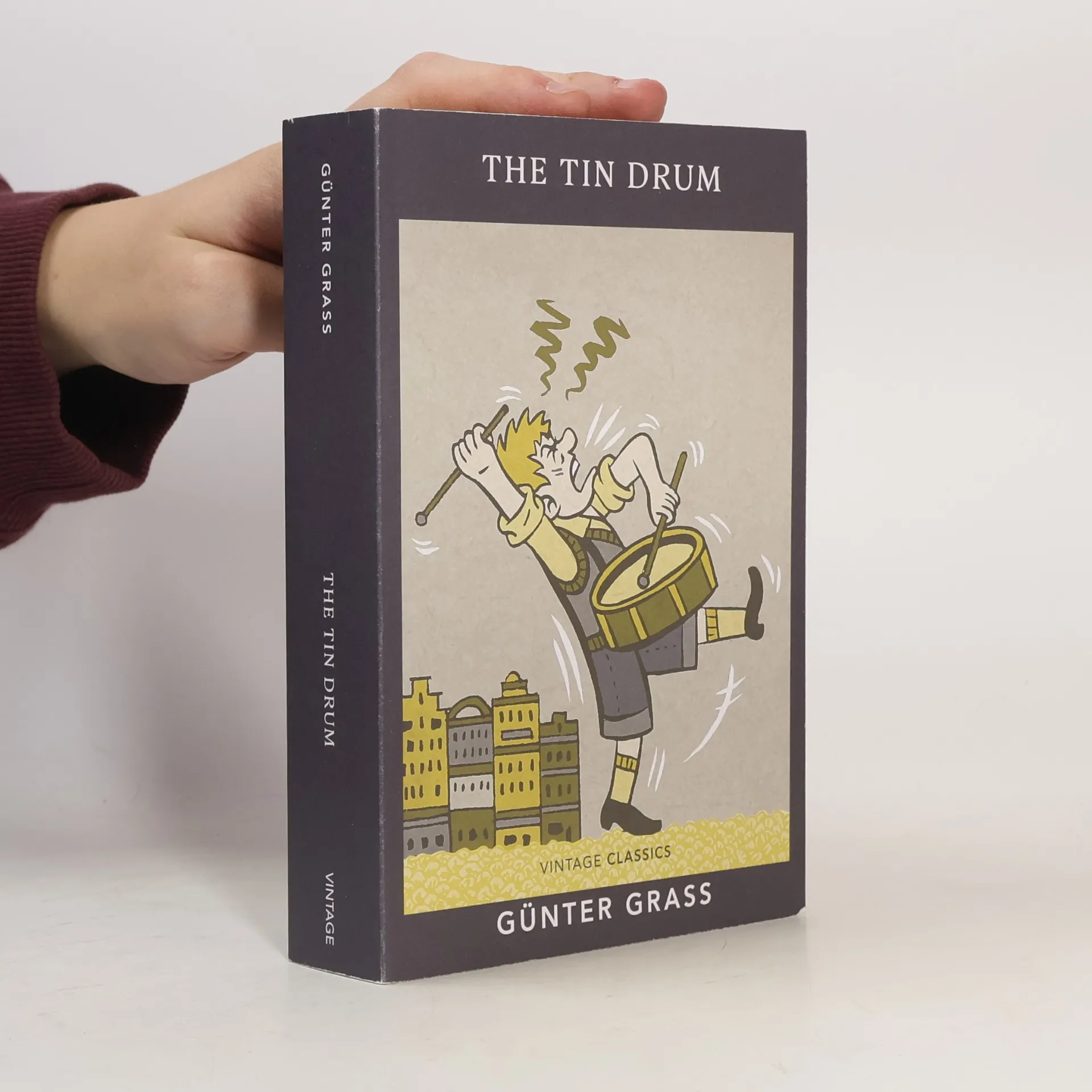
This epic saga, set in turbulent Danzig, chronicles the intertwined fates of several generations amidst pivotal 20th-century historical upheavals. Through a unique narrator, readers experience dramatic events from the rise of fascism to its downfall, reflecting the complex interplay of Polish, German, and Kashubian identities. The series masterfully blends grotesque and naturalistic elements with an unforgettable style, exploring the human condition in the face of sweeping historical change.
1959 erschien die Blechtrommel und wurde zum Welterfolg. Dieser Roman zeichnet mit scharfen Konturen eine Landschaft, Charaktere und Situationen, verfügt über prächtige Bilder, beobachtet genau und spielt virtuos auf der Klaviatur der realistischen Stilelemente. Der Blechtrommler Oskar Matzerath gehört längst zum Allgemeingut der Bundesrepublik.
THE BOOK: 'Funny, macabre, disgusting, blasphemous, pathetic, horrifying, erotic, it is an endless delirium, an outrageous phantasmagoria in which dustfrom Goethe, Hans Andersen, Swift, Rabelais, Joyce, Aristophanes and Rochester dances on the point of a needle in the flame of a candle that was not worth the game.
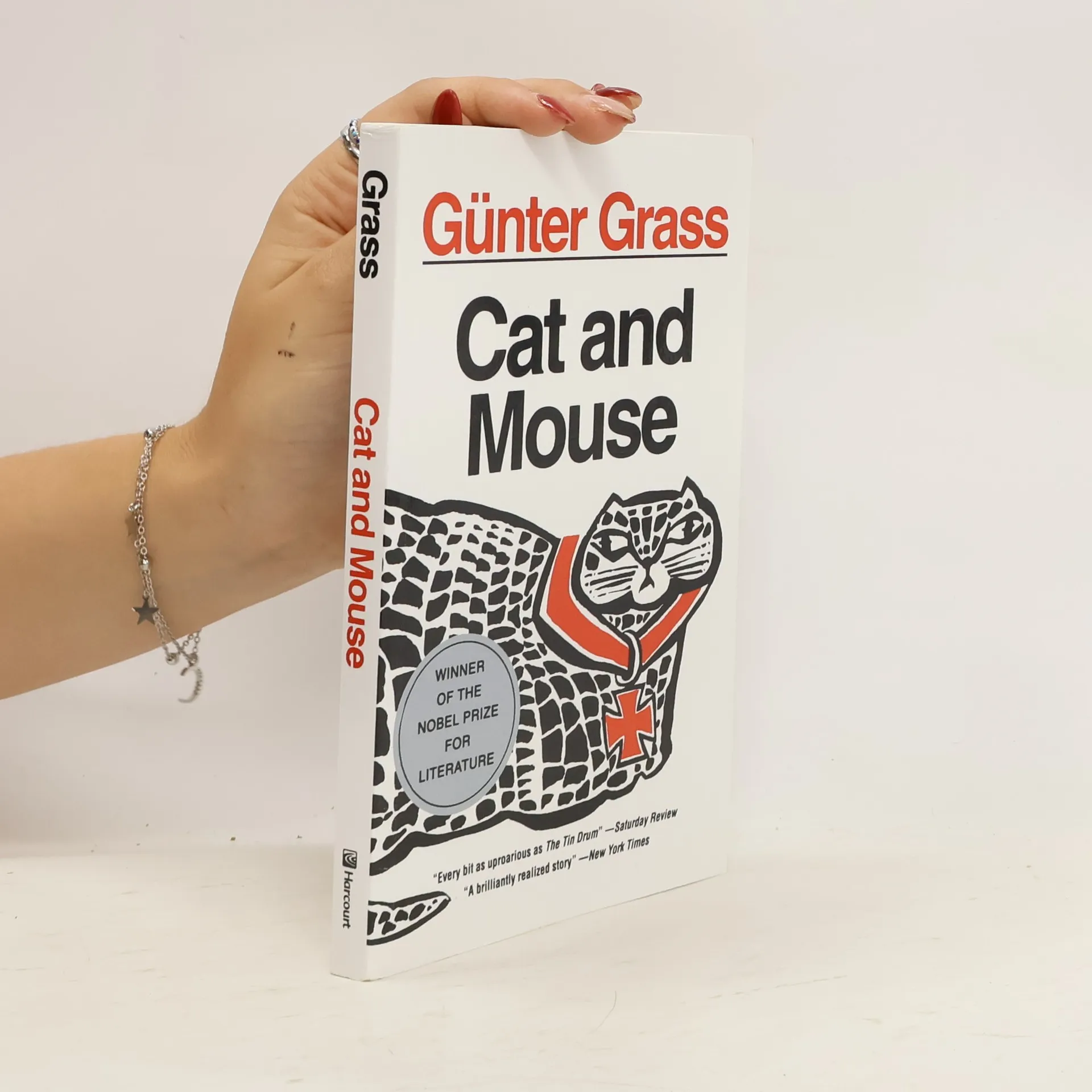
The setting is Danzig during World War II. The narrator recalls a boyhood scene in which a black cat pounces on his friend Mahlke's "mouse"-his prominent Adam's apple. This incident sets off a wild series of events that ultimately leads to Mahlke's becoming a national hero. Translated by Ralph Manheim. A Helen and Kurt Wolff Book
In this vast novel, packed with incident, Gunter Grass traces the dark labyrinth of the German mentality as it developed during the rise, fall, and aftermath of the Third Reich.
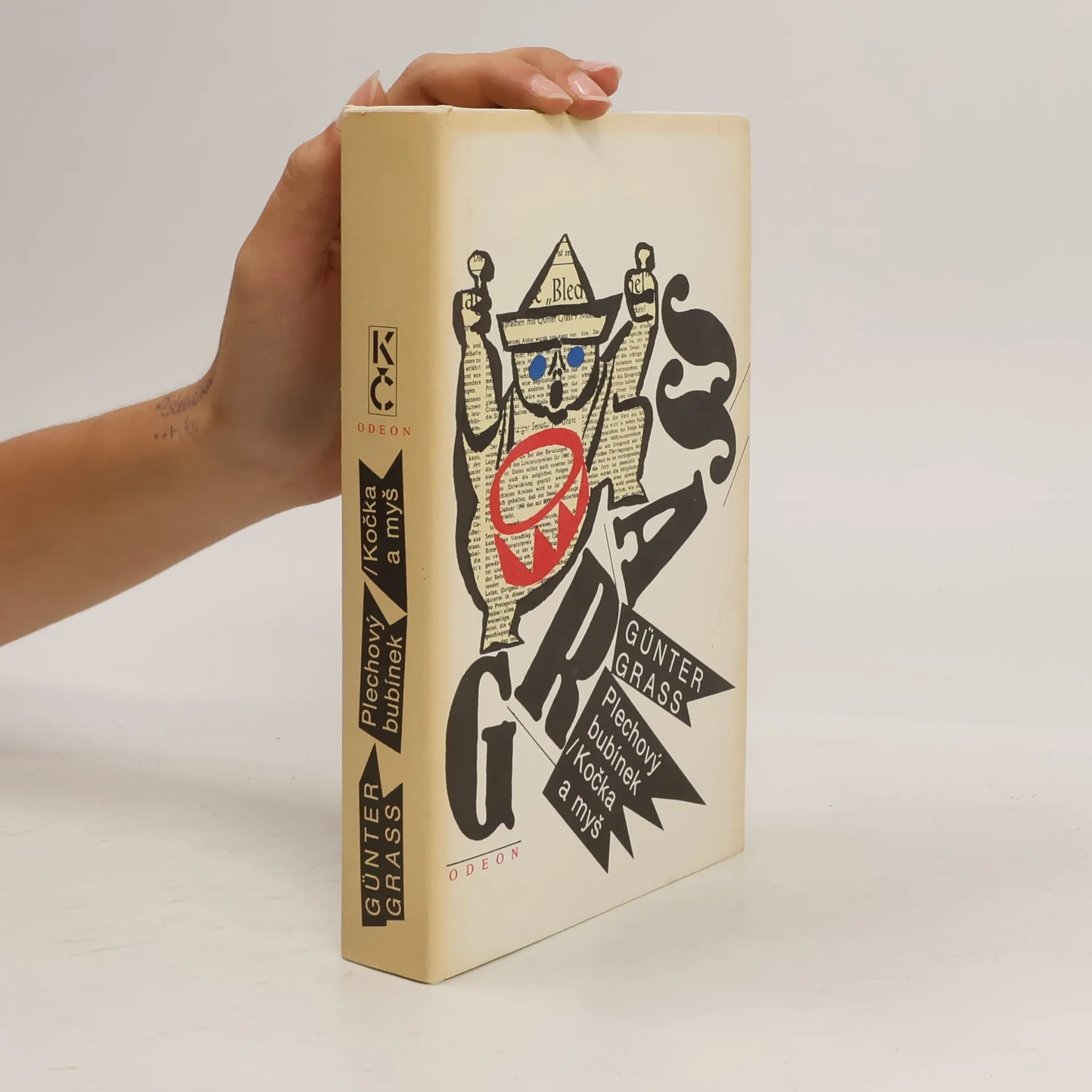
Román Plechový bubínek (1959) přivedl Grasse na světovou scénu jako příběh hrdiny Oskara Matzeratha, který v Léčebném a zaopatřovacím ústavu sleduje svůj život od počátku století do doby adenauerovského Německa. Tento infantilní vypravěč, se svým plechovým bubínkem, se pohybuje mimo tradiční morálku a stává se jediným zdravým v prostředí lži a zločinu. Dílo šokovalo čtenáře svou otevřeností a bezohledností, přičemž otevřelo cestu poválečnému německému románu ke světovosti a zajistilo hrdinovi významné místo v moderní mytologii.
Novela Kočka a myš (1961) je druhým dílem Gdaňské trilogie, která se soustředí na baltský přístav Danzig/Gdaňsk a období těsně předválečné a válečné. Hlavní postavou je Joachim Mahlke, outsider s mnoha handicapy, jehož nápadně velké Adamovo jablko zosobňuje jeho „cyranovský“ defekt. Snaží se o kompenzaci a touží stát se válečným hrdinou, což se mu podaří, když je jako velitel tanku dekorován válečným křížem. Na vrcholu své kariéry však dezertuje. Novela neřeší důvody jeho činu, ale vypráví o generaci, která byla spolupachatelem i obětí zrůdného režimu. Díky grotesknímu humoru a novelistické hutnosti se Kočka a myš stala jedním z nejčtenějších textů Güntera Grasse. V roce 1967 byl podle ní natočen stejnojmenný film.
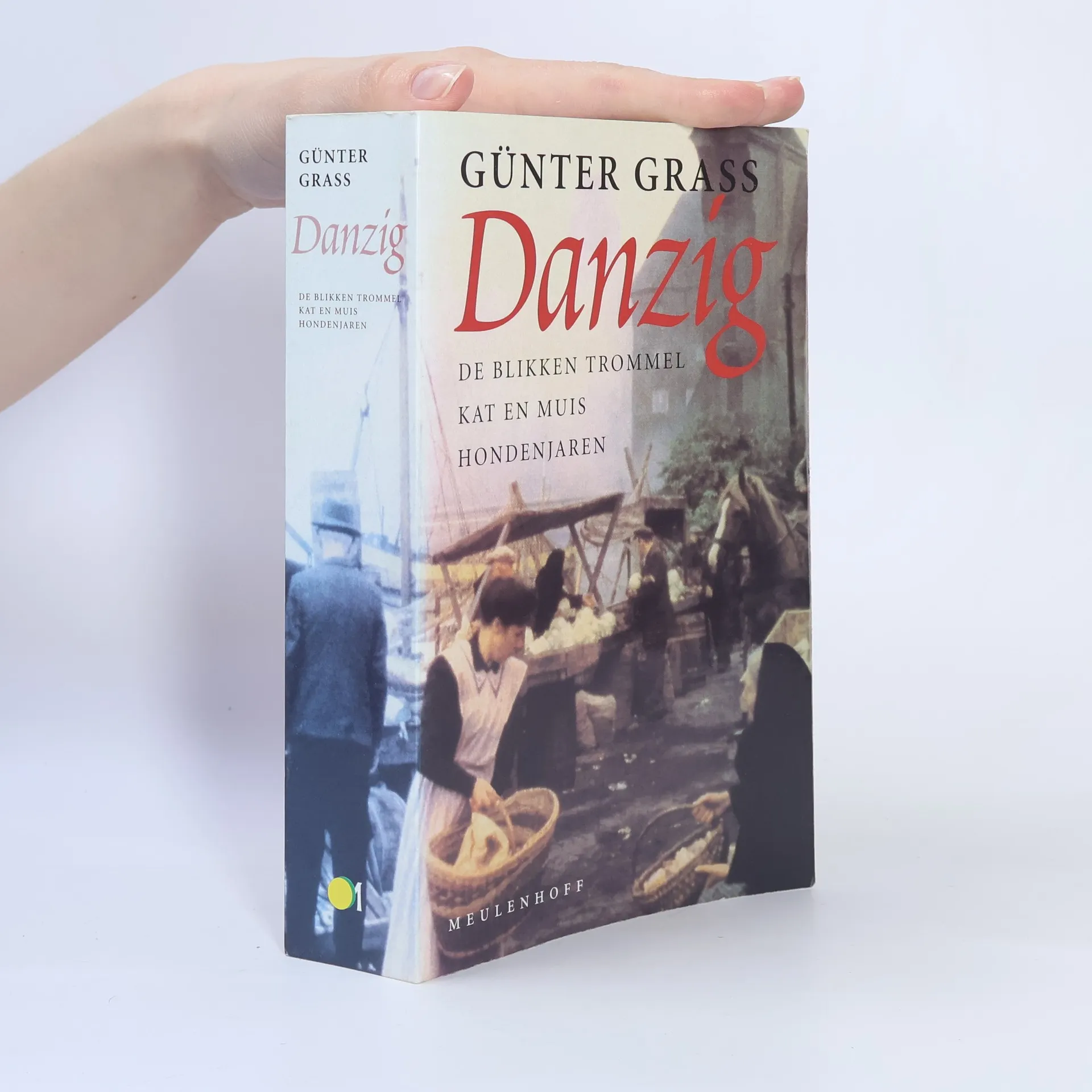
Bevat de drie boeken van de Danzig trilogie De blikken trommel, Kat en muis en Hondenjaren . Met zijn drie boeken over Danzig vestigde de Duitse schrijver Günter Grass zijn roem over de hele wereld. Zijn geboortestad maakte hij erin tot het mythische middelpunt van zijn rijke verbeelding. Hij schreef de boeken aan het eind van de jaren 50 en het begin van de jaren 60 van de twintigste eeuw, maar ze hebben niets aan literaire actualiteit ingeboet. Op onnavolgbare wijze brengt Grass de wereld van zijn jeugd in kaart, vooral die van de jaren 1930 en 1940. Niet alleen de kleine wereld van de mensen in Danzig, maar ook de grote wereld, die haar dreigende schaduw over een stad aan de Oostzee werpt. Günter Grass kreeg in 1999 de Nobelprijs voor literatuur.