Die Damentoilette: 22 Liebeserklärungen | »Geschnatter auf der Damentoilette für immer.« Sophie Passmann
- 160 pages
- 6 hours of reading


Heidi Julavits crafts narratives that delve into complex relationships and the intricate psychological depths of her characters. Her prose is characterized by a piercing insight into the human mind, employing unconventional storytelling techniques. Through her novels and short stories, she explores themes of identity, memory, and the interconnectedness of human experience. Julavits aims to imbue her work with emotional significance, treating subjects with a gravity that elevates them beyond mere commentary.


The narrative explores the profound transition of motherhood as Heidi Julavits reflects on her son approaching adulthood amidst societal turmoil, including campus rape allegations. This personal journey prompts her to confront her identity as a mother and the challenges of preparing her son for an uncertain future. Rooted in her own Maine childhood experiences, the book intertwines family dynamics with broader cultural and philosophical questions, ultimately revealing that personal growth and understanding must stem from within.
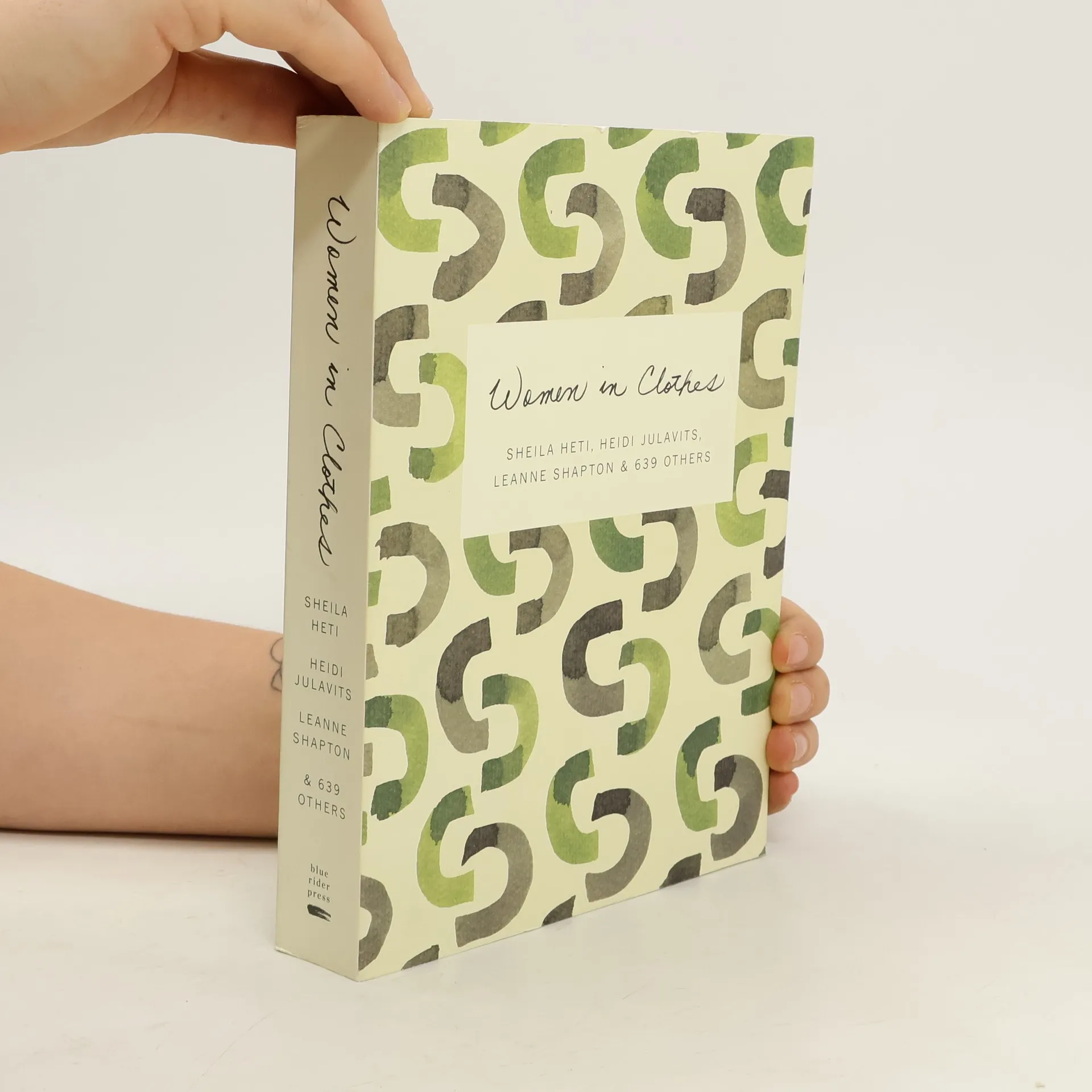
"An exploration of the questions we ask ourselves while getting dressed every day, and the answers from more than six hundred women"--From back cover.
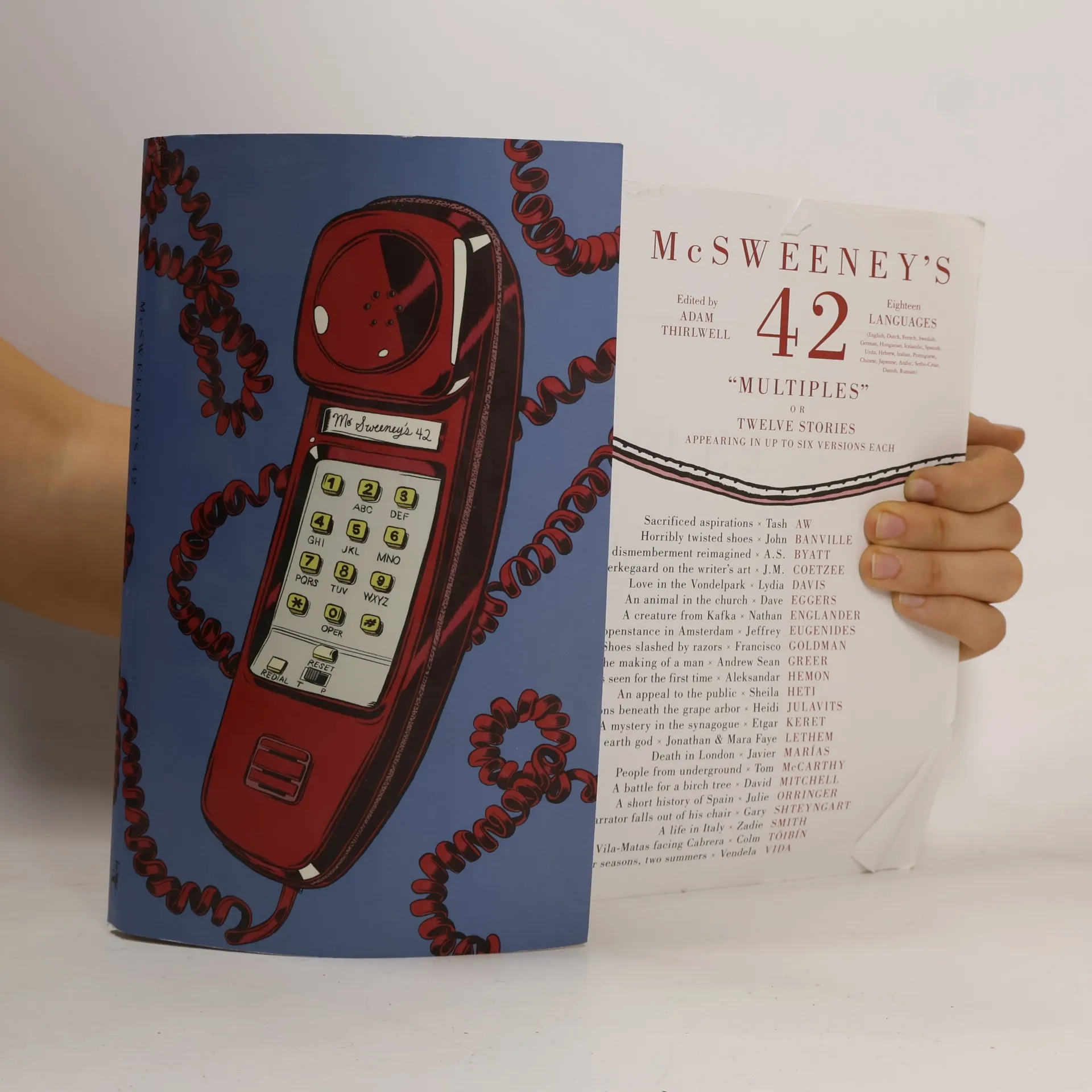
Or Twelve Stories Appearing in Up to Six Versions Each - Eighteen Languages: English, French, Czech, Dutch, German, Hungarian, Icelandic, Italian, Korean, Latin, Polish, Portuguese, Russian, Spanish, Swedish, Turkish
With the help of guest editor Adam Thirlwell (author of Kapow!, Visual Editions), Issue 42 is a monumental experiment in translated literature—twelve stories taken through six translators apiece, weaving into English and then back out again, gaining new twists and textures each time, just as you'd expect a Kierkegaard story brought into English by Clancy Martin and then sent into Dutch by Cees Nooteboom before being made into English again by J. M. Coetzee to do. With original texts by Kafka and Kharms and Kenji Miyazawa, and translations by Lydia Davis and David Mitchell and Zadie Smith (along with others by John Banville and Tom McCarthy and Javier Marías, and even more by Shteyngart and Eugenides and A. S. Byatt), this will be an issue unlike anything you've seen before—altered, echoing narratives in the hands of the finest writers of our time, brought to you in a book that looks like nothing else we’ve ever done.
The Believer monthly books and culture magazine is three-time finalist for National Magazine Awards in General Excellence and Design. An amiable yet rigorous forum for books and book criticism, The Believer provides an alternative to the plot summary that has increasingly become synonymous with "book review," extending the ever-shortening shelf life of new books, reviving interest in books long overlooked, and stressing the interconnectivity of books to pop culture, politics, art, and music. To that end, each issue includes essays on these topics, as well as lengthy interviews with philosophers, politicians, and poets. Nick Hornby has a widely celebrated monthly books column, and Amy Sedaris (and well-known guest-columnists) offers an advice column comprised of hilariously bad advice. The celebrated graphic novelist Charles Burns illustrates the cover each month, and the magazine is littered with illustrations by a wide range of established and emerging artists, with regulars like Tony Millionaire, Marcel Dzama, and others.
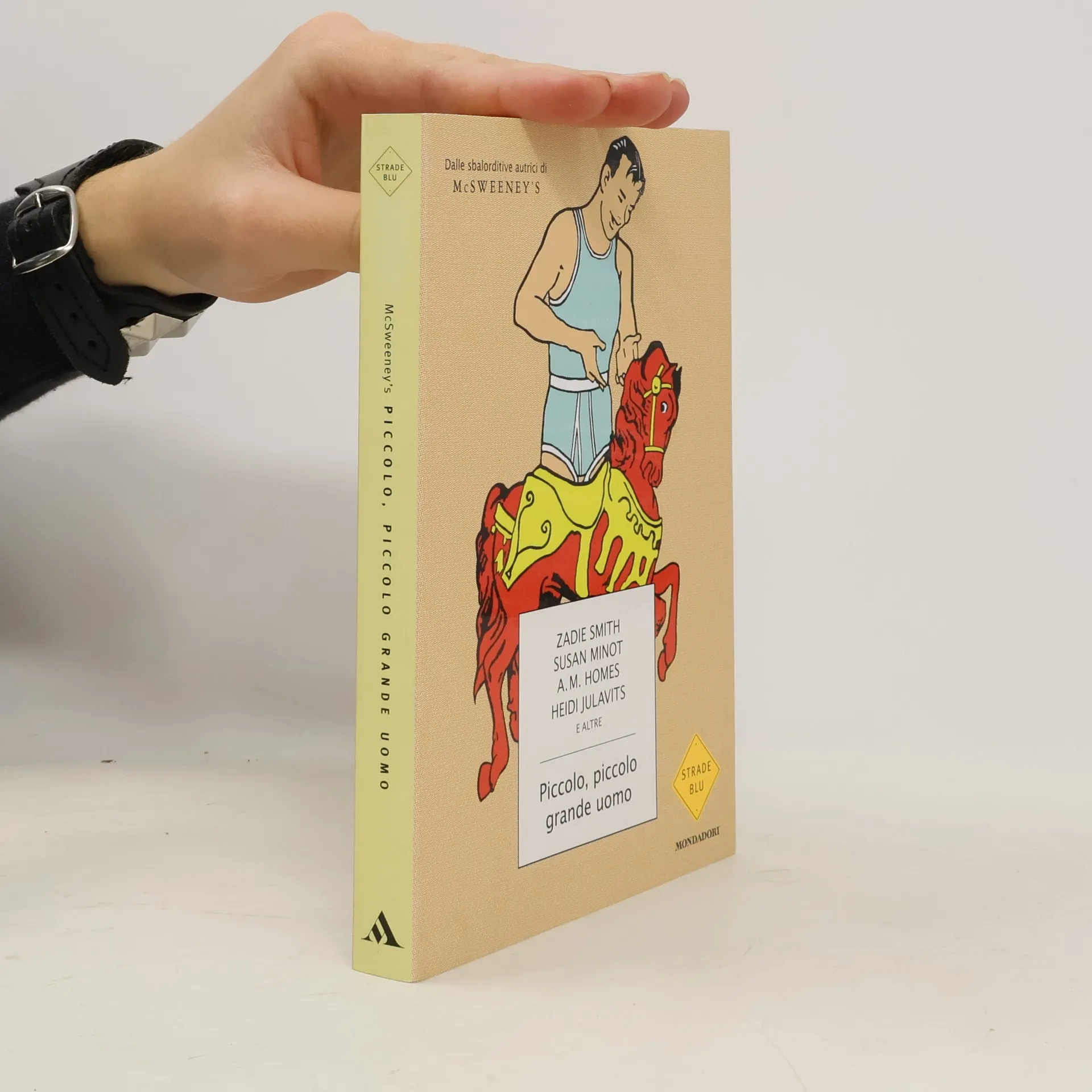
Come recita la testata del sito Web, "Timothy McSweeney è un enigma avvolto in un mistero avvolto nella pancetta". Ma chi era davvero Timothy McSweeney? Una possibile risposta si trova nel sesto numero, dove si racconta di un uomo che scriveva lettere al futuro fondatore della rivista quando questi era ancora bambino vicino a Chicago. Le lettere, con una calligrafia strana e bella, erano indirizzate anche alla madre, insistendo su un legame con la famiglia McSweeney. La spiegazione si sviluppa ulteriormente, ma resta da chiedersi quanto ci sia di vero e quanto di immaginario. La rivista è nata a San Francisco nel 1998 grazie a Dave Eggers, rivoluzionando il panorama letterario e attirando autori celebri come Stephen King, Joyce Carol Oates, David Foster Wallace e molti altri. In questa antologia, abbiamo raccolto i contributi di alcune delle intrepide scrittrici che hanno reso la rivista un luogo affascinante. Da Zadie Smith a Heidi Julavits, da Lydia Davis a A.M. Homes, fino a Susan Minot e Sheila Heti, troverete una varietà di storie brevi, memorie personali, saggi e altro ancora. Queste letture non solo vi offriranno soddisfazione e divertimento, ma vi trasformeranno in lettori incredibilmente cool. E oggi, scusateci se è poco.
Amidst clouds of dust and with a sense of purpose born of the Great Depression, Bena Jonsson -- young mother, physician's wife -- arrives in the desert town of Pueblo, Colorado, and immediately sets about creating a new life for her family. As the days unfold, however, she is quietly haunted by niggling doubts and an insidious loneliness, so she gratefully seizes the chance to explore her stalled career in journalism and accepts an unpaid position with the local paper. But bad omens begin stacking up like charms on a bracelet, and when Bena meets a prostitute accused of infanticide, her defence of the woman triggers a chain of events with unfathomable consequences. Written with an impeccable sense of history and full of impending doom, The Mineral Palace is a stylish corruption of the Medea myth -- a tragic love story and an indictment of society's treatment of untameable, liberated women.